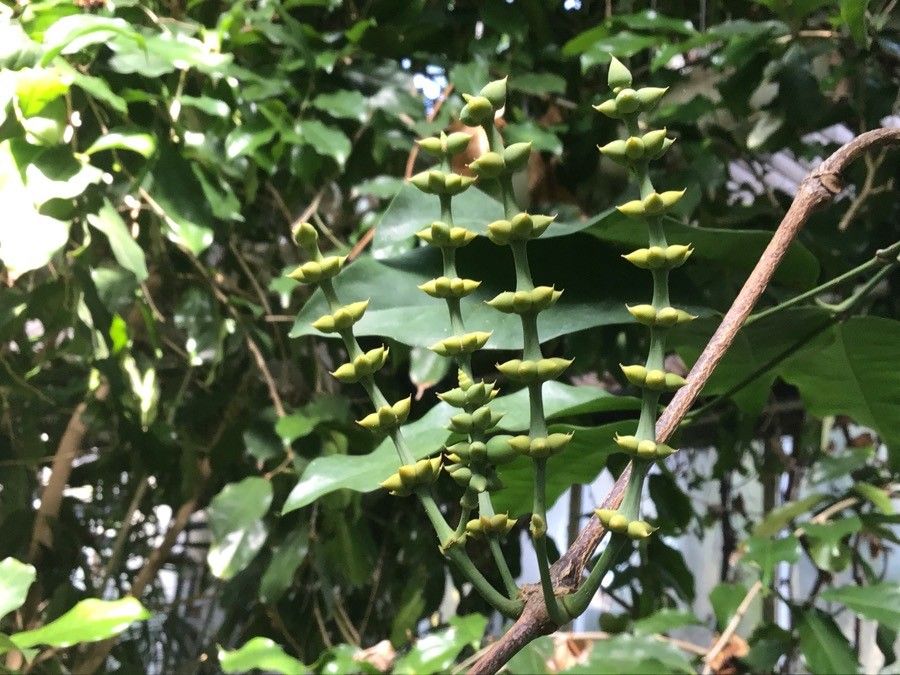
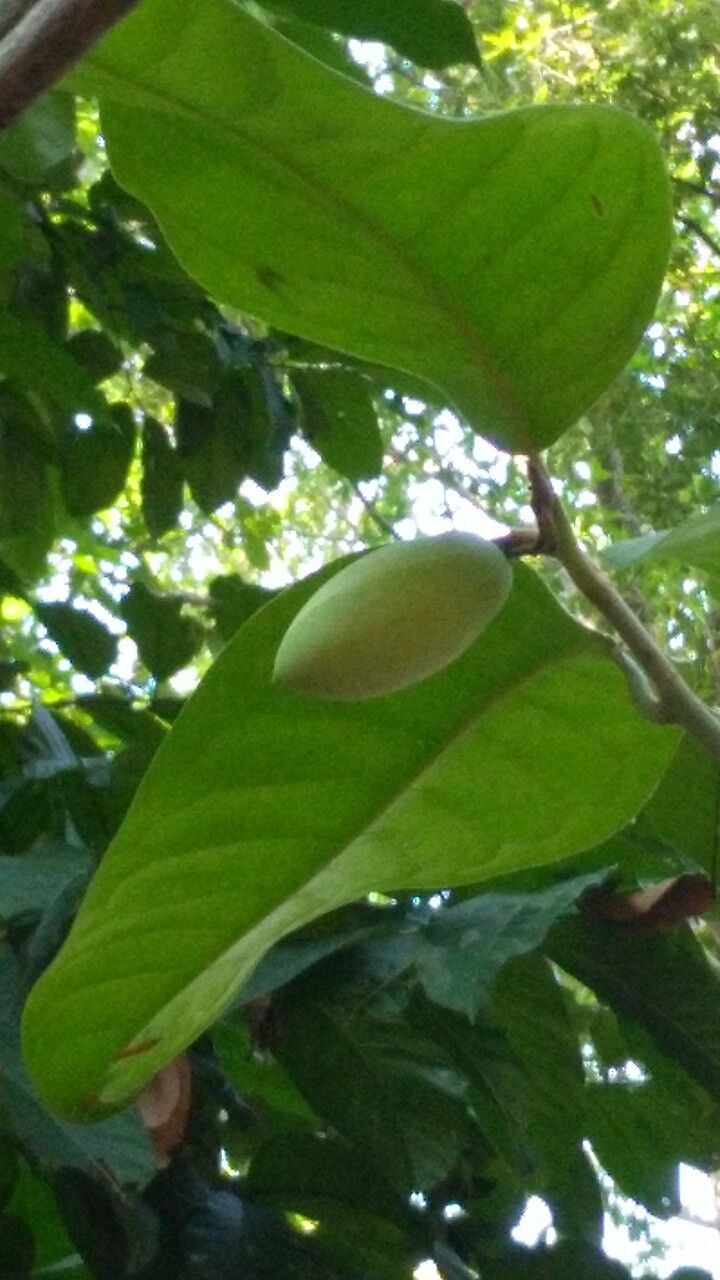
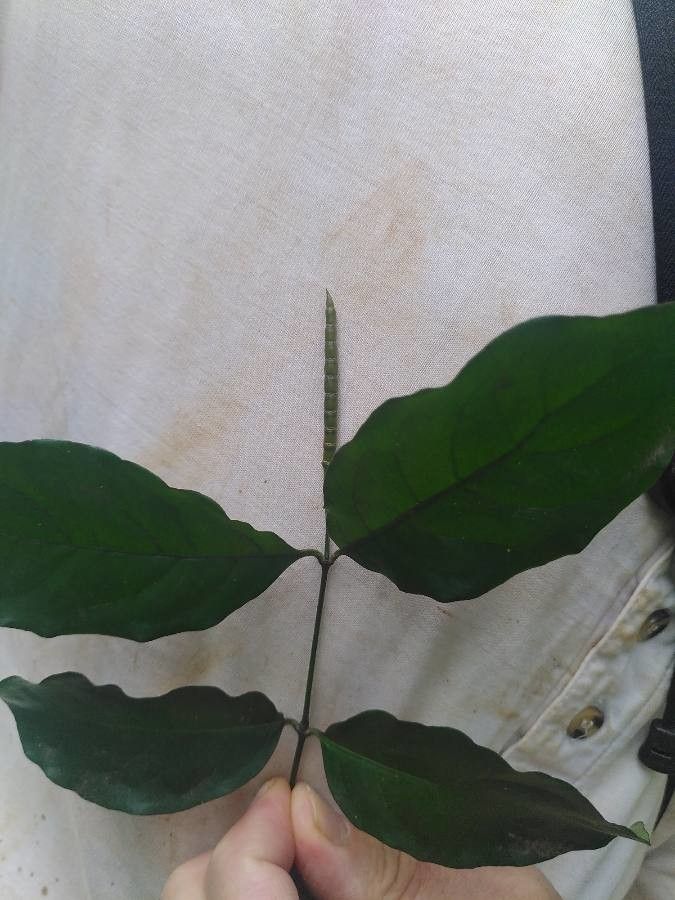
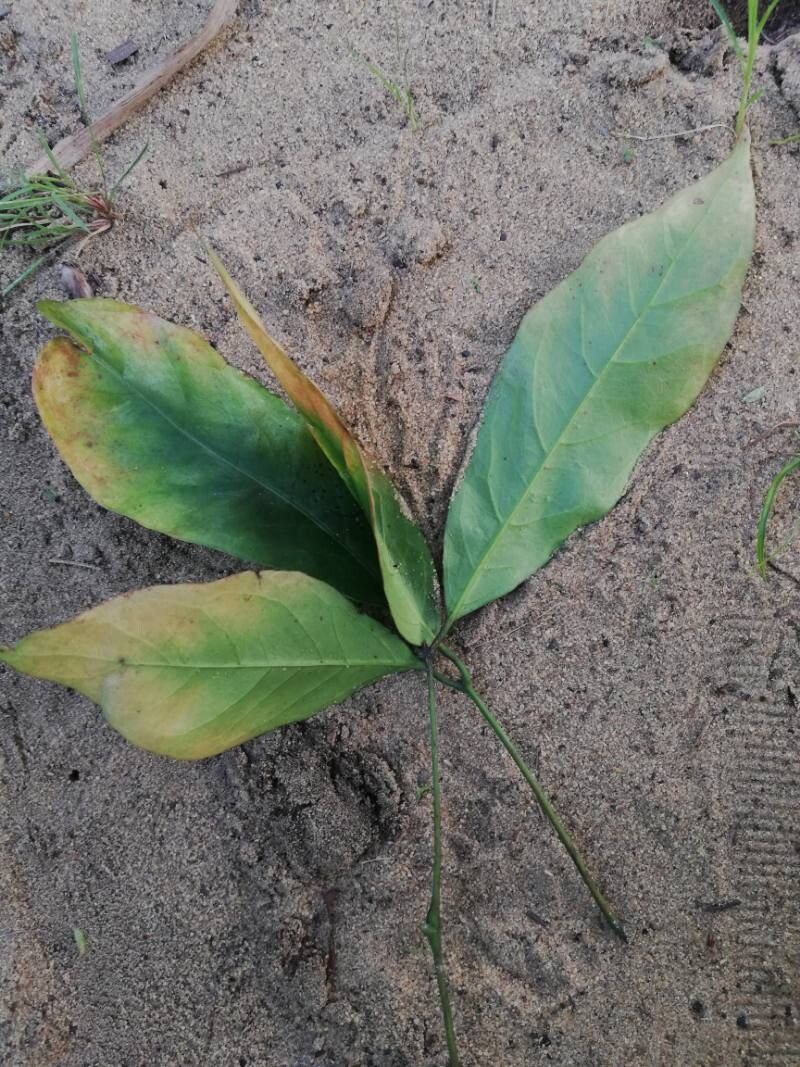
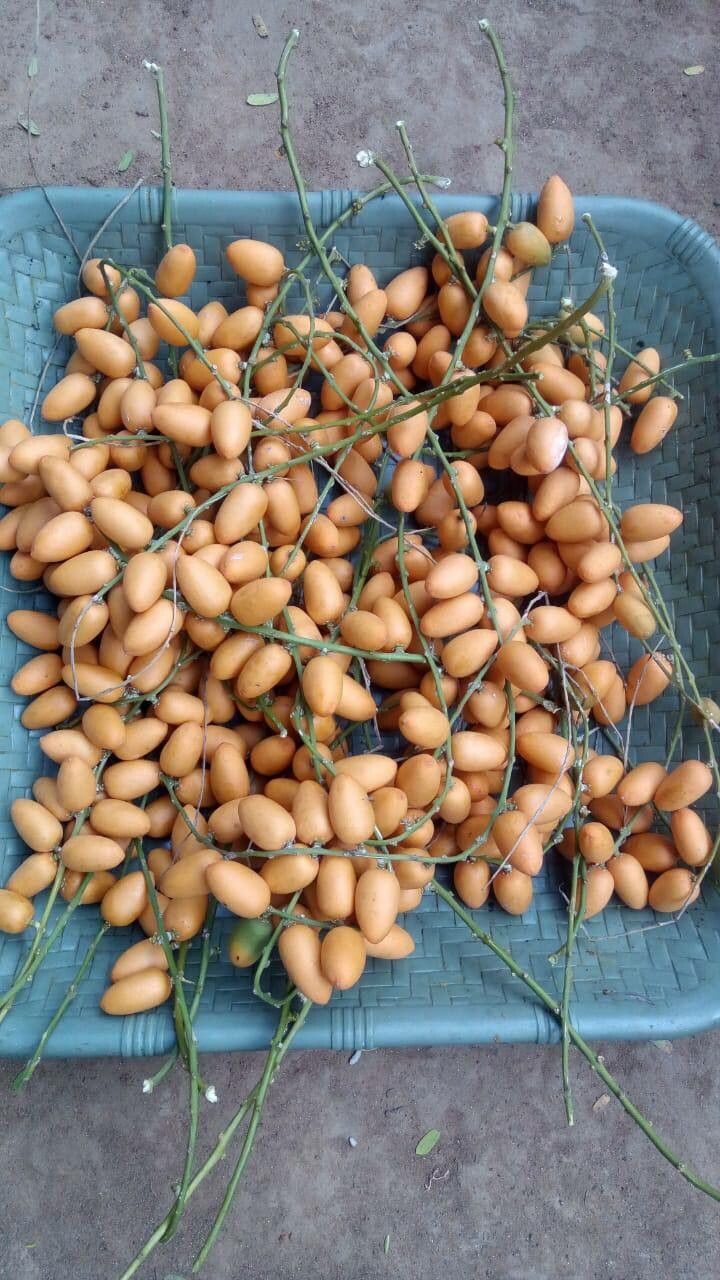
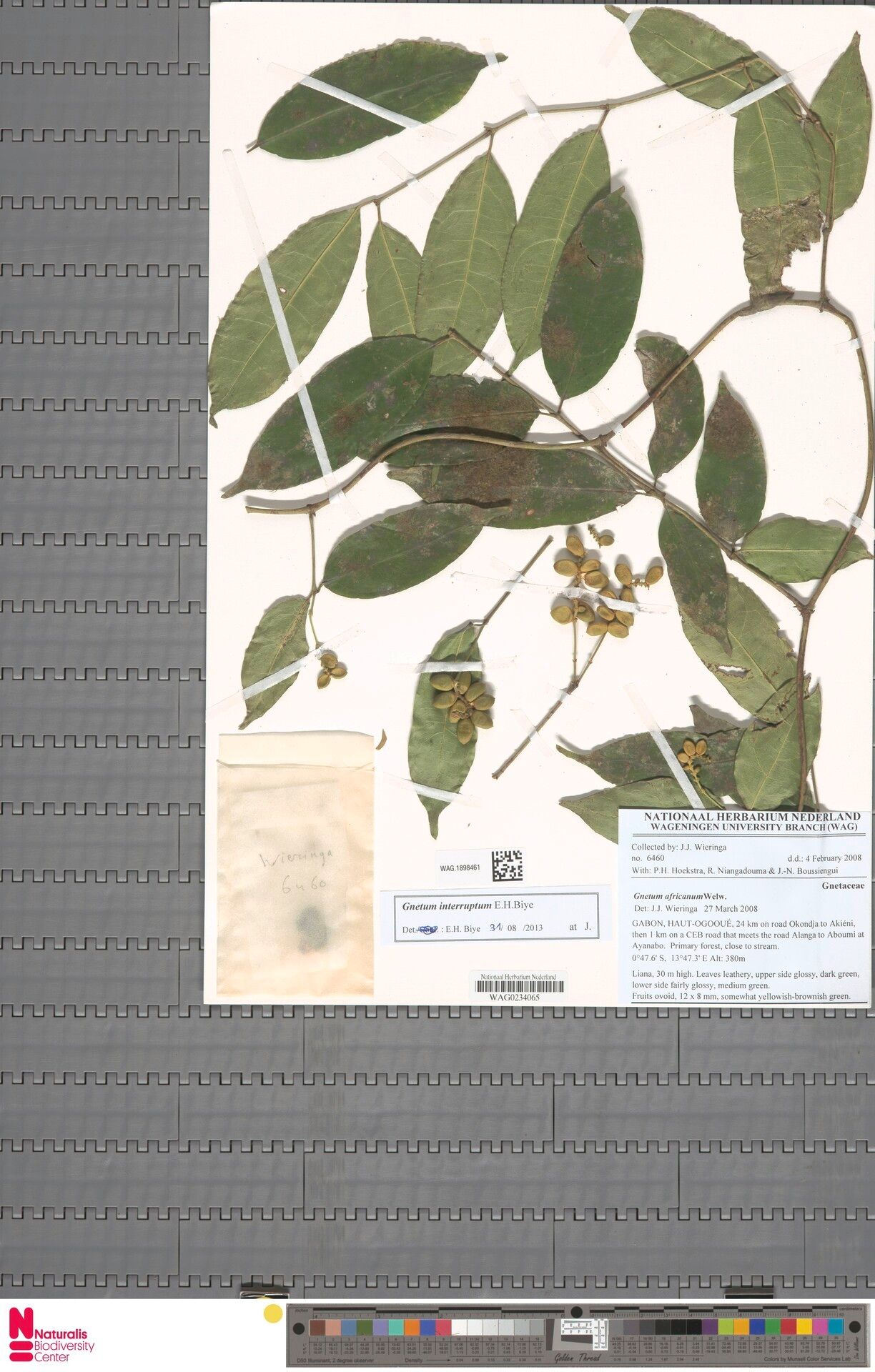
Gnetum gnemon, commonly known as melinjo, is a tropical tree species in the Gnetaceae family. Native to Southeast Asia, it is found in countries like Indonesia, Malaysia, and the Philippines. The plant can grow up to 30 meters tall and features a straight trunk with smooth bark.
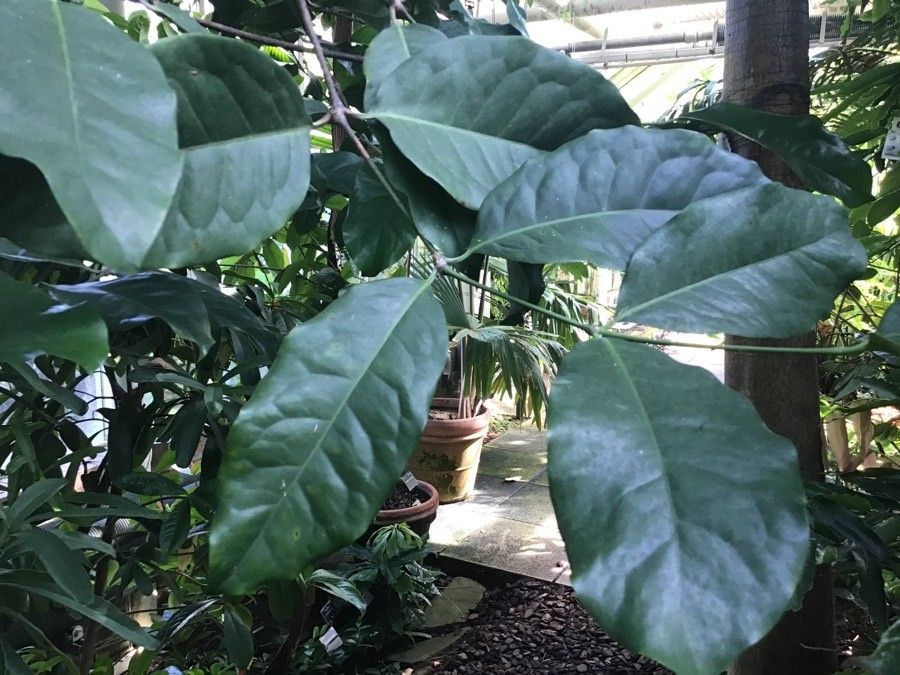
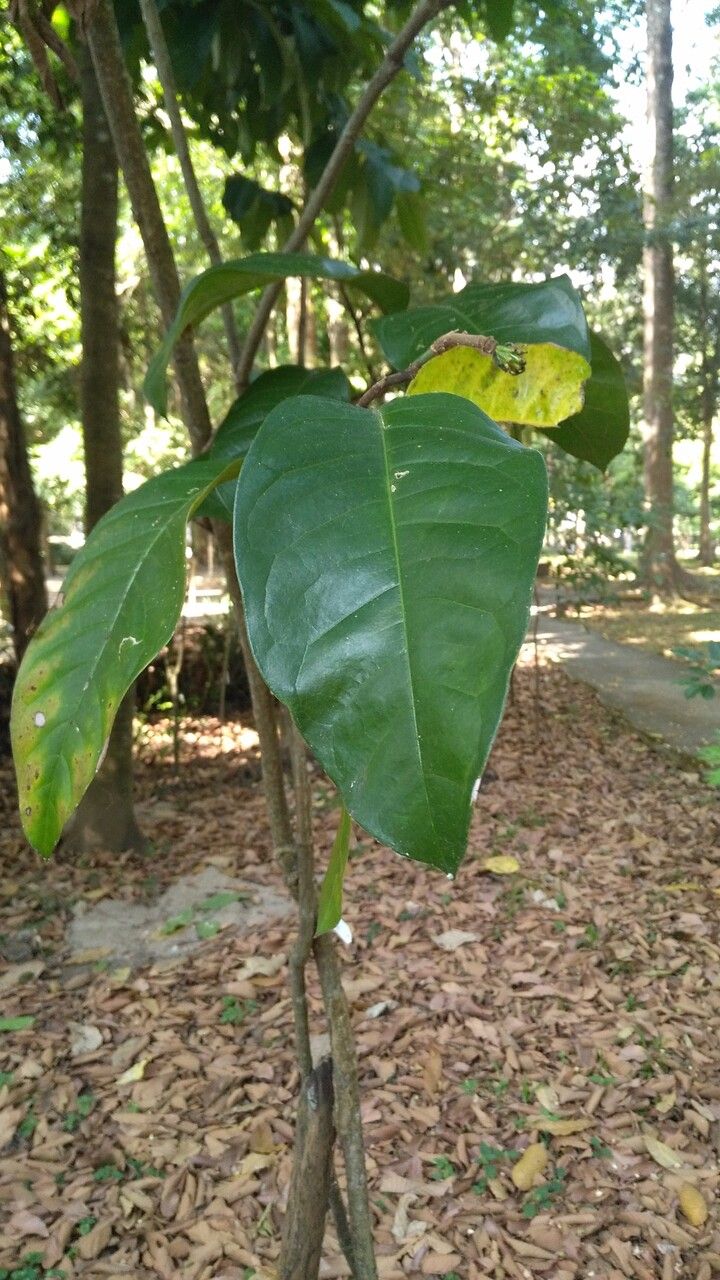
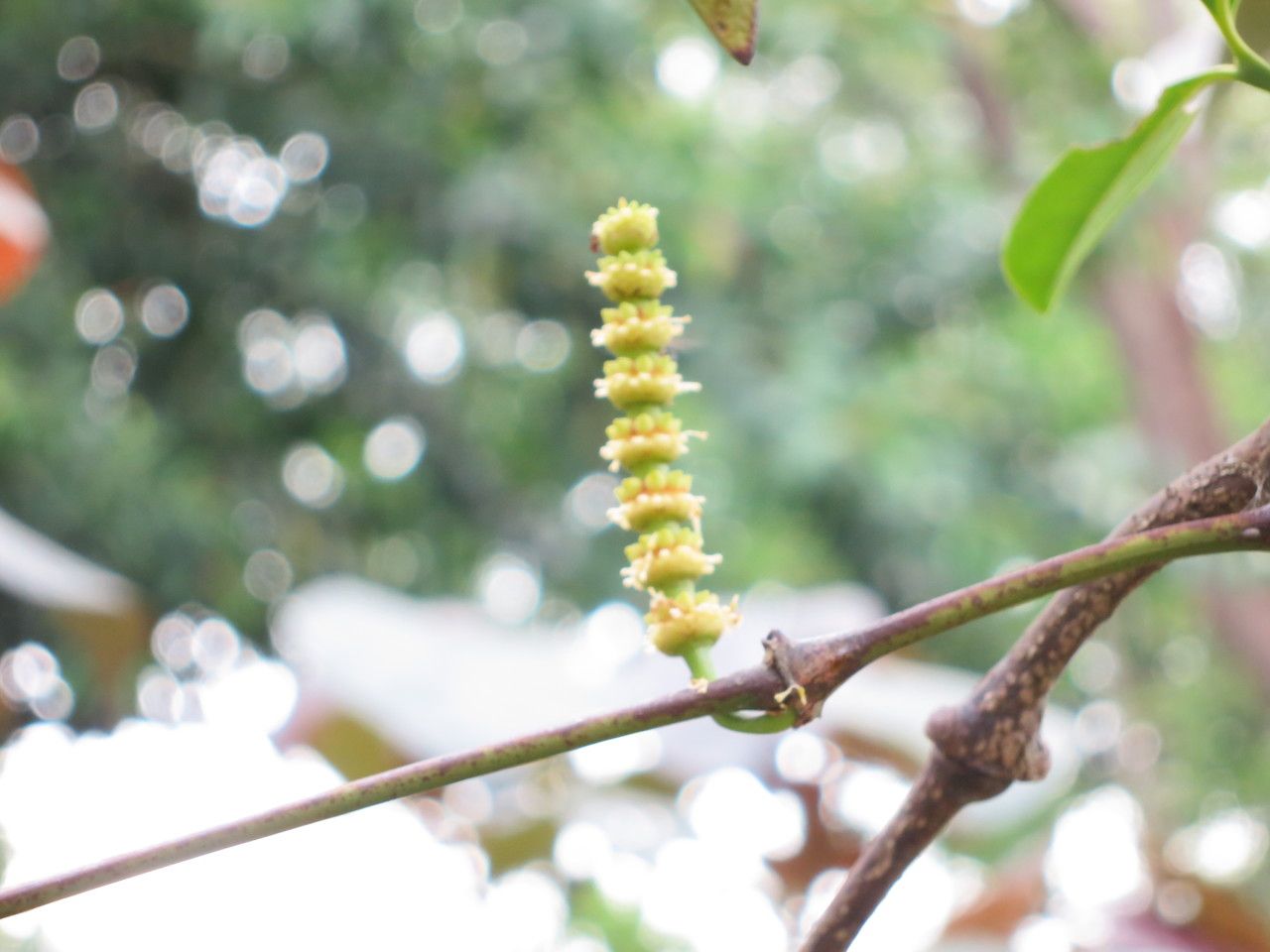
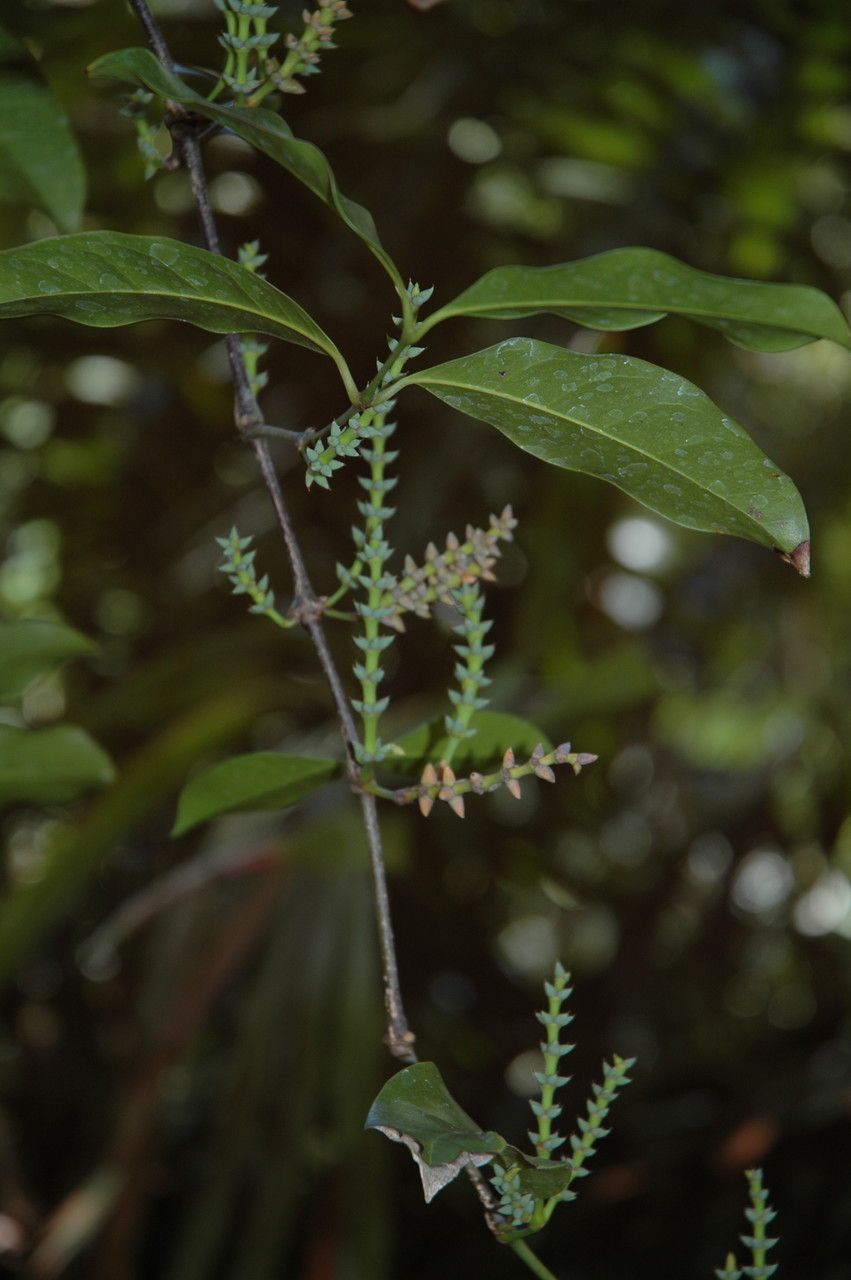
The leaves of Gnetum gnemon are large, glossy, and green. They are oval-shaped with pointed tips and have a leathery texture. The plant produces small, greenish-yellow flowers.
The fruit of Gnetum gnemon is edible and has been used for centuries in traditional medicine due to its health benefits. It is rich in antioxidants, vitamins A and C, calcium, iron, potassium, and magnesium, among other nutrients.
In addition to its medicinal properties, the fruit has culinary uses; it can be eaten raw or cooked into various dishes such as soups and stews.
Gnetum gnemon grows well in full sunlight or partial shade. It prefers well-drained soils rich in organic matter but can also tolerate poor soils if provided with sufficient water.
Overall, this plant species is significant both culturally, for its role in traditional medicine, and economically, as a food source in the communities of Southeast Asia where it naturally grows.
Gnemon has strong resistance to disease and is generally not susceptible to illnesses. In terms of care, the plant is fairly low maintenance. When grown outdoors it needs little watering, and larger specimens typically do not require pruning. Smaller plants, however, should be pruned after they bloom. Gnemont is appropriate for anyone with an outdoor area, such as a garden or deck, and does not demand much prior care experience.
How to keep Gnetum Gnemon.
Light
Gnemon comes from open habitats, for example sunlit meadows and forest margins, which provide abundant light. It flourishes in Full Sun but can also withstand Partial Sun, adjusting well to a range of light conditions.
Water
Gnemon, a plant native to humid tropical forests, thrives in environments with high moisture and consistent humidity. It needs to be watered every 2-3 weeks to keep the soil moist without making it waterlogged. As an evergreen, gnemon retains its foliage throughout the year and efficiently manages water loss through transpiration.
Temperature
Gnemon is native to tropical regions with typically warm, humid climates. Consequently, it is adapted to high heat and humidity. It does not tolerate sudden temperature shifts and prefers a consistent thermal environment, so avoiding indoor temperature variations is important. It generally cannot withstand cold and needs higher temperatures to grow. If the surrounding temperature falls too low, the plant may stop growing or may die.
Fertilizer
Use organic fertilizer (e.g., fish emulsion, compost) instead of chemical fertilizers for Gnemon. Provide higher nitrogen and phosphorus to young plants during spring. Incorporate compost or fertilizer before or after planting. For mature plants, supplement with a balanced fertilizer or one specific to deficiencies in spring. Nutrient deficiency causes small leaves, short branches, yellow or bronze leaves, acidic fruits, premature fruit fall, and splitting.
Pruning
The Gnemon is a tropical evergreen plant with glossy leaves and edible seeds. To promote healthy growth, prune the Gnemon during its dormant phase, which occurs from early to late winter. Focus on removing damaged branches and encouraging new growth. Make sure to use sharp, clean tools to prevent disease and improve air circulation.
Botanical profile.
- Plant Type
- Tree
- Life Cycle
- Perennial
- Genus
- Gnetum
- Family
- Gnetaceae
- Hardiness Zone
- 10-12
- Mature Height
- 14.94 m to 20.12 m
- Mature Spread
- 4.88 m
- Leaf Color
- Green
- Leaf Type
- Evergreen
- Flower Color
- Yellow, Green
- Flower Size
- 3.05 cm to 6.35 cm
- Bloom Time
- All year round
- Planting Time
- Spring, Summer, Autumn
- Harvest Time
- All year round
- Native Area
- India, Malaysia, Indonesia, Vietnam, Myanmar, Philippines, Singapore, Laos, Fiji, Brunei, Thailand, China
Other names.
Reader questions.
What are the sunlight requirements for Gnemon?
Gnemon requires full sun, which is above 6 hours of sunlight daily, but it can also tolerate partial sun, about 3-6 hours of sunlight. It's important to observe how sunlight moves through your garden to select the ideal locations that provide the necessary balance of light and shade, making sure your plants are happy and thriving.
What is Gnemon?
Gnemon, scientifically known as Gnetum gnemon, is a plant species. Detailed information such as its essential characteristics, symptoms of its presence or use, and additional notes has not been provided.
Can Gnemon grow in artificial lighting?
Yes, Gnemon can grow under artificial lighting, which is beneficial especially when natural sunlight is insufficient, like during winter or in less sunny spaces. Optimal growth is achieved by using artificial lights such as LEDs that can mimic specific wavelengths of light needed by the plants. For full sun plants, 30-50W/sq ft of artificial light is recommended, 20-30W/sq ft for partial sun plants, and 10-20W/sq ft for full shade plants. The artificial light source should be placed 12-36 inches above the plant, simulating natural sunlight, and plants typically require 8-12 hours of light per day.
What symptoms indicate that Gnemon is getting insufficient light?
If Gnemon is not receiving enough light, it may show symptoms such as smaller new leaves, leggy or sparse growth, faster leaf drop, slower or halted growth, and lighter-colored or yellowing leaves (chlorosis). Excessive sunlight can lead to sunscald, leaf curling, wilting, leaf scorching, and even the breakdown of chlorophyll, impacting the plant's photosynthesis and overall health negatively.
How can I ensure my Gnemon receives adequate sunlight indoors and outdoors?
To ensure Gnemon receives adequate sunlight, for indoor plants, gradually move them to sunnier locations each week until they receive at least 6 hours of direct sunlight daily. You can use a south-facing window or provide additional light with a desk or ceiling lamp on for at least 8 hours daily or invest in professional plant grow lights. For outdoor plants, also move them gradually to sunnier spots to avoid sunburn. If your plants are in the ground and obstructed by trees, consider pruning or transplanting to sunnier locations with good drainage, especially during the plant's dormant period.