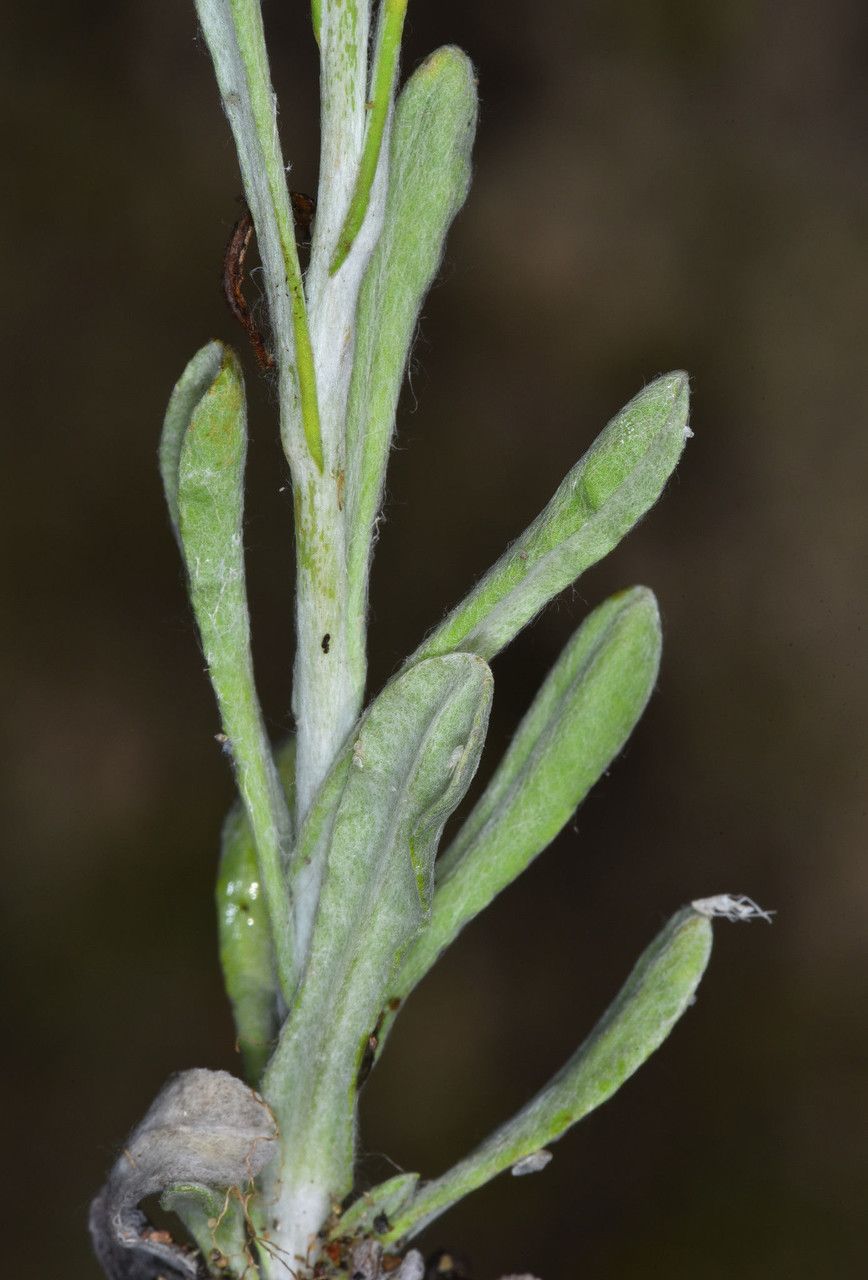
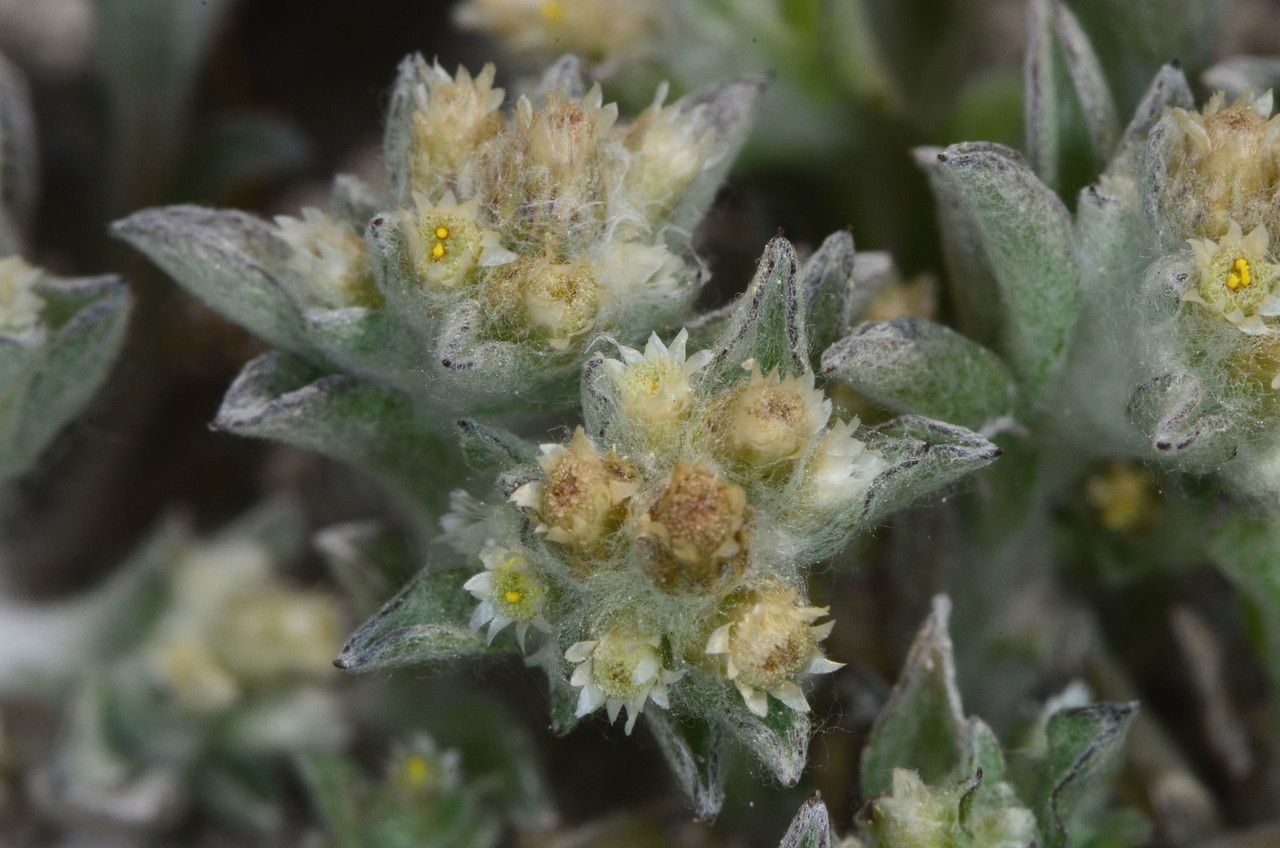
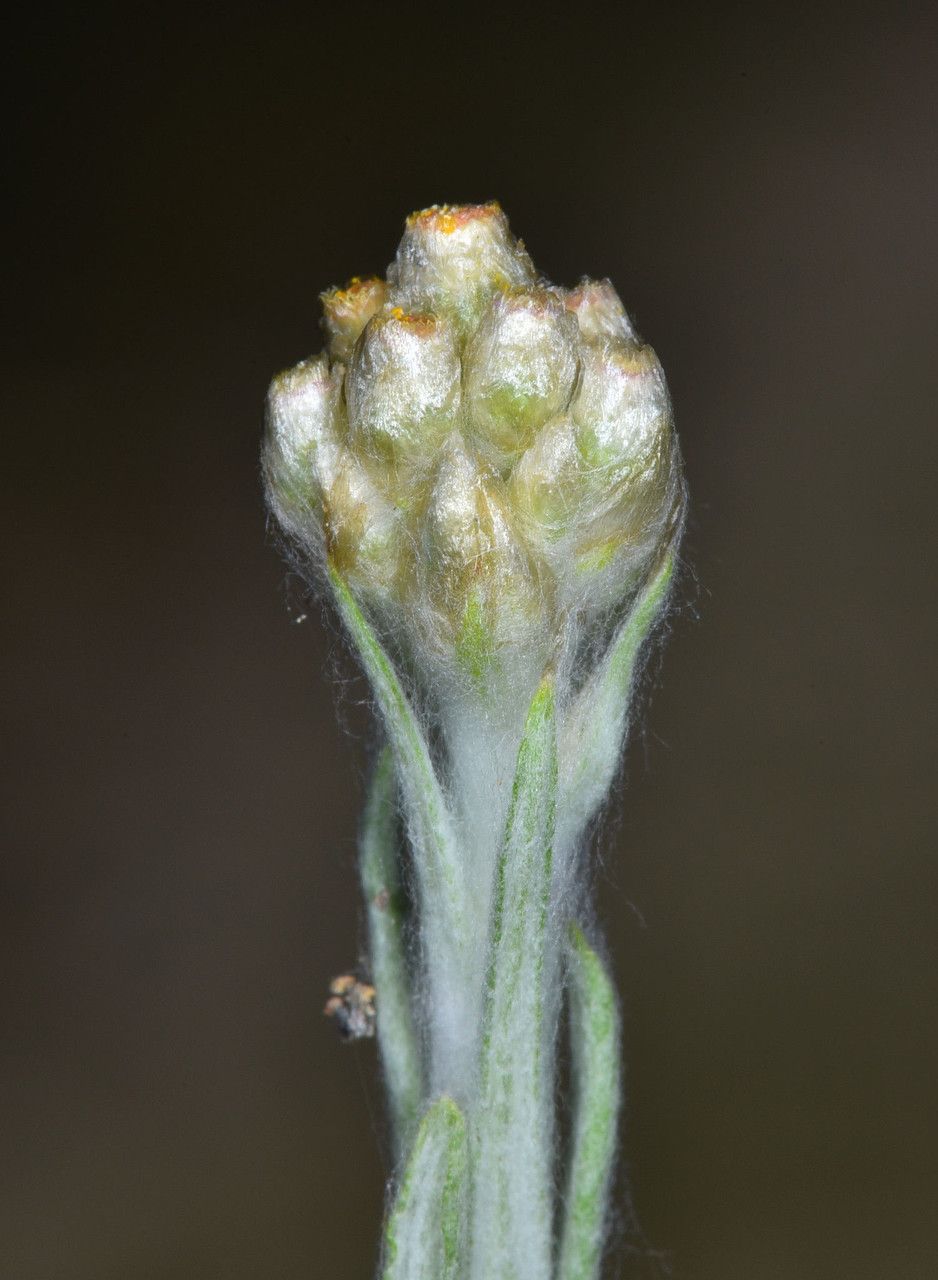
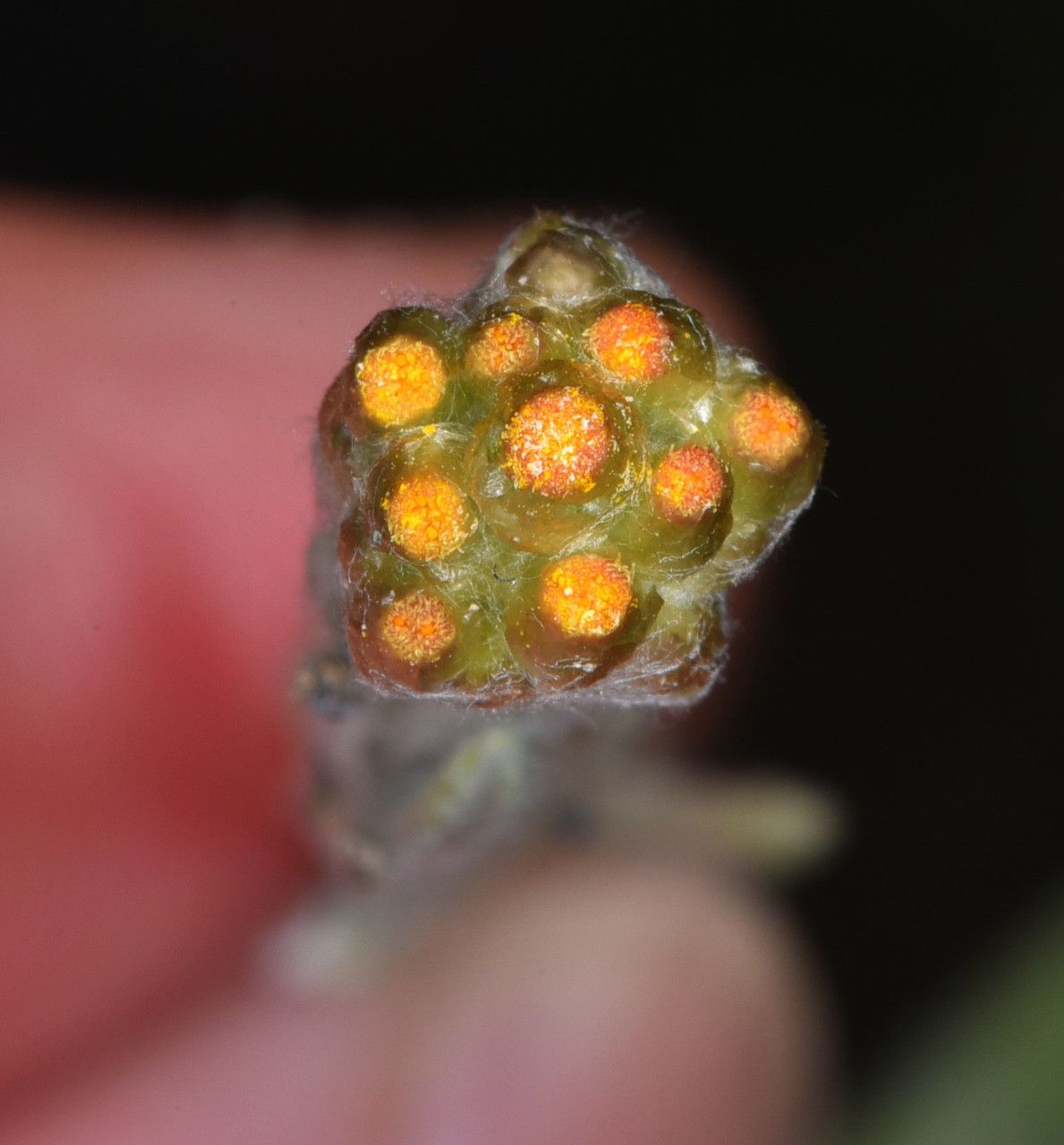
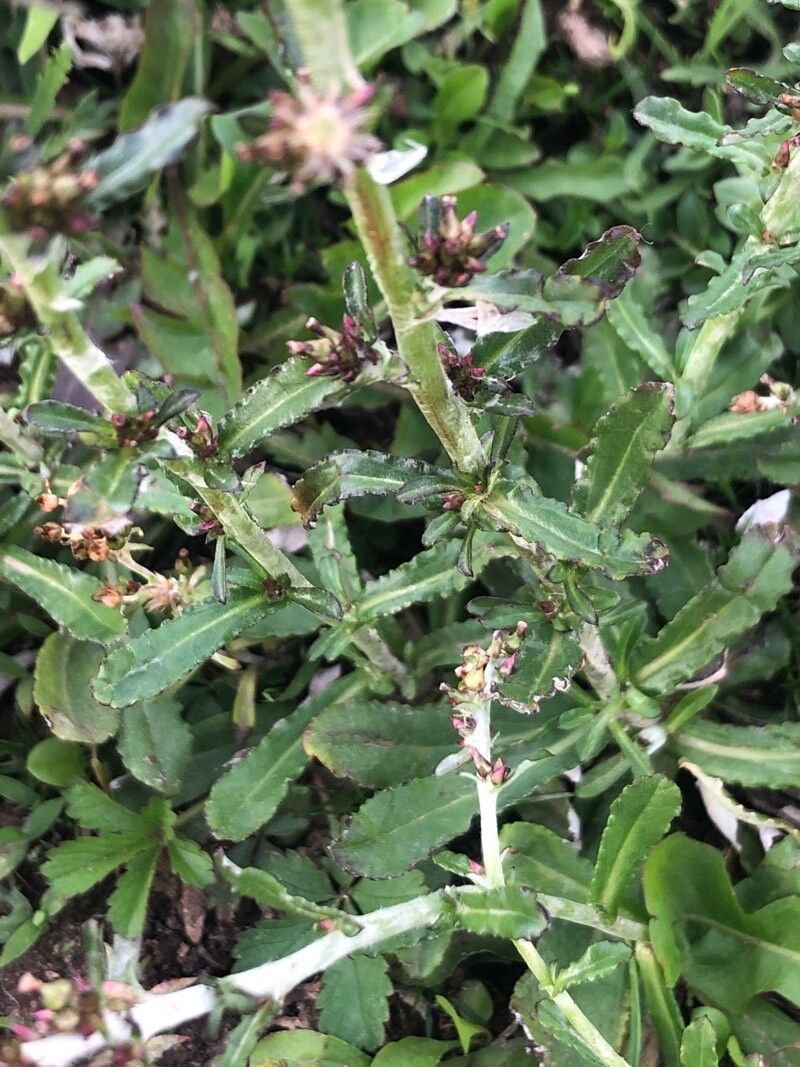
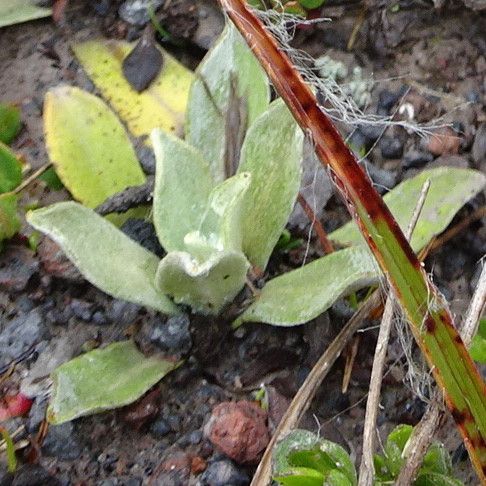
Gnaphalium palustre, known by the common name western marsh cudweed, is a species of flowering plant in the family Asteraceae.The plant is native to much of western North America, where it is common in many habitats and from valley floor to mountain alpine elevations of Western Canada, the Western United States, and Northwestern Mexico. It is found from British Columbia, Alberta, and Saskatchewan south as far as Baja California Sur, Arizona, and New Mexico.
Western marsh cudweed has good resistance to disease and is generally not prone to illnesses. However, it can be affected by pests and infections present in its surroundings. These problems are typically not severe. In terms of care, this plant needs moderate maintenance. It should be pruned regularly to maintain its appearance and support healthy growth. Fertilizing can also help encourage flowering. Western marsh cudweed is suitable for anyone with an outdoor area, such as a garden or patio, and does not demand extensive gardening experience. It may need more attention if grown indoors.
How to keep Gnaphalium Palustre.
Light
Western marsh cudweed comes from bright, open habitats where it does best in full sun. It can endure partial sun but favors direct sunlight for optimal growth. This plant, which may be annual or biennial, is noted for its sun-loving habit.
Temperature
Western marsh cudweed can adjust to a broad span of temperatures, yet its distribution may still be restricted by particular combinations of moisture and heat. It does best in warm summer conditions with sufficient rainfall or watering. Extended periods of cloudy, rainy weather or sustained high temperatures can raise the likelihood of Western marsh cudweed dying. In winter, appropriate protection from cold can increase the plant's chances of survival.
Fertilizer
Western marsh cudweed does well with regular, light applications of fertilizer to encourage healthy leaf development. Fertilize Western marsh cudweed roughly once a month during the summer months. Nitrogen is essential for foliage, and providing nitrogen-rich fertilizers helps Western marsh cudweed prosper.
Pruning
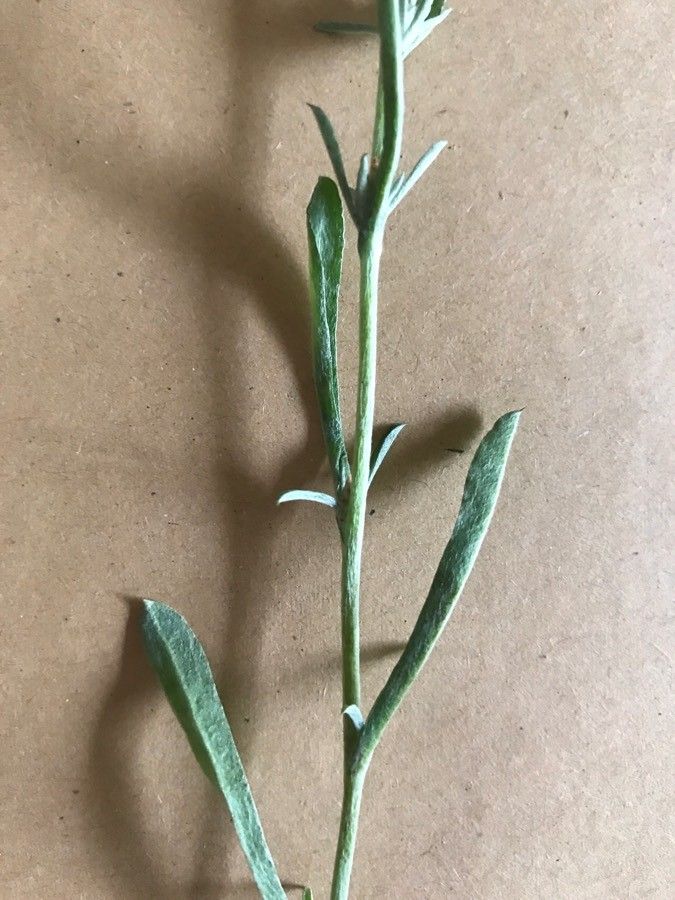
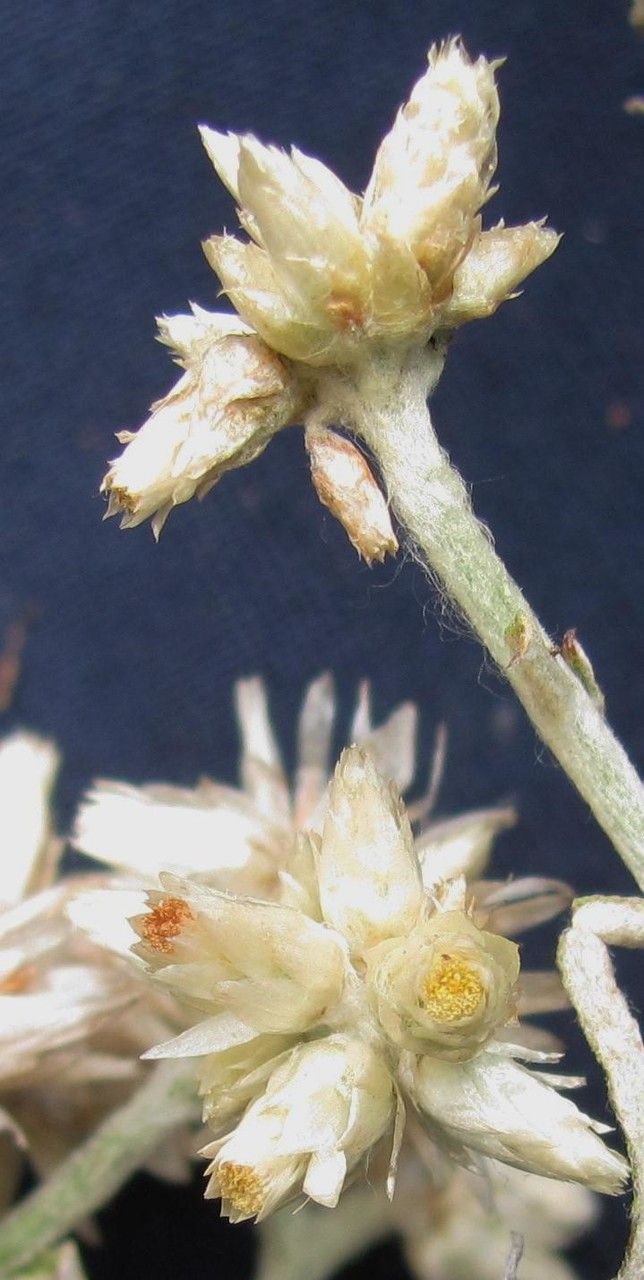
Western marsh cudweed is characterized by its dense, woolly foliage and small flowers. It thrives when pruned in early spring. Pruning involves removing dead stems, which improves airflow and helps the plant maintain a compact shape. Pruning before new growth starts also enhances the plant's health and its flowering potential. For the best results, consult reliable sources to learn about optimal pruning practices.
Botanical profile.
- Plant Type
- Herb
- Life Cycle
- Annual, Biennial
- Genus
- Gnaphalium
- Family
- Asteraceae
- Hardiness Zone
- 7-10
- Mature Height
- 5 cm to 20 cm
- Mature Spread
- 5 cm to 15 cm
- Leaf Color
- Gray, Silver
- Leaf Type
- Deciduous
- Flower Size
- 0.25 cm to 0.51 cm
- Bloom Time
- Summer
- Planting Time
- Summer
- Harvest Time
- Late summer, Early fall, Mid fall
- Native Area
- Mexico
Other names.