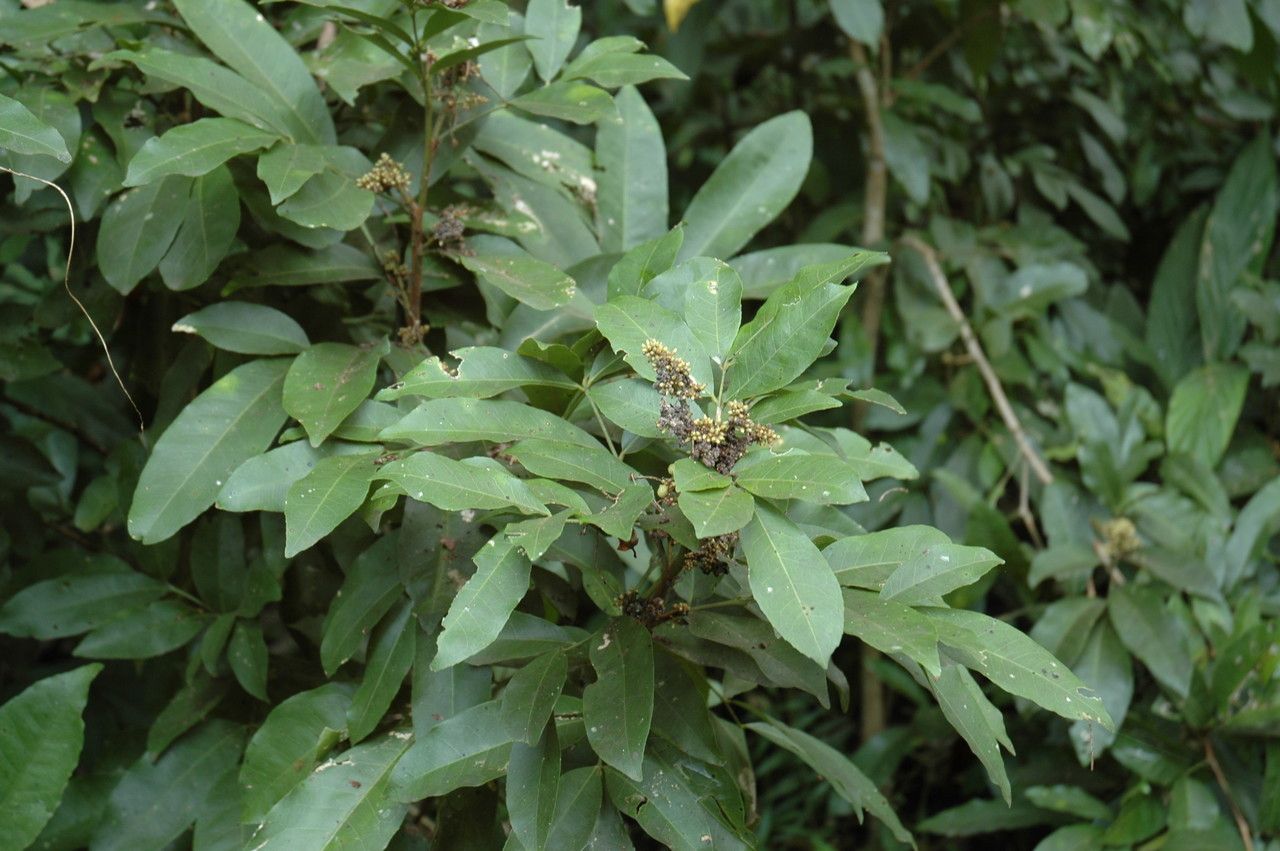
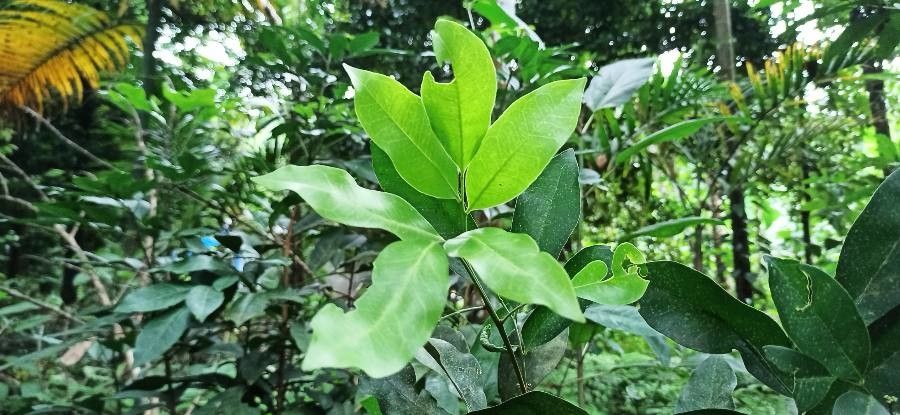
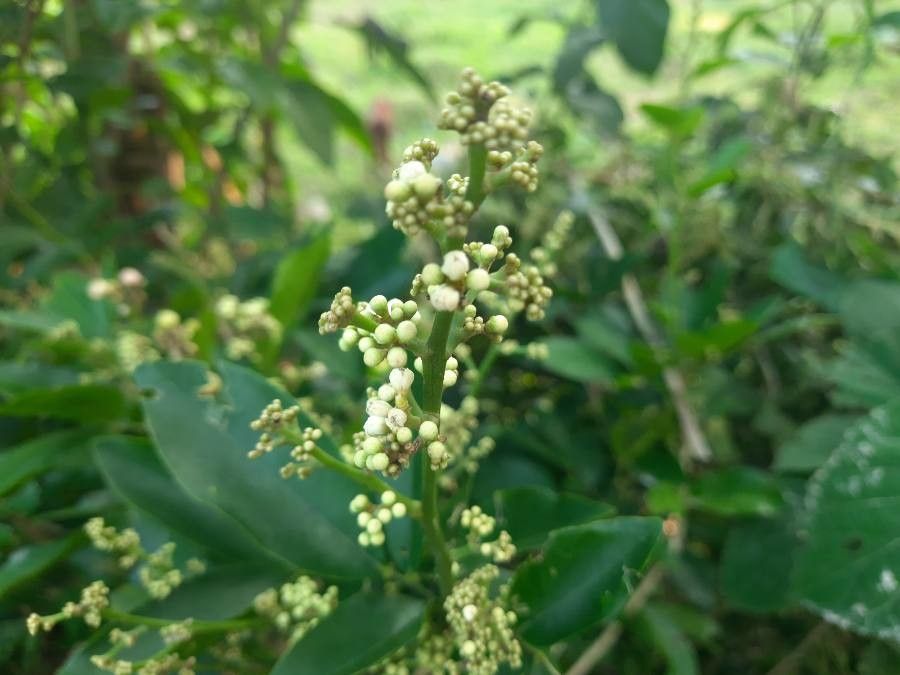
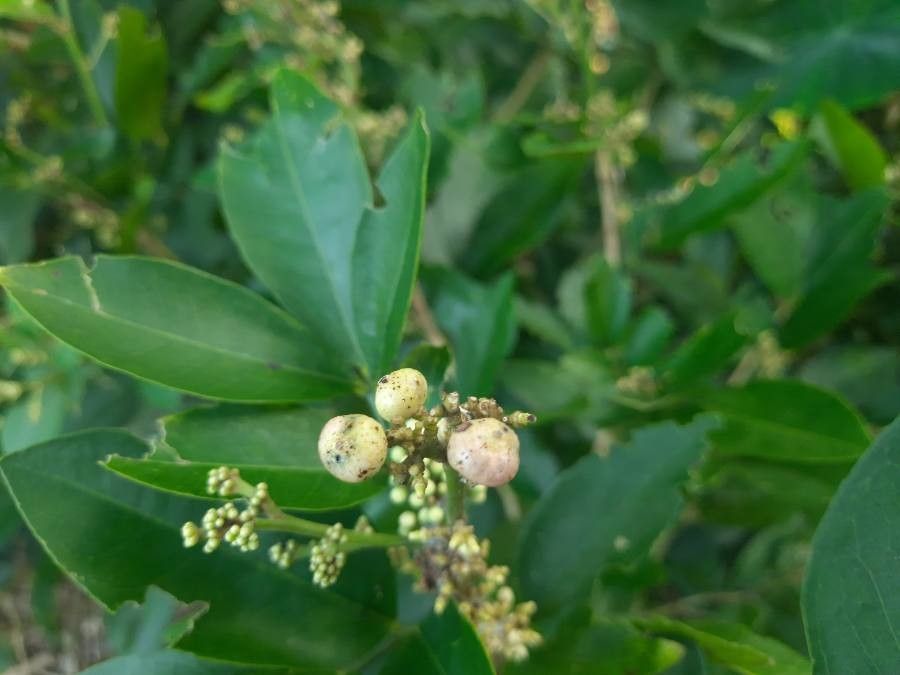
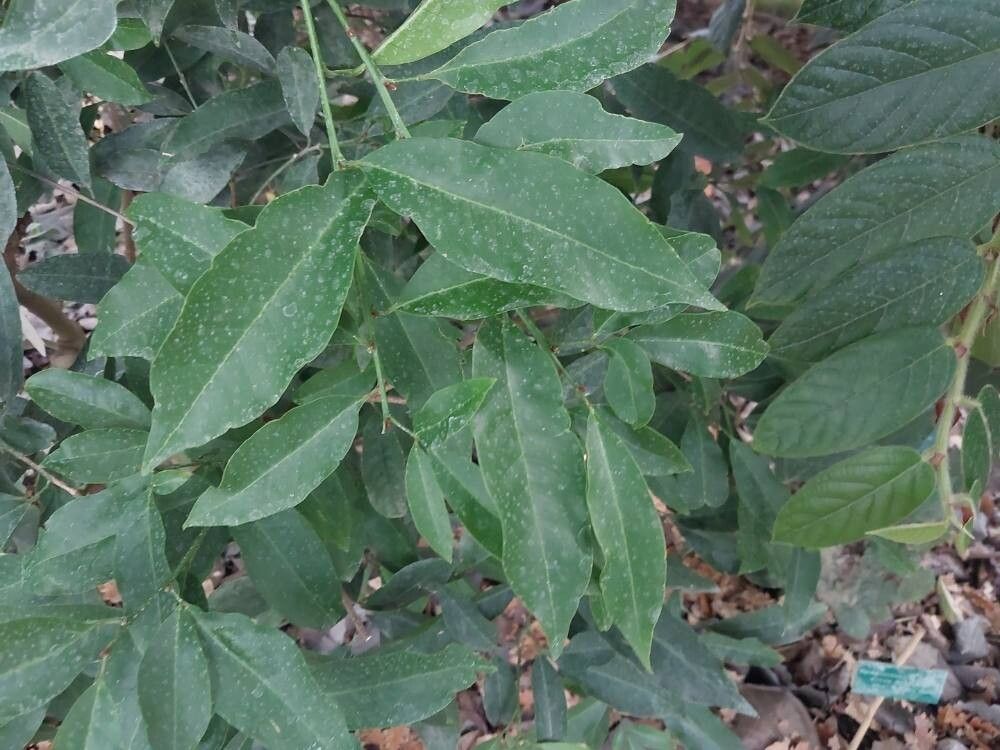
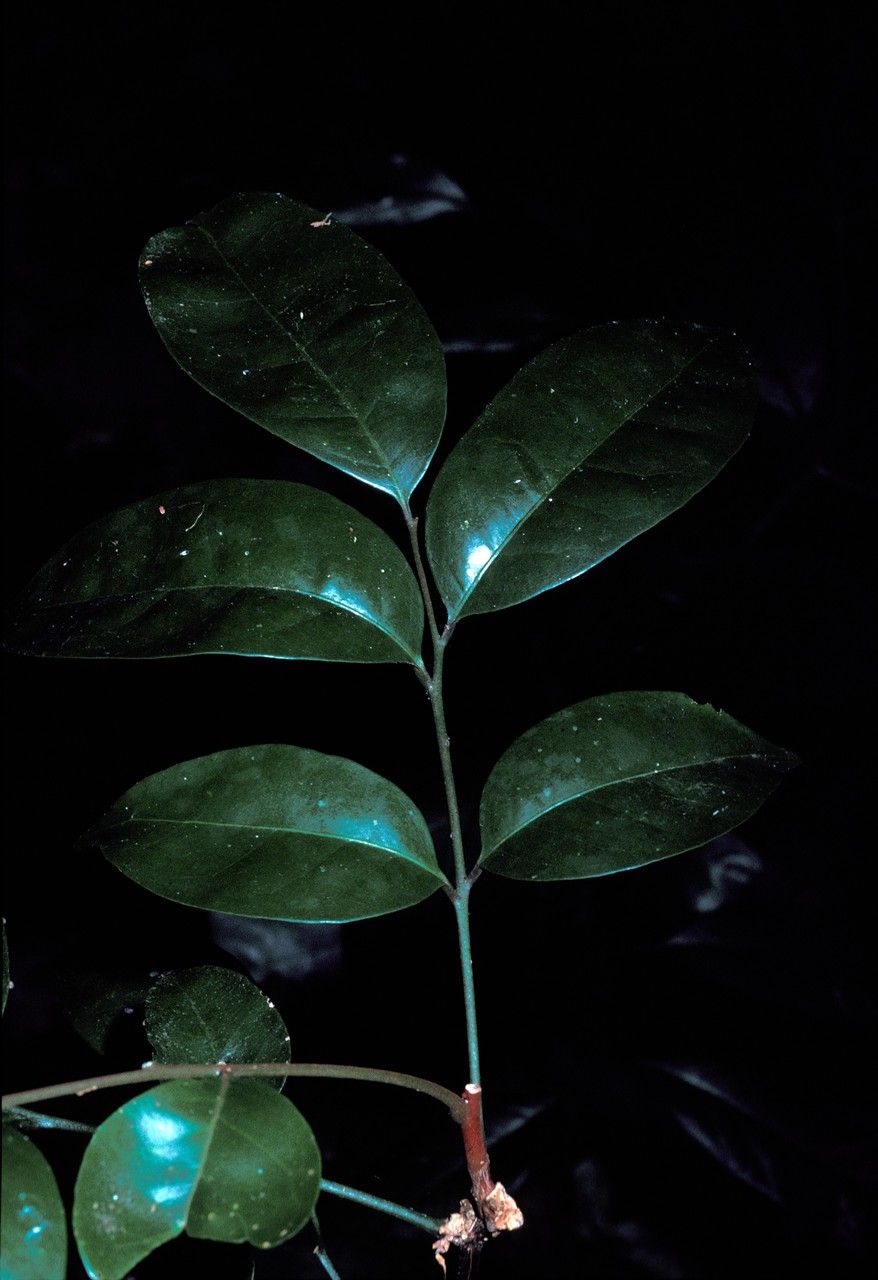
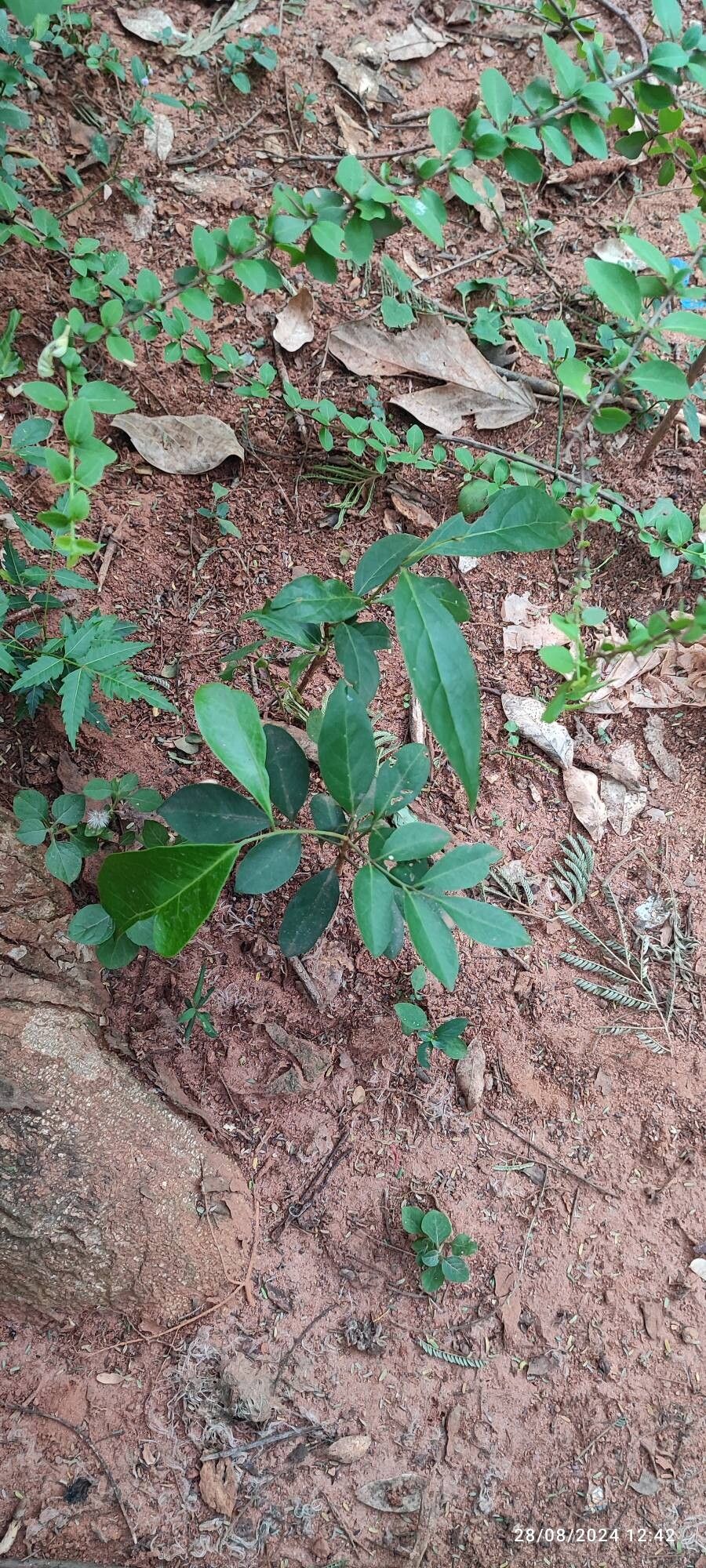
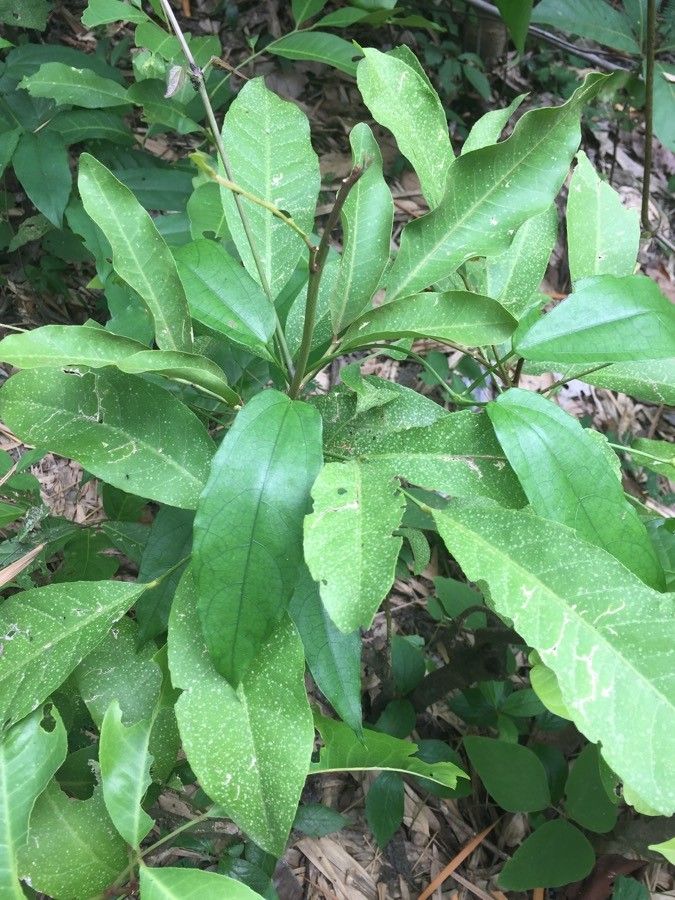
Glycosmis pentaphylla is a species of flowering plant in the family Rutaceae, known commonly as orangeberry and gin berry. It occurs in Southeast Asia and northern Australia. It is cultivated for its edible pink fruits. In temperate zones, it can be cultivated indoors as a houseplant.
The Jamaica mandarin-orange is resistant to disease and is generally not susceptible to illnesses. As for care, this plant is fairly low-maintenance. When grown outdoors it needs little watering, and larger specimens typically do not require pruning. Smaller plants, however, should be pruned after they have bloomed. The Jamaica mandarin-orange is well suited to anyone with outdoor space, such as a garden or a deck, and does not demand much gardening experience.
How to keep Glycosmis Pentaphylla.
Light
The jamaica mandarin-orange does best when sunlight bathes it for most of the day. Coming from places with abundant sun, the plant depends greatly on light throughout every stage of growth. Heavy shading can impair its healthy development, whereas excessive light exposure is not harmful.
Water
The Jamaica mandarin-orange thrives in environments with moderate water availability and needs to be watered every 2 to 3 weeks. As an evergreen plant, it retains its leaves year-round, so consistent hydration is important. When grown outdoors, it requires extra attention to watering due to increased evaporation.
Temperature
Jamaica mandarin-orange naturally occurs in regions with temperatures between 68 and 100 °F (20 and 38 ℃). It grows best within that range. If the local climate differs substantially from these temperatures, seasonal temperature adjustments may be necessary.
Fertilizer
Use organic fertilizers (e.g., fish emulsion, compost) instead of chemical fertilizers for Jamaica mandarin-orange. Give young plants higher amounts of nitrogen and phosphorus in spring. Incorporate compost or fertilizer into the soil before or after planting. For mature plants, supplement in spring with a balanced fertilizer or one targeting specific deficiencies. Nutrient deficiency produces small leaves, short branches, yellow or bronze leaves, acidic fruits, premature fruit drop, and splitting.
Pruning
The Jamaica mandarin-orange is known for its fragrant leaves and small white flowers. To ensure it thrives, prune it from early to late winter. Begin by removing any dead branches, then thin out crowded areas to improve air circulation. Keep your cuts minimal to maintain the plant's size, which will promote healthy growth and increased flowering in the following season.
Botanical profile.
- Plant Type
- Tree
- Life Cycle
- Perennial
- Genus
- Glycosmis
- Family
- Rutaceae
- Hardiness Zone
- 9-11
- Mature Height
- 4.88 m
- Mature Spread
- 2.13 m to 3.96 m
- Leaf Color
- Dark Green, Forest Green
- Leaf Type
- Evergreen
- Flower Color
- White
- Flower Size
- 2.03 cm to 4.06 cm
- Bloom Time
- All year round
- Planting Time
- Spring, Summer, Autumn
- Harvest Time
- All year round
- Native Area
- Nepal, Sri Lanka, India, Malaysia, Indonesia, Cambodia, Vietnam, Myanmar, Philippines, Bhutan, Bangladesh, Laos, Thailand, China
Other names.
Reader questions.
What are the sunlight requirements for Jamaica mandarin-orange?
The Jamaica mandarin-orange, scientifically known as Glycosmis pentaphylla, thrives in full sun, requiring more than 6 hours of sunlight daily to maintain healthy growth. Watch how sunlight moves through your garden, and select areas that provide a perfect balance of light and shade, ensuring the plant's happiness. These plants are adapted to environments where sunlight is abundant through all growth stages. Inadequate light can hinder their growth, although they are not negatively affected by excessive light exposure.
What is the optimal temperature range for Jamaica mandarin-orange?
The Jamaica mandarin-orange, botanically known as Glycosmis pentaphylla, thrives in climates where temperatures range between 68 to 100 °F (20 to 38 °C). This range is optimal for its growth, indicating that the Jamaica mandarin-orange is a heat-loving plant. To ensure the plant's health, it is advisable to make seasonal temperature adjustments if living in an area with significant climate variation from this range. During colder months, it's important to keep the plant indoors in a spot that receives ample light but is away from direct heat sources to maintain a temperature above 20°C, as exposure to temperatures around or below 0°C can be harmful to the plant.
Can artificial lighting be used for Jamaica mandarin-orange indoors?
Yes, artificial lighting can be crucial for the indoor cultivation of Jamaica mandarin-orange, especially in settings where natural sunlight is insufficient, such as during winter or in less sunny spaces. To ensure optimal growth, indoor plants benefit from appropriate artificial lighting. LED lights are recommended because they can be tailored to provide specific wavelengths needed by the plant. The required intensity is 30-50W/sq ft for full sun plants, 20-30W/sq ft for partial sun plants, and 10-20W/sq ft for full shade plants. The artificial light source should be placed 12-36 inches above the plant, mimicking natural sunlight as closely as possible, with a duration of 8-12 hours of light per day.
How should I care for my Jamaica mandarin-orange in winter?
In the winter, the Jamaica mandarin-orange requires careful attention to maintain its health. Since it is not tolerant of low temperatures, it's crucial to keep the environment above 0°C, ideally above 20°C. Should the temperature drop below -5°C, the plant's leaves may change color, signaling distress, which could lead to wilting or even more severe frost damage. To mitigate frost damage, affected parts should be trimmed off. Moving the plant indoors to a warm spot, preferably near a south-facing window ensuring ample sunlight without direct exposure to heaters or air conditioning vents, is recommended to avoid further stress caused by excessively dry air.
What are the symptoms of light deficiency in Jamaica mandarin-orange?
When Jamaica mandarin-orange experiences insufficient lighting, several symptoms can manifest. These include the development of smaller leaves compared to mature ones, leggy or sparse growth with longer spaces between leaves or stems, faster leaf drop as the plant sheds older leaves to conserve resources, delayed or complete cessation of new growth, and the appearance of lighter-colored or irregularly patterned new leaves. Additionally, excessive sunlight can cause chlorosis (leaves turning yellow due to chlorophyll breakdown), sunscald (pale, bleached areas on leaves or stems), leaf curling (leaves curl to minimize surface area exposed to sunlight), wilting (loss of turgor pressure causing drooping), and leaf scorching (brown, dry edges on leaves).
What should I do if my Jamaica mandarin-orange is exposed to high temperatures?
During the hot summer months, it's important to ensure that the Jamaica mandarin-orange does not get exposed to temperatures above 38°C to prevent heat stress. Exposure to temperatures exceeding 43°C can lighten the color of the leaves and increase susceptibility to sunburn. If sunburn occurs, the affected, dried-up parts should be trimmed away promptly. To protect the plant from excessive heat, it's advisable to move it to a shaded area, particularly away from midday and afternoon sun. Additionally, maintaining soil moisture by watering the plant in the morning and evening will help the Jamaica mandarin-orange cope with high temperatures.
What are the solutions for correcting light-related issues in Jamaica mandarin-orange?
To address light-related issues in Jamaica mandarin-orange, consider gradually moving plants to sunnier locations, ensuring they receive at least 6 hours of direct sunlight daily. If natural light is inadequate or plants are large and not easily movable, supplemental artificial lighting, such as desk, ceiling lamps, or professional grow lights, can be utilized for a minimum of 8 hours daily. Outdoors, plants should be moved gradually to avoid sudden changes in light intensity that can cause sunburn. If necessary, reduce obstructions like overhanging branches or consider transplanting smaller plants to sunnier locations during their dormant period for optimal growth and health. Note that parts of the plant damaged by insufficient light may not recover, but new growth should be healthy with improved light conditions.