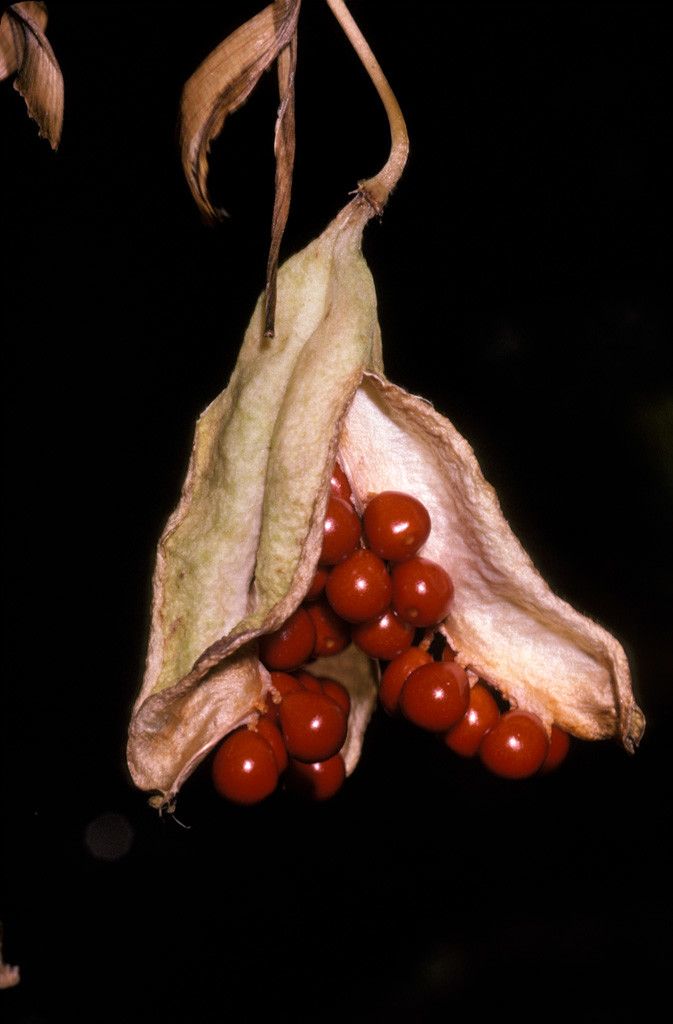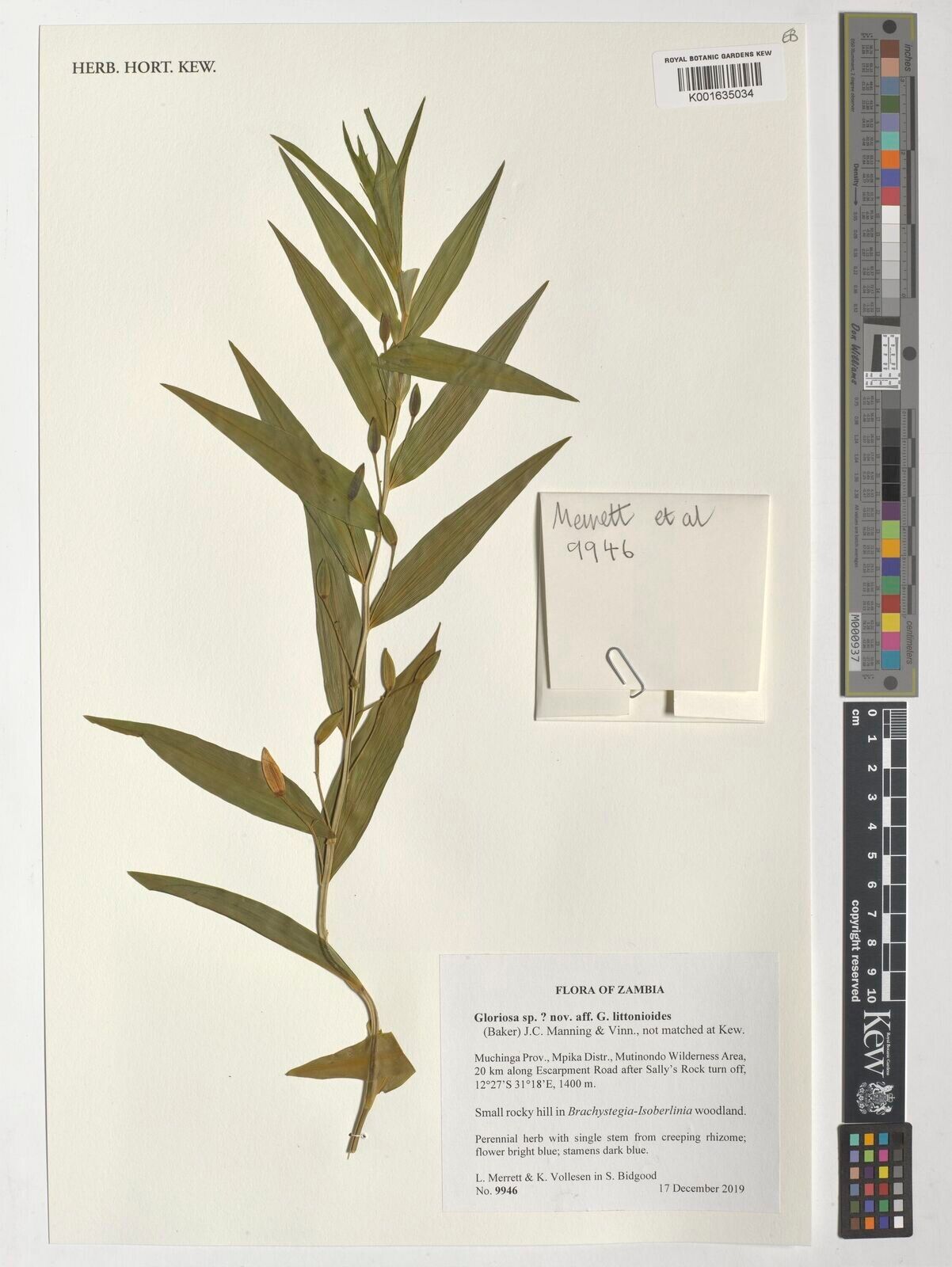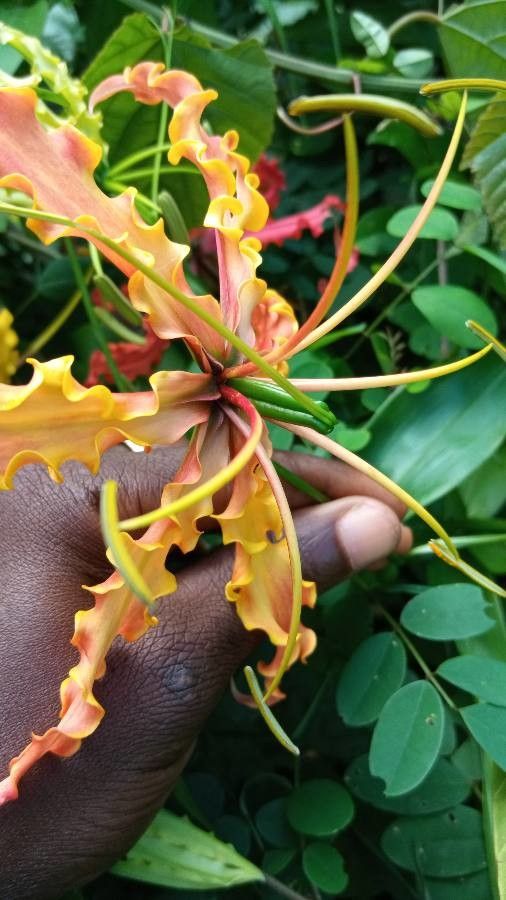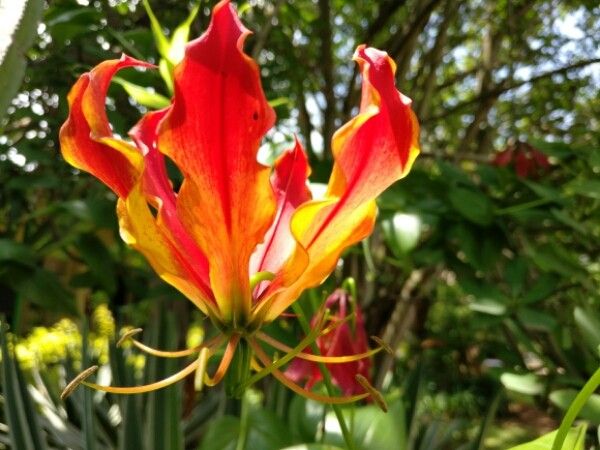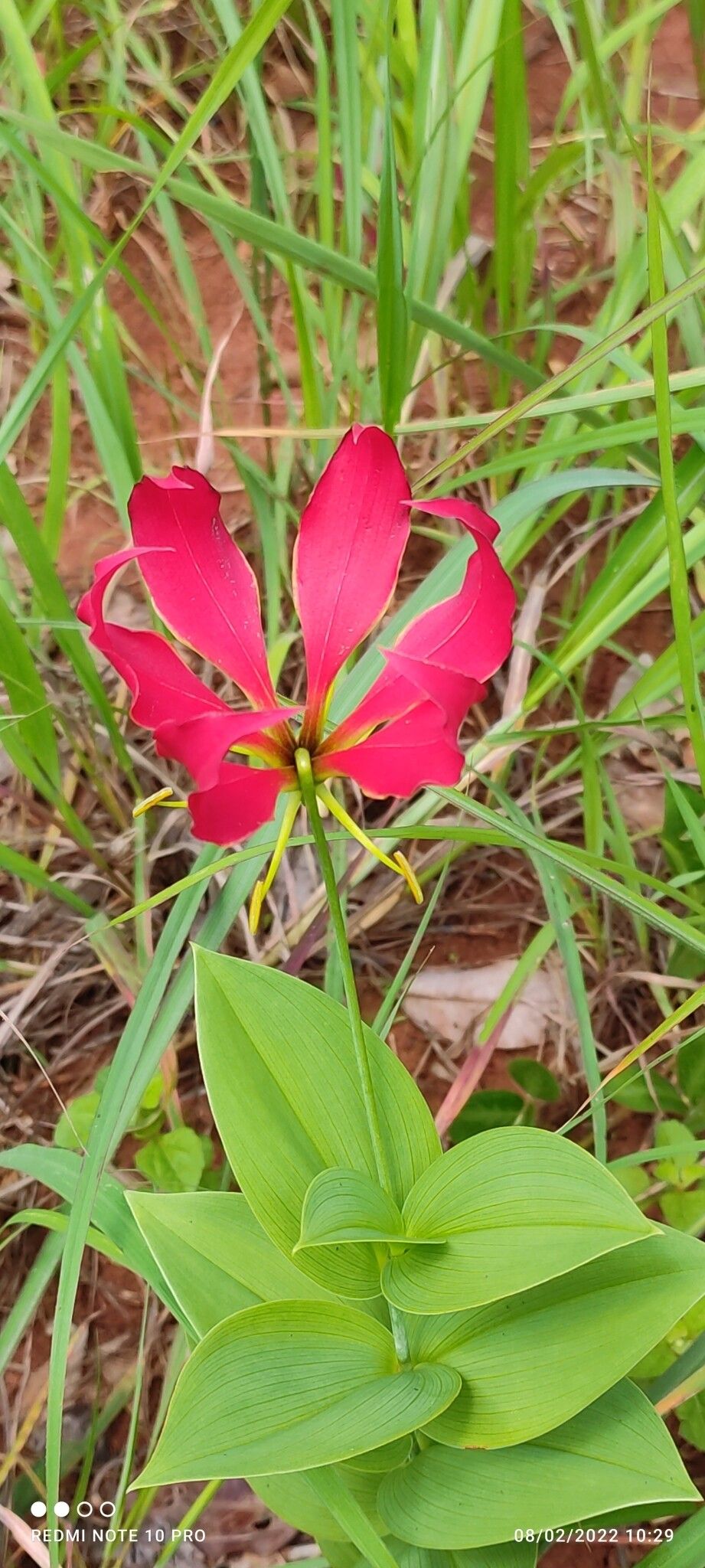
Gloriosa carsonii has good disease resistance and is generally unlikely to develop illnesses. However, it can be vulnerable to pests and diseases present in its environment. These issues are usually mild. In terms of care, this plant requires moderate attention. It should be pruned regularly to maintain a neat appearance and healthy growth. Fertilizing can also help encourage flowering. Gloriosa carsonii is suitable for anyone with outdoor space, such as a garden or patio, and does not require extensive care experience. It may need more attention when grown indoors.
How to keep Gloriosa Carsonii.
Light
Gloriosa carsonii is native to habitats like forest understories and rocky sites, where it occurs under natural shade. It prefers partial sun but can adapt to both full sun and full shade, showing its versatility and hardiness.
Temperature
Gloriosa carsonii comes from tropical areas, where the climate is generally warm and humid. Therefore, it is adapted to high temperatures and humidity. It does not tolerate sudden temperature changes and prefers a stable thermal environment, so avoiding temperature fluctuations indoors is important. It usually cannot withstand cold and requires warmer conditions for growth. If the ambient temperature falls too low, the plant may stop growing or even die.
Fertilizer
Gloriosa carsonii needs the most fertilizer during its active growth period, which occurs mainly in spring, summer, and early fall. Fertilization supplies essential nutrients the soil may lack, supporting healthy root and stem development and promoting the attractive foliage that is a key characteristic of this plant.
Pot & Repot
When repotting Gloriosa carsonii, select a pot 1-2 inches (2.5–5.1 cm) larger with good drainage. Use a well-draining potting mix. Repot in spring or fall, making sure the root ball is slightly lower than the rim of the pot. Water thoroughly after repotting and place it in a warm spot with indirect sunlight.