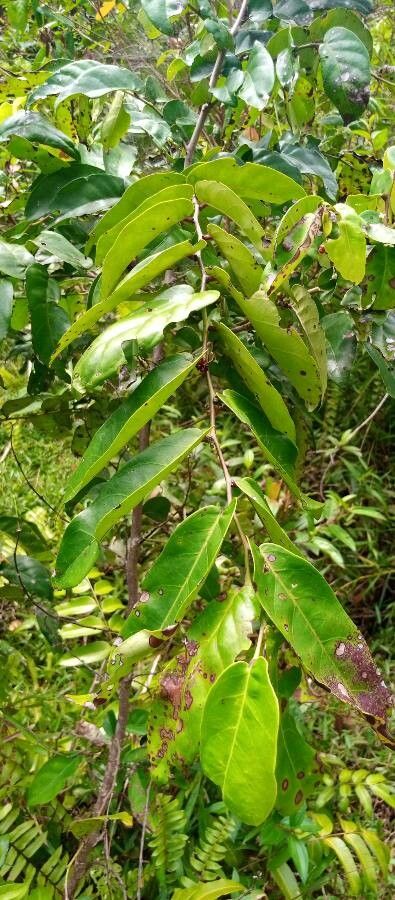
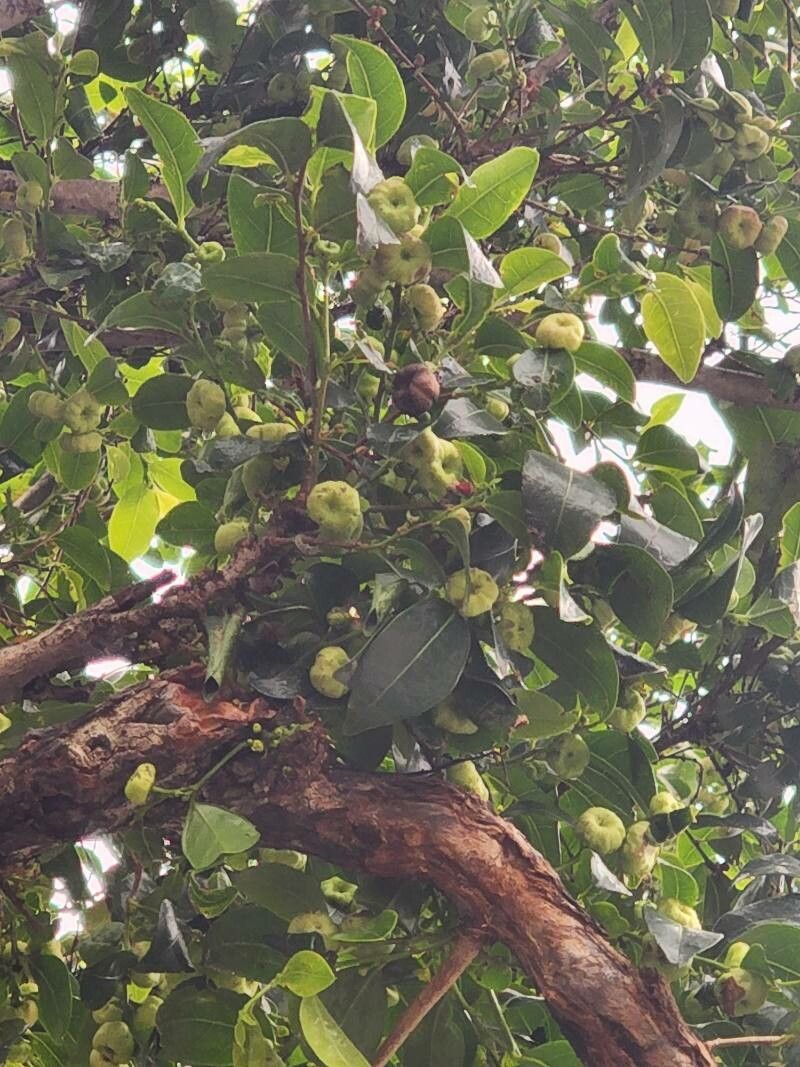
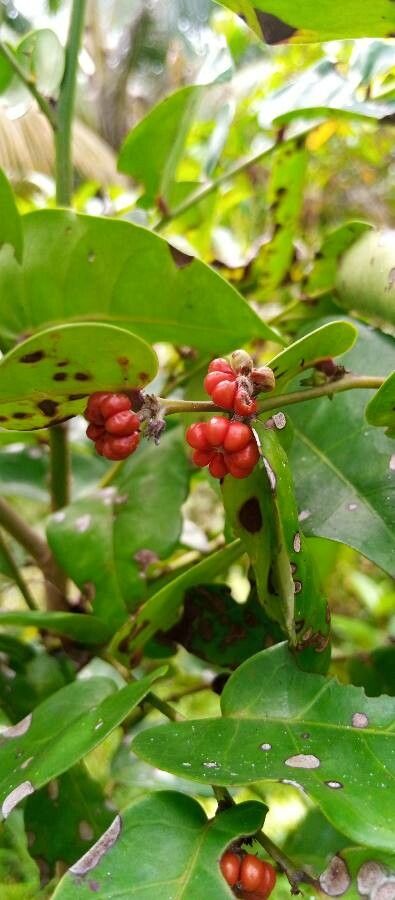
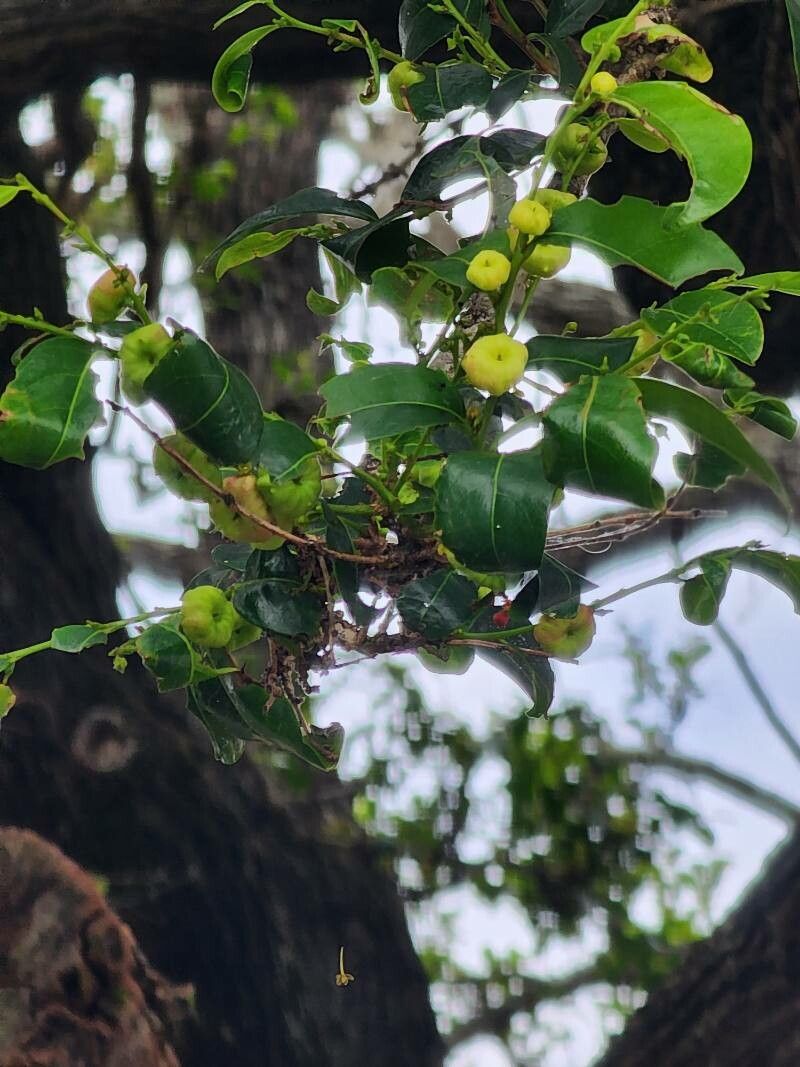
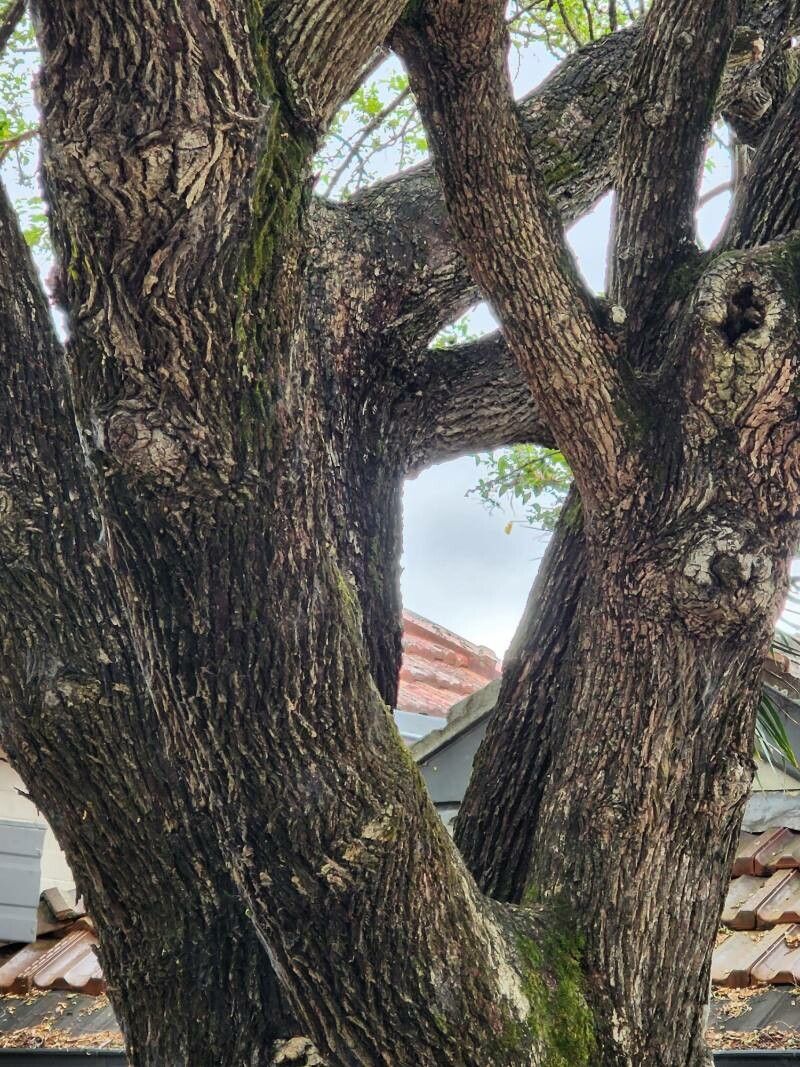
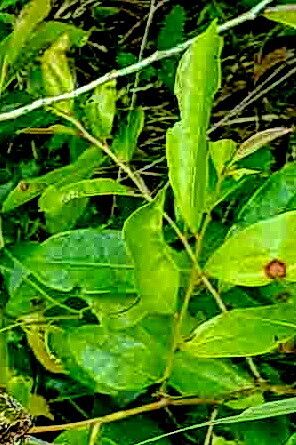
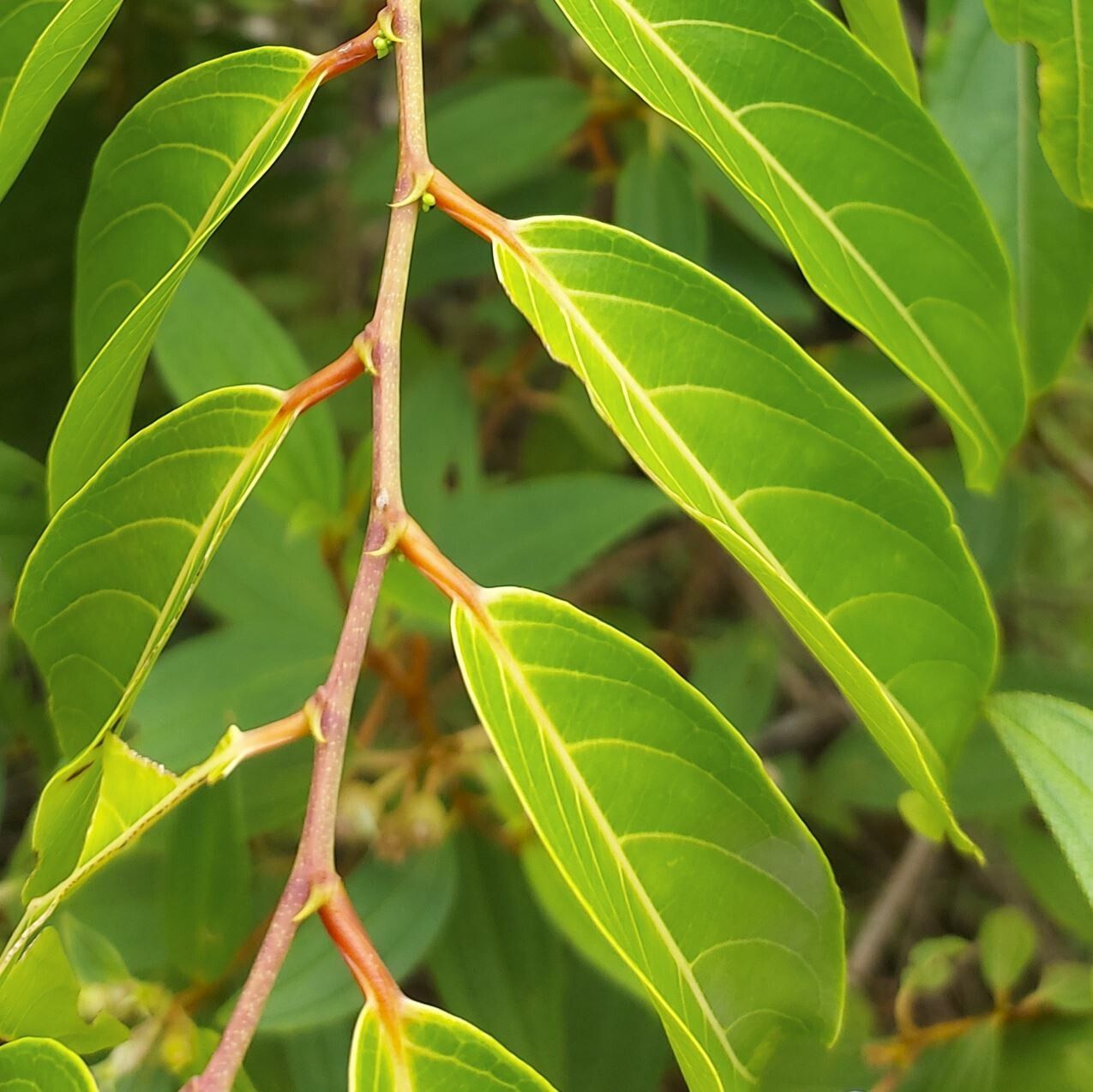
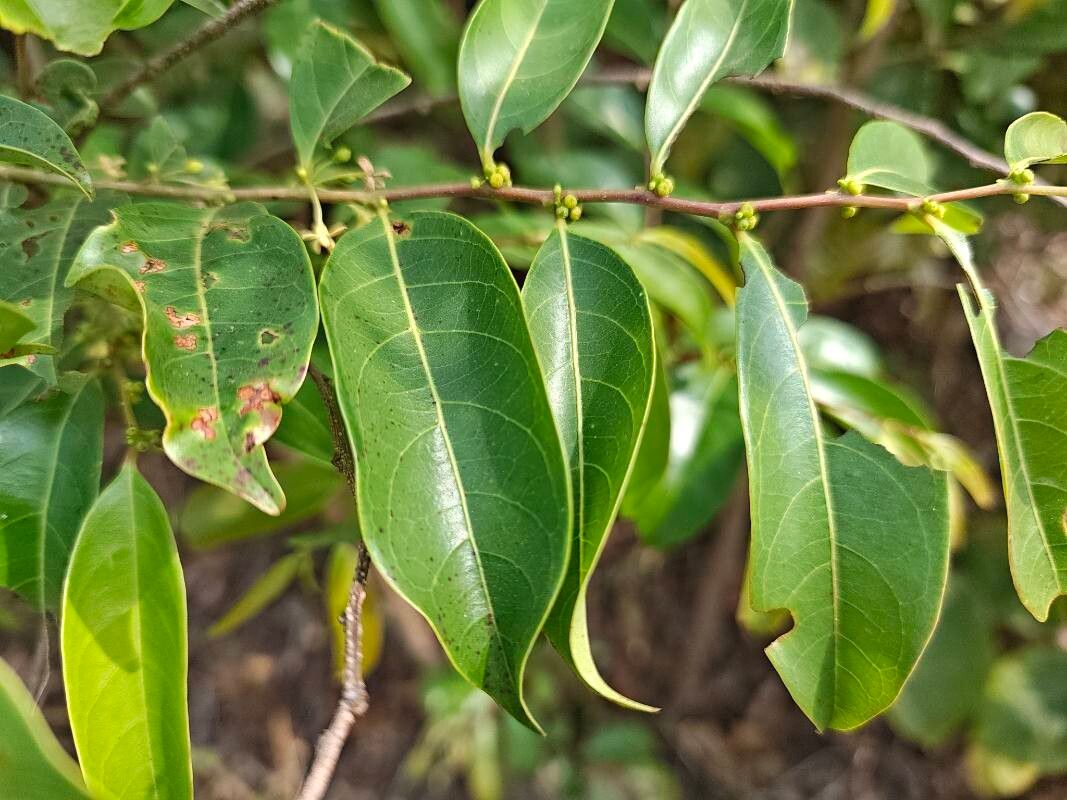
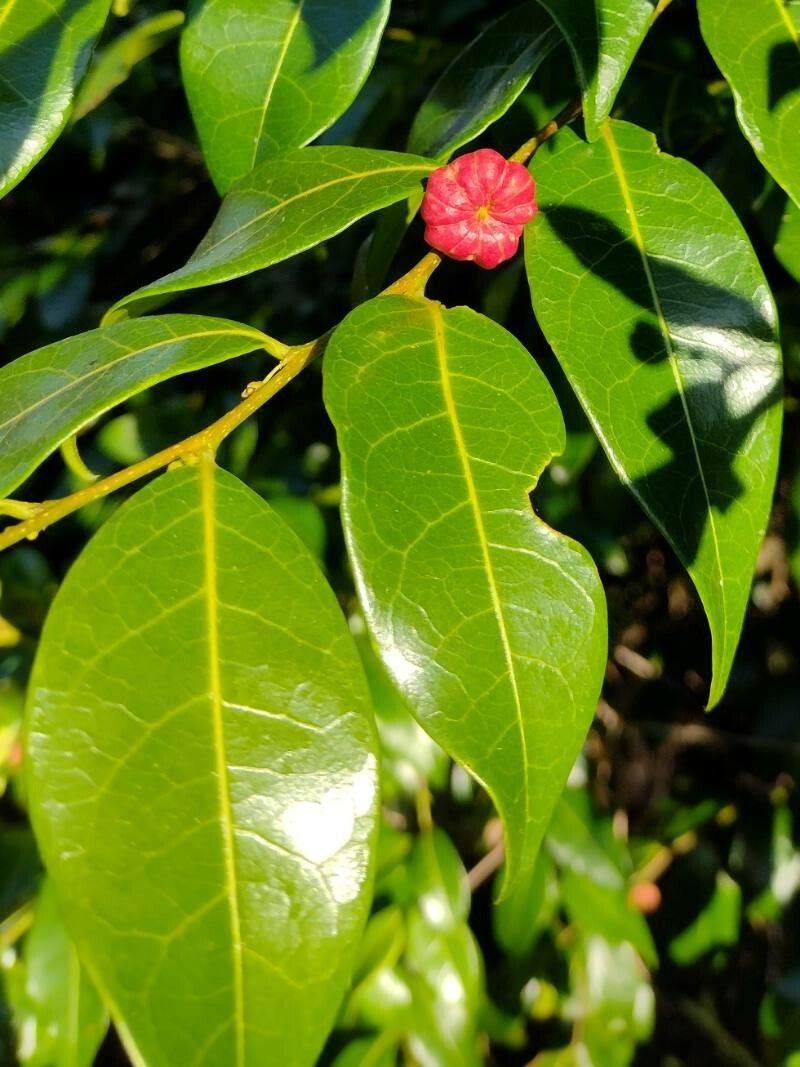
Glochidion zeylanicum is a species of flowering plant in the family Phyllanthaceae. It is a shrub or tree which ranges from the Indian subcontinent through Indochina, southern China, Taiwan, Japan, Malesia, and Papuasia to northern Australia and Vanuatu.
The umbrella cheese tree is resistant to disease and is generally not prone to illnesses. With regard to care, this plant is fairly low-maintenance. When grown outdoors it needs only minimal watering, and larger plants typically do not require pruning. Smaller plants, however, should be pruned after they finish blooming. The umbrella cheese tree is appropriate for anyone who has an outdoor space, such as a garden or deck, and does not demand extensive care experience.
How to keep Glochidion Zeylanicum.
Light
The Umbrella cheese tree comes from open habitats, such as sunny meadows and forest edges, that provide abundant light. It prefers Full Sun but can also tolerate Partial Sun, adapting well to a variety of sunlight conditions.
Water
The umbrella cheese tree originates from areas with irregular rainfall and has developed the ability to efficiently retain water, making it moderately drought-tolerant. It needs watering every 2-3 weeks and grows well outdoors in various climates. This tree prefers well-draining soil, which mimics its natural wet and dry cycles.
Temperature
Umbrella cheese tree comes from tropical areas, where the climate is usually warm and humid. Therefore, it is suited to high temperatures and humidity. It does not tolerate abrupt temperature changes and prefers a steady temperature environment, so avoiding temperature fluctuations indoors is important. It typically cannot withstand cold and needs warmer temperatures to grow. If the surrounding temperature becomes too low, the plant may stop growing or even die.
Fertilizer
Fertilizing is essential for the care of the Umbrella cheese tree. Regular feeding during the growing season maintains the energy for its showy leaves and supports overall growth. Failing to fertilize can lead to unhealthy leaves, reduced ornamental appeal, and stunted or weak growth that is prone to breaking.
Pruning
The Umbrella Cheese Tree is known for its unique, umbrella-shaped foliage. To shape the tree and remove any dead wood, it's best to prune it between early and late winter when the tree is dormant. Regular pruning encourages healthy growth and improves air circulation. Be sure to use clean, sharp tools for precise cuts to keep the plant both attractive and healthy.
Botanical profile.
- Plant Type
- Tree, Shrub
- Life Cycle
- Perennial
- Genus
- Glochidion
- Family
- Phyllanthaceae
- Hardiness Zone
- 10-12
- Mature Height
- 0.91 m to 6.1 m
- Mature Spread
- 3.05 m to 6.1 m
- Leaf Color
- Dark Green, Olive Drab
- Leaf Type
- Evergreen
- Flower Color
- Green, Yellow
- Flower Size
- 0.25 cm to 0.51 cm
- Bloom Time
- Late spring, Summer, Early fall
- Planting Time
- Spring, Summer, Autumn
- Harvest Time
- Late summer, Fall, Early winter
- Native Area
- Sri Lanka, India, Malaysia, Indonesia, Cambodia, Vietnam, Myanmar, Japan, Singapore, Bangladesh, Laos, Brunei, Thailand, China
Reader questions.
What are the sunlight requirements for plants?
Plants require varying amounts of sunlight, distinguished as Full Sun, meaning above 6 hours of sunlight daily, and Partial Sun, which is about 3-6 hours of sunlight daily. It's crucial to observe how sunlight moves through your garden to select spots that offer the optimal balance of light and shade for your plants, ensuring their health and happiness.
What are the essential growing conditions for an Umbrella cheese tree?
The Umbrella cheese tree, or Glochidion zeylanicum, naturally grows in open environments like sunny meadows and the edges of forests, where it receives plenty of light. It thrives best in Full Sun conditions but can also adapt to Partial Sun conditions. When natural sunlight is insufficient, especially during winter or in less sunny spaces, artificial lighting can provide a crucial alternative. Optimal growth under artificial light requires choosing the right type of light, like LED, determining the correct distance above the plant (12-36 inches), and mimicking natural daylight hours, typically 8-12 hours per day.
What are the symptoms of insufficient sunlight in an Umbrella cheese tree?
When an Umbrella cheese tree doesn't receive enough sunlight, it may exhibit several symptoms, including smaller leaves, leggy or sparse growth, faster leaf drop, slower or no new growth, lighter-colored new leaves, chlorosis, sunscald, leaf curling, wilting, and leaf scorching. These symptoms indicate the plant's struggle with inadequate light conditions and can affect its overall health and growth.
How can I resolve sunlight deficiency issues for my Umbrella cheese tree?
To address sunlight deficiency in an Umbrella cheese tree, consider moving the plant gradually to a sunnier location, ensuring it gets at least 6 hours of direct sunlight daily. For indoor plants, use artificial lighting if natural sunlight is insufficient. Outdoor plants benefit from being moved to sunny spots gradually to avoid sunburn. Additionally, minimizing obstructions that block sunlight, such as by pruning trees, or transplanting smaller plants to sunnier areas, can help improve the light exposure your plant receives. It's important to note that parts of the plant damaged by insufficient sunlight may not recover, but new growth should be healthy with improved light conditions.