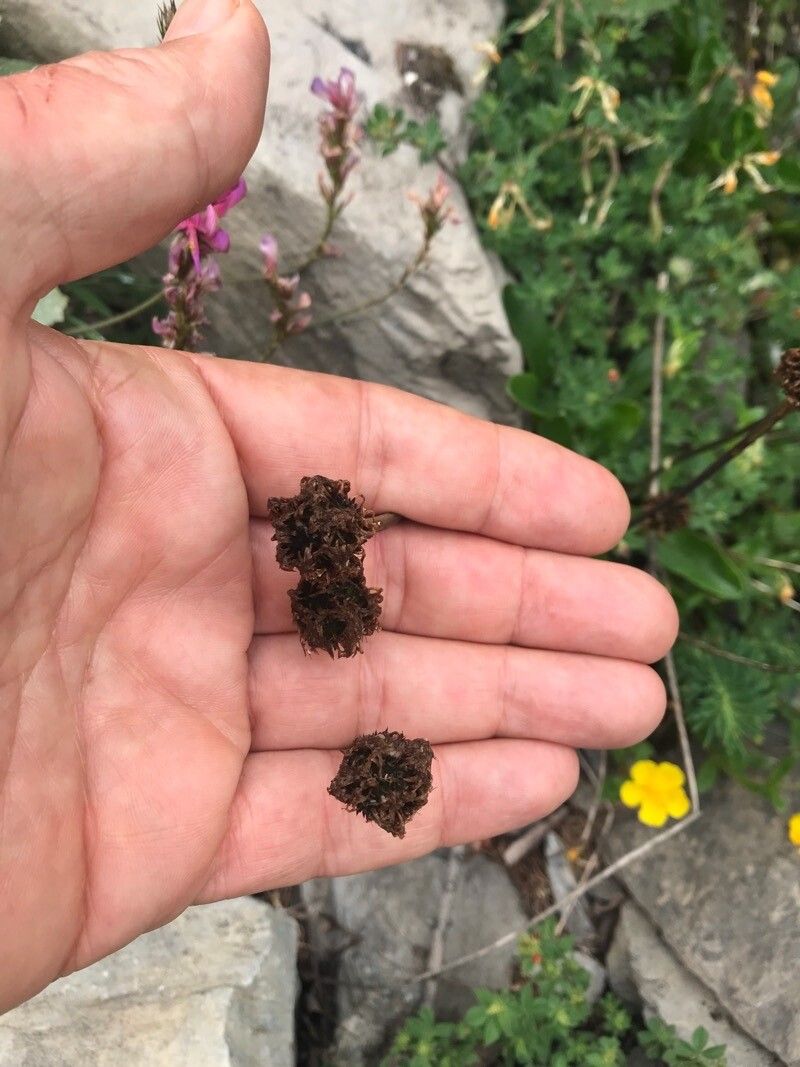
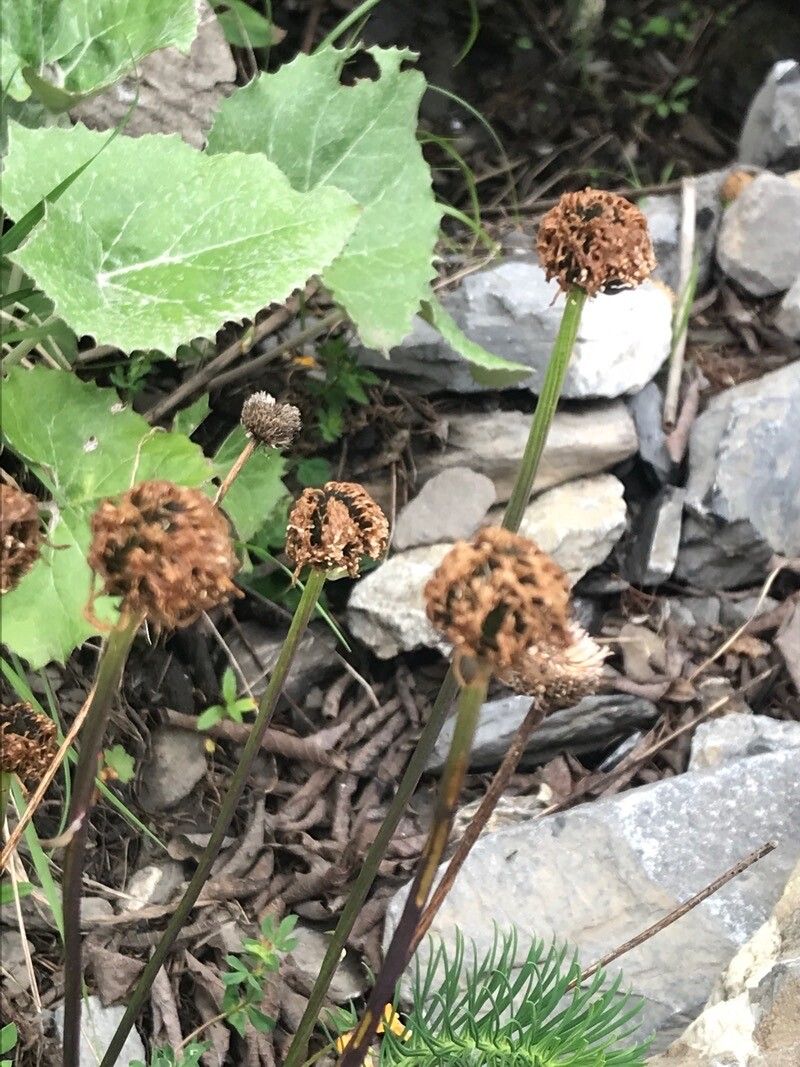
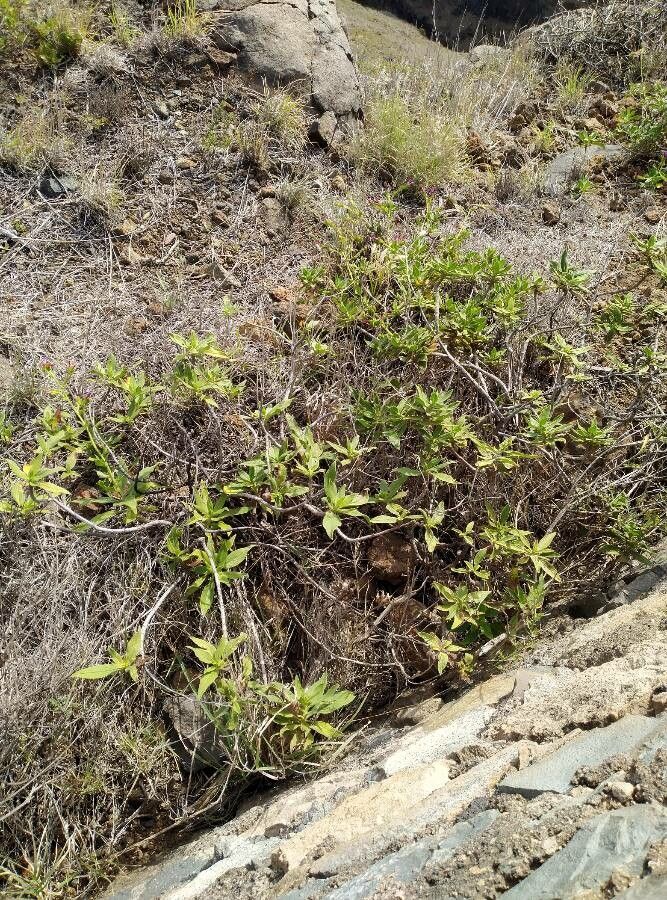
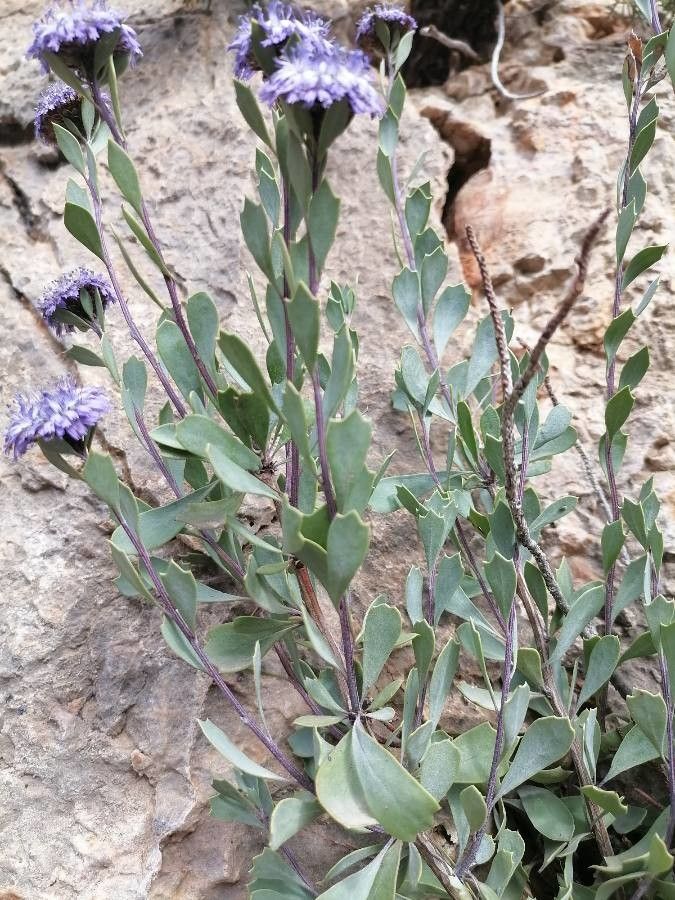
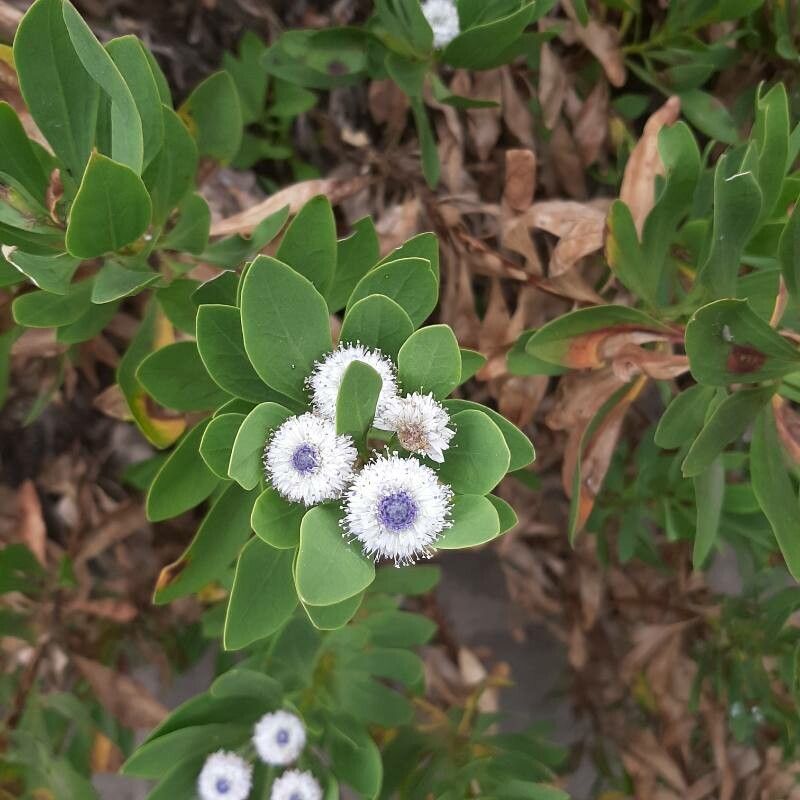
Globularia nudicaulis, commonly known as the naked-stemmed globe daisy, is a low-growing perennial plant in the Plantaginaceae family. It is native to the mountainous regions of Europe and Asia and typically grows in rocky areas, alpine meadows, and open woodlands.
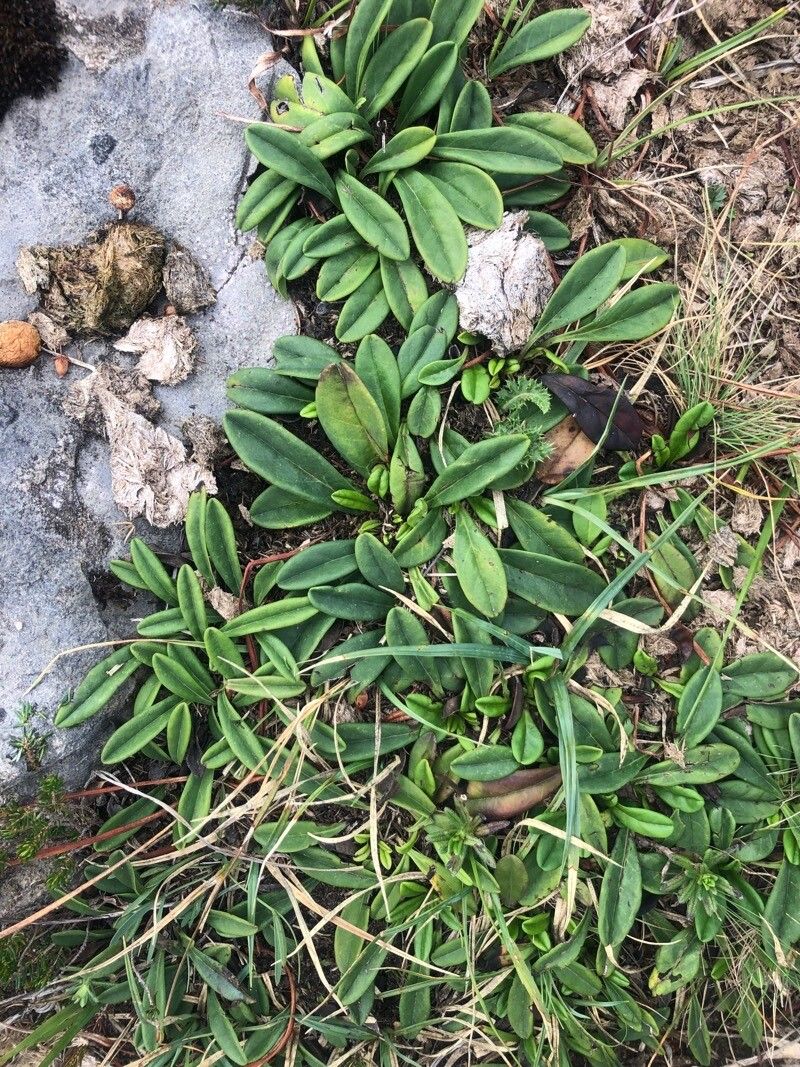
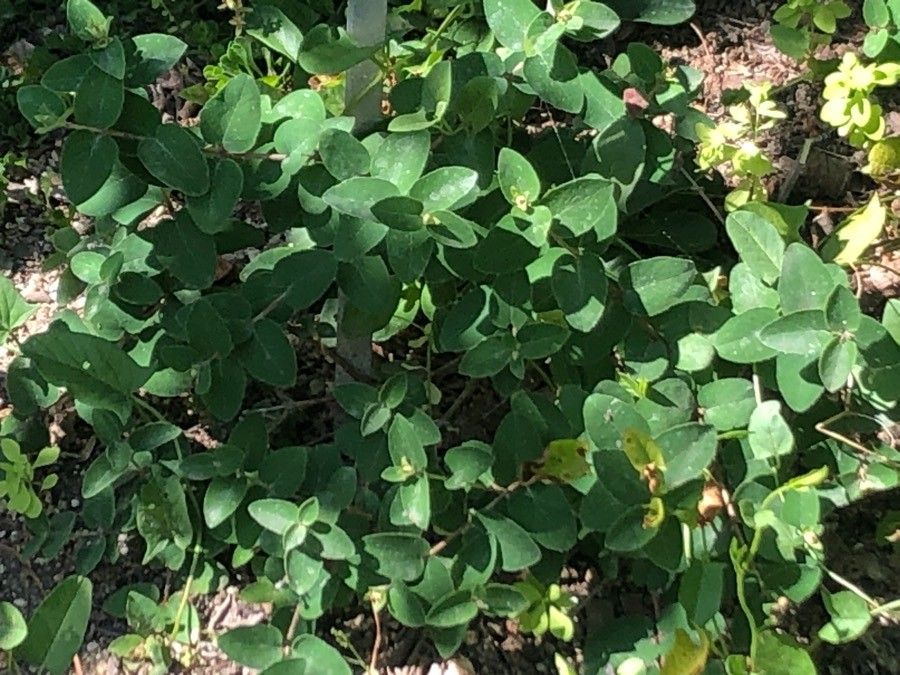
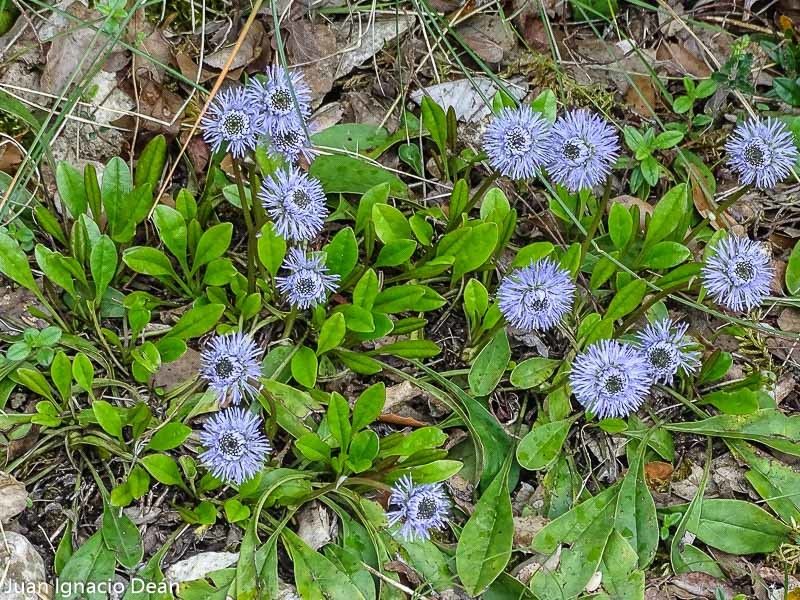
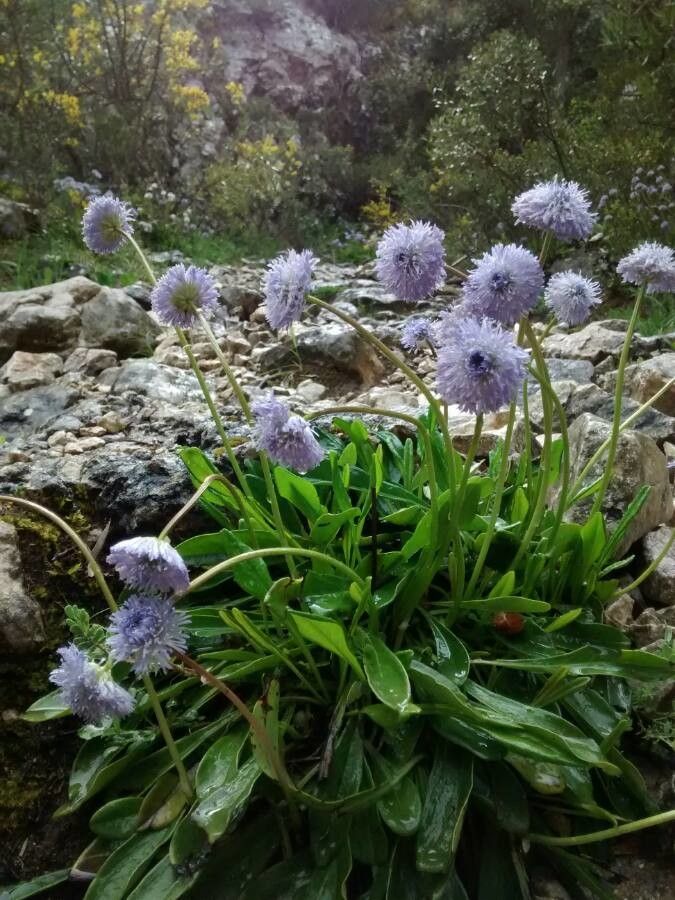
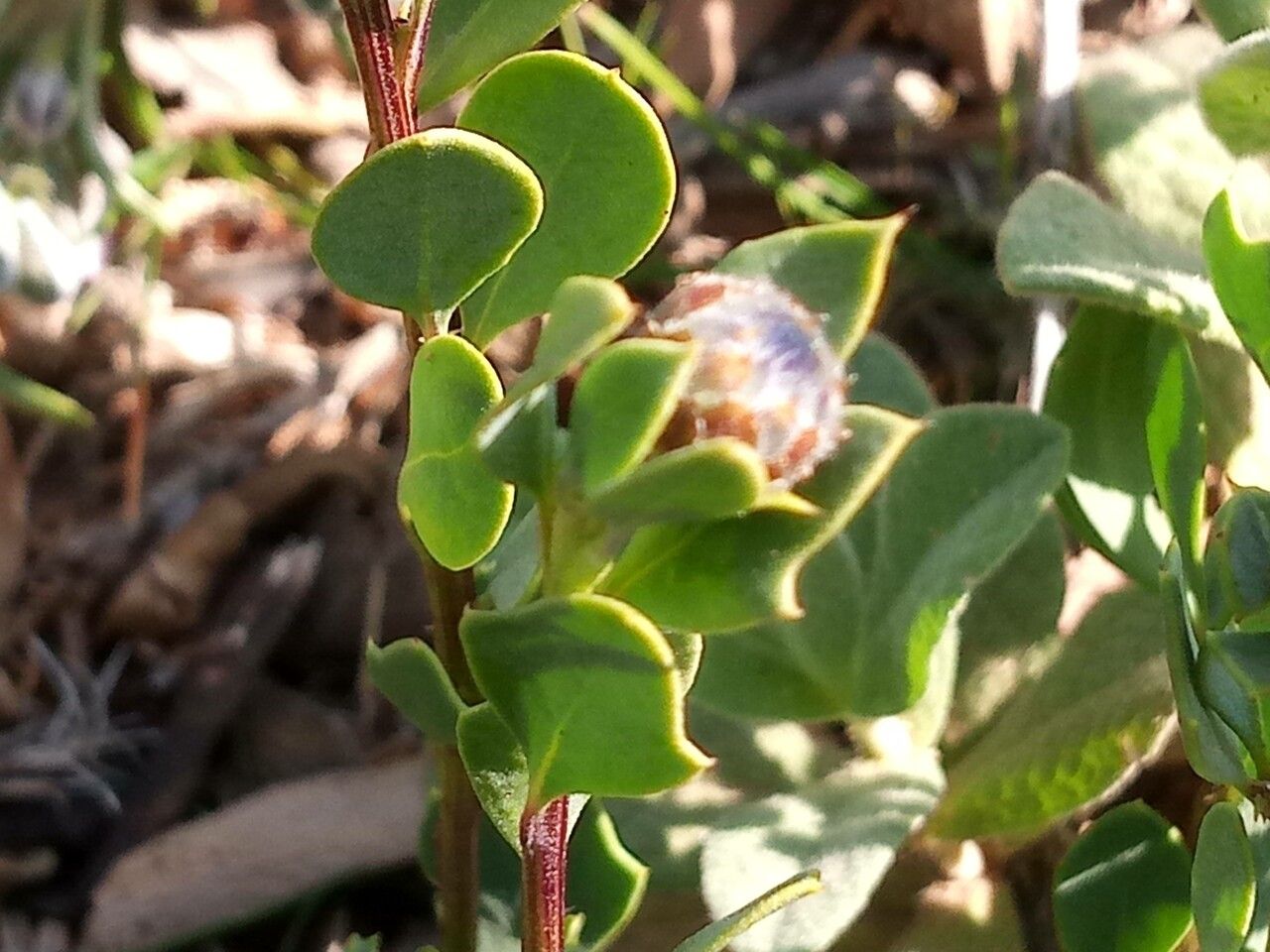
This plant has a compact growth habit, forming rosettes of dark green, evergreen leaves. The leaves are leathery with a glossy surface, oval in shape, and have toothed edges. The stems are notably leafless, except for a few small bracts at the base.
The flowers of Globularia nudicaulis appear in late spring or early summer on short stems that rise from the center of each rosette. The flower heads are small, globular, and blue-violet with white centers, attracting bees and other pollinators with their nectar-rich blooms.
Globularia nudicaulis is easy to grow, thriving in well-drained soil and full sun to partial shade. It can be propagated by division or from seed and requires minimal maintenance once established.
Traditionally, Globularia nudicaulis has been used in medicine for its anti-inflammatory properties and to treat respiratory ailments such as coughs and bronchitis.
Overall, Globularia nudicaulis is an attractive perennial herbaceous plant that enhances rock gardens or alpine landscapes while also offering medicinal benefits when used appropriately by trained professionals.
Botanical profile.
- Plant Type
- Shrub
- Life Cycle
- Perennial
- Genus
- Globularia
- Family
- Plantaginaceae
- Hardiness Zone
- 5-9
- Mature Height
- 5 cm
- Mature Spread
- 15 cm
- Leaf Color
- Dark Green
- Leaf Type
- Evergreen
- Flower Color
- Blue
- Flower Size
- 1.02 cm to 2.03 cm
- Bloom Time
- Mid spring, Late spring, Early summer
- Planting Time
- Spring, Summer, Autumn
- Harvest Time
- Mid summer, Late summer, Early fall
- Native Area
- Portugal, Sweden, Spain, Croatia, France
Other names.