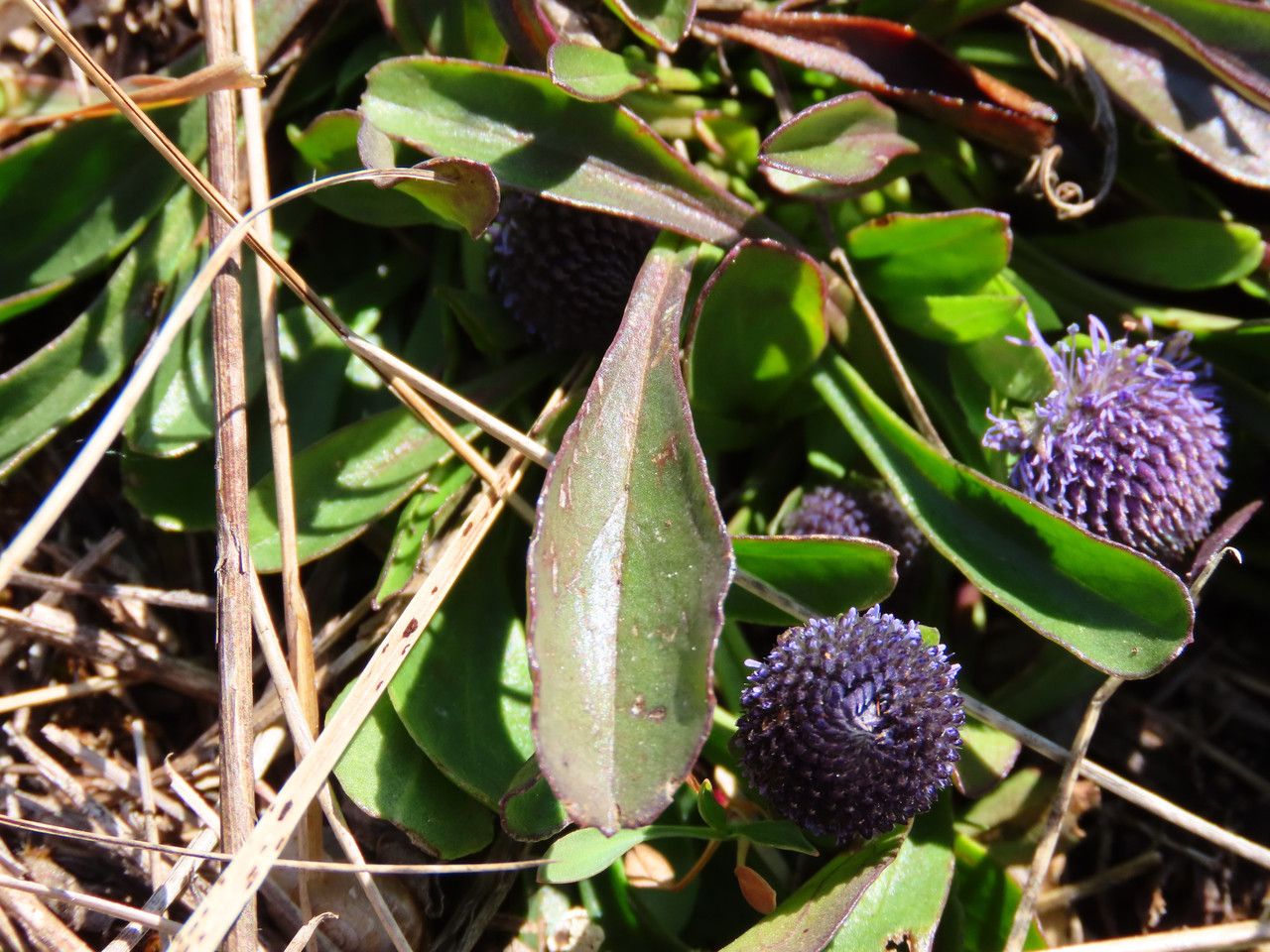
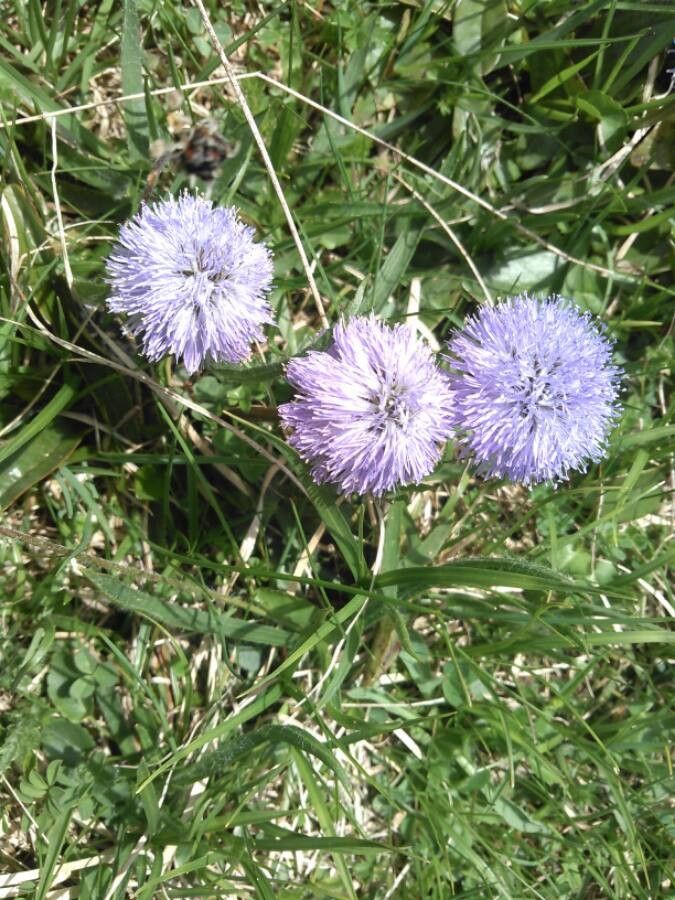
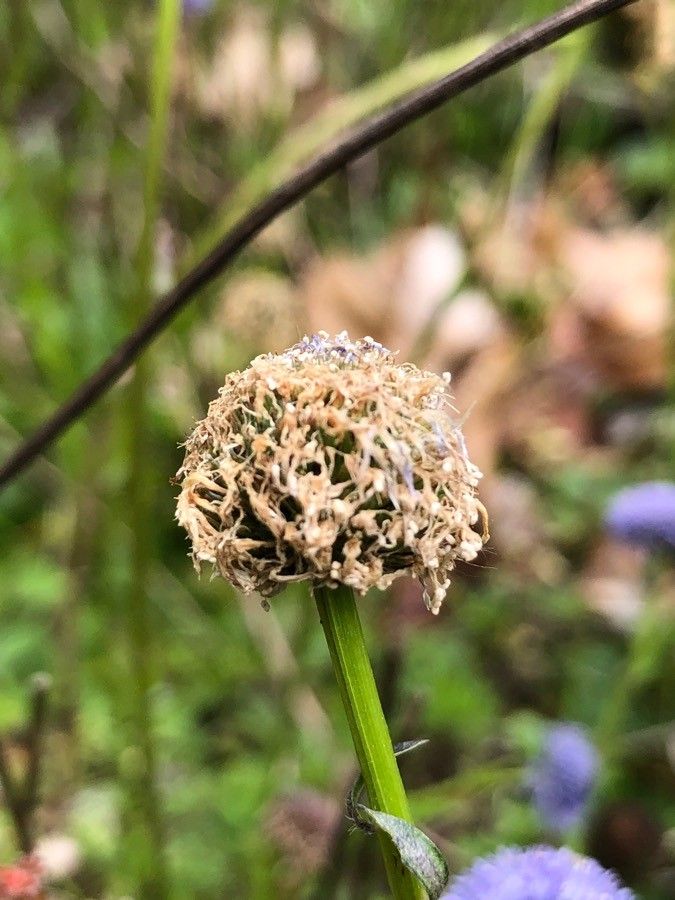
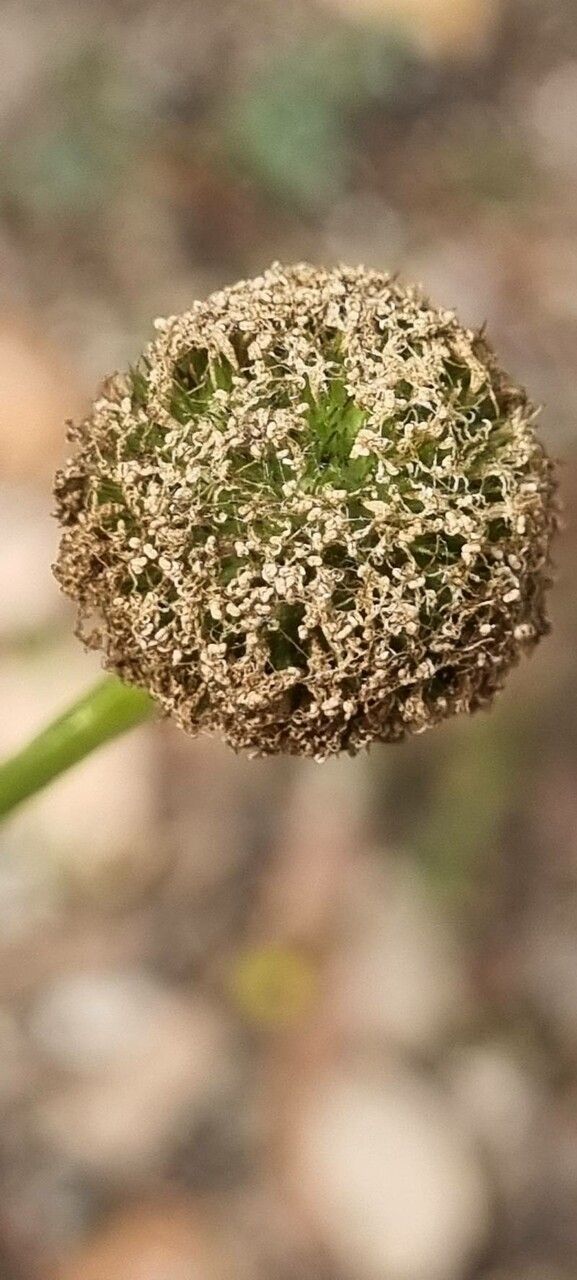
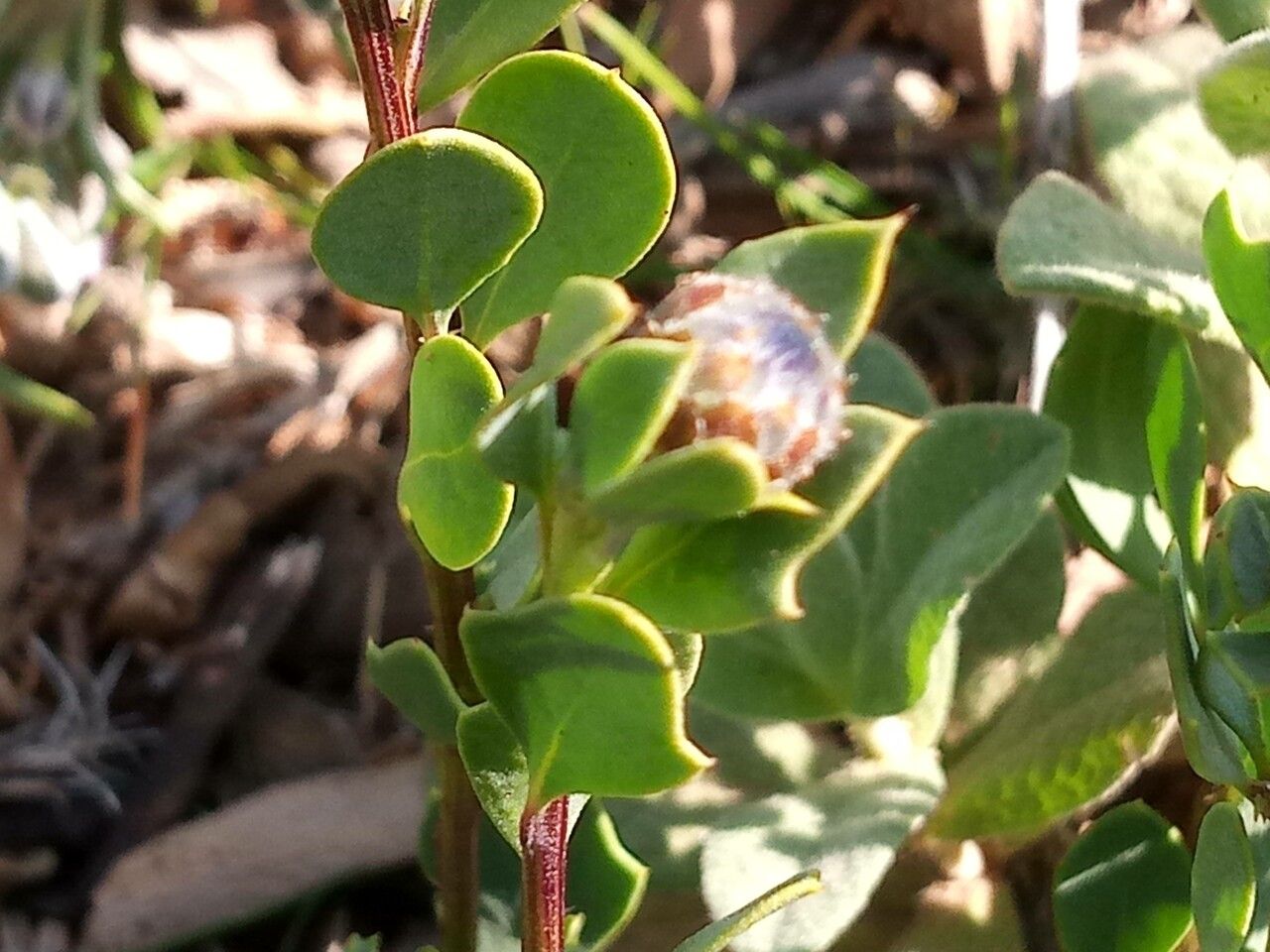
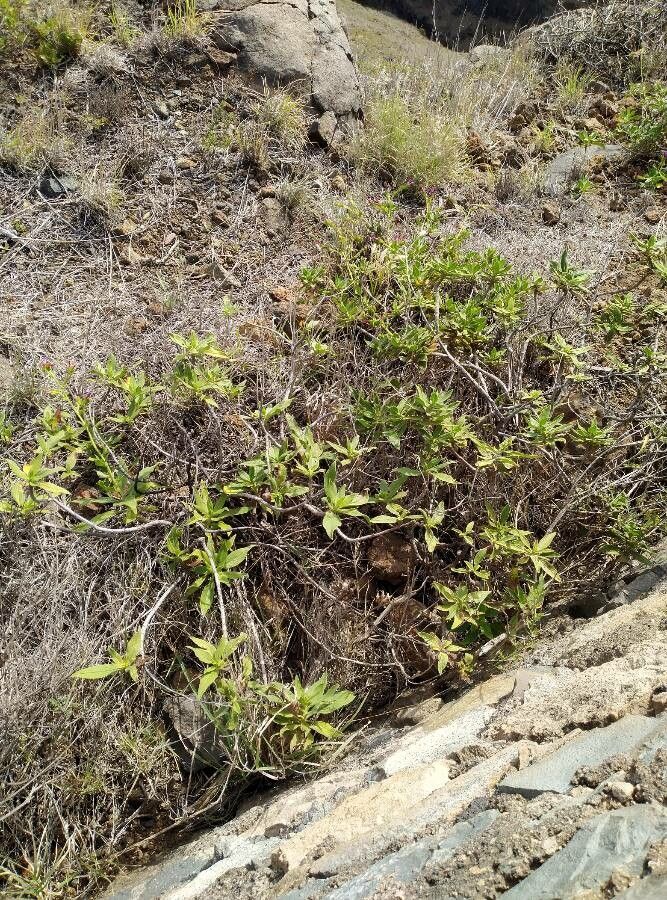
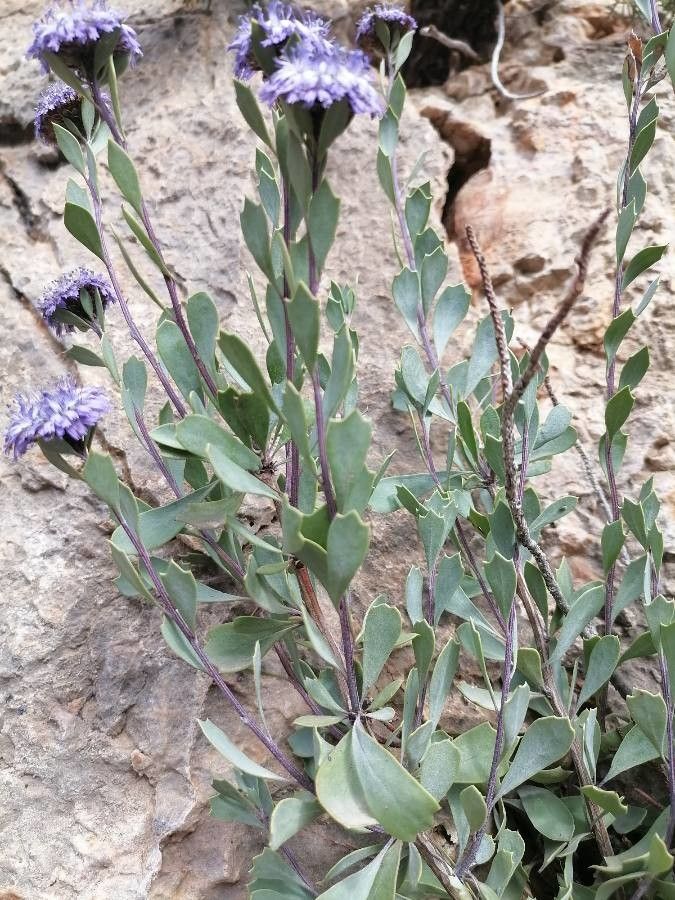
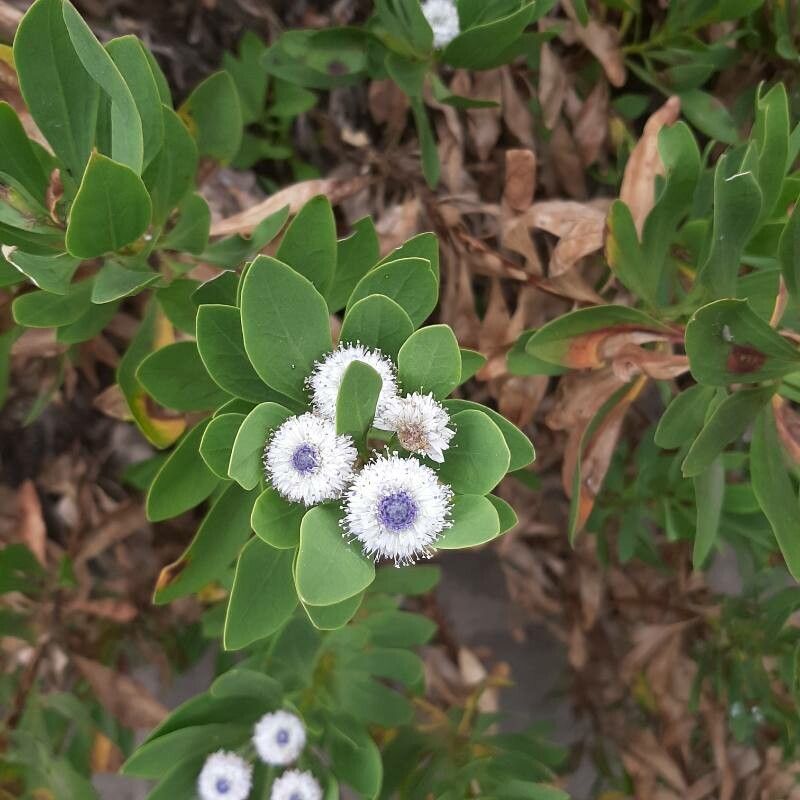
Globularia bisnagarica, commonly known as the globe daisy, is a small perennial plant in the family Plantaginaceae. Native to the Mediterranean region, it thrives in rocky and dry habitats such as hillsides, cliffs, and rocky slopes.
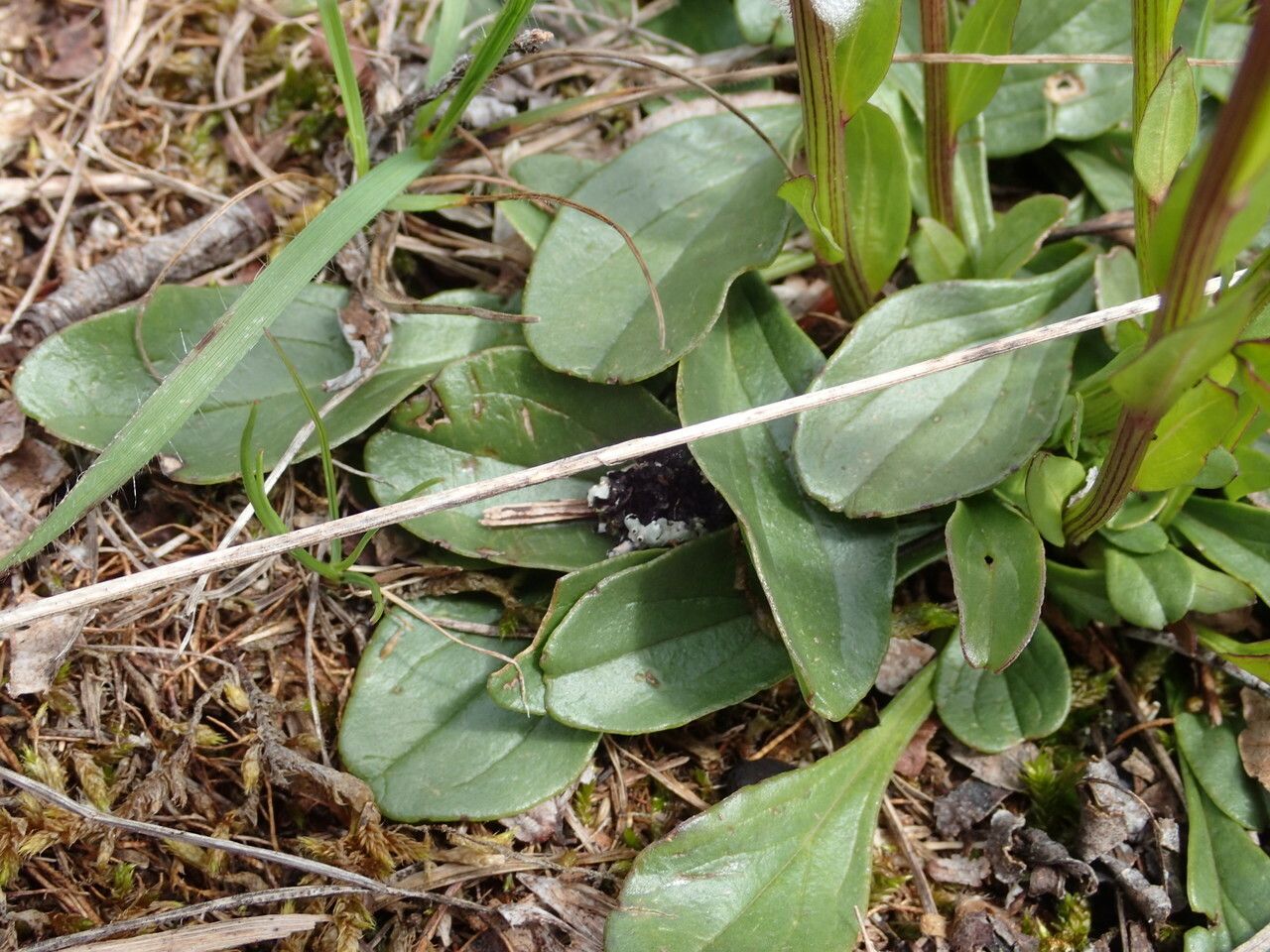
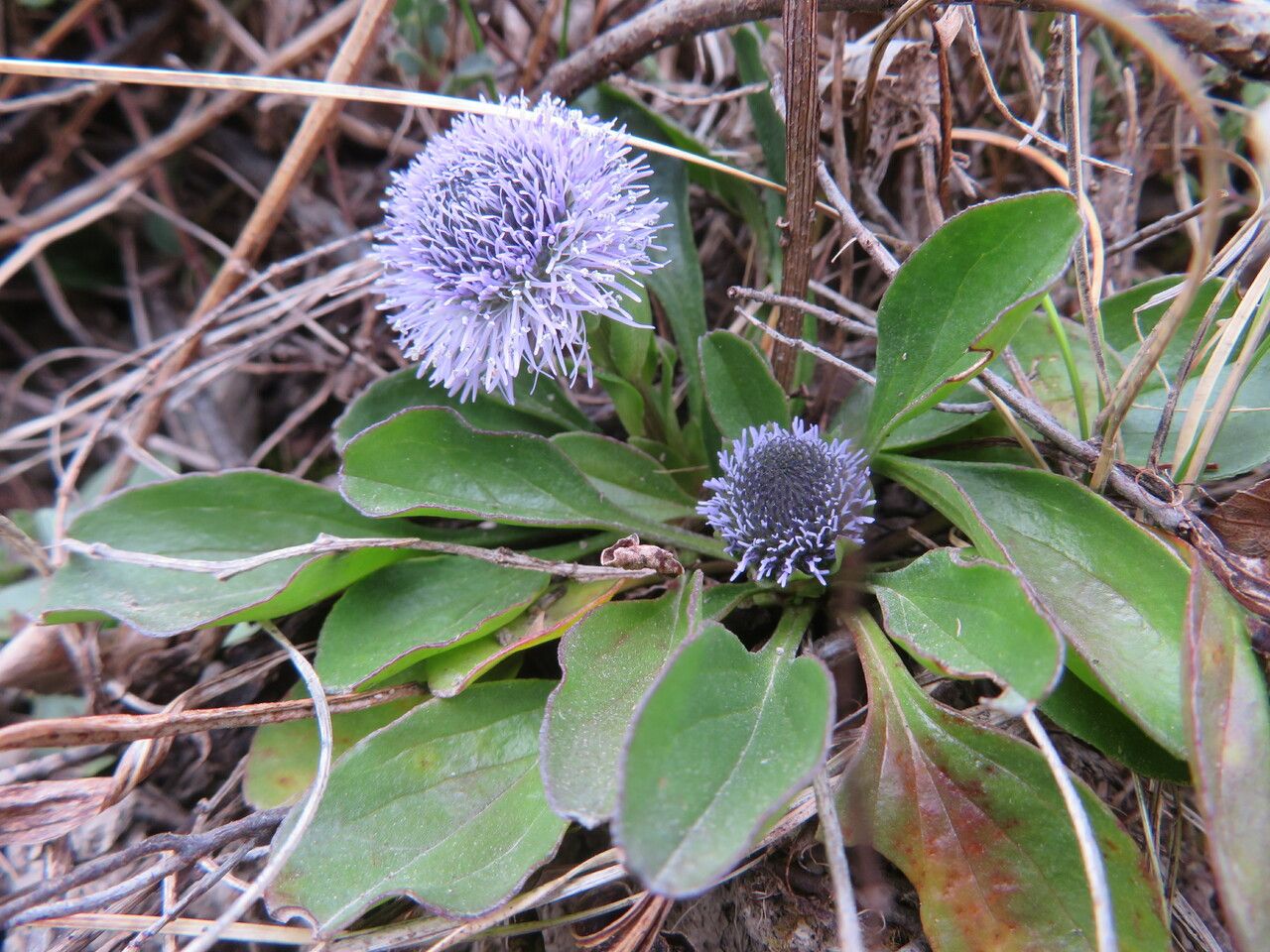
This plant has a compact growth habit with small, rounded, dark green leaves arranged in a rosette at the base of the stem. The short stem produces clusters of blue-violet flowers at its tip during spring and summer.
The flowers of Globularia bisnagarica have five petals fused together to form a globe-shaped corolla with protruding stamens, which attract pollinators like bees with their nectar-rich blooms.
Globularia bisnagarica has been used for medicinal purposes for centuries, known for its anti-inflammatory properties. Traditionally, it has been used to treat digestive disorders, fever, headaches, and wounds, among other ailments.
In garden or landscape settings, Globularia bisnagarica can serve as an ornamental plant. Its attractive foliage and blooms add color during the spring and summer months when other plants might not be flowering yet.
Overall, Globularia bisnagarica is a fascinating plant species offering both ornamental value and medicinal benefits, making it important from both ecological and cultural heritage perspectives.
Common globularia has strong resistance to disease and is generally not prone to illnesses. Still, it can be affected by pests and diseases present in its environment. Such infections are typically mild. Regarding care, this plant needs moderate upkeep. It requires regular pruning to maintain an attractive appearance and healthy growth. Feeding it can also encourage flowering. Common globularia is appropriate for anyone with an outdoor area, like a garden or patio, and does not demand extensive experience in plant care. It may need extra attention when cultivated indoors.
How to keep Globularia Bisnagarica.
Light
The common globularia requires a large amount of sunlight to develop optimally. Sun exposure is essential for its strong growth and health at every stage of its life. Native to sunny habitats, it performs poorly when light is insufficient, resulting in stunted growth. Conversely, excessive intense light can cause stress to the plant.
Water
The common globularia, native to the Mediterranean, thrives in dry, rocky soils and is drought-tolerant. Watering it once a week is enough to keep it healthy. As an evergreen plant, it keeps its leaves throughout the year and needs consistent moisture to stay resilient in different climates.
Temperature
Common globularia can tolerate a broad range of temperatures, though its range may still be restricted by specific combinations of moisture and heat. It performs best in warm summer climates with sufficient rainfall or watering. Extended periods of cloudy, rainy weather or prolonged high temperatures can raise the risk of Common globularia dying. In winter, appropriate protection from cold can increase the plant's chances of survival.
Fertilizer
The best time to fertilize a Common globularia is in early spring, as it emerges from dormancy and starts active growth. Fertilization supplies essential nutrients needed for healthy development. Although Common globularia has relatively low fertilizer requirements, an annual application can improve its survival and encourage better, longer-lasting blooms.
Pruning
Common globularia is characterized by its small, round flowers and evergreen leaves. To encourage healthy growth and maintain a compact shape, prune the plant from early to late spring by removing dead stems. Light pruning can also enhance air circulation and help prevent diseases. For the best results, use clean and sharp tools.
Pot & Repot
Repot common globularia every 2–3 years in early spring to encourage healthy growth. Choose a pot that is slightly larger than the current one, which allows room for the roots to expand. Ensure the new container has good drainage. After repotting, care for the plant gently and avoid overwatering. This will help the plant recover and enhance its globe-shaped blooms and dense foliage.
Botanical profile.
- Plant Type
- Herb
- Life Cycle
- Perennial
- Genus
- Globularia
- Family
- Plantaginaceae
- Hardiness Zone
- 5-9
- Mature Height
- 23 cm to 30 cm
- Mature Spread
- 25 cm
- Leaf Color
- Green, Blue
- Leaf Type
- Evergreen
- Flower Color
- Blue, Purple, Violet
- Flower Size
- 1.02 cm to 2.03 cm
- Bloom Time
- Mid spring, Late spring, Early summer
- Planting Time
- Spring, Autumn
- Harvest Time
- Mid summer, Late summer, Early fall
- Native Area
- Austria, Czech Republic, Slovakia, Bulgaria, Greece, Croatia, Slovenia, Serbia, Russia, Hungary, Germany, Italy, Kazakhstan, Spain, Switzerland, Albania, Romania, Belgium, France
Other names.
Reader questions.
What is the easiest way to water my Common globularia?
To ensure the Common globularia stays healthy while watering it, it is recommended to use filtered water at room temperature. Tap water may contain harmful particles for this plant. This preference for room temperature water is because the Common globularia is accustomed to warm environments and cold water could be a shock to its system. Additionally, it is best to avoid overhead watering as it can cause problems with the foliage. Instead, gently apply filtered water directly to the soil until it becomes fully saturated. This method benefits the plant by providing moisture to the roots, allowing them to spread and absorb the necessary nutrients from the soil.
Why should I put fertilizer on my Common globularia?
The leaves of the Common globularia are the main structure of the plant, and fertilization is an important way to make sure they look great and function properly. Proper fertilization will help the leaves stay consistently colored and have a healthy texture. Fertilization also helps the plant below the soil's surface by promoting the growth of new roots and maintaining existing roots. This means that fertilization not only keeps the plant healthy in the present, but also improves its ability to absorb nutrients from the soil in the future.
What are the sunlight requirements for Common globularia?
Common globularia, or Globularia bisnagarica, requires full sunlight, meaning it should receive more than 6 hours of sunlight daily to thrive. It's essential for the plant to have a balanced exposure to light and shade throughout the day for optimal growth. Insufficient sunlight can lead to stunted growth, while too much direct sunlight may stress the plant. Observing the sunlight's movement through your garden will help you choose the perfect spots for your plants.
What should I do if I give too much or too little water to my Common globularia?
The health of your Common globularia can be negatively impacted by both overwatering and underwatering, but overwatering is a more common issue. When this plant receives too much water, its stems and leaves may wilt and turn yellow. Overwatering for a long time can also cause diseases like root rot, mold, and mildew, which can be fatal for your plant. On the other hand, underwatering is less likely to occur since this plant can tolerate drought. However, if underwatering does happen, you'll notice that the leaves become brittle and brown. It's important to recognize the signs of overwatering early when taking care of your Common globularia. Some diseases resulting from overwatering, such as root rot, may become irreversible if you wait too long. If you notice early signs of overwatering, reduce your watering schedule immediately. Additionally, check the soil quality where your Common globularia is growing. If the soil doesn't drain well, replace it with loose, well-draining potting mix. On the contrary, if you see signs of your Common globularia not receiving enough water, simply water it more often until those signs improve.
When should I fertilize my Common globularia?
When growing your Common globularia outdoors, new growth will appear in early spring. This is the signal to begin fertilizing for the year. Generally, a single application of fertilizer in the spring is sufficient for a healthy Common globularia. However, if you want to promote maximum growth, you can apply fertilizer multiple times throughout the spring and early summer. In this case, you can feed your Common globularia about once every month to a month and a half.
Why is sunlight important for Common globularia, and how do you use artificial lighting?
Sunlight is crucial for the Common globularia's development, originating from environments with ample sun. It enhances robust growth and well-being across all life stages. Under insufficient natural light, artificial lighting such as LED lights can be a vital solution. For full sun plants, 30-50W per square foot is recommended, while the light should be placed 12-36 inches above the plant for 8-12 hours per day to mimic natural sunlight conditions. This promotes faster, healthier growth, especially when natural sunlight is not enough.
How often do I need to water my Common globularia?
If your Common globularia is in a pot, the easiest way to determine if it needs water is to stick your finger into the soil. If the top two to three inches of soil are dry, it's time to water it. If you have your Common globularia planted outdoors, you can use the same method to test the soil. Once the first few inches of soil have dried out, it's time to water it. Typically, during the spring and early fall, watering once a week is sufficient. However, in very hot weather, you may need to water it twice a week or even more frequently. That being said, mature and well-established Common globularia plants have the ability to endure drought.
When is the best time to not fertilize my Common globularia?
During late fall and winter, your Common globularia goes into a dormant phase and stops producing new growth. It's best to avoid fertilizing it during this time. In spring and summer, if you do choose to fertilize, start reducing the amount as summer approaches, because the growth rate of your Common globularia will also slow down. It's never a good idea to fertilize your Common globularia when the weather is unusually hot or the soil is extremely dry. Fertilizing in those conditions can stress the plant and cause it to die early.
What are the symptoms of lighting issues in Common globularia?
Common globularia shows various symptoms when facing lighting issues. Insufficient light can lead to smaller new leaves, leggy growth, faster leaf drop, delayed or halted growth, and lighter-colored leaves. Too much sunlight can cause chlorosis, sunscald, leaf curling, wilting, and leaf scorching. Identifying these symptoms early can help in taking corrective measures to ensure the plant's health.
How much water does my Common globularia plant need?
To properly water your Common globularia, make sure the top few inches of soil are dried out before watering. Give the plant a thorough watering, making sure to soak the soil completely. The amount of water should be enough to have excess water flow out of the drainage holes at the bottom of the pot. If you don't see any excess water draining, you may not have watered enough. However, be cautious not to let water accumulate in the soil as it can be harmful to the plant. Additionally, if water isn't draining properly, it may indicate poorly draining soil, which is not good for the plant's health. Outdoor plants generally need about 1 inch of rain per week.
What kind of fertilizer does my Common globularia plant require?
Choosing the best fertilizer for a Common globularia is actually quite simple. These plants thrive on a general-purpose garden fertilizer with equal parts nitrogen, phosphorus, and potassium. A fertilizer with a 10-10-10 ratio or something similar will work great. Just make sure to steer clear of high nitrogen fertilizers if you're unsure. Granular fertilizers are the way to go, and they should be slow-release for easy application to the soil. Additionally, feeding your Common globularia with organic soil amendments like compost can be very beneficial.
How do you address lighting issues for Common globularia indoors and outdoors?
To address lighting issues for Common globularia indoors, gradually move the plant to a sunnier location to receive at least 6 hours of direct sunlight daily, or use artificial light for at least 8 hours daily. Outdoors, gradually move your plants to more sunlit areas to prevent sunburn, and consider restructuring your garden to reduce sunlight obstructions. Remember, it's crucial to make these adjustments gradually to avoid stressing the plant, and focus on providing the ideal lighting conditions for healthy growth.