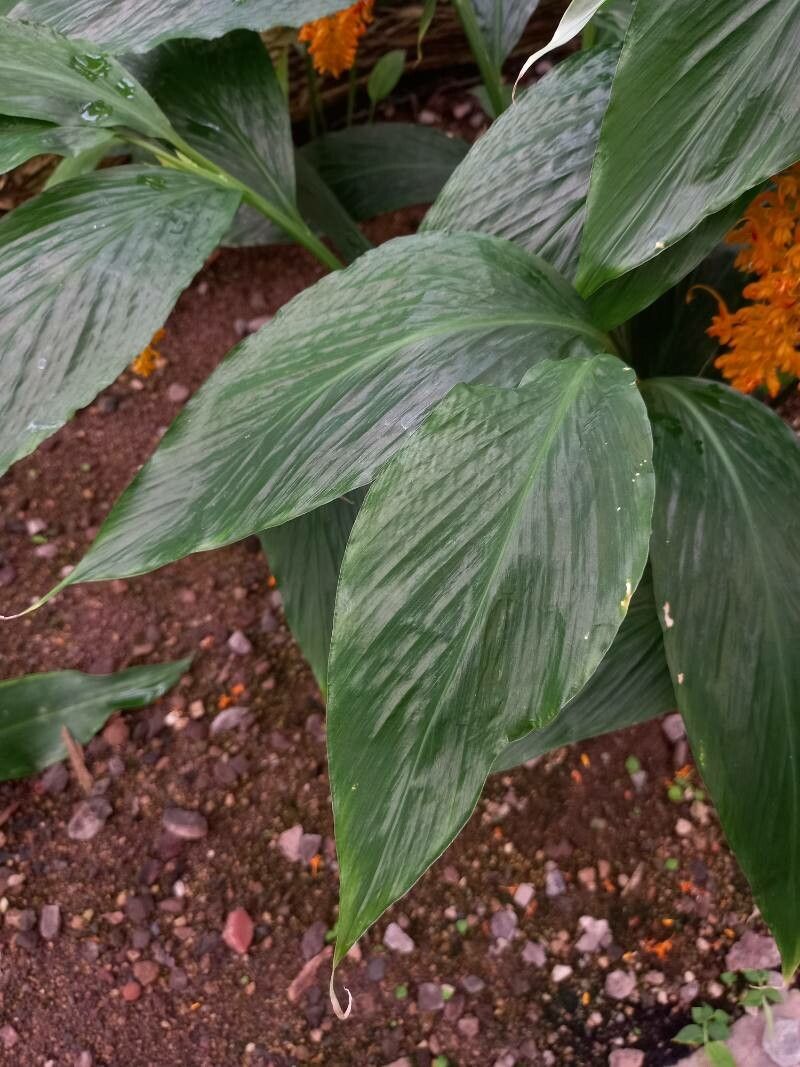
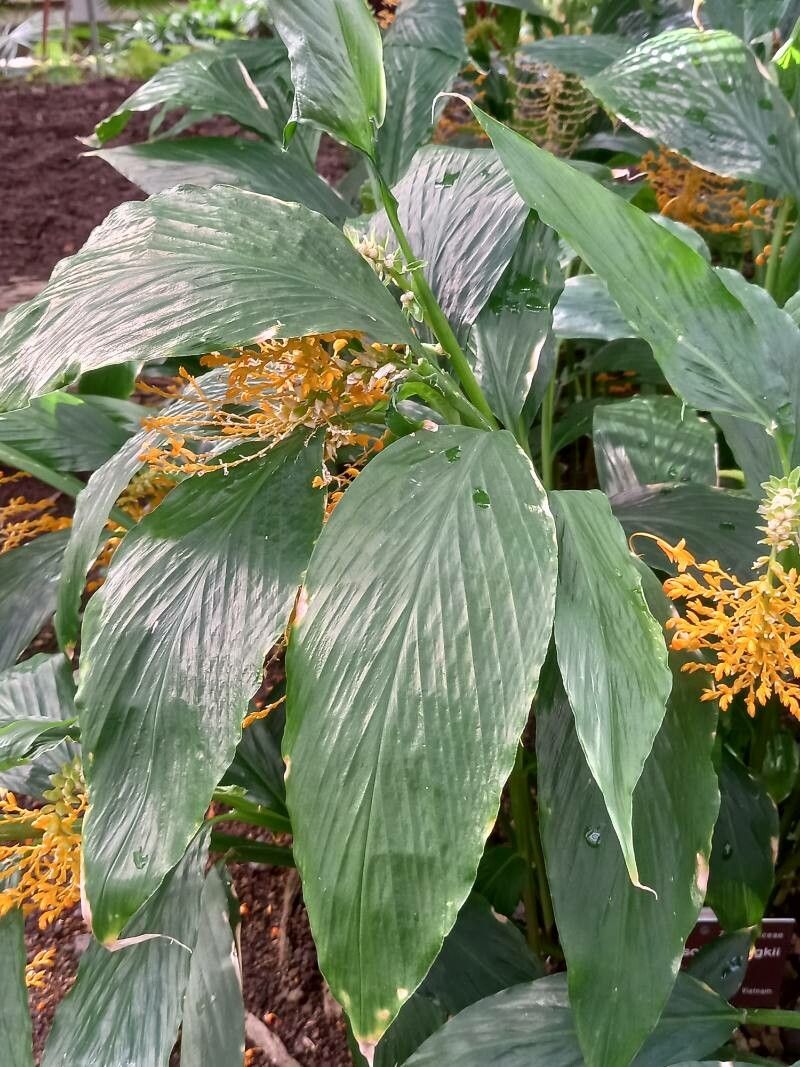
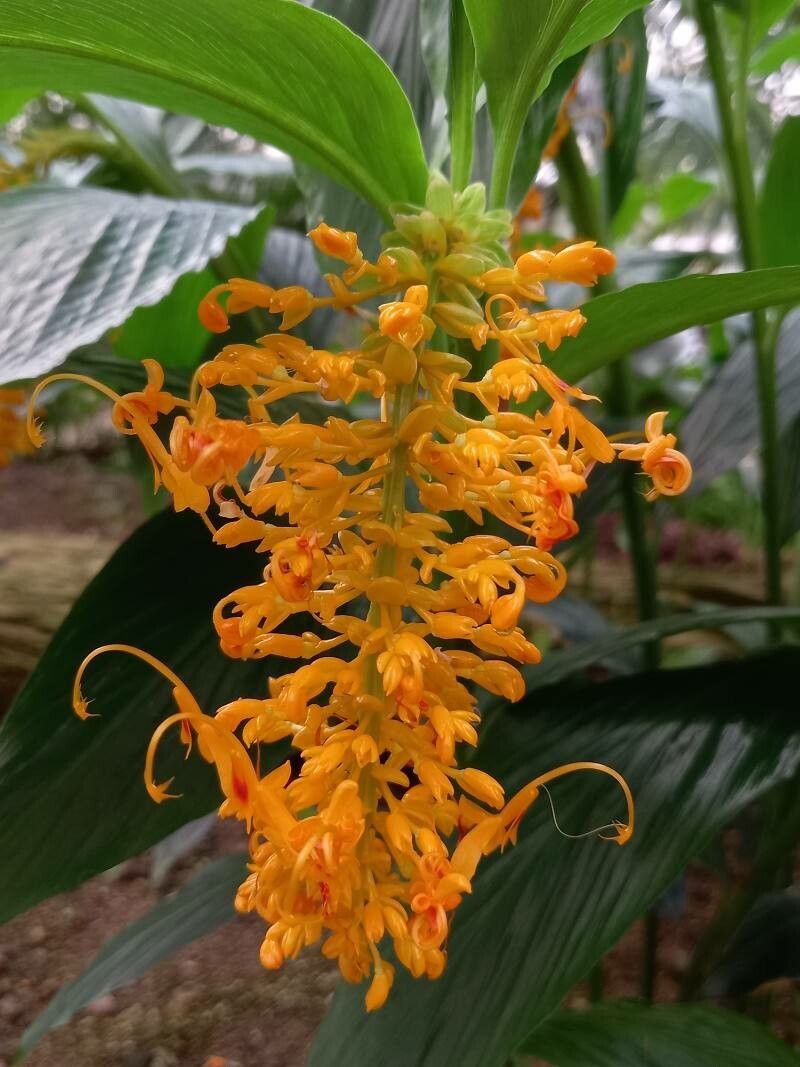
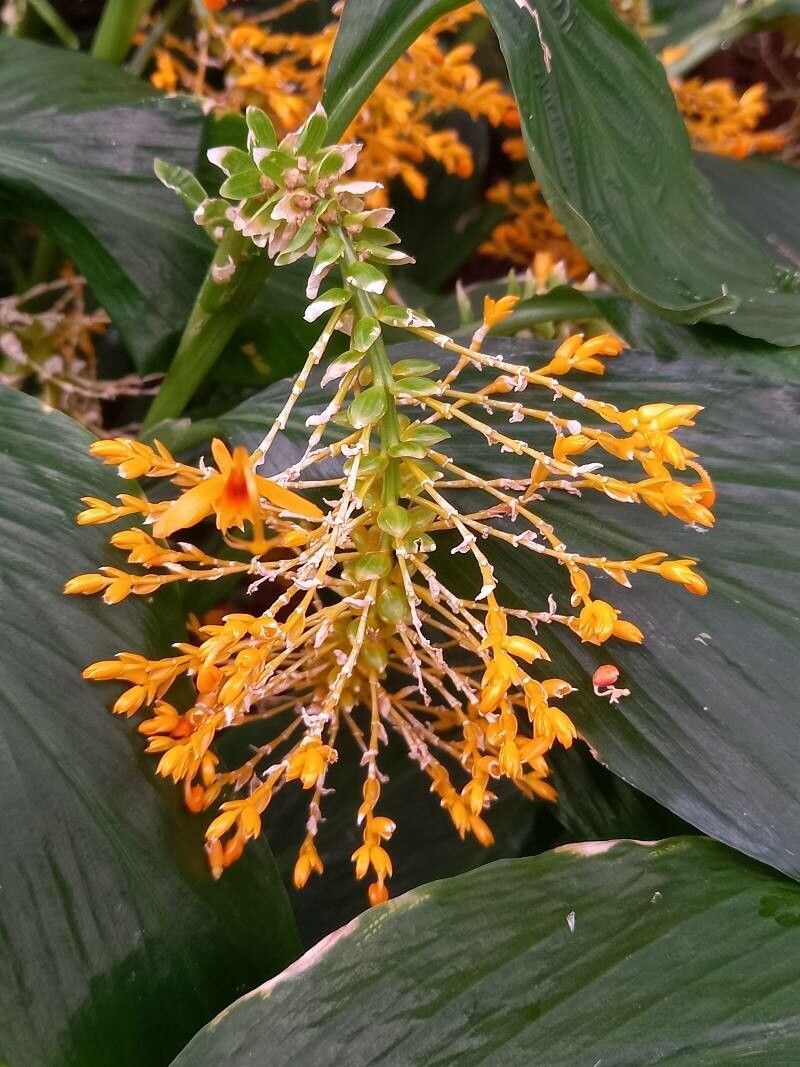
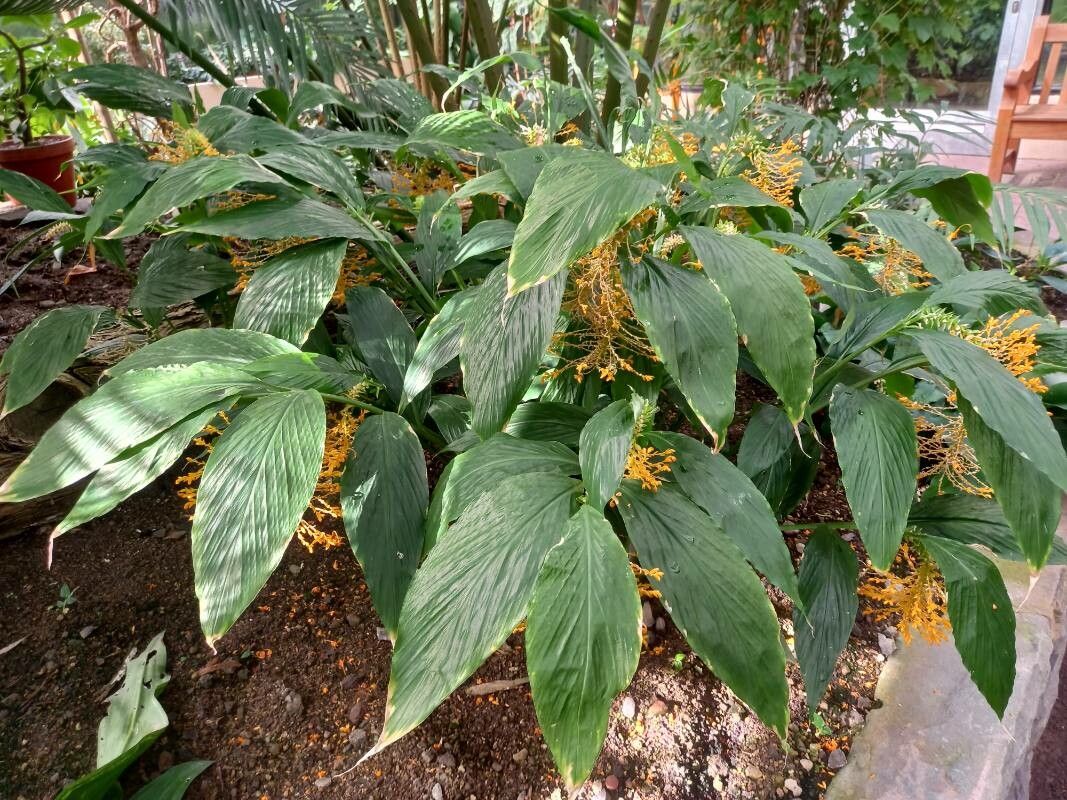
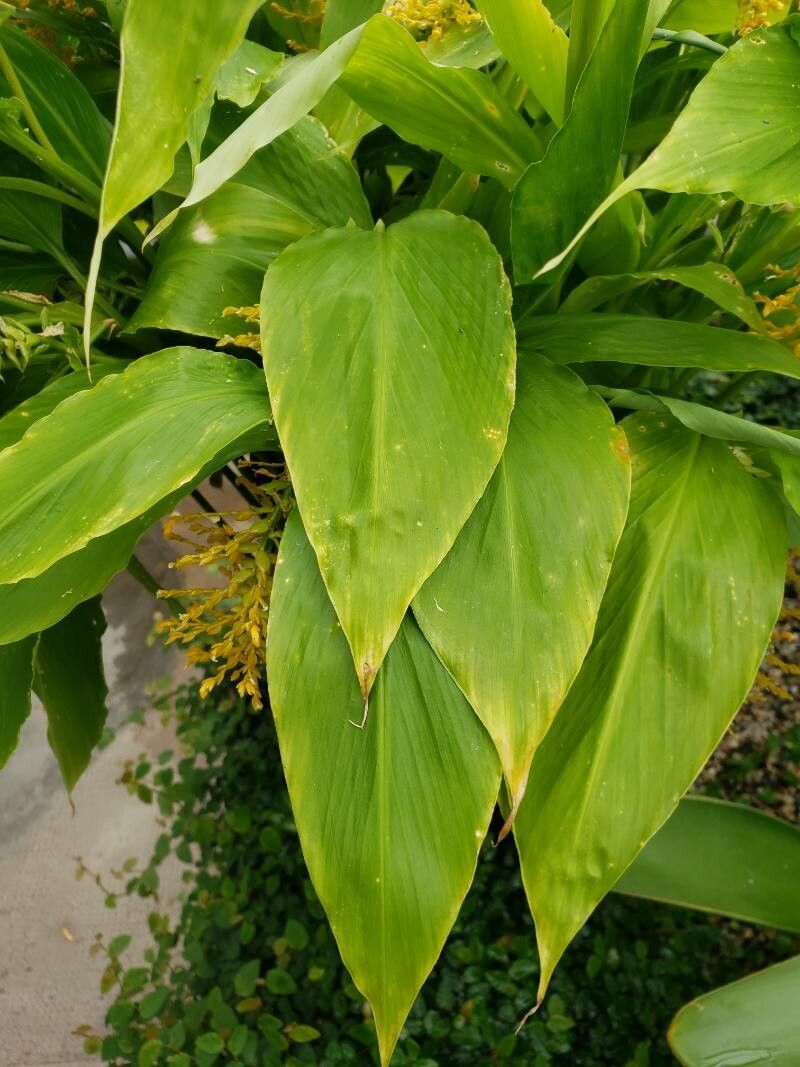
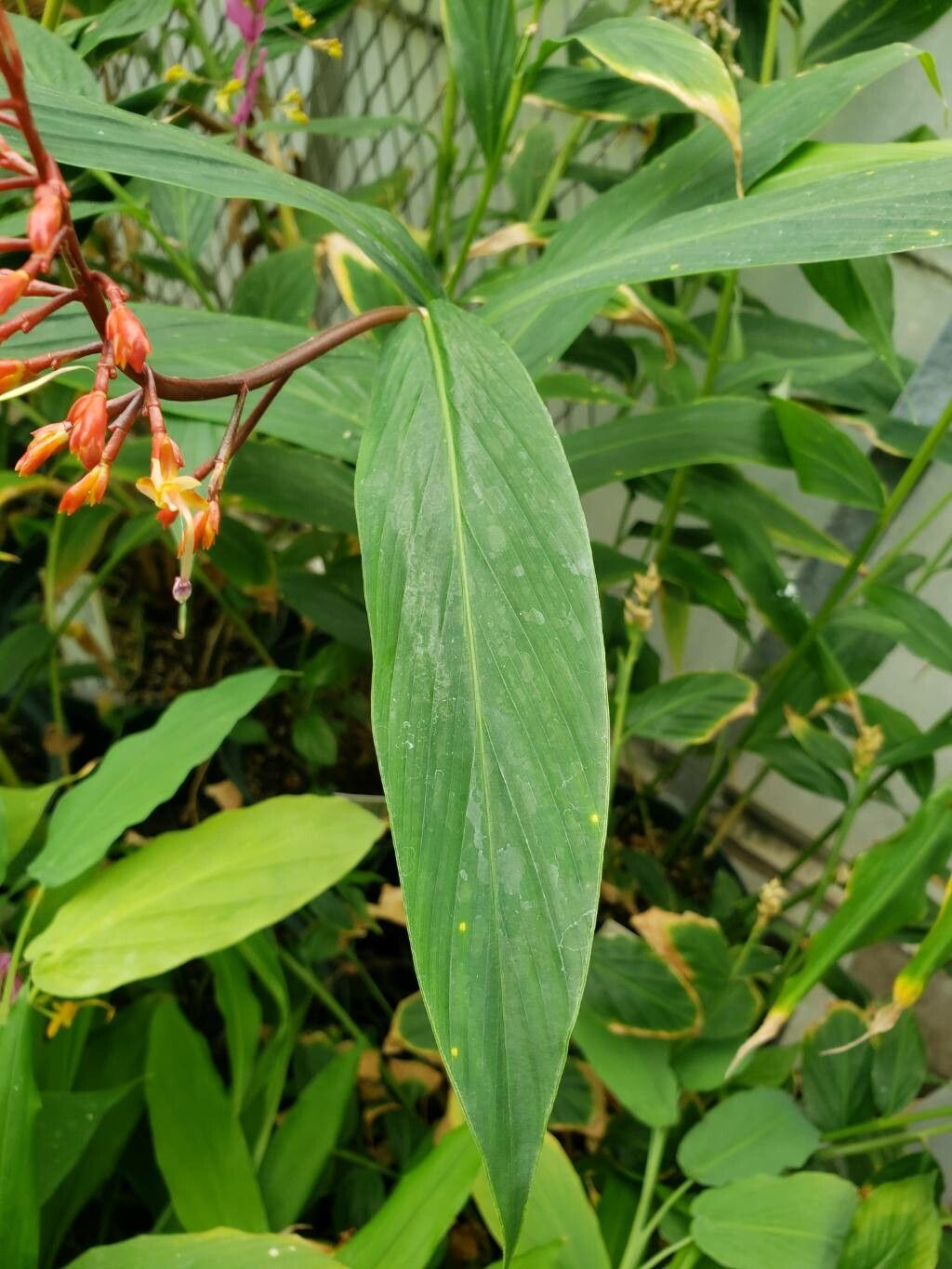
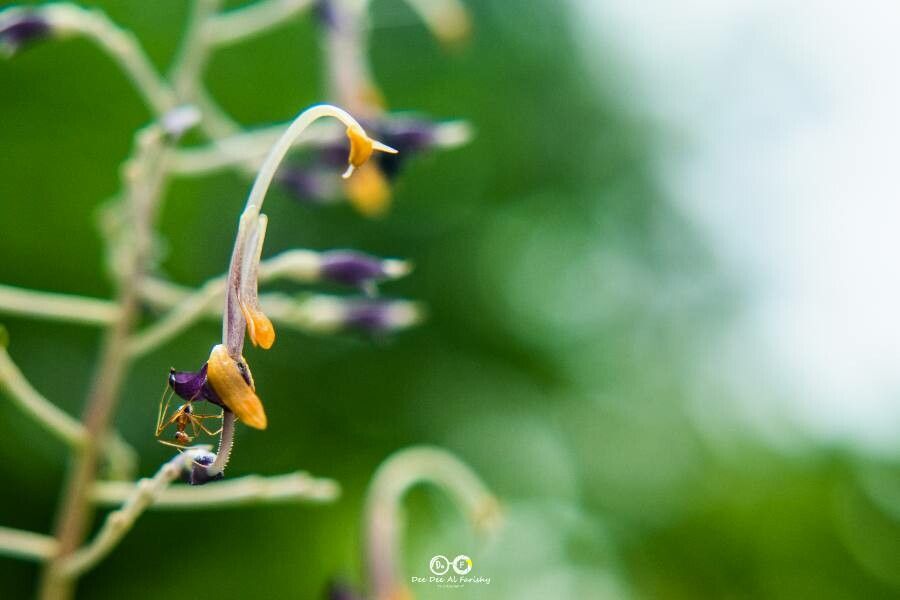
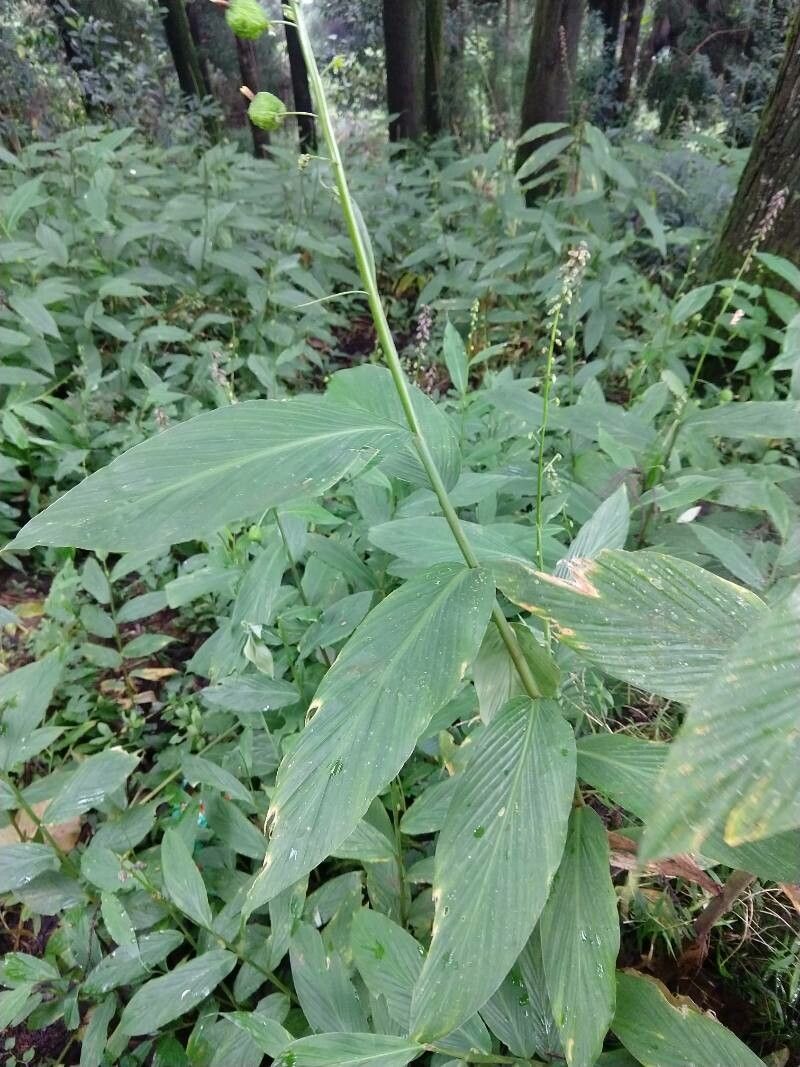
Dancing Girl Ginger is fairly disease-resistant and generally not prone to illnesses. However, it can be affected by pests and diseases present in its environment. These problems are typically not severe. For care, the plant requires moderate maintenance. It should be pruned regularly to preserve a good appearance and support healthy growth. Fertilizing can also help encourage flowering. Dancing Girl Ginger is suitable for anyone with outdoor space, such as a garden or patio, and does not demand extensive care experience. It may need more attention when grown indoors.
How to keep Globba Schomburgkii.
Light
Dancing Girl Ginger occurs naturally in habitats like forest understories and rocky areas, which are naturally shaded. It prefers partial sun but can tolerate both full sun and full shade, showing its versatility and hardiness.
Water
Globba schomburgkii, a plant native to moist, shaded environments, thrives best in conditions that mimic its tropical habitat. It needs consistent moisture and should ideally be watered every 1-2 weeks. To encourage vibrant foliage and flowering during the growing season, the plant also benefits from higher humidity levels.
Temperature
Dancing Girl Ginger comes from tropical areas, where the climate is generally warm and humid. As a result, it is well suited to high temperatures and moisture. It does not tolerate abrupt temperature changes and prefers a stable thermal environment, so avoiding indoor temperature fluctuations is important. It typically cannot withstand cold and needs higher temperatures to grow. If the surrounding temperature drops too low, the plant may stop growing or even die.
Fertilizer
Proper feeding is essential for Dancing Girl Ginger's health and look. Feed Dancing Girl Ginger in summer, applying fertilizer monthly during the season. Nutrients power growth and keep the plant's parts healthy. Fertilization improves Dancing Girl Ginger's flower display, ensuring the best blooms.
Pruning
Globba schomburgkii features vibrant flowers and lush foliage, making it a beautiful addition to any garden. To maintain its health and appearance, prune the plant from early to late spring. Remove any dead stems and thin out overcrowded areas to improve air circulation and overall health. Make clean cuts just above the nodes to promote growth, maintain its shape, and prevent overgrowth.
Botanical profile.
- Plant Type
- Herb
- Life Cycle
- Perennial
- Genus
- Globba
- Family
- Zingiberaceae
- Hardiness Zone
- 10-12
- Mature Height
- 30 cm to 61 cm
- Mature Spread
- 20 cm to 40 cm
- Leaf Color
- Green, Dark Green
- Leaf Type
- Semi-evergreen
- Flower Size
- 2.03 cm to 3.05 cm
- Bloom Time
- Summer, Early fall, Mid fall
- Planting Time
- Spring, Summer, Autumn
- Harvest Time
- Late summer, Fall, Early winter
- Native Area
- India, Cambodia, Vietnam, Myanmar, Laos, Thailand, China
Other names.