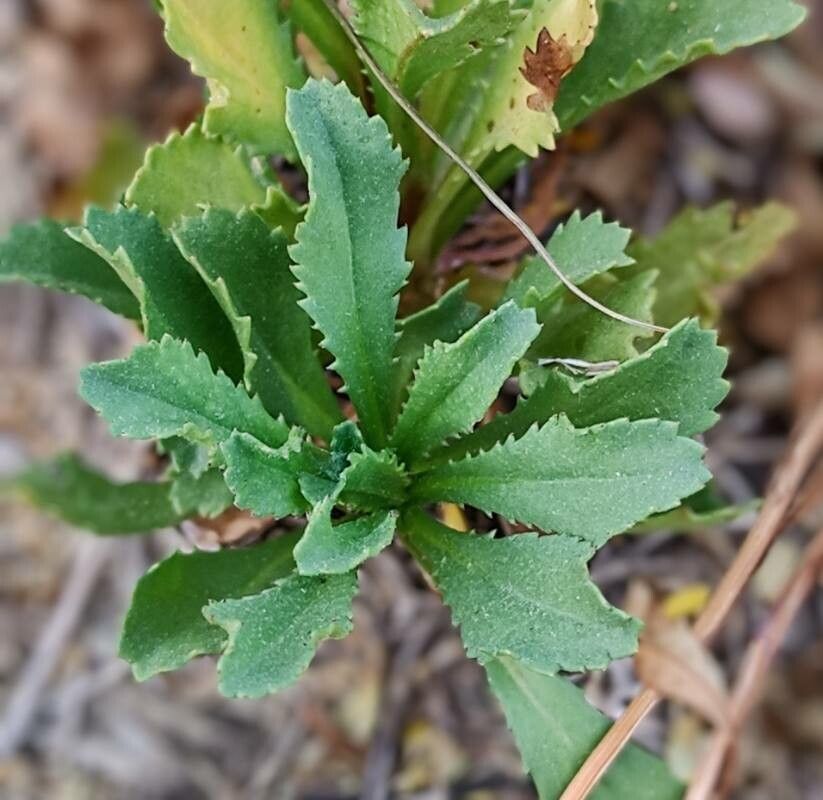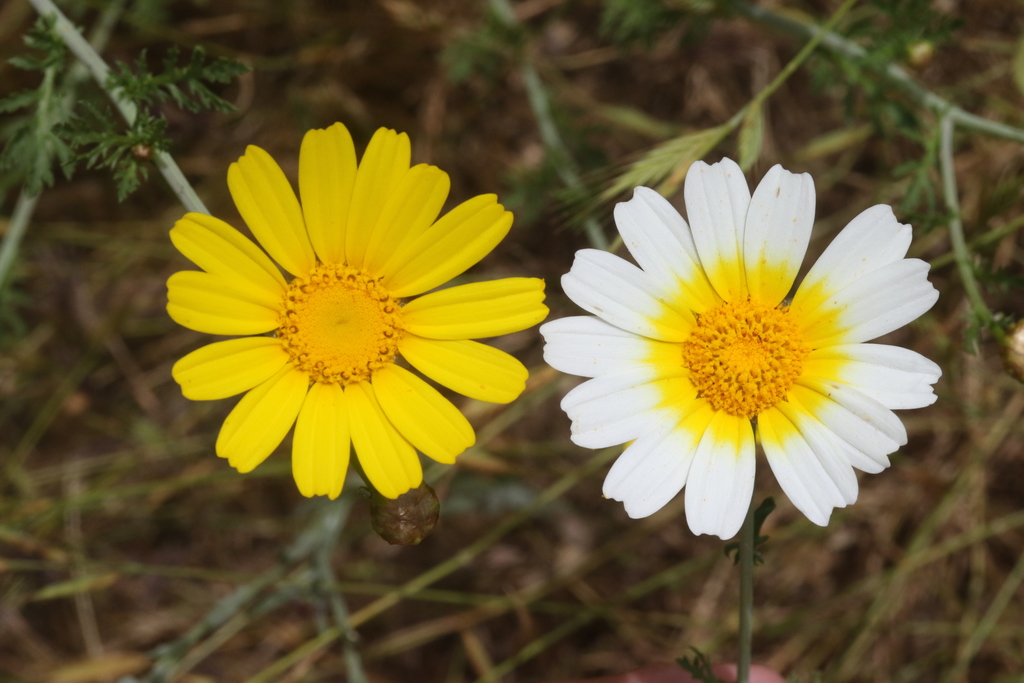
Glebionis coronaria, formerly called Chrysanthemum coronarium, is a species of flowering plant in the daisy family. It is native to the Mediterranean region. It is cultivated and naturalized in East Asia and in scattered locations in North America.Glebionis coronaria is used as a leaf vegetable. English language common names include garland chrysanthemum, chrysanthemum greens, edible chrysanthemum, crowndaisy chrysanthemum, chop suey greens, crown daisy, and Japanese greens.Glebionis coronaria has been hybridized with related Argyranthemum species to create cultivars of garden marguerites.
Crown daisy exhibits moderate resistance to disease but can be prone to problems such as leaf spot. Its vulnerability to insect pests varies with the variety, though most types have relatively low pest resistance. Regarding care, crown daisy requires regular watering and feeding, along with frequent removal of yellowing leaves. It’s important to address pests and diseases as soon as they appear and to harvest the plant promptly. Crown daisy is best suited for people who can commit some time and effort to routine care.
How to keep Glebionis Coronaria.
Light
The crown daisy flourishes with generous exposure to sunlight, which is vital for its robust growth. It originates from environments that receive a lot of sunlight, but can adapt to lower light conditions, without diminishing its energy. Too much sunlight can cause it to wilt, while inadequate light can impede its thriving growth.
Water
Crown daisy is well-suited to Mediterranean climates, thriving in sunny conditions with moderate moisture. For best results, water it twice a week, ensuring the soil drains well to prevent oversaturation. This outdoor plant is prized for its edible leaves and flowers and grows best with balanced watering during its active growing season.
Temperature
The crown daisy is built to flourish in environments with a temperature scale of 68 to 95 °F (20 to 35 ℃). Its inherent growth patterns imply a fondness for moderate weather conditions. Seasonal changes might necessitate modifications to ensure the crown daisy stays within its ideal temperature spectrum.
Fertilizer
For optimal yield and taste of Crown daisy, the plant requires sufficient nitrogen at all stages of growth, from before planting to harvesting. Plants that are effectively irrigated and fertilized yield numerous vigorous leaves and limit bitterness. It's advisable to fortify the soil with organic substances such as compost or manure before cultivation, preferably between 2 to 8 weeks ahead.
Pruning
Crown daisy is an annual herb known for its vibrant, edible flowers and aromatic leaves. To encourage bushier growth and extend the flowering period, prune the plant in early spring. Regularly remove dead leaves to maintain plant health and improve air circulation. This will ensure vigorous regrowth, maximizing both its ornamental and culinary benefits.
Pot & Repot
When you're replanting the Crown daisy, choose a pot with a diameter that's larger by 1-2 inches (2.5-5 cm), guaranteeing it provides ample drainage. Opt for a potting mix that drains well, and think about incorporating perlite for enhanced drainage. Carry out the repotting in the spring season or at the start of summer, subsequently water it generously, and place it in a spot with less sunlight initially.
Botanical profile.
- Plant Type
- Herb
- Life Cycle
- Annual, Biennial
- Genus
- Glebionis
- Family
- Asteraceae
- Hardiness Zone
- 5-9
- Mature Height
- 76 cm to 91 cm
- Mature Spread
- 25 cm to 30 cm
- Leaf Color
- Green
- Leaf Type
- Deciduous
- Flower Color
- Yellow, White
- Flower Size
- 2.03 cm to 6.35 cm
- Bloom Time
- Mid spring, Late spring, Early summer
- Planting Time
- Spring, Summer, Autumn
- Harvest Time
- Early summer, Mid summer
- Native Area
- Saudi Arabia, Libya, Egypt, Turkey, Tajikistan, Tunisia, United Arab Emirates, Slovakia, Cyprus, Poland, Greece, Croatia, Morocco, Ukraine, Lebanon, Uzbekistan, Russia, Syria, Italy, Spain, France, Iran, Algeria, Romania, Moldova, Turkmenistan, Portugal
Other names.
Reader questions.
How should I water my Crown daisy?
The Crown daisy has specific preferences for both the amount and method of watering. It is important to water the Crown daisy in a slow and gentle manner, directly into the soil. Avoid pouring all of the water at once or doing overhead watering, as this can harm your tomatoes. While the watering process should be slow, be sure to water deeply to ensure the soil surrounding your Crown daisy is adequately moist.
Why should I put fertilizer on my Crown daisy?
Crown daisy, a plant grown for its edible leaves, has specific nutrient requirements, just like all plants. The main nutrients that all plants need are nitrogen, phosphorus, and potassium. These nutrients contribute to different functions in the plant's growth. When it comes to foliage, nitrogen is particularly important. However, Crown daisy often struggles to get enough nitrogen from the soil alone, leading many gardeners to provide additional nitrogen through feeding. This ensures a satisfactory harvest.
What are the sunlight requirements for Crown Daisy?
Crown Daisy thrives under full sun, needing more than 6 hours of sunlight to flourish, while it can also tolerate partial sun, about 3-6 hours of sunlight. It's essential to observe the movement of sunlight in your garden to find the perfect balance of light and shade for your plants, ensuring their happiness and optimal growth.
What is the preferred temperature range for Crown daisy to thrive?
Crown daisy is well-adapted to thrive in environments with temperatures ranging from 68 to 95°F (20 to 35°C). These conditions suggest the plant's preference for temperate climates. To promote optimal growth, especially in winter, it's important to maintain temperatures above 20°C. The plant should always be kept above freezing point to avoid damage, and protective measures should be considered when temperatures approach -5°C (25°F) during winter, such as bringing the plant indoors or using a temporary greenhouse for protection.
What do I need to do if I give my Crown daisy too much or too little water?
If you realize that you have given your Crown daisy too much water and are worried about the risk of disease, act quickly. The best way to address overwatering is to remove the plant from its current spot. Once it's out of the ground, let the roots dry a bit before planting it in a new location with well-draining soil. If you're growing it in a pot, you might want to transfer it to a pot with more or bigger drainage holes. Conversely, if you've underwatered the plant, simply water it more often.
What is the ideal time to fertilize my Crown daisy plant?
To optimize the growth of your Crown daisy, there are several times throughout the growing season when you should apply fertilizer. Here is a step-by-step guide: 1. Before planting, about 2 to 8 weeks in advance, make sure to prepare the soil thoroughly by adding organic material like compost or manure. This initial application will provide essential nutrients for your plants. 2. At the time of planting, repeat the soil amendment process by using the same nutrient-rich organic material. This will further enhance the soil quality for your Crown daisy. 3. Once your seedlings start to emerge and reach a height of around 2 inches, it's time for the next round of fertilizer. Apply it carefully to ensure proper growth. 4. Moving forward, you can continue to fertilize your Crown daisy at regular intervals until harvest. A good schedule to follow is applying fertilizer every two to three weeks. 5. Additionally, consider adding a layer of compost or manure around the plant. This will create a continuous supply of nutrients for sustained growth.
How essential is sunlight for the growth of Crown Daisy?
Sunlight is crucial for the healthy growth of the Crown Daisy. Originating in sunny habitats, the Crown Daisy requires abundant sun exposure for vitality. While it can adjust to somewhat lesser light, too much can cause wilting, and too little light can hinder its growth. It's important to ensure that the plant gets sufficient sunlight or consider using artificial lighting if the natural light is inadequate.
How does Crown daisy react to low temperatures and how can it be protected?
Crown daisy has a moderate tolerance to low temperatures, thriving best between 20°C and 35°C. In winter, the temperature should remain above 0°C to prevent damage. Exposure to temperatures below -25°C can darken the leaves, with severe cold causing water-soaked necrosis, wilting, drooping, and eventually turning the leaves brown. To protect the plant from frost damage, trim away the damaged parts and move it to a warm environment indoors or set up a makeshift greenhouse. Ensure it's placed in a location with ample sunlight, such as near a south-facing window, and consider supplemental lighting if natural light is insufficient.
How often do I need to water my Crown daisy plant?
Crown daisy has a high water requirement, so it is important to water it regularly. In the beginning of the growing season, water it once or twice a week. As the season progresses, increase the frequency of watering, potentially up to twice a day. Once the major growth phases are over, reduce watering to once a week until the end of the season.
When is not a good time to add fertilizer to my Crown daisy?
When using nitrogen-rich fertilizers, it is important to consider what plants you are applying it near. Some vegetables benefit from these fertilizers for growing more foliage, but if applied to plants that need to focus on fruit production, they may end up with lots of leaves but few vegetables. Additionally, avoid letting any type of fertilizer come into contact with or splash onto the leaves of Crown daisy plants as this can cause burns. It is best to apply the fertilizer a few inches away from the base of the plant. If your Crown daisy is currently experiencing health issues such as disease, pests, or drought, it is advisable not to fertilize it until those problems have been resolved. Fertilizer can be beneficial for healthy plants, but it can actually cause harm if applied to plants that are already in poor condition.
How can artificial lighting be used for Crown Daisies?
Artificial lighting is invaluable for indoor Crown Daisies when natural sunlight is not sufficient, especially in winter or less sunny spaces. LED lights are recommended because they can be customized to provide the needed wavelengths of light. For full sun plants, 30-50W/sq ft of light, for partial sun plants, 20-30W/sq ft, and for full shade plants, 10-20W/sq ft are ideal. The light source should be placed 12-36 inches above the plant to mimic natural sunlight, and most plants require 8-12 hours of light per day.
What should be done if Crown daisy experiences high temperatures?
During the summer, it's crucial to keep the Crown daisy's temperature below 35°C to avoid growth issues. Temperatures above 38°C can slow the plant's growth, lead to lighter leaf colors, and increase susceptibility to sunburn. To manage high temperatures, trim away any sunburned and dried parts of the plant. Relocate it to a shaded area, especially away from the harsh afternoon sun. Watering the plant in the morning and evening will help keep the soil moist and reduce temperature stress.