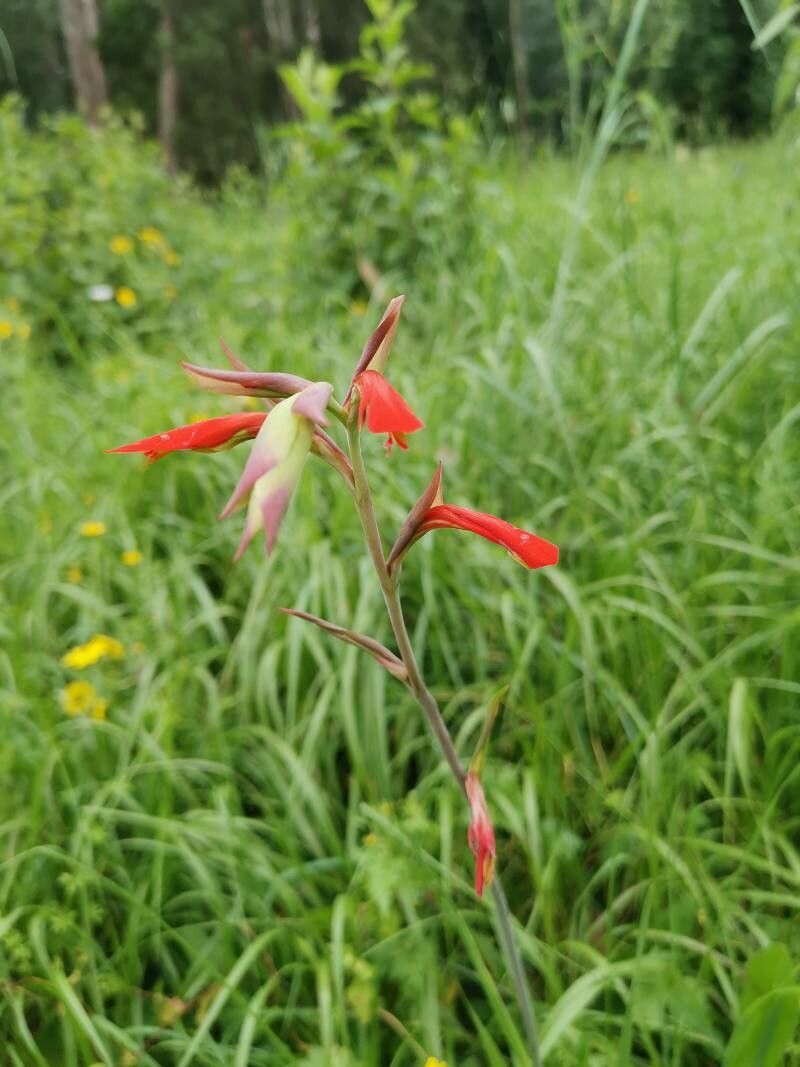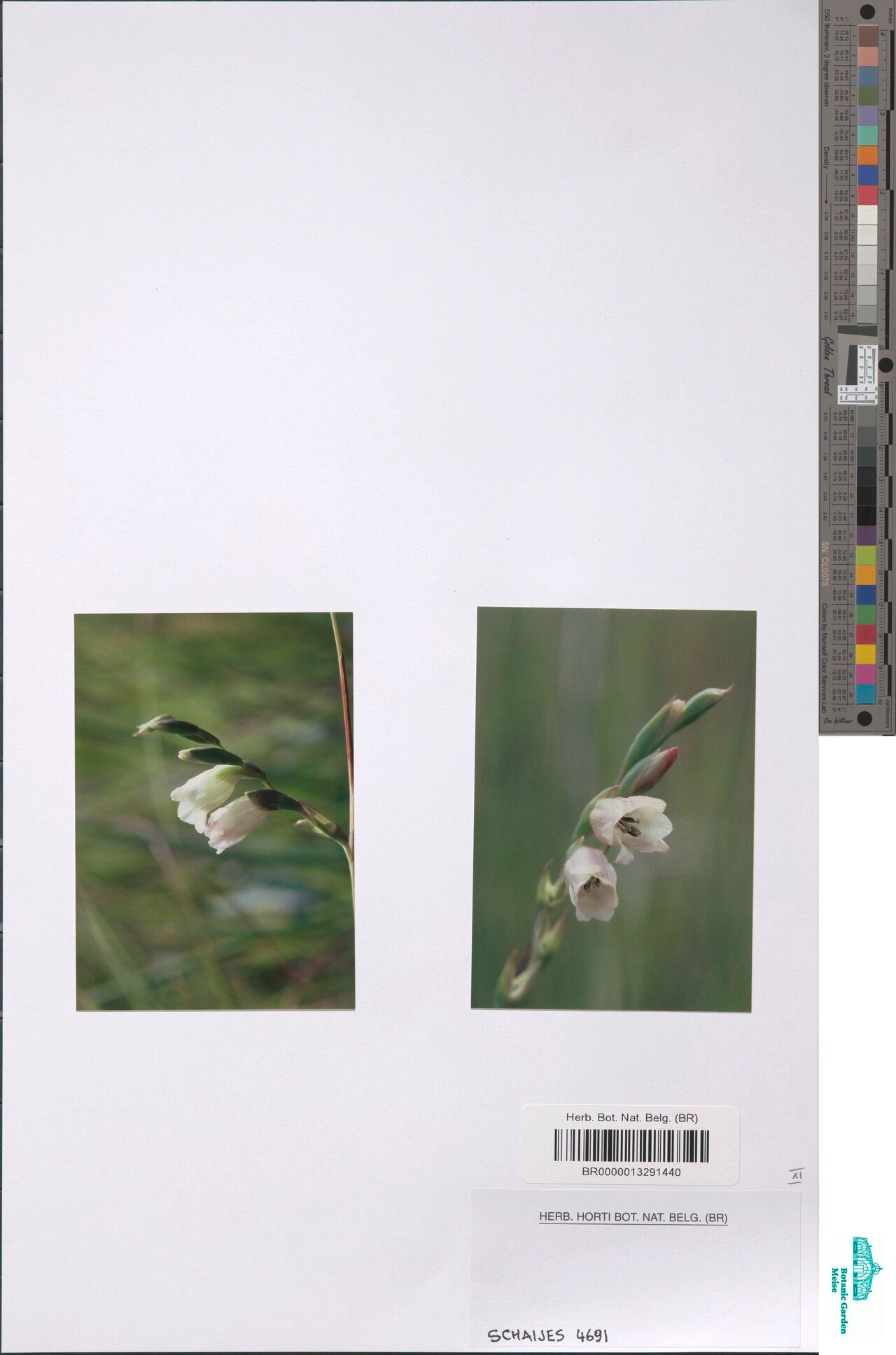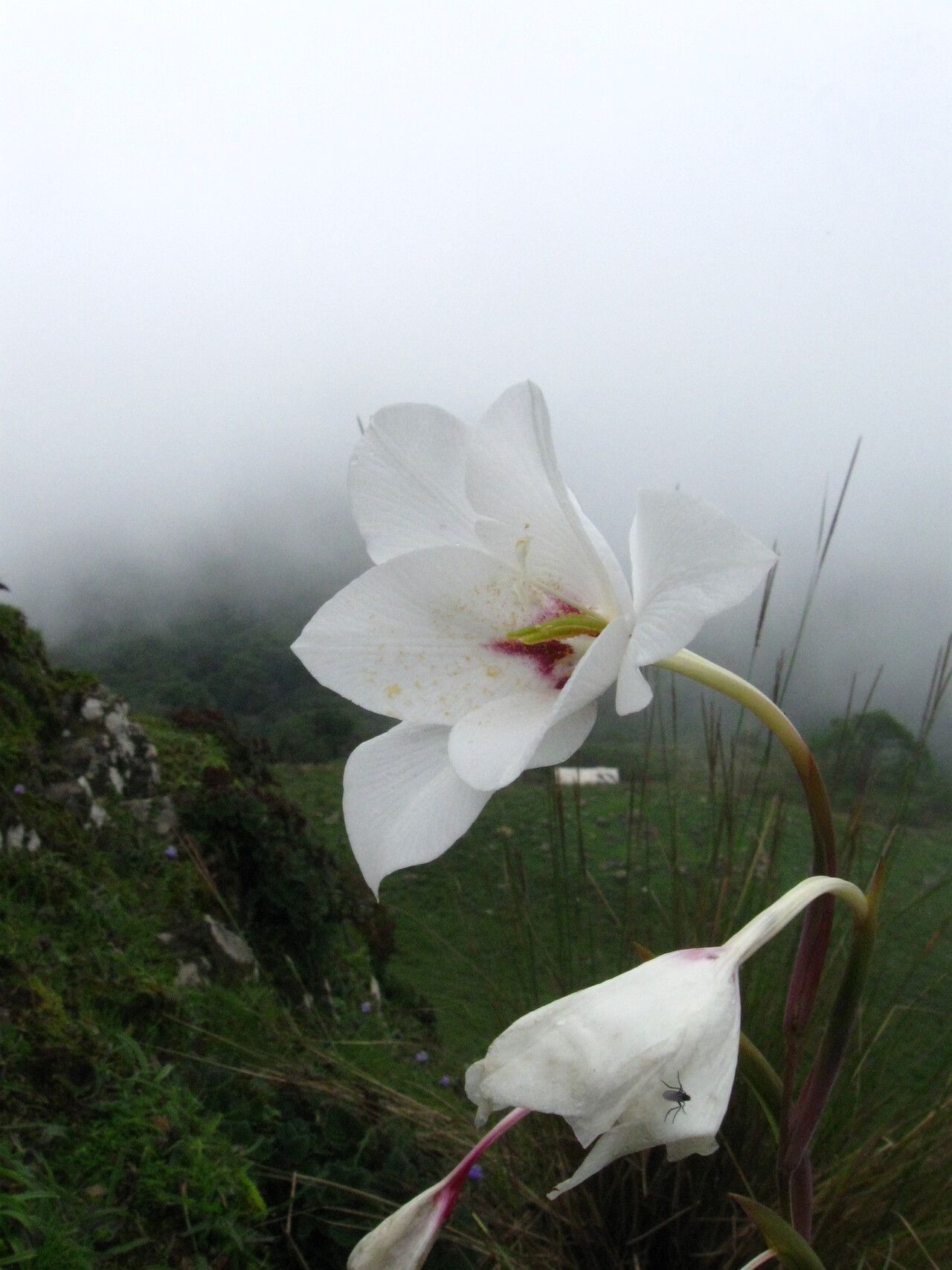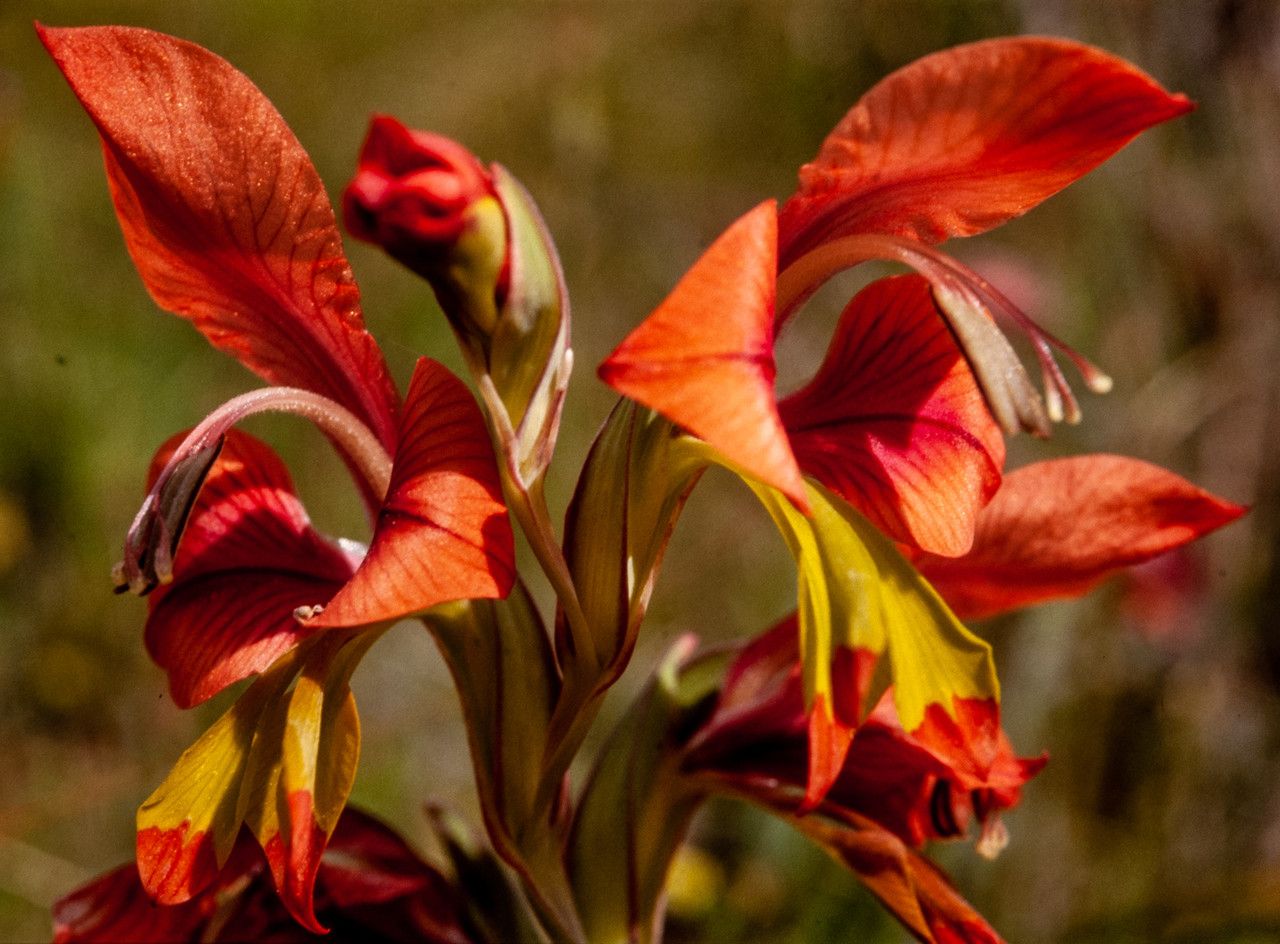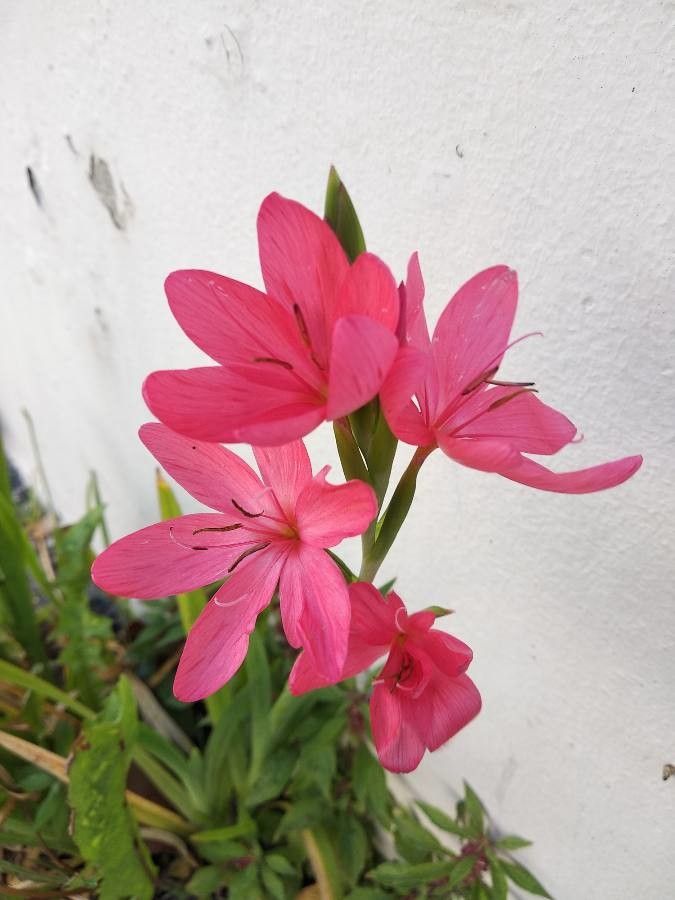
Largeflower gladiolus has strong resistance to disease and is usually not susceptible to illnesses. However, it can be affected by pests and diseases present in its environment; such infections are generally mild. Regarding care, this plant needs moderate maintenance. It should be pruned regularly to preserve a neat appearance and support healthy growth. Applying fertilizer can also encourage flowering. Largeflower gladiolus is appropriate for anyone with outdoor space, such as a garden or patio, and does not demand extensive caregiving experience. When grown indoors, it may need additional attention.
How to keep Gladiolus Liliaceus.
Light
Largeflower gladiolus is a sun-loving, perennial herbaceous plant native to open habitats and commonly found in meadows and grasslands. It prefers full sun but can also tolerate partial sun.
Water
Water is essential for the growth of large-flower gladiolus spikes. These plants need moderate watering, with at least 25 mm (1 inch) of water each week. To keep the soil consistently moist, water your gladiolus every 7 to 10 days. Proper watering is important because insufficient moisture can stress the plant, affecting both flower production and overall health.
Temperature
Largeflower gladiolus shows good adaptability to heat, being able to endure higher temperatures and wider temperature fluctuations. In hot conditions, attention should be paid to watering and providing suitable shade to avoid sunburn. However, its tolerance to low temperatures is relatively poor; although it can resist some cold, excessively low temperatures can cause frost damage.
Fertilizer
The best time to fertilize a Largeflower gladiolus is in early spring, as it comes out of dormancy and starts active growth. Fertilizer supplies essential nutrients for healthy development. Although the Largeflower gladiolus has fairly low fertilizer requirements, applying fertilizer annually can improve its survival and encourage better, longer-lasting blooms.
Pruning
For optimal growth, the largeflower gladiolus should be pruned in early spring. This step removes any damaged foliage, encourages new growth, and helps prevent disease. Regular deadheading is also important, as it promotes continuous blooming and maintains the plant's vitality. Proper pruning improves airflow and light penetration, which supports strong growth and ensures a well-shaped, vibrant display.
Botanical profile.
- Plant Type
- Herb
- Life Cycle
- Perennial
- Genus
- Gladiolus
- Family
- Iridaceae
- Hardiness Zone
- 7-10
- Mature Height
- 61 cm
- Mature Spread
- 10 cm
- Leaf Color
- Green, Dark Green
- Leaf Type
- Deciduous
- Flower Color
- Pink, Lavender, White
- Flower Size
- 5.08 cm to 6.35 cm
- Bloom Time
- Mid spring, Late spring
- Planting Time
- Spring, Summer
- Harvest Time
- Early summer, Mid summer
- Native Area
- South Africa
Other names.
Reader questions.
What are the sun requirements for Largeflower Gladiolus (Gladiolus liliaceus)?
The Largeflower Gladiolus (Gladiolus liliaceus) has specific sun requirements to thrive. It needs full sun, which is defined as receiving above 6 hours of sunlight daily, to flourish. However, it can also tolerate partial sun conditions, meaning it can grow with about 3-6 hours of sunlight each day. It's important to observe the sunlight patterns in your garden to find spots that offer the ideal balance of light and shade. This careful selection ensures the plants' happiness and health.
What is the Largeflower gladiolus?
The Largeflower gladiolus, known scientifically as Gladiolus liliaceus, is a plant species. However, specific details about its essentials or symptoms have not been provided.