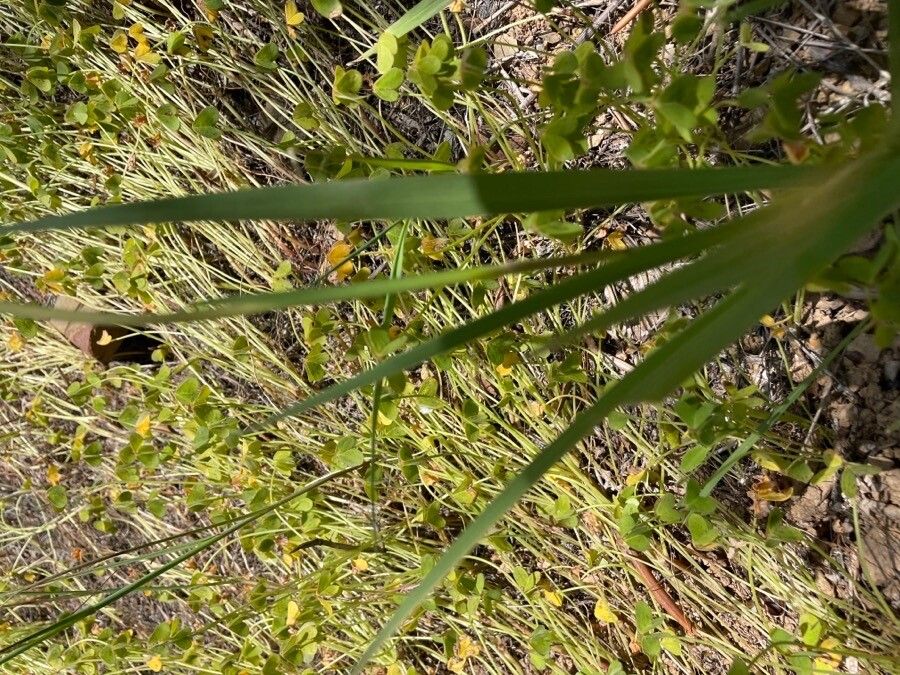
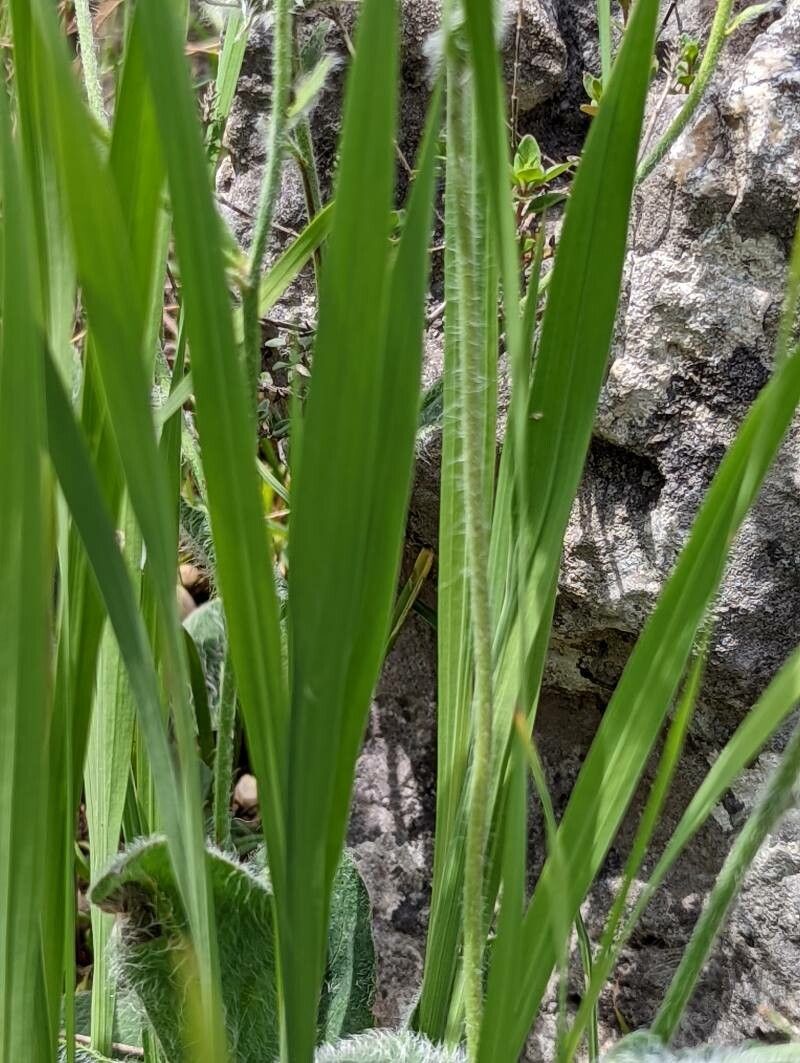
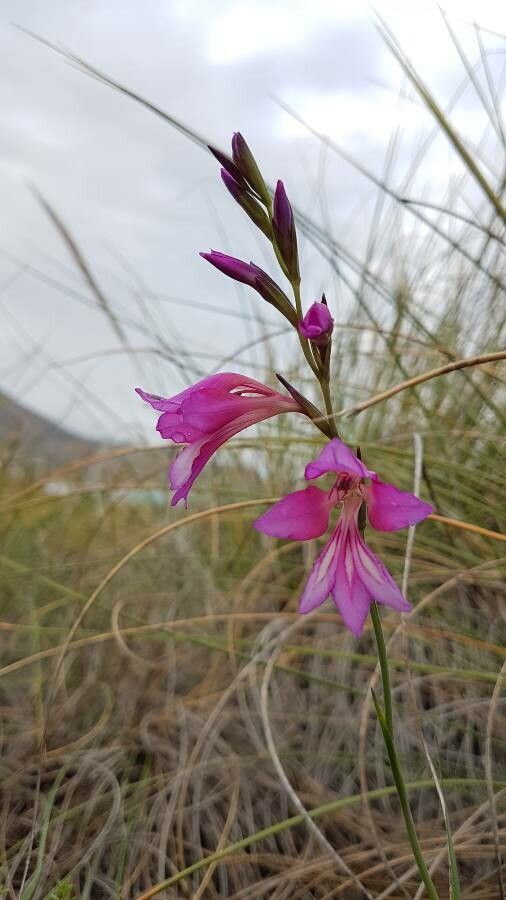
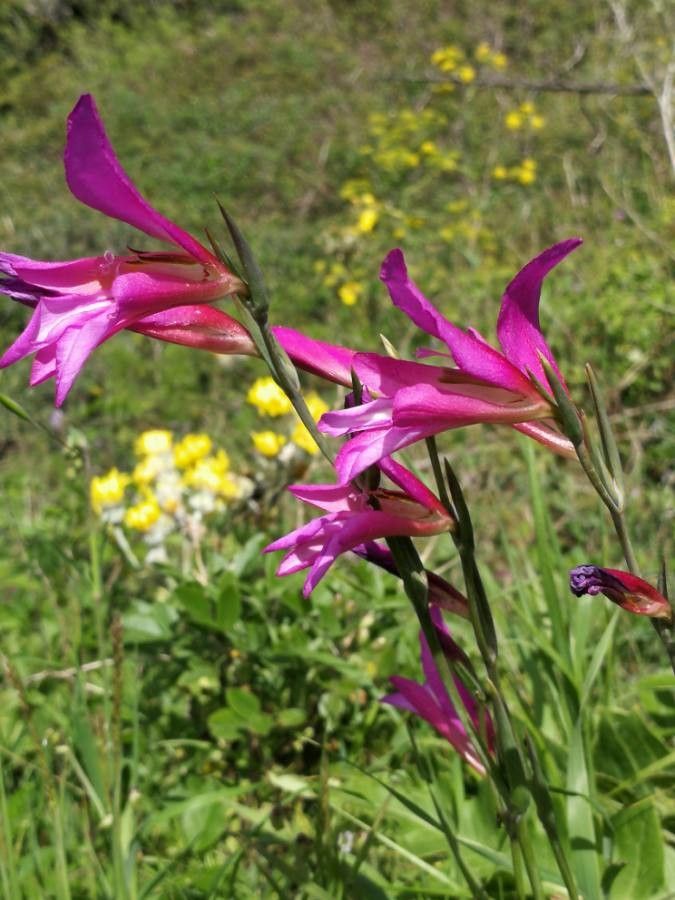
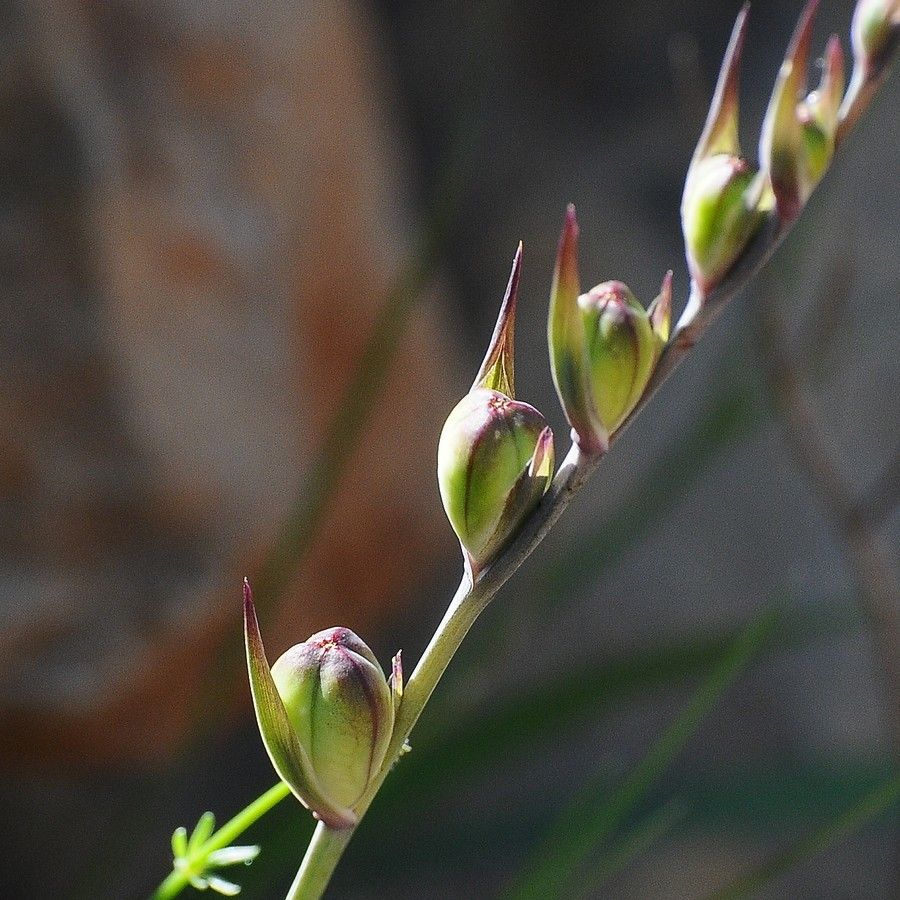
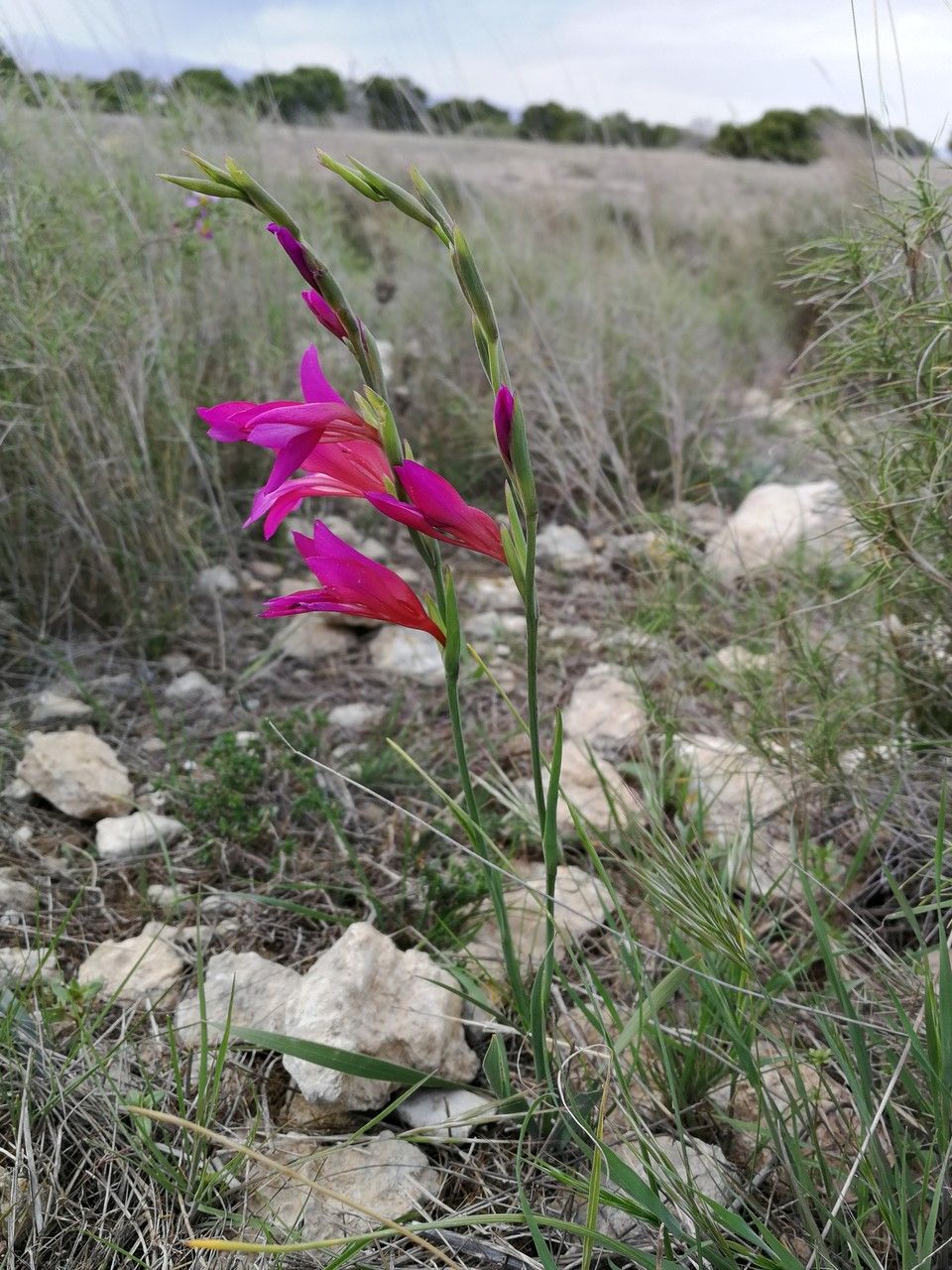
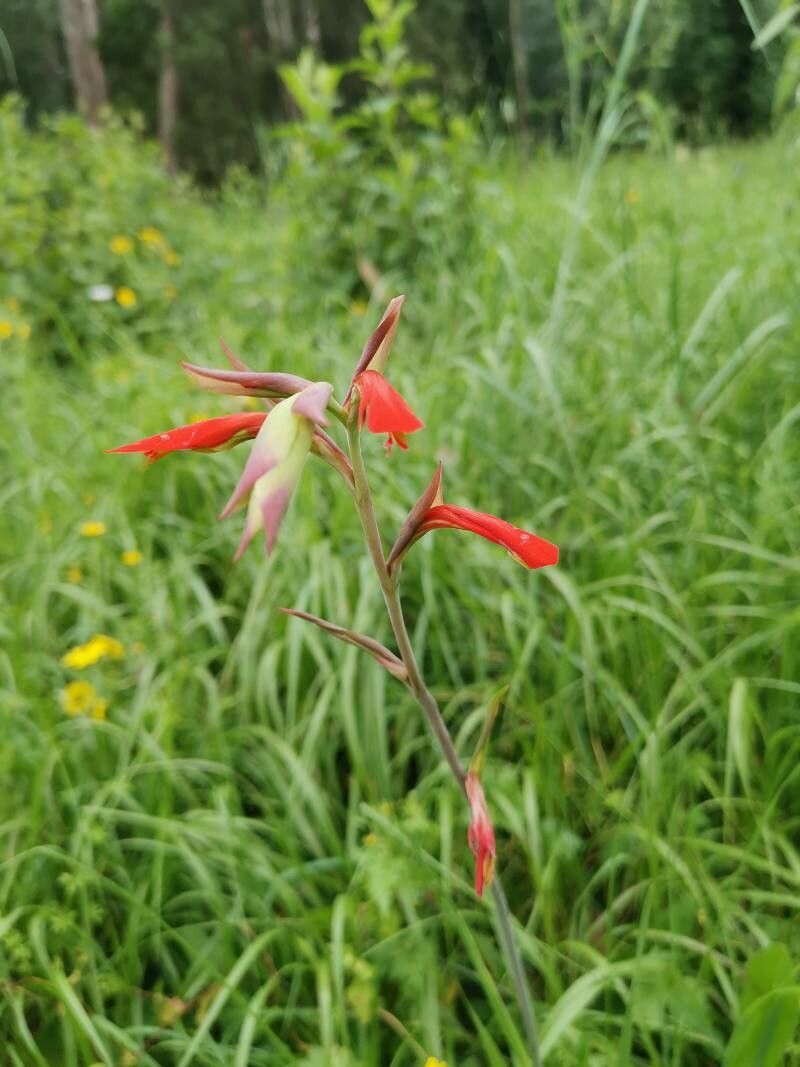
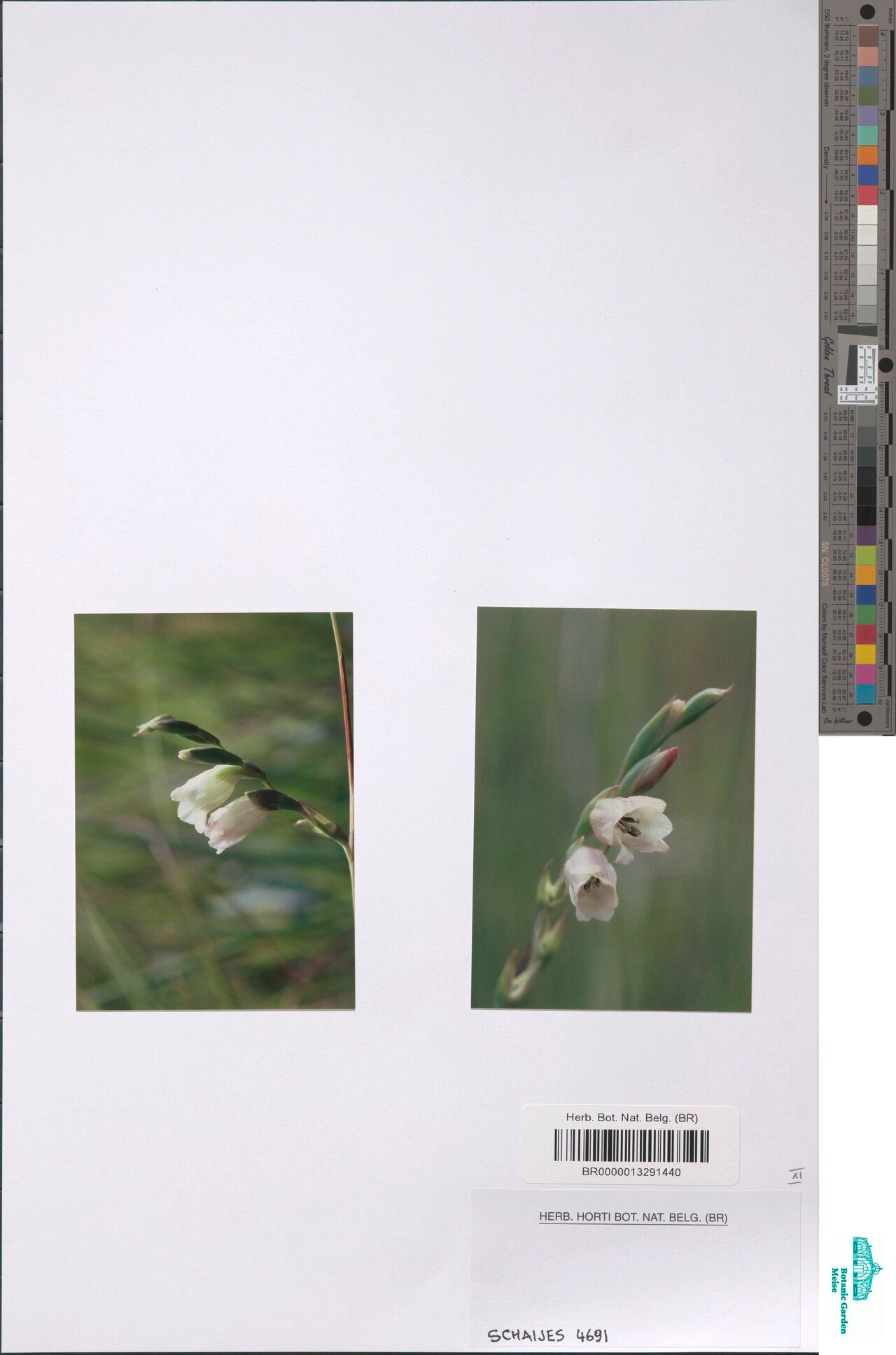
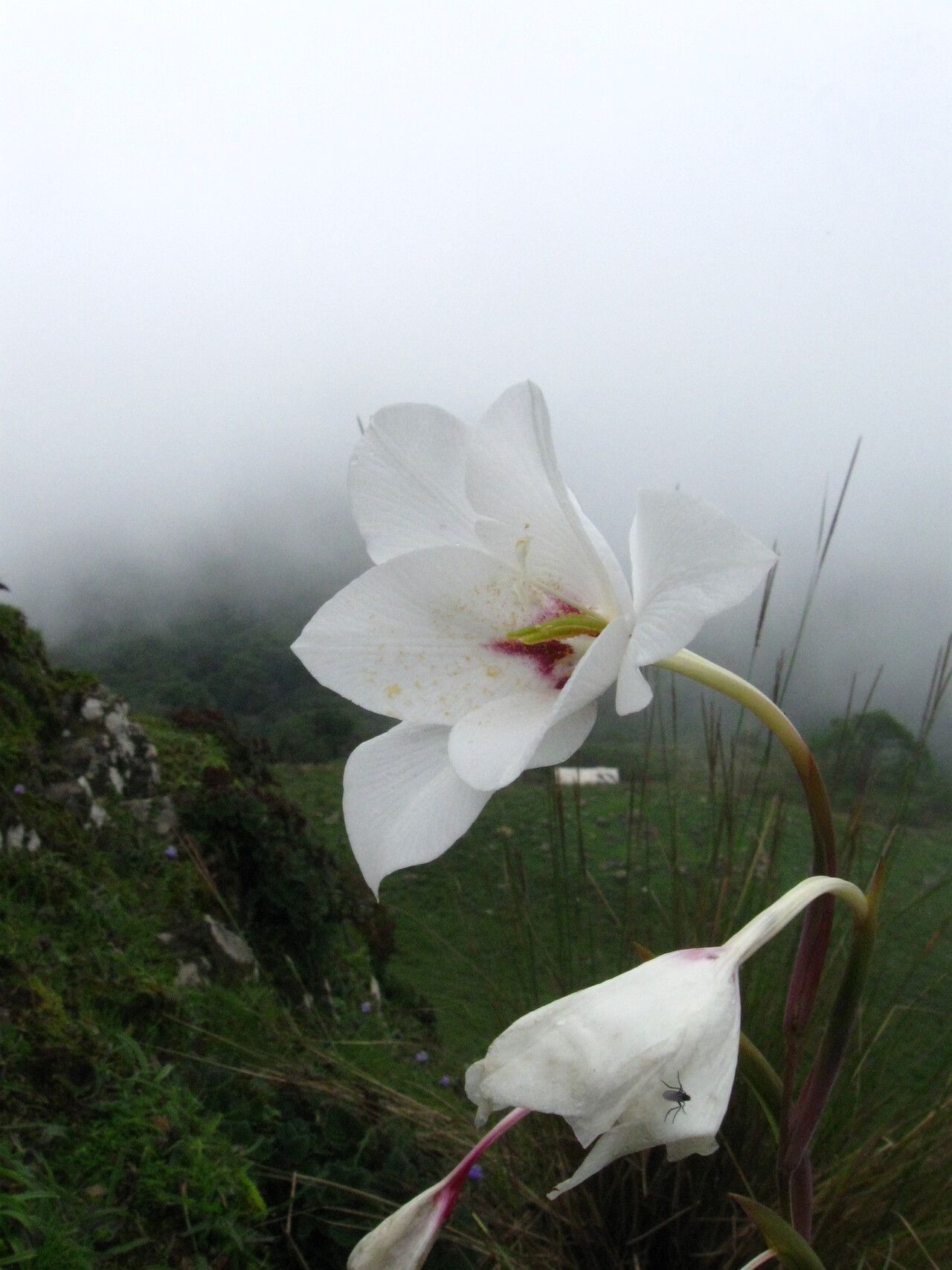
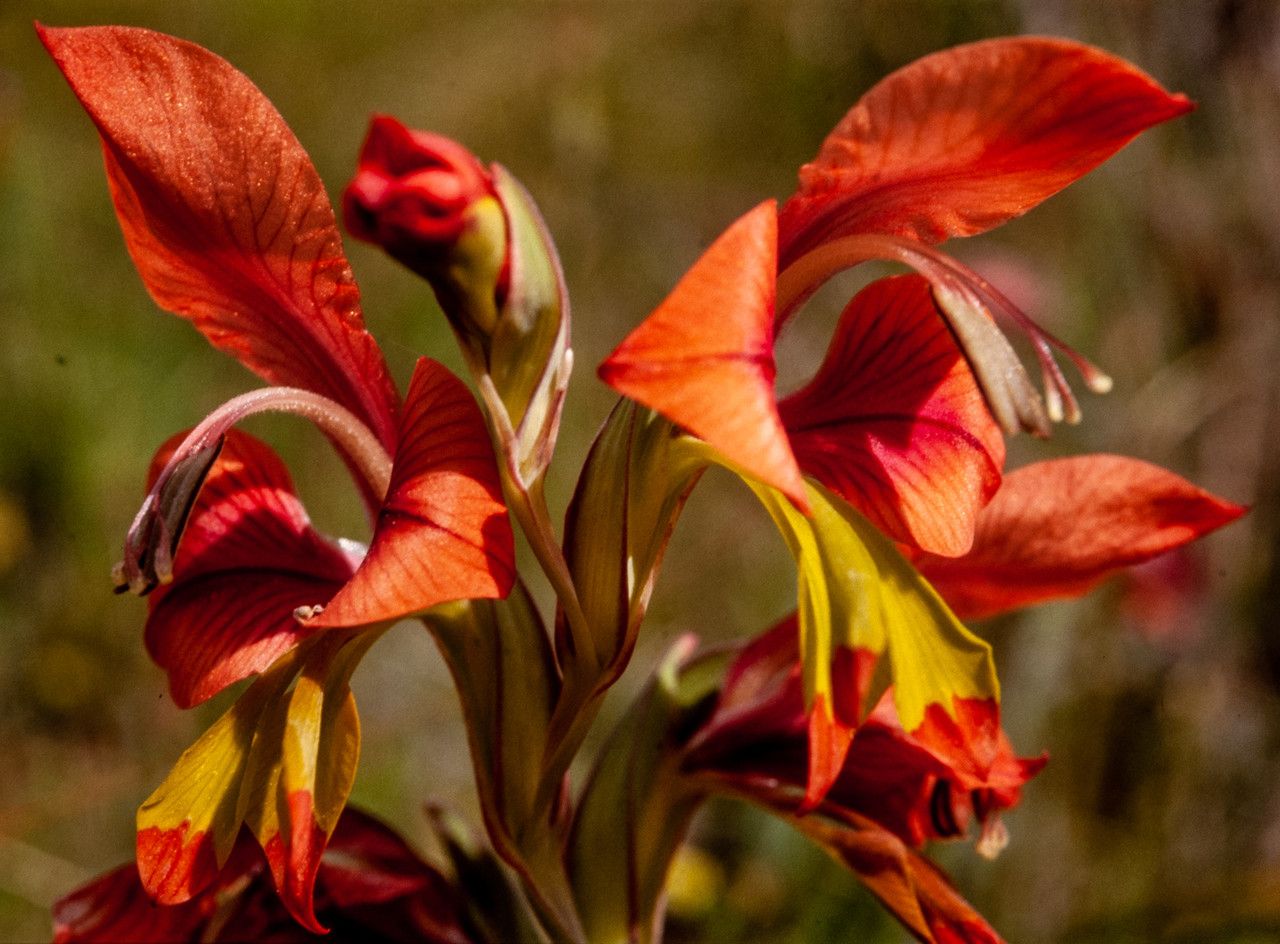
Gladiolus illyricus, the wild gladiolus, is a tall gladiolus plant that grows up to 50 centimeters (20 in) tall found in western and southern Europe, particularly around the Mediterranean region. In Britain a small population is known in the New Forest region; Williamson suggests this population may be introduced. It became a protected species in the UK in 1975 under the Conservation of Wild Creatures and Wild Plants Act.
Wild gladiolus is fairly resistant to disease and usually does not develop illnesses. However, it can be affected by pests and diseases present in its environment. These problems are generally not serious. Regarding care, this plant requires moderate maintenance. It should be pruned on a regular basis to preserve a good appearance and support healthy growth. Fertilizing can also encourage flowering. Wild gladiolus is suitable for anyone with outdoor space, such as a garden or patio, and does not demand much care experience. It may need more attention when grown indoors.
How to keep Gladiolus Illyricus.
Light
Wild gladiolus is a sun-loving perennial herbaceous plant that comes from open habitats and is commonly found in meadows and grasslands. It prefers full sun but can also tolerate partial sun.
Water
Wild gladiolus, originally from the Mediterranean region, thrives in well-drained, moderately moist soil. Although it is drought-tolerant, thanks to its water-storing corms, it still requires weekly watering. When grown outdoors, wild gladiolus adapts well to seasonal changes, but it needs consistent moisture during its active growth period in the spring and summer to ensure optimal flowering.
Temperature
Wild gladiolus can adjust to a broad spectrum of temperatures, yet its range may still be restricted by different mixes of moisture and heat. It grows best in warm summer conditions with sufficient rainfall or irrigation. Extended spells of overcast, wet weather or prolonged excessive heat can raise the chance of Wild gladiolus dying. During winter, shielding the plant from cold can help increase its survival.
Fertilizer
Usually a single fertilizer application in spring is enough for Wild gladiolus, although repeated feedings can boost growth. Apply fertilizer every one to one and a half months. Fertilizing improves the appearance and function of the leaves, helping maintain uniform color and a healthy texture. It also promotes root development and nutrient uptake, supporting long-term plant health.
Pruning
Proper pruning is essential for the wild gladiolus to thrive. To enhance its growth and blooms, trim away dead foliage in early spring and remove spent flower stalks after they have bloomed. Making clean cuts helps prevent disease and maintain the plant’s shape, contributing to a vibrant garden. Be sure to follow seasonal guidelines for the best care.
Botanical profile.
- Plant Type
- Herb
- Life Cycle
- Perennial
- Genus
- Gladiolus
- Family
- Iridaceae
- Hardiness Zone
- 6-9
- Mature Height
- 61 cm to 91 cm
- Mature Spread
- 20 cm to 30 cm
- Leaf Color
- Dark Green
- Leaf Type
- Deciduous
- Flower Size
- 3.05 cm to 5.08 cm
- Bloom Time
- Early summer, Mid summer
- Planting Time
- Autumn, Winter
- Harvest Time
- Late summer, Early fall
- Native Area
- Turkey, Portugal, Italy, Spain, Romania, France, Montenegro, Bulgaria, Albania, United Kingdom, Greece, Croatia, Slovenia, Serbia
Other names.
Reader questions.
What are the sun requirements for Wild gladiolus (Gladiolus illyricus)?
The Wild gladiolus (Gladiolus illyricus) thrives in areas that receive full sun, defined as above 6 hours of sunlight daily. It can also tolerate partial sun, meaning it can grow in spots that get about 3-6 hours of sunlight each day. It's important to observe the way sunlight moves through your garden throughout the day to find locations that offer the best balance of light and shade. This careful selection ensures your plants remain healthy and happy.