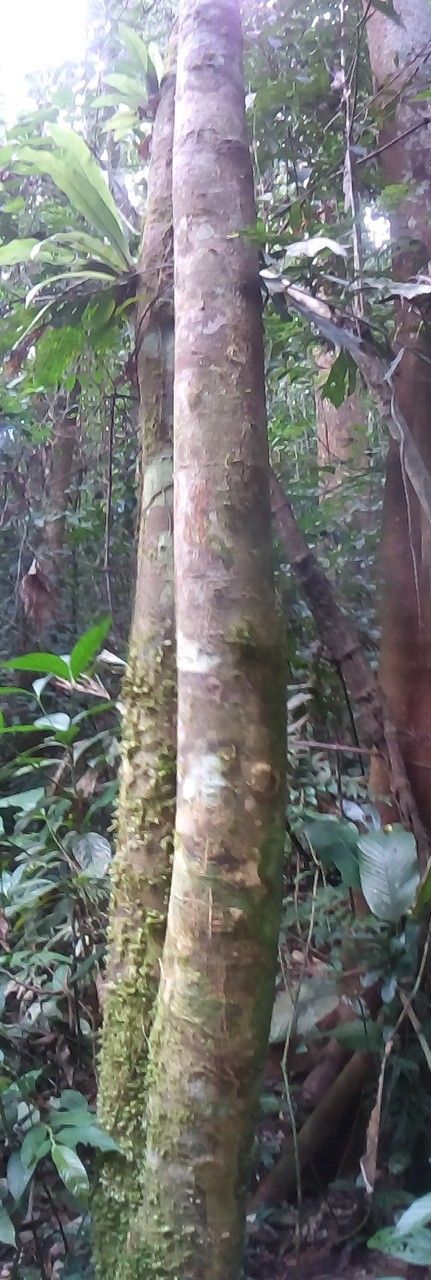
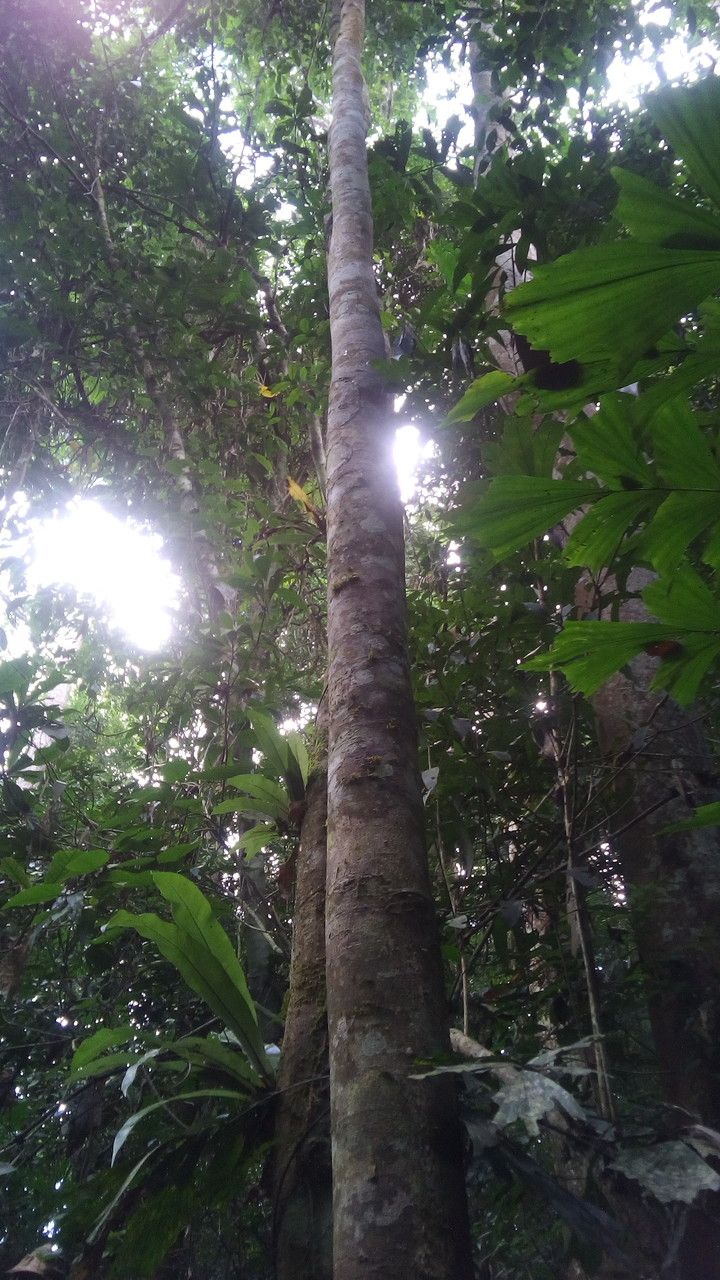
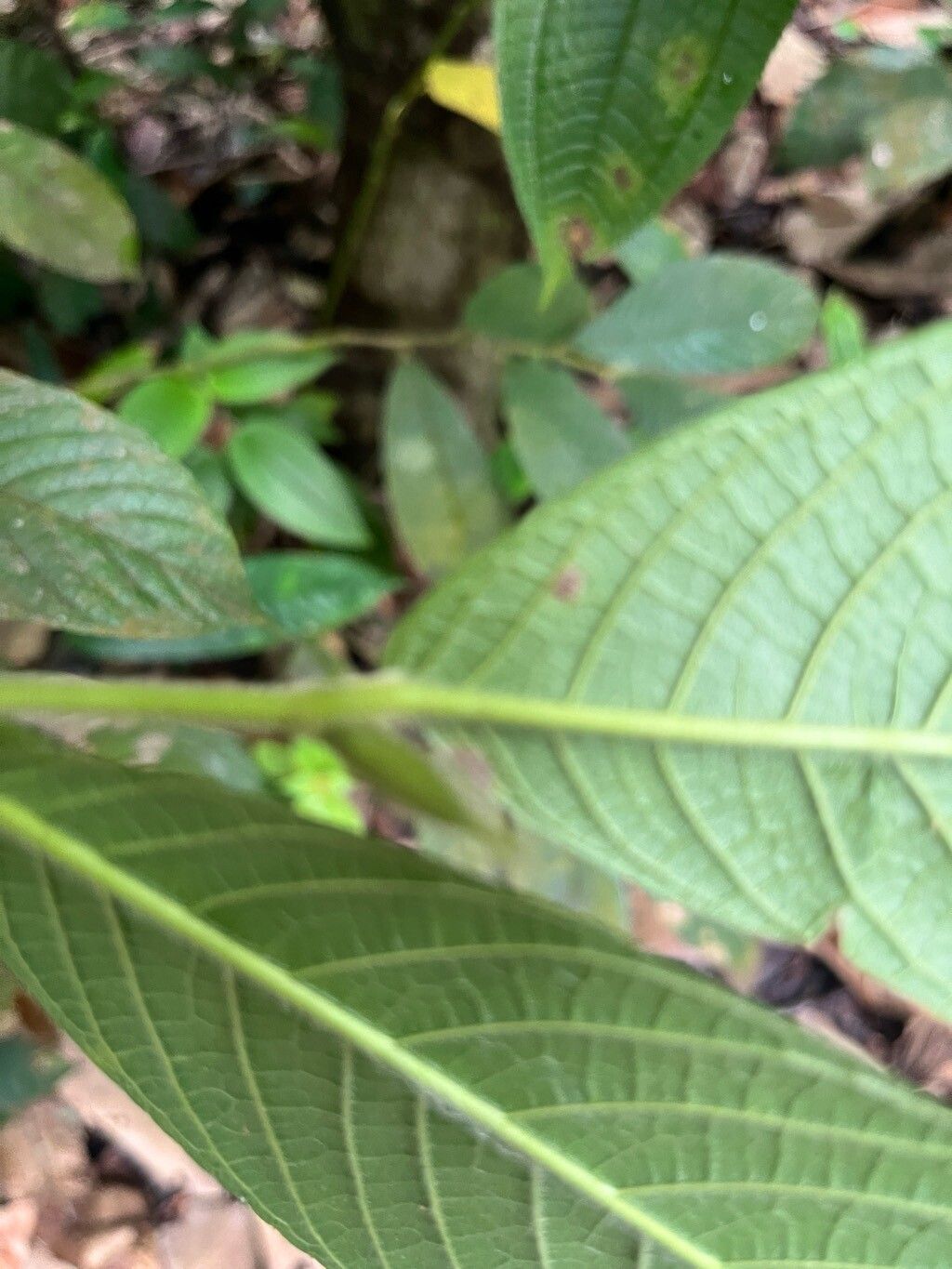
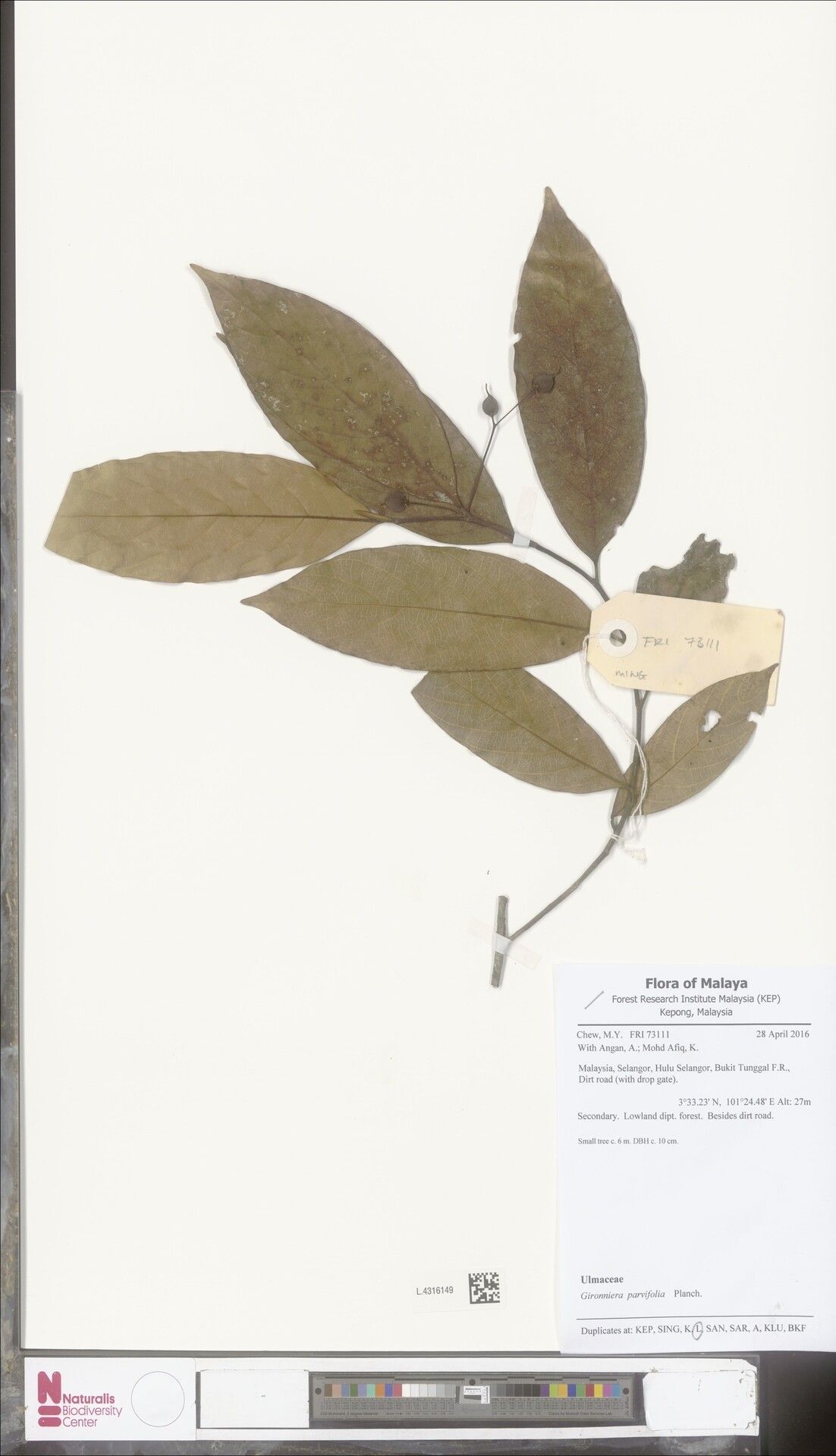
Gironniera subaequalis shows good resistance to disease and is typically not susceptible to illnesses. As for care, the plant is fairly low-maintenance. Planted outdoors it needs only light watering, and larger specimens usually do not require pruning. Smaller plants, however, should be trimmed after they finish flowering. This species is suitable for anyone with an outdoor area, such as a garden or deck, and does not need a great deal of gardening experience.
How to keep Gironniera Subaequalis.
Light
Gironniera subaequalis thrives when it's subjected to ample sunlight all day long, replicating its original environment which was abundant in sunlight. Nonetheless, gironniera subaequalis lacks natural resistance to low light situations. Suboptimal exposure might stunt its growth, while excessive exposure could possibly damage the plant.
Water
Gironniera subaequalis, native to humid subtropical regions, thrives in consistent humidity and can tolerate moderate drought. To care for this plant, water it every 2-3 weeks, ensuring the soil remains lightly moist. It is well-adapted to seasonal rainfall, so replicating natural precipitation cycles can enhance its growth and resilience.
Temperature
Gironniera subaequalis hails from the tropics, an area characterized by heat and dampness. Consequently, it is acclimated to hot and humid environments. Sudden modifications in temperature aren't ideal for this plant, it fares better in a consistent thermal setting, therefore, it is crucial to sidestep varying temperatures indoors. It generally doesn't endure freezing conditions and demands warmer weather for its development. If the ambient temperature plunges significantly, the plant's growth could halt or it could even perish.
Fertilizer
Care for Gironniera subaequalis necessitates fertilization. For the maintenance of energy for vibrant leaves and overall development, consistent feeding throughout the growth period is essential. Ignoring the need for fertilization may lead to sickly leaves, decreased aesthetic charm, and hindered or frail growth that is susceptible to breakage.
Pruning
Pruning Gironniera subaequalis between early and late winter can significantly improve air circulation and promote healthy growth in the spring. When pruning, focus on removing dead branches and thinning out dense areas of the plant. It is important to use sterile tools to prevent the spread of disease. Regular maintenance will enhance the plant's structure and aesthetics, and it also helps minimize stress during its dormant period.
Botanical profile.
- Plant Type
- Tree
- Life Cycle
- Perennial
- Genus
- Gironniera
- Family
- Cannabaceae
- Hardiness Zone
- 10-12
- Mature Height
- 10.06 m to 20.12 m
- Mature Spread
- 25 cm to 49 cm
- Leaf Color
- Dark Green, Forest Green
- Leaf Type
- Evergreen
- Flower Size
- 0.20 cm
- Bloom Time
- Late spring, Early summer, Mid summer
- Planting Time
- Spring, Summer, Autumn
- Harvest Time
- Late summer, Early fall, Mid fall
- Native Area
- India, Malaysia, Indonesia, Cambodia, Vietnam, Myanmar, Philippines, Singapore, Laos, Brunei, Thailand, China
Reader questions.
What are the sunlight requirements for Gironniera subaequalis?
Gironniera subaequalis needs abundant sunlight throughout the day, with a preference for locations that receive more than 6 hours of direct sunlight daily. This requirement is central to its optimal growth, mirroring its native, sunlight-rich habitats. However, the plant lacks resilience to low-light conditions, which can hinder its growth, while too much exposure without the right balance may cause damage. It's advised to watch how sunlight moves through your garden to find spots that provide a healthy balance of light and shade.
How can artificial lighting support Gironniera subaequalis indoor growth?
For indoor Gironniera subaequalis plants, especially in conditions where natural sunlight is insufficient, artificial lighting is crucial for promoting healthy growth. Choosing the right type of artificial light, like LED lights, is important as they can be tailored to provide specific wavelengths needed by the plants. Full sun plants typically need 30-50W/sq ft of artificial light, partial sun plants require 20-30W/sq ft, and full shade plants need 10-20W/sq ft. The light source should be placed 12-36 inches above the plant, and the lighting should mimic natural daylight hours, generally 8-12 hours per day.
What signs indicate Gironniera subaequalis is receiving insufficient light?
Gironniera subaequalis shows several symptoms when it does not receive enough light, including producing smaller new leaves, exhibiting leggy or sparse growth, shedding older leaves sooner to conserve resources, displaying slower or halted growth, and developing lighter-colored or irregularly patterned new leaves. Moreover, conditions like chlorosis where leaves lose their green color, sunscald from intense light exposure, leaf curling as a defense mechanism against excessive sunlight, wilting from increased water loss, and leaf scorching are key indicators of light distress.
What are the recommendations for managing sunlight exposure for Gironniera subaequalis?
To manage sunlight exposure for optimal growth of Gironniera subaequalis, gradually move plants to sunnier locations until they receive at least 6 hours of direct sunlight daily. For indoor plants, consider utilizing a south-facing window or artificial lights to ensure ample sunlight exposure and for outdoor or ground-planted specimens, reduce obstructions like overly dense foliage. Pruning nearby trees or transplanting the plant to a sunnier location may also be beneficial. Keep in mind, sudden changes in light can harm the plant, so gradual adjustment is key. Some damage caused by insufficient sunlight may not be reversible, but improving light conditions should encourage healthy new growth.