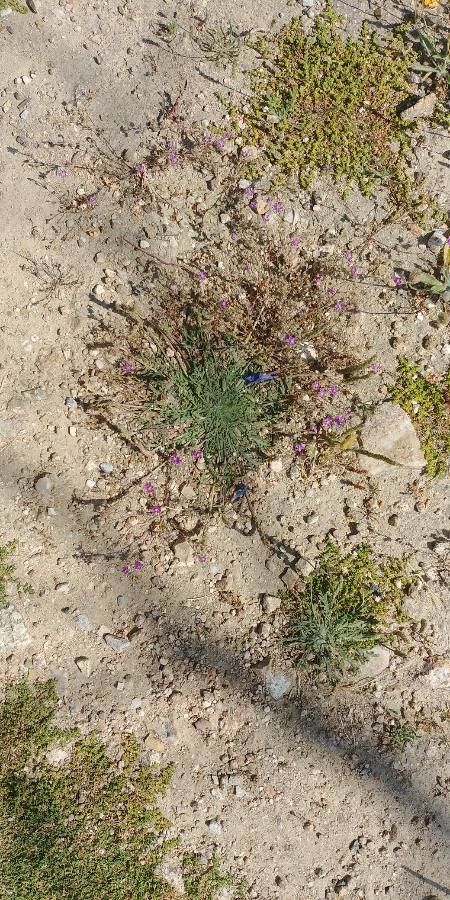
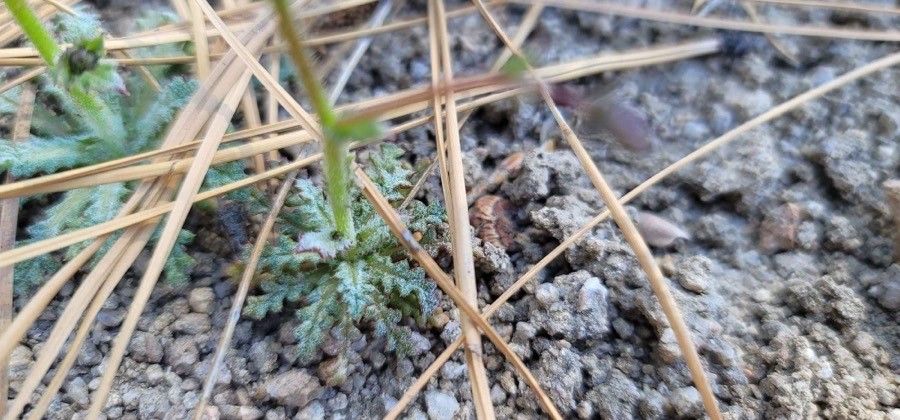
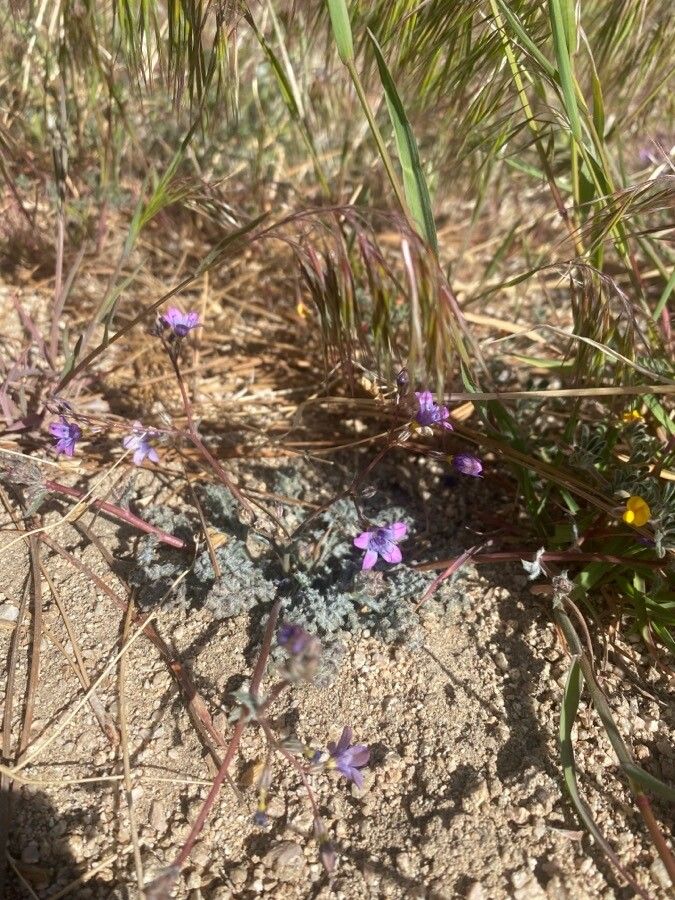
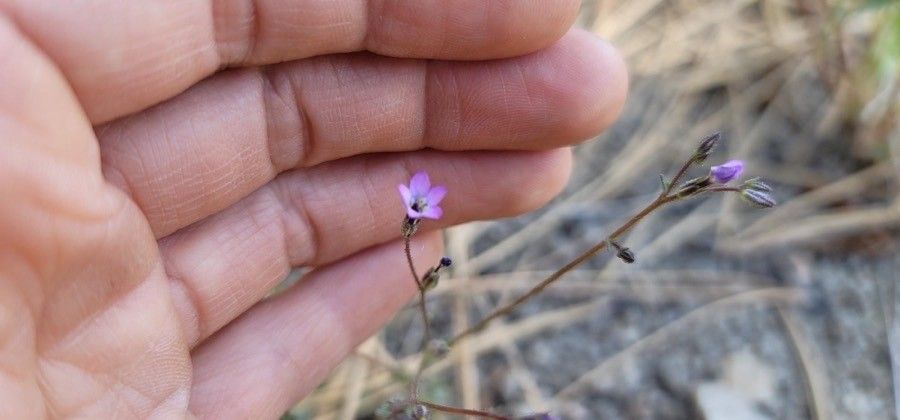
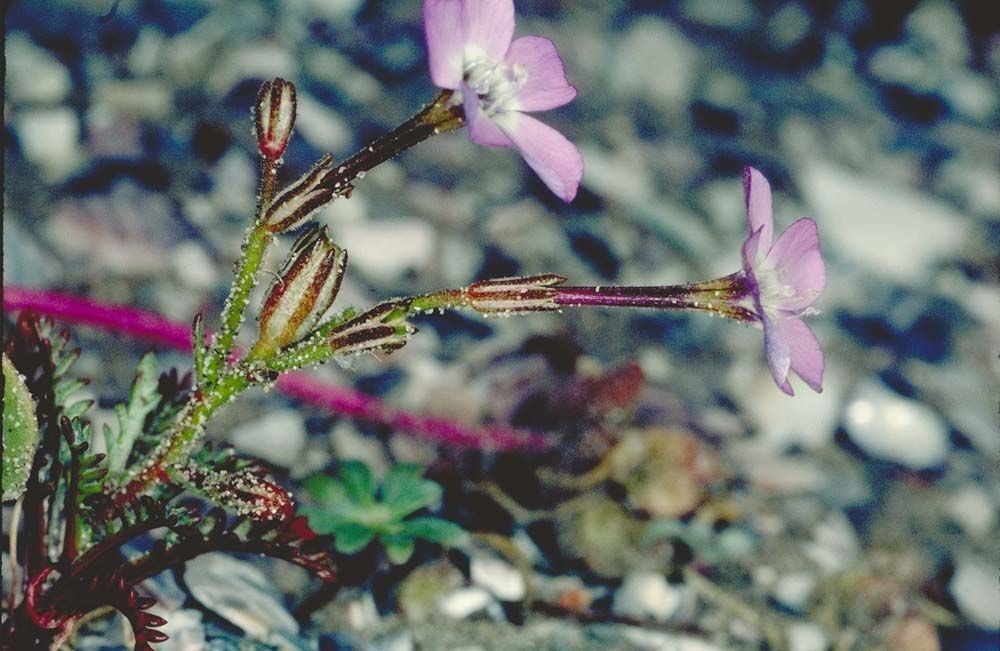
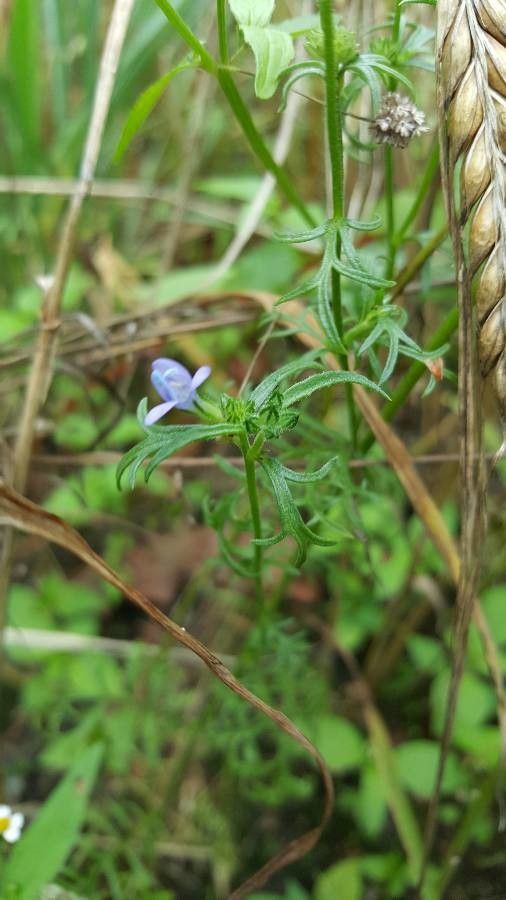
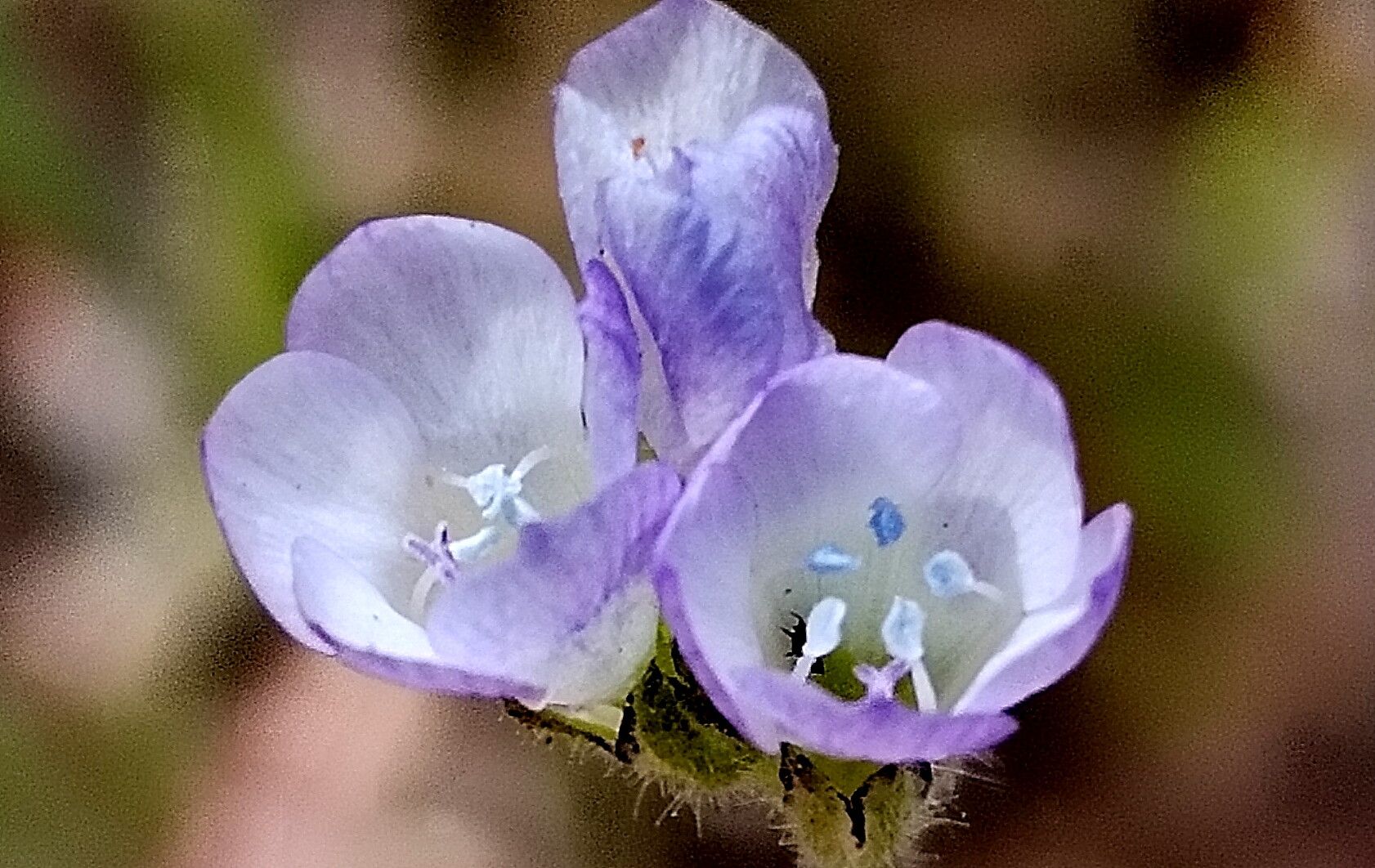
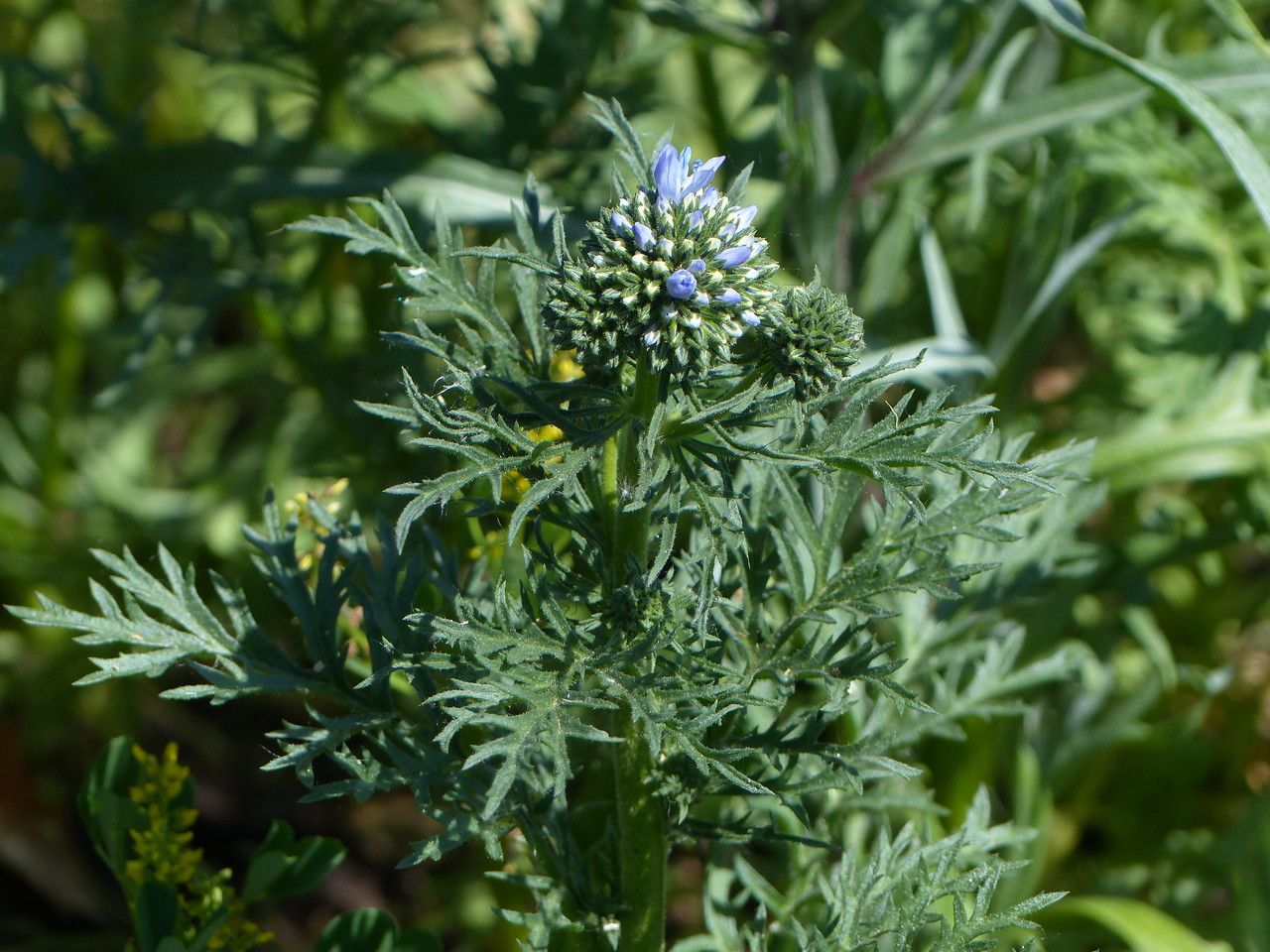
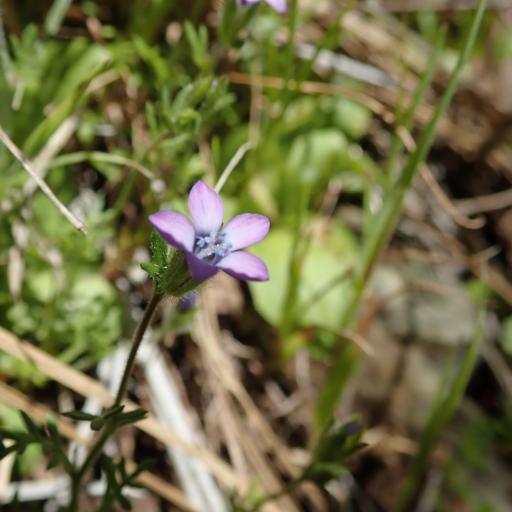
Gilia tenuiflora is a species of flowering plant in the phlox family known by the common name greater yellowthroat gilia. It is endemic to California, where its distribution spans the central coast and coastal mountains, as well as the Channel Islands. There are several subspecies, including G. c. ssp. arenaria, the sand gilia or Monterey gilia, which is federally listed as an endangered species. It is known from about 24 occurrences around Monterey Bay. Hoffmann's slender-flowered gilia, ssp. hoffmannii, is also federally endangered and is limited to Santa Rosa Island, one of the Channel Islands of California.
Hoffman's gilia is fairly disease-resistant and generally not highly susceptible to illnesses. Nevertheless, it can be affected by pests and diseases present in its environment. These problems are usually mild. For care, the plant requires moderate maintenance. It should be pruned regularly to preserve a neat appearance and encourage healthy growth. Fertilizing can also aid in boosting flowering. Hoffman's gilia is well suited to anyone with outdoor space, like a garden or patio, and does not call for extensive plant-care experience. It may demand more care when kept indoors.
How to keep Gilia Tenuiflora.
Light
Hoffman's gilia comes from bright, open habitats where it flourishes in full sun. It will tolerate partial sun but favors direct sunlight for best growth. This plant, which can be annual or biennial, is noted for its sun-loving character.
Temperature
Hoffman's gilia can adjust to a wide variety of temperature conditions, but its range may still be constrained by particular combinations of moisture and heat. It performs best in warm summer climates with sufficient rainfall or regular watering. Extended stretches of cloudy, rainy weather or prolonged high temperatures can raise the chance of Hoffman's gilia dying. In winter, adequate protection from cold can enhance the plant's survival.
Fertilizer
Once most of Hoffman's gilia's blooms have fully opened, resume fertilizing. When the blooms are at their peak production, apply fertilizer every three to four weeks, as weather allows. After the plant begins producing fewer new blooms, cease fertilizing; there is no need to feed it when it can no longer produce additional flowers.
Pruning
Hoffman's gilia showcases delicate flowers and slender stems. To promote healthy growth, it's important to regularly prune the plants from early to late spring. Effective pruning techniques include removing dead stems, cutting back to healthy nodes, and thinning out overcrowded areas. These practices improve air circulation, encourage blooming, and help maintain the plant's vigor.
Botanical profile.
- Plant Type
- Herb
- Life Cycle
- Annual
- Genus
- Gilia
- Family
- Polemoniaceae
- Hardiness Zone
- 8-10
- Mature Height
- 15 cm to 61 cm
- Mature Spread
- 20 cm to 40 cm
- Leaf Color
- Green, Dark Green
- Leaf Type
- Deciduous
- Flower Color
- Lavender, Pink
- Flower Size
- 1.02 cm to 2.03 cm
- Bloom Time
- Spring
- Planting Time
- Spring, Summer
- Harvest Time
- Late spring, Early summer, Mid summer
Other names.