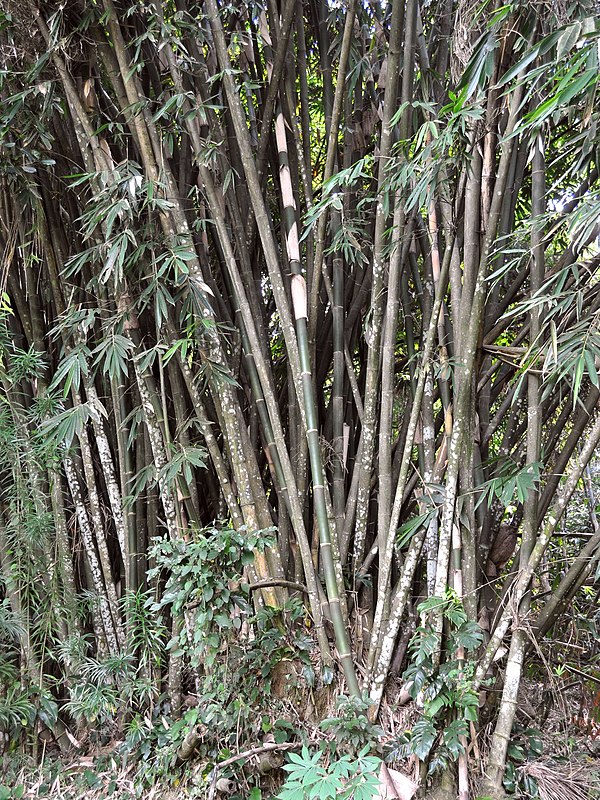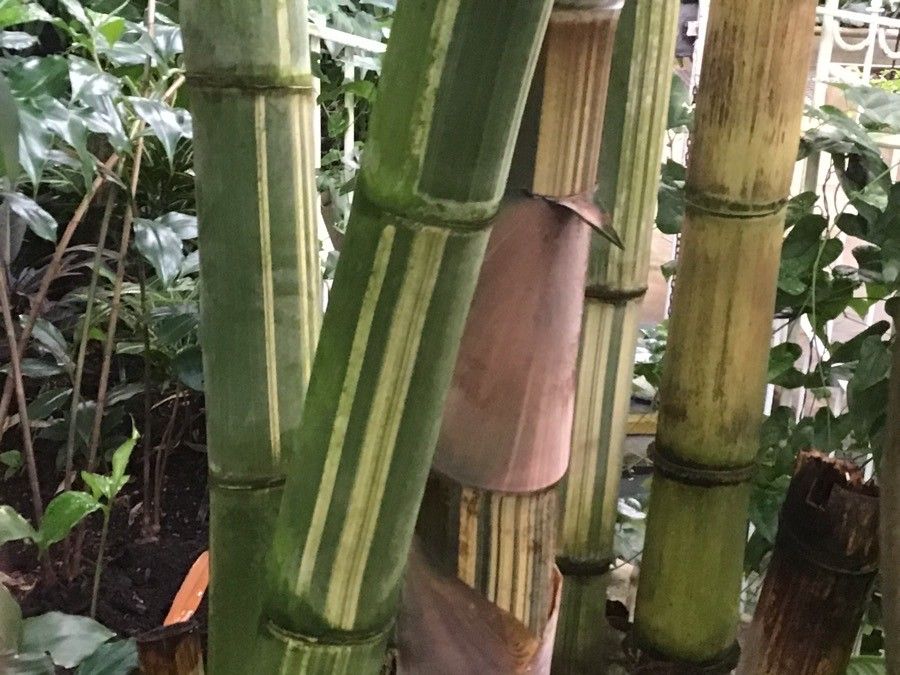
Giant stripy bamboo is highly disease-resistant and generally not susceptible to illnesses. In terms of care, this plant is fairly low-maintenance. When grown outdoors it needs little watering, and larger specimens typically do not require pruning. Smaller plants, however, should be pruned after they flower. Giant stripy bamboo is suitable for anyone with an outdoor area, such as a garden or deck, and does not demand much gardening experience.
How to keep Gigantochloa Verticillata.
Light
Giant stripy bamboo naturally occurs in habitats like forest understories and rocky areas, where it grows in shaded conditions. It favors partial sun but can tolerate both full sun and deep shade, showing its hardy, adaptable nature.
Water
Giant striped bamboo is native to humid tropical regions and thrives in environments with high humidity. Although it can tolerate moderate drought, it requires weekly watering to remain lush and healthy. As an evergreen plant, it needs consistent moisture throughout the year, and benefits greatly from natural rainfall when grown outdoors.
Temperature
Giant stripy bamboo comes from tropical areas, where the climate is generally warm and humid. Consequently, it is adapted to high heat and moisture. It is sensitive to sudden temperature shifts and prefers a stable thermal environment, so avoiding indoor temperature fluctuations is important. It typically cannot tolerate cold and needs warmer conditions to grow. If the ambient temperature falls too low, the plant may stop growing or even perish.
Fertilizer
Giant stripy bamboo needs extra nutrients to encourage healthy new growth. In spring, applying compost around the plant’s base will effectively supply the nutrition it requires. Fertilizing helps support vigorous growth and improves the plant’s resistance to diseases and pests.
Pruning
Giant stripy bamboo, with its large striped stems, requires careful pruning in early spring to maintain its health and structure. To enhance air circulation, remove weak canes and thin out crowded areas. Regular pruning not only improves the plant's appearance but also reduces pest problems and encourages vigorous new growth, ensuring the bamboo's longevity.
Botanical profile.
- Plant Type
- Grass
- Life Cycle
- Perennial
- Genus
- Gigantochloa
- Family
- Poaceae
- Hardiness Zone
- 9-11
- Mature Height
- 14.94 m to 29.87 m
- Mature Spread
- 4.88 m to 10.06 m
- Leaf Color
- Green, Dark Green
- Leaf Type
- Evergreen
- Bloom Time
- Early summer, Mid summer
- Planting Time
- Spring, Summer, Autumn
- Harvest Time
- Late summer, Early fall, Mid fall
Other names.
Reader questions.
What are the sunlight requirements for Giant Stripy Bamboo (Gigantochloa verticillata)?
Giant Stripy Bamboo, known botanically as Gigantochloa verticillata, thrives in partial sun, requiring about 3-6 hours of sunlight each day. It is native to environments such as forest understories or rocky areas, experiencing natural shade. Although it prefers partial sun, this versatile perennial herbaceous plant can tolerate full shade. It is important to observe the movement of sunlight through your garden, choosing locations that provide a balance of light and shade to ensure the plants' well-being.
What type of artificial lighting is best for indoor plants, and how should it be used?
For indoor Giant Stripy Bamboo or other plants lacking sufficient natural sunlight, especially in winter or less sunny spaces, artificial lighting is critical for optimal growth. LED lights are recommended due to their ability to provide specific wavelengths of light needed by plants. For full sun plants, 30-50W per square foot is needed; partial sun plants require 20-30W per square foot; and full shade plants need 10-20W per square foot. The light source should be placed 12-36 inches above the plant to mimic natural sunlight and kept on for 8-12 hours per day to simulate the length of natural daylight hours.
What are the symptoms of light deficiency in Giant Stripy Bamboo?
Giant Stripy Bamboo can exhibit several symptoms when exposed to insufficient light, including smaller new leaves than previously matured ones, leggy or sparse growth, faster leaf drop, slower or halted new growth, and lighter-colored new leaves. These signs indicate a plant's struggle with inadequate light, reflecting a need for better lighting conditions whether through natural sunlight or supplemental artificial lighting.
How should Giant Stripy Bamboo be cared for when dealing with symptoms of too much or too little sunlight?
To address symptoms of light deficiency or excess in Giant Stripy Bamboo, follow these strategies: For indoor plants, gradually increase exposure to direct sunlight each week until achieving 3-6 hours daily or use artificial lights for at least 8 hours per day for plants not easily moved. Outdoors, acclimate plants to sunlight by gradually moving them to sunnier spots each week, avoiding sudden light intensity changes to prevent sunburn. If sunlight is obstructed, consider pruning obstructions or transplanting the bamboo to a brighter location, especially during its dormant late winter or early spring period. Note that parts of the plant damaged by sunlight issues may not recover, but new growth after adjusting light conditions should be healthy.