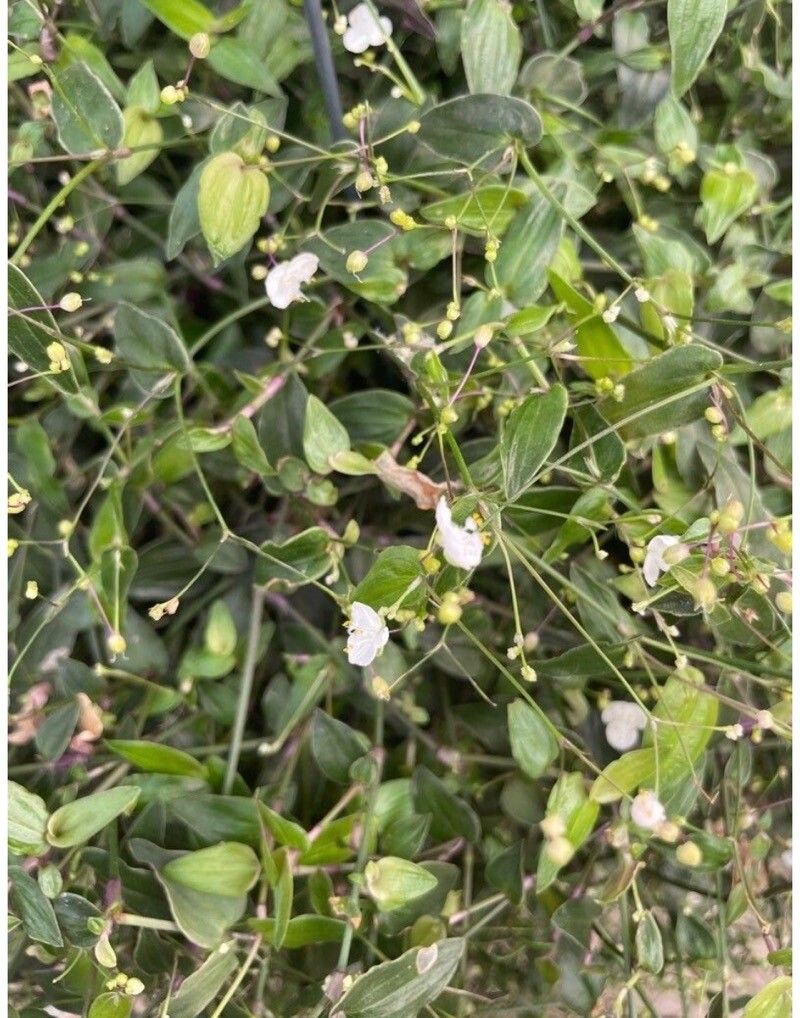
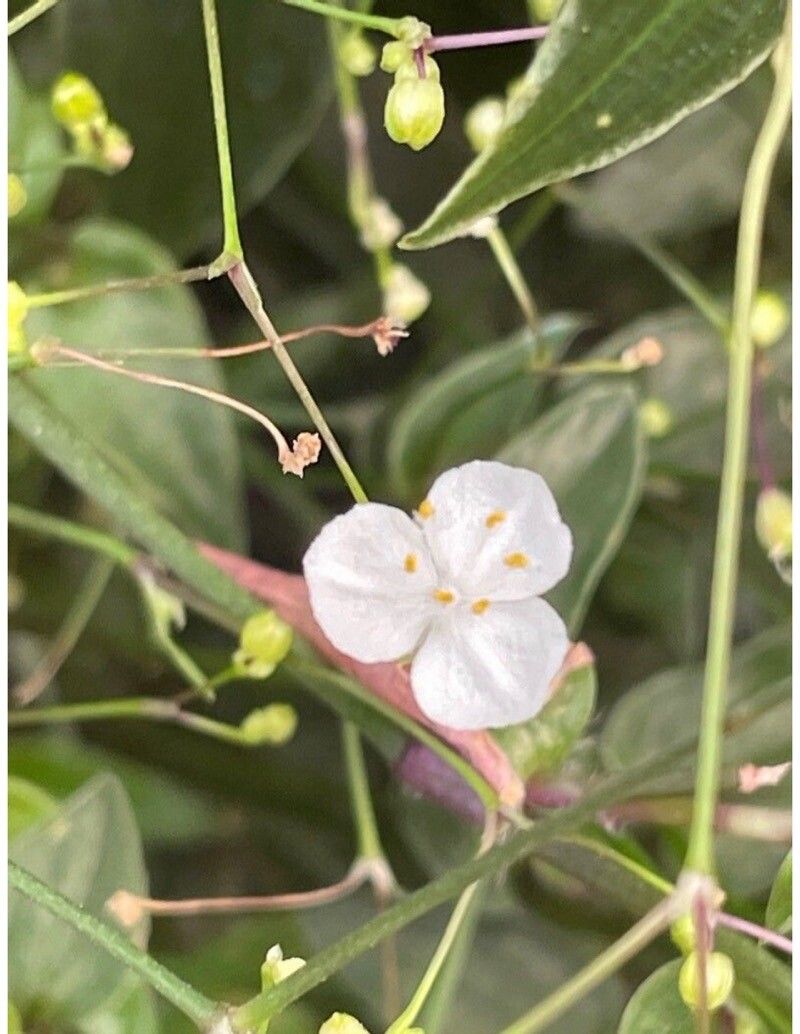
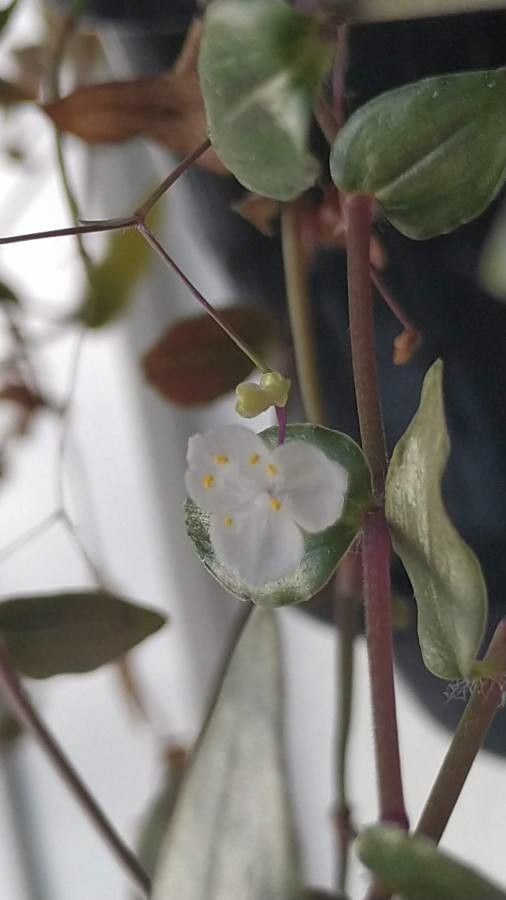
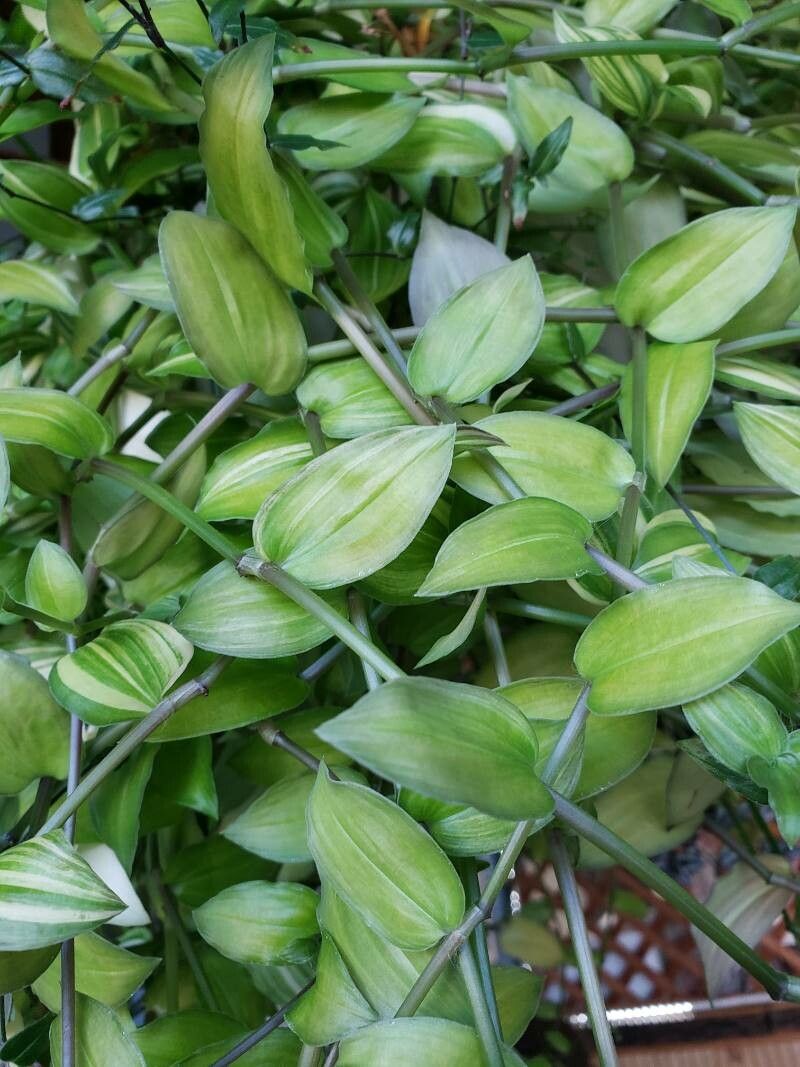
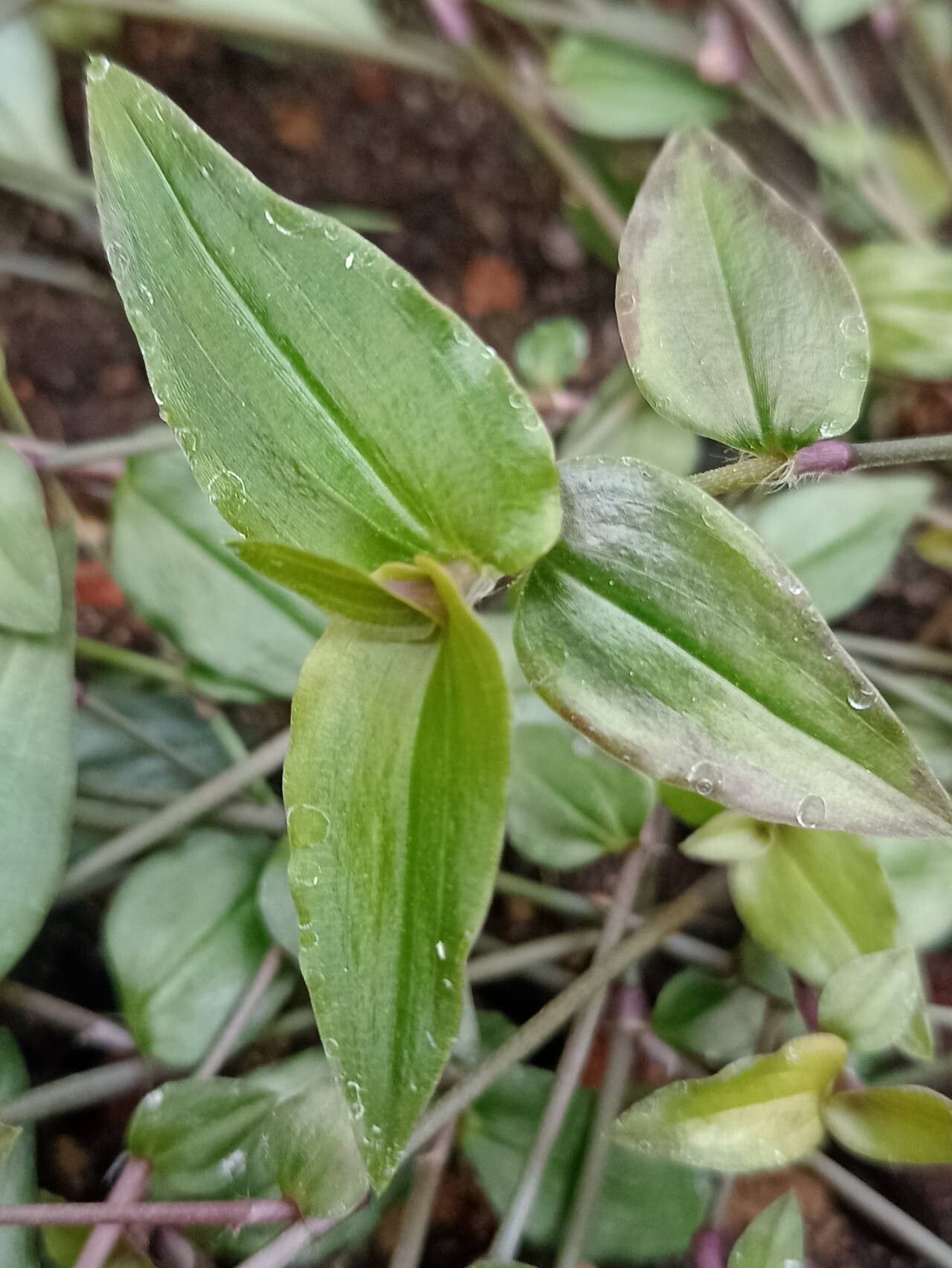
Gibasis pellucida, also known as Tahitian bridal veil, is a trailing plant in the family Commelinaceae that is native to the West Indies, southwest Texas, Argentina and Mexico.In horticulture, the plant is often mislabelled as the related species Gibasis geniculata.
Tahitian bridal veil is fairly resistant to disease and is generally unlikely to suffer from illnesses. However, it can be vulnerable to pests and diseases present in its environment. These problems are typically not serious. Regarding care, this plant needs a moderate level of maintenance. It should be pruned regularly to maintain a neat appearance and healthy growth. Fertilizing can also encourage flowering. Tahitian bridal veil is appropriate for anyone with outdoor space, such as a garden or patio, and does not demand extensive care experience. It may need more attention when grown indoors.
How to keep Gibasis Pellucida.
Light
Tahitian bridal veil performs best in spots with partial sunlight, reflecting the conditions of its original habitat. Moderate sunlight supports the plant's health. Conversely, too much or too little sun can cause unhealthy growth. Its light requirements are generally the same across different growth stages.
Water
Tahitian bridal veil originates from tropical forests and thrives in humid, shaded environments with consistent moisture. It prefers to be watered once a week and is ideally grown indoors. Being an evergreen plant, it's important to keep the soil adequately moist to ensure its foliage remains vibrant year-round.
Temperature
Tahitian bridal veil is native to temperate climates and grows best in a temperature range of 68 to 100 °F (20 to 38 ℃). The plant favors warmer conditions and may need artificial heating during the colder months.
Fertilizer
Proper feeding is essential for the Tahitian bridal veil's health and appearance. Fertilize the Tahitian bridal veil during summer, repeating the treatment monthly throughout the season. Nutrients support growth and help maintain the plant’s parts. Fertilization improves the plant’s flower display, ensuring the best possible blooms.
Pruning
Prune the Tahitian bridal veil plant in early to late spring to promote fuller growth and remove any damaged areas. Regular trimming helps maintain its shape and enhances its blooms. Cut back overgrown stems by one-third, and pinch the tips to encourage branching. Avoid heavy pruning outside the growing season to minimize stress on the plant.
Pot & Repot
When repotting Tahitian bridal veil, choose a pot 1–2 inches (2.5–5.1 cm) larger with ample drainage. Use a well-draining potting mix. Repot in spring or fall, making sure the root ball sits slightly lower than the rim of the flower pot. Water thoroughly after repotting and place it in a warm spot with indirect sunlight.
Botanical profile.
- Plant Type
- Herb
- Life Cycle
- Perennial
- Genus
- Gibasis
- Family
- Commelinaceae
- Hardiness Zone
- 9-11
- Mature Height
- 30 cm to 46 cm
- Mature Spread
- 30 cm to 61 cm
- Leaf Color
- Green, Blue, Purple, Lavender
- Leaf Type
- Evergreen
- Flower Color
- White
- Flower Size
- 0.25 cm to 0.25 cm
- Bloom Time
- All year round
- Planting Time
- Spring, Summer, Autumn
- Harvest Time
- All year round
- Native Area
- El Salvador, Mexico, Guatemala
Other names.
Reader questions.
What amount of sunlight is required for Tahitian bridal veil plants?
Tahitian bridal veil plants thrive in partial sun, requiring about 3-6 hours of sunlight. It's crucial to observe the movement of sunlight through your garden to find areas that offer an ideal balance of light and shade. This ensures the plants' growth and happiness by providing an environment similar to their native one, where moderate sunlight exposure positively impacts their health. However, both excessive and insufficient sunlight can lead to unhealthy growth.
What is the ideal temperature range for Tahitian bridal veil?
The Tahitian bridal veil thrives in temperate climates, preferring a temperature range of 68 to 100°F (20 to 38°C). This plant loves warmth and may need artificial heating during cold seasons. It's crucial to keep it at temperatures above 20°C, especially in winter, to support its growth. Exposing it to temperatures close to 0°C can harm the plant.
How do artificial lights benefit indoor Tahitian bridal veil plants?
Indoor Tahitian bridal veil plants benefit significantly from artificial lighting, especially when natural sunlight is inadequate, like during winter or in less sunny spaces. Artificial lights help in promoting faster, healthier growth by providing essential light. LED lights are recommended for their ability to be customized according to the specific light wavelengths needed by plants. The intensity and distance of artificial lighting should be adjusted based on the plant's requirements, with full sun plants needing 30-50W/sq ft, partial sun plants 20-30W/sq ft, and full shade plants 10-20W/sq ft. The artificial light should be placed 12-36 inches above the plant and kept on for 8-12 hours per day to mimic natural sunlight conditions.
What should I do with my Tahitian bridal veil during autumn and winter?
During the colder months, it's advisable to bring your outdoor-grown Tahitian bridal veil indoors to protect it from cold temperatures. Place it near a bright window for sufficient light, but keep it at a distance from heaters to prevent it from getting too dry. Maintaining a warm environment above 20°C during winter is beneficial for the plant's health.
What are the symptoms of inadequate light exposure in Tahitian bridal veil plants?
Tahitian bridal veil plants display several symptoms when exposed to inadequate light, including smaller new leaves, leggy or sparse growth, faster leaf drop, slower or no new growth, lighter-colored new leaves, chlorosis, sunscald, leaf curling, wilting, and leaf scorching. These symptoms indicate either a deficiency or excess of light, affecting the plant’s ability to photosynthesize, maintain hydration, and grow healthily. Appropriate adjustments to lighting conditions are necessary to resolve these issues.
How does low temperature affect Tahitian bridal veil and what are the solutions?
Tahitian bridal veil does not tolerate low temperatures well and prefers to be kept above 20°C. Exposure to temperatures below -5°C can lead to a lightening of the leaves' color, which, after frost damage, turns to brown or black. Symptoms such as wilting and drooping may also occur. To mitigate this, trim off frost-damaged parts and immediately move the plant to a warmer indoor setting. Position it near a south-facing window for ample sunlight, and ensure it's not too close to heaters or air conditioning vents to avoid dry air.
What solutions can address light-related issues in Tahitian bridal veil plants?
To address light-related issues in Tahitian bridal veil plants, it's important to gradually adapt them to changing light conditions. For indoor plants, shifting them to sunnier spots each week until they receive 3-6 hours of sunlight daily or using artificial lighting for at least 8 hours daily can be effective. Outdoor plants should also be moved gradually to avoid sunburn. Reducing obstructions by pruning or transplanting plants during their dormant periods to locations with ample sunlight can also improve light exposure. While parts of the plant affected by insufficient sunlight may not recover, new growth should be healthy with adequate light adjustments.
What should I do if my Tahitian bridal veil experiences high temperatures?
During summer, keep your Tahitian bridal veil in temperatures below 38°C to prevent heat stress. If the temperature rises above 43°C, the plant's leaves may lighten and become prone to sunburn. To address this, trim away the sunburned and dried-up parts and move the plant to a shaded area, especially away from the midday and afternoon sun. Watering in the morning and evening helps keep the soil moist and supports the plant in high temperatures.