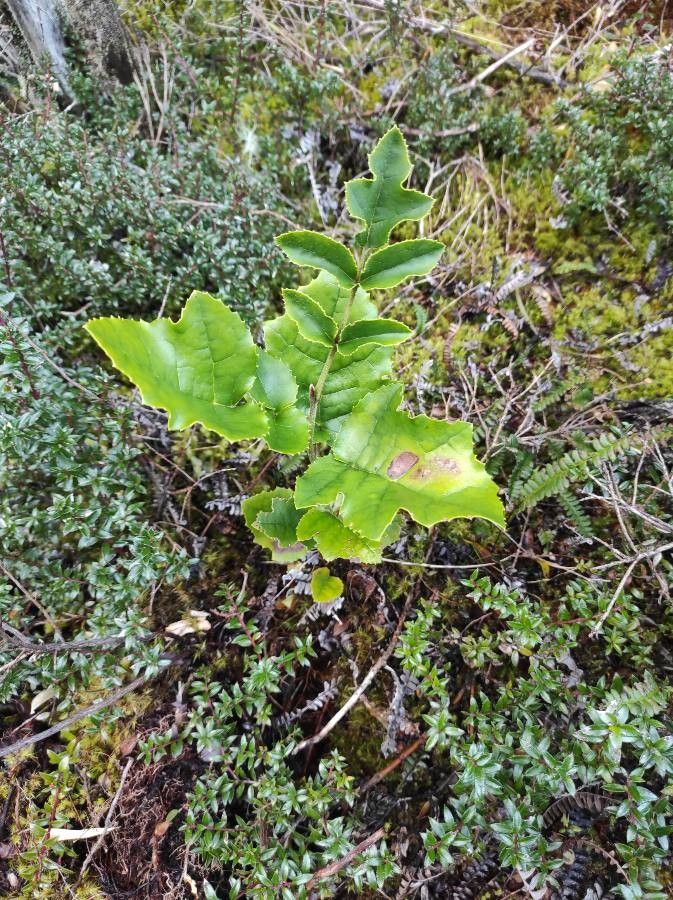
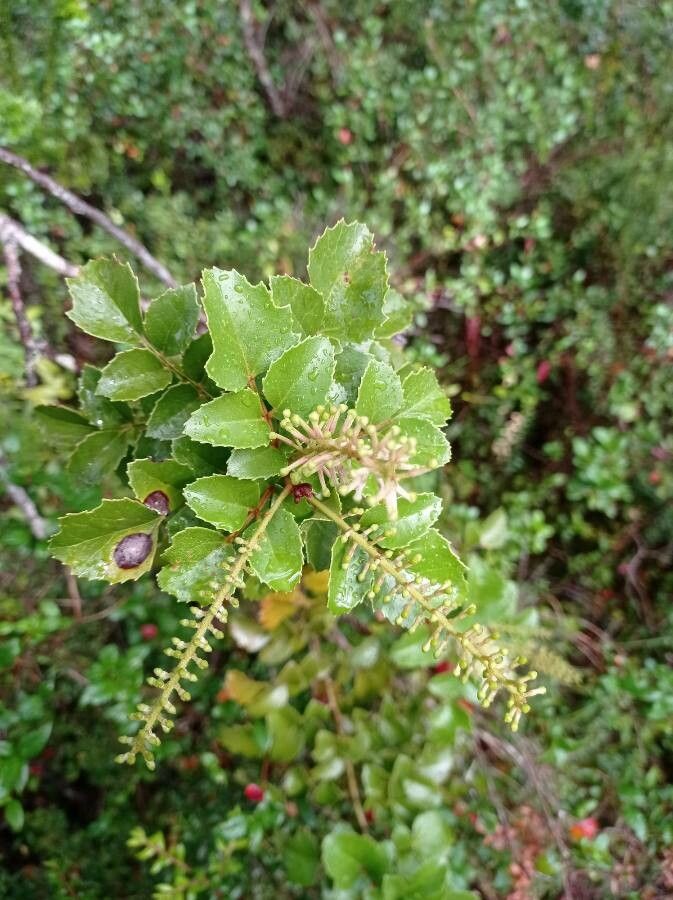
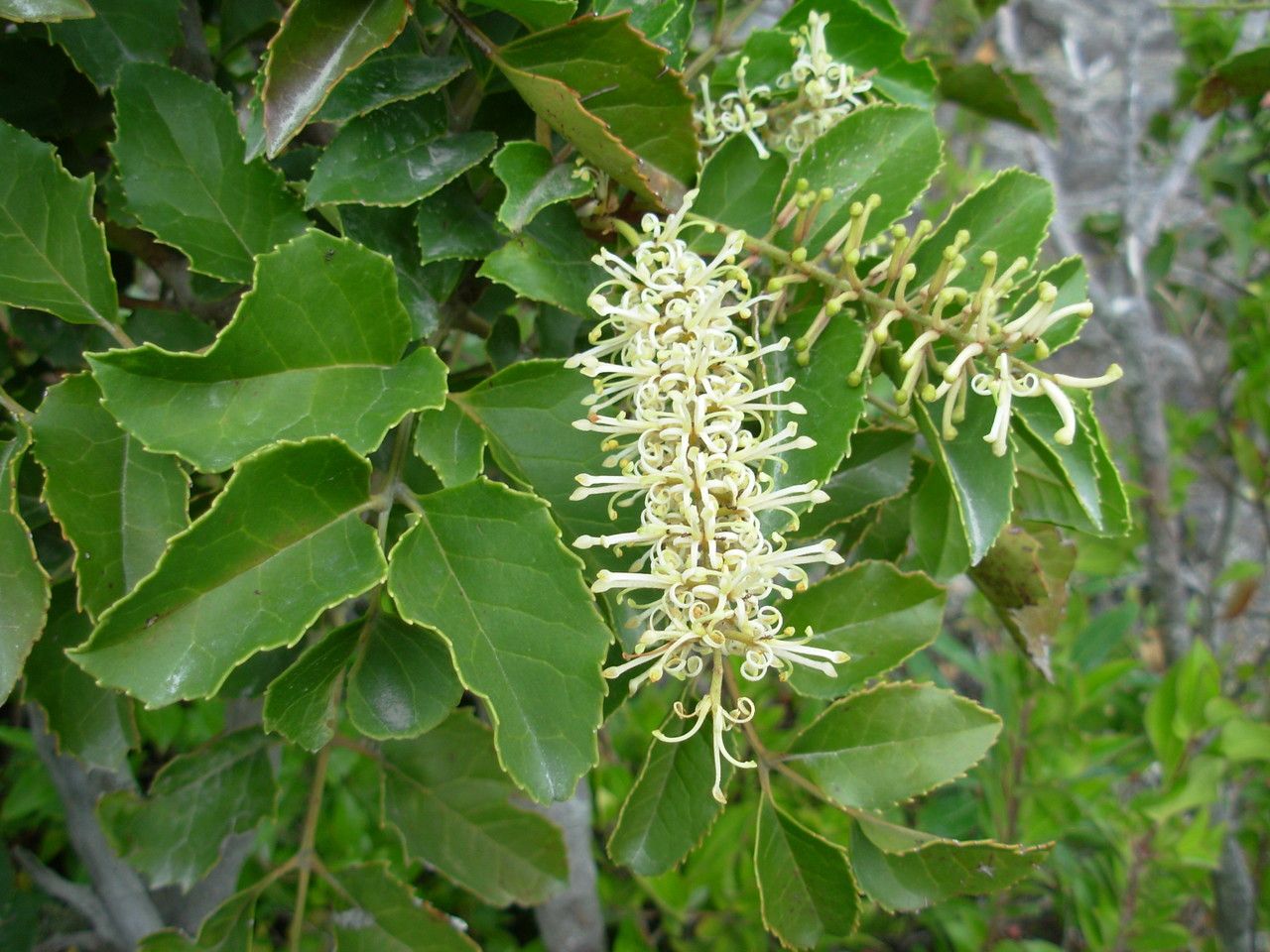
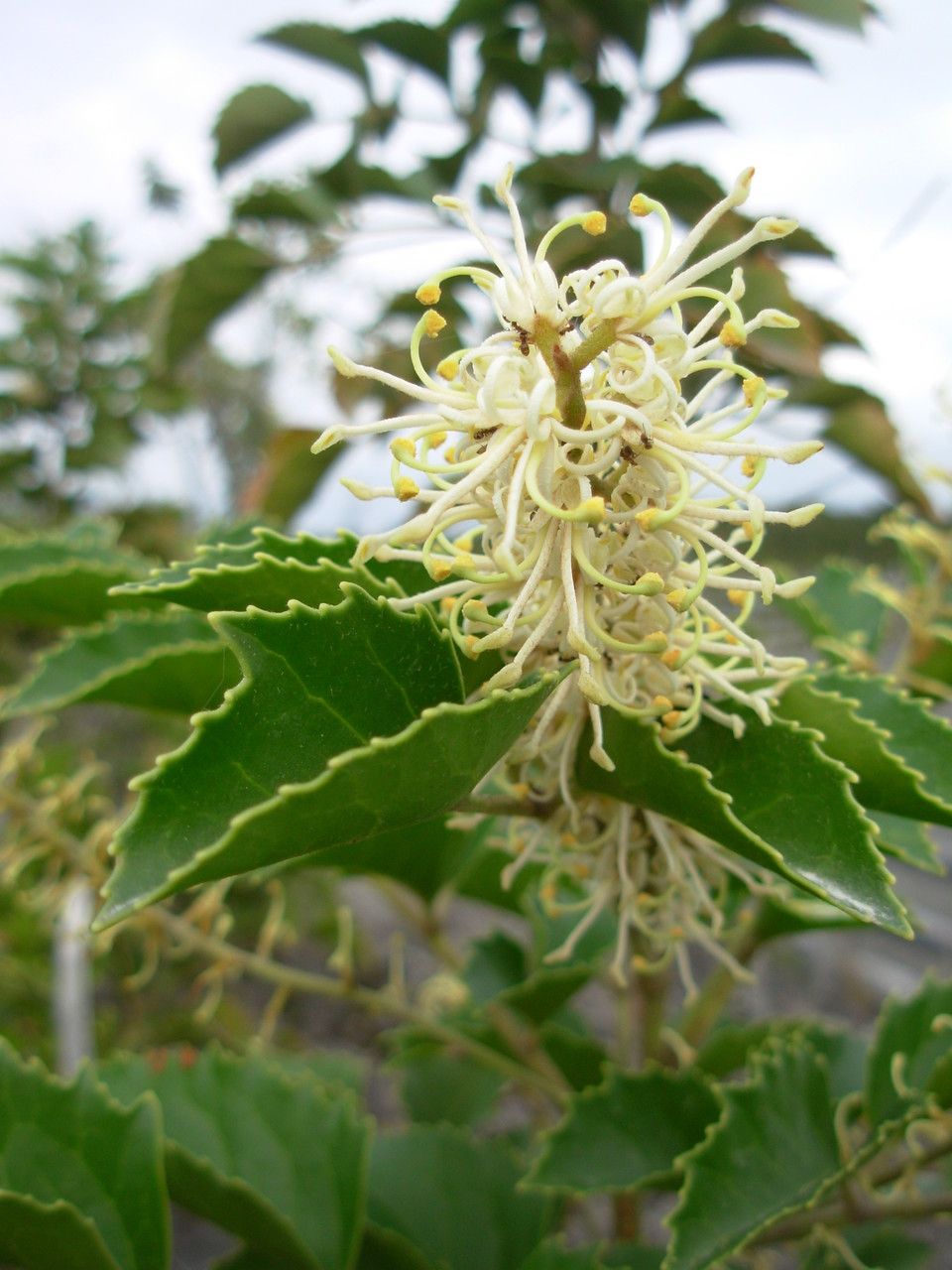
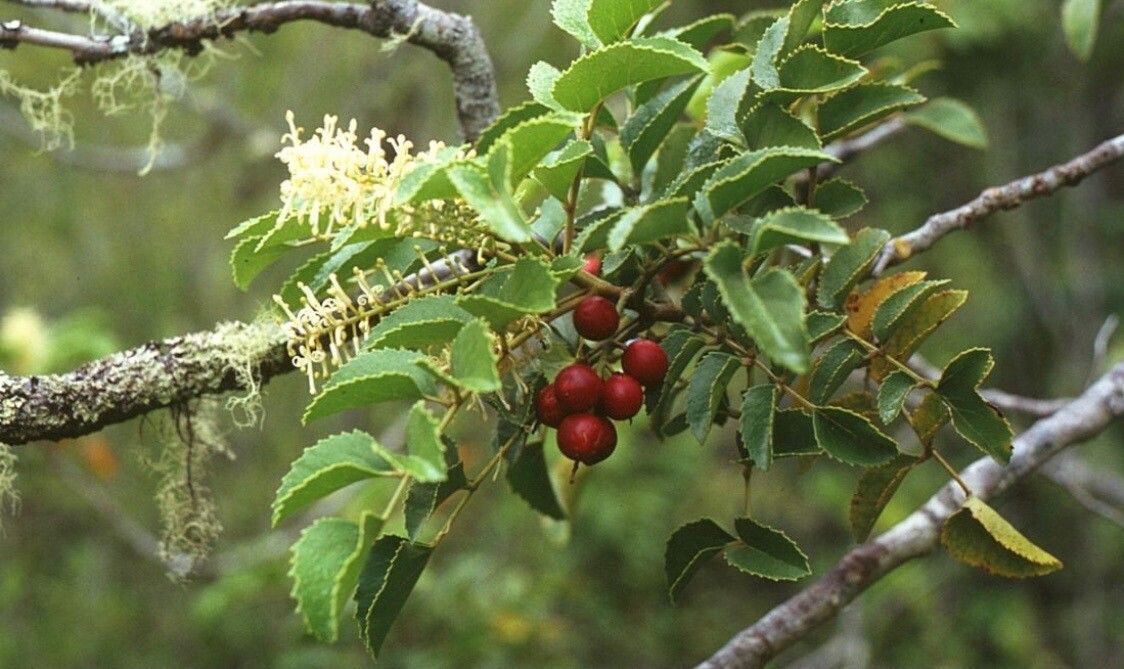
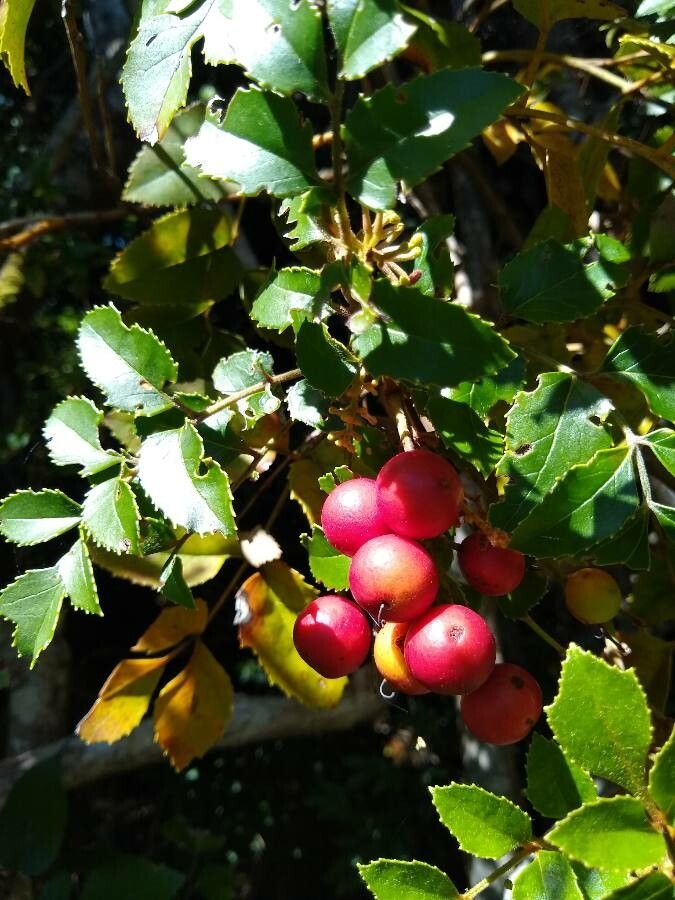
Gevuina avellana, commonly known as the Chilean hazelnut or avellano, is a species of evergreen tree native to Chile and Argentina. It belongs to the Proteaceae family and can grow up to 20 meters tall. The tree features a straight trunk with smooth bark and dark green, oval-shaped leaves with serrated edges.
The fruit of the Gevuina avellana is a small nut that resembles the common hazelnut but has a distinct flavor. The nut is encased in a hard shell that splits open when ripe, revealing two edible kernels inside.
Traditionally, indigenous people have used the Gevuina avellana tree for its medicinal properties and for its highly valued wood, known for its durability and resistance to decay.
Today, Gevuina avellana nuts are commercially harvested in Chile for their oil content, which is rich in monounsaturated fatty acids, making it an excellent source of healthy fats. The oil extracted from these nuts can be used in cooking or added to skincare products for its moisturizing properties.
Overall, the Gevuina avellana plant is not only an important source of food but also plays a crucial role in traditional medicine practices. Additionally, it contributes significantly to economic growth through commercial cultivation.
Chilean hazel shows good resistance to disease and is generally not susceptible to illnesses. As for care, this plant is fairly low-maintenance. When grown outdoors it needs only light watering, and larger plants usually do not require pruning. Smaller plants, however, should be pruned after they have finished blooming. Chilean hazel is suitable for anyone with an outdoor area, such as a garden or deck, and does not demand much gardening experience.
How to keep Gevuina Avellana.
Light
Chilean hazel naturally occurs in places like forest understories or rocky areas, where it grows in natural shade. It prefers partial sun but can adjust to full sun or full shade, demonstrating its versatile, hardy nature.
Temperature
The Chilean hazel is highly adaptable to a wide range of climate conditions, from very hot summers to cold winters. It nevertheless has an optimal temperature range for growth. If temperatures become too high, the plant can suffer from heat and humidity stress, which may cause it to die. In areas where temperatures approach the lower limit of its cold tolerance, providing insulation to protect the plant is important.
Fertilizer
The Chilean hazel needs adequate nutrients to achieve optimal fruit production. Apply fertilizer in early spring to support new growth and flowering. Regular feeding keeps the plant healthy, promotes production of more flavorful fruit, and prevents nutrient deficiency problems such as yellowing leaves and poor fruit yield.
Pruning
The Chilean hazel is prized for its attractive foliage and edible nuts. To maintain its health and appearance, it is best to prune the tree between early and late winter. Focus on removing any dead branches and thinning out crowded areas to improve air circulation, boost fruit production, and increase the plant's vigor. Always use clean, sharp tools, and make your cuts just above healthy buds to promote optimal regrowth.
Botanical profile.
- Plant Type
- Tree
- Life Cycle
- Perennial
- Genus
- Gevuina
- Family
- Proteaceae
- Hardiness Zone
- 8-11
- Mature Height
- 14.94 m to 20.12 m
- Mature Spread
- 7.92 m to 10.06 m
- Leaf Color
- Dark Green
- Leaf Type
- Evergreen
- Flower Color
- White
- Flower Size
- 0.51 cm to 1.02 cm
- Bloom Time
- Late winter, Early spring, Mid spring
- Planting Time
- Spring, Summer, Autumn
- Harvest Time
- Late summer, Early fall, Mid fall
Other names.