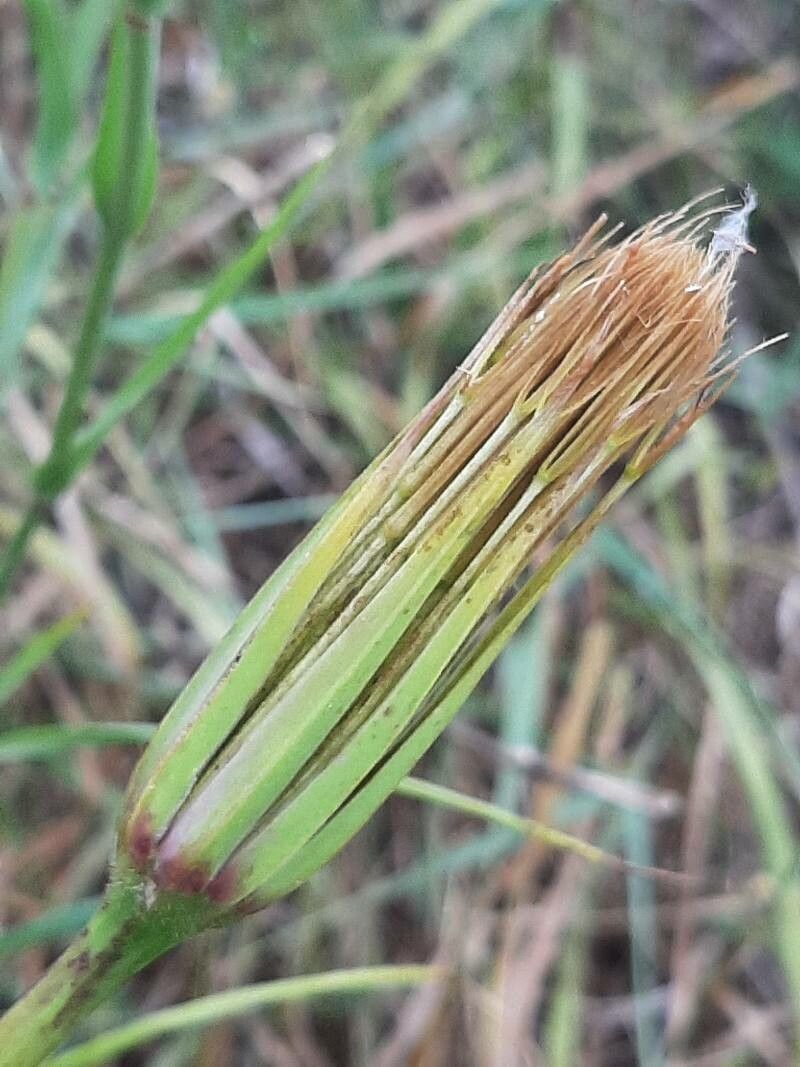
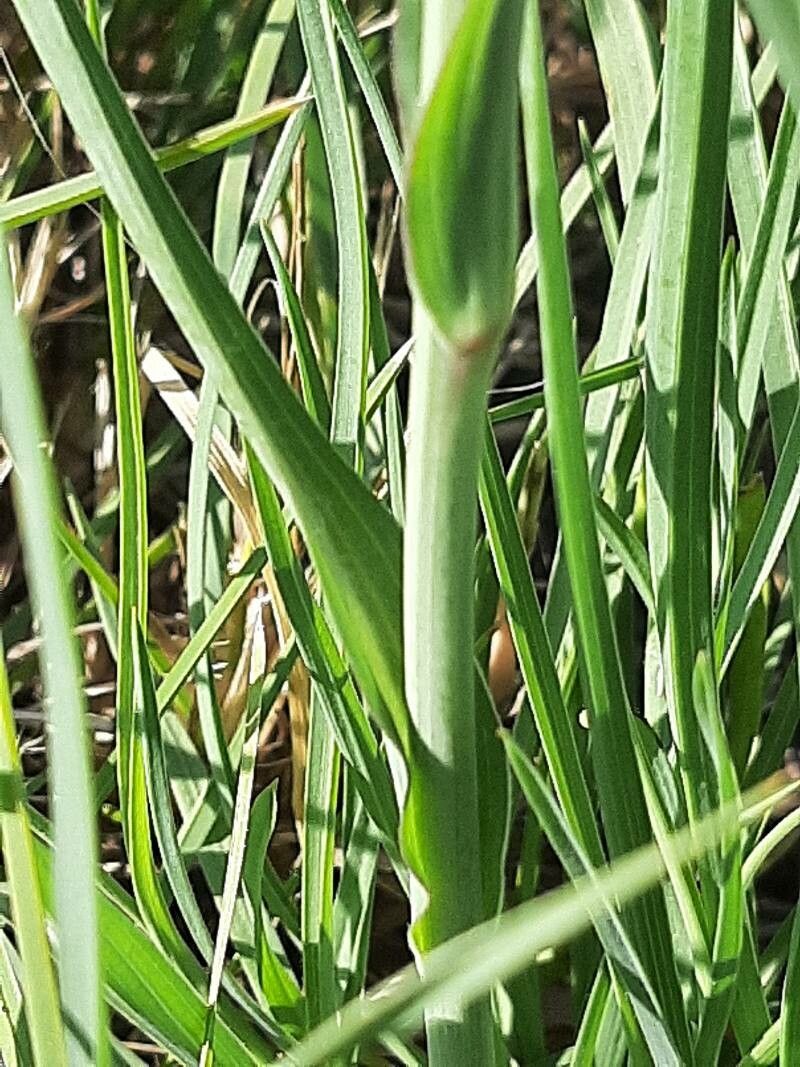
Geropogon is a genus of flowering plants in the family Asteraceae.
Slender salsify is largely disease-resistant and typically not prone to illnesses. However, it can be affected by pests and diseases present in its environment. Such infections are generally mild. In terms of care, the plant requires moderate maintenance. It should be pruned regularly to keep a good appearance and support healthy growth. Applying fertilizer can also help encourage flowering. Slender salsify is appropriate for anyone with an outdoor area, like a garden or patio, and does not demand a great deal of care experience. It may need more attention when grown indoors.
How to keep Geropogon Hybridus.
Light
Slender salsify comes from bright, open habitats where it flourishes in full sun. It can tolerate partial sun but favors direct sunlight for best growth. This plant, which may be annual or biennial, is recognized for its love of sun.
Water
Slender salsify, originally from Mediterranean climates, thrives in dry conditions and can endure short periods of drought. It does well with weekly watering, and it's important to plant it in well-draining soil to prevent waterlogging. This aligns with the plant's natural water management strategies.
Temperature
Slender salsify is native to temperate regions and thrives at temperatures of 68–95 °F (20–35 ℃). If temperatures move outside its preferred range, it may need seasonal care, such as protection in winter or shading in summer.
Fertilizer
Slender salsify does well with regular, light fertilizer applications to encourage healthy leaf development. Fertilize slender salsify about once a month during the summer. Nitrogen is important for the foliage, and adding nitrogen-rich fertilizers helps slender salsify prosper.
Pruning
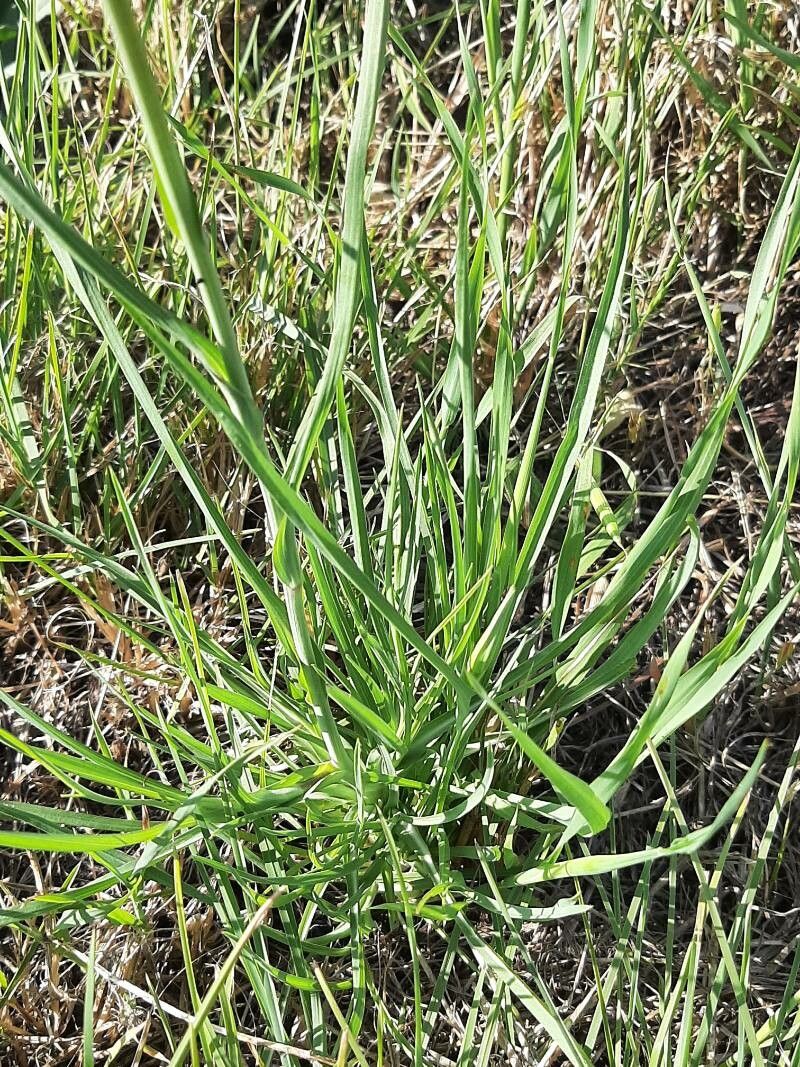
Slender salsify is a narrow, grass-like plant that benefits greatly from pruning between early and late spring. Key techniques include removing any damaged leaves and thinning out excessive shoots. These actions improve air circulation, help manage the plant's shape, and promote vigorous growth and better flowering. By following these steps, you ensure the plant remains healthy and attractive.
Botanical profile.
- Plant Type
- Herb
- Life Cycle
- Annual
- Genus
- Geropogon
- Family
- Asteraceae
- Hardiness Zone
- 8-10
- Mature Height
- 10 cm to 61 cm
- Mature Spread
- 20 cm to 30 cm
- Leaf Color
- Light Green
- Leaf Type
- Deciduous
- Flower Color
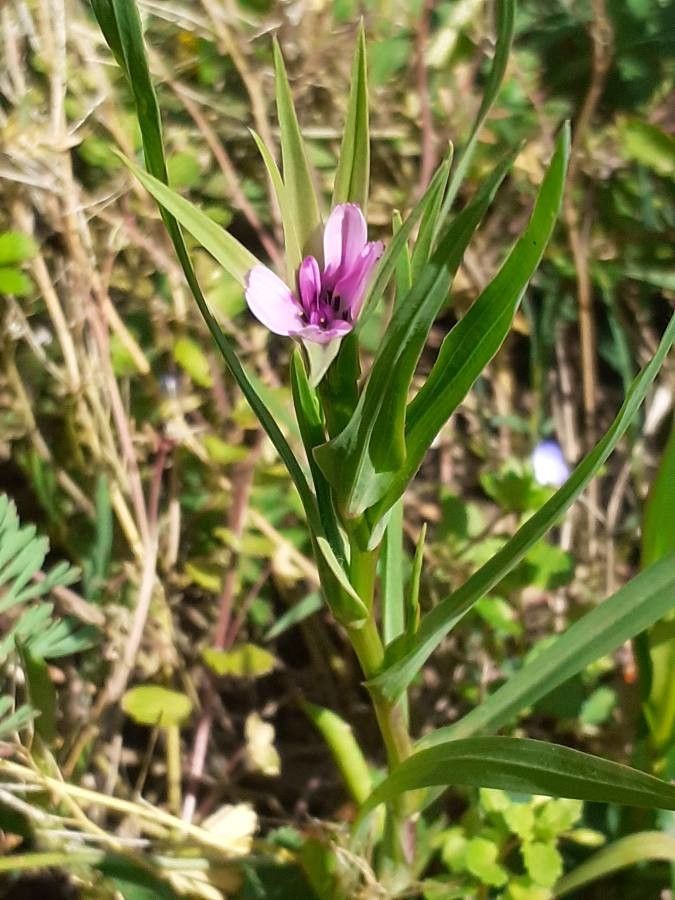
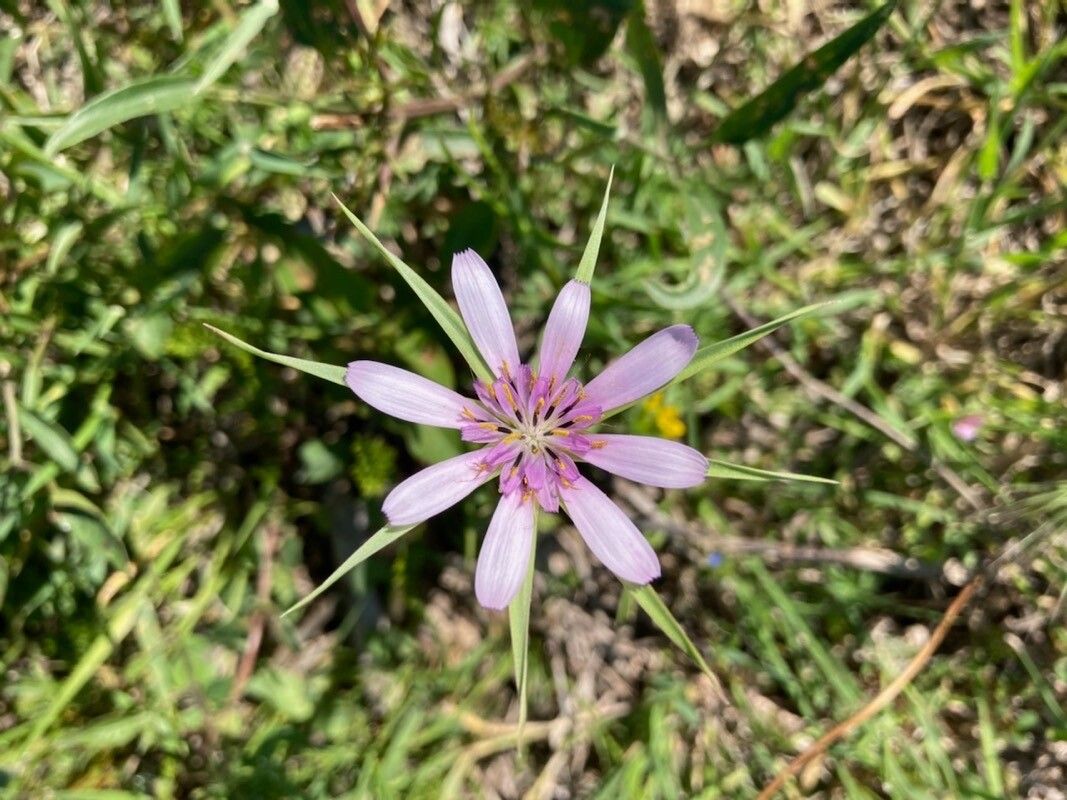
- Purple, Lavender
- Flower Size
- 0.25 cm
- Bloom Time
- Mid spring, Late spring, Early summer
- Planting Time
- Spring, Summer
- Harvest Time
- Summer
- Native Area
- Libya, Egypt, Turkey, Tunisia, Cyprus, Poland, Greece, Croatia, Morocco, Ukraine, Lebanon, Russia, Iraq, Germany, Portugal, Syria, Italy, Spain, Iran, Azerbaijan, United Kingdom, Algeria, France
Other names.
Reader questions.
How should I water my Slender salsify plant?
There are multiple ways to water Slender salsify, such as using a garden hose with a spray nozzle or a watering can. This plant is not too particular about the type of water it receives, as it can thrive with rainwater, tap water, or filtered water. It is generally recommended to avoid watering Slender salsify from above, as this can harm the leaves and flowers and potentially lead to disease. Using a drip irrigation system is often the best choice for watering this plant, as it provides even and direct water to the soil. When watering a container-grown Slender salsify, you can follow a similar approach but use a cup, watering can, or tap to water the soil directly.
What are the sun requirements for Slender salsify?
Slender salsify thrives in environments that offer full sun, requiring more than 6 hours of direct sunlight daily for optimal growth. It can also tolerate partial sun, which involves about 3-6 hours of sunlight. When planning your garden, it's essential to observe the movement of sunlight through the space to ensure that your plants receive a balanced amount of light and shade, promoting their health and well-being.
What temperature is best for Slender salsify?
Plants can be impacted by colder temperatures because they mirror the air temperature. In sunny conditions, plants can warm up again, but this is not the case in winter. The Slender salsify thrives in temperatures ranging from 70~85℉(21~30℃). They may be able to tolerate temperatures as low as 20~30℉(-6~0℃) or even 15℉(-10℃), but not for long, as this can cause frost damage. To ensure optimal growth, keep the maximum temperature around 70~85℉(21~30℃), while also providing regular water sprayings and some shade to prevent wilting.
What should I do if I give my Slender salsify plant too much or too little water?
To address underwatering issues with Slender salsify, it's important to water the plant more regularly when you notice it lacks moisture. Overwatering, on the other hand, can be a more urgent problem as it can lead to diseases and the eventual decline and death of the plant. To prevent overwatering, it's essential to choose a suitable location for your plant with ample sunlight to dry out the soil and good drainage to avoid water logging. If you have overwatered Slender salsify in a pot, consider changing it to a new one with better drainage or more holes. When repotting, use loose soil and ensure the chosen pot drains efficiently.
What are the essentials for growing Slender salsify?
Originating from bright, open environments, Slender salsify is a sun-loving plant that prefers full sun but can also grow in partial sun. For indoor plants lacking natural sunlight, especially during winter or in less sunny locations, using artificial lights is crucial. LEDs are recommended because they can be tailored to provide specific light wavelengths needed for plant growth. Indoor plants under full sun require 30-50W/sq ft, those in partial sun need 20-30W/sq ft, and full shade plants require 10-20W/sq ft of artificial light. The light source should be placed 12-36 inches above the plant, and the duration should mimic natural daylight hours, typically between 8-12 hours per day.
Do I need to change the temperature for Slender salsify as it grows?
When growing Slender salsify, it is important to research and ensure that the temperature is appropriate. Some growers may choose to lower the plants' thermostats to save money on HVAC costs during the growing season. However, it is crucial to understand that temperature can impact flowering, pest management, and plant quality. Slender salsify will stop growing at a certain temperature, especially during winter when some species may enter a dormant state. As the season changes and the temperature rises, the base temperature for growth increases, enabling faster growth of Slender salsify. Species naturally found in warm habitats have higher optimum temperatures compared to those thriving in cooler climates. Exposing Slender salsify seeds to cool temperatures can result in decreased uniformity and delays. It may be necessary to lower the temperature during flowering but not during other growth phases. Cooler temperatures at night also reduce water requirements, so irrigation should be adjusted accordingly.
How many times should I give water to my Slender salsify plant?
Slender salsify, a plant that needs regular watering throughout its growing season, requires different watering frequencies depending on the time of year. In spring, it's recommended to water the plant once a week. As the season progresses and it gets warmer, you may have to increase watering to two to three times per week. However, exceeding this frequency can harm the plant. Regardless of how often you water, it's important to maintain moist soil without making it overly wet. When growing slender salsify in a pot, you'll need to water more frequently because pot soil can dry out faster. Typically, watering a potted slender salsify a few times per week is necessary, compared to just once per week for an in-ground plant.
What are the symptoms of inadequate light for Slender salsify?
When Slender salsify does not receive sufficient light, especially if grown indoors, several symptoms can manifest. These include small and lighter-colored new leaves, leggy or sparse growth, which gives the plant a stretched-out appearance, and early leaf drop as the plant tries to conserve resources. Additionally, lack of new growth or delayed growth could indicate the plant is in survival mode due to poor lighting. Conditions like chlorosis, sunscald, leaf curling, wilting, and leaf scorching can occur under both insufficient and excessive light conditions, indicating the plant's struggle with its environment.
How can I make sure Slender salsify stays warm during the cold seasons?
To help the Slender salsify plant adapt to colder temperatures, it's best to stop fertilizing it to prevent new growth and allow the existing ones to become hardy. To provide warmth, you can create structures like cages or trellises around the plant. Alternatively, you can use heat mats to gently warm the soil, as they can consistently maintain an ideal temperature range for the Slender salsify.
How much water does my Slender salsify plant need?
When determining the water amount for your Slender salsify, there are a few options you can consider. One method involves feeling the soil to gauge moisture levels. This approach suggests that you should water until the top six inches of soil feel moist. Another way is to use a specific measurement. Typically, providing your Slender salsify with about two gallons of water per week is recommended, considering factors like temperature and soil dryness. However, strictly following these guidelines might result in overwatering if your plant needs less water. If you are growing Slender salsify in a container, a different technique is necessary. In this case, you should water enough to moisten all dry layers of soil. To check the moisture, simply insert your finger into the soil. Additionally, you can continue watering until you observe a slight overflow of water from the pot's drainage holes.
How can you remedy light deficiency symptoms in Slender salsify?
To optimize Slender salsify's growth in light-deficient settings, gradually increasing its exposure to sunlight is key. For indoor plants, move them weekly to sunnier spots until they get at least 6 hours of sunlight, using a south-facing window and keeping curtains open during daylight hours. If the plant is too large or immovable, consider artificial lighting, keeping a lamp on for no less than 8 hours a day or investing in professional grow lights. For outdoor plants, similarly, transit them to sunnier locations gradually to avoid sunburn. If obstructions like trees block sunlight, pruning may be necessary. For smaller, transplantable plants, choosing a new location with ample sunlight and proper drainage is advisable during their dormant period in late winter or early spring.
How can I protect Slender salsify from getting damaged by temperature?
During winter, to protect the Slender salsify from frost, cover it with cloths, tarps, burlaps, sheets, or plastic buckets. Keep these covers securely down to insulate and prevent them from being blown away by the wind. However, be careful that the plastic sheets or burlap covers do not touch the fruit or foliage, as the cold temperatures can cause burns if they transfer to the material. Once the temperatures start to rise during the daytime, remove the covers.