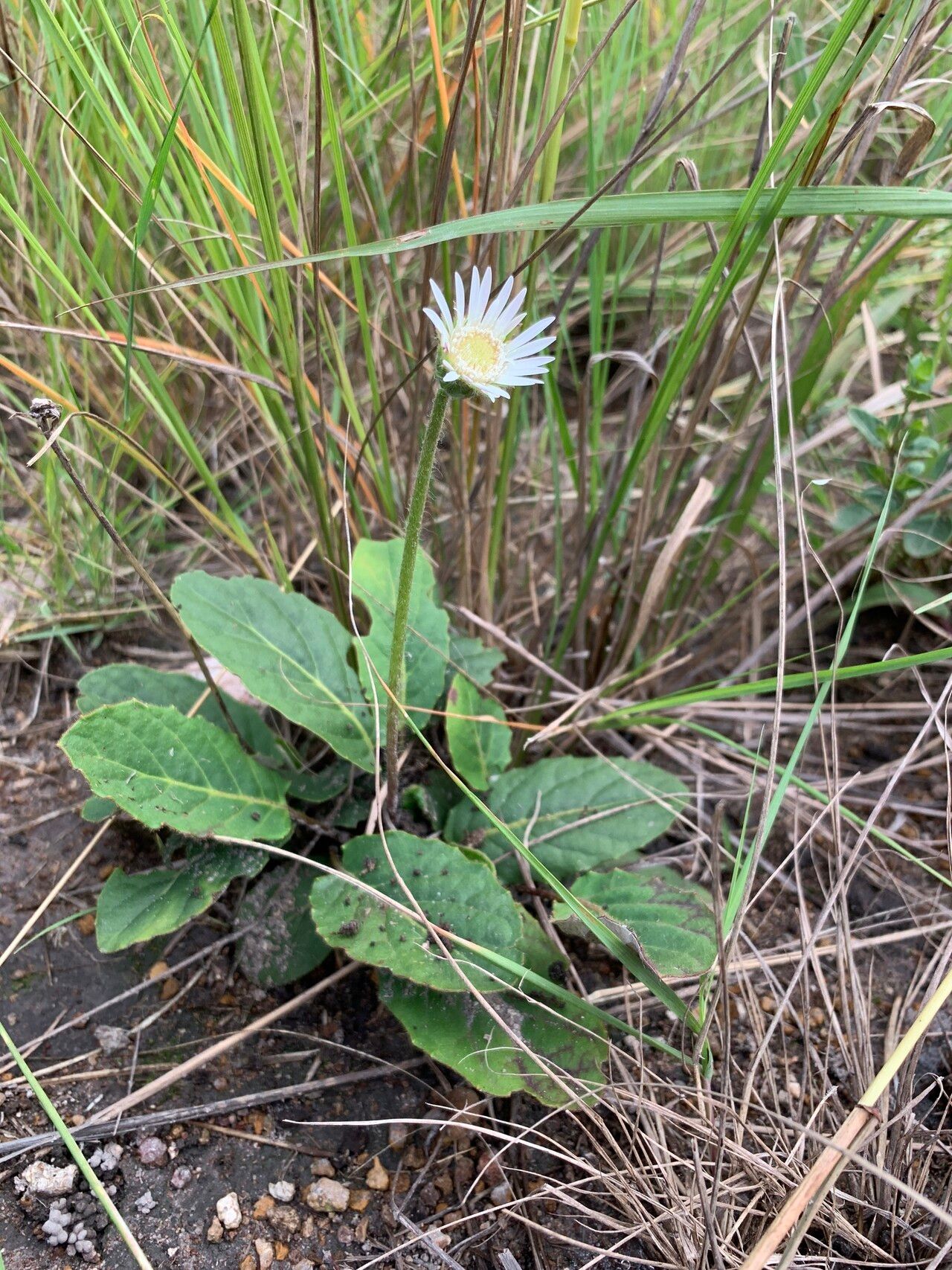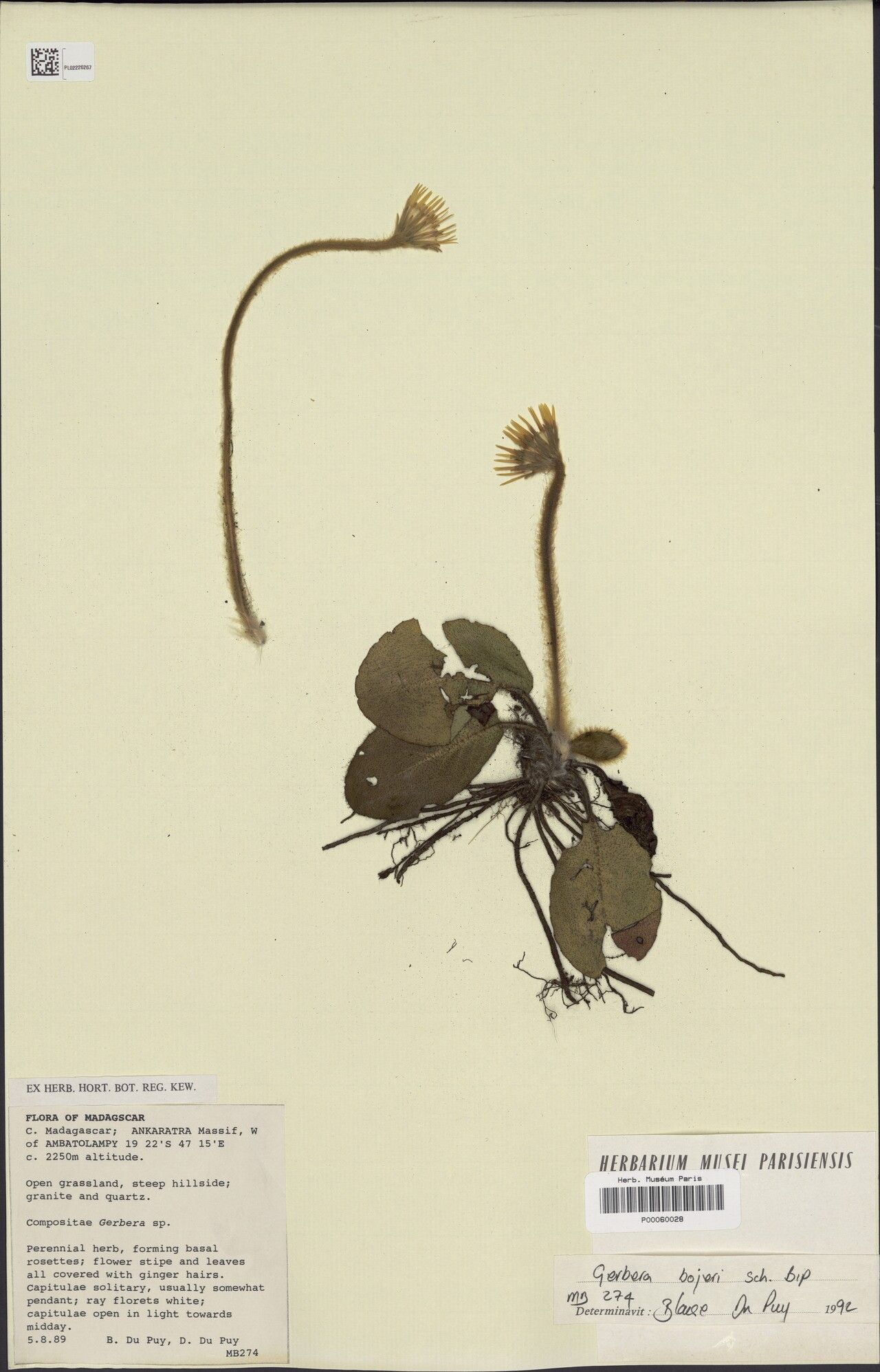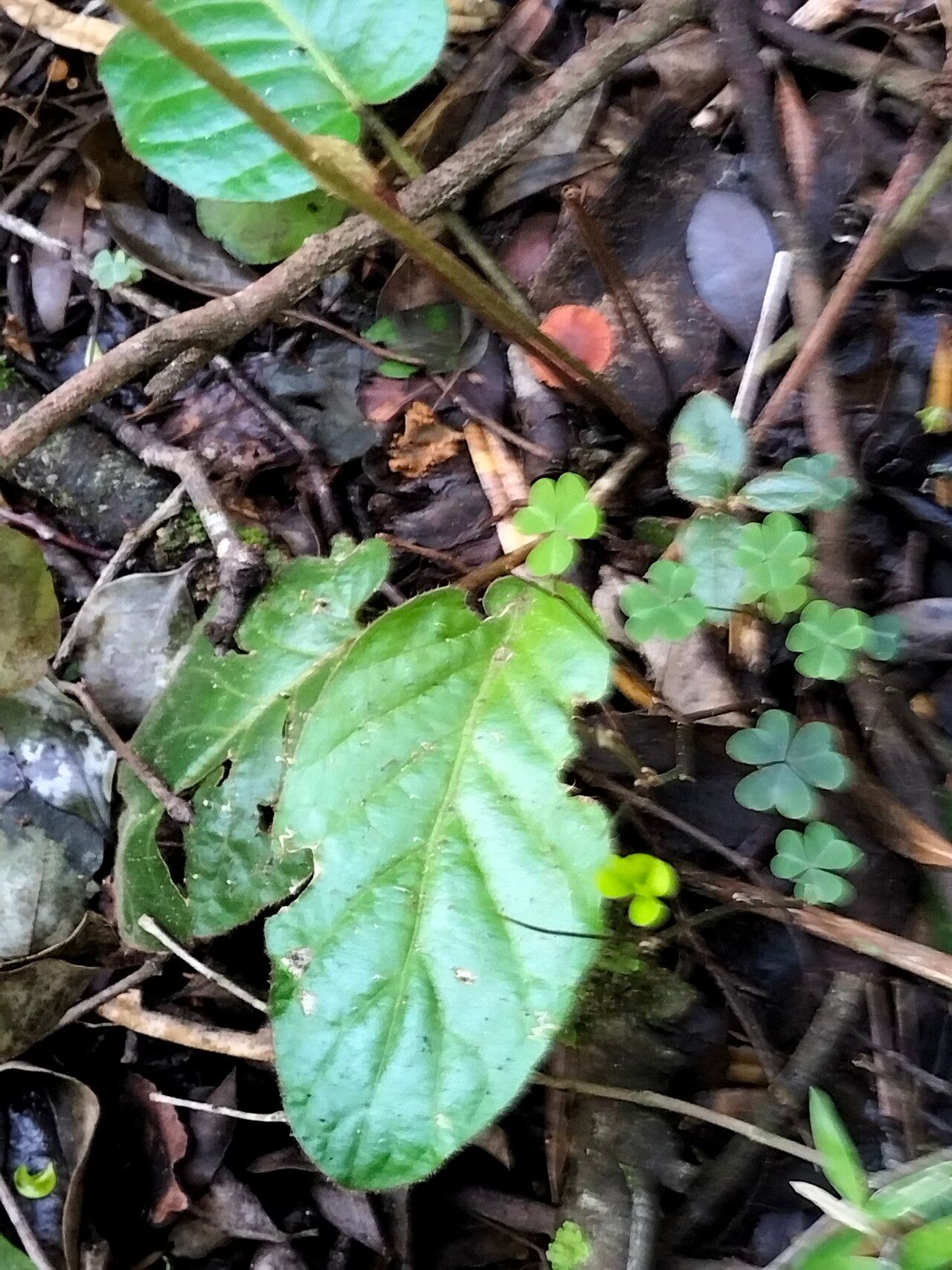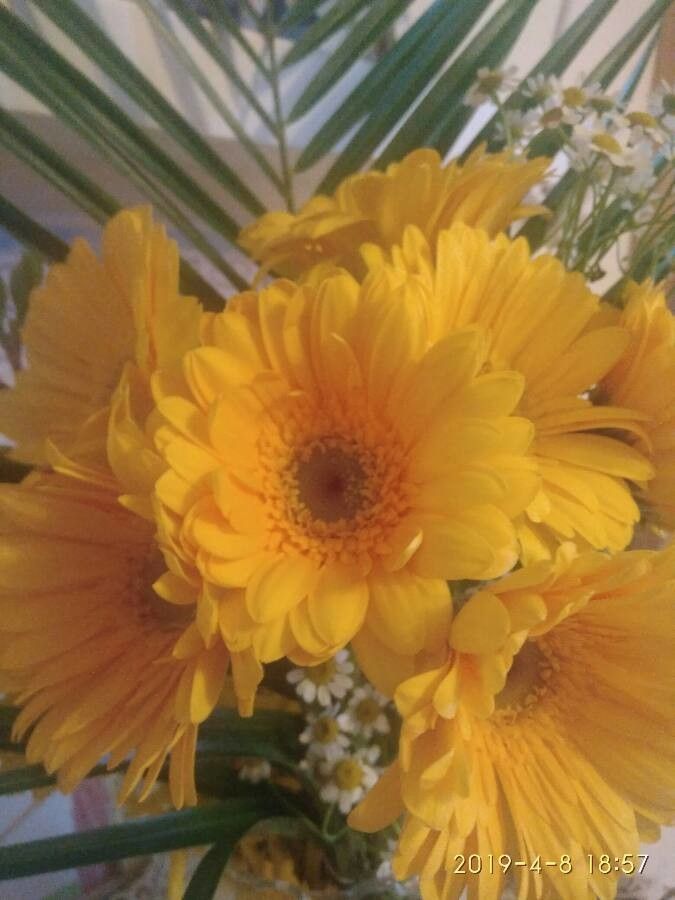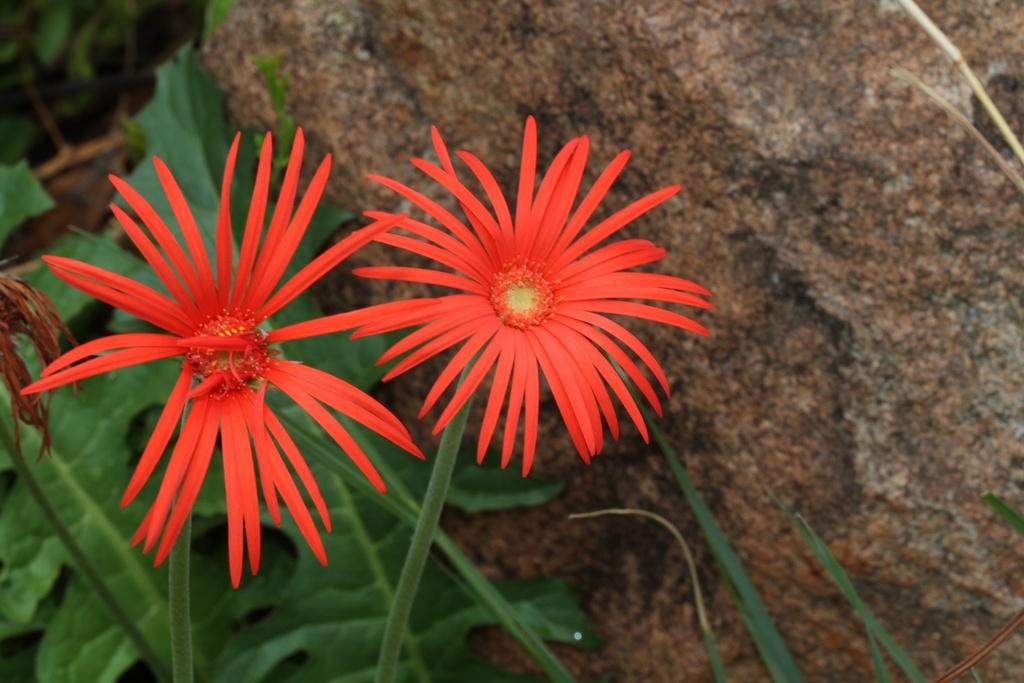
Gerbera jamesonii, commonly known as the Gerbera Daisy, is a popular ornamental plant that belongs to the Asteraceae family. Native to South Africa, this plant has gained worldwide popularity as a garden and indoor favorite due to its vibrant, colorful flowers. The Gerbera Daisy features large, daisy-like flowers available in a variety of colors, including pink, red, yellow, orange, and white. The plant's leaves are dark green, and the long stems can grow up to 18 inches in length.
For optimal growth, the Gerbera Daisy requires well-drained soil and plenty of sunlight. It can be cultivated both indoors and outdoors, depending on the climate. Regular watering is essential, but it's important to avoid overwatering, as it can cause root rot.
In addition to its visual appeal, the Gerbera Daisy possesses medicinal properties. Its anti-inflammatory properties make it useful for treating skin conditions such as eczema and psoriasis.
Overall, the Gerbera Jamesonii is an easy-to-grow plant that adds color and beauty wherever it is planted. Its aesthetic appeal and medicinal benefits make it a wonderful addition to any garden or indoor space!
Gerbera daisy is fairly disease-resistant and is generally not prone to disease. However, it can be vulnerable to leaf spots when light and ventilation are poor and watering is excessive. The plant's care level is considered easy, since it only needs regular watering and not much else. Gerbera daisy is suitable for people who lack the time and energy to devote to regular care.
How to keep Gerbera Jamesonii.
Light
Gerbera daisy does best with continuous sunlight, though it can also tolerate locations that receive sun for only part of the day. Sufficient light promotes healthy growth and flower production. In its native habitat it prospered under full-day sun. Too little sun can restrict growth and blooming, while too much can scorch the leaves.
Water
Originating from South Africa, the Barberton daisy thrives in well-drained soil and requires a watering schedule that allows the soil to dry slightly between waterings, usually about once a week. During its growing season, this outdoor plant benefits from consistent moisture to encourage vibrant blooms.
Humidity
This plant needs special care because it loves high humidity levels of 60-80% or more. The best way to achieve this is by placing a humidifier near the plant. Daily misting is also essential! Make sure the room has good ventilation.
Temperature
The Gerbera daisy thrives at temperatures from 68 to 100 °F (20 to 38 ℃), similar to the thermal conditions of its native habitat. Adjusting environmental conditions to match these temperature ranges across different seasons can ensure a healthy growth phase.
Fertilizer
The best time to fertilize a Gerbera daisy is in early spring, as it comes out of dormancy and begins active growth. Fertilizing supplies essential nutrients needed for healthy growth. Although Gerbera daisies have relatively low fertilizer requirements, fertilizing annually can improve their survival and encourage better, longer-lasting blooms.
Pruning
The Barberton daisy thrives when strategically pruned. This includes removing spent flowers and dead leaves, which promotes healthier growth and more robust blooming. The best time for pruning is from late winter to early spring. During this period, pruning enhances the plant's appearance, prevents diseases, and improves air circulation, resulting in a more vigorous plant.
Pot & Repot
When repotting a Gerbera daisy, select a pot 1-2 inches (2.5–5.1 cm) larger with good drainage. Use a well-draining potting mix. Repot in spring or fall, making sure the root ball sits slightly lower than the pot rim. Water thoroughly after repotting and place the plant in a warm spot with indirect sunlight.
Toxicity
Gerbera daisies are non-toxic plants for humans and animals. However, it is not meant to be ingested and may cause gastrointestinal discomfort if ingested in large quantities. Choking is also a hazard that commonly occurs in children.
Further reading →
The toxicity and danger assessments provided are for reference only. We do not assure their accuracy, so it's crucial not to depend on them. Seek professional advice when necessary for accurate guidance.
Botanical profile.
- Plant Type
- Herb
- Life Cycle
- Perennial, Annual
- Genus
- Gerbera
- Family
- Asteraceae
- Hardiness Zone
- 8-11
- Mature Height
- 30 cm to 61 cm
- Mature Spread
- 30 cm to 61 cm
- Leaf Color
- Green
- Leaf Type
- Evergreen
- Flower Color
- Red, Pink, Orange, Yellow, White
- Flower Size
- 6.35 cm to 10.16 cm
- Bloom Time
- Late spring, Early summer, Mid summer
- Planting Time
- Spring, Summer
- Harvest Time
- Summer
- Native Area
- South Africa, Eswatini
Other names.
Reader questions.
When Should I Water My Barberton Daisy?
Watering your Barberton Daisy is essential for its health, contributing to its growth, flower production, and disease resistance. To determine the right time to water, check the soil moisture 1 to 2 inches deep; if it feels dry, it's time to water. Wilting or limp leaves are clear signs the plant needs water, as are crispy or yellowing leaves indicating underwatering. Slow or stagnant growth can also suggest a lack of water. Be cautious not to water too early when the soil is moist to avoid risks like root rot and similar diseases, and likewise, don't water too late to prevent wilting or the potential death of the plant from dehydration.
Why should I put fertilizer on my Barberton daisy?
Fertilization is important for the Barberton daisy because it provides necessary nutrients for the plant's growth. While the overall fertilization needs for this plant are low, annual fertilization can greatly benefit it. It helps keep the plant alive and promotes the development of healthier and longer-lasting flowers. Therefore, those who want their Barberton daisy to thrive should consistently fertilize it every year.
What are the sunlight requirements for a Barberton daisy?
Barberton daisy, or Gerbera jamesonii, thrives best under constant exposure to sunlight, flourishing remarkably in full sun, which is above 6 hours of sunlight per day. However, it can also adapt to partial sun conditions, which means about 3-6 hours of sunlight each day. In its native habitat, this plant enjoyed full-day solar exposure, which is key for its healthy growth and prolific flower production. It's important to monitor the movement of sunlight through your garden to find the ideal spot that provides the right balance of light and shade, ensuring your plant's well-being.
What are the ideal temperature conditions for Barberton daisy?
Barberton daisy, also known as Gerbera jamesonii, thrives best in temperatures ranging from 68 to 100 °F (20 to 38 °C), which resembles the thermal conditions of its native environment. The plant has some degree of cold tolerance and does not require additional cold protection measures if the temperature stays above its tolerable growing temperature minimum. However, in cooler seasons or when the temperature is expected to drop below this minimum threshold, it's necessary to temporarily protect the plant with materials such as plastic film or fabric to ensure healthy growth. These protective measures should be removed once the temperature rises to suitable levels again.
How Should I Water My Barberton Daisy?
The Barberton Daisy prefers evenly moist soil without becoming waterlogged, indicating sensitivity to both over and underwatering. Bottom watering is an effective method; place the pot in a tray of water to let the soil absorb moisture from the bottom, avoiding foliage issues. Use tools like a moisture meter and a watering can with a long, thin spout to target the root zone directly and keep the foliage dry. Focus on watering the base of the plant to prevent potential diseases in the foliage and flowers from excess moisture.
When should I fertilize my Barberton daisy?
The best time to fertilize a Barberton daisy is in the late winter to early spring when the plant is transitioning from a dormant phase to active growth. Fertilizing during this period promotes healthy growth and sets the plant up for a strong start to the season. While it is generally recommended to fertilize in the early spring, fertilizing in the fall is also acceptable. However, it is not advisable to feed the Barberton daisy during the summer or winter seasons.
Can artificial lighting support the growth of Barberton daisy indoors?
Yes, artificial lighting can be a vital source for supporting the growth of Barberton daisy indoors, especially when natural sunlight is insufficient. Selecting the correct type of artificial lighting, like LED lights, is crucial as they can be customized to emit specific wavelengths needed for your plant. For plants requiring full sun, 30-50W per square foot of artificial light is needed; for partial sun, 20-30W per square foot; and for full shade plants, 10-20W per square foot. The light source should be placed 12-36 inches above the plant to mimic natural sunlight and should be on for 8-12 hours per day to match the natural daylight hours for most plant species.
How does Barberton daisy react to low temperatures, and what are the solutions?
Barberton daisy has a moderate tolerance to low temperatures, performing best when the temperature is maintained above its suitable growth and tolerable growing temperature minimums. During winter or when temperatures fall below its growth limit, the plant's leaves may droop, and in severe cases, this can lead to wilting and leaf fall. To counteract frost damage, it's recommended to trim away any frost-damaged portions. Before exposure to low temperatures again, it's beneficial to wrap the plant in materials like non-woven fabric or cloth, and constructing a wind barrier may also help protect the plant from chilly winds.
How Much Water Does Barberton Daisy Really Need?
Barberton Daisies require a moderate amount of water reflecting their native habitat's conditions — they have a shallow root system, needing thorough but careful watering. The exact amount varies with pot size, with a general guideline suggesting 200-250 ml (about 1 cup) for a mature plant in a 6-inch pot, ensuring it saturates the root zone. Proper hydration will result in deep green leaves, firm stems, and vibrant flowers. Conversely, overwatering and under-watering can lead to yellowing leaves, wilted plants, or even root rot, whereas under-watering may cause brown, crispy leaves and limited flower bloom.
When is the best time to not fertilize my Barberton daisy?
To properly care for your Barberton daisy, it is best to fertilize it only during late winter and early spring. This plant does not require much fertilizer, so a single annual feeding is sufficient. Fertilizing during the rest of the year can result in overfertilization and its associated problems. However, if you forgot to fertilize in spring, you can make an exception and feed the plant in the fall. Additionally, there is no need to fertilize the Barberton daisy during the winter when it is in a dormant phase and not actively growing.
What are the symptoms of inadequate light exposure in Barberton daisy?
Symptoms of inadequate light exposure in Barberton daisy include new leaves growing smaller than the preceding ones, a leggy or sparse growth pattern with increased spacing between leaves or stems, faster leaf drop, slower or completely halted growth, lighter-colored new leaves indicating a lack of chlorophyll and essential nutrients, and chlorosis, where leaves lose their green color and turn yellow. Excessive sunlight exposure, on the other hand, can cause sunscald, leaf curling, wilting, and leaf scorching, which are signs of damage due to intense light.
What should be done if Barberton daisy experiences high temperatures?
During the summer, it's crucial to ensure that Barberton daisy remains below its suitable growth temperature maximum to prevent heat stress. When the temperature exceeds its tolerable growing temperature maximum, signs such as lighter leaf color, dry and withered leaf tips, curled leaves, and increased susceptibility to sunburn may appear. To mitigate damage, trim away sunburned and dried parts of the plant. Relocating the plant to a shaded area during the midday and afternoon sun or using a shade cloth can provide relief from excessive heat. Additionally, watering the plant in the morning and evening helps keep the soil sufficiently moist under high-temperature conditions.