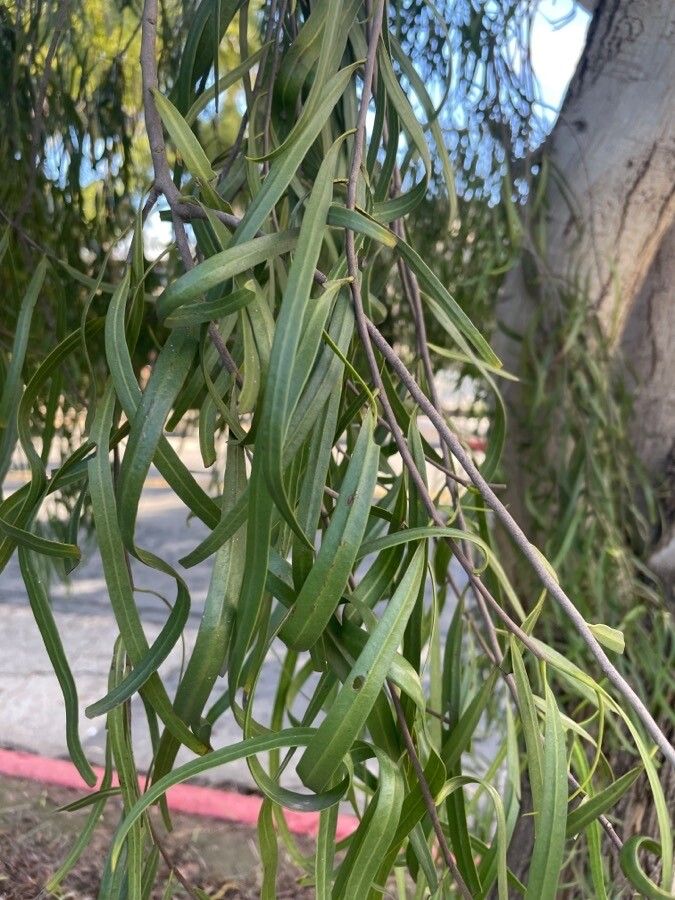
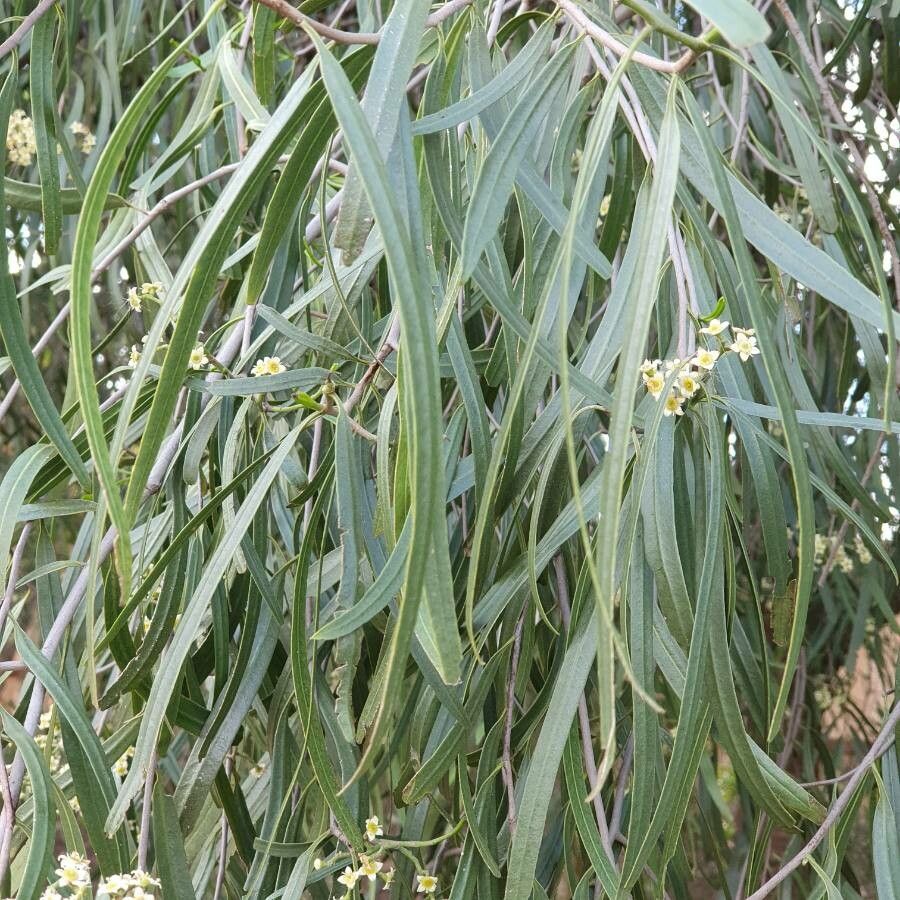
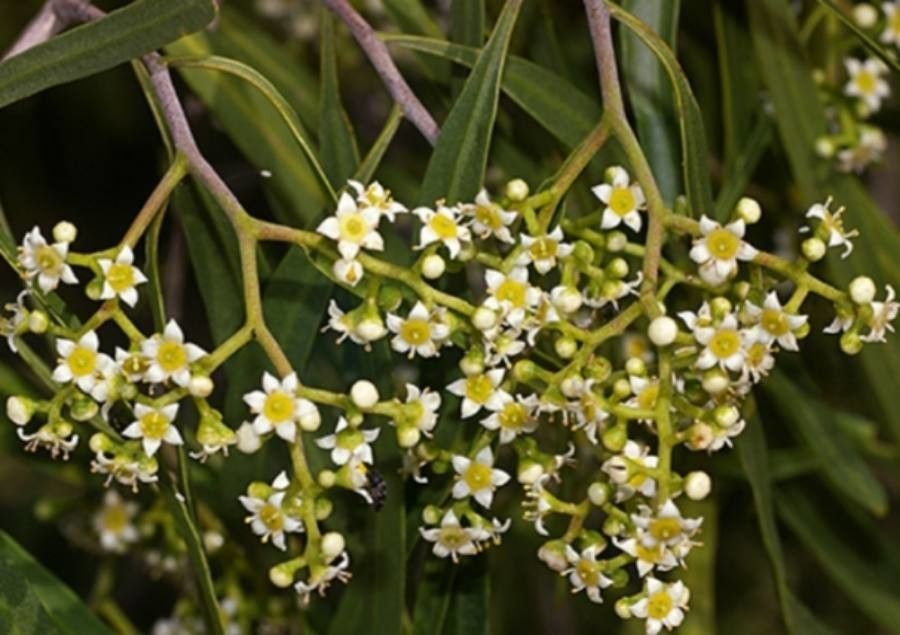
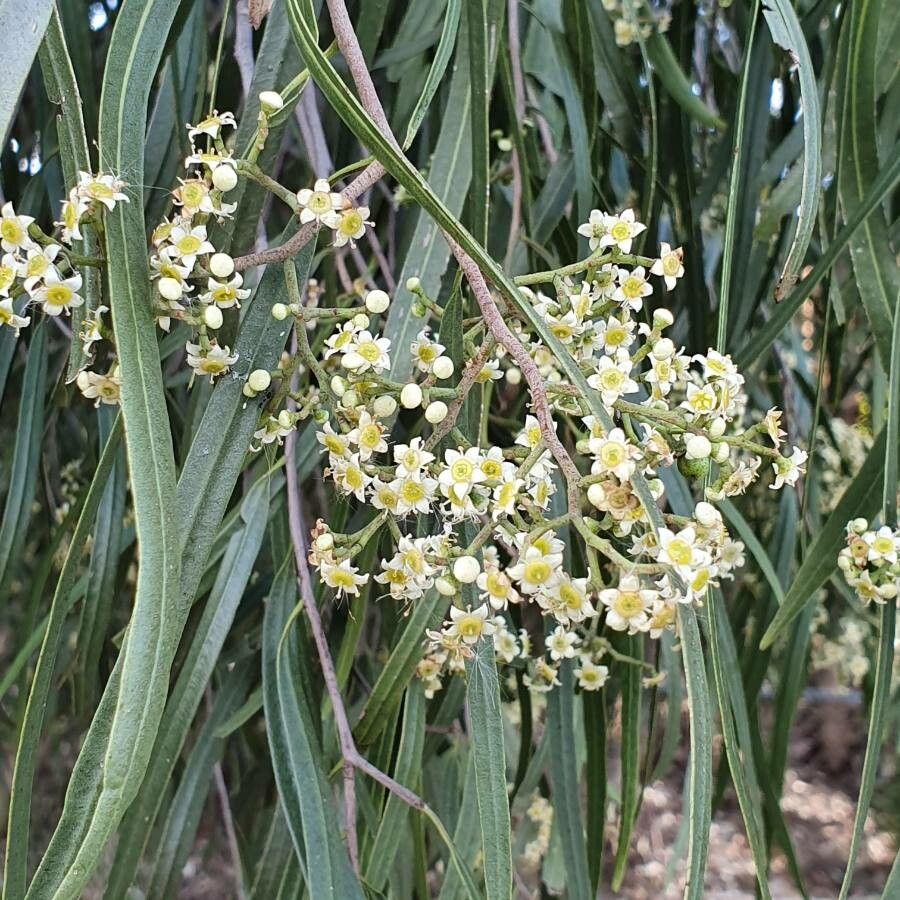
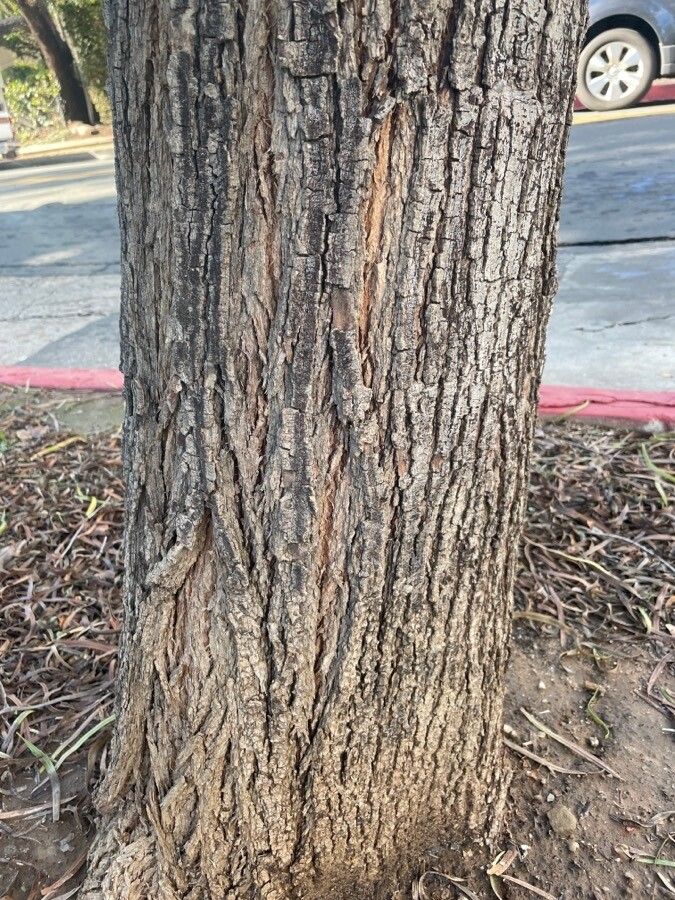
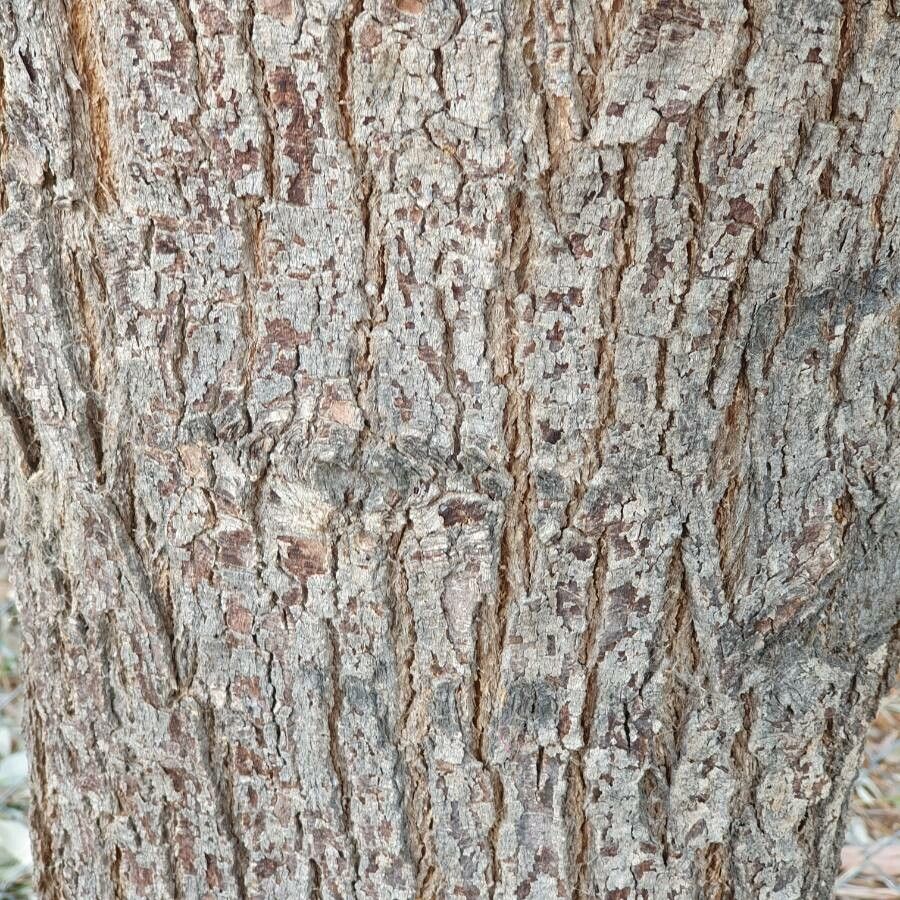
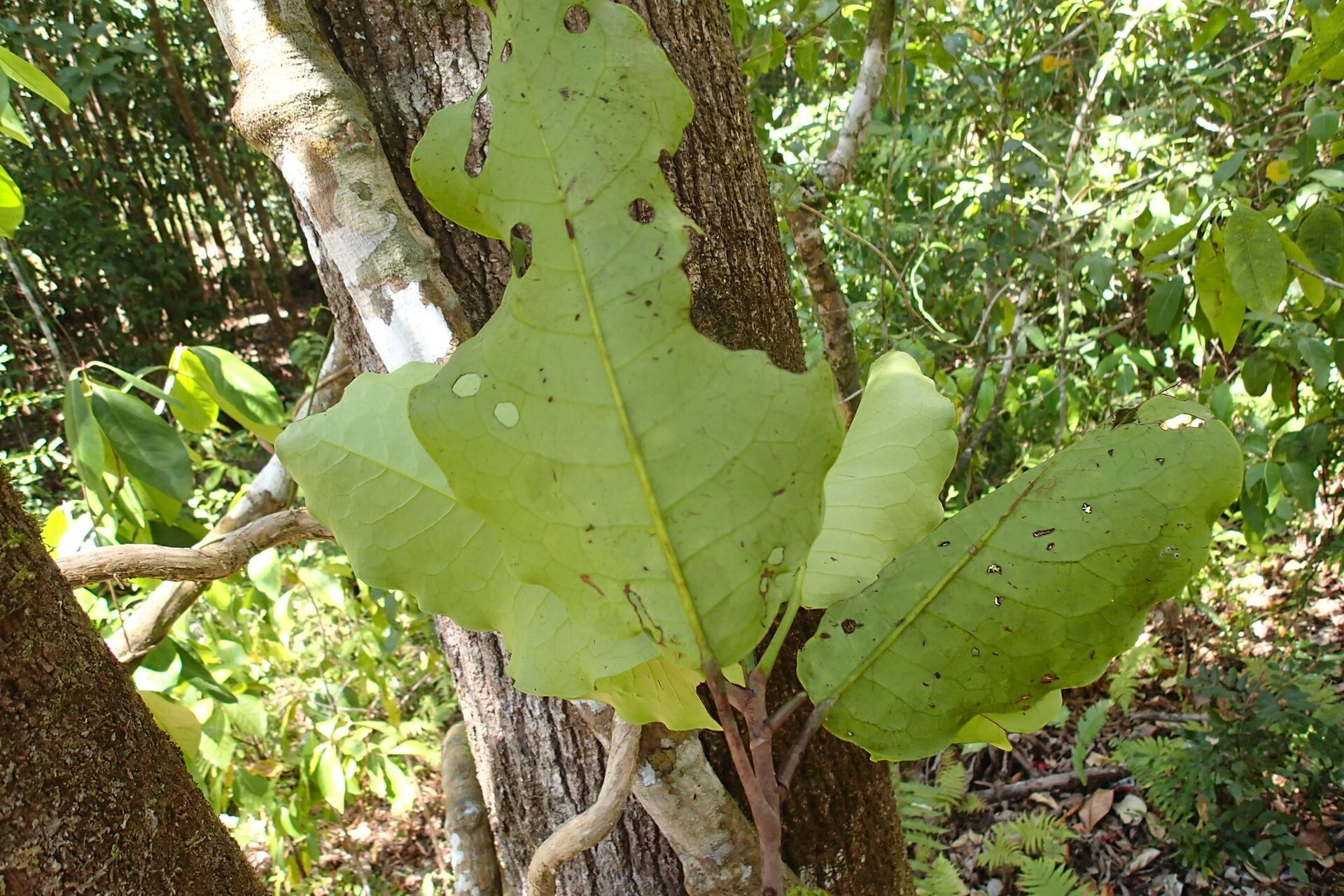
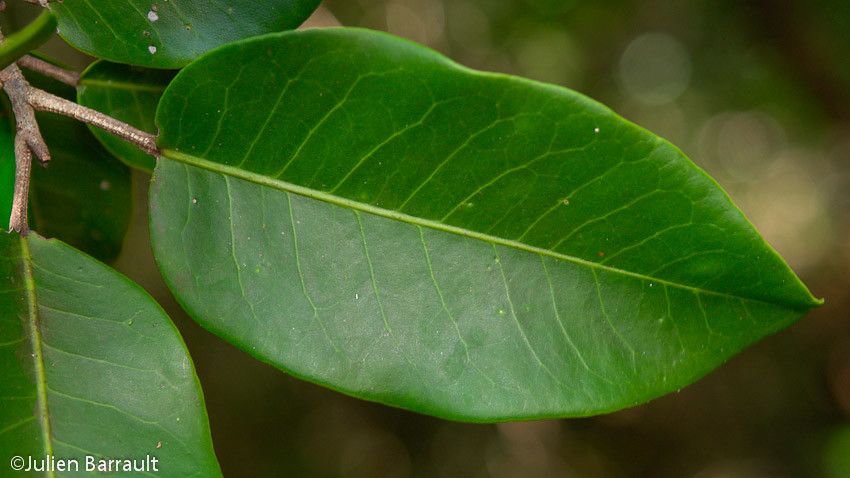
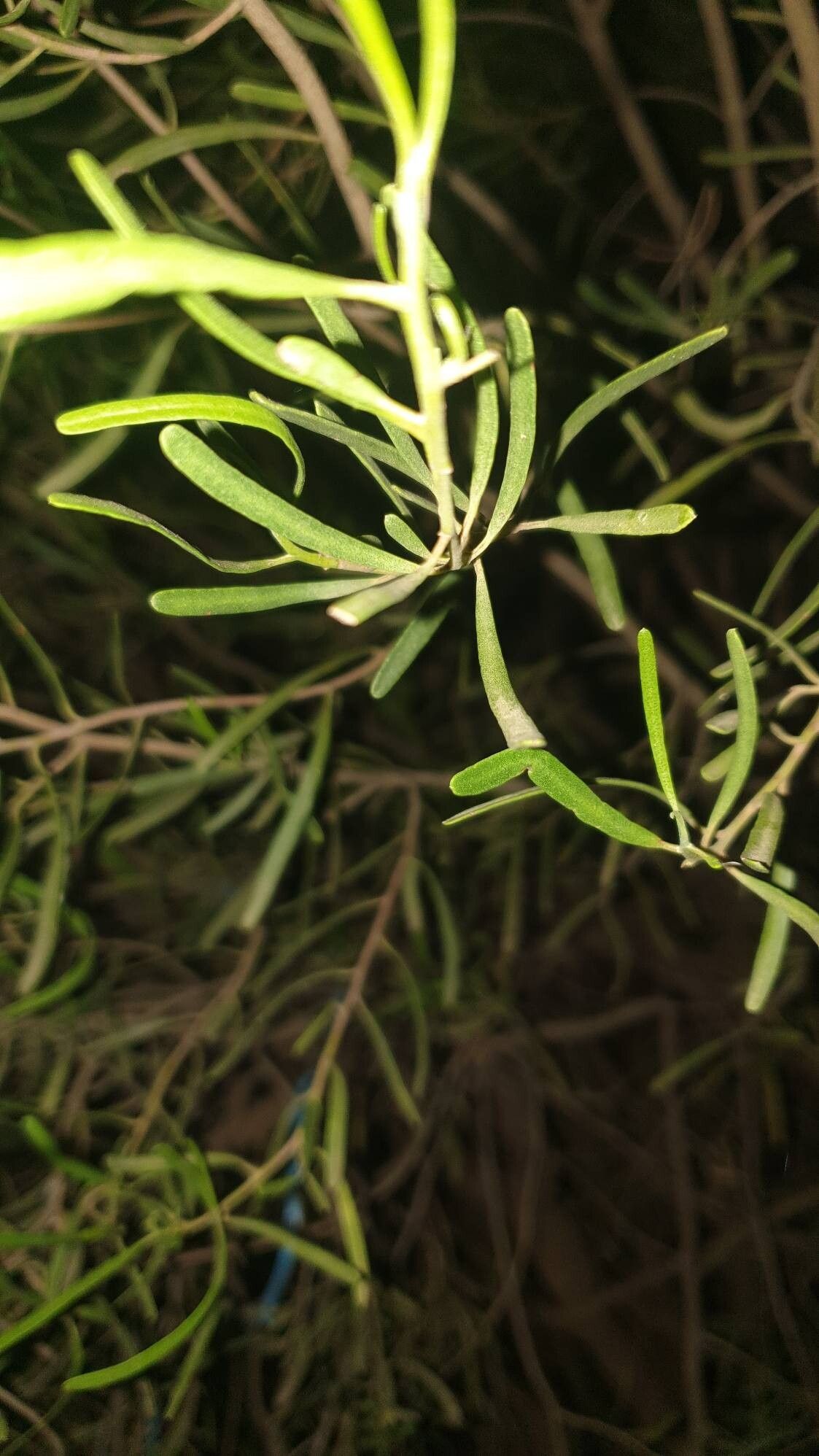
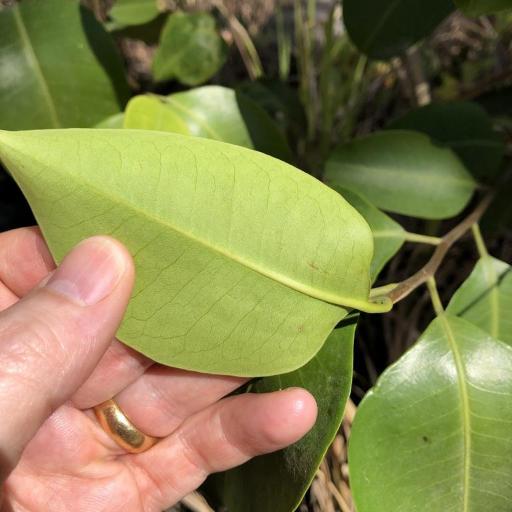
Geijera parviflora, commonly known as Wilga or Australian Willow, is a small to medium-sized tree native to Australia. It belongs to the Rutaceae family and can grow up to 10 meters in height. This tree features a dense, rounded canopy with dark green, lance-shaped leaves that can reach up to 10 cm in length. In spring and summer, the Wilga produces small white flowers, which are followed by woody capsules containing numerous seeds. The bark is smooth and has a greyish-brown color. Geijera parviflora thrives in well-drained soils under full sun or partial shade. While it can tolerate drought conditions, it requires regular watering during its establishment period. This versatile plant serves various purposes: it is valued ornamentally for its attractive foliage and provides ample shade with its dense canopy. Its hardwood is useful for timber production, particularly in furniture making. Additionally, it has medicinal applications for treating ailments such as fever and coughs. Overall, Geijera parviflora is an appealing native Australian plant that offers both aesthetic and functional benefits, making it an excellent addition to any garden or landscape design project.
Wilga has strong disease resistance and is usually not prone to illness. As for care, this plant is fairly low-maintenance. When grown outdoors it needs only minimal watering, and larger specimens typically do not need pruning. However, smaller plants should be pruned once they have finished blooming. Wilgat is suitable for anyone with an outdoor area, such as a garden or deck, and does not require much gardening experience.
How to keep Geijera Parviflora.
Light
Wilga comes from open habitats, such as sunny meadows and forest edges, which offer plenty of light. It does best in Full Sun but can also tolerate Partial Sun, adapting well to a range of sunlight conditions.
Water
Wilga, a plant native to Australia, is highly drought-tolerant and thrives in dry conditions with just weekly watering. It prefers well-draining soil to avoid waterlogging and is usually grown outdoors, where its resilience and adaptability shine during active growth cycles.
Temperature
Wilga is fairly adaptable to temperature, able to withstand high heat and considerable temperature swings. In hot weather, attention should be given to watering and providing sufficient shade to avoid sunburn. On the other hand, Wilga is not very tolerant of low temperatures. It can endure some cold, but very low temperatures can result in frost damage.
Fertilizer
Apply fertilizer to your Wilga in early spring to encourage healthy growth. Regular feeding improves overall health, producing vigorous growth, greater tolerance of harsh conditions, and stronger resistance to pests and diseases. Keep to a specific fertilizing schedule for your Wilga to maintain vibrant foliage with deep color and a lush look.
Pruning
The wilga tree, known for its drought tolerance and evergreen qualities, has a weeping growth habit and aromatic leaves. To maintain its shape and health, it's best to prune the wilga during its dormant winter period. Focus on removing dead branches while allowing for minimal pruning to encourage healthy growth and denser foliage, which helps reduce the risk of disease. Be gentle with your cuts to preserve the tree's natural form.
Botanical profile.
Other names.