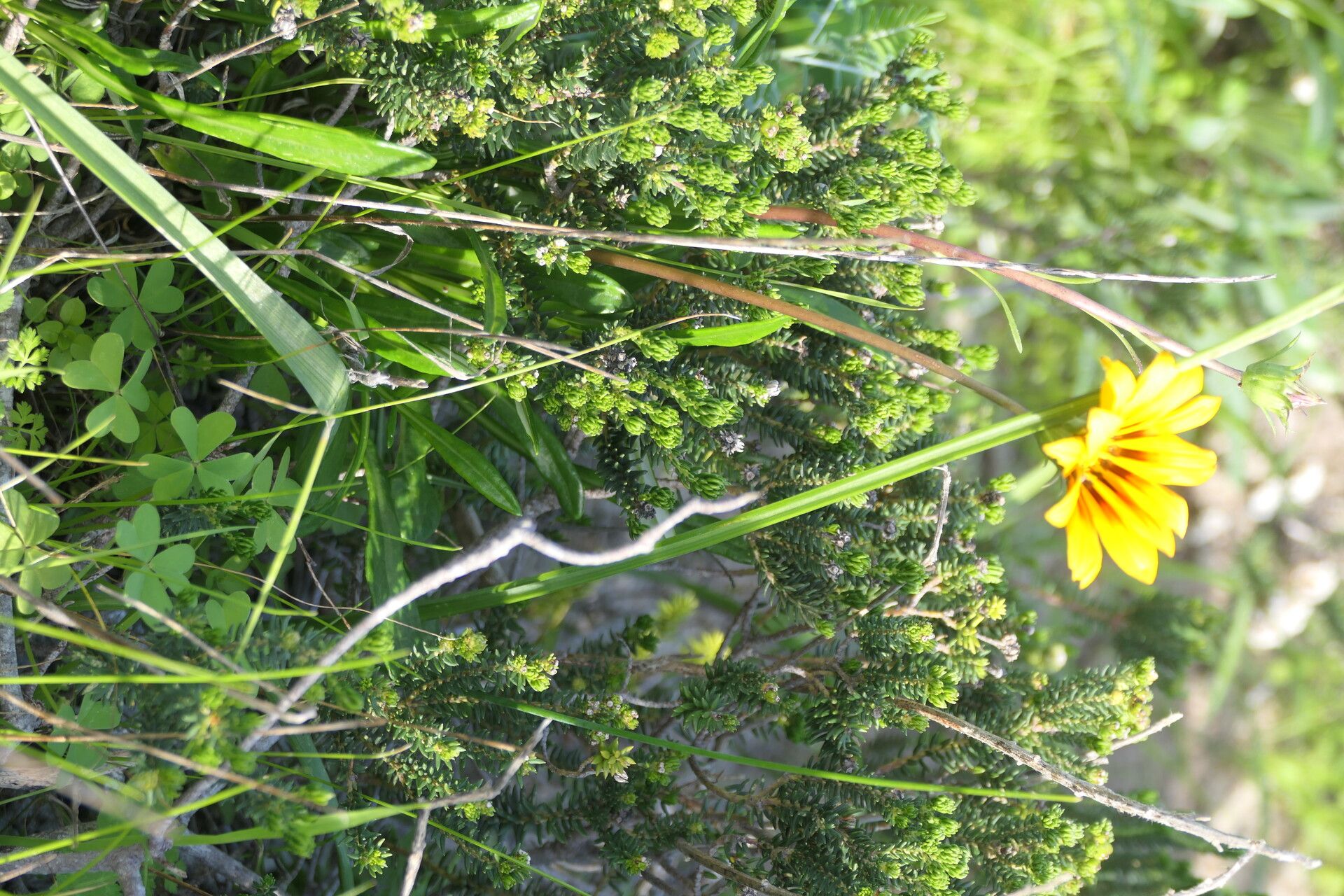
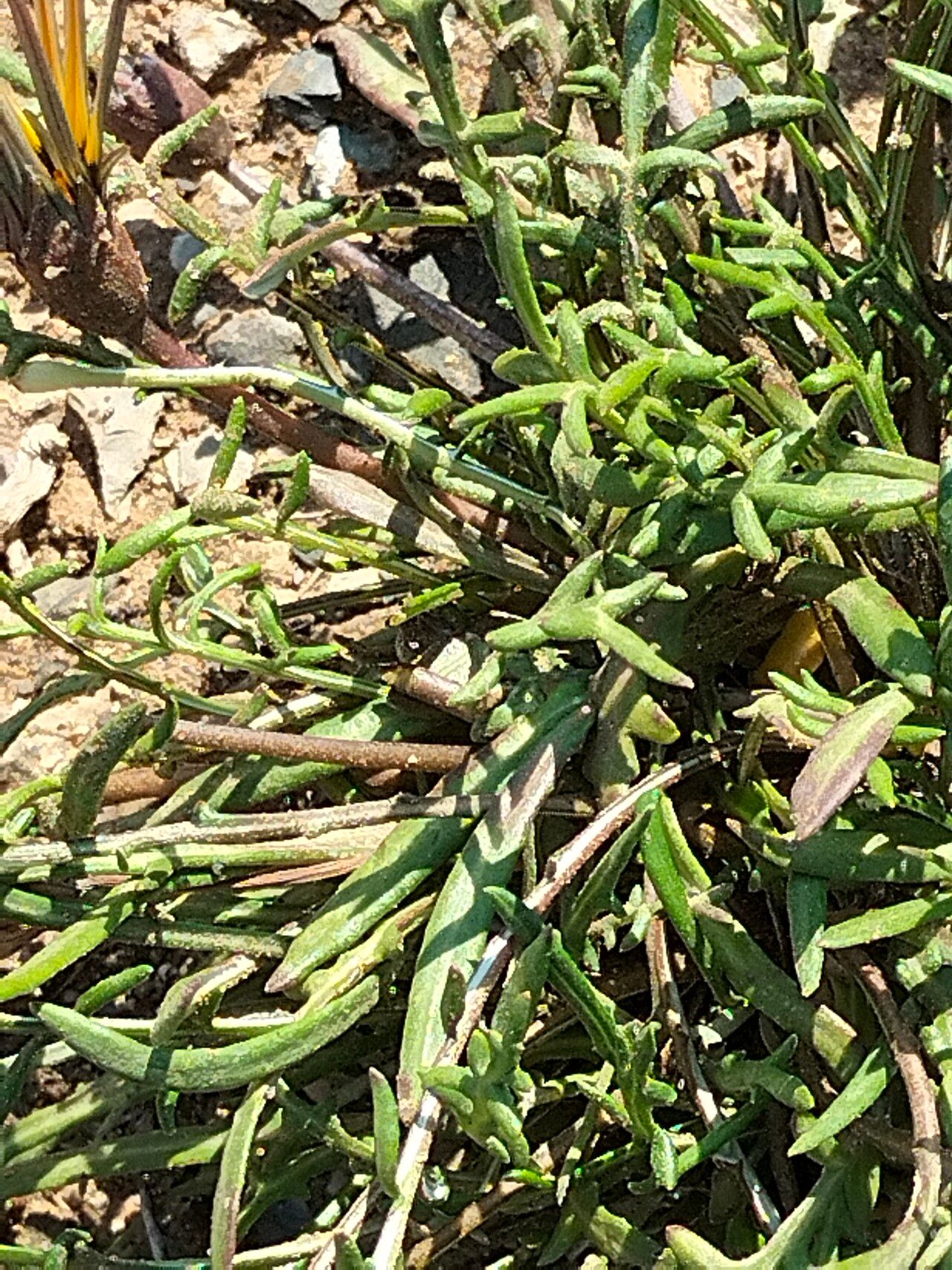
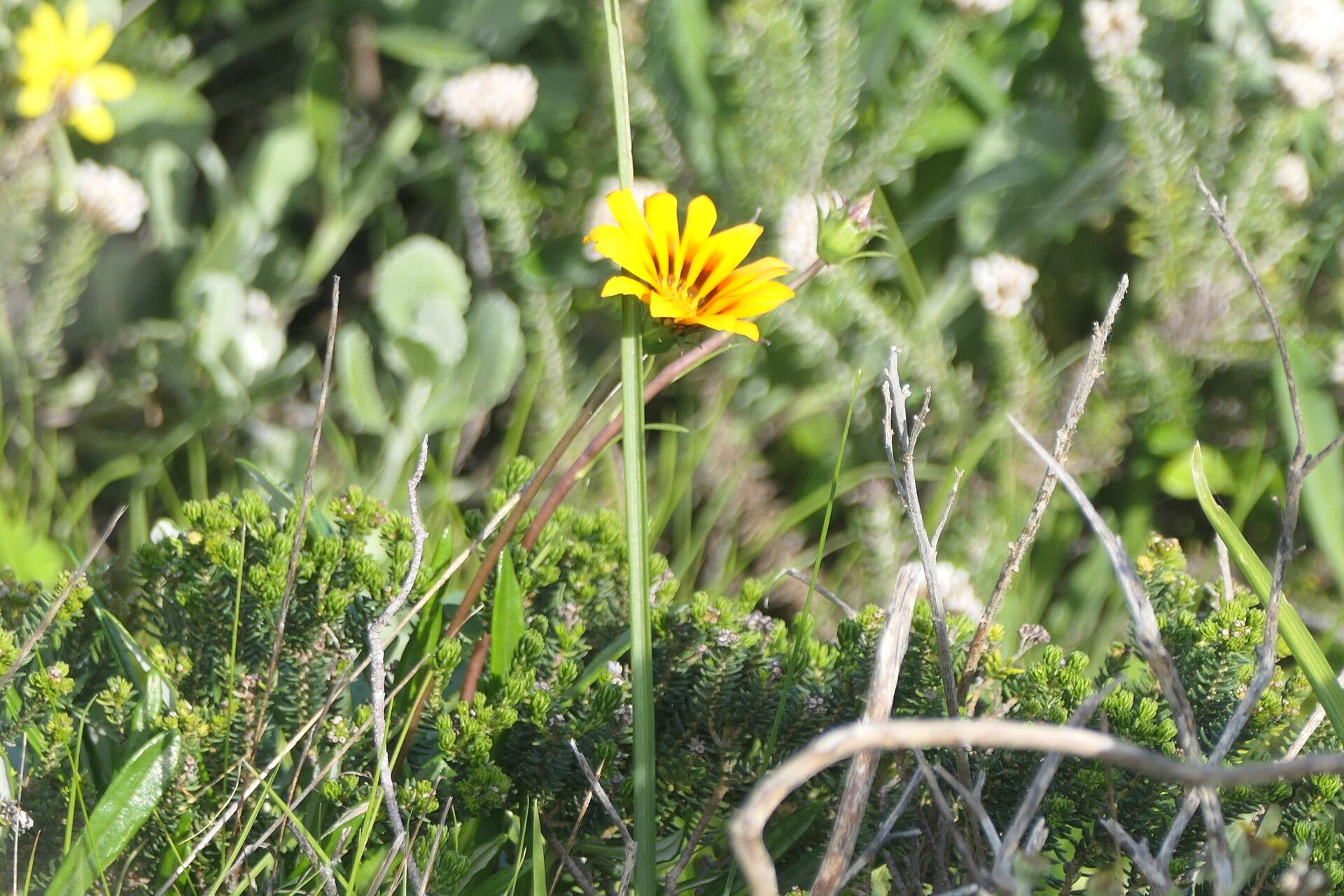
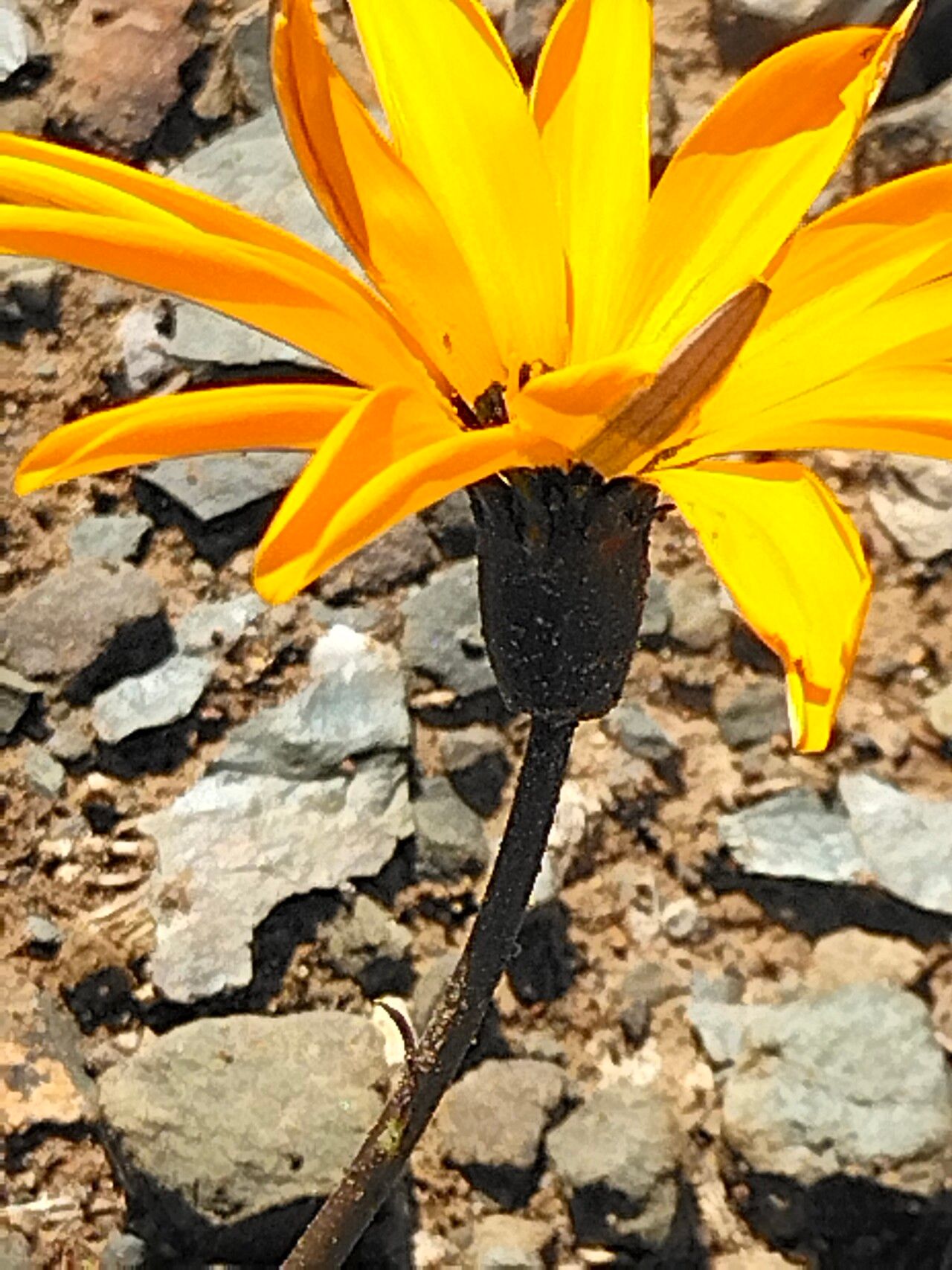
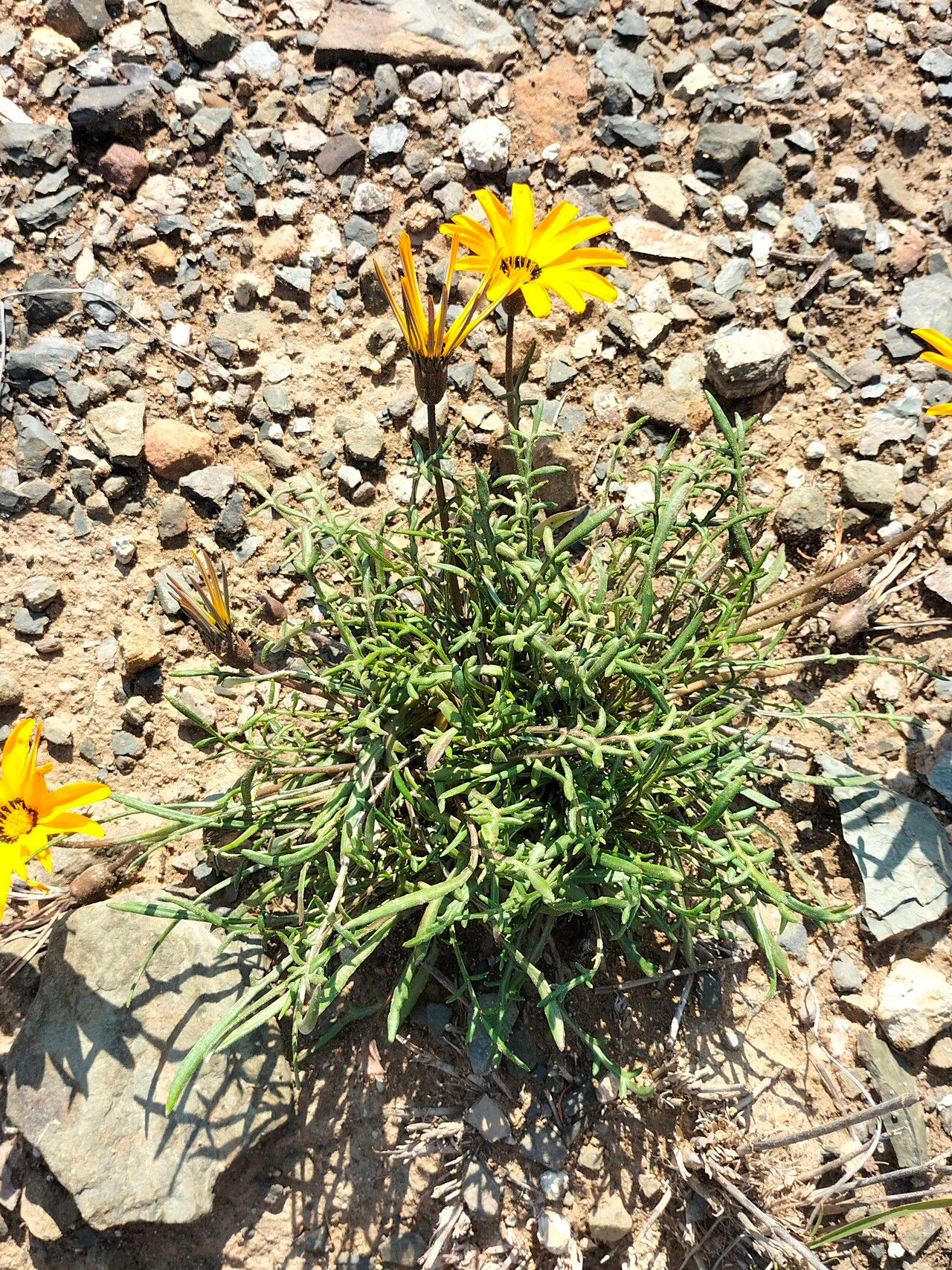
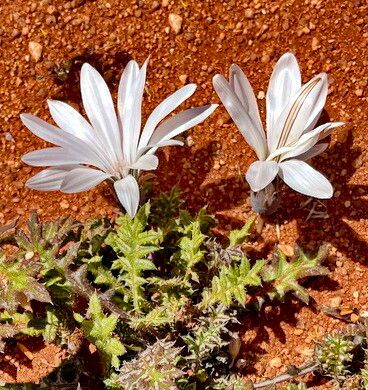
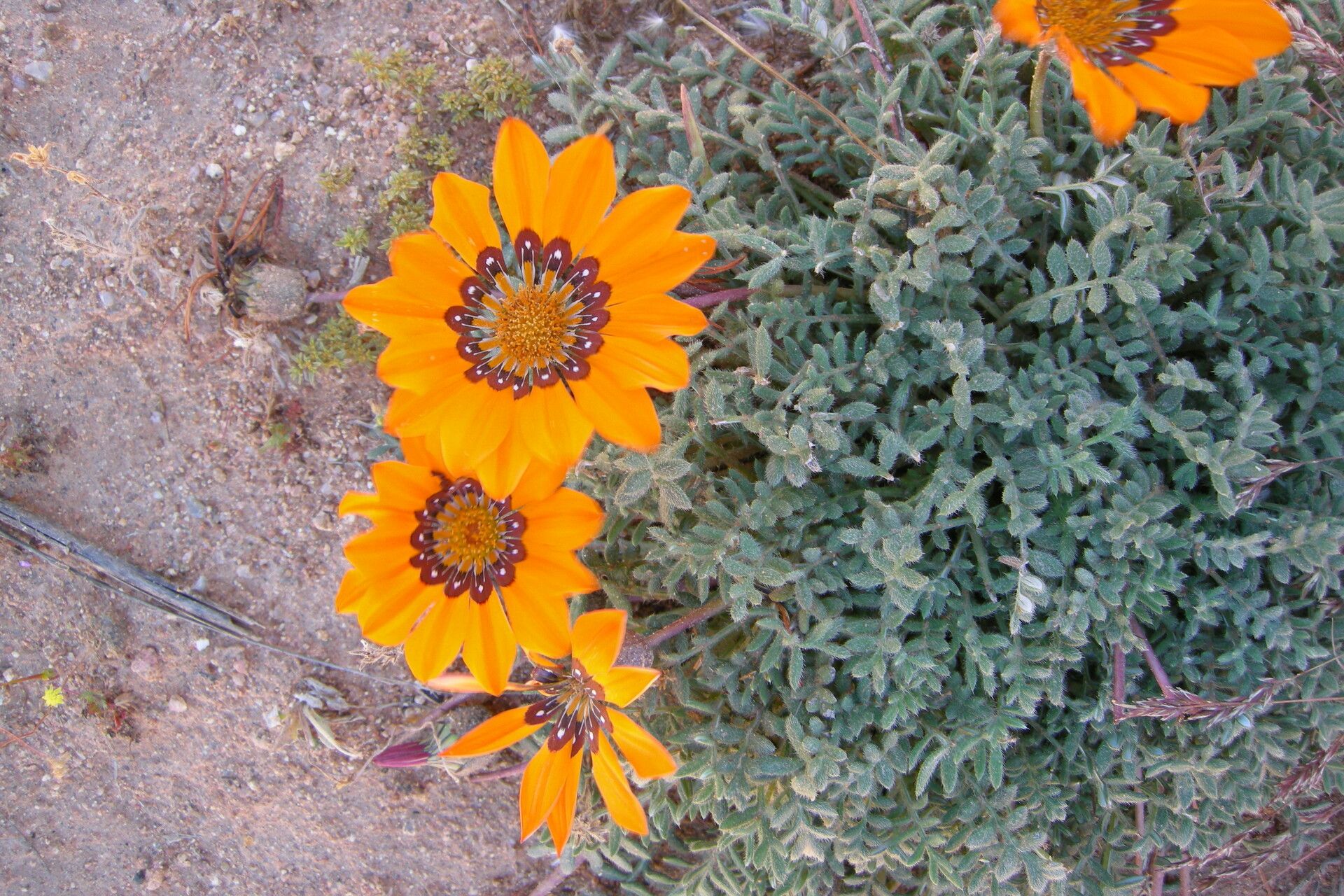
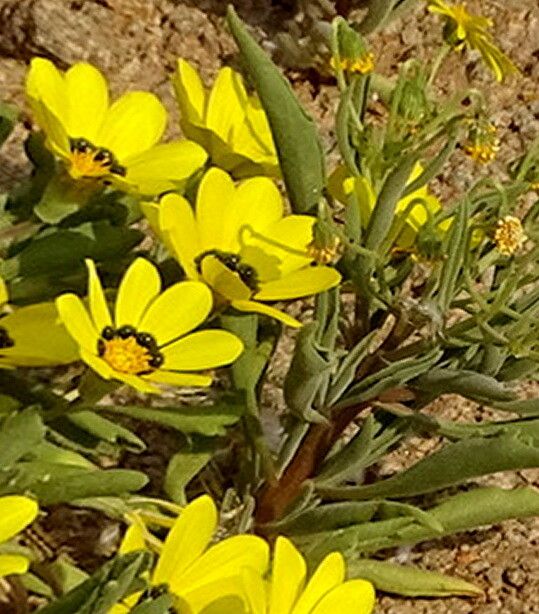
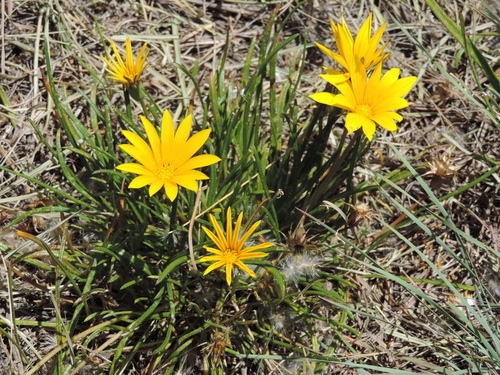
Gazania krebsiana, commonly known as the Treasure Flower, is a species of flowering plant in the Asteraceae family. Native to South Africa, this plant features a low-growing habit and produces beautiful, daisy-like flowers in vibrant shades of yellow, orange, pink, and red. These stunning blooms appear in the summer and attract pollinators such as bees and butterflies.
Gazania krebsiana thrives in well-draining soil with full sun exposure but can also tolerate some shade. Once established, it is drought-tolerant, although it benefits from occasional watering during extended dry periods.
Depending on the climate, the Treasure Flower can be grown as either an annual or a perennial. In regions with frosty winters, it is often best to grow it as an annual or keep it as a potted plant indoors during the winter months.
Overall, Gazania krebsiana makes a beautiful addition to any garden or landscape. Its vibrant colors and low maintenance requirements make it ideal for beginner gardeners looking for easy-to-grow plants that deliver a splash of color throughout the summer months.
Scarlet tanager african daisy has strong resistance to disease and typically does not suffer from illnesses. Nonetheless, it can be affected by pests or diseases present in its environment. Such problems are generally mild. Regarding care, this plant needs moderate maintenance. It requires regular pruning to keep a neat appearance and encourage healthy growth. Applying fertilizer can also help boost flowering. Scarlet tanager african daisy is well suited for anyone with outdoor space, such as a garden or patio, and does not demand extensive gardening experience. It may need more attention when cultivated indoors.
How to keep Gazania Krebsiana.
Light
Scarlet tanager African daisy prefers an environment rich in sunlight, taking most of its energy from clear, unobstructed rays. However, it can tolerate having part of the day in shade. Increased sunlight encourages healthier growth, while a lack of sun can impair development. Its native habitats are often marked by abundant sunlight.
Water
The scarlet tanager African daisy originates from the arid regions of South Africa. It thrives in dry conditions with low water availability, needing watering only every 1-2 weeks. For optimal growth and to prevent root rot, it requires full sun and well-draining soil.
Temperature
Scarlet tanager african daisy originates from temperate regions and has modest temperature requirements of 41 to 100°F (5 to 38℃). It prefers moderately warm conditions. Adjust the temperature to replicate its native habitat, especially during seasonal changes.
Fertilizer
For Scarlet tanager african daisy, the primary time to fertilize is in early spring when the flowers are beginning to form. The proper fertilizer promotes better blooms and helps Scarlet tanager african daisy produce attractive flowers. Fertilizing in early spring ensures strong flowering during the season and supplies energy for dormant growth phases.
Pruning
The Scarlet Tanager African Daisy is known for its vibrant, daisy-like flowers. For optimal growth and health, it's best to prune these plants from early to late spring. Effective pruning techniques include deadheading and light trimming to maintain their shape and vitality. Always use sterilized tools to prevent the spread of diseases. Regular pruning not only encourages vigorous growth but also enhances blooming. For comprehensive care, refer to horticultural guidelines.
Botanical profile.
- Plant Type
- Herb
- Life Cycle
- Perennial
- Genus
- Gazania
- Family
- Asteraceae
- Hardiness Zone
- 5-11
- Mature Height
- 15 cm
- Mature Spread
- 30 cm
- Leaf Color
- Dark Green, Gray
- Leaf Type
- Semi-evergreen
- Flower Color
- Orange, Yellow, Red
- Flower Size
- 6.35 cm
- Bloom Time
- All year round
- Planting Time
- Spring, Autumn
- Harvest Time
- Late spring, Summer, Fall, Winter, Early spring, Mid spring
Other names.
Reader questions.
What are the sunlight requirements for Scarlet tanager african daisy?
Scarlet tanager african daisy, scientifically known as Gazania krebsiana, thrives in environments abundant with sunlight, ideally in full sun conditions which equate to above 6 hours of sunlight. It can also adapt to partial sun, meaning about 3-6 hours of sunlight. It's important to carefully observe the movement of sunlight through your garden to pick spots that offer the right balance of light and shade, ensuring the plant's optimal growth and health.
What are the ideal temperature conditions for growing a Scarlet Tanager African Daisy?
The Scarlet Tanager African Daisy, also known as Gazania krebsiana, thrives best in temperate regions and prefers moderate temperatures ranging from 41 to 100°F (5 to 38°C). It is particularly important to adjust the temperature to mimic its native habitat, especially during seasonal changes. The plant has strong resistance to cold, and special frost protection measures are usually not necessary. However, if winter temperatures are expected to drop below -25°C, it's crucial to provide cold protection by covering the plant with soil or straw and watering it abundantly before the first freeze in autumn to ensure the soil remains moist.
How does Sunlight affect the growth of Scarlet tanager african daisies?
Sunlight plays a crucial role in the growth of Scarlet tanager african daisies. These plants favor a setting that is rich in sunlight, deriving most of their energy from clear, unobstructed beams. While they can tolerate some shade, healthier growth is promoted with more exposure to sunlight. Conversely, a lack of sufficient sunlight can hinder development. Their native habitats usually feature prolific sunlight, showcasing the importance of adequate light for their thriving.
What should I do if the Scarlet Tanager African Daisy experiences low temperatures?
The Scarlet Tanager African Daisy is cold-tolerant and can thrive when the temperature is above 5°C. In winter, it's essential to keep the temperature above -20°C. If the temperature falls below -25°C, you might not notice changes during the winter, but there could be a decrease in sprouting or even no sprouting come springtime. To combat this, in spring, you should remove any parts of the plant that have failed to sprout.
What should I do if my indoor Scarlet tanager african daisies don't get enough natural light?
For indoor Scarlet tanager african daisies not receiving enough natural light, artificial lighting provides an effective solution. Ensure adequate lighting, especially during winter or in less sunny spaces, to support optimal growth. LED lights are beneficial as they can be customized to offer specific light wavelengths needed by the plant. Full sun plants require 30-50W/sq ft of artificial light, partial sun plants need 20-30W/sq ft, and full shade plants 10-20W/sq ft. The light source should be placed 12-36 inches above the plants, mimicking natural sunlight for 8-12 hours per day to cater to most plant species' needs.
How do I care for the Scarlet Tanager African Daisy during high temperatures?
During the summer, it's important to ensure the Scarlet Tanager African Daisy does not get exposed to temperatures above 38°C. Exposure to temperatures exceeding 43°C can cause the leaves to lighten in color, curl, become prone to sunburn, and in severe cases, the entire plant may wilt and dry up. To counteract these effects, trim away the sunburned and dried-up parts, move the plant to a location that offers shade from the midday and afternoon sun, or use a shade cloth. It’s also advisable to water the plant in the morning and evening to keep the soil moist.
What are the warning signs of insufficient sunlight in Scarlet tanager african daisies?
When Scarlet tanager african daisies don't receive enough sunlight, several symptoms may appear. Look out for smaller new leaves, leggy or sparse growth, premature leaf drop, slower or halted growth, and paler new leaves. These signs indicate insufficient light exposure. Additionally, chlorosis, leaf curling, sunscald, wilting, or leaf scorching could also occur due to excessive sunlight, showcasing the delicate balance required for optimal plant health.
How can I improve light exposure for my Scarlet tanager african daisies?
To enhance light exposure for Scarlet tanager african daisies, gradually move them to locations with more sunlight, aiming for at least 6 hours of direct light daily. For indoor plants, consider using south-facing windows and keeping curtains open or supplementing with artificial light for 8 hours daily. For outdoor plants, avoid sudden changes in light intensity to prevent sunburn. Addressing obstructions can also help; if trees block the sunlight, trimming them might be necessary. For smaller plants, consider transplanting during their dormant period to a sunnier spot with good drainage.