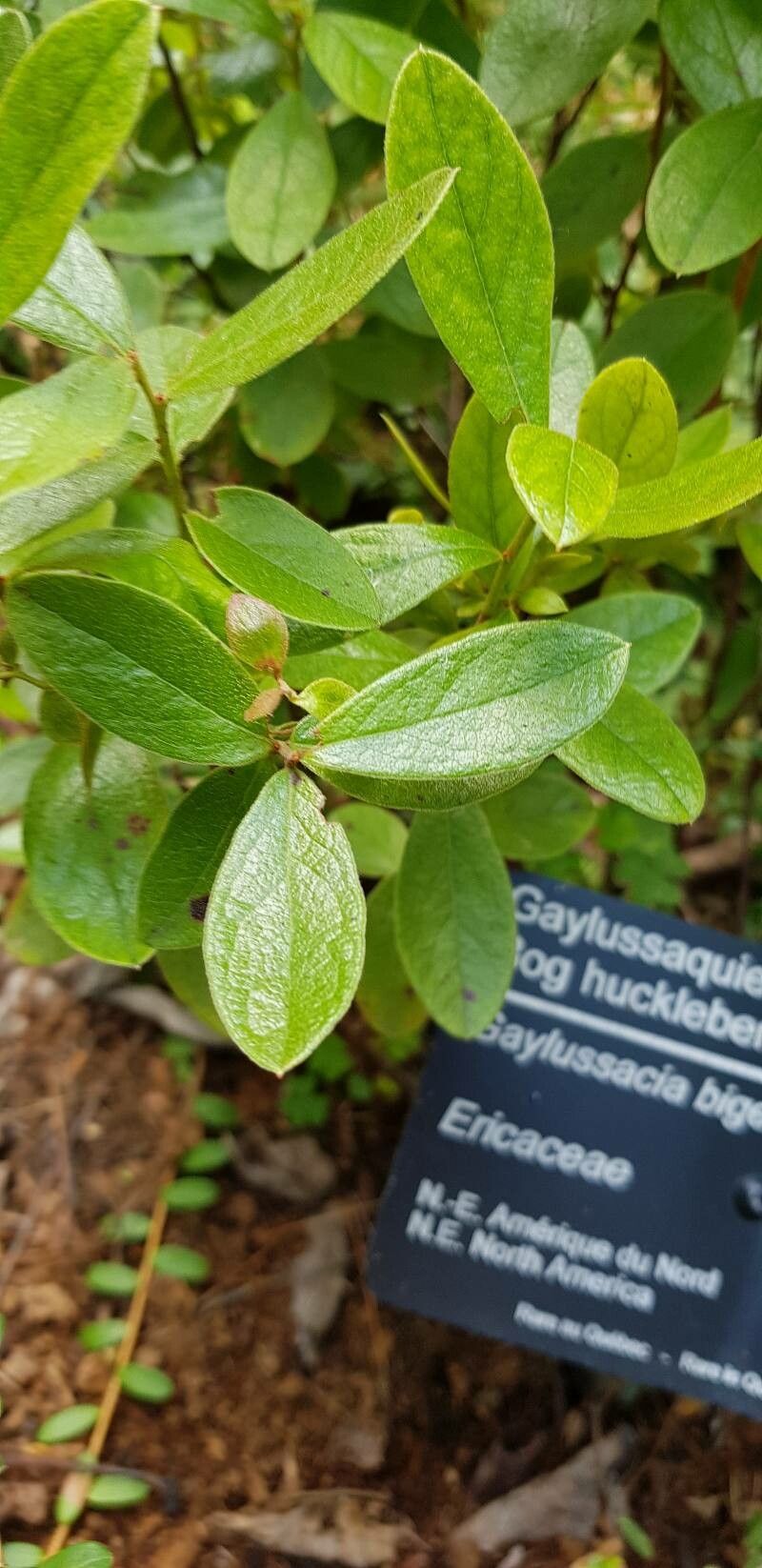
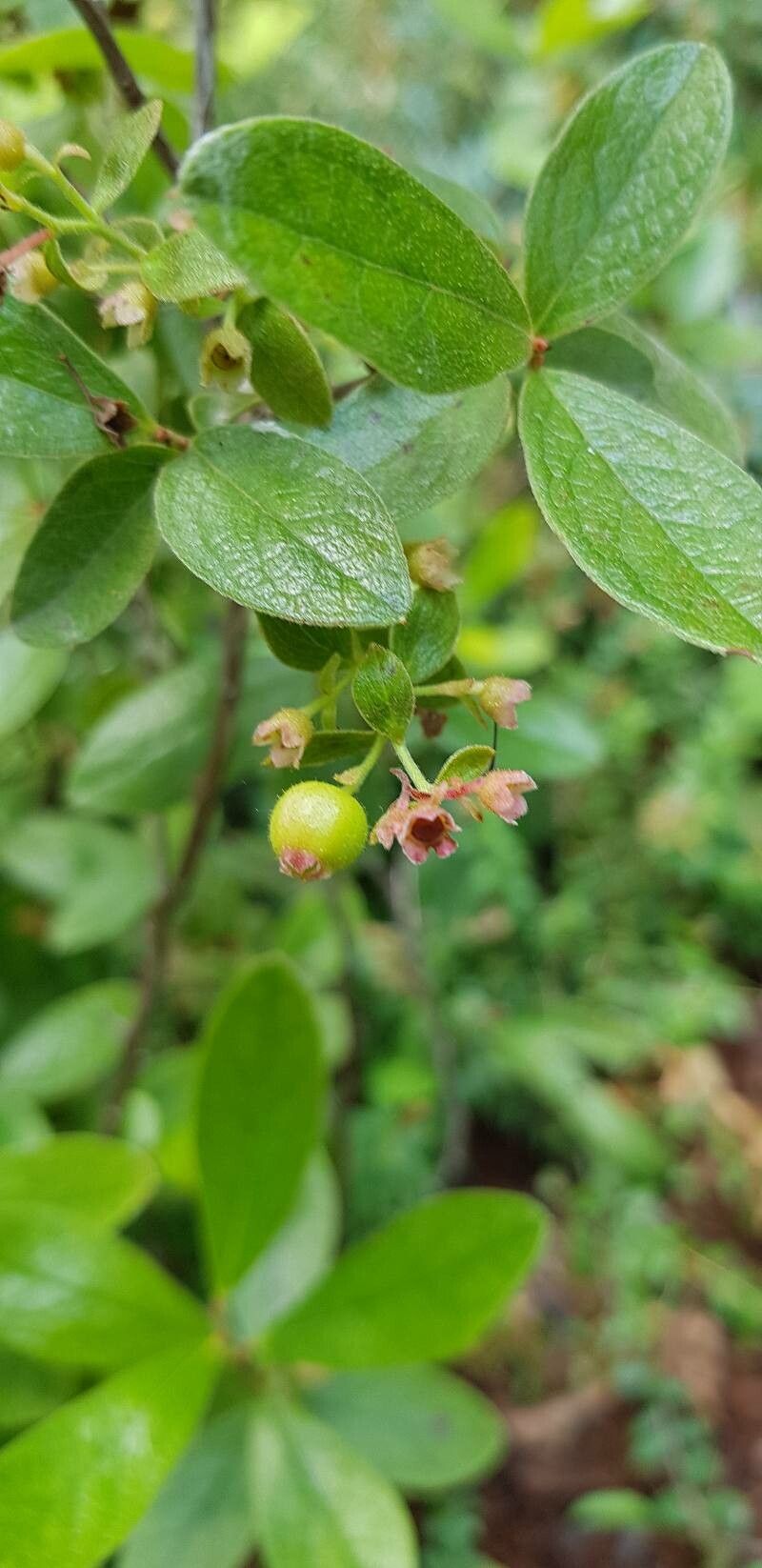
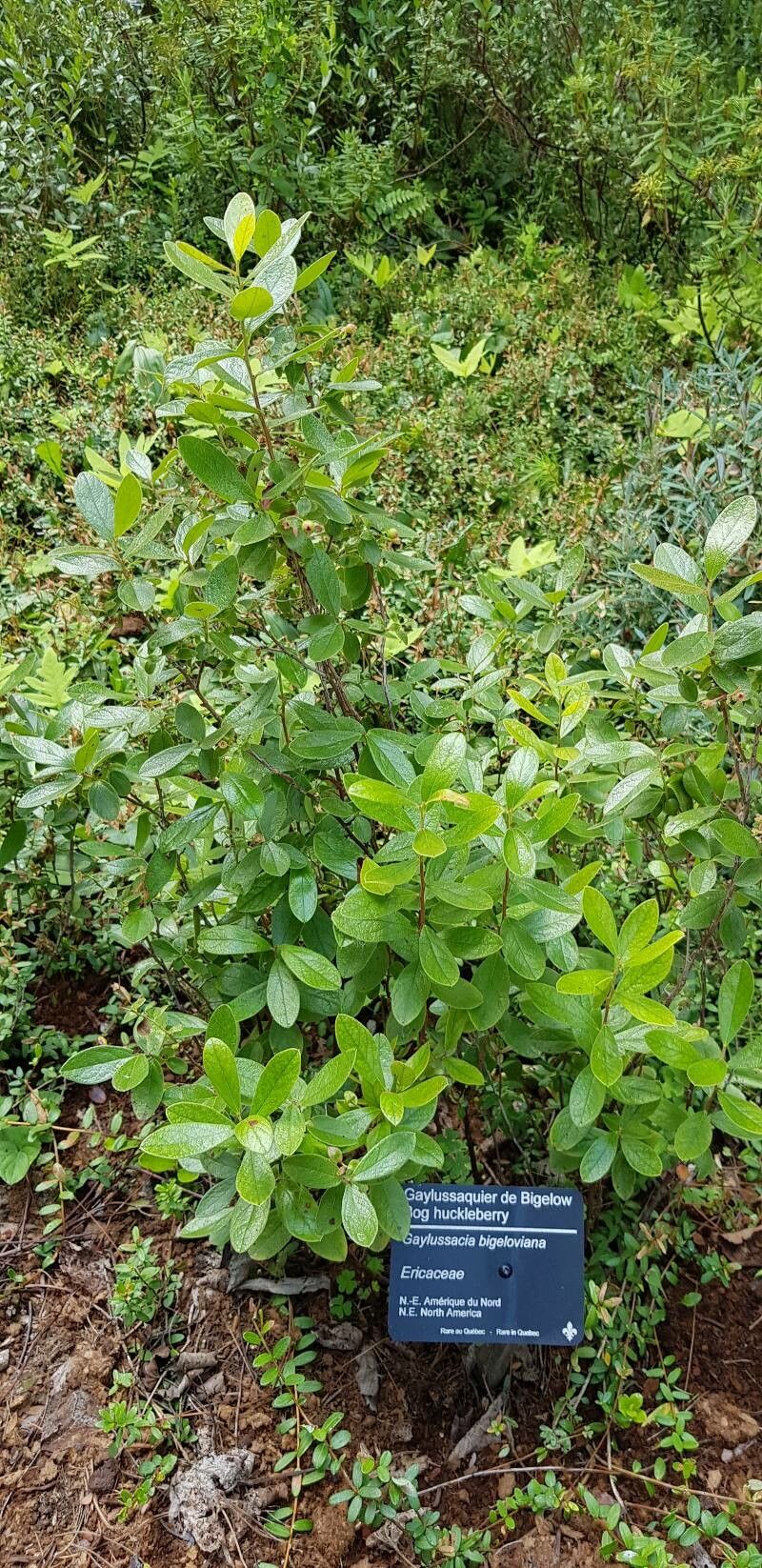
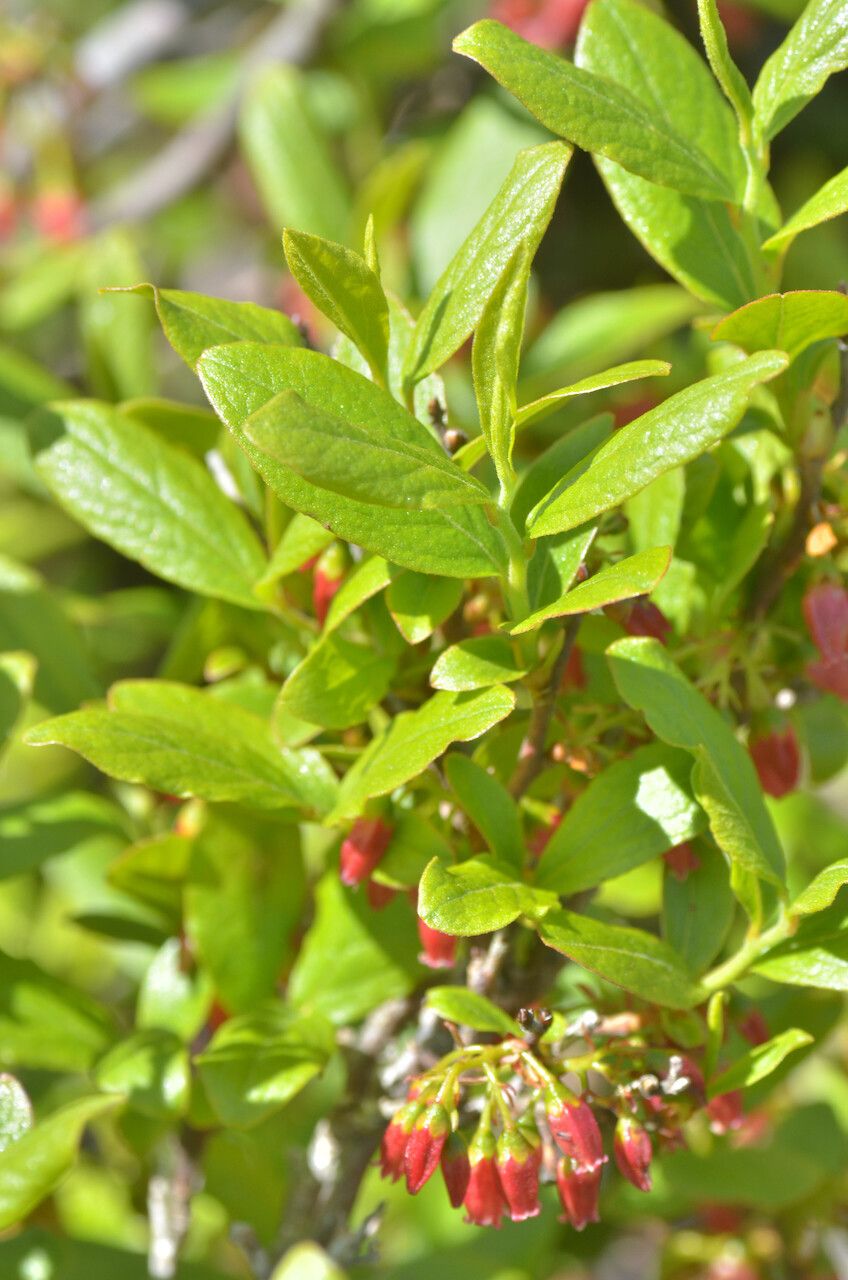
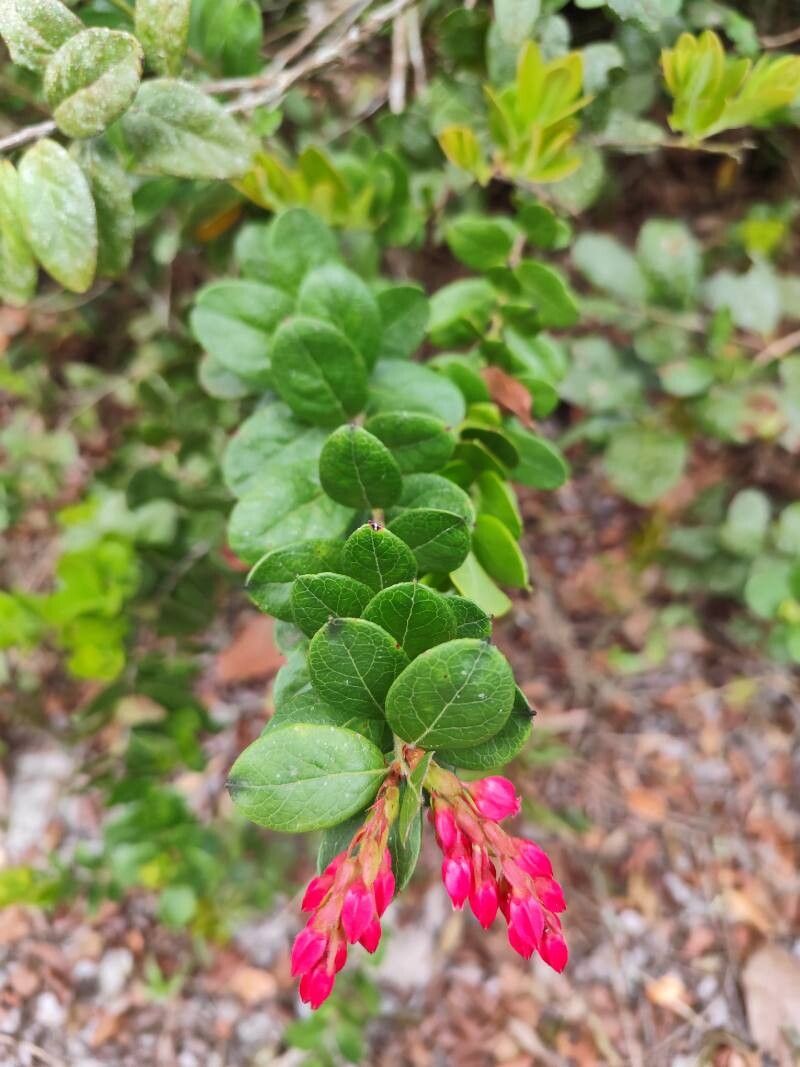
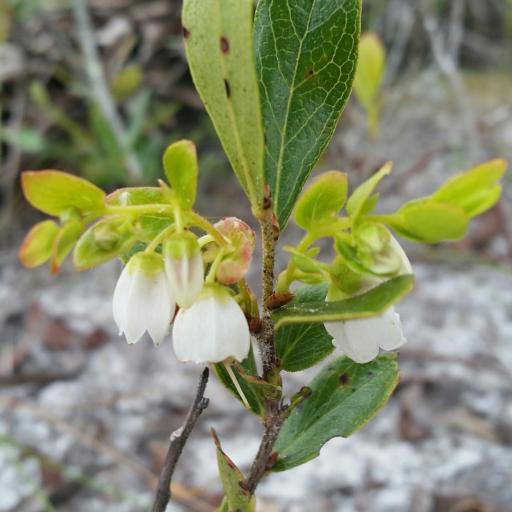
Gaylussacia bigeloviana, also known as the northern dwarf huckleberry or in French as the gaylussaquier de Bigelow, is a plant species native to the coastal plains of eastern Canada and the eastern United States. It grows from Newfoundland to South Carolina in swamps and marshes, including acidic bogs alongside Sphagnum peatmosses.
Northern dwarf huckleberry has strong disease resistance and is generally not susceptible to diseases. As for care, this plant is fairly low-maintenance. Planted outdoors, it needs little watering, and larger plants typically do not require pruning. Smaller plants should be pruned after they have bloomed. Northern dwarf huckleberry is suitable for anyone with an outdoor area, such as a garden or deck, and does not require extensive care experience.
How to keep Gaylussacia Bigeloviana.
Light
Northern dwarf huckleberry naturally occurs in habitats like forest understories or rocky areas, where it grows in natural shade. It prefers partial sun but can tolerate both full sun and full shade, demonstrating its versatility and hardiness.
Water
The Northern dwarf huckleberry thrives in environments with consistent moisture and high humidity, preferring moist, acidic soils. To mimic its natural habitat, it's best to water the plant twice a week. Since it's an understory plant, it also grows well indoors. Using mulch can be helpful in retaining soil moisture during the active growing season.
Temperature
Northern dwarf huckleberry is highly adaptable to a range of climate conditions, whether facing hot summers or cold winters. However, it does have an optimal temperature range for growth. If temperatures become excessively high, the plant is susceptible to heat and humidity stress, which can cause it to die. In areas where temperatures approach the lower limit of its cold tolerance, it is important to implement insulation measures to protect the plant.
Fertilizer
Proper timing is essential for fertilizing Northern dwarf huckleberry. Apply fertilizer in early spring and continue monthly until early summer. Fertilizer encourages attractive blooms and supplies energy during both dormant and active growth periods.
Pruning
The Northern dwarf huckleberry is a deciduous shrub known for its small, edible berries and glossy leaves. To promote growth, enhance air circulation, and boost berry yield, it is beneficial to prune the plant annually in early spring. During pruning, concentrate on removing any dead or crossing branches to maintain the shrub’s shape and prevent overcrowding.
Botanical profile.
- Plant Type
- Vine, Shrub
- Life Cycle
- Perennial
- Genus
- Gaylussacia
- Family
- Ericaceae
- Hardiness Zone
- 3-7
- Mature Height
- 30 cm to 61 cm
- Mature Spread
- 30 cm to 61 cm
- Leaf Color
- Dark Green
- Leaf Type
- Evergreen
- Flower Color
- Pink, White
- Flower Size
- 0.51 cm to 0.76 cm
- Bloom Time
- Mid spring, Late spring
- Planting Time
- Spring, Summer
- Harvest Time
- Mid summer, Late summer, Early fall
Other names.