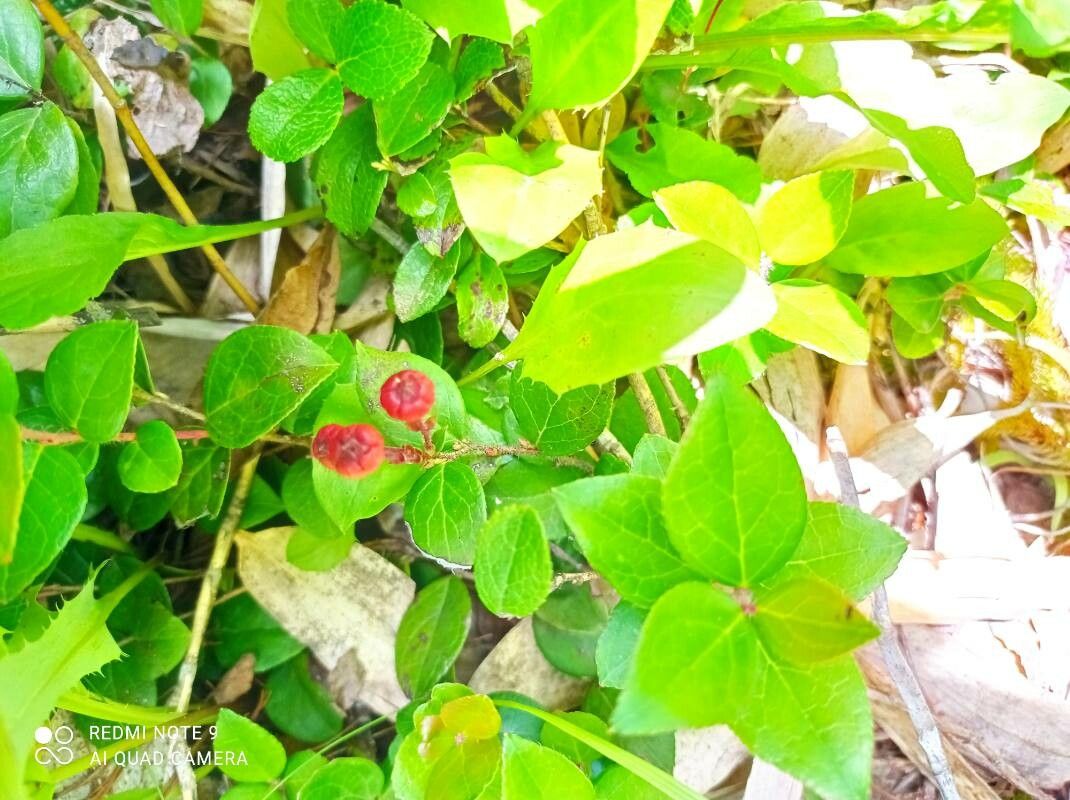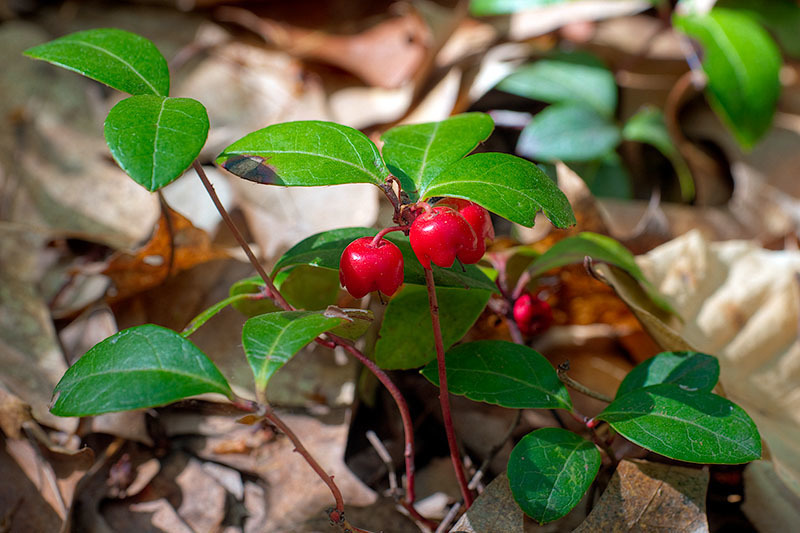
Gaultheria procumbens, commonly known as wintergreen, is a low-growing evergreen shrub that belongs to the Ericaceae family. Native to North America, wintergreen can be found in the eastern regions of Canada and the United States. The plant typically reaches a height of up to 15 cm and spreads out to about 30 cm wide.
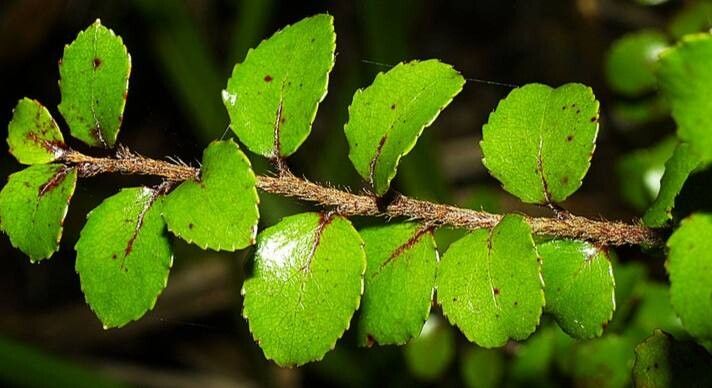
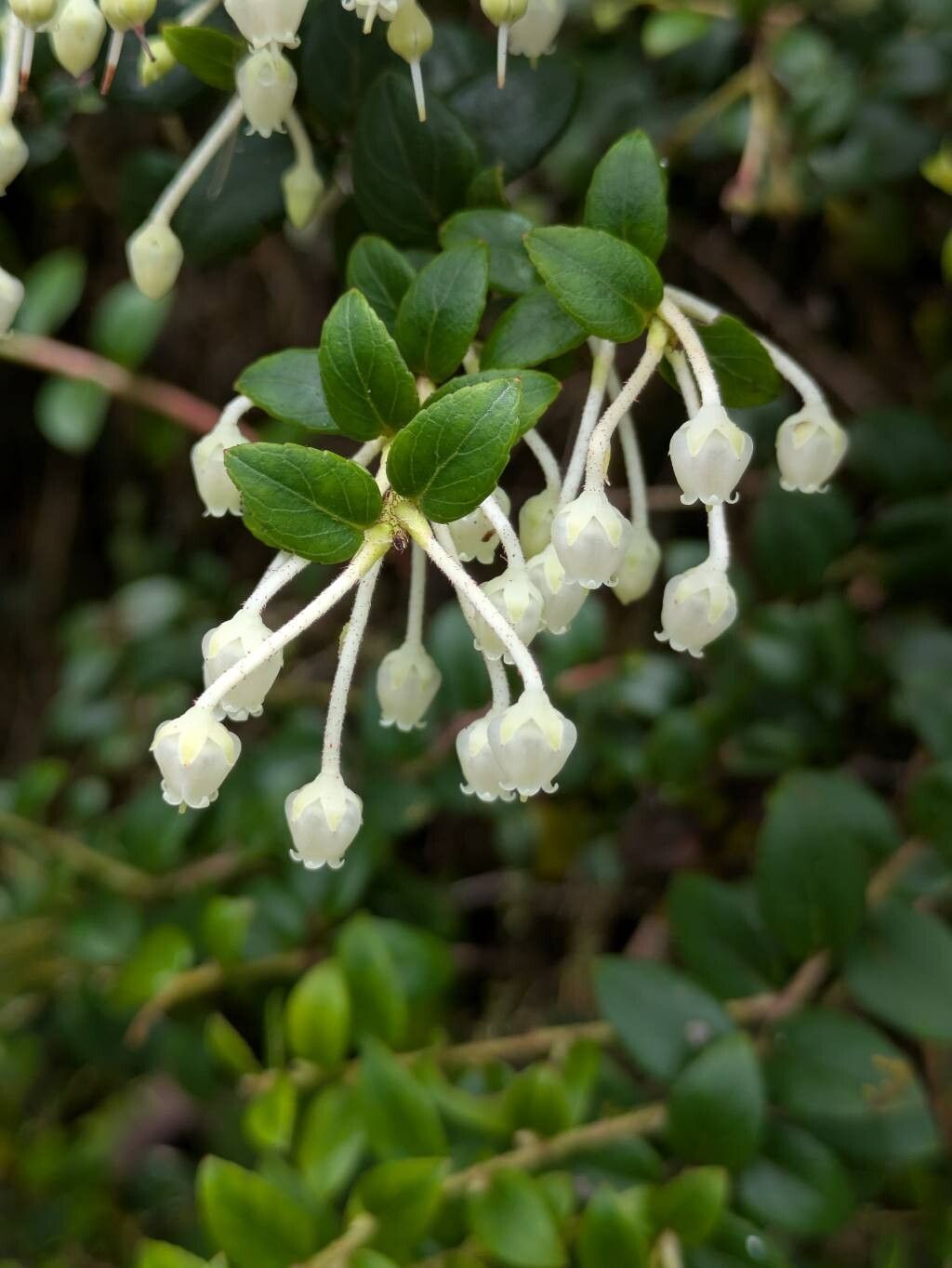
This shrub boasts glossy, dark green leaves that are oval-shaped with serrated edges. When crushed or bruised, the leaves release a strong, minty aroma. In late spring or early summer, small white or pinkish flowers bloom on short stalks at the base of the leaves.
Wintergreen also produces small red berries that ripen in late summer and persist through winter. While these berries are edible, they have a bitter taste due to their high concentration of methyl salicylate, a compound used in aspirin production.
For centuries, Native Americans have utilized wintergreen for its anti-inflammatory properties. Today, it is also a common ingredient in chewing gum, toothpaste, mouthwash, and other oral care products, thanks to its refreshing minty flavor.
Overall, Gaultheria procumbens is an attractive evergreen shrub with aromatic foliage that provides year-round interest and offers medicinal benefits, making it valuable beyond ornamental purposes alone.
Wintergreen is well resistant to disease and is generally not susceptible to illnesses. In terms of care, this plant is relatively low-maintenance. When grown outdoors it needs minimal watering, and larger plants typically do not require pruning. However, smaller plants should be pruned after they have finished blooming. Wintergreen is suitable for anyone with an outdoor area, such as a garden or deck, and does not demand a lot of care experience.
How to keep Gaultheria Procumbens.
Light
Wintergreen thrives in locations that provide a mix of shade and sun, preferring somewhat lower light levels. This tendency comes from its beginnings in woodland undergrowth. Excessive exposure can burn the leaves, while insufficient light may stunt growth, so a moderate balance is necessary.
Water
Wintergreen grows best in moist, well-drained soil and needs to be watered every 1-2 weeks. It adapts easily to indoor settings, thriving with consistent moisture levels while avoiding overwatering. Being an evergreen, wintergreen keeps its leaves throughout the year, demonstrating effective water usage and storage.
Temperature
The wintergreen plant comes from temperate areas and prefers temperatures from 32 to 90 ℉ (0 to 32 ℃). It can thrive in hot summers as well as cold winters and is able to adapt to shifting temperatures. In winter, it’s important to guard the plant against strong winds and severe temperature swings.
Fertilizer
To encourage healthy growth, feed your Wintergreen in early spring. Regular feeding improves overall health, leading to robust growth, increased tolerance to harsh conditions, and enhanced resistance to diseases and pests. Follow a set fertilization routine for your Wintergreen to maintain vibrant, deeply colored, and lush foliage.
Pruning
This plant does not require any pruning or mowing.
Pot & Repot
When repotting Wintergreen, select a pot 1-2 inches (2.5–5.1 cm) larger that has ample drainage. Use a well-draining potting mix. Repot in spring or fall, making sure the root ball sits slightly lower than the rim of the flower pot. Water thoroughly after repotting and place it in a warm spot with indirect sunlight.
Botanical profile.
- Plant Type
- Shrub
- Life Cycle
- Perennial
- Genus
- Gaultheria
- Family
- Ericaceae
- Hardiness Zone
- 3-8
- Mature Height
- 10 cm to 15 cm
- Mature Spread
- 15 cm to 30 cm
- Leaf Color
- Green, Red
- Leaf Type
- Evergreen
- Flower Color
- White, Pink
- Flower Size
- 0.76 cm to 1.02 cm
- Bloom Time
- Early summer, Mid summer
- Planting Time
- Spring, Autumn
- Harvest Time
- Mid summer, Late summer, Fall, Winter
- Native Area
- Eastern North America from Georgia to Newfoundland
Other names.
Reader questions.
How should I water my Wintergreen plant?
Your Wintergreen plant is not picky about how you water it. You can use any common watering tool, like watering cans, hoses, or even cups. It's important to apply the water directly to the soil, making sure to moisten all areas evenly to provide water for the entire root system. Using filtered water is helpful as tap water may contain harmful particles. Additionally, using water at room temperature or slightly warmer is best, as colder or hotter water can shock the Wintergreen. However, the plant usually responds well to any kind of water.
Why should I use fertilizer on my Wintergreen plant?
If you own Wintergreen, fertilizing it regularly can contribute to its overall health. Properly supplying nutrients leads to stronger growth and increased ability to withstand challenging growing conditions, as well as better defense against diseases and pests. The foliage of Wintergreen is particularly attractive, so it's important to prioritize its preservation. To achieve this, follow a regular fertilization schedule tailored to your specific Wintergreen variety. This will encourage the development of vibrant and lush leaves.
What are the sunlight requirements for wintergreen plants?
Wintergreen plants require different amounts of sunlight depending on their specific needs, which can be categorized as partial sun or full shade. Partial sun means the plant should receive about 3-6 hours of sunlight daily, while full shade indicates it needs less than 3 hours of sunlight per day. It's crucial to observe how sunlight moves through your garden to find spots that offer the right balance of light and shade, ensuring the plants' well-being.
What is the native environment of the wintergreen plant?
The wintergreen plant, botanically known as Gaultheria procumbens, is native to temperate regions. It thrives in a broad temperature range from 32 to 90°F (0 to 32°C), making it adaptable to both hot summers and cold winters. This resilience allows it to adjust well to varying temperatures, showcasing its versatility in different climatic conditions.
What should I do if I give my Wintergreen plant too much or too little water?
Outdoor plants, especially newly planted ones or seedlings, are susceptible to not being watered enough. Remember to water them sufficiently for the first few months, while the tree is small or recently planted. Once the roots are established, the tree can rely on rain most of the time. When Wintergreen plants are in pots, overwatering is more likely to happen. If you accidentally overwater your Wintergreen, you should take immediate action to fix the situation. First, stop watering the plant to minimize the effects of overwatering. Then, remove the Wintergreen from its pot to check its roots. If you see no signs of root rot, you can return the plant to its container. However, if there are signs of root rot, trim affected roots and apply a fungicide to prevent further damage. Finally, repot the Wintergreen in well-draining soil. On the other hand, if your Wintergreen is underwatered, simply water it more frequently. Underwatering is usually easy to fix. If the plant has drooping, dry, or falling leaves, they will quickly recover and become fuller after sufficient watering. Correct your watering frequency as soon as you notice underwatering.
When should I fertilize my Wintergreen plant?
The best time to fertilize your Wintergreen is either in late winter or early spring. This gives your plant the necessary nutrients for healthy growth when the weather warms up. If you live in a warm climate region, it can be beneficial to provide an additional fertilizer feeding in early fall. This adds more nutrients to the soil, preparing your Wintergreen for the next growing season, and helps it withstand the winter cold without any damage to its foliage. Fertilizing earlier also ensures that new branches have enough time to grow and become more resistant to the cold winter.
What are the essential care tips for wintergreen plants?
Wintergreen plants thrive best in conditions that mimic their natural woodland undergrowth origins, preferring a mix of shade and sun, particularly leaning towards subdued sunlight levels. Too much sun can cause leaf scorch, while too little can inhibit growth. When natural light is insufficient, especially indoors or during winter, artificial lighting can be a vital alternative. LED lights, adjusted to the specific light requirements (full sun, partial sun, full shade), and placed at the right distance and duration, can promote healthy plant growth.
How do you protect wintergreen plants in winter?
To protect wintergreen plants during winter, it is crucial to shield them from harsh winds and extreme temperature fluctuations, although they possess strong cold resistance. Special frost protection measures are not generally necessary, but if temperatures are expected to fall below the plant's cold tolerance limit, it's advisable to wrap the trunk and branches with non-woven fabric or cloth. Additionally, watering the plant abundantly before the first autumn freeze to ensure the soil remains moist can help prevent drought and water scarcity during the colder months.
How frequently should I water my Wintergreen plant?
Most plants that grow outdoors can rely on rainfall for their water needs. However, if you live in an area with low rainfall, you may need to water your plants every 2 weeks during the spring and fall. In the summer, when plants require more water, you will need to water them more frequently. During the winter, when plants grow slower and need less water, you can water them sparingly or even not at all. If you have a young or newly planted Wintergreen, it is important to water it more regularly to help it establish and grow into a more adaptable and drought-tolerant plant. When it comes to potted plants, there are two ways to determine how often to water your Wintergreen. The first approach is to follow a set watering schedule, such as once every week or every other week. However, this may not always be effective as it does not account for the specific conditions in which your Wintergreen is growing. The second approach is to monitor the soil moisture. It is best to wait until the top two to four inches of soil in the pots have completely dried out before giving more water. This method allows you to adjust your watering frequency based on the needs of the plant and the season. For example, during summer when water needs are higher, a predetermined schedule may not be sufficient.
When is the best time to not fertilize my Wintergreen?
There are specific times of the year when it is not recommended to fertilize your Wintergreen. The first time is during the early and mid-winter months when the plant is dormant and does not require any nourishment. It is also not advisable to fertilize this plant during late spring and throughout the summer, as the weather is usually hotter and drier. These conditions can have a negative impact on your Wintergreen if it is fertilized during this time. To prevent any problems, it is best to adhere to a fertilization schedule that only involves feeding in early spring and early fall.
What are the common symptoms of improper lighting in wintergreen plants?
Improper lighting can lead to several symptoms in wintergreen plants, including smaller new leaves, leggy or sparse growth, premature leaf drop, slowed or halted growth, pale new leaves, and conditions such as chlorosis, sunscald, leaf curling, wilting, and leaf scorching. These symptoms are indicative of either too much or too little light, affecting the plant's photosynthesis process and overall health.
What are the temperature thresholds for wintergreen plants?
Wintergreen plants exhibit optimal growth when temperatures remain above a certain minimum, which is crucial for their well-being during winter. They are highly cold-tolerant, but if temperatures dip below the critical growth limit, although the plant may not show immediate distress during winter, its branches could become brittle and dry by spring, preventing new shoot development.