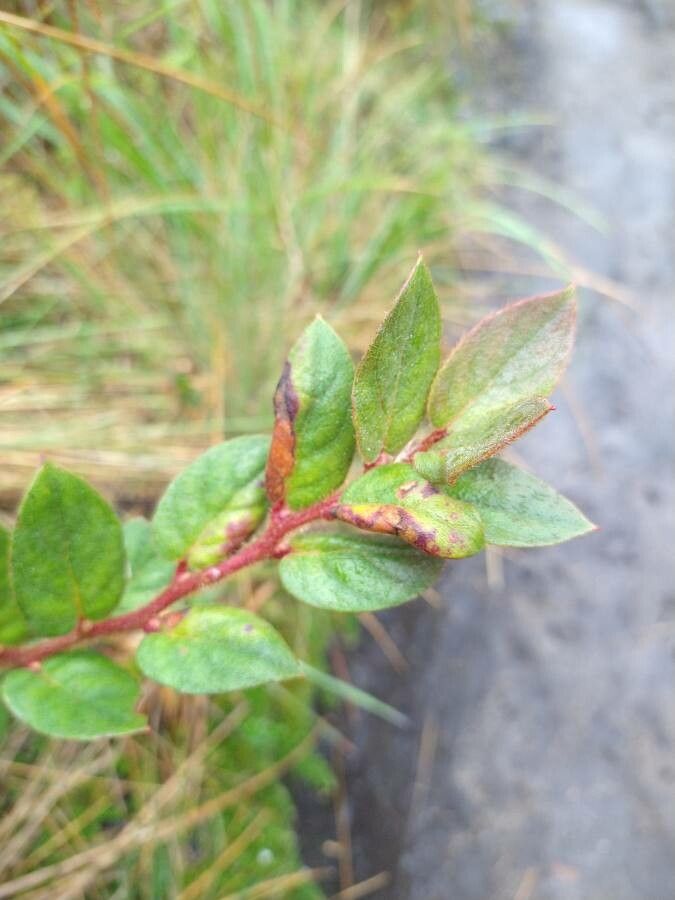
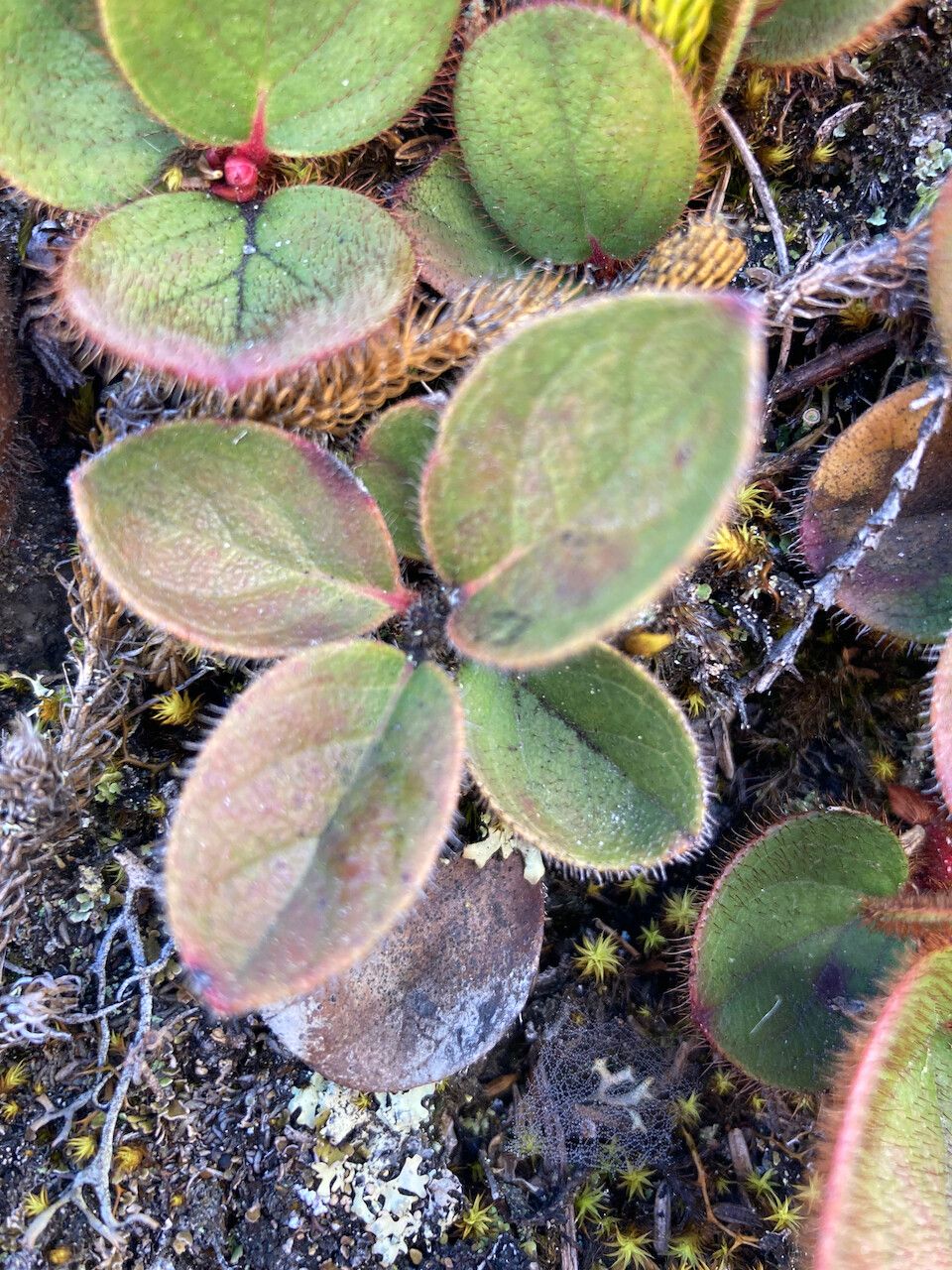
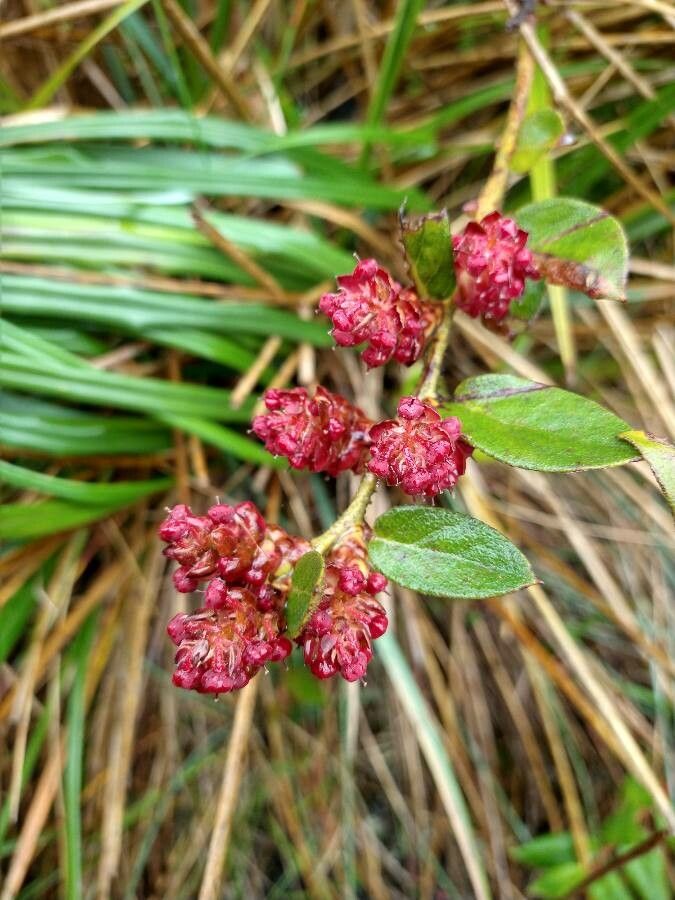
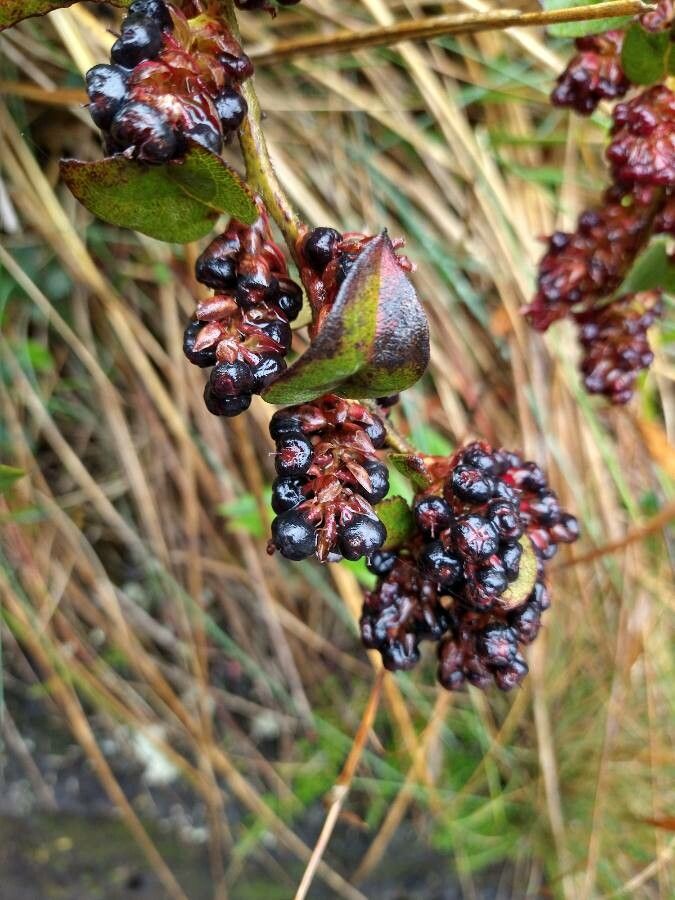
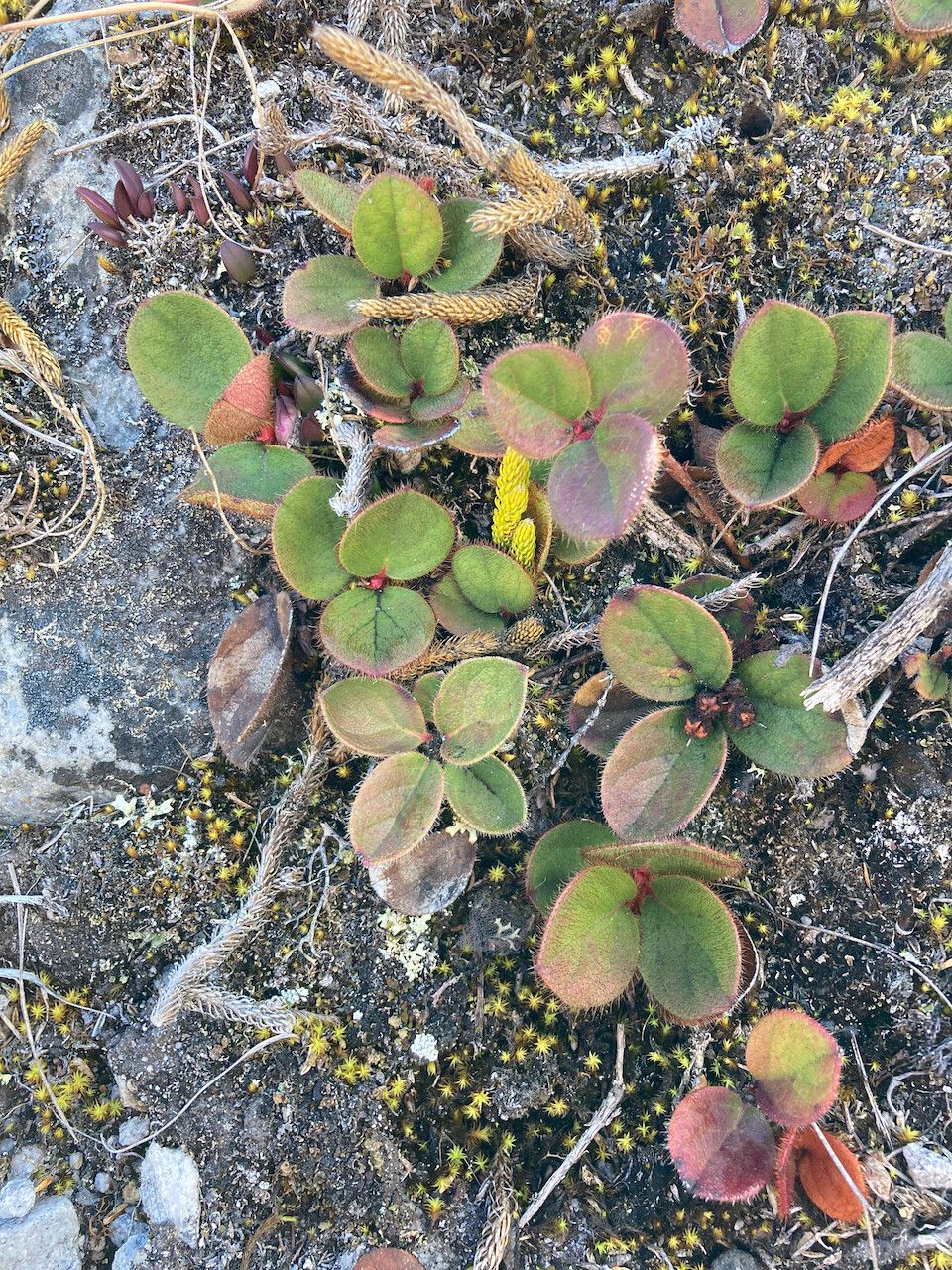
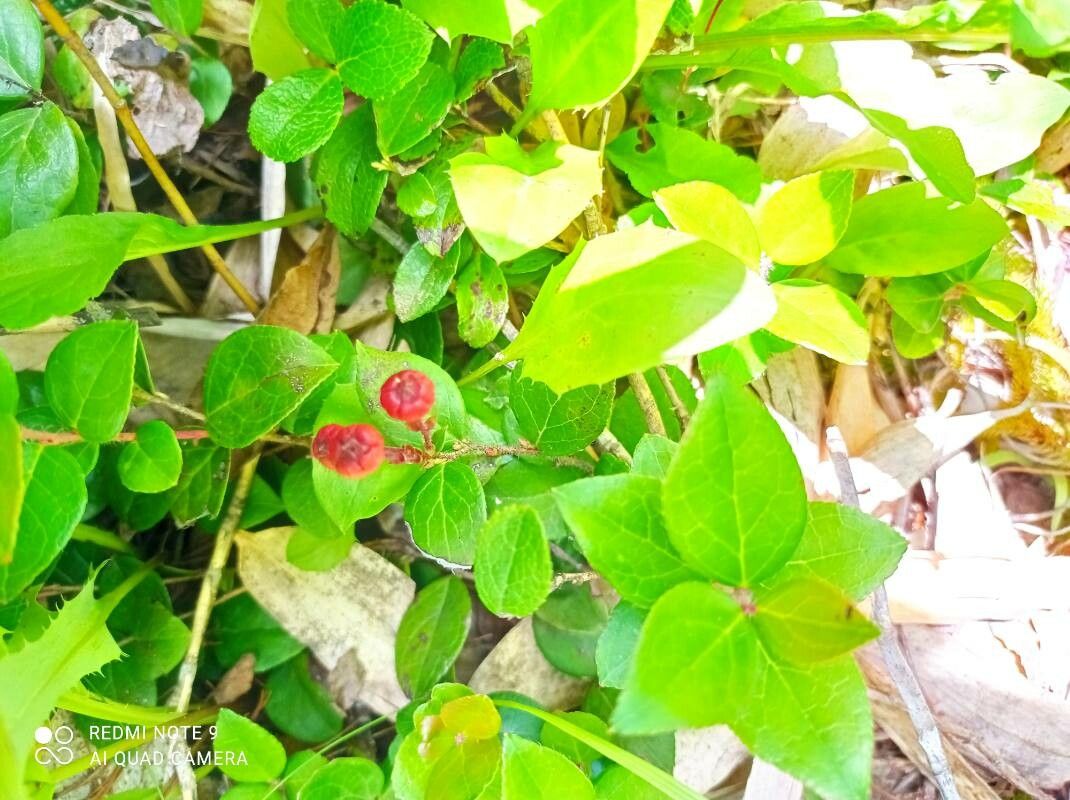
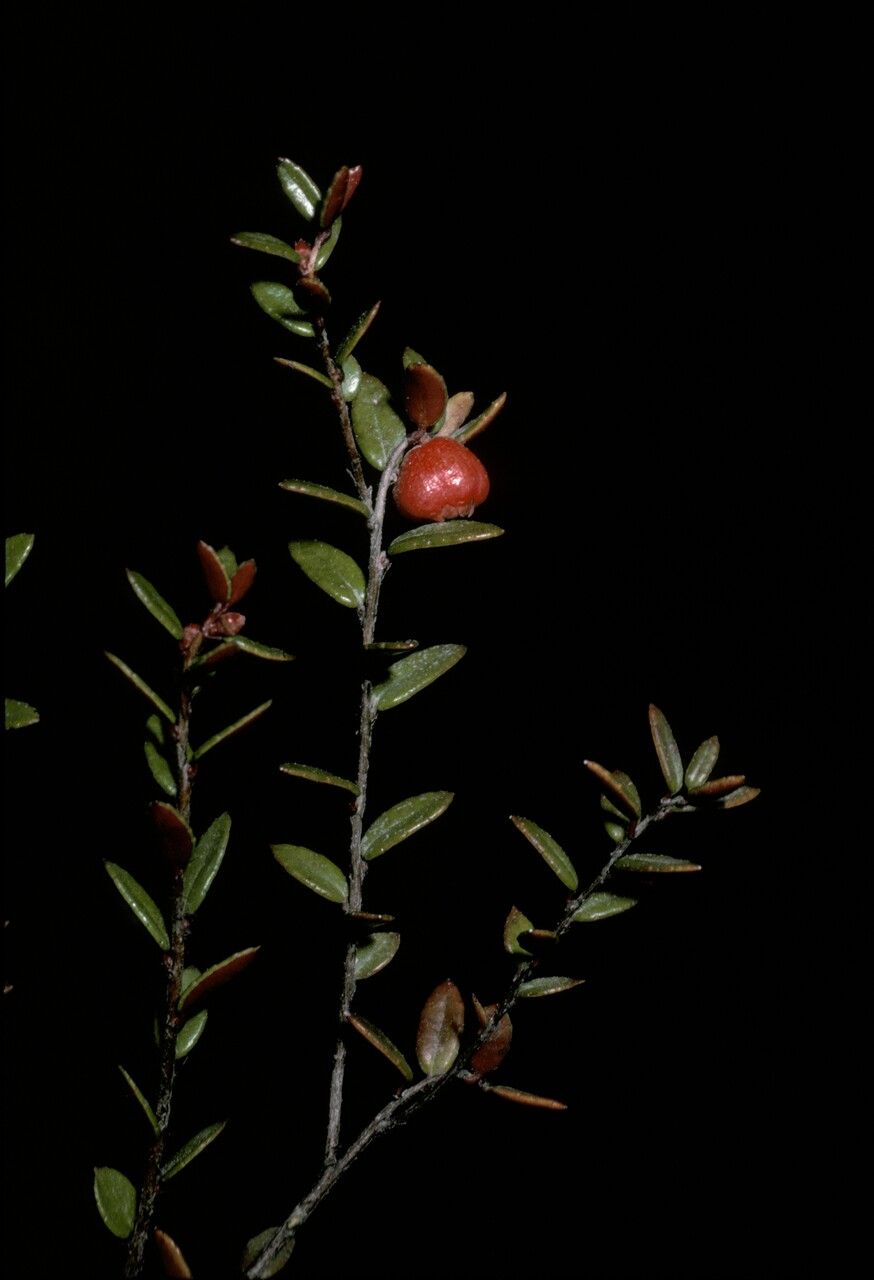
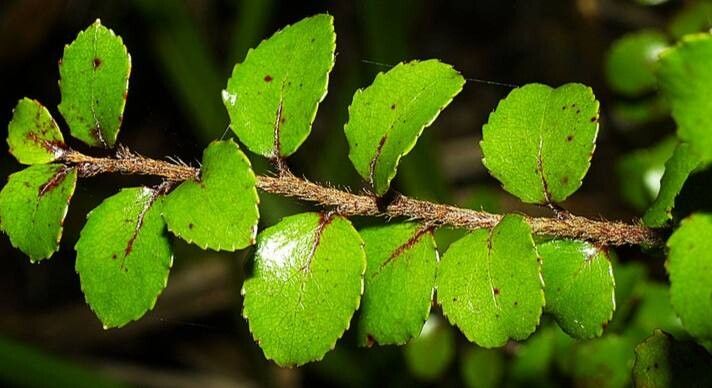
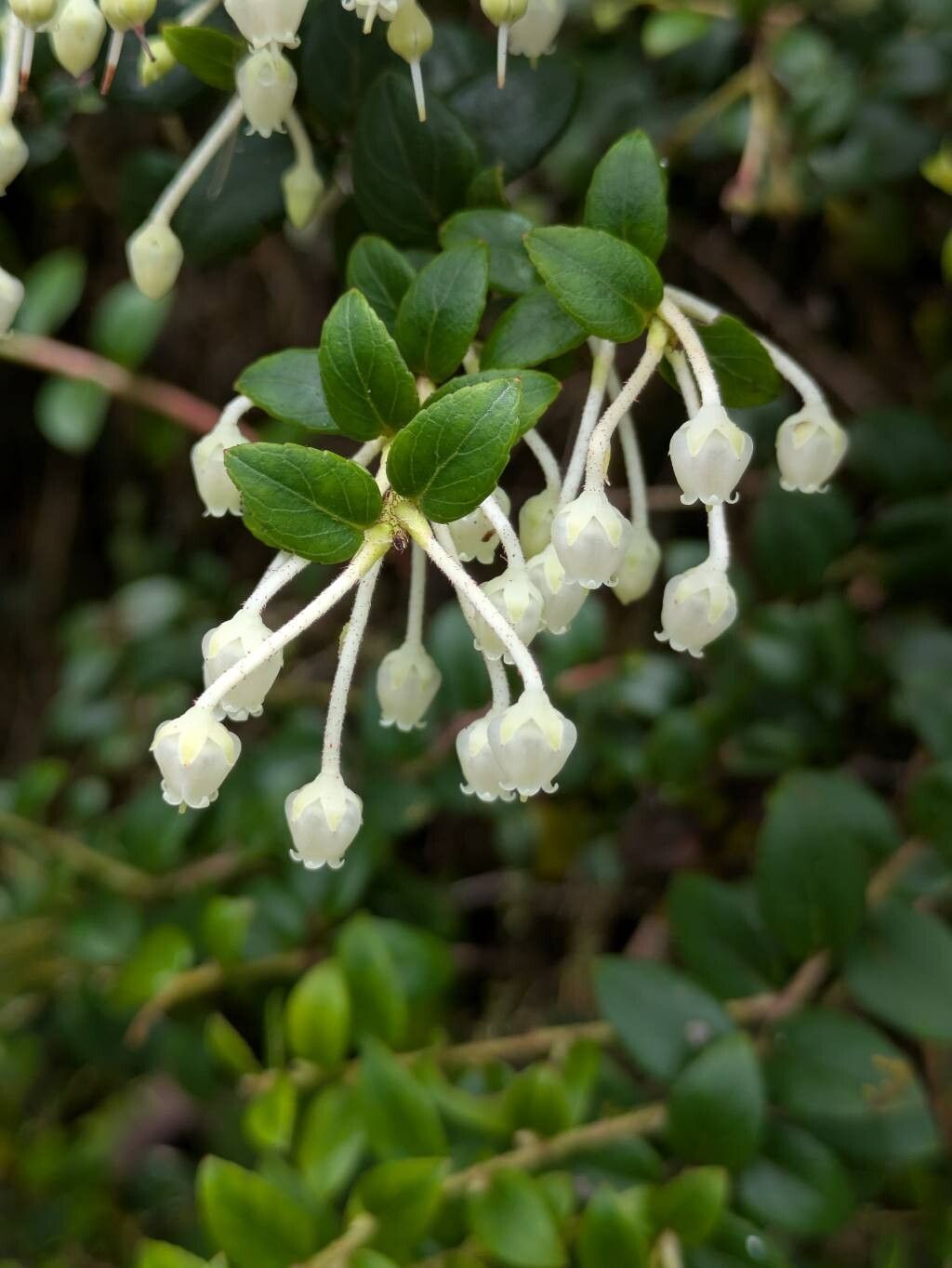
Fools beech has strong disease resistance and is generally not prone to diseases. Care-wise, this plant is fairly low maintenance. When grown outdoors it needs minimal watering, and larger specimens typically do not require pruning. Smaller plants, however, should be pruned after they finish blooming. Fools beech is suitable for anyone with an outdoor area, such as a garden or deck, and does not demand much care experience.
How to keep Gaultheria Erecta.
Light
The Fools Beech thrives naturally in environments like forest understories or rocky regions, where it is naturally shaded. While it tends to favour partially sunny conditions, it possesses the capacity to adjust to either complete sunlight or total shade, which is indicative of its adaptability and durability.
Temperature
Fools beech thrives in a wide range of climates, ideally in temperatures between 59 and 100.4 °F (15 to 38 ℃), echoing its natural habitat. To ensure the best health of the plant, adjustments in temperature may be required depending on the season.
Fertilizer
For your Fools beech to grow healthily, ensure to fertilize it at the onset of spring. Consistent fertilization boosts its overall wellbeing, encouraging robust growth, toughness under harsh conditions, and increased resistance to diseases and pests. Sticking to a specific fertilization timetable for your Fools beech will guarantee a lively foliage characterized by a deep hue and a lush look.
Botanical profile.
- Plant Type
- Shrub
- Life Cycle
- Perennial
- Genus
- Gaultheria
- Family
- Ericaceae
- Hardiness Zone
- 8-11
- Mature Height
- 0.91 m to 2.13 m
- Mature Spread
- 91 cm
- Leaf Color
- Dark Green
- Leaf Type
- Evergreen
- Flower Color
- White, Pink
- Flower Size
- 0.25 cm to 0.51 cm
- Bloom Time
- Mid fall, Late fall, Early winter
- Planting Time
- Spring, Summer, Autumn
- Harvest Time
- Late winter, Early spring, Mid spring
- Native Area
- New Zealand