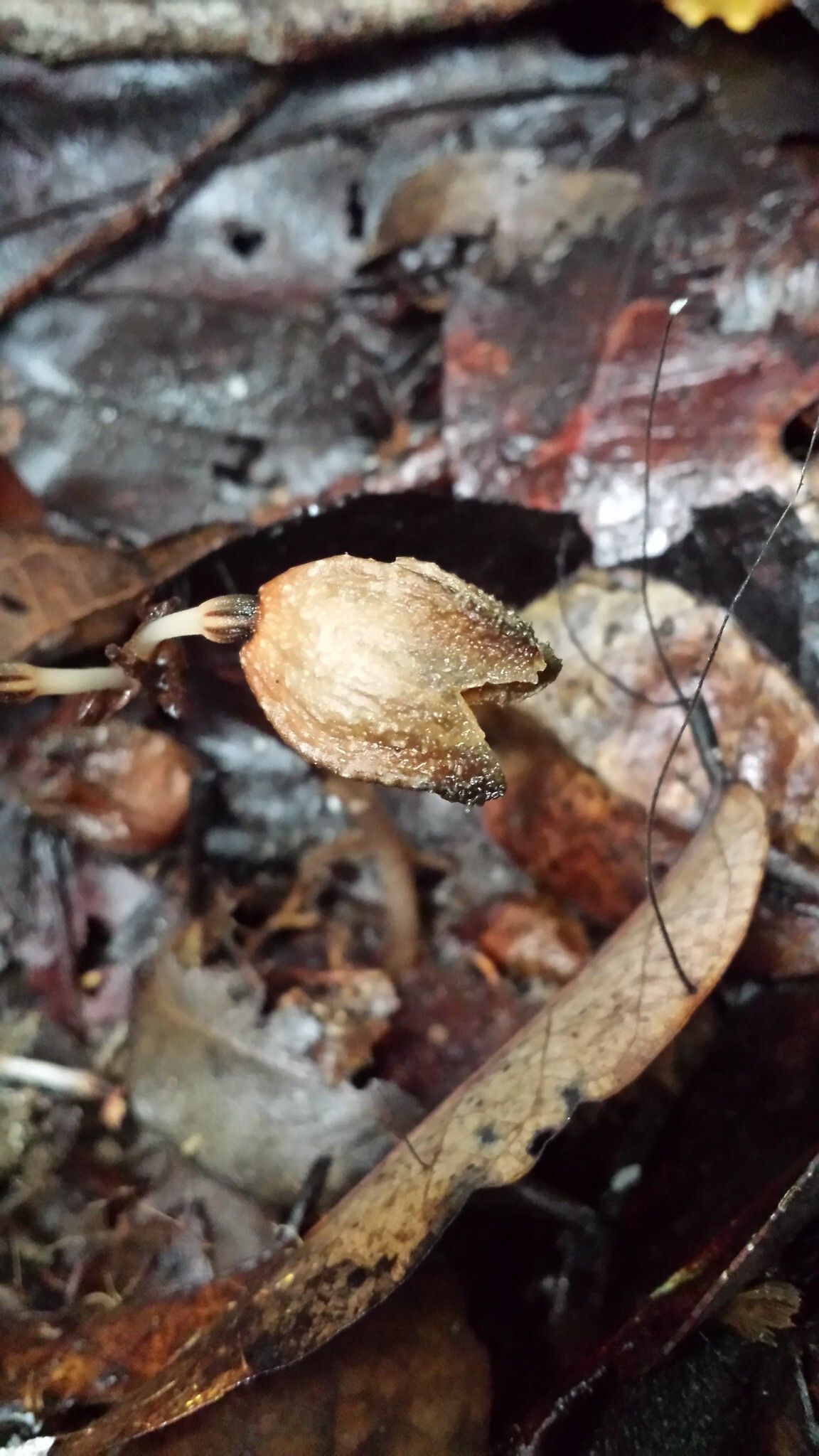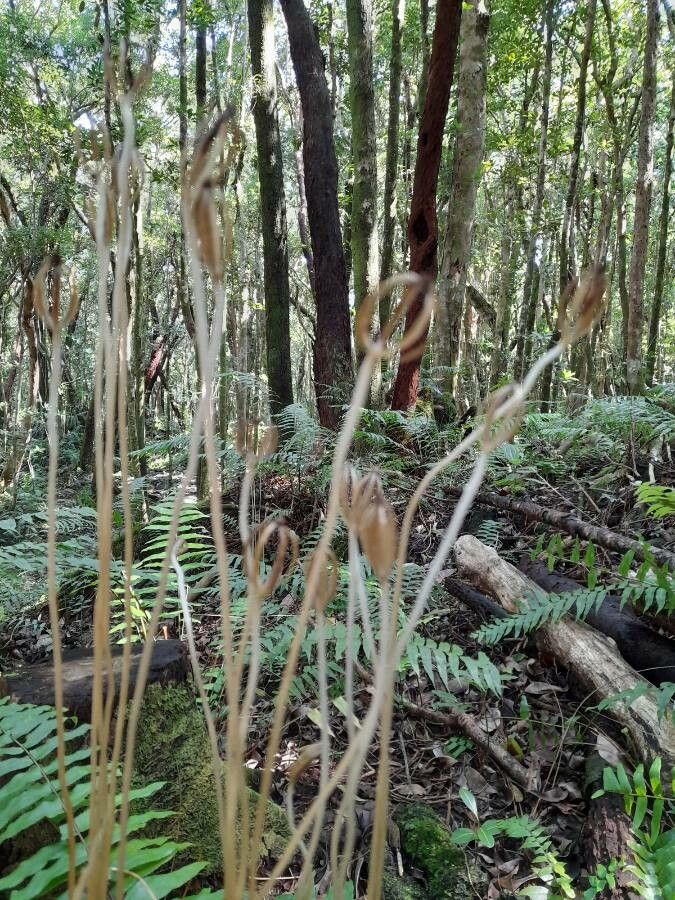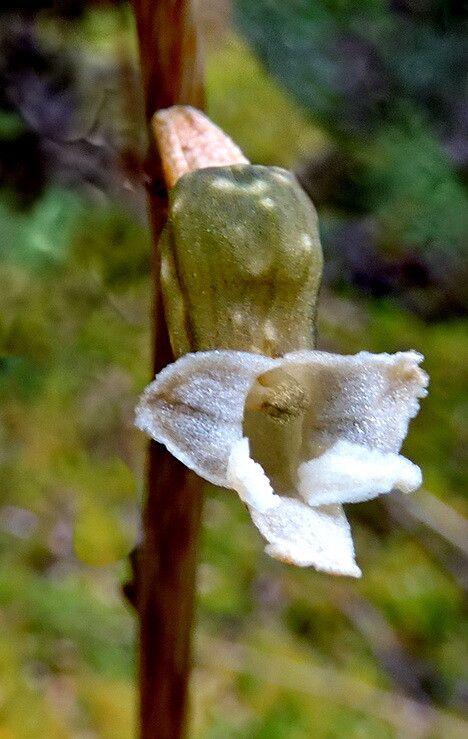
Gastrodia cunninghamii, or black orchid, black potato orchid, or perei in Māori, is a species of parasitic orchid, endemic to New Zealand. It grows in the North Island, south of the Waikato, and in the South Island, Stewart Island, and the Chathams. It is not threatened, and is widespread in forested areas.
Black orchid typically has good disease resistance and relatively few insect pests. Its care is rated difficult because it needs high humidity yet good ventilation and an environment with few harmful pathogens. Too much watering can cause root rot. Growing Black orchid is suitable for anyone, but keeping it healthy and inducing it to flower again requires more cultivation experience.
How to keep Gastrodia Cunninghamii.
Light
Black orchid is native to habitats such as forest understories or rocky sites that offer natural shade. It prefers Full Shade but can tolerate Partial Sun.
Water
The black orchid thrives in humid environments beneath the forest canopy, where it requires consistent moisture through weekly watering. It is mainly grown indoors to maintain controlled humidity, and keeping the soil evenly moist promotes its active growth. Although this species can tolerate moderate drought, allowing some flexibility in its watering schedule.
Temperature
The black orchid has the capacity to adjust to various temperature circumstances, although its range could still be restricted by specific mixtures of heat and water conditions. It flourishes most effectively in hot climates with sufficient summer rainfall or hydration. Extended episodes of cloudy and rainy conditions, along with persistent high temperatures, can elevate the chances of the black orchid's death. During the winter, appropriate shielding from the cold can enhance the plant's likelihood of survival.
Fertilizer
One spring application of fertilizer is generally enough for the Black orchid, though repeated feedings can optimize growth. Apply fertilizer about every month to six weeks. Fertilizing improves the leaves' appearance and function, encouraging even color and a healthy texture. It also promotes root development and increases nutrient uptake, supporting the plant's long-term health.
Pruning
The black orchid has unique characteristics, including leafless stems and tuberous roots, and it requires minimal pruning. To keep your black orchid healthy, trim it in early spring after it finishes flowering. Remove any spent flower spikes, damaged stems, and diseased parts. This will improve air circulation and prevent overcrowding. Be sure to use sterile tools for pruning to encourage healthy growth in the upcoming blooming cycle.
Botanical profile.
- Plant Type
- Herb
- Life Cycle
- Perennial
- Genus
- Gastrodia
- Family
- Orchidaceae
- Hardiness Zone
- 7-10
- Mature Height
- 30 cm to 61 cm
- Mature Spread
- 5 cm to 10 cm
- Leaf Color
- Tan
- Leaf Type
- Deciduous
- Flower Size
- 1.02 cm to 2.03 cm
- Bloom Time
- Late winter, Early spring, Mid spring
- Planting Time
- Spring
- Harvest Time
- Mid spring, Late spring, Early summer
- Native Area
- Vanuatu, New Zealand