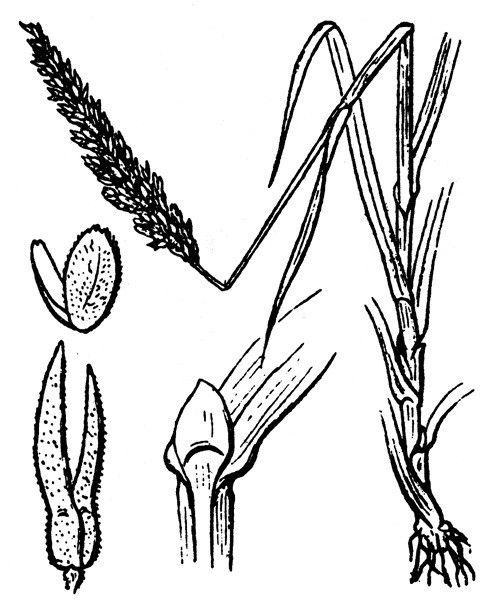
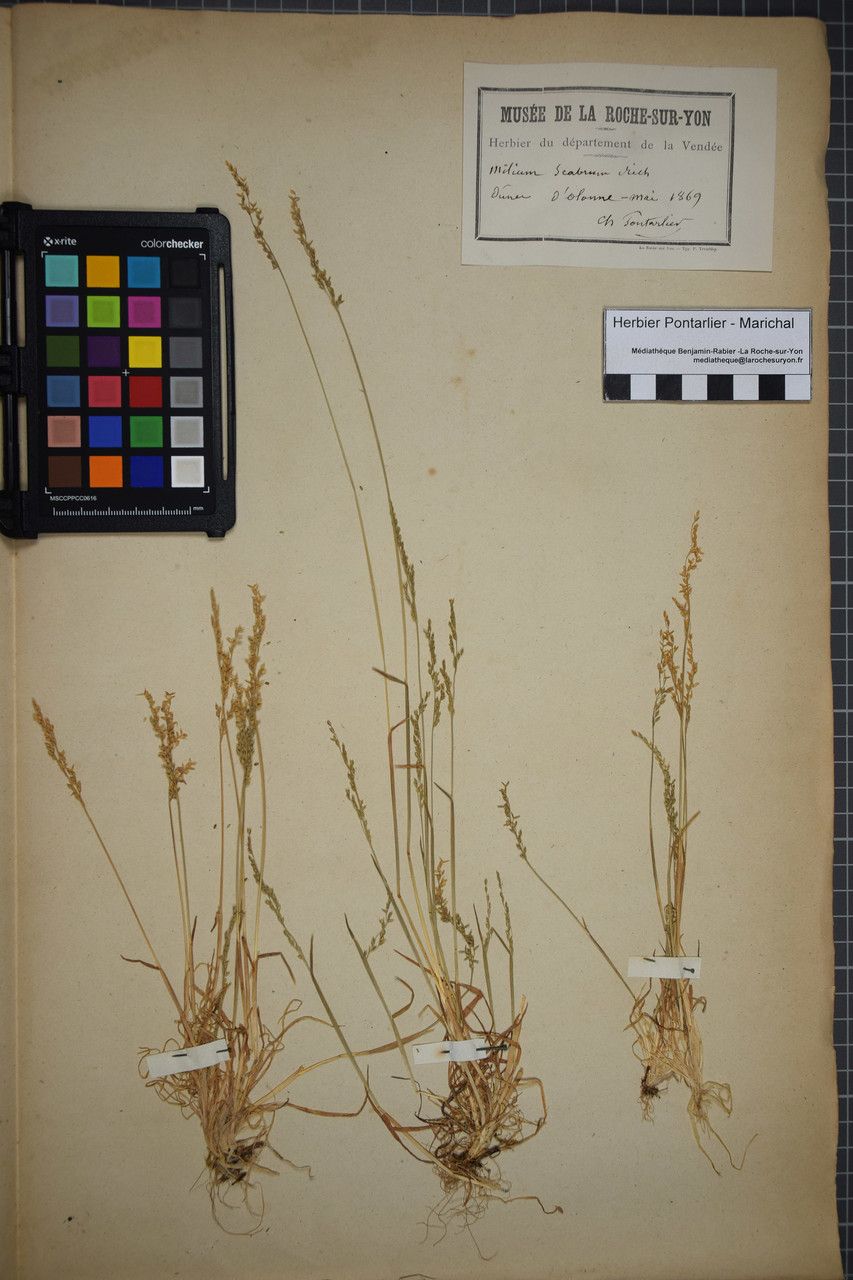
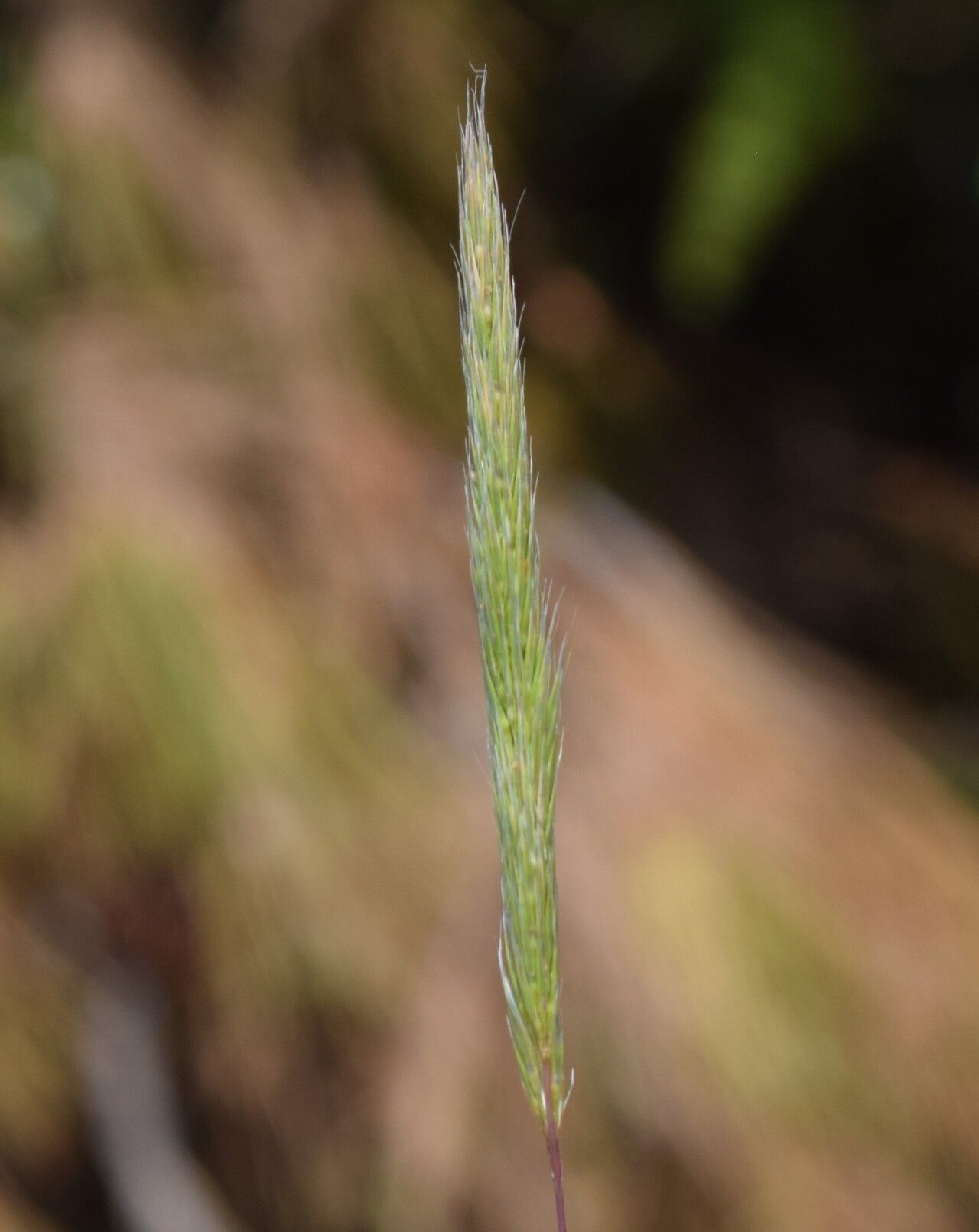
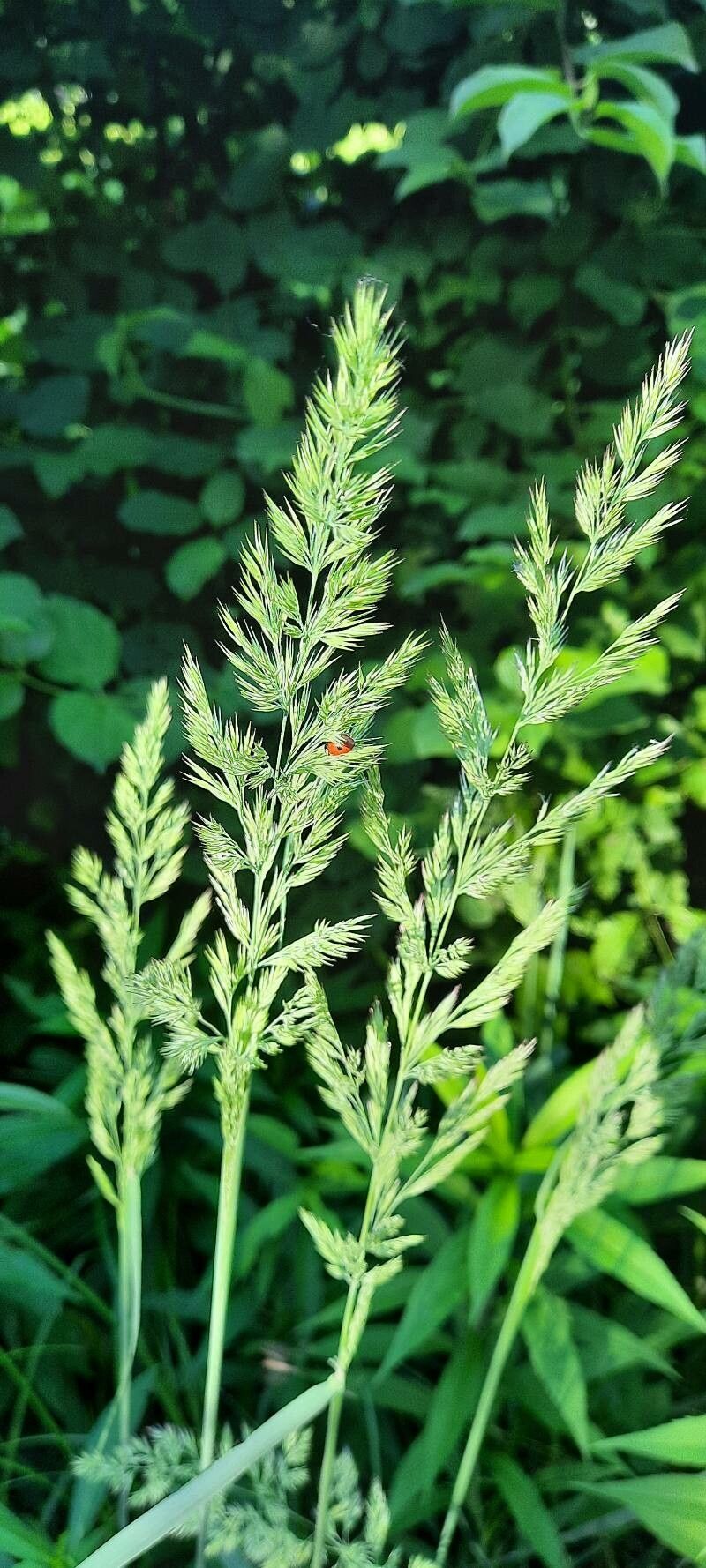
Nit-grass is fairly disease-resistant and typically does not develop illnesses. That said, it can be affected by pests and diseases present in its environment. Such issues are generally mild. For care, the plant needs moderate maintenance. It should be pruned regularly to preserve a neat appearance and encourage healthy growth. Fertilizing can also aid in boosting flowering. Nit-grass is suitable for anyone with outdoor space, like a garden or patio, and does not demand extensive care experience. Grown indoors, however, it may need more attentive care.
How to keep Gastridium Scabrum.
Light
Nit-grass thrives notably in open-air settings and can tolerate lower light conditions. For optimal growth, full daylight is preferable. Both too much sun and too little sunlight can negatively impact its development, reflecting its native open-habitat preferences. Nonetheless, it will endure slight natural shade.
Temperature
Nit-grass does well in its native climate when temperatures range from 68 to 95 °F (20 to 35 ℃). It favors moderate warmth for optimal growth. Seasonal temperature adjustments are rarely necessary.
Fertilizer
Nit-grass benefits from regular, light applications of fertilizer to encourage healthy leaf development. Fertilize Nit-grass about once a month during the summer. Nitrogen is essential for foliage, and providing nitrogen-rich sources helps Nit-grass flourish.
Botanical profile.
- Plant Type
- Herb
- Life Cycle
- Annual
- Genus
- Gastridium
- Family
- Poaceae
- Hardiness Zone
- 7-10
- Mature Height
- 10 cm to 61 cm
- Mature Spread
- 40 cm
- Leaf Color
- Light Green
- Leaf Type
- Deciduous
- Flower Color
- Yellow, Green, Brown
- Flower Size
- 0.51 cm to 1.27 cm
- Bloom Time
- Early summer, Mid summer
- Planting Time
- Spring, Summer, Autumn
- Harvest Time
- Mid summer, Late summer
Other names.