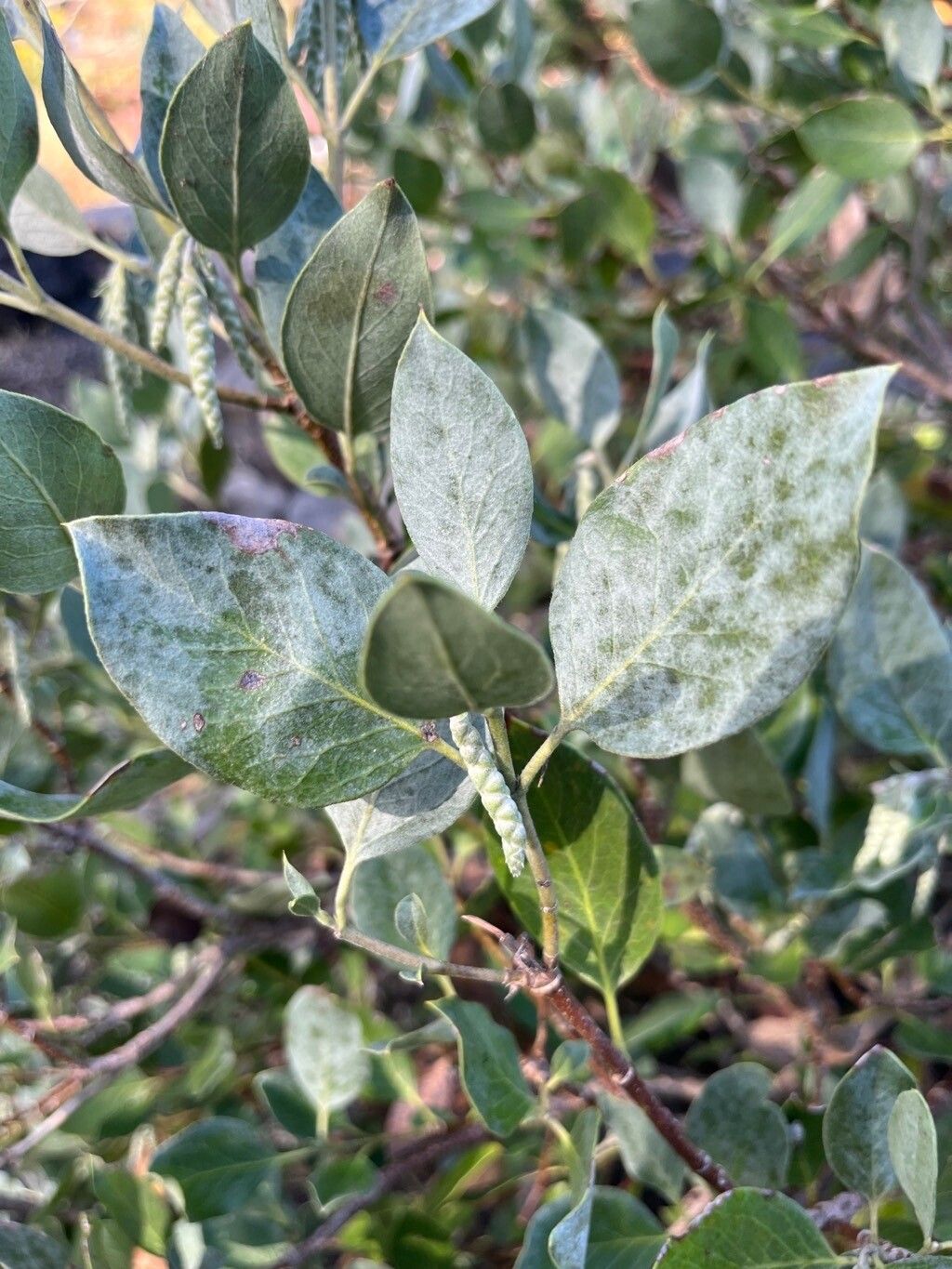
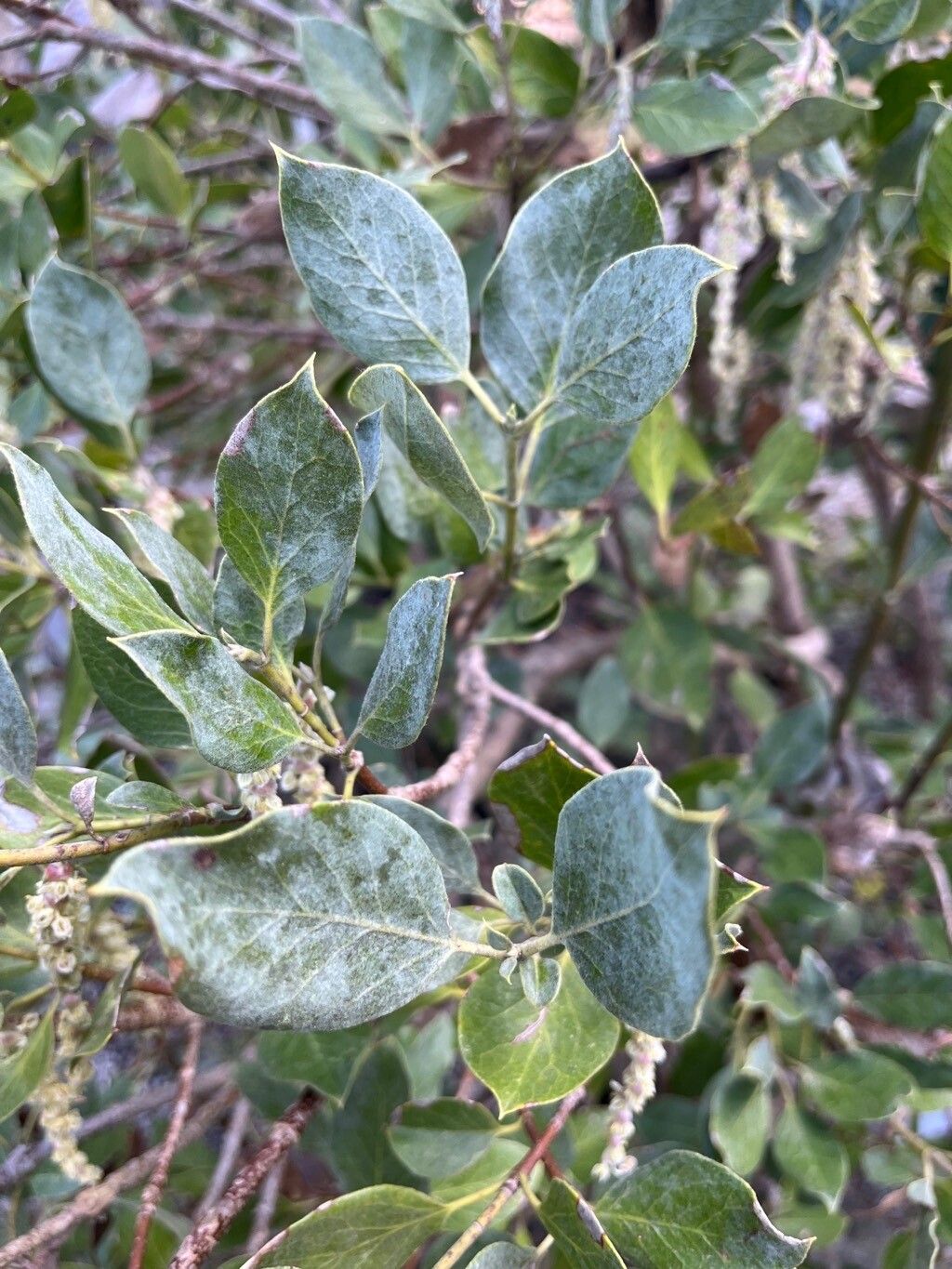
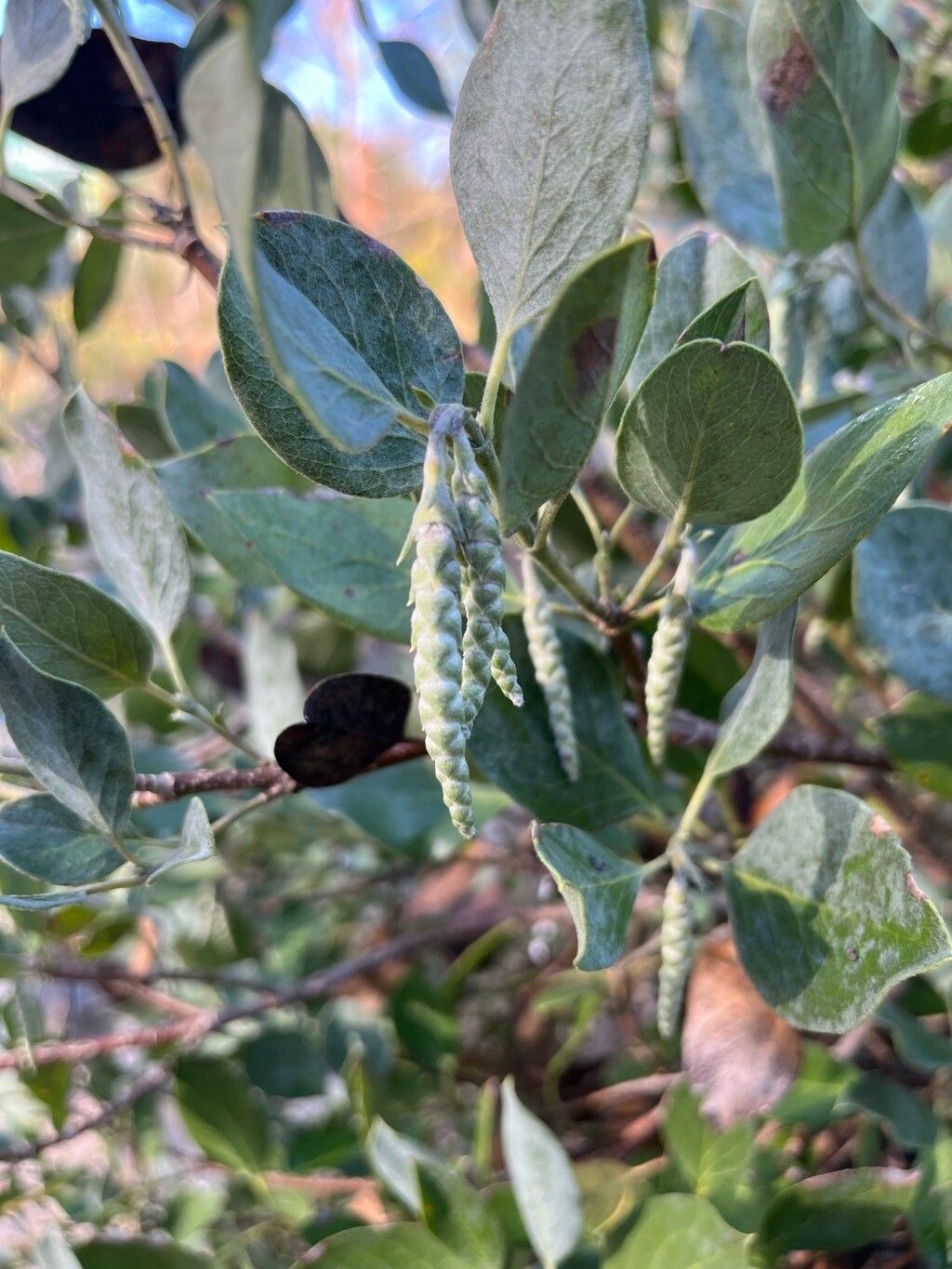
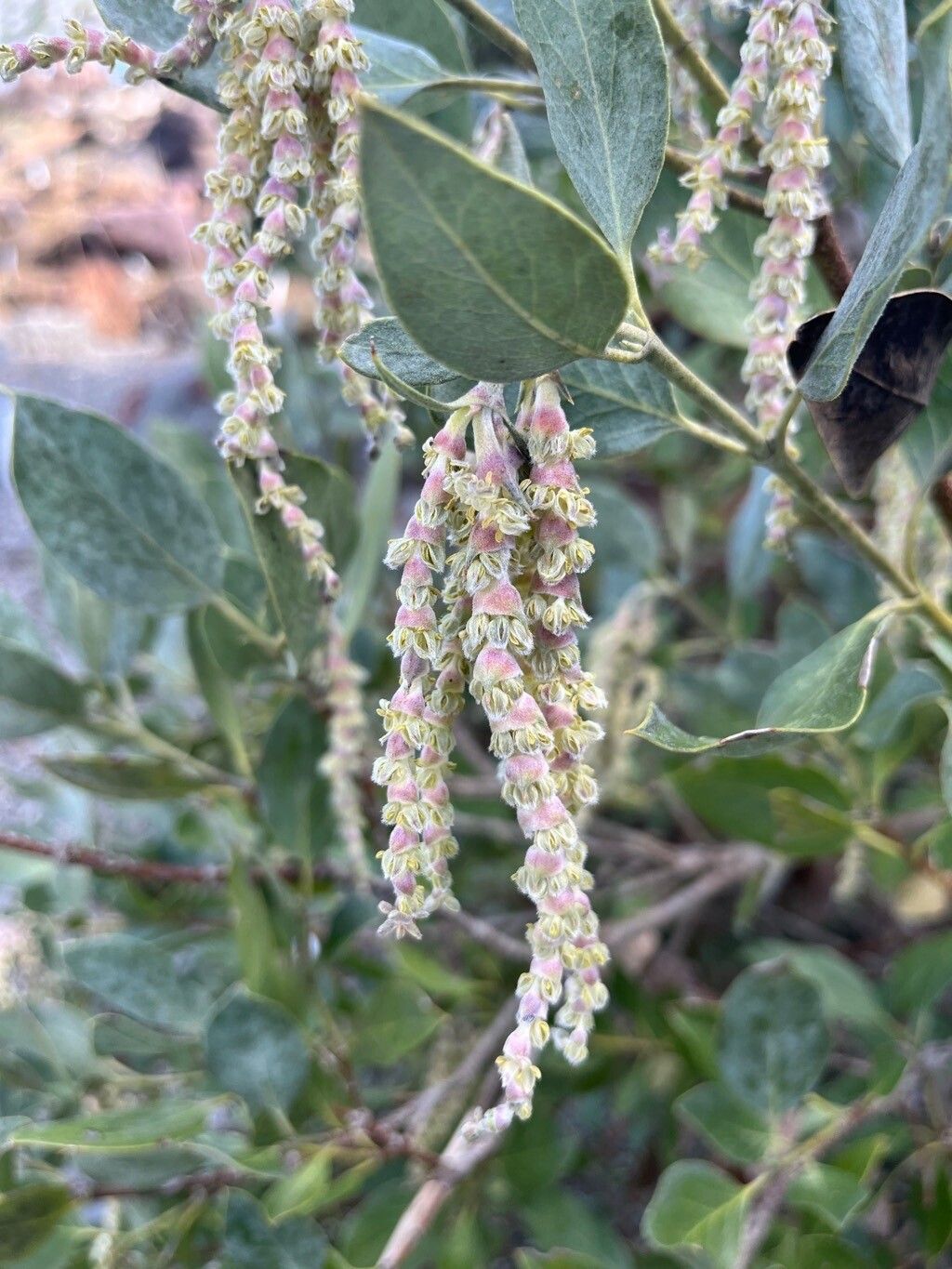
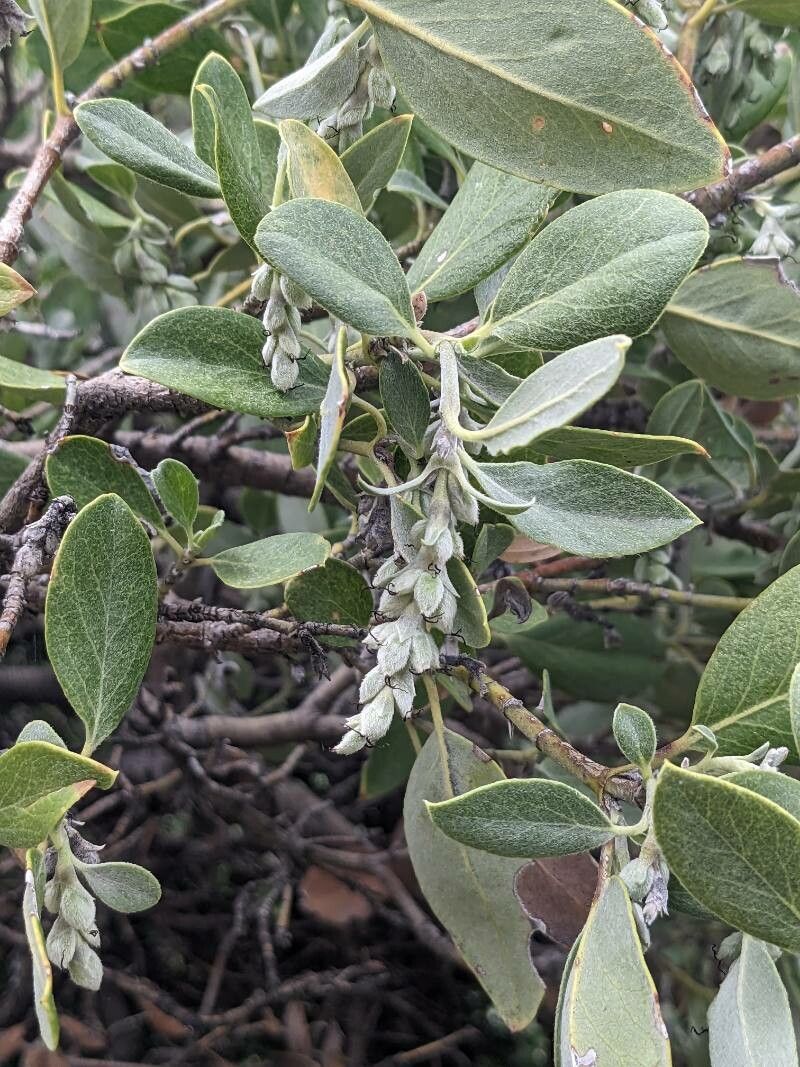
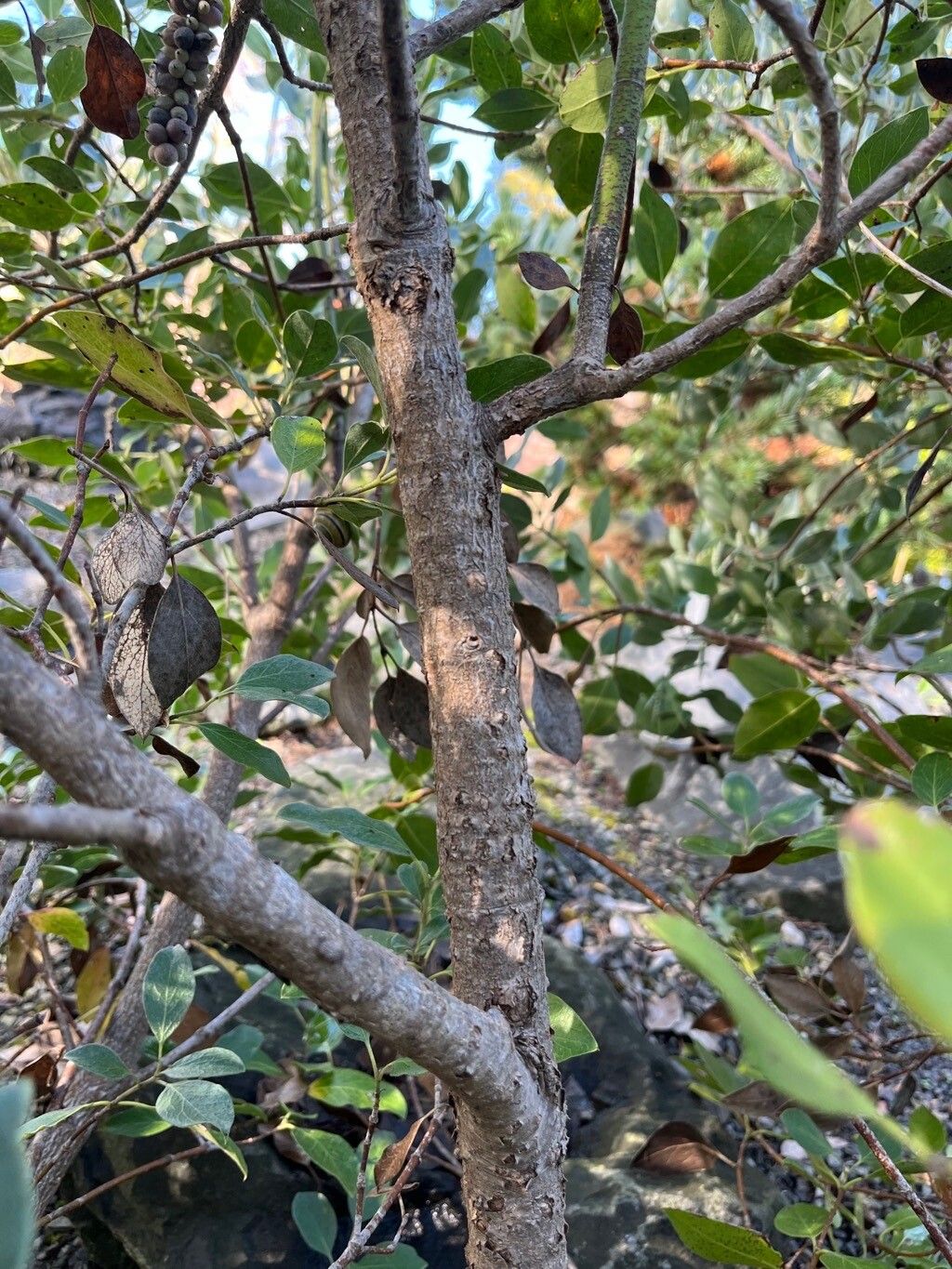
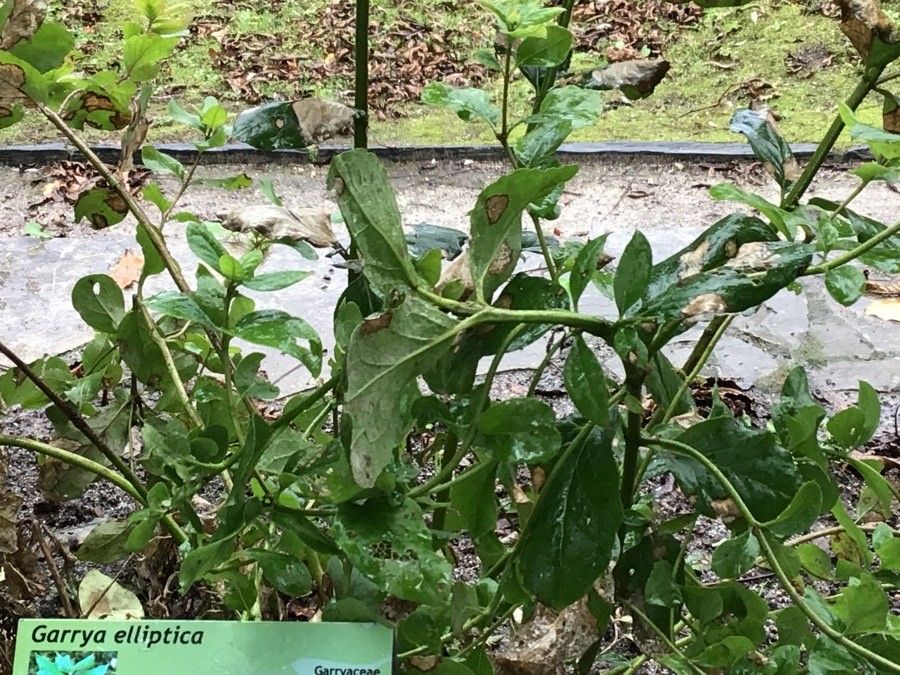
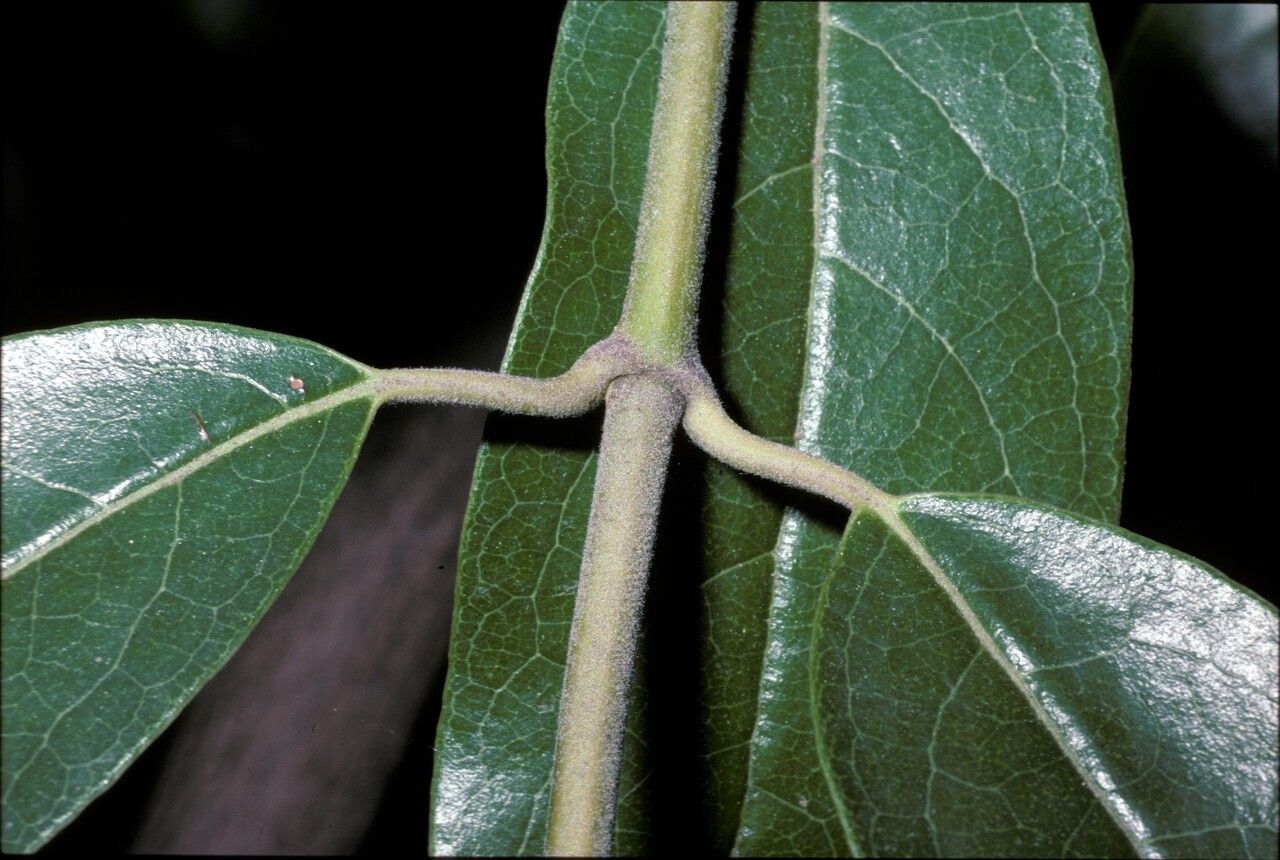
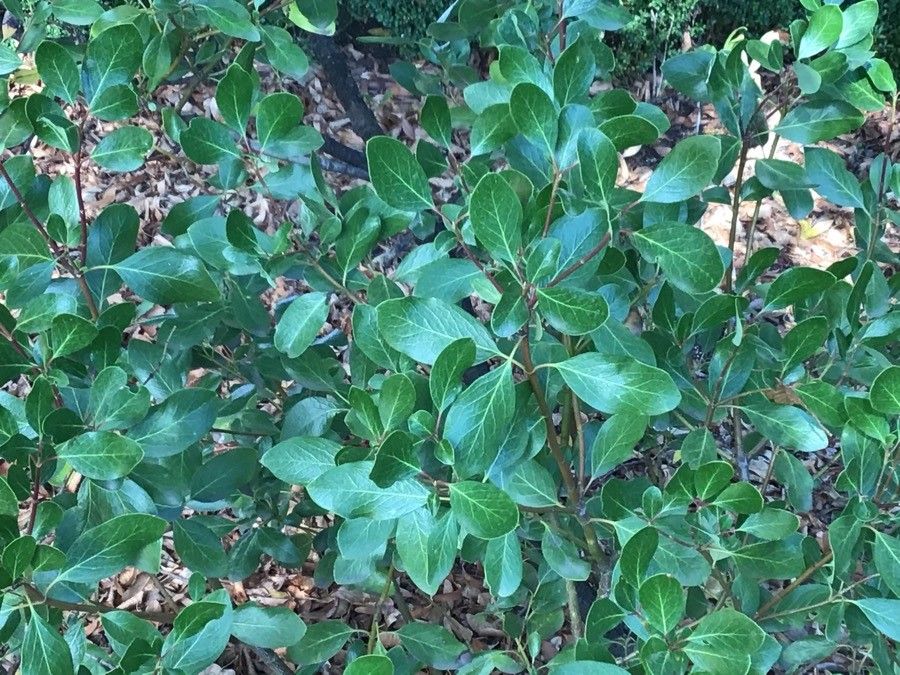
Ashy silktassels have strong disease resistance and are generally not susceptible to illnesses. Regarding care, this plant is fairly low maintenance. When grown outdoors it needs only minimal watering, and larger specimens typically do not require pruning. Smaller plants, however, should be trimmed after they finish blooming. Ashy silktassels are appropriate for anyone with an outdoor area, such as a garden or a deck, and do not demand much prior care experience.
How to keep Garrya Flavescens.
Light
Ashy silktassels flourish in locations with plentiful sunlight, doing well where its leaves can receive lots of light. Its native habitat consists of areas that typically have long periods of sun. However, excessive sun exposure can make it vulnerable to leaf scorch. Insufficient light can result in stunted development and poor growth.
Temperature
Ashy silktassels naturally occurs in areas where temperatures range from 41 to 95°F (5 to 35℃). The plant does best within this temperature band, and its health can suffer if these conditions are not maintained. During colder months, consider supplying extra heat if needed.
Fertilizer
Apply fertilizer to your Ashy silktassels in early spring to support healthy growth. Regular fertilization boosts overall health, producing vigorous growth, better tolerance of harsh conditions, and increased resistance to pests and diseases. Maintain a set fertilization schedule for your Ashy silktassels to keep the foliage vibrant, richly colored, and lush in appearance.
Pruning
The Ashy silktassels is an evergreen shrub characterized by its dense growth and tassel-like flowers. For optimal health and appearance, prune the shrub from early to late winter. This process helps remove dead branches and improve the plant's shape, while also ensuring adequate air circulation and light penetration. Light pruning promotes healthy growth, whereas heavy pruning can stress the plant.
Botanical profile.
- Plant Type
- Tree, Shrub
- Life Cycle
- Perennial
- Genus
- Garrya
- Family
- Garryaceae
- Hardiness Zone
- 5-10
- Mature Height
- 3.05 m
- Mature Spread
- 1.83 m to 3.66 m
- Leaf Color
- Green, Blue, Bronze
- Leaf Type
- Evergreen
- Flower Color
- White, Green, Purple
- Flower Size
- 5.08 cm to 10.16 cm
- Bloom Time
- Mid winter, Late winter, Early spring
- Planting Time
- Spring, Summer, Autumn
- Harvest Time
- Late spring, Early summer, Mid summer
- Native Area
- Mexico
Other names.
Reader questions.
What are the sunlight requirements for Ashy silktassels?
Ashy silktassels require more than 6 hours of sunlight daily to thrive, making full sun exposure crucial for their development. Observing the movement of sunlight through your garden and selecting spots that offer an ideal balance of light and shade will ensure the plants remain healthy and happy. It's worth noting that while this plant flourishes in abundant sun exposure, characteristic of its origin, excessive sun can lead to scorched leaves, and insufficient light may cause poor growth and stunted development.
What is the ideal temperature range for Ashy silktassels?
Ashy silktassels, scientifically known as Garrya flavescens, is best suited for environments with temperatures ranging from 41 to 95°F (5 to 35°C). Maintaining this temperature range is crucial for the plant's health, as temperatures outside this range can impact its growth and vitality. In the colder months, additional heat may be necessary to keep the temperature within this ideal range. Despite its strong cold resistance, in environments where winter temperatures are expected to drop below -25°C, protective measures should be taken. This includes wrapping the trunk and branches with insulating materials such as non-woven fabric or cloth, and ensuring the soil is moist before it enters a frozen state to prevent drought stress during winter.
How can artificial lighting benefit indoor Ashy silktassels?
In situations where natural sunlight is lacking, especially during winter or in less sunny spaces, artificial lighting can significantly promote healthier and faster growth of Ashy silktassels. LED lights are a beneficial choice for indoor plant lighting as they can provide specific light wavelengths needed by plants. For full sun plants, 30-50W/sq ft of artificial light is recommended, while partial sun plants require 20-30W/sq ft, and full shade plants should have 10-20W/sq ft. Proper distance (12-36 inches above the plant) and duration (8-12 hours per day) of light exposure should be maintained to simulate natural sunlight conditions effectively.
How should I care for Ashy silktassels in low temperatures?
Ashy silktassels is capable of withstanding cold temperatures but thrives best when the temperature is kept above 5°C. During winter, it's necessary to ensure that temperatures do not fall below -20°C. If temperatures drop below -25°C, the plant might not show immediate damage, but you may notice the branches becoming brittle and dry as spring arrives, with no new shoots emerging. To mitigate this, it is recommended to prune away any dead branches in the spring that have failed to produce new leaves, ensuring the plant remains healthy and can continue to grow.
What are the symptoms of inadequate sunlight in Ashy silktassels?
When Ashy silktassels are subjected to inadequate sunlight, they may exhibit a range of symptoms such as small and lighter-colored new leaves, leggy or sparse growth, accelerated leaf drop, and a halt in new growth, suggesting the plant has entered survival mode. Additionally, excessive sunlight can cause chlorosis, sunscald, leaf curling, wilting, and leaf scorching, each presenting a unique challenge to the plant's health and overall ability to photosynthesize.
What are the signs of high temperature stress in Ashy silktassels, and how can I mitigate them?
Ashy silktassels should ideally be kept below 35°C during the summer months. Exposure to temperatures exceeding 41°C can lead to visible stress signs, such as leaves becoming lighter in color, tips becoming dry and withered, and an increased susceptibility to sunburn. If these symptoms occur, it's advisable to trim away the sunburned and dried-up parts of the plant. To protect the plant from further heat stress, move it to a location that provides shade from the midday and afternoon sun, or use a shade cloth. Additionally, regular watering in the morning and evening will help keep the soil moist and reduce temperature stress.
How can I address sunlight issues for my Ashy silktassels?
To ensure optimal growth of Ashy silktassels, gradually acclimate your plant to receive at least 6 hours of direct sunlight daily, using a south-facing window or considering artificial light solutions if the plant is large or immobile. For outdoor plants, avoid sudden changes in light intensity to prevent sunburn. Addressing sunlight obstruction involves observing the environment for barriers, possibly pruning obstructive trees, and occasionally transplanting smaller plants to sunnier locations, focusing on good sunlight access and drainage.