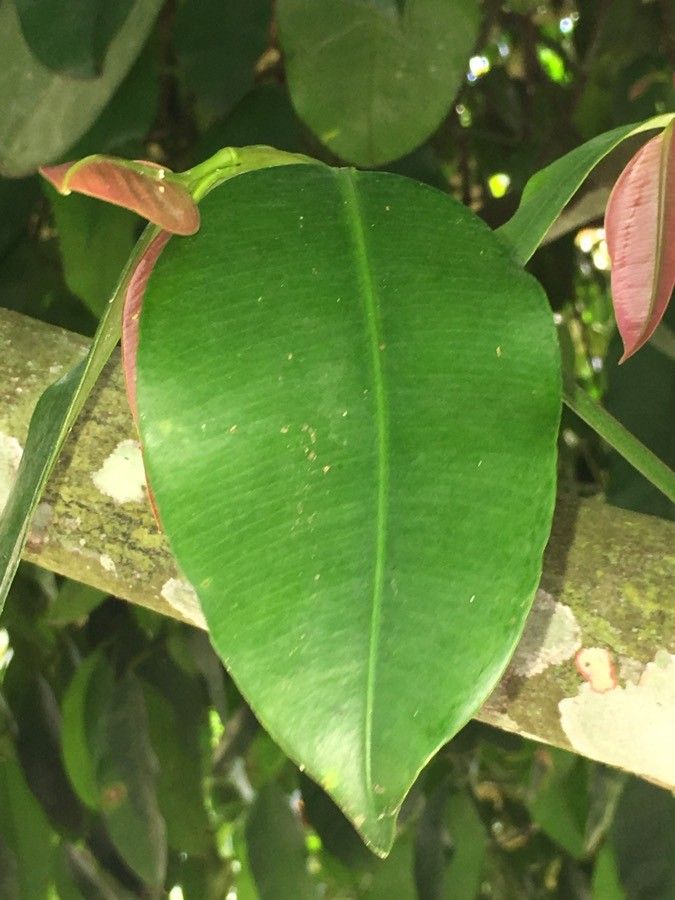
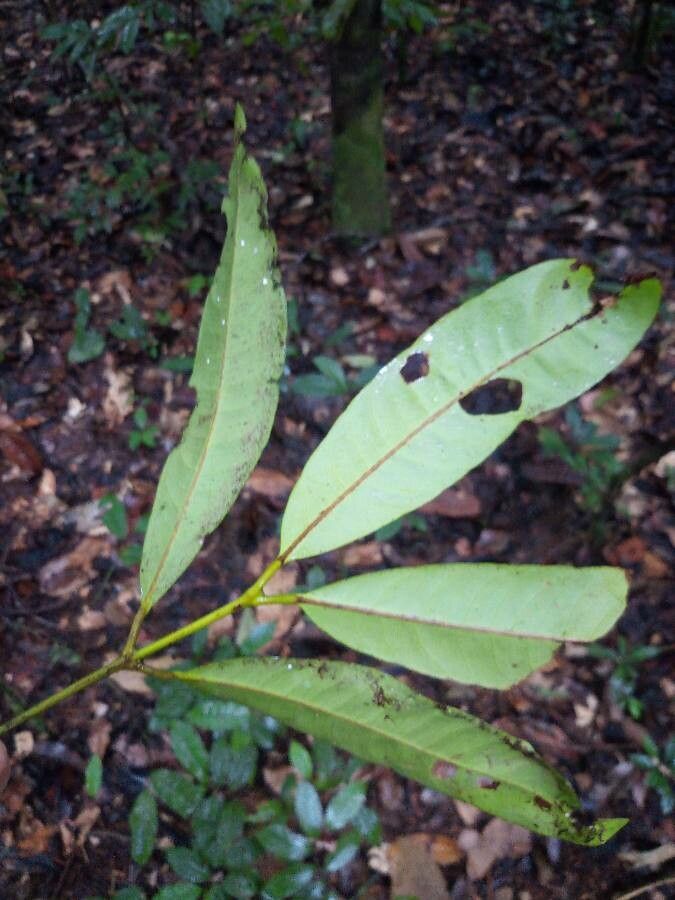
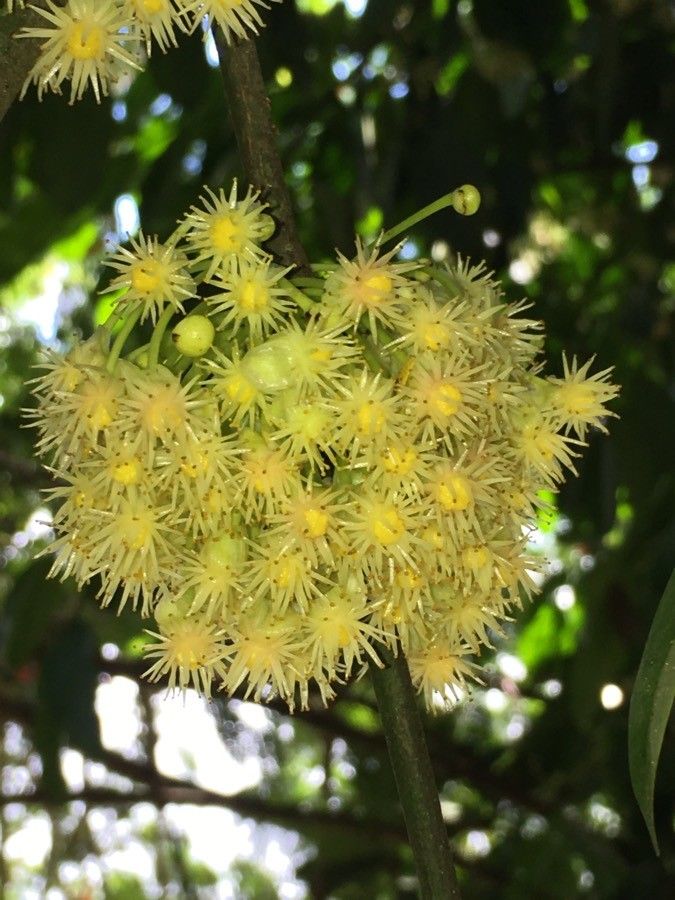
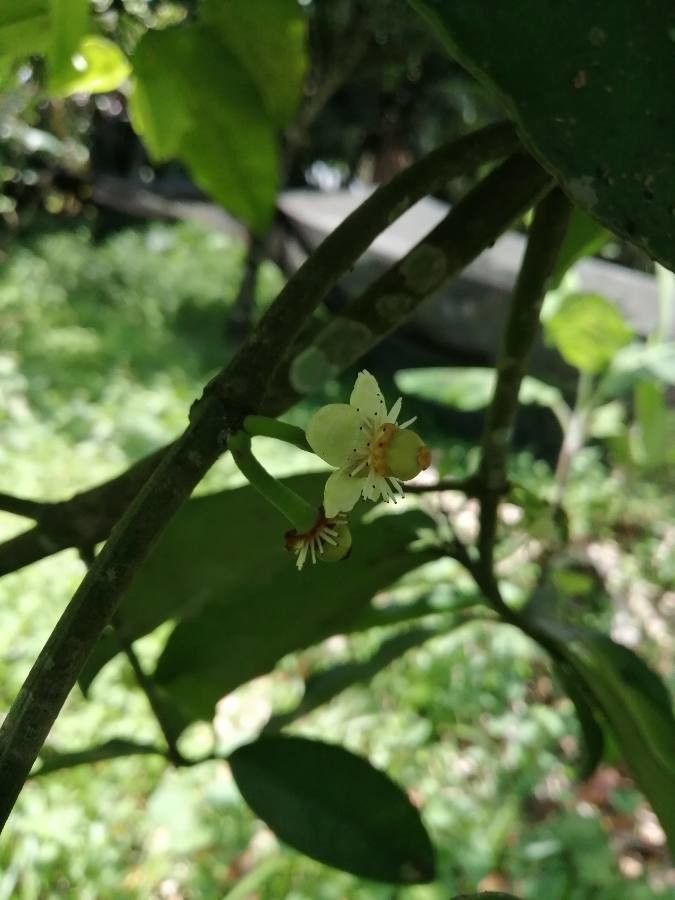
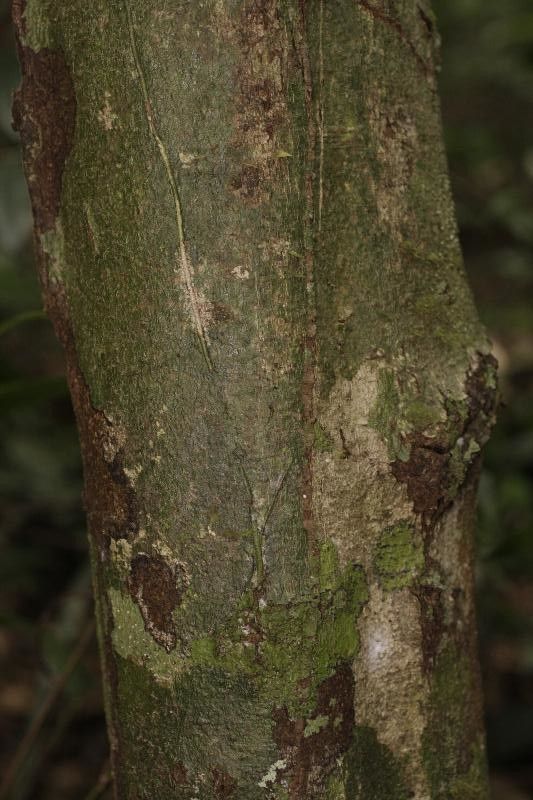
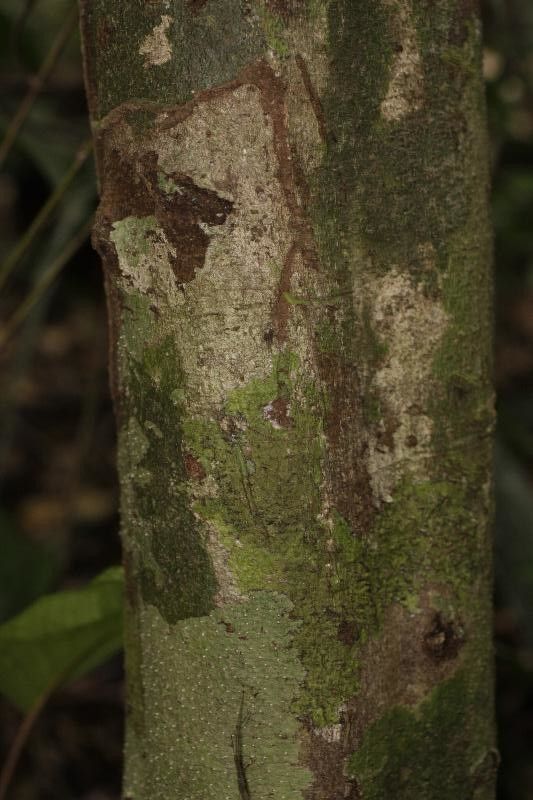
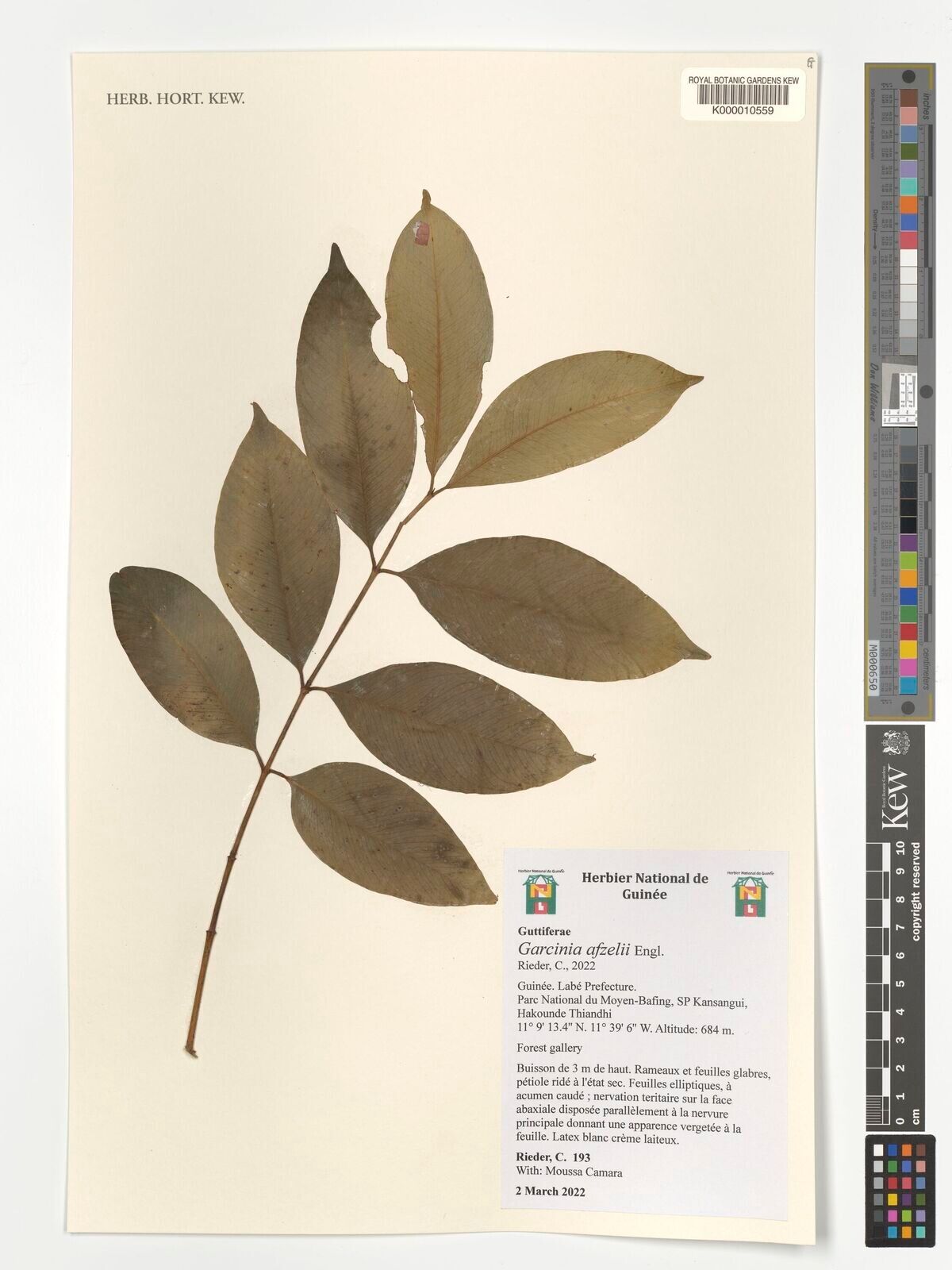
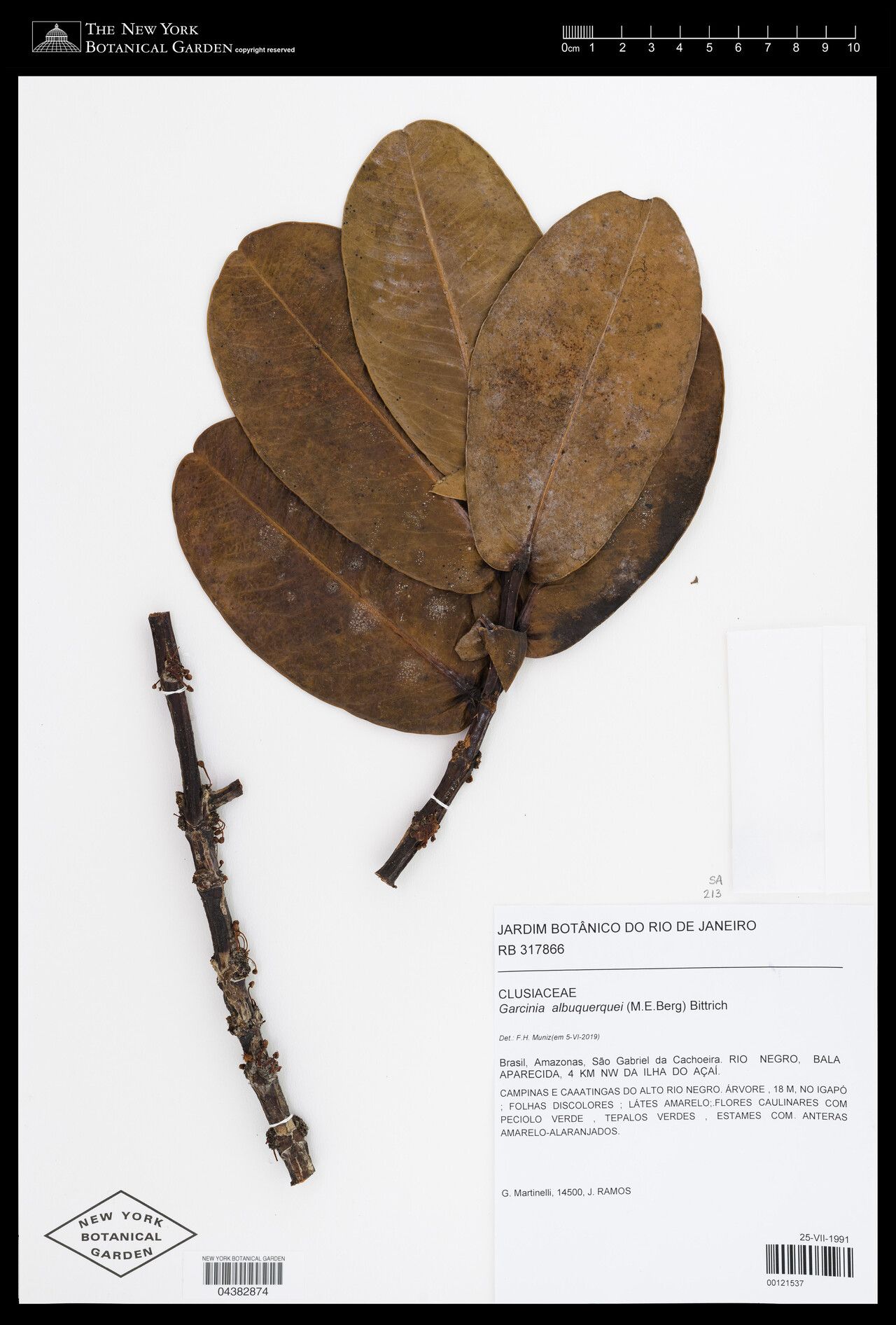
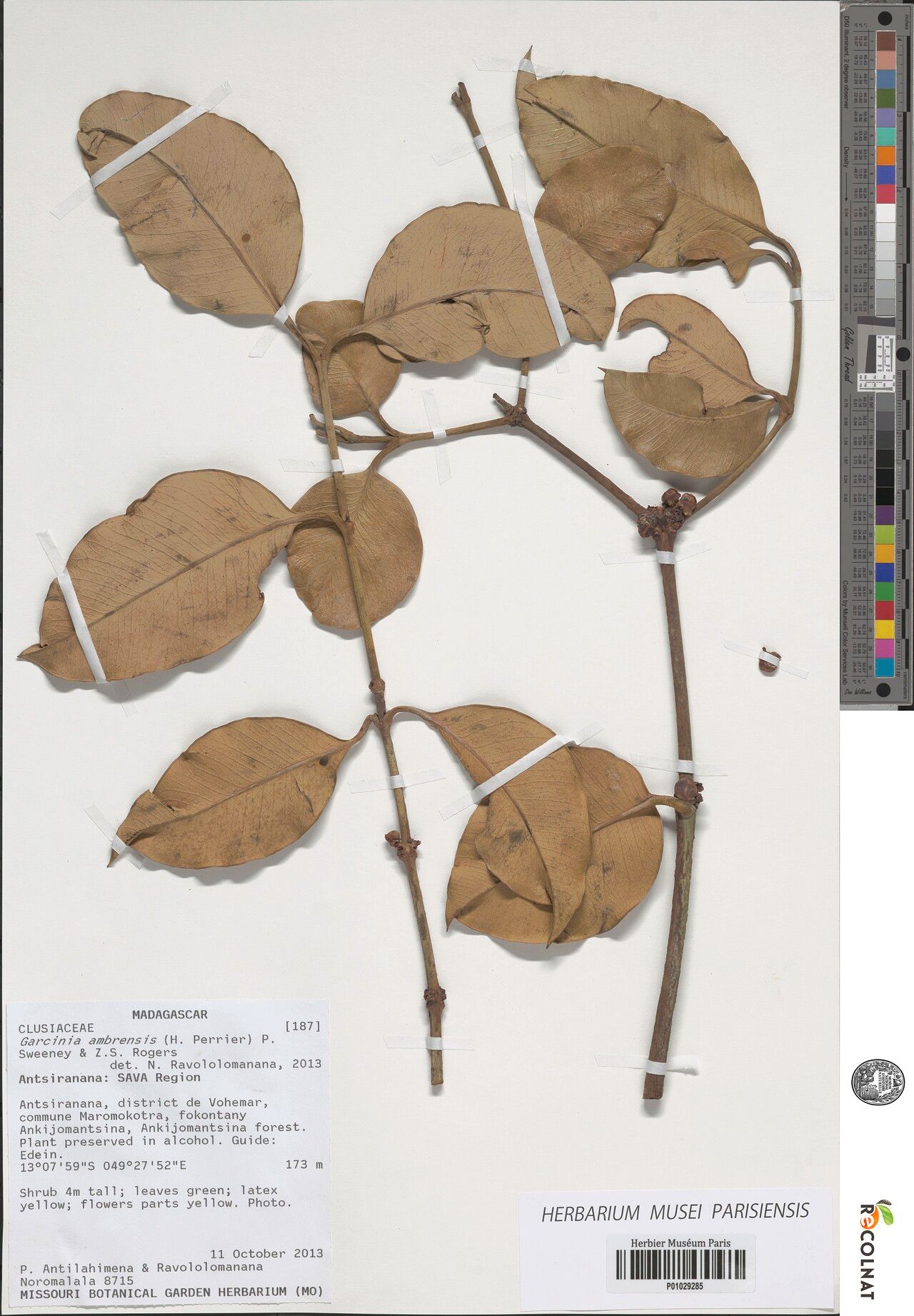
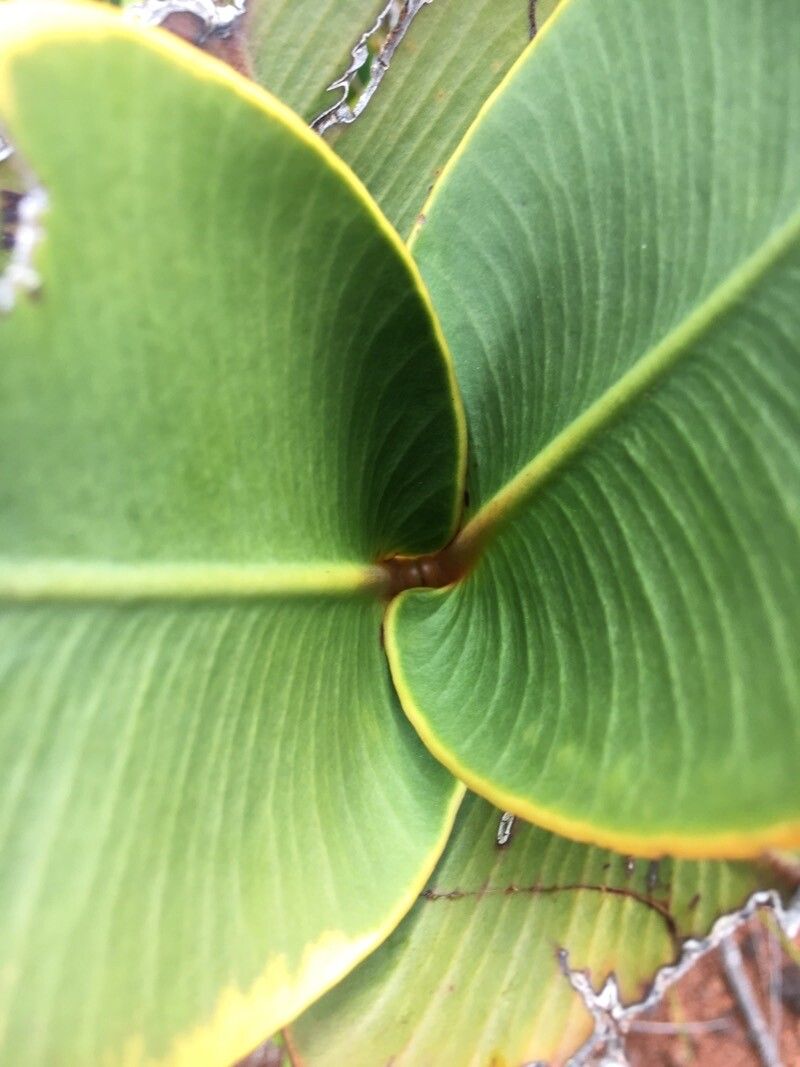
Garcinia madruno, commonly known as the madruno fruit or sour bacuri, is a tropical fruit tree native to the Amazon rainforest. It belongs to the Clusiaceae family and is closely related to other Garcinia species, such as mangosteen and kokum. The tree can grow up to 20 meters tall and produces large, round fruits measuring about 10-15 cm in diameter.
The madruno fruit features a hard outer shell that encases a soft, yellow pulp with a sour taste. The pulp contains several seeds, which are edible when roasted or boiled. This fruit is highly nutritious, rich in vitamin C, antioxidants, fiber, and minerals.
In traditional South American medicine, various parts of the Garcinia madruno plant have been utilized for their medicinal properties, such as treating diarrhea and fever. Recent studies have also indicated potential health benefits from consuming this plant, including anti-inflammatory effects.
The Garcinia madruno plant has gained popularity among farmers due to its adaptability to different soil types and its low maintenance requirements, making it an ideal crop for sustainable agriculture.
Overall, Garcinia madruno is an important tropical tree species for its nutritional value, medicinal properties, and adaptability, making it a valuable crop for sustainable agricultural practices.
Bumpy lemon has strong disease resistance and is typically not susceptible to illnesses. In terms of care, this plant is fairly low-maintenance. When grown outdoors, it needs little watering and larger plants usually do not require pruning. However, smaller plants should be pruned after they finish blooming. Bumpy lemont is appropriate for anyone with an outdoor area, such as a garden or deck, and does not demand extensive care experience.
How to keep Garcinia Madruno.
Light
Bumpy lemon is native to open habitats, such as sunny meadows and forest margins, where abundant light is available. It performs best in Full Sun but can also tolerate Partial Sun, adapting well to different sunlight levels.
Water
The bumpy lemon plant thrives in environments with high humidity and regular rainfall, showing moderate tolerance to drought. It should be watered every 2 to 3 weeks, allowing the soil to dry out slightly between waterings. While it prefers outdoor conditions, it grows best in well-draining soil that retains consistent moisture without becoming waterlogged.
Humidity
This plant will thrive in moderate humidity, which is probably the level in your home. However, misting it a few times a week can be very beneficial. Make sure the room has good ventilation.
Temperature
Bumpy lemon comes from tropical areas where the climate is generally warm and humid. Therefore, it is well adapted to high temperatures and moisture. It does not tolerate sudden temperature changes and prefers a stable thermal environment, so avoiding temperature fluctuations indoors is important. It usually cannot withstand cold and requires higher temperatures to grow. If the environmental temperature falls too low, the plant may stop growing or even die.
Fertilizer
Use organic fertilizers (for example, fish emulsion or compost) rather than chemical fertilizers for Bumpy lemon. Give young plants higher levels of nitrogen and phosphorus in spring. Work compost or fertilizer into the soil either before or after planting. For mature trees, add a balanced fertilizer or one targeted to known deficiencies in spring. Nutrient deficiency leads to small leaves, short branches, yellow or bronze foliage, acidic fruits, premature fruit drop, and splitting.
Pruning
To encourage healthy growth and fruitful production in bumpy lemon trees, it's best to prune them between early and late spring. Start by removing any dead or diseased branches. This will enhance air circulation, prevent overgrowth, and reduce the risk of pests. Additionally, be sure to use clean, sharp tools to make precise cuts, which will minimize damage and lower the risk of disease.
Botanical profile.
- Plant Type
- Tree
- Life Cycle
- Perennial
- Genus
- Garcinia
- Family
- Clusiaceae
- Hardiness Zone
- 10-12
- Mature Height
- 10.06 m to 24.99 m
- Mature Spread
- 4.88 m to 10.06 m
- Leaf Color
- Dark Green
- Leaf Type
- Evergreen
- Flower Color
- Yellow
- Flower Size
- 1.02 cm to 2.03 cm
- Bloom Time
- Late spring, Early summer, Mid summer
- Planting Time
- Spring, Summer, Autumn
- Harvest Time
- Late summer, Early fall, Mid fall
- Native Area
- Colombia, Honduras, Bolivia, Venezuela, Peru, Guyana, Brazil, Nicaragua, Ecuador, Costa Rica, Panama
Other names.
Reader questions.
What are the sunlight requirements for Bumpy Lemon?
Bumpy Lemon thrives in environments with ample sunlight, particularly open areas like sunny meadows and forest edges. It requires full sun, which is above 6 hours of sunlight daily, but can also tolerate partial sun, receiving about 3-6 hours of sunlight. It's essential to watch how sunlight moves through your garden and choose spots that offer a balance of light and shade. This ensures the plants receive the optimal light conditions for growth and happiness.
How can artificial lighting be used for Bumpy Lemon indoors?
For Bumpy Lemon plants grown indoors where natural sunlight may be insufficient, especially during winter or in less sunny spaces, artificial lighting provides a vital solution. Using LED lights, which can be customized to provide specific wavelengths needed by plants, is advisable. Full sun plants require 30-50W/sq ft of artificial light, partial sun plants 20-30W/sq ft, and full shade plants 10-20W/sq ft. The light source should be placed 12-36 inches above the plant to mimic natural sunlight. To mirror natural daylight hours effectively, most plants will need about 8-12 hours of light per day.
What are the common symptoms of insufficient light in Bumpy Lemon?
Bumpy Lemon may show several symptoms when exposed to suboptimal lighting conditions. These include small leaves, indicating new growth may be smaller than mature leaves; leggy or sparse growth, where leaves or stems grow with increased space between them, leading to a thin appearance; faster leaf drop as the plant tries to conserve resources; slower or no new growth, which indicates the plant is in survival mode; lighter-colored new leaves or chlorosis, both signaling a lack of essential nutrients and chlorophyll; sunscald, which damages plant tissue; leaf curling, a defense mechanism against extreme sunlight; wilting from loss of water through transpiration; and leaf scorching, characterized by dry, brown edges on leaves.
How can you address the light needs of Bumpy Lemon, both indoors and outdoors?
To meet the light needs of Bumpy Lemon, gradual adjustments are key. Indoors, slowly move the plant to sunnier locations each week, aiming for at least 6 hours of direct sunlight daily, employing south-facing windows for maximum exposure. Utilize artificial light for large or stationary plants, keeping lamps on for at least 8 hours a day. Outdoors, move plants to sunnier spots gradually to avoid sunburn, allowing them to adapt to increased light. To minimize obstructions, prune trees or branches blocking sunlight or consider transplanting smaller plants during their dormant period to sunnier locations with good drainage. Note that parts of the plant affected by insufficient light may not recover, but new growth should be healthy with increased light exposure.