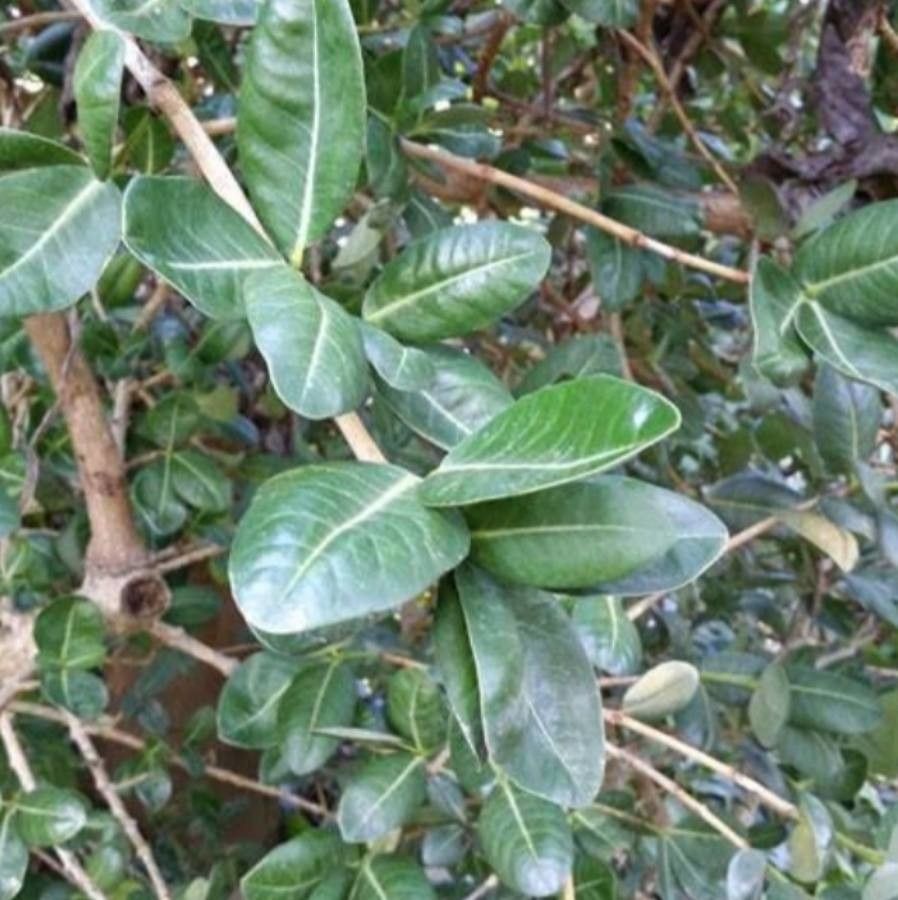
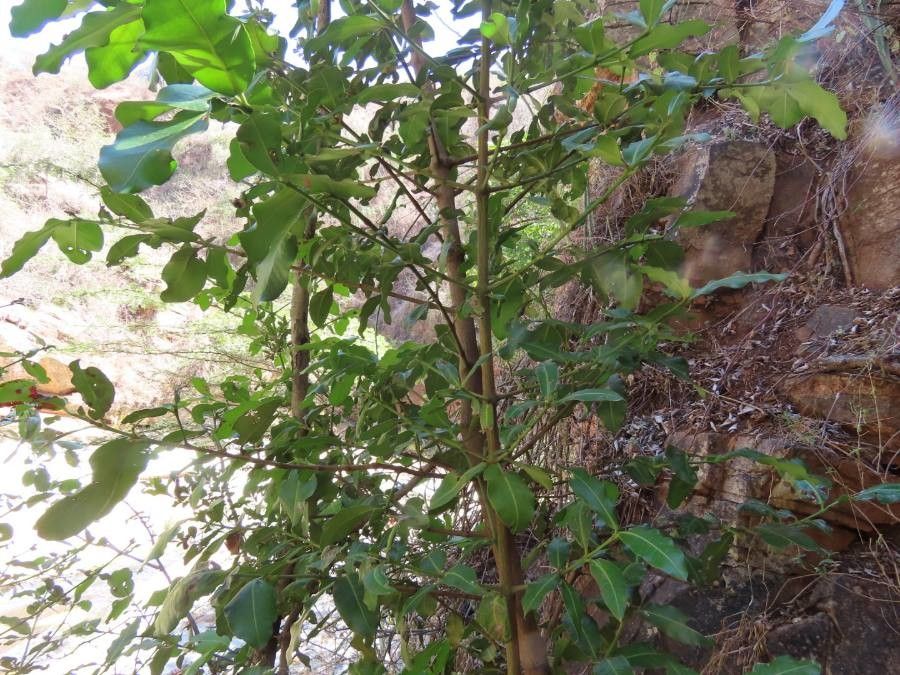
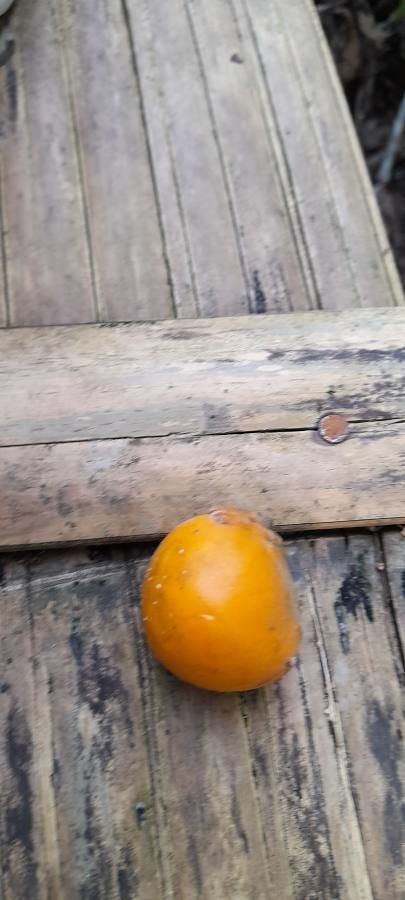
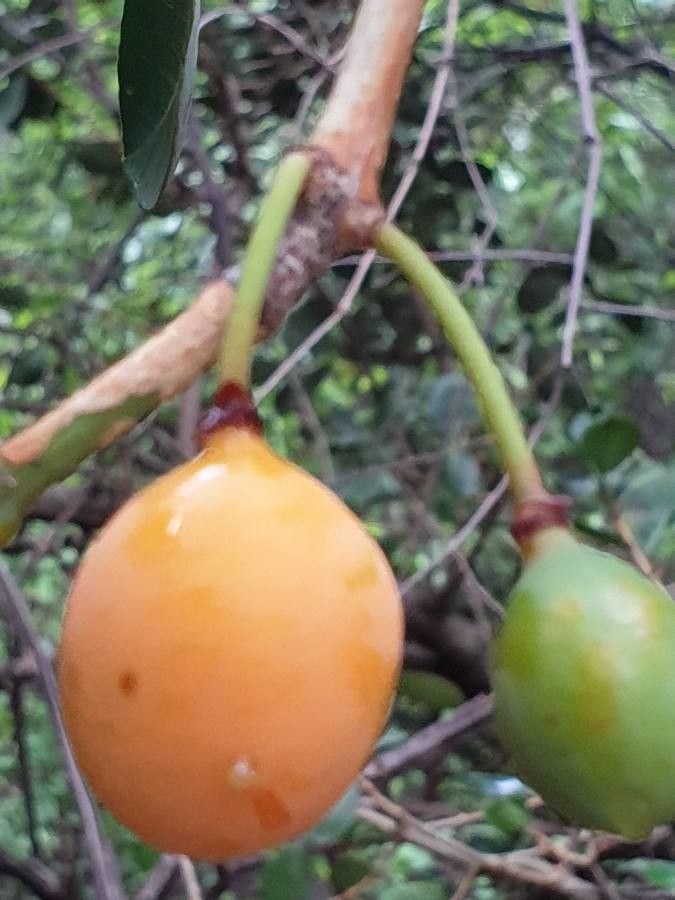
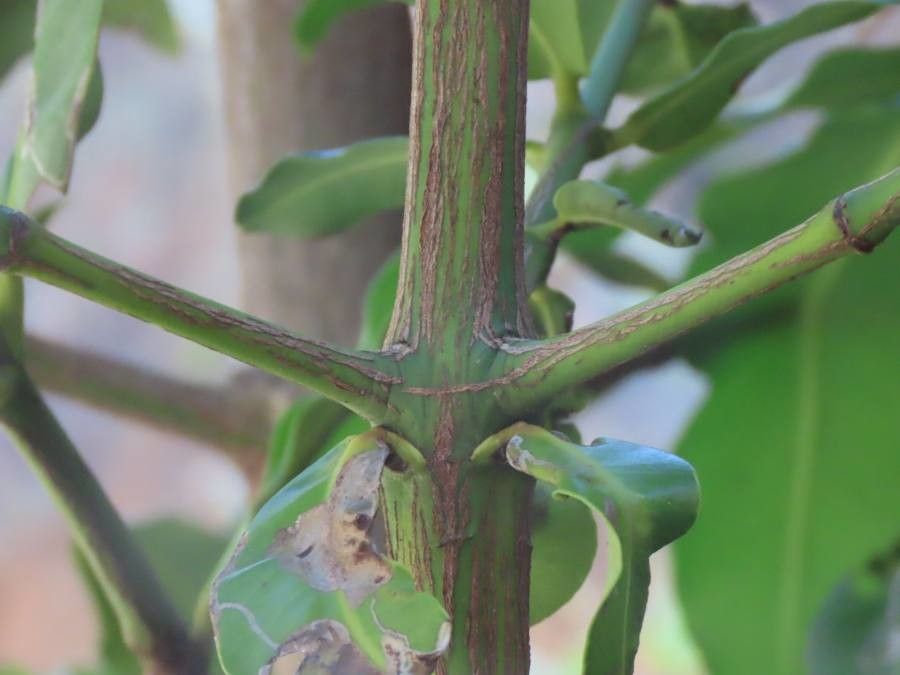
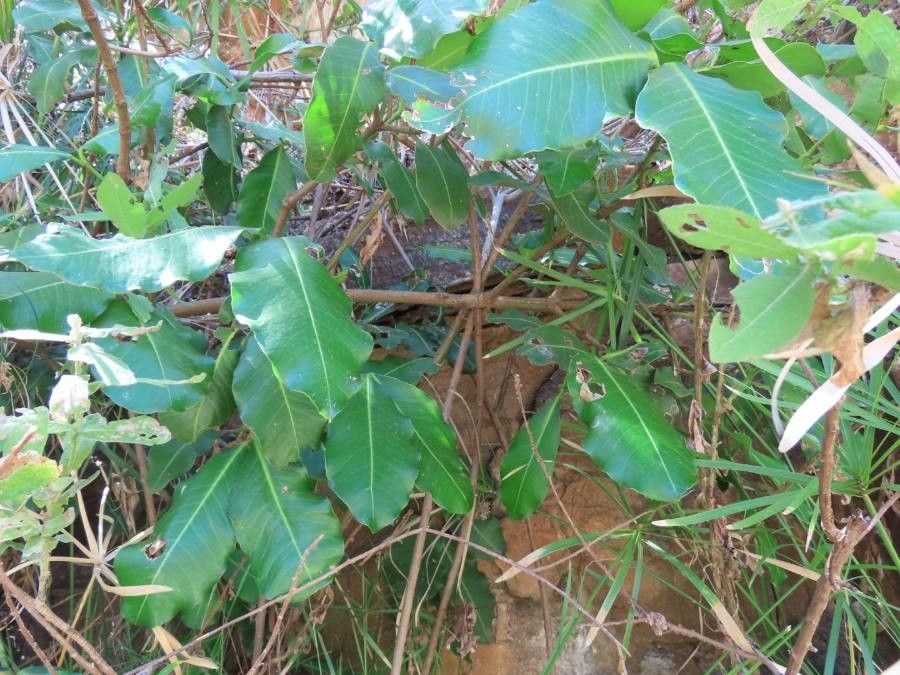
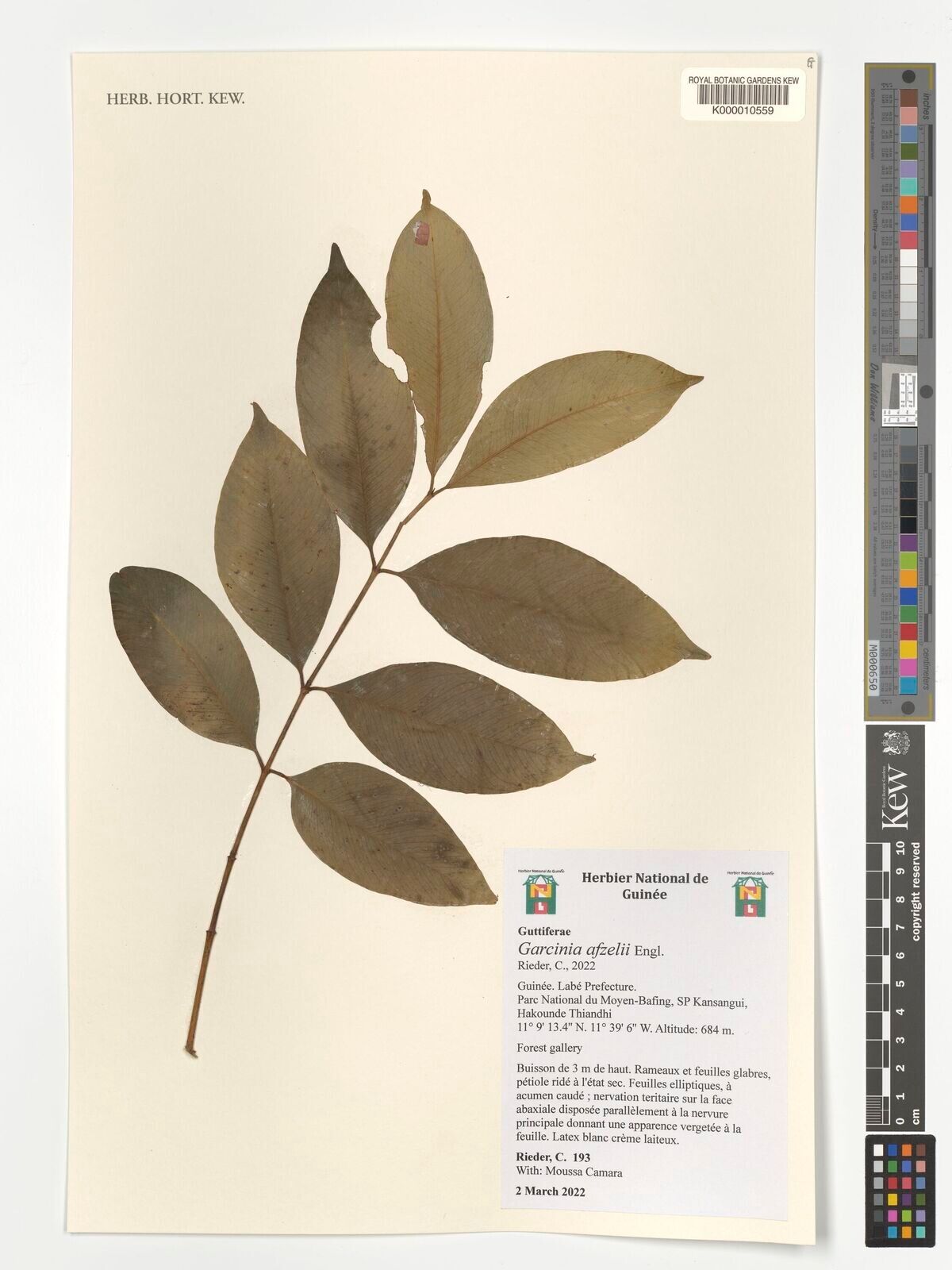
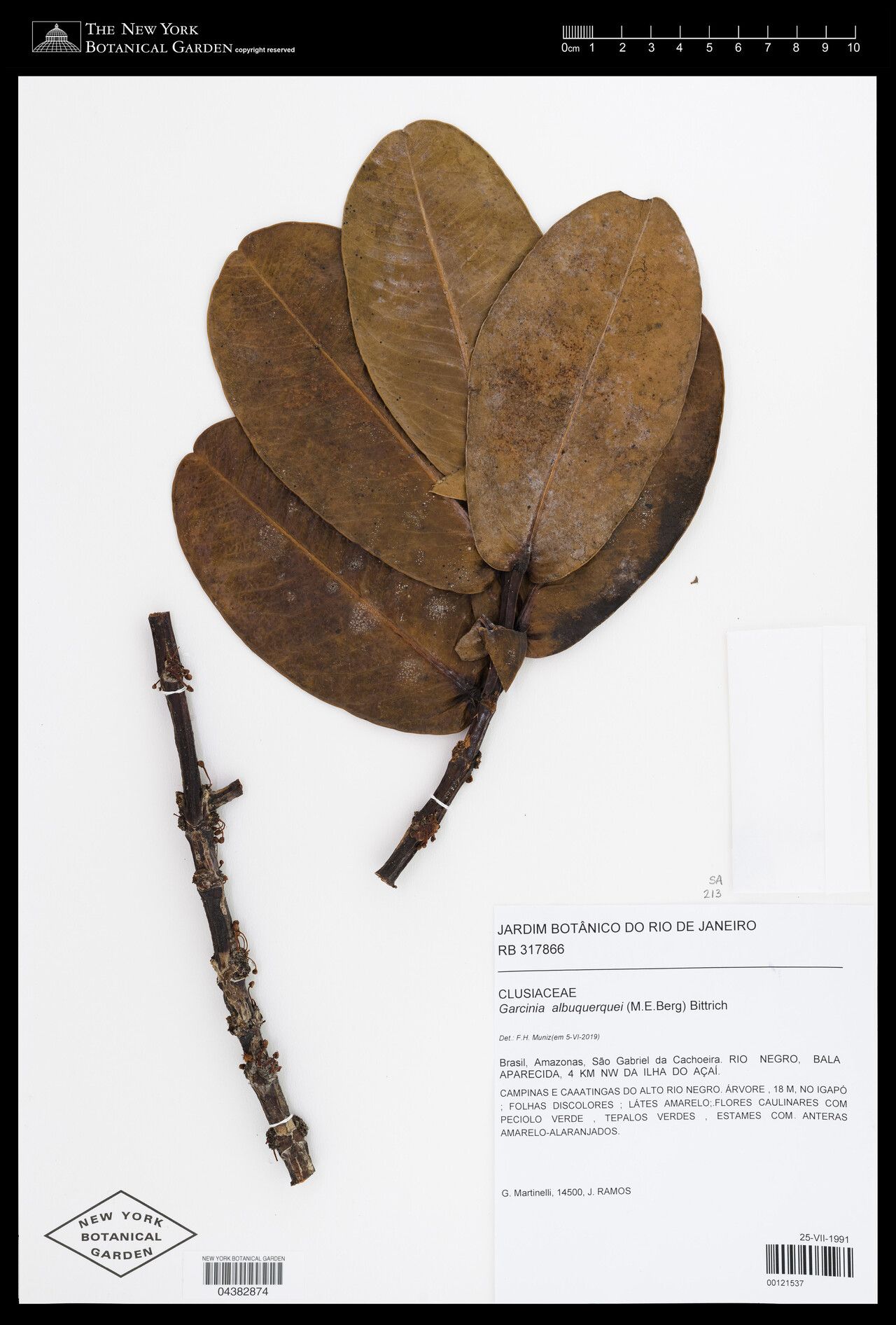
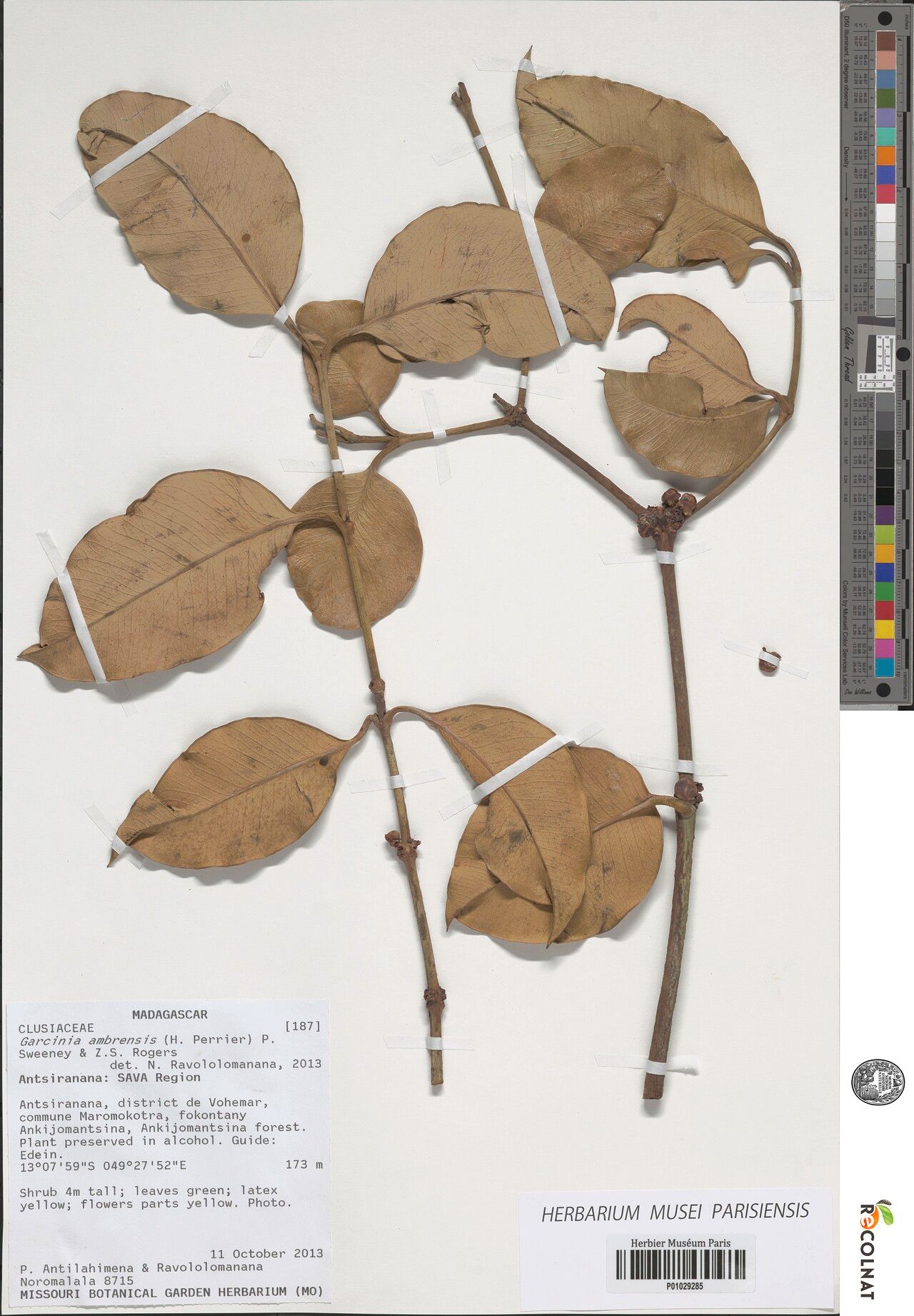
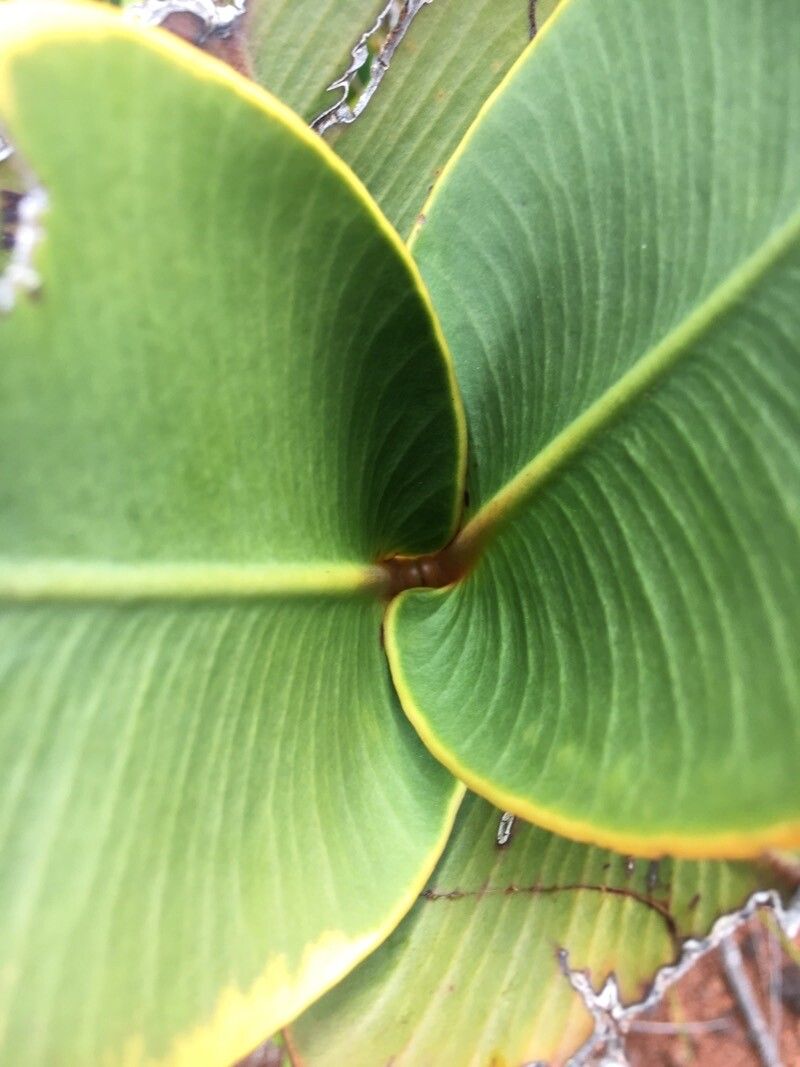
Garcinia livingstonei, commonly known as African mangosteen or imbe, is a tropical fruit tree native to Africa. It belongs to the Clusiaceae family and can reach heights of up to 20 meters. The tree bears small, round fruits that resemble mangosteens in both appearance and taste. The fruit features a thick rind that is green when unripe and turns yellow or orange upon ripening.
Garcinia livingstonei is highly prized in traditional African medicine for its medicinal properties. It has been utilized to treat a variety of ailments including diarrhea, dysentery, fever, and stomach issues.
The plant thrives in warm temperatures with high humidity and well-drained soil. It can be propagated through seeds or cuttings, though it requires careful attention during its early growth stages.
Beyond its medicinal value, Garcinia livingstonei has significant economic potential due to its high demand in local markets. The fruit is popular for fresh consumption and is also processed into jams and juices.
In summary, Garcinia livingstonei is a vital cultural symbol of Africa's rich biodiversity. It holds great potential, not only for traditional medicine but also for economic development within local communities.
African mangosteen is highly resistant to disease and is generally not susceptible to illnesses. In terms of care, this species is fairly low-maintenance. When grown outdoors it needs minimal watering, and larger plants typically do not require pruning. Smaller plants, however, should be pruned after they have finished blooming. African mangosteen is suitable for anyone with an outdoor area, such as a garden or deck, and does not demand much prior plant-care experience.
How to keep Garcinia Livingstonei.
Light
African mangosteen comes from open habitats, like sunny meadows and forest margins, where light is abundant. It does best in Full Sun but can endure Partial Sun, adapting well to a range of sunlight conditions.
Temperature
African mangosteen originates from regions where temperatures range from 68 to 100 °F (20 to 38 ℃). However, as a temperature-sensitive plant, it prefers a warmer atmosphere. Adjustments to its surrounding temperature should be taken into account when transitioning from one season to another.
Fertilizer
Use organic fertilizers (e.g., fish emulsion, compost) instead of chemical ones for African mangosteen. Supply higher levels of nitrogen and phosphorus to young plants in spring. Work compost or fertilizer into the soil before planting or immediately after planting. For mature plants, apply a balanced spring fertilizer or one that addresses specific deficiencies. Nutrient deficiency produces small leaves, short or stunted branches, yellow or bronze foliage, acidic (sour) fruit, premature fruit drop, and splitting.
Botanical profile.
- Plant Type
- Tree
- Life Cycle
- Perennial
- Genus
- Garcinia
- Family
- Clusiaceae
- Hardiness Zone
- 10-11
- Mature Height
- 10.06 m to 20.12 m
- Mature Spread
- 4.88 m to 10.06 m
- Leaf Color
- Dark Green
- Leaf Type
- Evergreen
- Flower Color
- Yellow
- Flower Size
- 1.02 cm to 2.03 cm
- Bloom Time
- Summer
- Planting Time
- Spring, Summer, Autumn, Winter
- Harvest Time
- Late summer, Fall
- Native Area
- Burkina Faso, Malawi, Somalia, Angola, Namibia, South Africa, Zambia, Nigeria, Guinea, Guinea-Bissau, Niger, Kenya, Uganda, Tanzania, Mali, Zimbabwe, Benin, Mozambique, Togo, Ghana, Eswatini, Ethiopia, Gambia, Botswana
Other names.