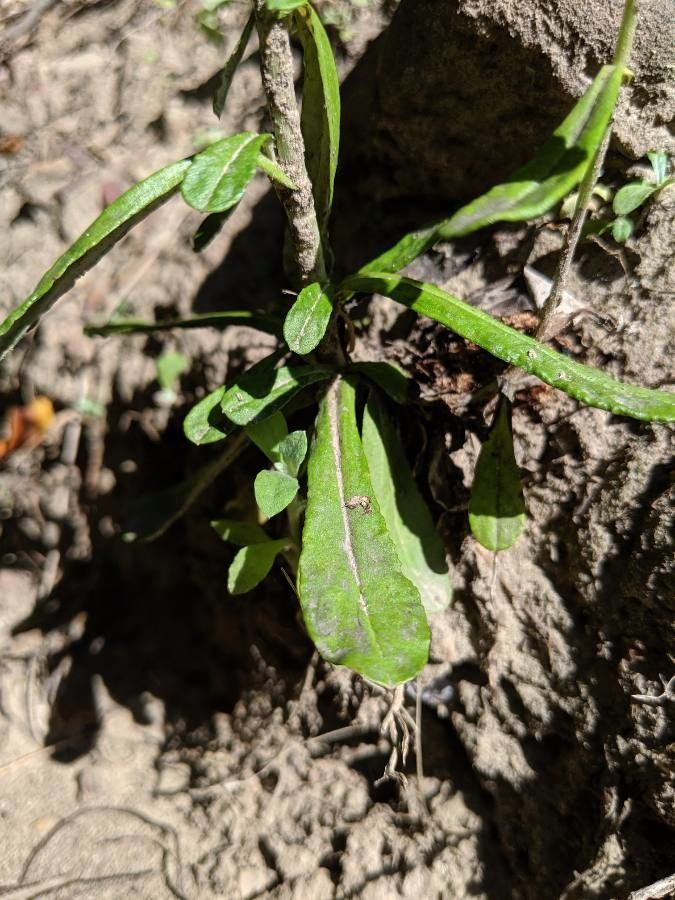
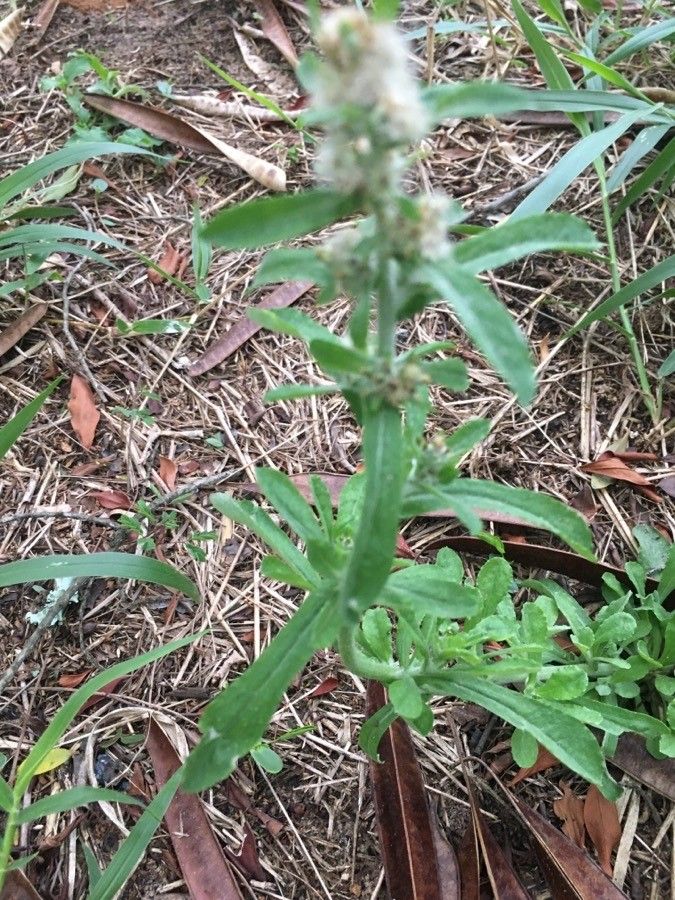
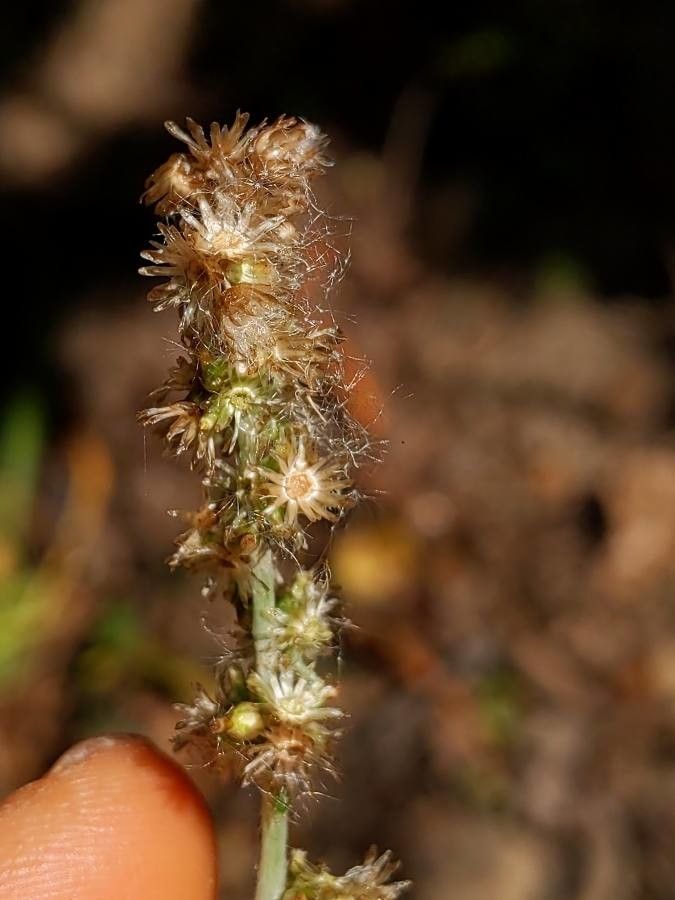
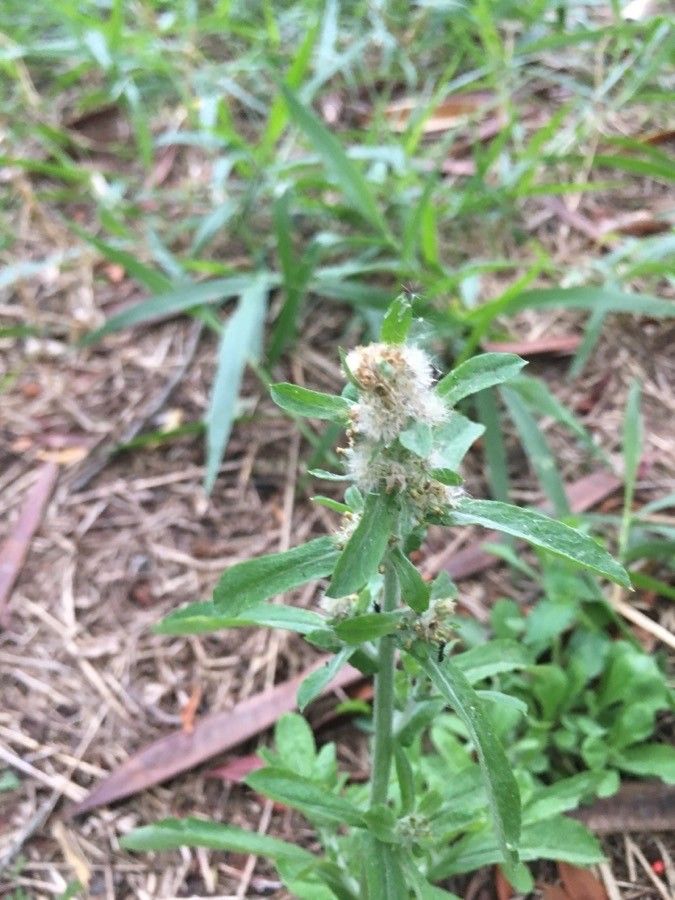
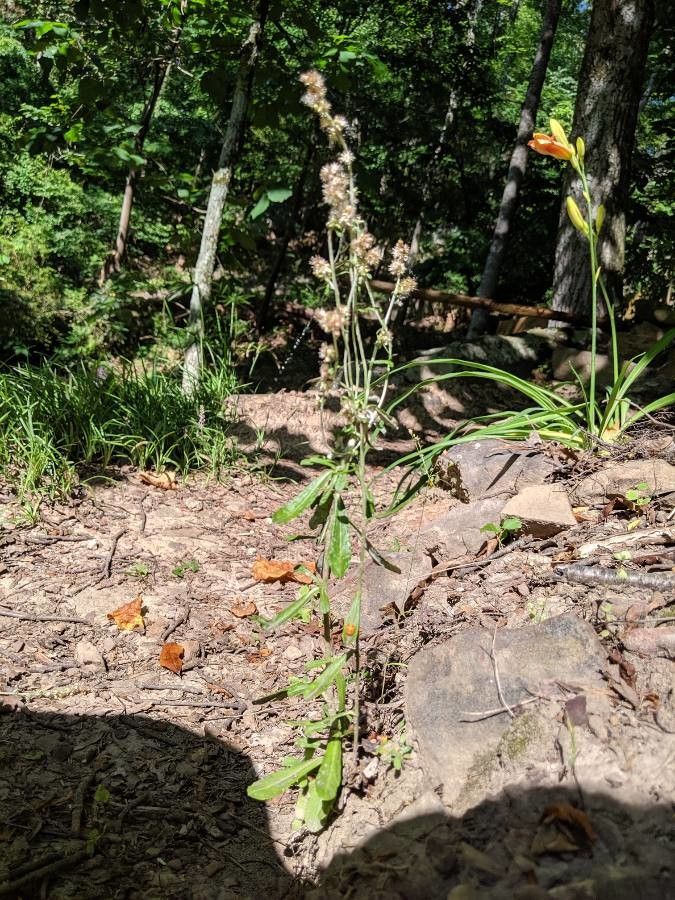
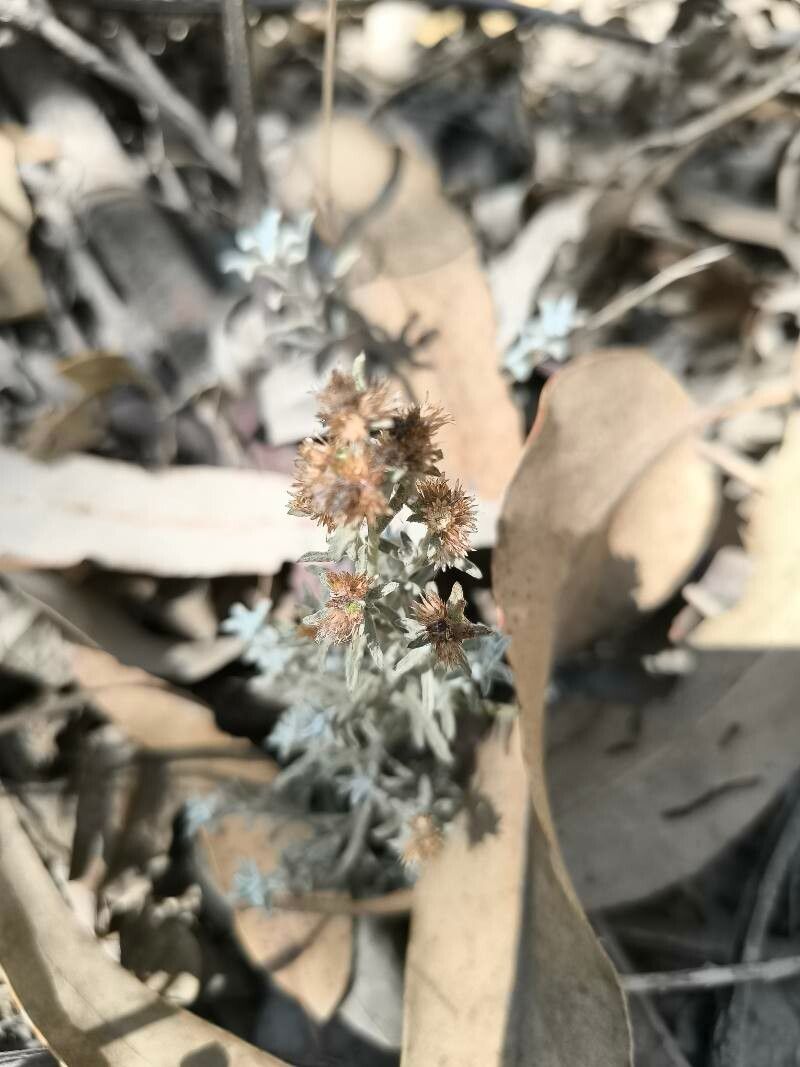
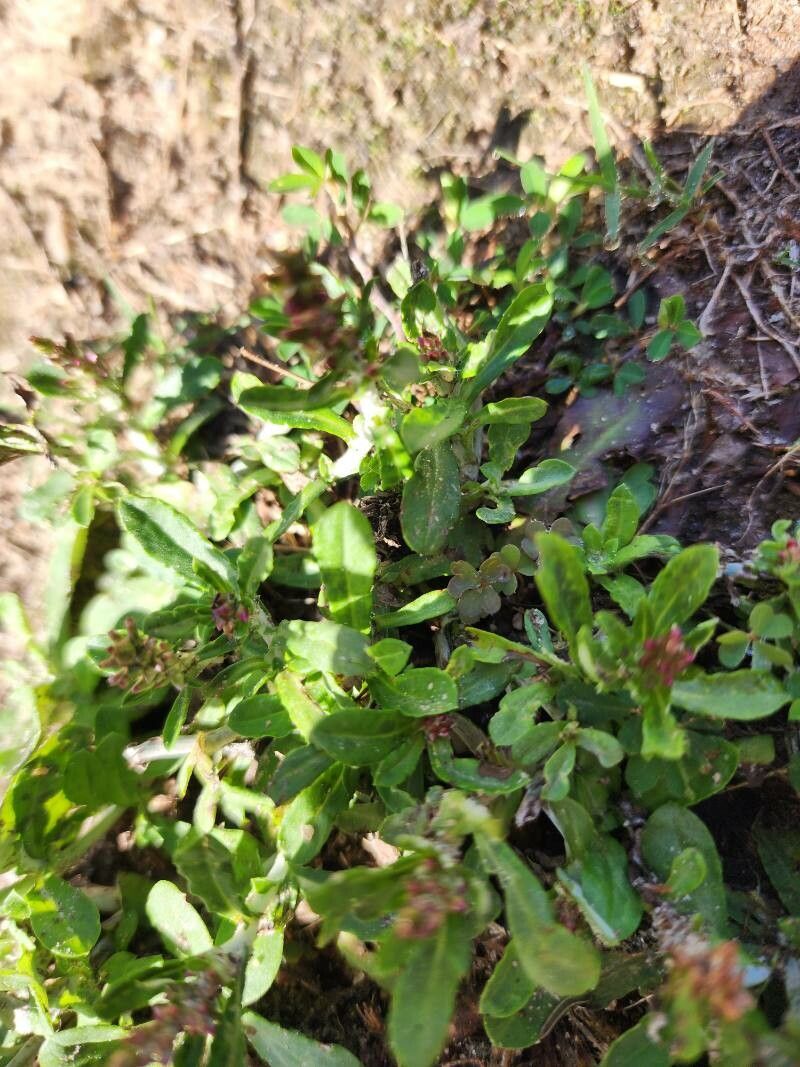
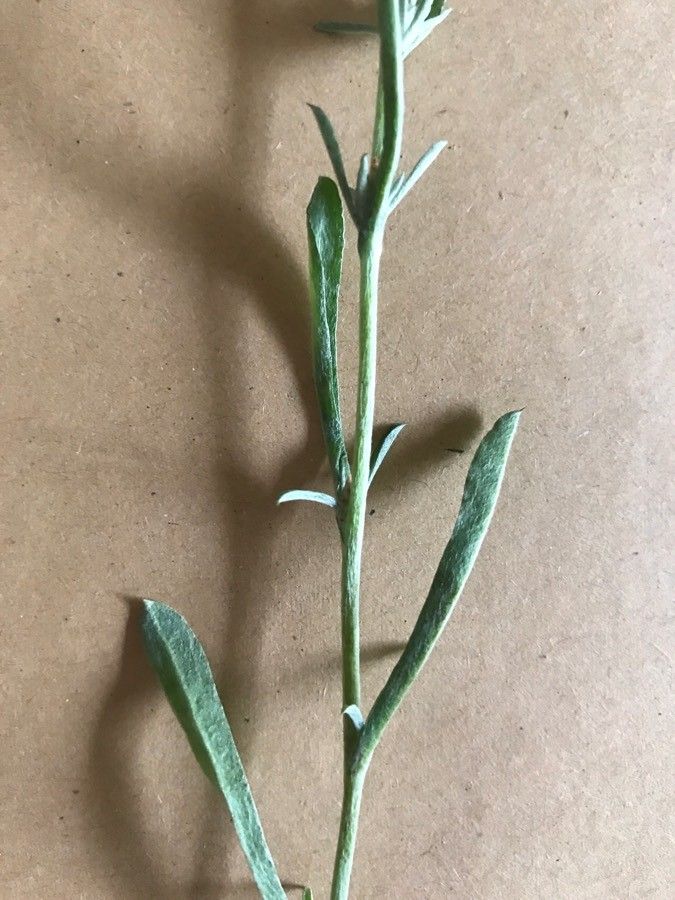
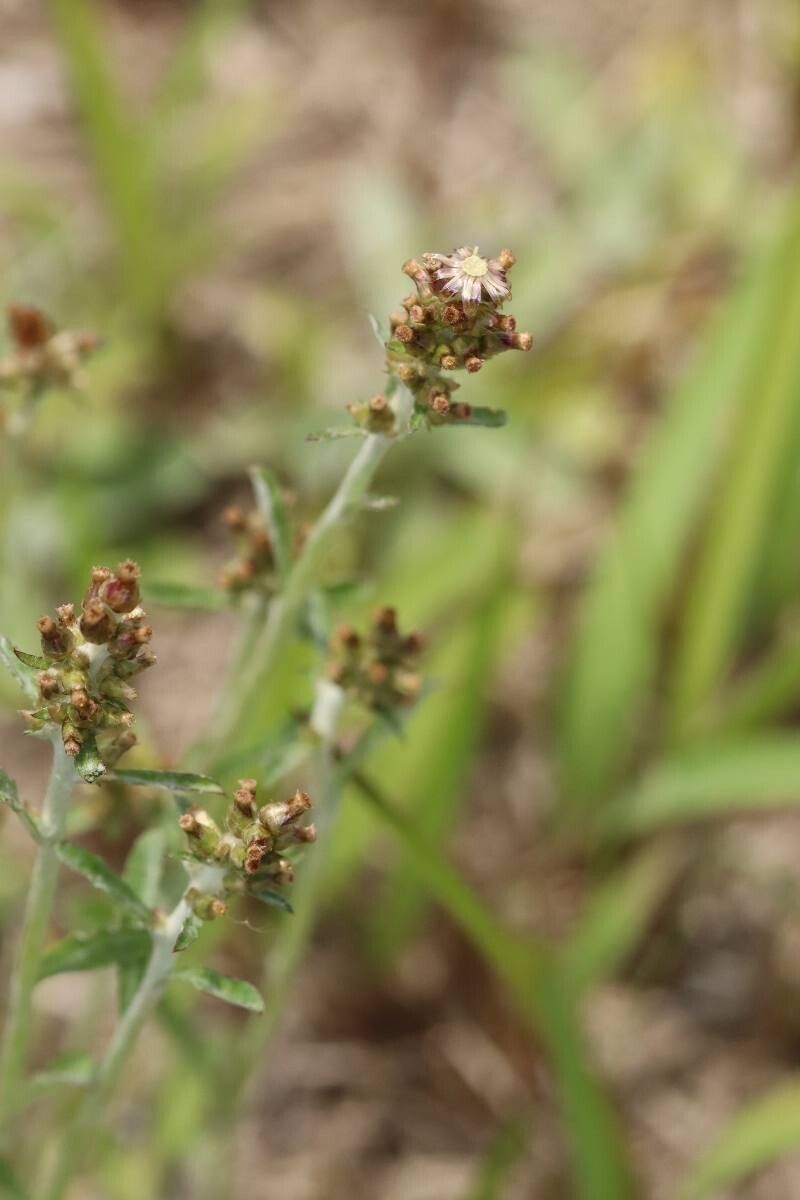
Gamochaeta pensylvanica, commonly known as Pennsylvania everlasting or common cudweed, is a perennial herbaceous plant in the Asteraceae family. Native to North America, it thrives in various habitats, including fields, meadows, and disturbed areas. This plant can grow up to 60 cm tall and features a basal rosette of lance-shaped leaves with toothed edges. The stem is hairy and adorned with small white or pinkish flowers, which bloom from June to October. Pennsylvania everlasting has been utilized in traditional medicine for its anti-inflammatory properties, particularly in treating respiratory ailments such as asthma and bronchitis. Additionally, the plant serves as a food source for various insects, including bees, butterflies, moths, and beetles. Overall, Gamochaeta pensylvanica is a fascinating herbaceous perennial with medicinal benefits. It also plays a crucial role in supporting biodiversity by providing food sources for insects.
"Pennsylvania everlasting": The species name "pensylvanica" is actually a misnomer because this plant is not native to Pennsylvania and has only a limited presence there. It is called "Pennsylvania everlasting" because its flowers retain their beauty even when dried.
Pennsylvania everlasting has good resistance to disease and typically is not susceptible to illnesses. However, it can be vulnerable to pests and diseases present in its environment. These outbreaks are generally not serious. Regarding care, this plant needs moderate maintenance. It should be pruned regularly to preserve an attractive appearance and healthy growth. Applying fertilizer can also help encourage flowering. Pennsylvania everlasting is appropriate for anyone with an outdoor area, such as a garden or patio, and does not demand extensive care experience. It may need extra attention when kept indoors.
How to keep Gamochaeta Pensylvanica.
Light
The pennsylvania everlasting does best with abundant light, which is vital for its healthy growth. It can tolerate a slight drop in light levels, as is typical in its main habitat. Severe light shortage can impair its growth, and overly intense exposure can also cause stress.
Water
Pennsylvania everlasting is a hardy plant that thrives in different moisture conditions, showing resilience and moderate tolerance to drought. For optimal growth, it is best to water the plant weekly, ensuring a balance between hydration and drainage. As an outdoor herbaceous plant, its growth cycles naturally align with rainfall patterns. To simulate these conditions, it needs more water during its active growth phases.
Temperature
Pennsylvania everlasting is native to regions with moderate climates and prefers temperatures of 68 to 95 °F (20 to 35 °C). As a plant that persists year-round, it may need slight adjustments when temperatures shift significantly between seasons.
Fertilizer
Pennsylvania everlasting are regarded as heavy nutrient feeders. They require frequent, small applications of nitrogen and potassium fertilizers and occasional treatments of phosphorus, micronutrients, sulfur, and magnesium to sustain good growth and bright coloration. Continuous fertilization during the growing season is needed to prevent deficiency symptoms and maintain optimal growth.
Botanical profile.
- Plant Type
- Herb
- Life Cycle
- Biennial, Annual
- Genus
- Gamochaeta
- Family
- Asteraceae
- Hardiness Zone
- 3-10
- Mature Height
- 49 cm
- Mature Spread
- 5 cm to 15 cm
- Leaf Color
- Green
- Leaf Type
- Deciduous
- Flower Color
- White, Yellow, Purple, Brown
- Flower Size
- 0.25 cm
- Bloom Time
- Mid spring, Late spring, Early summer
- Planting Time
- Spring, Summer
- Harvest Time
- Early summer, Mid summer
- Native Area
- Bahamas, Cuba, Honduras, Mexico, Guatemala, Bolivia, El Salvador, Nicaragua, Costa Rica, Panama
Other names.
Reader questions.
What are the sunlight requirements for Pennsylvania everlasting?
Pennsylvania everlasting thrives well in environments with abundant light. For healthy development, this plant requires full sun, which is defined as having more than 6 hours of sunlight per day. It can also tolerate partial sun, approximately 3-6 hours of sunlight daily. However, it's important to monitor the movement of sunlight through your garden to find the optimal balance of light and shade that will ensure the plants' well-being.
What is the preferred temperature range for Pennsylvania everlasting?
Pennsylvania everlasting, also known by its botanical name Gamochaeta pensylvanica, thrives in moderate climates, with a preferred temperature range of 68 to 95 °F (20 to 35 °C). It is a year-round plant that can adjust to extreme temperature changes between seasons but has a strong preference for this moderate temperature range.
How does insufficient or excessive light affect Pennsylvania everlasting?
The Pennsylvania everlasting requires an ample amount of light for optimal growth. A slight decrease in light levels can be tolerated, much like its natural habitat conditions. However, depriving the plant of significant light may hinder its growth, while overly intense light exposure could also cause stress. To support growth under less than ideal lighting conditions, artificial lighting can be an essential supplement. LED lights are recommended due to their adjustability to provide specific wavelengths needed for plant growth. The required artificial light intensity ranges from 10 to 50W/sq ft, depending on the plant's sunlight needs.
Does Pennsylvania everlasting need frost protection in winter?
Pennsylvania everlasting has strong cold resistance and usually does not require special frost protection measures during the winter. However, in situations where winter temperatures are expected to plunge below -35°C, it's important to provide some form of cold protection. This can be achieved by covering the plant with protective materials such as soil or straw. Additionally, it's recommended to water the plant abundantly before the first freeze in autumn to ensure the soil remains moist and enters a frozen state, which helps in preventing drought and water scarcity during the winter and early spring.
What symptoms indicate inadequate light exposure in Pennsylvania everlasting?
When Pennsylvania everlasting is grown indoors and does not receive adequate light, several symptoms might manifest. These include smaller new leaves, leggy or sparse growth, accelerated leaf drop, halted leaf production indicating a survival mode, lighter-colored new leaves, and specific conditions such as chlorosis, sunscald, leaf curling, wilting, and leaf scorching. Each of these symptoms points to either insufficient sunlight or overexposure, stressing the importance of maintaining balanced light conditions.
How does Pennsylvania everlasting respond to low temperatures?
Pennsylvania everlasting is known for its cold tolerance, performing best when the temperature stays above 20°C. During winter, it's important to keep the temperature above 0°C. If temperatures fall below -35°C, there might not be noticeable changes during winter, but a decrease in sprouting or even a complete failure to sprout might occur in spring. To manage this, it's advised to remove any parts that failed to sprout once spring arrives.
How can light exposure be optimized for indoor and outdoor cultivation of Pennsylvania everlasting?
To optimize light exposure for Pennsylvania everlasting, indoor plants can gradually be moved to sunnier spots until they receive at least 6 hours of direct sunlight daily, utilizing south-facing windows for maximum exposure. If moving the plant is not feasible or for additional light, consider using artificial lighting such as desk lamps or professional grow lights for at least 8 hours a day. For outdoor plants, gradually transitioning to sunnier locations each week is key to prevent sunburn, though parts of the plant already affected by insufficient light may not recover despite improved conditions. Reducing sunlight obstructions and transplanting smaller plants during their dormant periods are additional methods to enhance light exposure.
How does Pennsylvania everlasting respond to high temperatures?
During the summer months, it's pivotal to keep Pennsylvania everlasting below 35°C. Should temperatures rise above 41°C, the plant's leaves may lighten in color, become prone to curling, suffer from sunburn, and in severe cases, wilt and dry out entirely. To address these issues, trim away the sunburned and dried-up parts, move the plant to a shade-providing location, particularly from midday and afternoon sun, or use a shade cloth. Additionally, ensure the plant is watered in the morning and evening to maintain soil moisture.