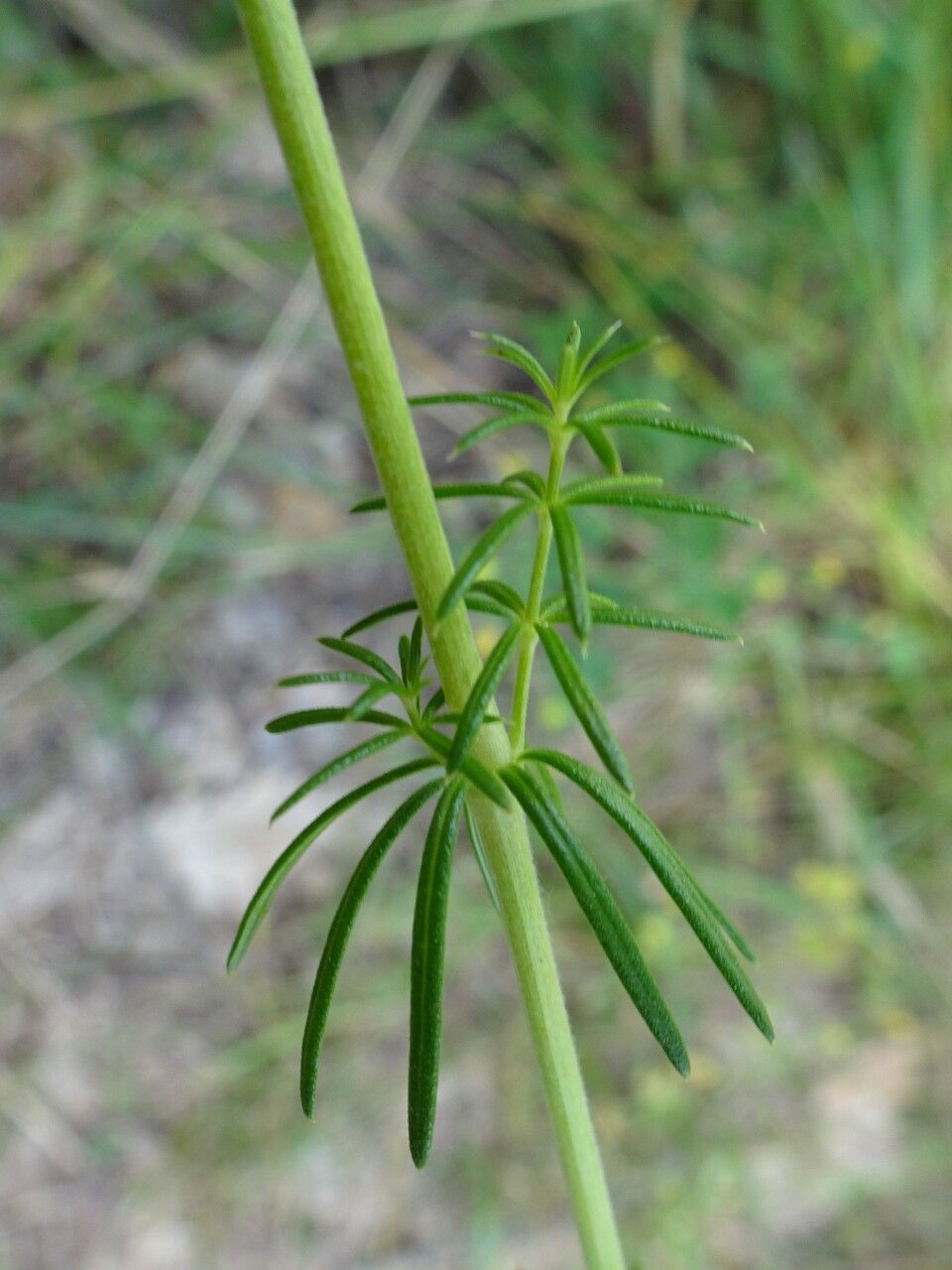
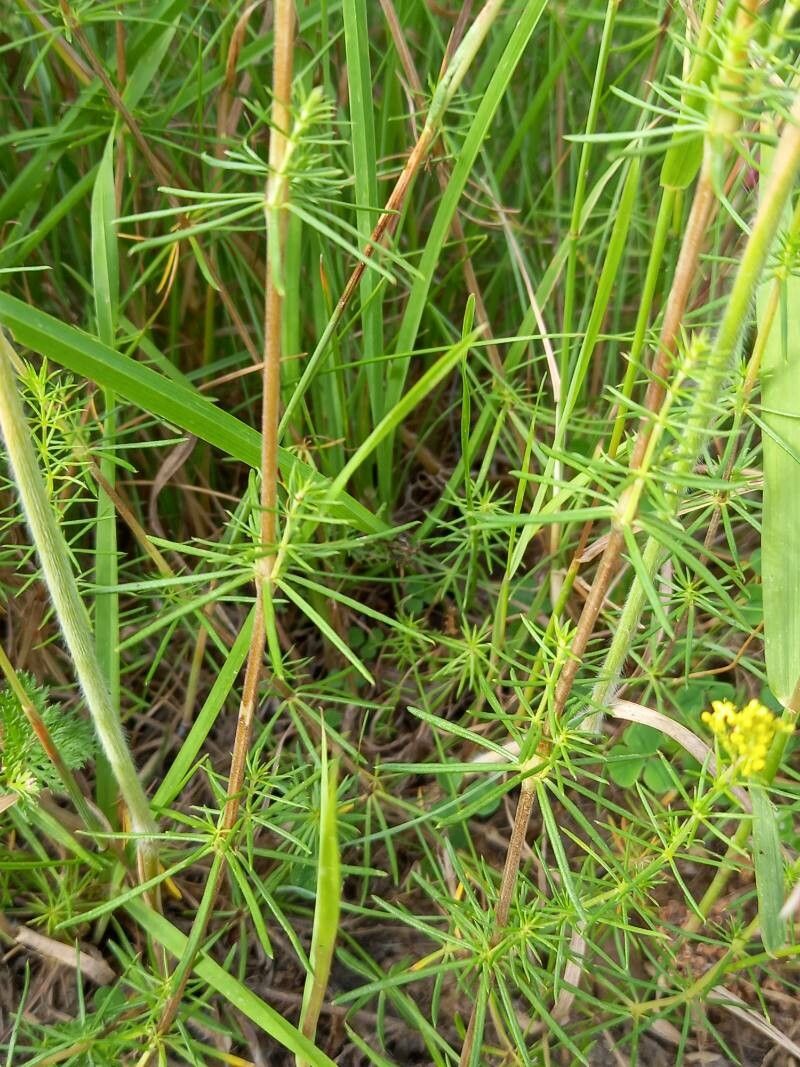
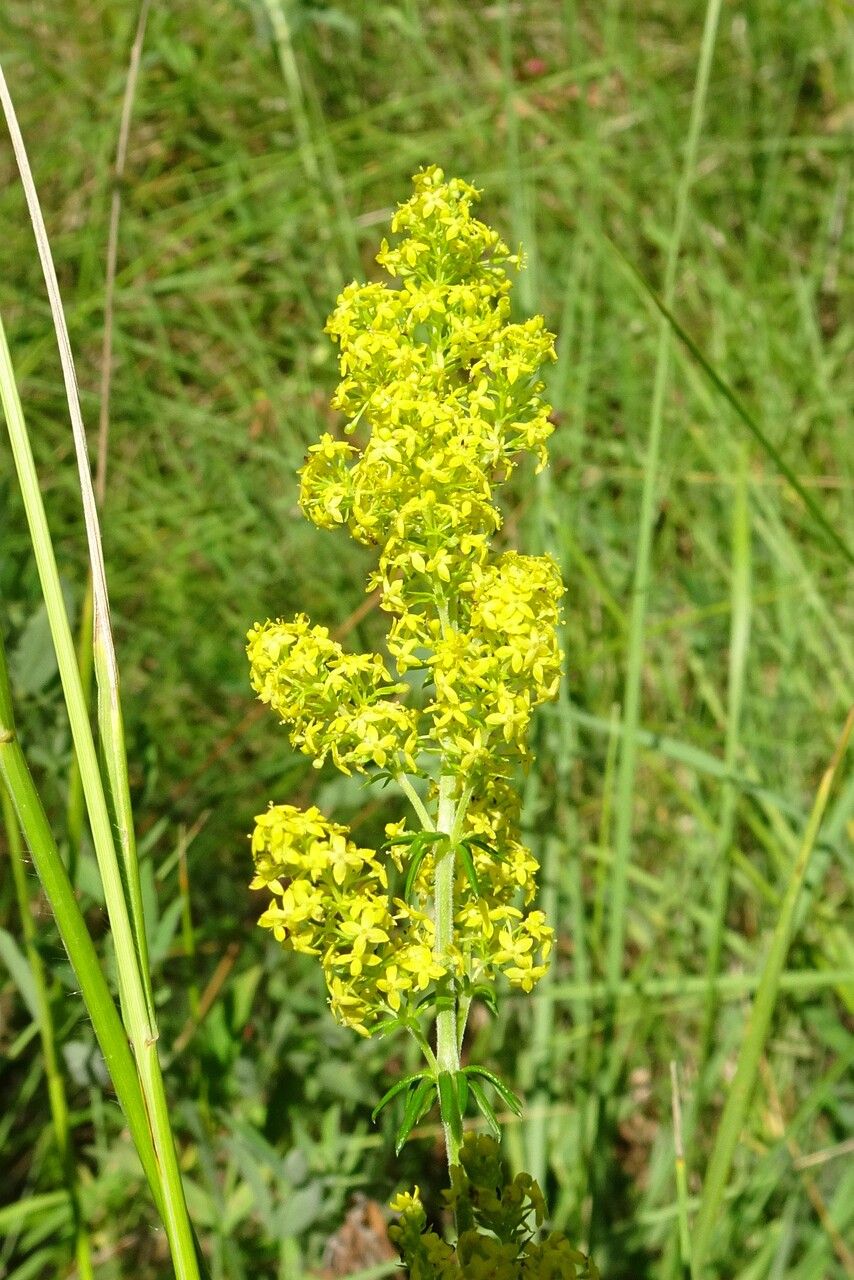
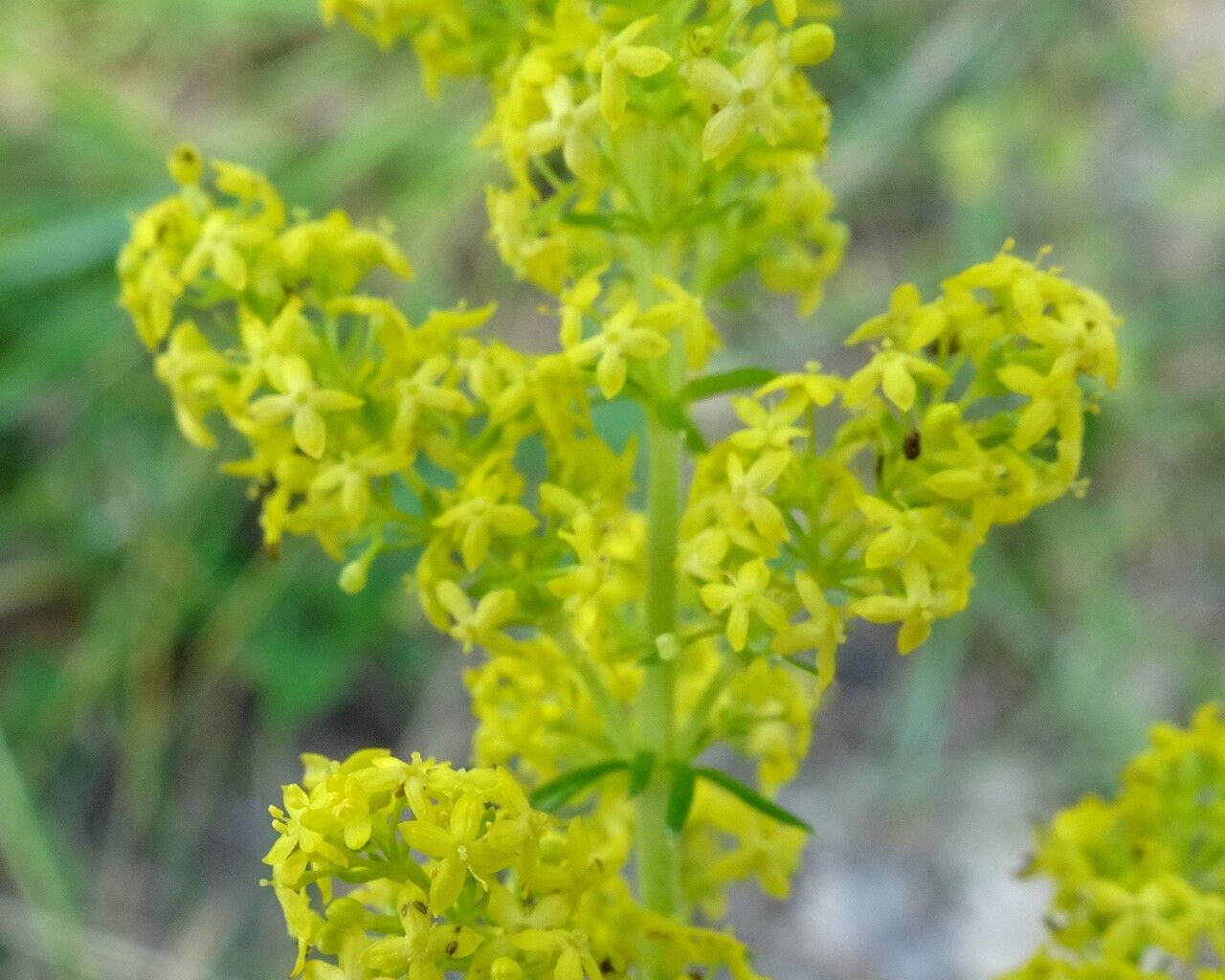
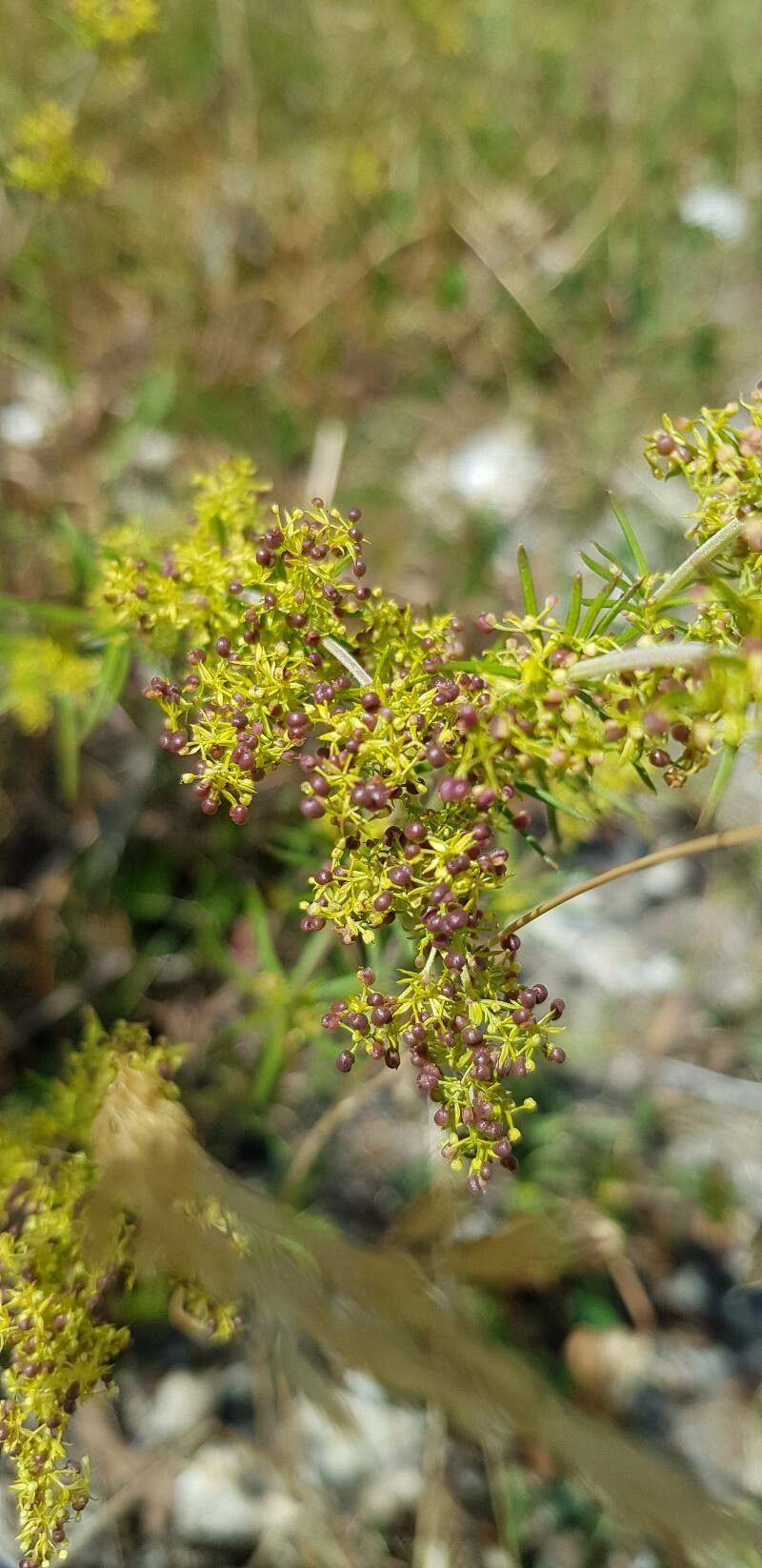
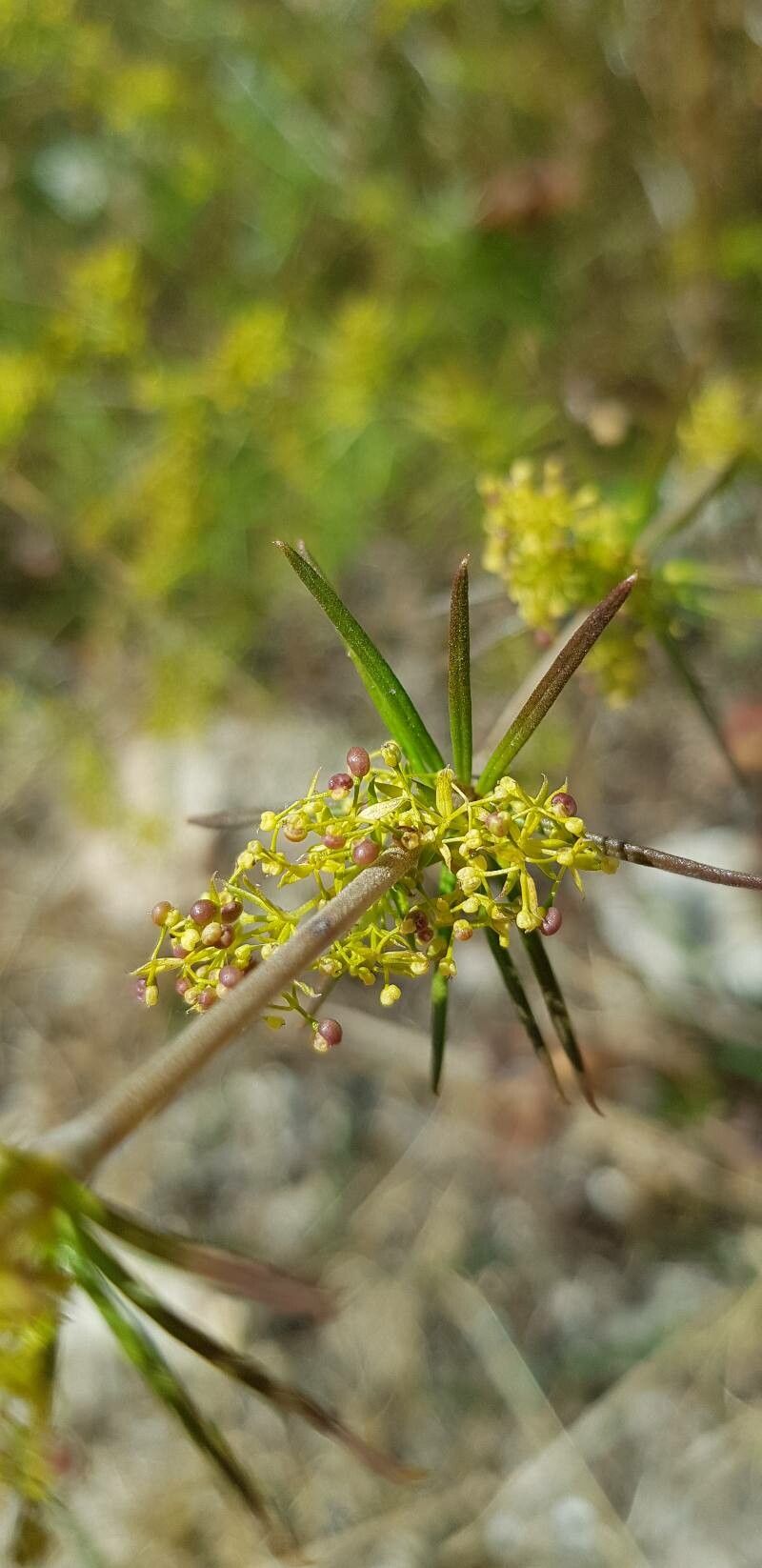
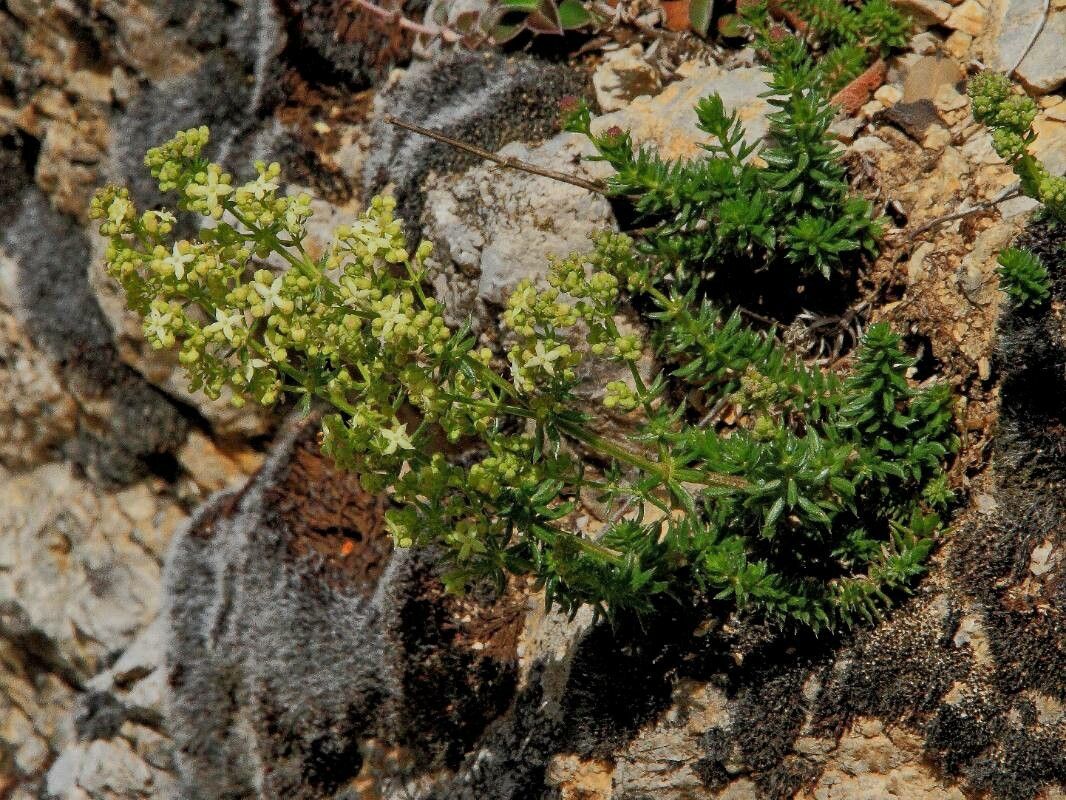
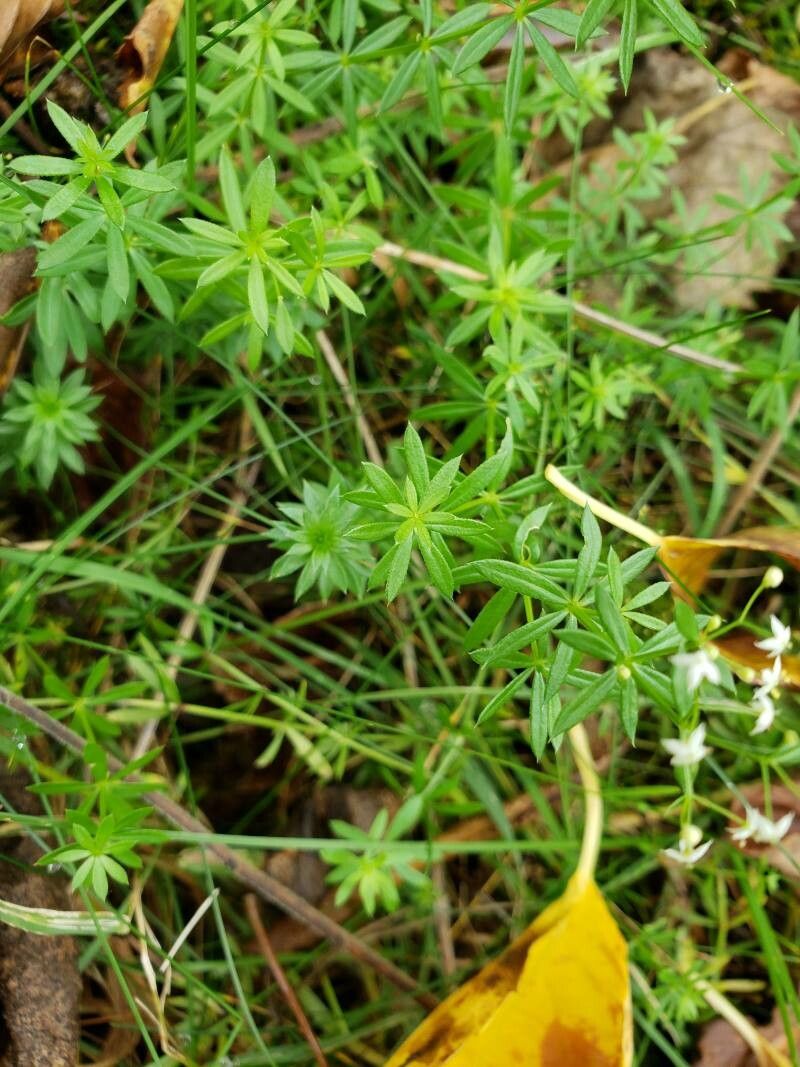
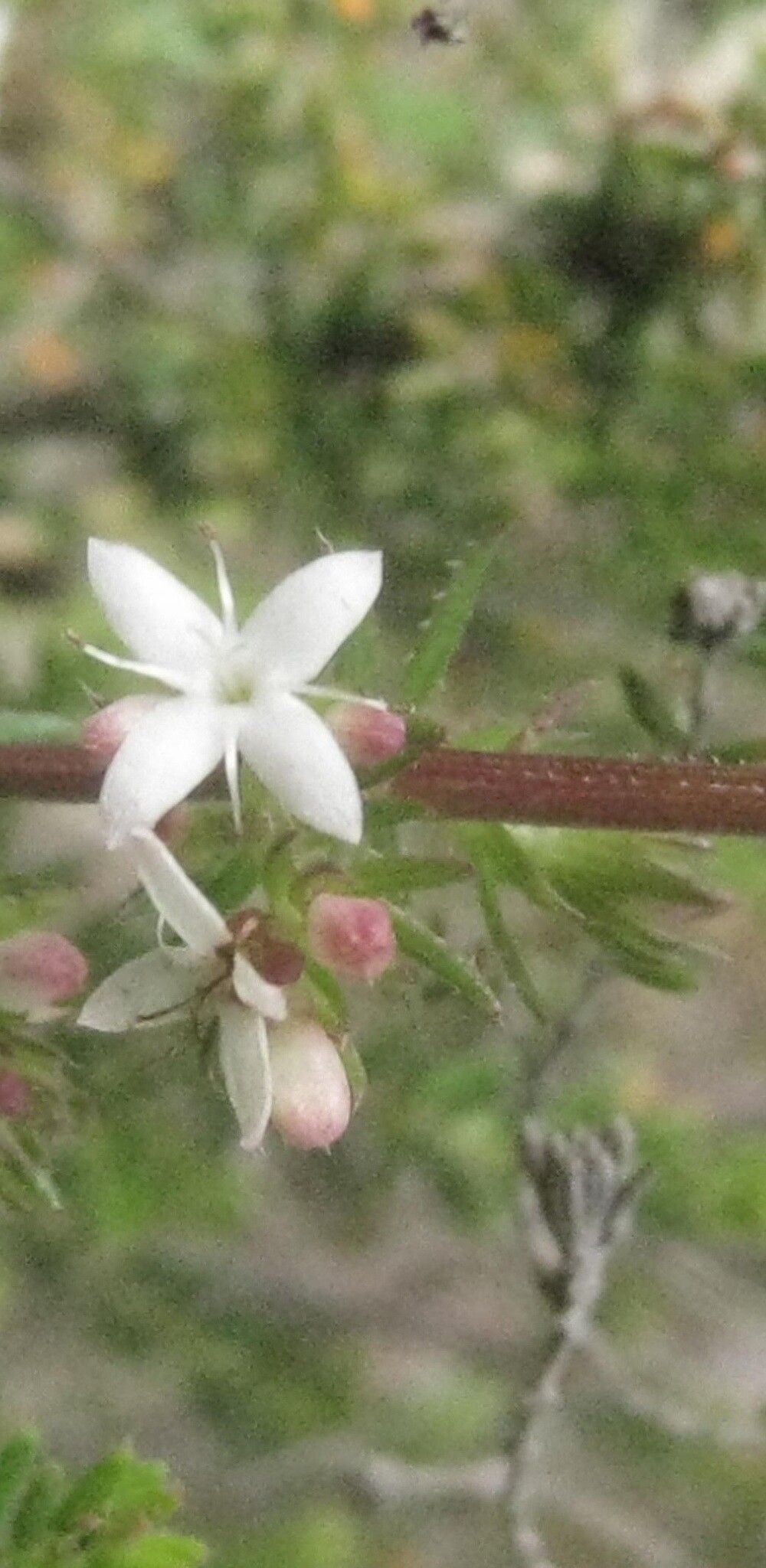
Galium verum (lady's bedstraw or yellow bedstraw) is a herbaceous perennial plant of the family Rubiaceae. It is widespread across most of Europe, North Africa, and temperate Asia from Palestine, Lebanon and Turkey to Japan and Kamchatka. It is naturalized in Tasmania, New Zealand, Canada, and the northern half of the United States. It is considered a noxious weed in some places.Galium verum is a low scrambling plant, with the stems growing to 60–120 centimetres (24–47 in) long, frequently rooting where they touch the ground. The leaves are 1–3 cm (0.39–1.18 in) long and 2 millimetres (0.079 in) broad, shiny dark green, hairy underneath, borne in whorls of 8–12. The flowers are 2–3 mm (0.079–0.118 in) in diameter, yellow, and produced in dense clusters. This species is sometimes confused with Galium odoratum, a species with traditional culinary uses.
Lady's bedstraw is fairly resistant to disease and typically does not suffer from many illnesses. Still, it can be affected by pests and diseases present in its environment, though these issues are usually mild. For care, this plant requires a moderate level of maintenance. It should be pruned regularly to preserve appearance and encourage healthy growth. Fertilizing can also aid in enhancing flowering. Lady's bedstraw is well suited to anyone with outdoor space, such as a garden or patio, and does not need extensive care experience. It may need extra attention if grown indoors.
How to keep Galium Verum.
Light
Lady's bedstraw does best in full sun. While it can survive in moderately shaded spots, plenty of sunlight produces its healthiest growth. This preference comes from its origins in sunny environments. However, light beyond its tolerance can cause harmful effects and impair its development.
Water
Lady's bedstraw flourishes in well-drained soils with consistent moisture. While it has moderate drought tolerance, it needs to be watered weekly. It's important to pay attention to seasonal rainfall patterns, particularly during the active growing season when more frequent watering is necessary.
Humidity
This plant will thrive in moderate humidity, which is probably the level in your home. However, misting it a few times a week can be very beneficial. Make sure the room has good ventilation.
Temperature
Lady's bedstraw is native to environments that maintain temperatures of 32 to 32 °F (0 to 32 °C). It favors cooler climates rather than hot or tropical regions. During seasonal shifts, make sure the temperature does not fall below freezing.
Fertilizer
The best time to fertilize a Lady's bedstraw is in early spring, when it is coming out of dormancy and beginning active growth. Fertilizing supplies essential nutrients required for healthy growth. Although Lady's bedstraw has relatively low fertilizer needs, applying it annually can improve its survival and promote better, longer-lasting flowers.
Pruning
Lady's bedstraw is a perennial plant known for its bright yellow flowers and sturdy stems. In early spring, prune the plant to remove dead stems, which helps promote bushiness and flowering. Regular pruning also helps reduce the risk of disease and keeps the plant's size manageable. For the best results, follow horticultural advice for optimal care.
Toxicity
Galium verum has no toxic effects reported.
Further reading →
The toxicity and danger assessments provided are for reference only. We do not assure their accuracy, so it's crucial not to depend on them. Seek professional advice when necessary for accurate guidance.
Botanical profile.
- Plant Type
- Herb, Vine
- Life Cycle
- Perennial
- Genus
- Galium
- Family
- Rubiaceae
- Hardiness Zone
- 3-7
- Mature Height
- 0.61 m to 1.22 m
- Mature Spread
- 30 cm to 61 cm
- Leaf Color
- Green
- Leaf Type
- Deciduous
- Flower Color
- Yellow
- Flower Size
- 0.20 cm to 0.25 cm
- Bloom Time
- Early summer, Mid summer
- Planting Time
- Summer
- Harvest Time
- Mid summer
- Native Area
- Turkey, Austria, Sweden, Slovakia, Montenegro, Pakistan, Slovenia, Morocco, Croatia, Belarus, Russia, Uzbekistan, Germany, Iraq, Iceland, Estonia, Koppen, Romania, Latvia, South Korea, Belgium, France, Netherlands, Portugal, Tajikistan, Tunisia, Czech Republic, Bulgaria, Armenia, Poland, Greece, Ukraine, China, Lebanon, Lithuania, Norway, Afghanistan, Syria, Italy, Kazakhstan, Spain, Switzerland, Kyrgyzstan, Japan, Finland, Mongolia, Albania, Iran, Ireland, Algeria, Hungary, United Kingdom, Azerbaijan, Turkmenistan
Other names.
Reader questions.
How should I water my Lady's bedstraw plant?
To properly water the Lady's bedstraw, it is best to use filtered water that is at room temperature or slightly warmer. Tap water may contain harmful particles, so filtered water is preferred. The Lady's bedstraw originates from a warm environment, so cold water may shock it. It is important to avoid overhead watering as it can lead to leaf problems. Instead, apply the filtered room temperature water directly to the soil until it is completely soaked. This helps to moisten the roots and promote nutrient absorption as they continue to spread and collect necessary nutrients.
Why should I put fertilizer on my Lady's bedstraw?
The main structure of the Lady's bedstraw is made up of the leaves. Fertilization plays a crucial role in ensuring the leaves look great and serve their function effectively. Proper fertilization leads to consistent color and a healthy texture of the leaves. In addition, fertilization also works below the soil to promote the growth of new roots and maintain the existing root system. This not only keeps the plant healthy in the present but also enhances its ability to absorb soil nutrients in the future.
What are the sun requirements for Lady's Bedstraw?
Lady's Bedstraw thrives in conditions of full sun exposure, requiring above 6 hours of sunlight daily for optimal health. It can also survive in partial sun, which is about 3-6 hours of sunlight. The plant originates from sunny habitats, thus, sufficient sun exposure is crucial for its growth and health. However, it's important to watch how sunlight moves through your garden to ensure that plants receive the perfect balance of light and shade, preventing any adverse effects from overexposure.
What is the native environment of Lady's Bedstraw?
Lady's bedstraw is native to environments that exhibit temperatures ranging from 32 to 32 °F (0 to 0 °C), which indicates it prefers cooler climates over hot or tropical areas. This cold-tolerant plant thrives in places where the temperature doesn’t fluctuate much and is well-suited to cooler climates rather than warm or tropical settings. Adaptation to such conditions suggests it has evolved to survive and thrive without the need for additional frost protection measures during winter.
What should I do if I give too much or too little water to my Lady's bedstraw?
Both overwatering and underwatering can harm the health of your Lady's bedstraw, but overwatering is more common. If you give the plant too much water, its stems and leaves may wilt and turn yellow. Overwatering for a long time can also cause diseases like root rot, mold, and mildew, which can kill the plant. Underwatering is not as common because Lady's bedstraws can tolerate drought. However, it can still happen, and you'll notice the leaves becoming brittle and brown. It's important to quickly recognize the signs of overwatering. Some diseases caused by overwatering, like root rot, may not be fixable if you wait too long. If you see early signs of overwatering, reduce watering immediately and check the soil. If it doesn't drain well, replace it with a loose, well-draining potting mix. If you see signs of underwatering, simply water the plant more regularly until the signs improve.
When should I add fertilizer to my Lady's bedstraw?
If you grow Lady's bedstraw outdoors each year, it will start to grow new leaves in early spring. These leaves are a signal it's time to fertilize. Usually, one round of fertilization in the spring is enough for Lady's bedstraw to thrive. But if you want maximum growth, you can fertilize it multiple times in the spring and early summer. In this case, feeding it once every month to a month and a half is recommended.
How can artificial lighting be used for Lady's Bedstraw indoors?
When natural sunlight is insufficient, especially during winter or in less sunny spaces, artificial lights offer a viable solution for Lady's Bedstraw's growth. LED lights are a popular choice, as they can be customized to provide specific wavelengths needed by the plant. For full sun plants, 30-50W/sq ft of artificial light is recommended, while partial sun plants need 20-30W/sq ft. The light source should be placed 12-36 inches above the plant to mimic natural sunlight effectively. Most plants require 8-12 hours of artificial light per day to mimic natural daylight hours.
How does Lady's Bedstraw handle seasonal temperature changes?
During seasonal changes, it's crucial to ensure that the temperature doesn't drop below freezing for Lady's Bedstraw. Despite its high cold tolerance, to prepare for winter, it is recommended to water the plant generously before the first freeze of autumn. This practice helps ensure that the soil remains moist when it freezes. Keeping the soil moist through the freeze is a preventative measure against drought and water scarcity for the plant during winter and the early spring months.
How often should I water my Lady's bedstraw plant?
If your Lady's bedstraw is in a pot, the most accurate way to determine if it needs water is by sticking your finger into the soil. If the top two to three inches of soil feel dry, it's time to water it. If you have Lady's bedstraw planted outdoors, you can use the same method to check the soil. If the first few inches of soil are dry, it's time to water. Generally, during the spring and early fall, watering once a week is sufficient. However, during extremely hot weather, you may need to water twice a week or even more. It's worth noting that mature, well-established Lady's bedstraw can handle drought quite well.
When is the best time to not fertilize my Lady's bedstraw?
During late fall and winter, your Lady's bedstraw goes into a dormant phase and stops producing new growth. Therefore, it's best to avoid fertilizing it during this time. However, if you do decide to fertilize during spring and summer, it's important to gradually reduce the amount of fertilizer as summer approaches, since the growth rate of your Lady's bedstraw also slows down. It's never a good idea to fertilize your Lady's bedstraw when the weather is unusually hot or the soil is very dry, as this can stress the plant and cause it to die prematurely.
What are common symptoms of insufficient sunlight in Lady's Bedstraw, and how are they addressed?
Common symptoms of insufficient sunlight in Lady's Bedstraw include smaller new leaves, leggy or sparse growth, faster leaf drop, slower or no new growth, lighter-colored new leaves, chlorosis, sunscald, leaf curling, wilting, and leaf scorching. To combat these issues, gradually move plants to receive at least 6 hours of direct sunlight daily or use artificial light for indoor plants. For outdoor plants, ensure they are moved to sunnier locations gradually to prevent sunburn. If needed, reduce obstructions or transplant smaller plants during their dormant period to spots with better sunlight and drainage.
What are the signs of Lady's Bedstraw being exposed to low temperatures?
When exposed to temperatures below -35°C, Lady's bedstraw shows remarkable cold tolerance without noticeable changes during winter. However, the critical sign of its struggle with low temperatures is observed in its response during springtime, which may include a decrease in sprouting or, in some cases, no sprouting at all. These signs indicate that although the plant survives the cold winter, it faces challenges in recovering and growing back once the temperature warms.