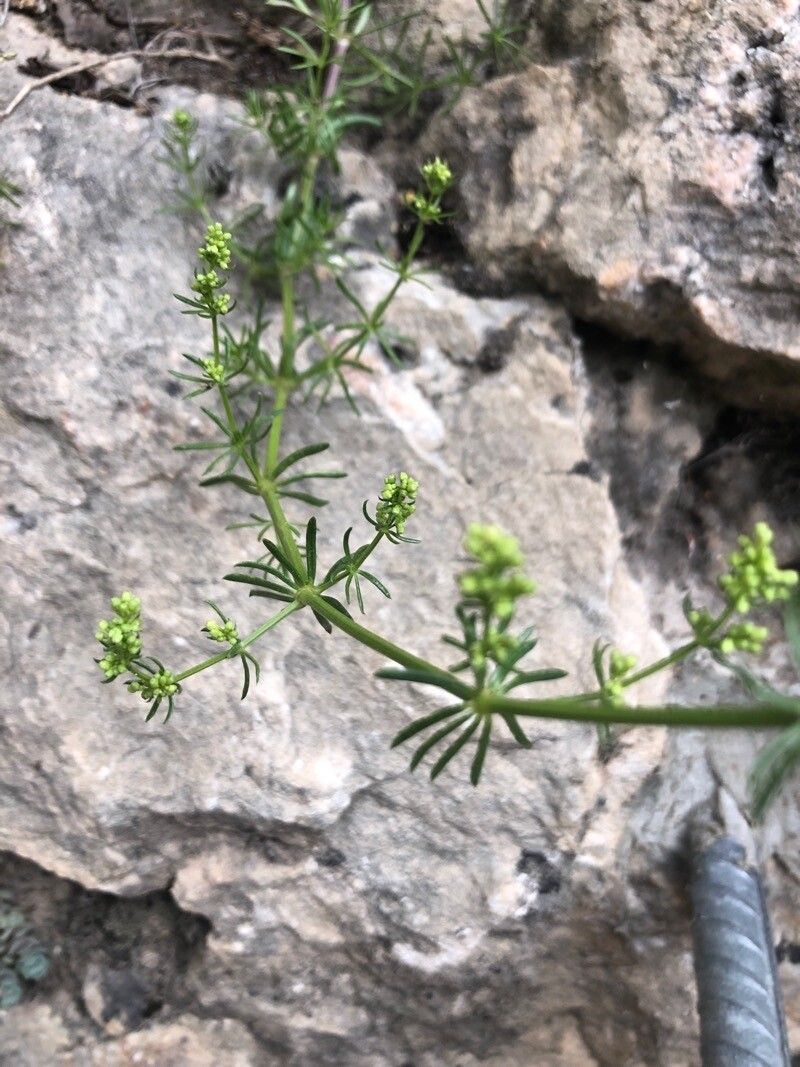
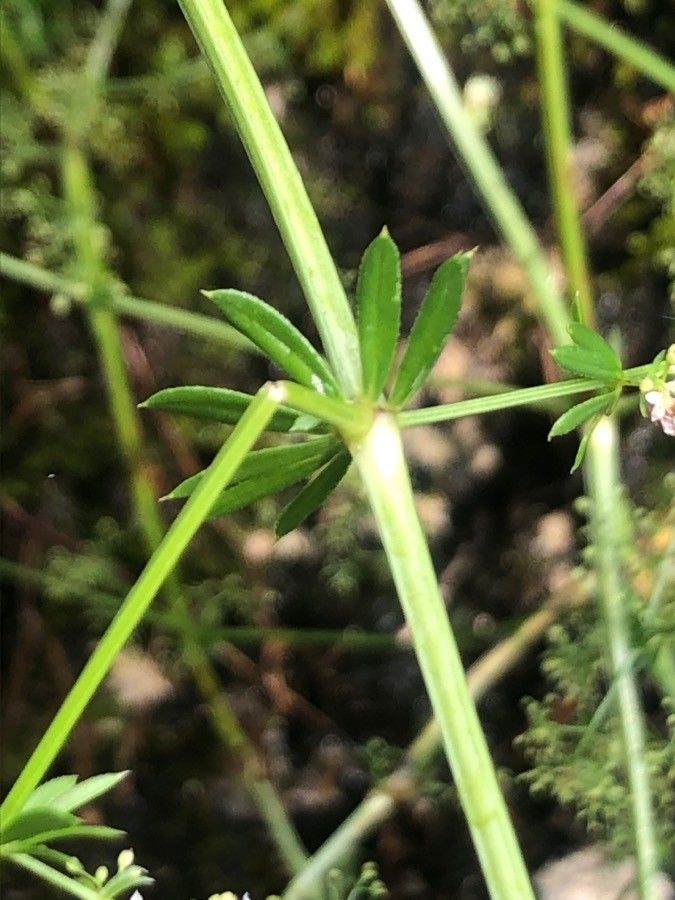
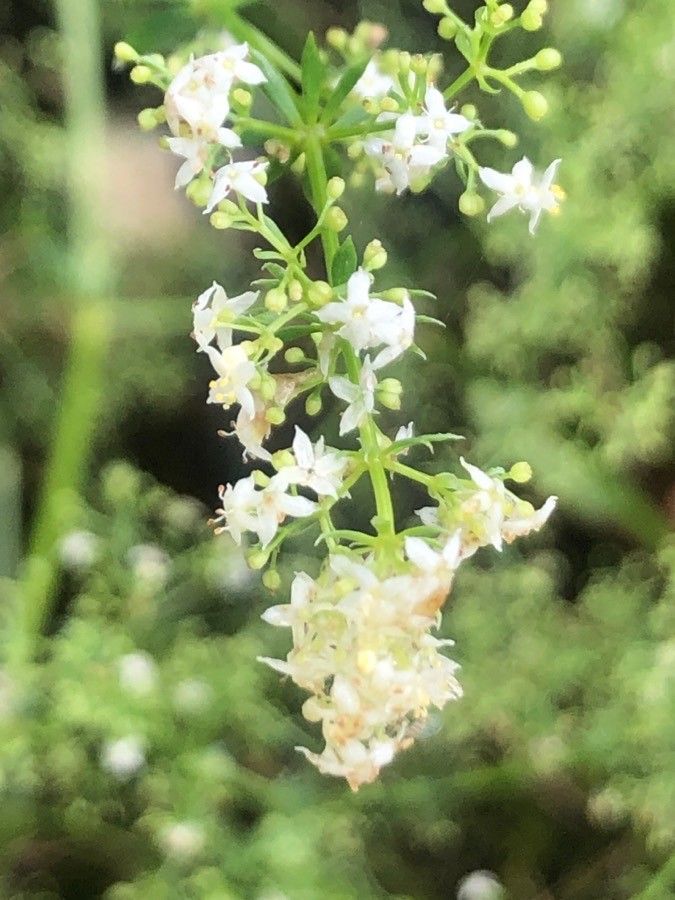
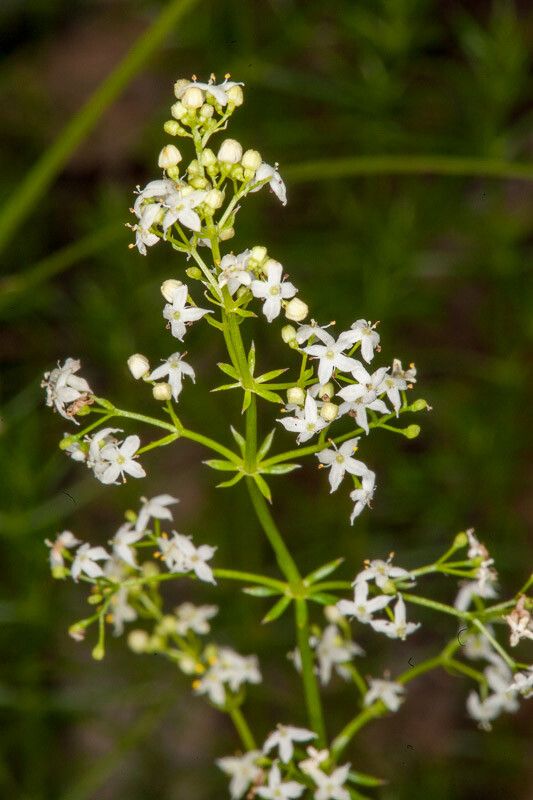
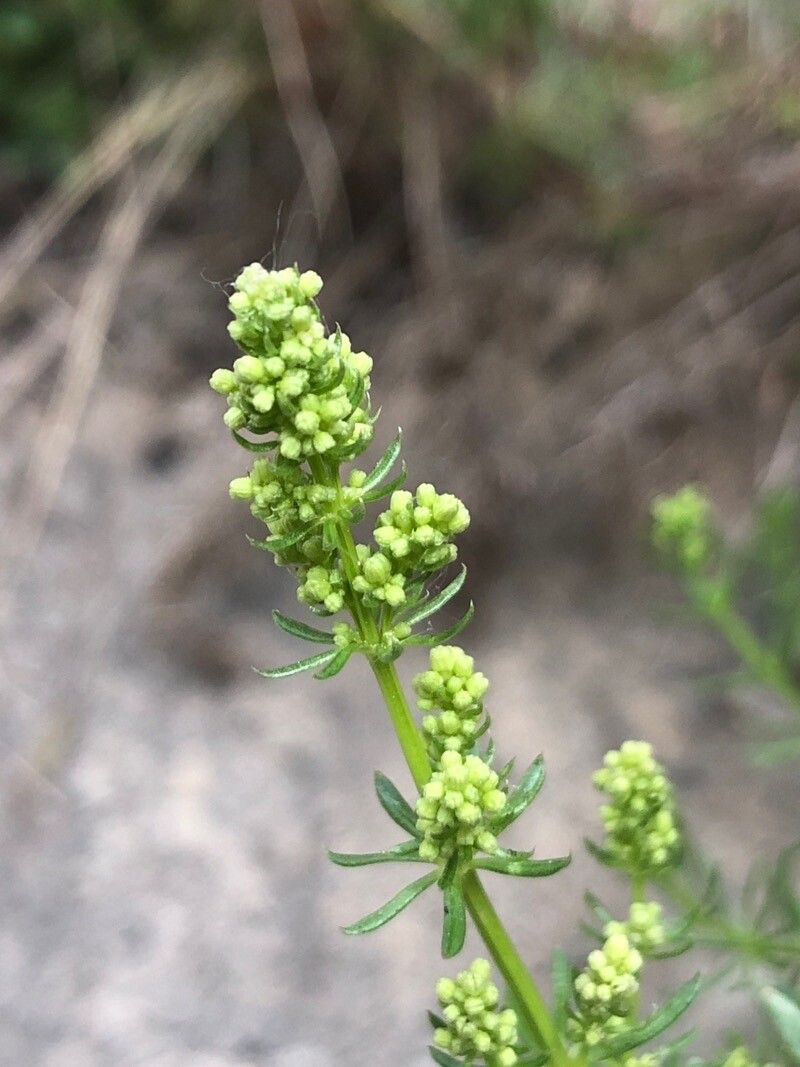
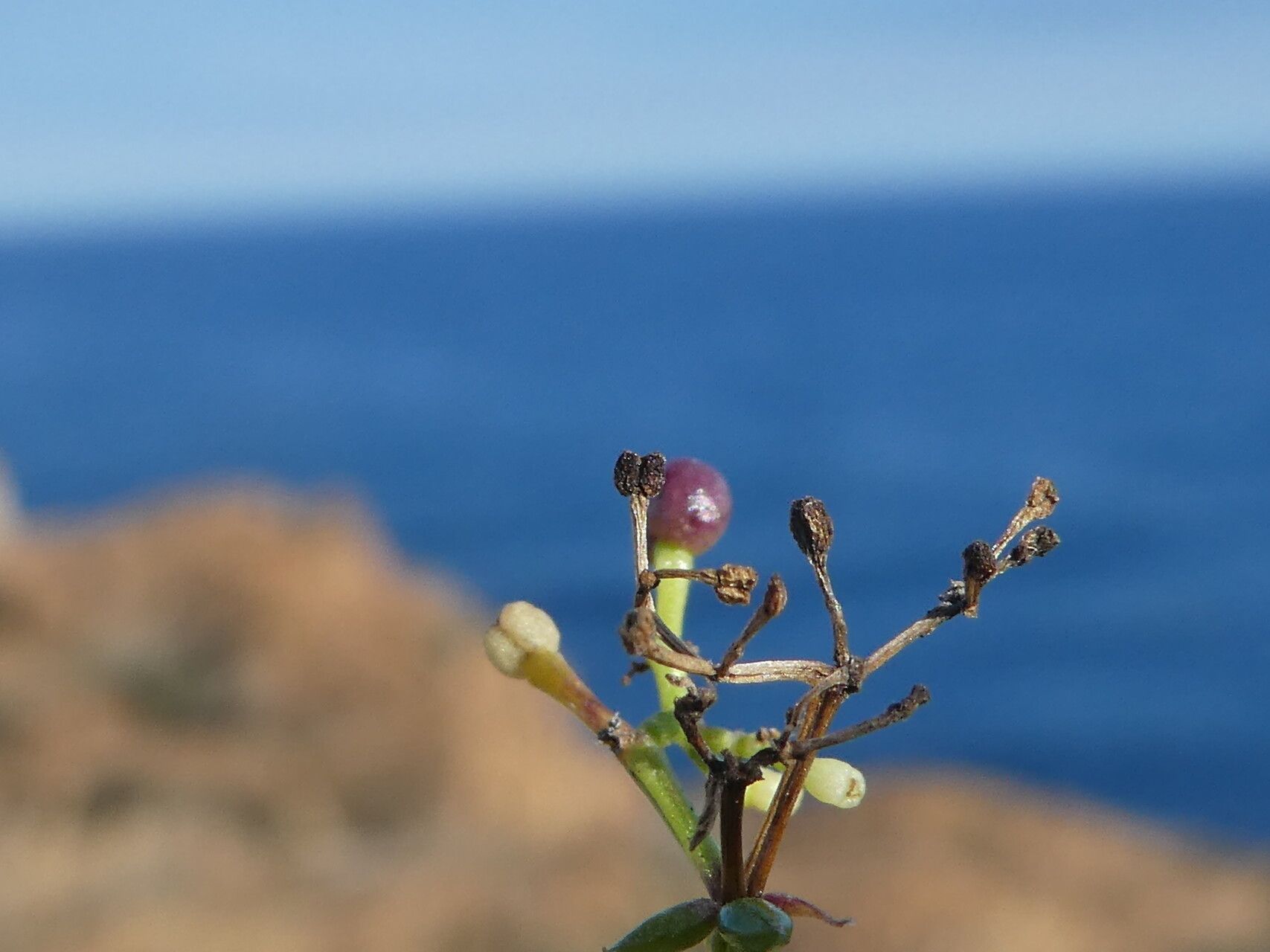
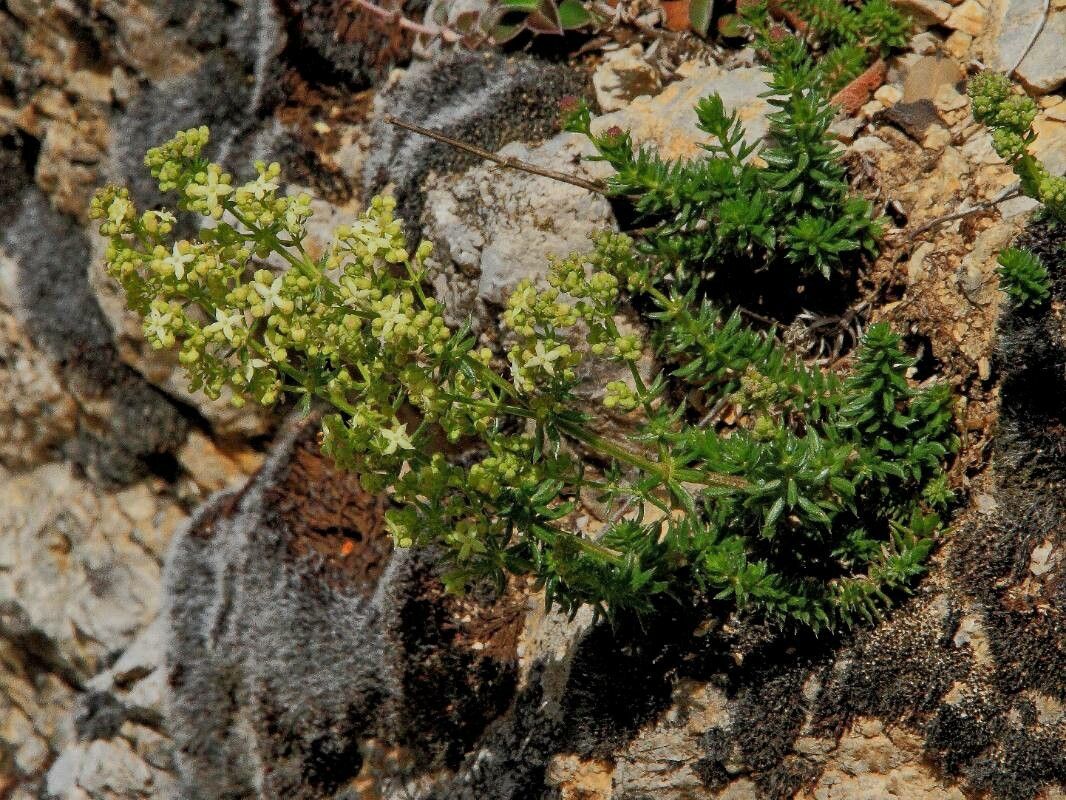
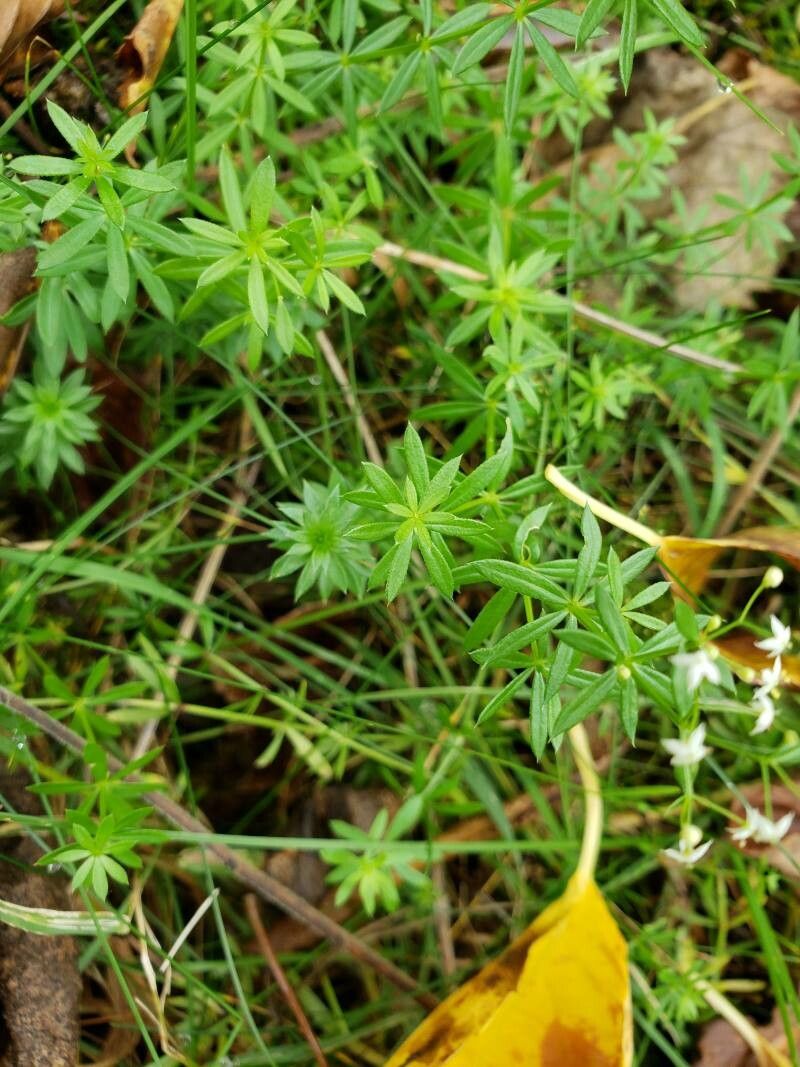
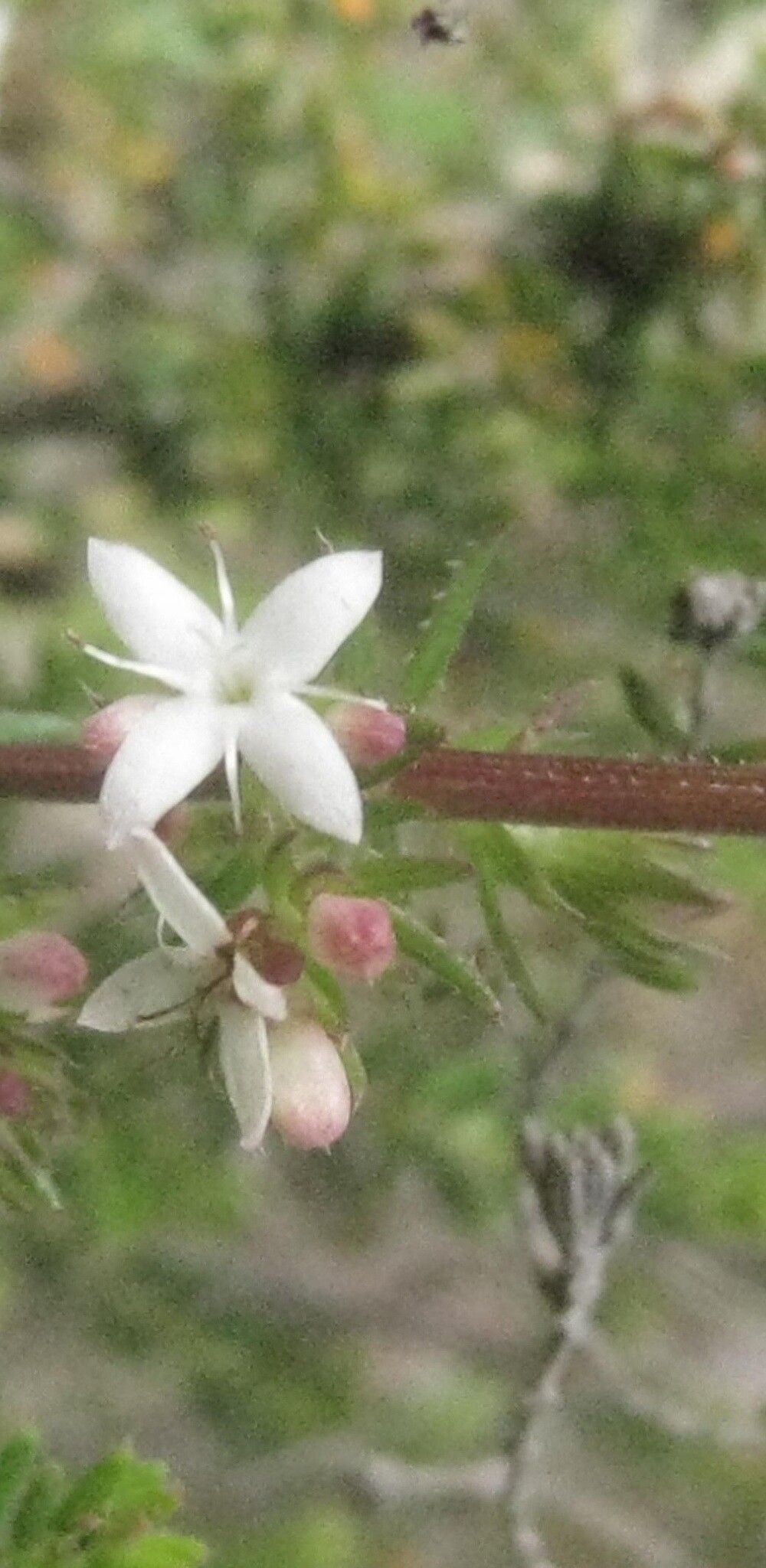
Galium lucidum is a species of plants in the Rubiaceae. It is native to the Mediterranean region, from Portugal and Morocco to Greece, the range extending northwards into Germany.Galium lucidum is an erect, perennial, glabrous plant up to 70 cm tall. Leaves are narrow and linear, up to 3 cm long, whorled with as many as 10 per node. Inflorescence is a large terminal panicle of many small, white to cream-colored flowers.
Great lady's bedstraw has strong disease resistance and is generally unlikely to suffer from illnesses. Still, it can be affected by pests and diseases present in its environment. Such infections are typically mild. Regarding care, this plant needs a moderate amount of attention. It should be pruned regularly to keep a neat appearance and encourage healthy growth. Applying fertilizer can also support better flowering. Great lady's bedstraw is appropriate for anyone with outdoor areas like a garden or patio and does not demand extensive gardening experience. It may need more attention if cultivated indoors.
How to keep Galium Lucidum.
Light
Great lady's bedstraw comes from habitats with dappled light, such as forest understories or rocky spots that provide natural shade. It does well in partial sun but can also adapt to full sun conditions.
Water
Bedstraw thrives in moist, well-drained environments, and it needs regular watering, ideally on a weekly basis. Outdoors, it benefits from natural rainfall, which supports its growth cycles and enhances its flowering potential.
Temperature
Great lady's bedstraw can tolerate a wide range of temperatures, but its distribution may still be limited by different combinations of moisture and heat. It performs best in warm summer climates with sufficient rainfall or watering. Extended periods of cloudy, rainy weather or prolonged high temperatures can increase the risk of Great lady's bedstraw dying. In winter, adequate protection from cold can raise the plant's survival rate.
Fertilizer
Great lady's bedstraw benefits from regular, mild applications of fertilizer to support healthy leaf development. You should feed Great lady's bedstraw roughly once a month during the summer. Nitrogen is essential for the foliage, and providing nitrogen-rich fertilizer helps Great lady's bedstraw prosper.
Pruning
Bedstraw is a herbaceous plant known for its star-like flowers and whorled leaves. To maintain its health and appearance, it's best to prune the plant from early to late spring. During pruning, remove any dead stems and thin out overcrowded areas to improve air circulation. Regular pruning not only prevents the plant from becoming too tall and spindly but also promotes better flowering. Be sure to sterilize your tools before use to prevent the spread of disease.
Botanical profile.
- Plant Type
- Herb
- Life Cycle
- Annual
- Genus
- Galium
- Family
- Rubiaceae
- Hardiness Zone
- 4-9
- Mature Height
- 30 cm to 91 cm
- Mature Spread
- 30 cm to 61 cm
- Leaf Color
- Green
- Leaf Type
- Semi-evergreen
- Flower Color
- White
- Flower Size
- 0.20 cm to 0.25 cm
- Bloom Time
- Late spring, Early summer, Mid summer
- Planting Time
- Spring, Summer, Autumn
- Harvest Time
- Mid summer, Late summer, Early fall
Other names.