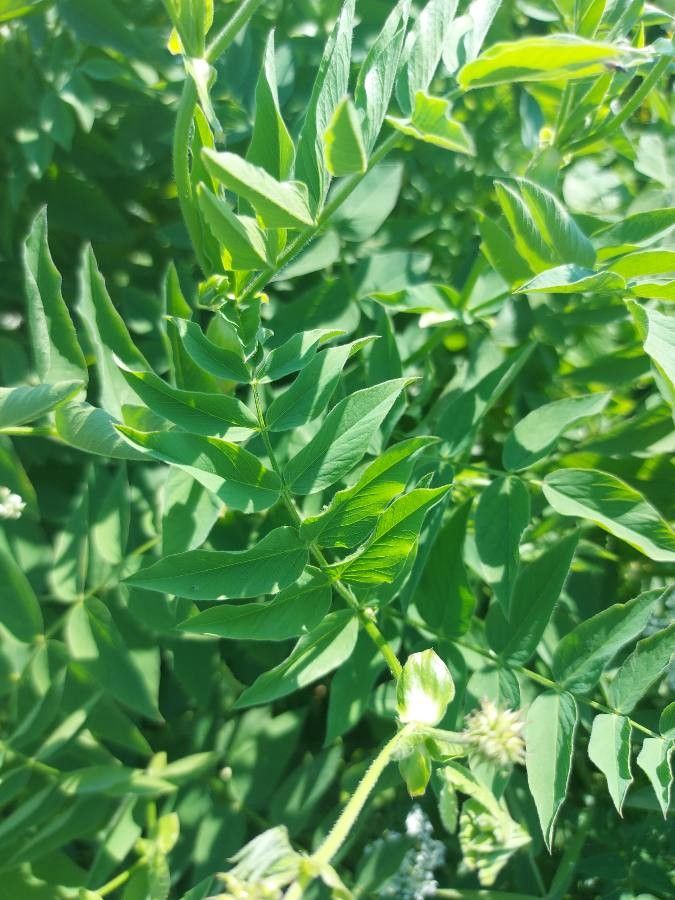
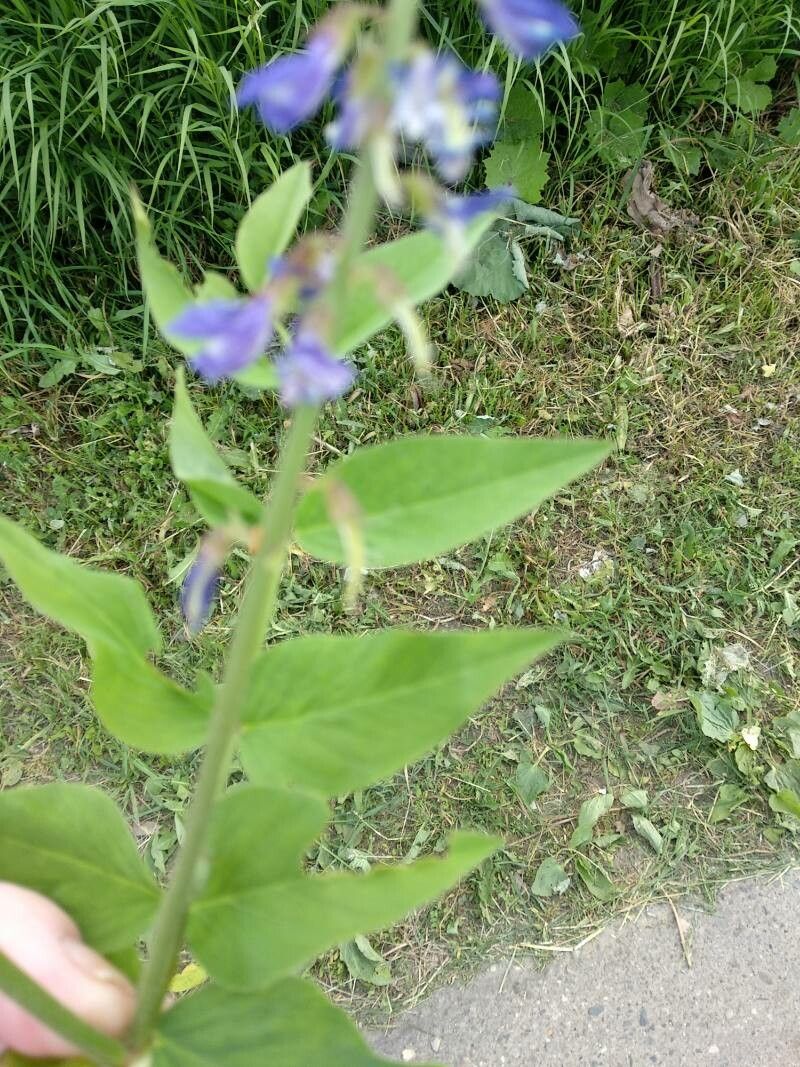
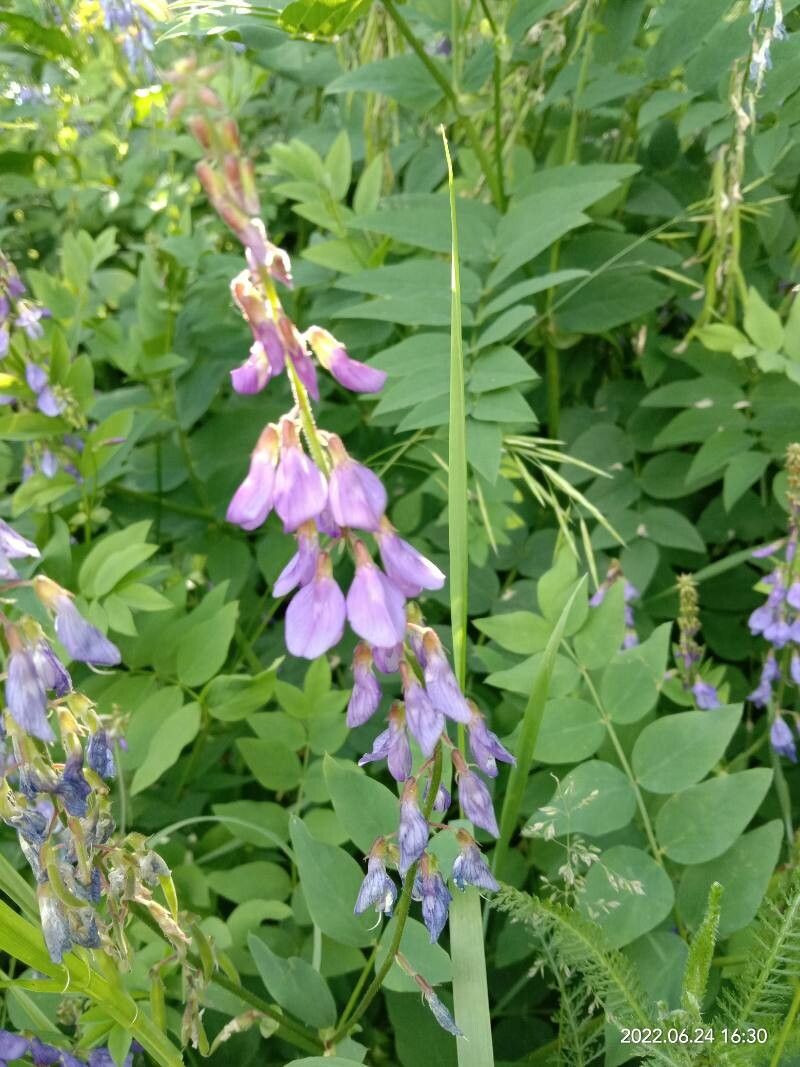
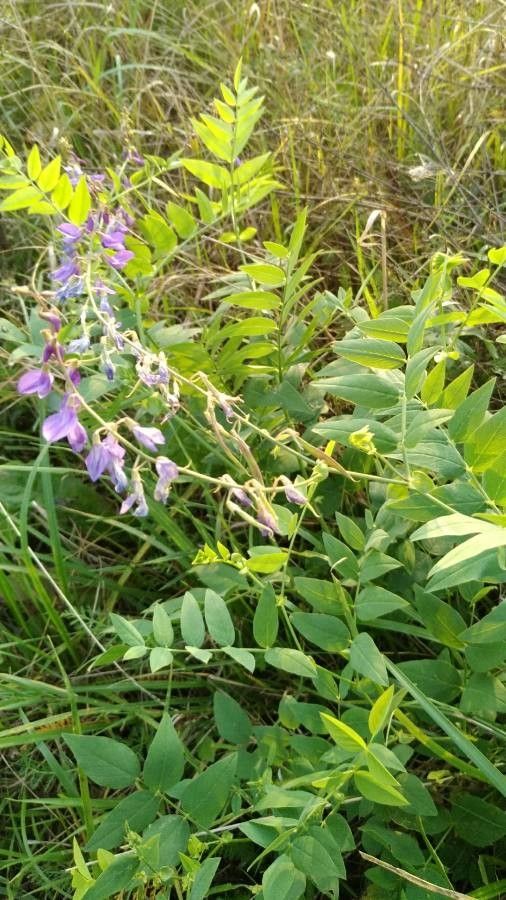
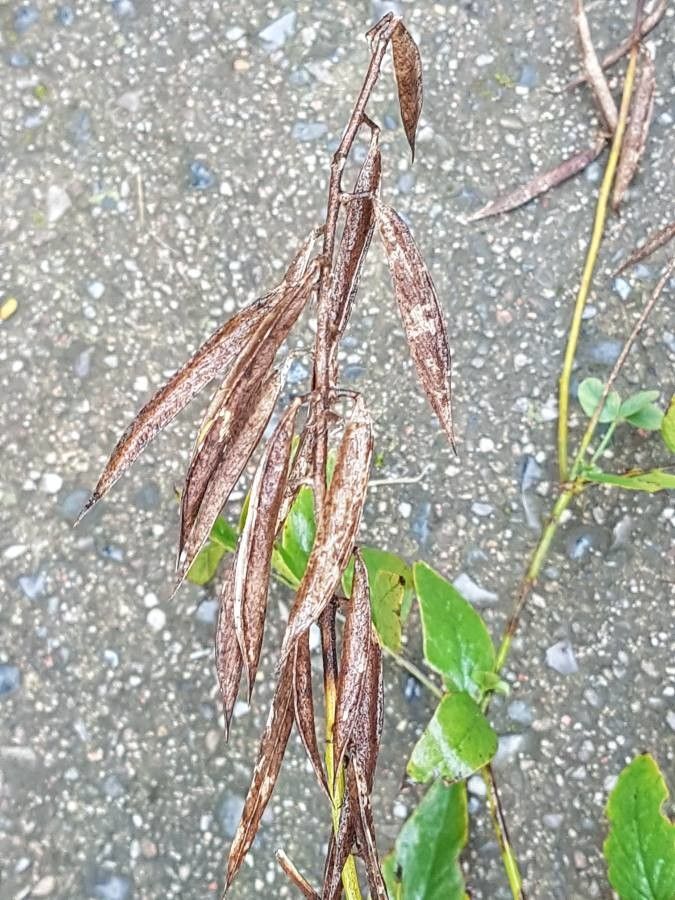
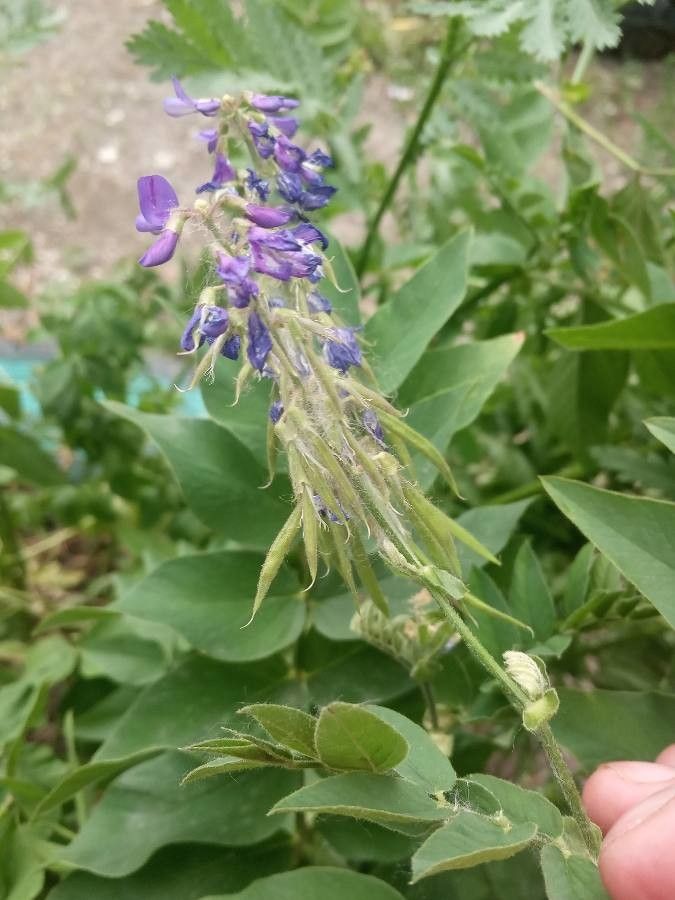
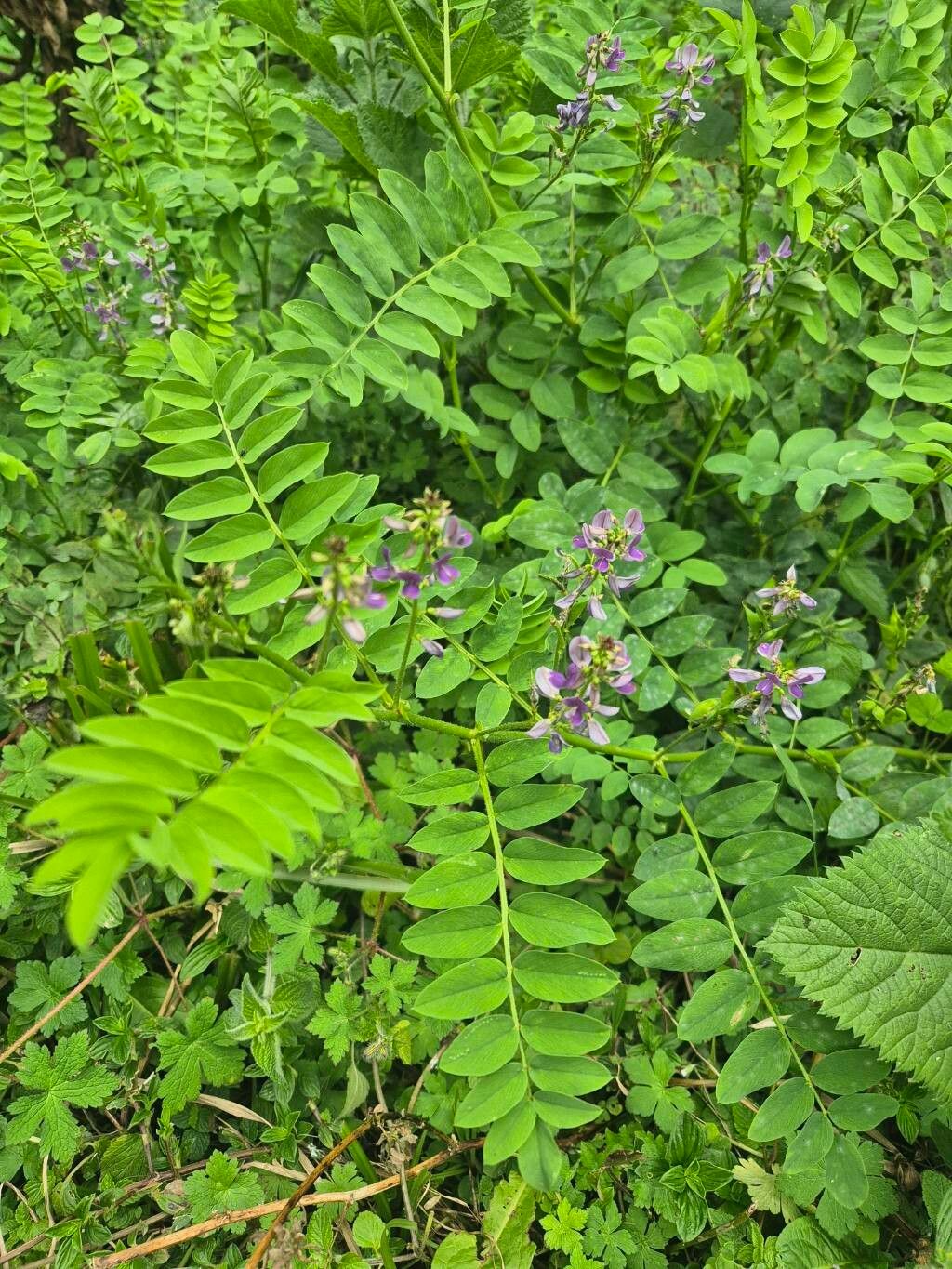
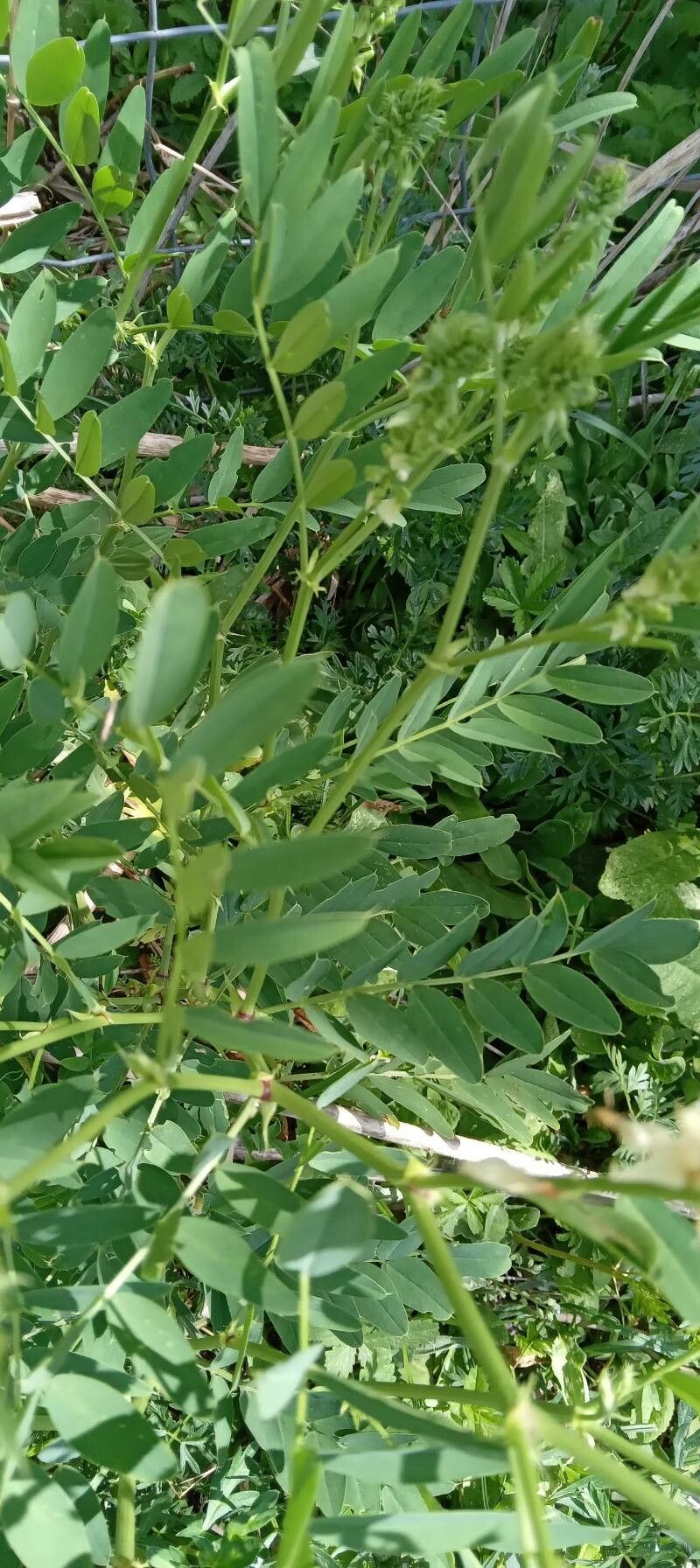
Galega orientalis is a species of flowering plant in the Fabaceae, the legume family. It is known commonly as fodder galega and eastern galega. It is cultivated as a fodder and forage for livestock. This species is native to the Caucasus. Its native range includes parts of Russia, Armenia, and Azerbaijan. It has been introduced to many other regions for use in agriculture.
Oriental goat's rue is fairly resistant to disease and typically does not suffer much from illnesses. Nevertheless, it can be affected by pests and diseases found in its environment. Such infections are generally mild. Care-wise, the plant needs a moderate level of attention. Regular pruning is necessary to preserve a neat appearance and support healthy growth. Applying fertilizer can also encourage more blooms. This plant is well suited for anyone with outdoor areas like a garden or patio and does not demand extensive gardening experience. It may need extra care if cultivated indoors.
How to keep Galega Orientalis.
Light
Oriental goat's rue is a perennial herbaceous plant that prefers sunny conditions and originates from open habitats, commonly growing in meadows and grasslands. It favors full sun but can also tolerate partial sun.
Water
Oriental goat's rue thrives in moderate humidity and requires consistent moisture. To achieve this, water the plant weekly, ensuring the soil remains moist but not waterlogged. During the growing season, proper watering is essential for strong growth and increased drought resilience.
Temperature
Oriental goat's rue can tolerate a wide range of temperatures, but its distribution may still be restricted by different combinations of moisture and heat. It grows best in warm summer climates with sufficient rainfall or watering. Extended periods of cloudy, rainy weather, as well as prolonged high temperatures, make the plant more likely to die. In winter, adequate protection from cold can increase its survival rate.
Fertilizer
The best time to fertilize an Oriental goat's rue is in early spring, as it comes out of dormancy and begins active growth. Fertilizing supplies essential nutrients for healthy growth. Although Oriental goat's rue needs relatively little fertilizer, applying it annually can improve its survival and encourage better, longer-lasting flowers.
Pruning
To promote healthy growth, Oriental goat's rue should be pruned annually between early and late spring. Focus on removing dead stems and thinning out crowded branches to improve air circulation. This practice enhances flowering, prevents disease, and helps maintain the plant's size. Always use clean, sharp tools for the best care.
Botanical profile.
- Plant Type
- Herb
- Life Cycle
- Perennial
- Genus
- Galega
- Family
- Fabaceae
- Hardiness Zone
- 4-9
- Mature Height
- 0.61 m to 1.22 m
- Mature Spread
- 30 cm to 61 cm
- Leaf Color
- Green
- Leaf Type
- Deciduous
- Flower Color
- Purple, Blue
- Flower Size
- 1.02 cm to 1.52 cm
- Bloom Time
- Late spring, Early summer, Mid summer
- Planting Time
- Spring, Summer
- Harvest Time
- Mid summer, Late summer, Early fall
- Native Area
- Russia, Armenia, Azerbaijan
Other names.