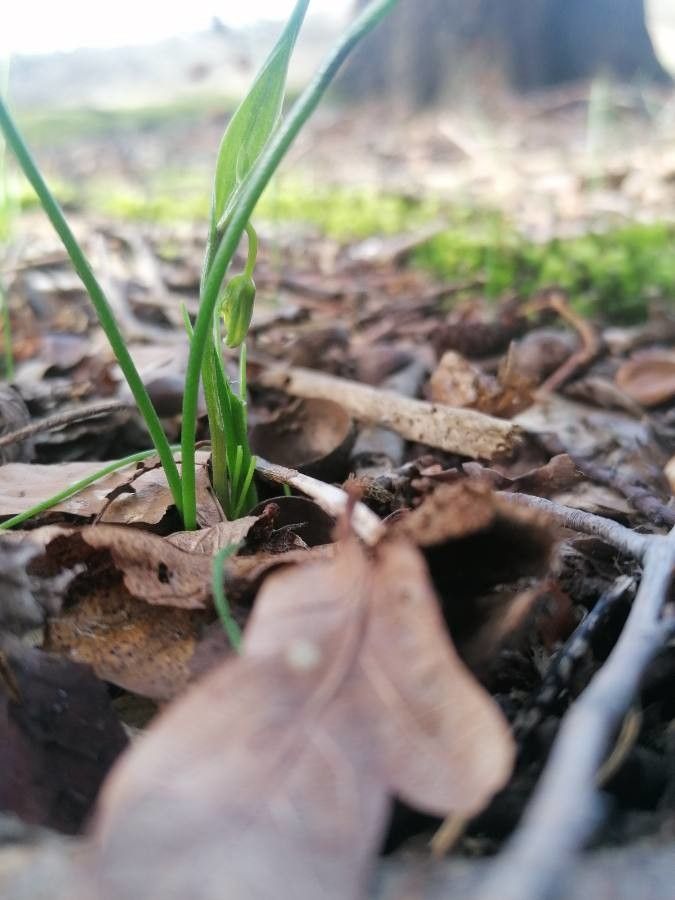
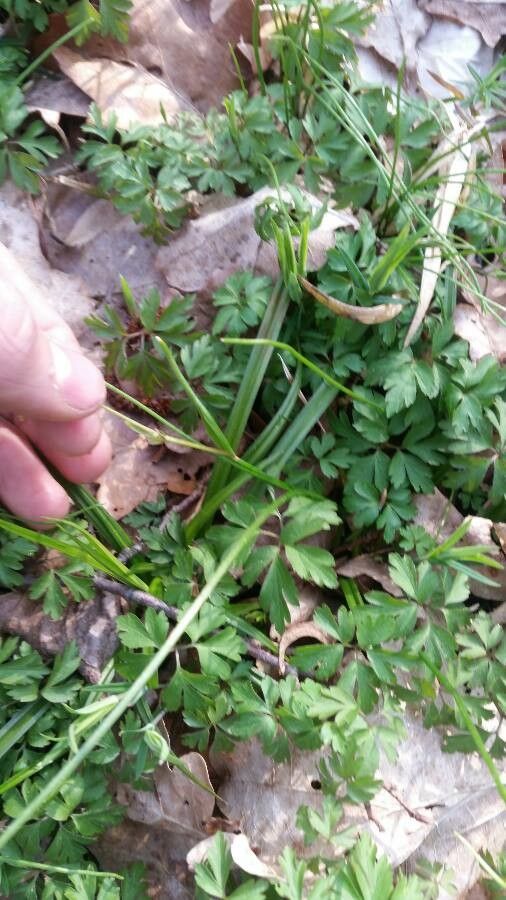
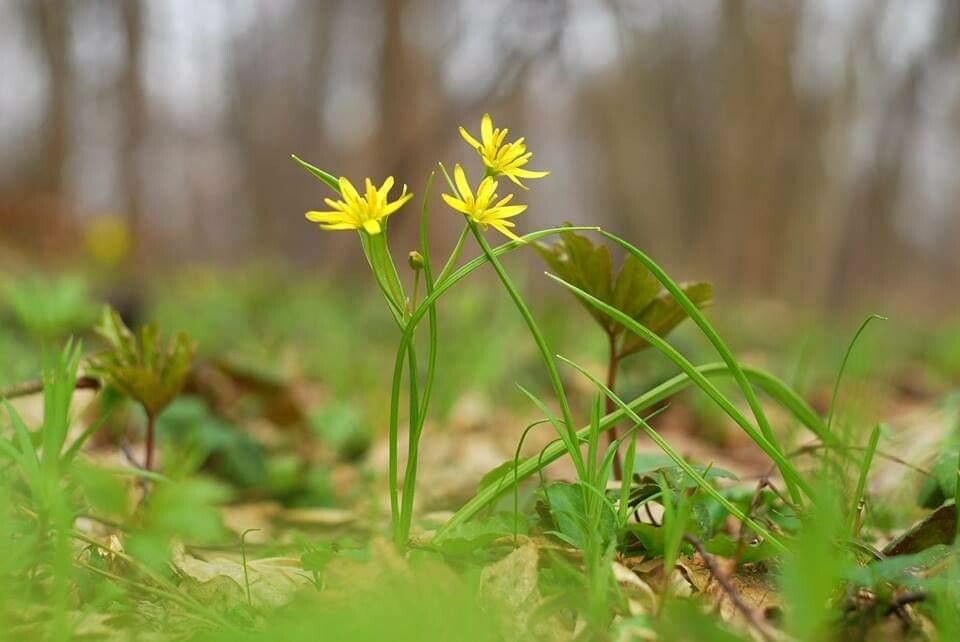
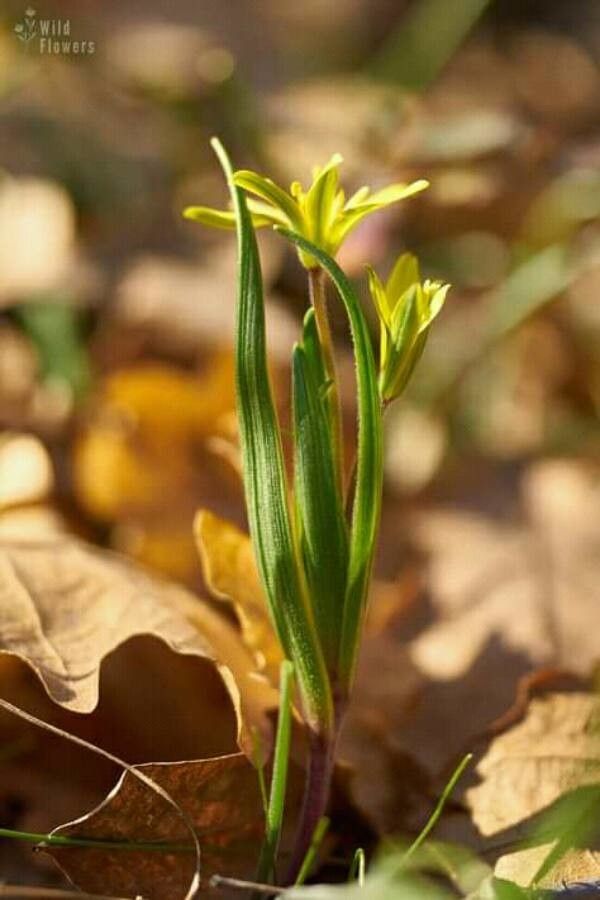
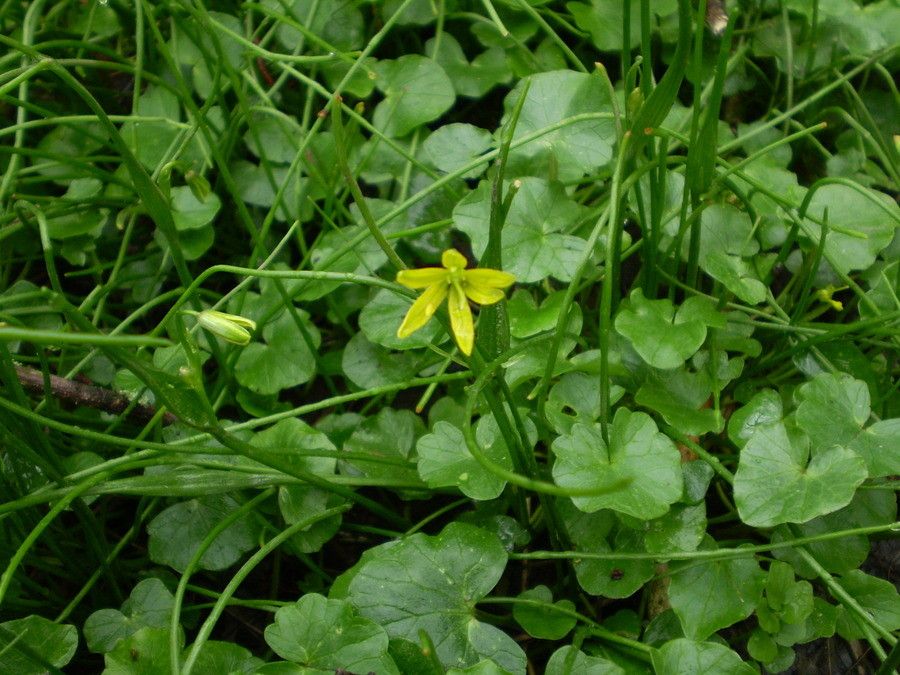
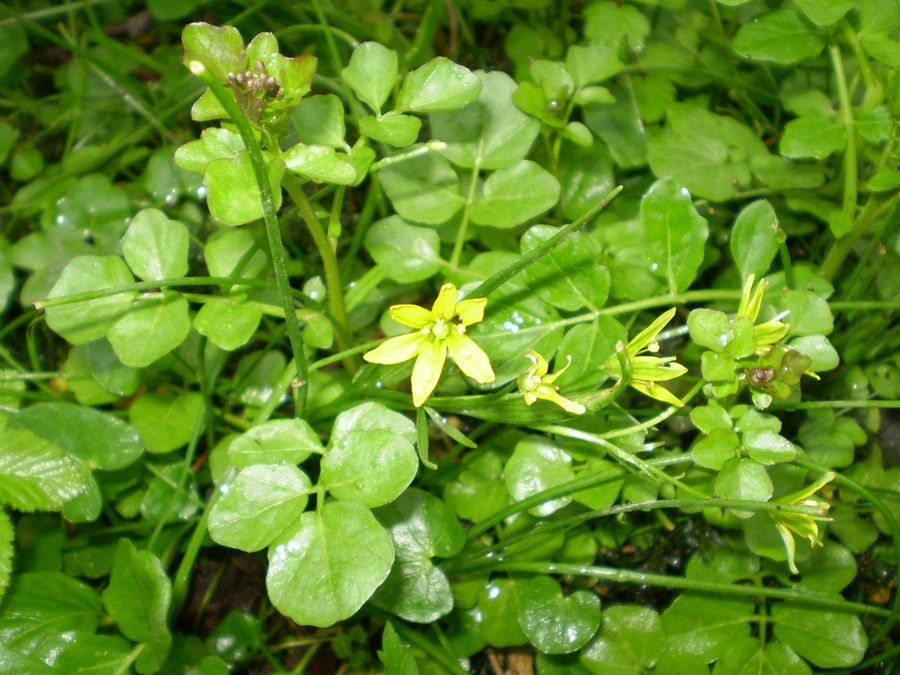
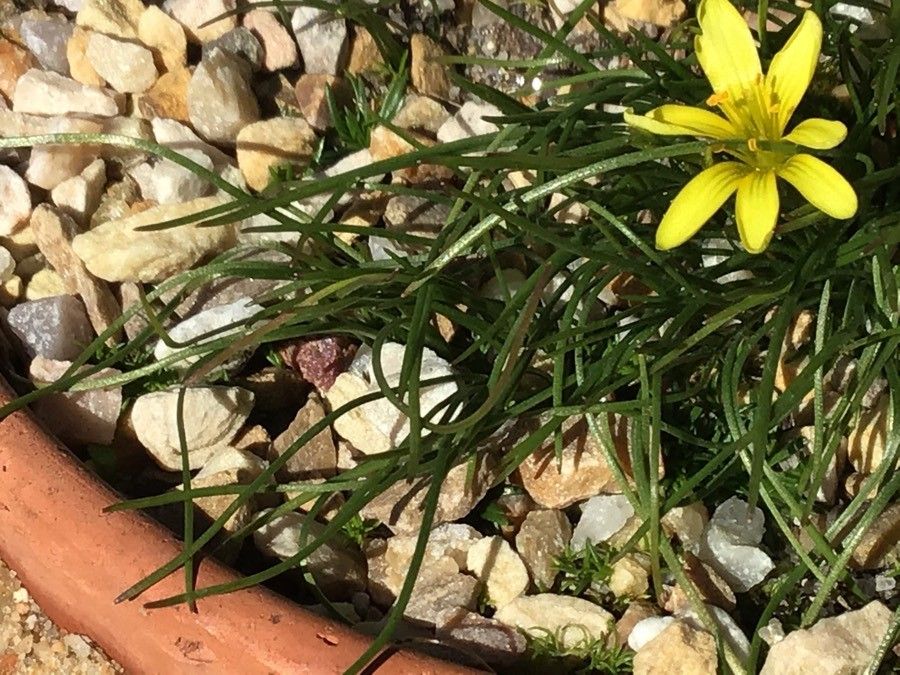
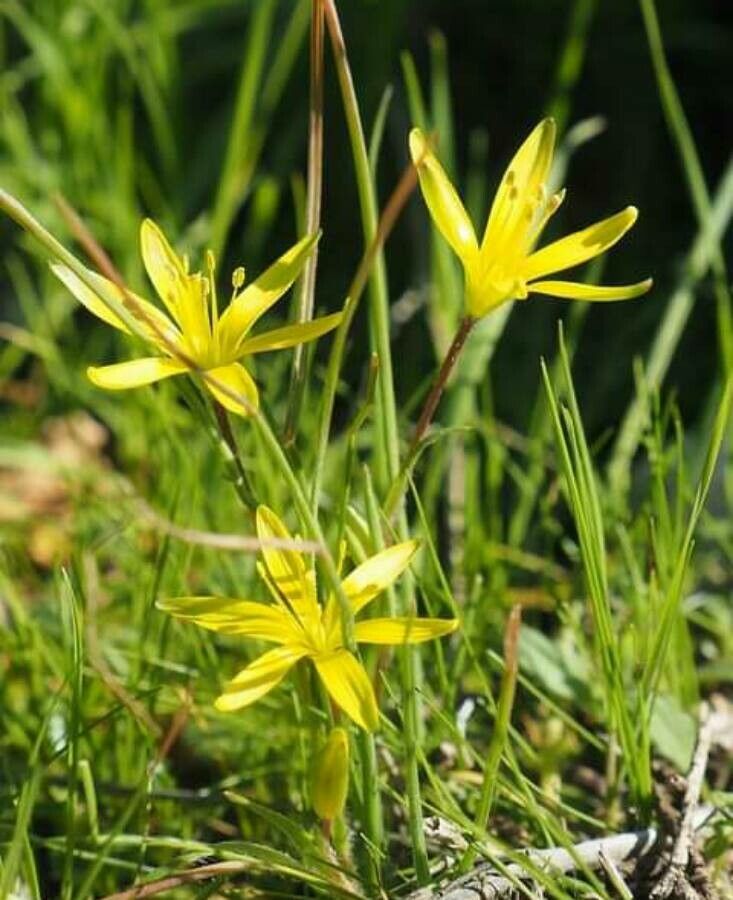
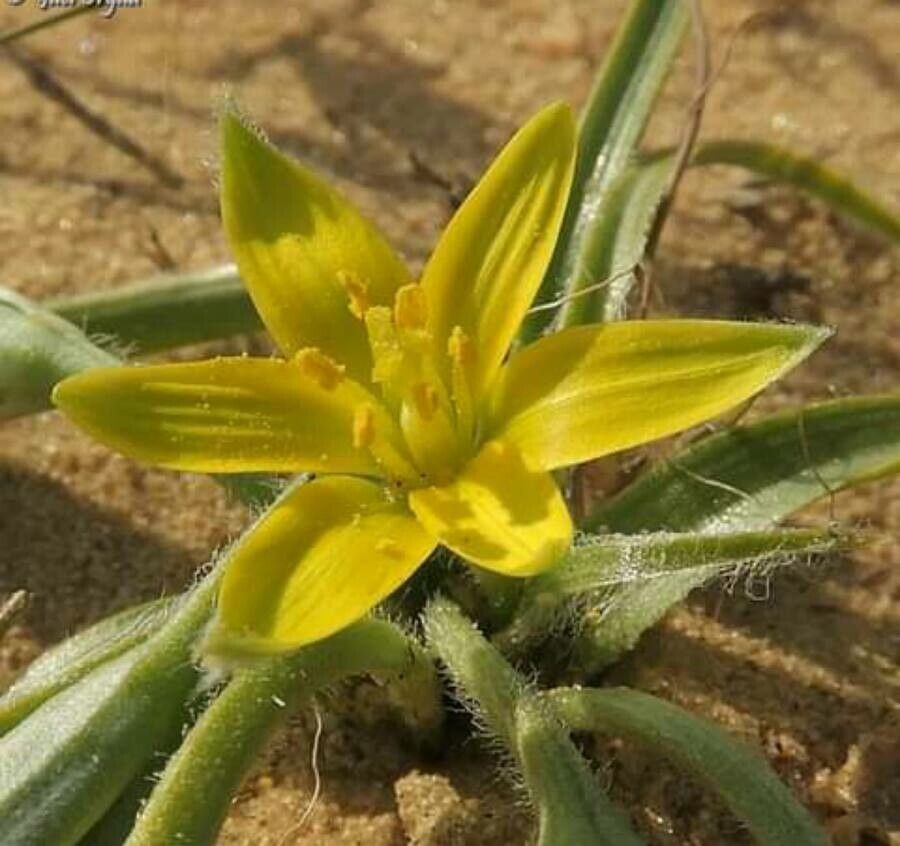
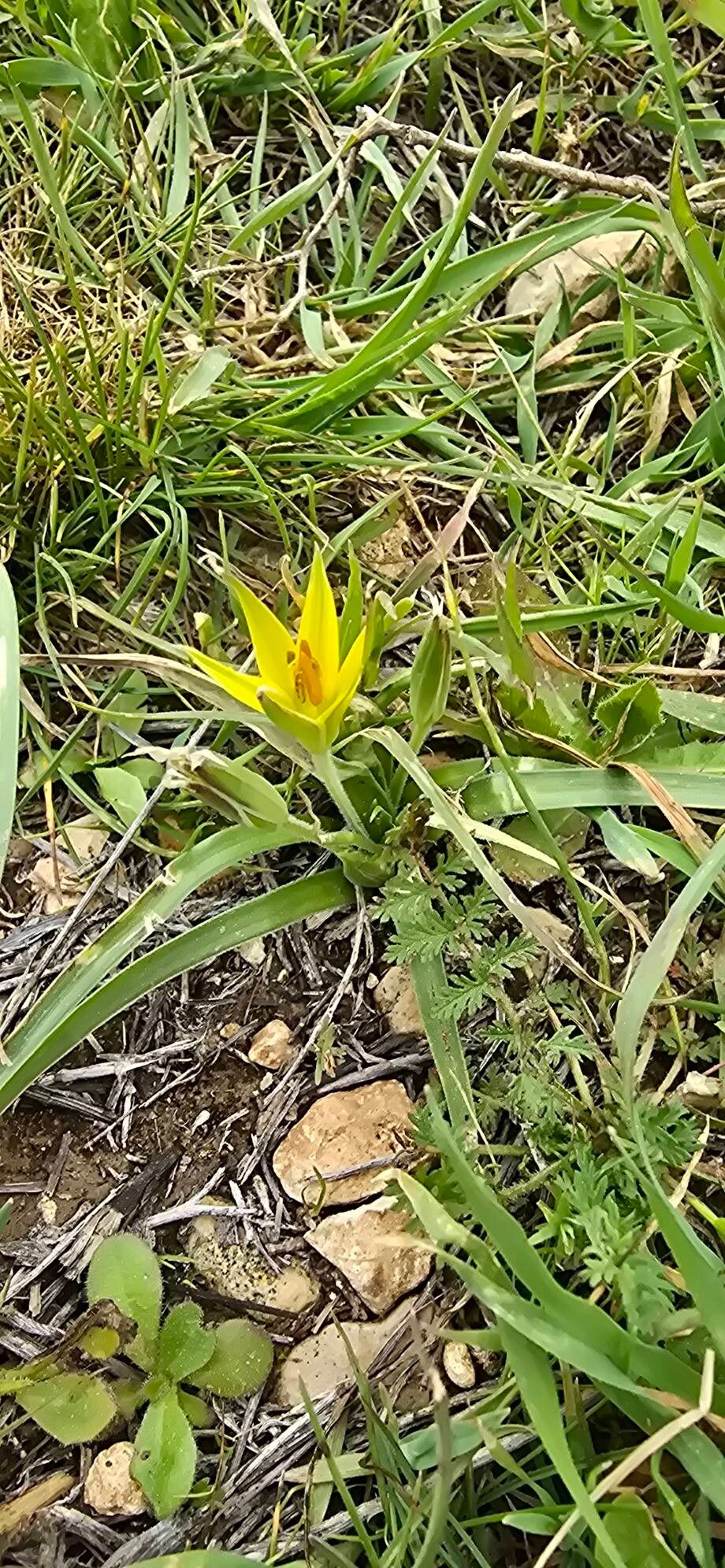
Gagea spathacea, the Belgian gagea, is a European species of small bulbous perennial plants in the lily family. It is distinguished from other members of its genus by its large leaves and the lack of any surface ornamentation of its flower stalks and its leaves.
Belgian gagea is quite resistant to disease and generally not likely to suffer from illnesses. However, it can be vulnerable to pests and diseases present in its environment. These problems are usually minor. Regarding care, this plant requires a moderate level of maintenance. It needs regular pruning to keep a good appearance and encourage healthy growth. Fertilizing can also help stimulate flowering. Belgian gagea is appropriate for anyone with an outdoor area, such as a garden or patio, and does not demand extensive gardening experience. It may need more attention when cultivated indoors.
How to keep Gagea Spathacea.
Light
Belgian gagea does best in partial sun but tolerates shade well. Adjust its exposure with the seasons, whether it’s in pots or planted in the ground. Insufficient light leads to weak growth and scant flowering, stressing Belgian gagea.
Water
The Belgian gagea flourishes in conditions of moderate moisture, requiring weekly watering to keep the soil from drying out without causing waterlogging. It thrives in well-draining soil, similar to its native habitat, which provides adequate hydration while reducing the risk of root rot.
Temperature
Belgian gagea can tolerate a wide range of temperatures, but its distribution may still be restricted by different combinations of moisture and heat. It performs best in warm summer climates with sufficient rainfall or watering. Extended periods of cloudy, rainy weather, as well as prolonged high temperatures, can raise the chance of Belgian gagea dying. In winter, adequate protection from cold can increase the plant's survival rate.
Fertilizer
The primary time to fertilize Belgian gagea is in early spring, while the flowers are forming. Using the right fertilizer promotes improved blooms and helps Belgian gagea produce attractive flowers. Fertilizing at that early-spring stage ensures excellent flowering throughout the season and provides energy for the plant's dormant growth phases.
Pruning
The Belgian gagea is known for its yellow, star-shaped flowers and thrives in shaded woodland environments. To encourage healthy growth and airflow, it is best to prune the plant in early spring after the flowers have bloomed. During this time, remove any damaged foliage and thin out the plant as needed. Proper pruning not only enhances the plant's health but also improves blooming. Be sure to use clean, sharp tools to prevent the spread of disease.
Botanical profile.
- Plant Type
- Herb
- Life Cycle
- Perennial
- Genus
- Gagea
- Family
- Liliaceae
- Hardiness Zone
- 4-8
- Mature Height
- 10 cm to 30 cm
- Mature Spread
- 5 cm to 10 cm
- Leaf Color
- Green
- Leaf Type
- Deciduous
- Flower Color
- Yellow
- Flower Size
- 1.02 cm to 2.03 cm
- Bloom Time
- Early spring, Mid spring
- Planting Time
- Spring
- Harvest Time
- Late spring, Early summer
- Native Area
- Austria, Slovakia, Poland, Croatia, Slovenia, Belarus, Ukraine, Serbia, Russia, Lithuania, Germany, Denmark, France, Hungary, Latvia, Belgium, Netherlands
Other names.
Reader questions.
What are the sunlight requirements for Belgian gagea?
Belgian gagea thrives in environments akin to forest understories or rocky areas, favoring partial sun to full shade. It requires about 3-6 hours of sunlight (partial sun) or less than 3 hours (full shade) to grow optimally. It’s advised to observe the movement of sunlight through your garden to find spots that offer a balance of light and shade, ensuring the plant's health.
How can artificial lighting benefit indoor Belgian gagea plants?
Indoor Belgian gagea plants benefit significantly from artificial lighting, especially when natural sunlight is inadequate. LED lights are recommended for their ability to provide necessary wavelengths, with full sun plants requiring 30-50W/sq ft, partial sun plants 20-30W/sq ft, and full shade plants 10-20W/sq ft of artificial light. The correct placement (12-36 inches above the plant) and duration (8-12 hours per day) mimic natural sunlight, thereby promoting healthier and faster growth.
What are some symptoms of light deficiency in Belgian gagea?
Light deficiency in Belgian gagea may result in smaller new leaves, leggy or sparse growth, faster leaf drop, and slower or no new growth, indicating inadequate light. Additionally, symptoms like lighter-colored new leaves or chlorosis show a lack of chlorophyll and essential nutrients, while sunscald, leaf curling, wilting, and leaf scorching occur from excessive sunlight exposure. These symptoms highlight the plant's struggle with incorrect light levels.
What solutions are available for managing light conditions for Belgian gagea?
To optimize light conditions for Belgian gagea, gradually acclimate the plant to direct sunlight by moving it to sunnier spots each week, aiming for 3-6 hours of sunlight. If moving the plant is not feasible, consider artificial lighting, keeping a lamp on for at least 8 hours daily, or using professional grow lights. For outdoor plants, avoid sudden changes to prevent sunburn. Minimize obstructions by pruning or relocating plants to areas with better sunlight and drainage, especially during their dormant periods in late winter or early spring. Note that while parts of the plant damaged by insufficient light may not recover, new growth will be healthy with improved light exposure.