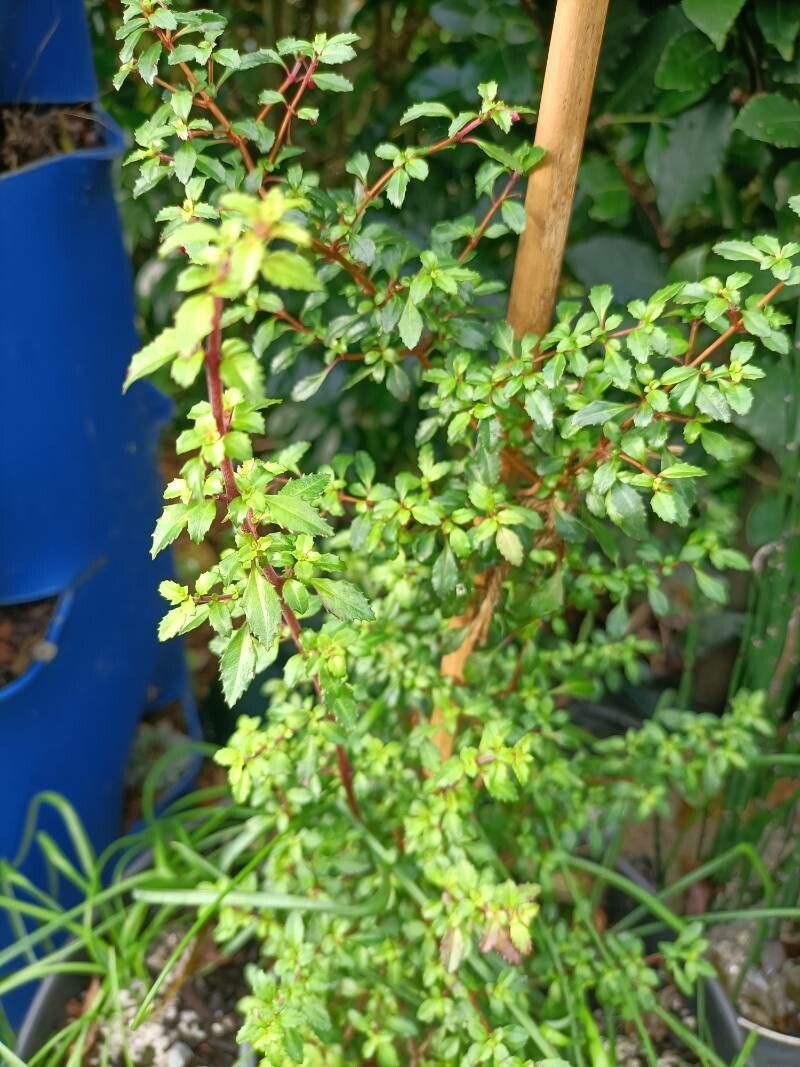
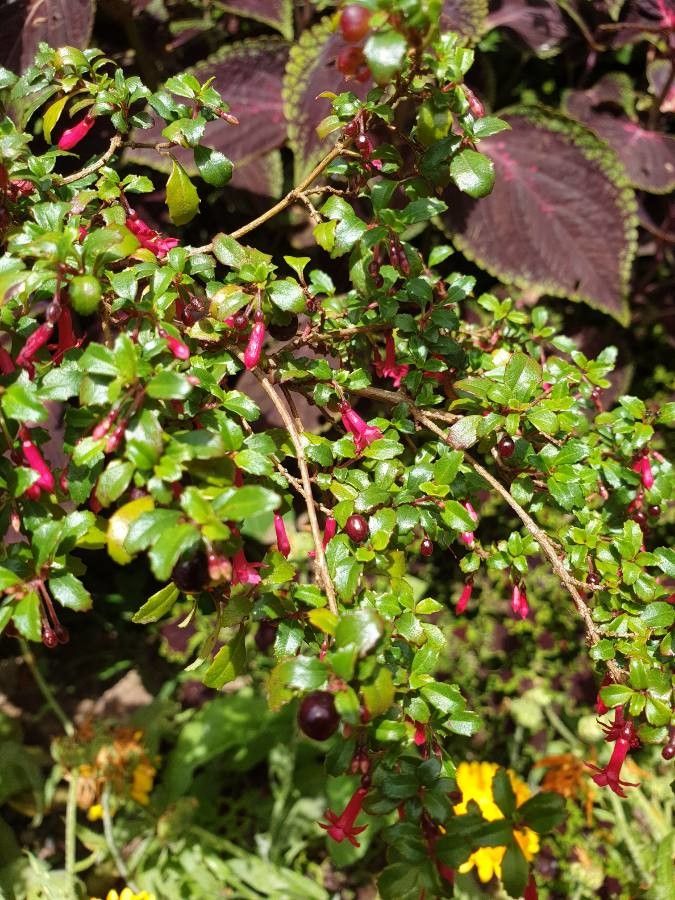
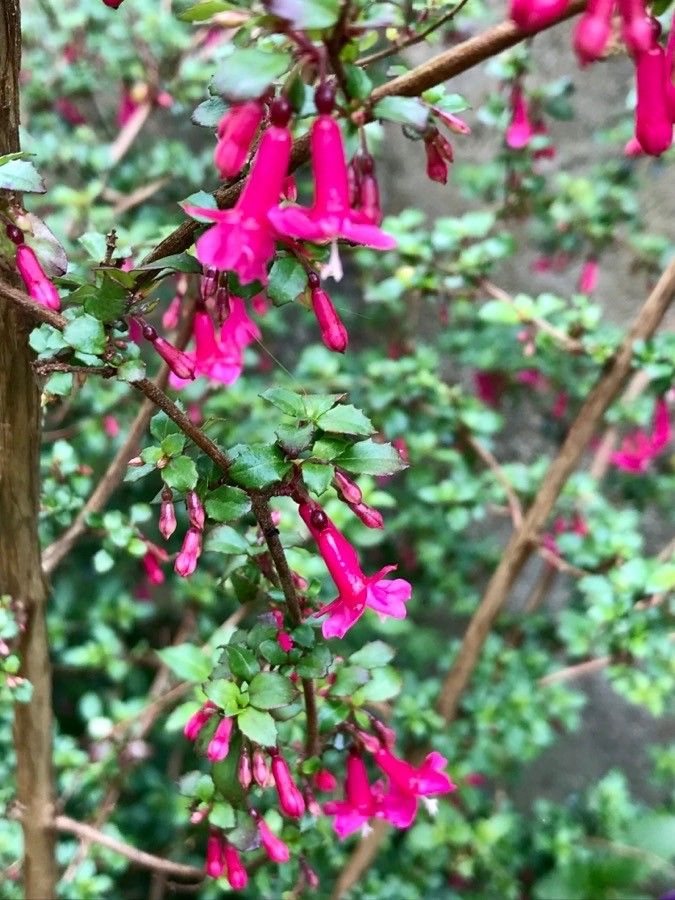
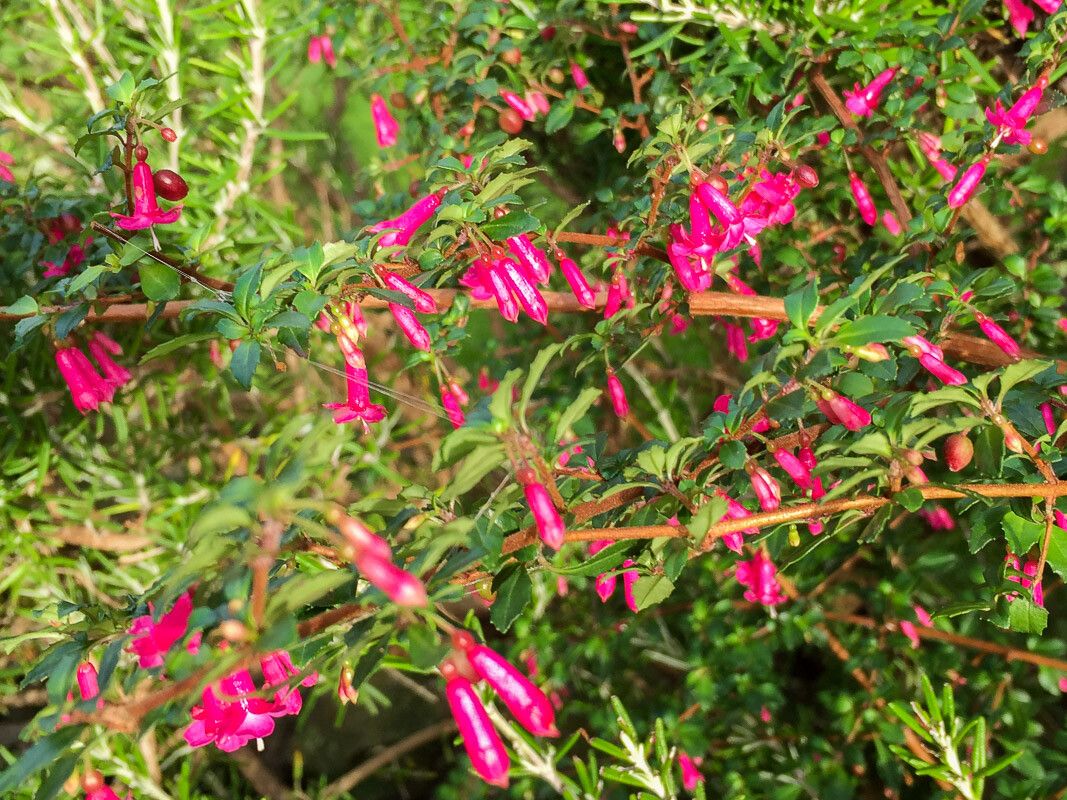
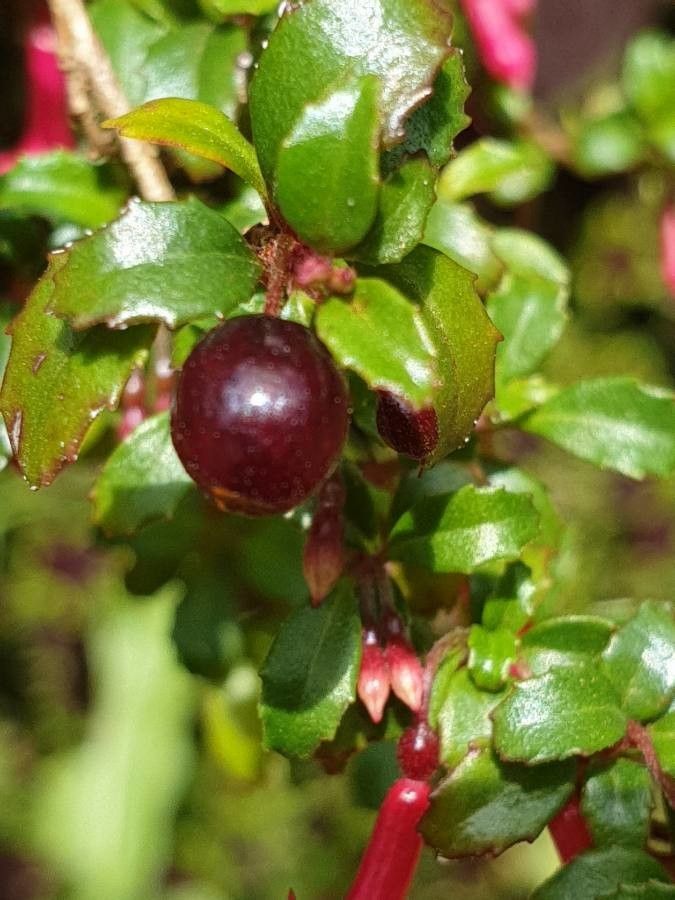
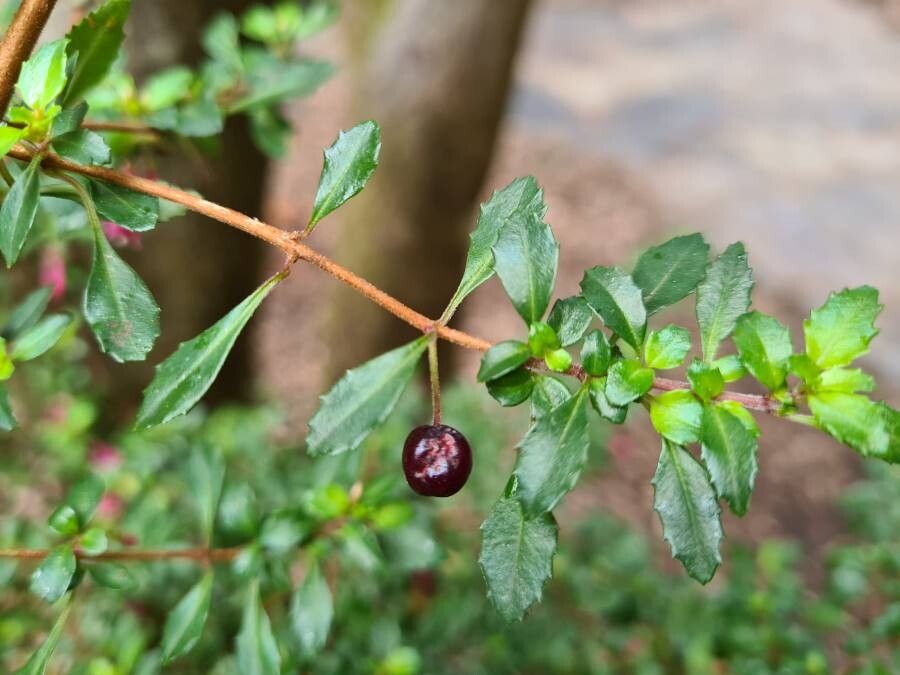
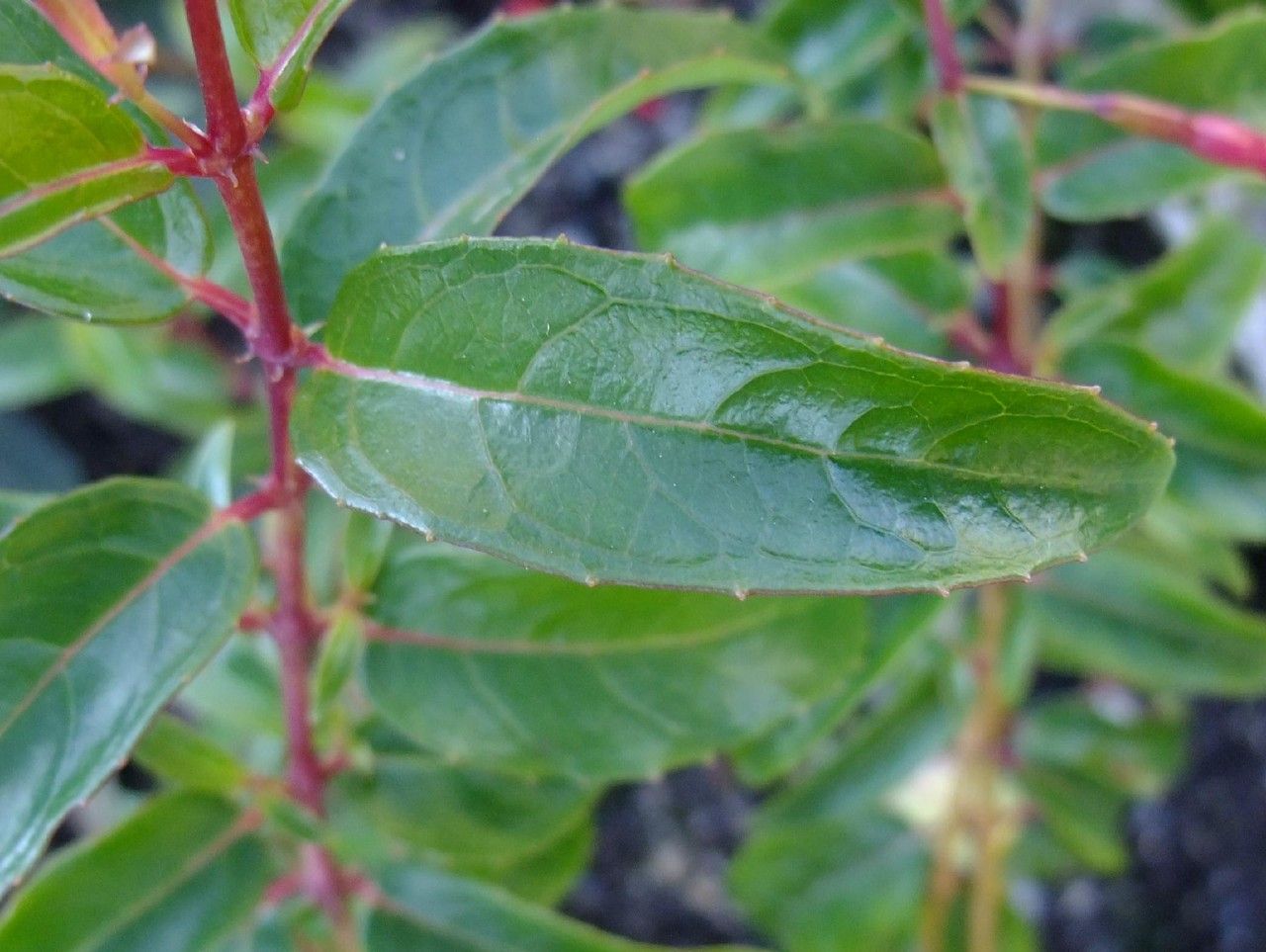
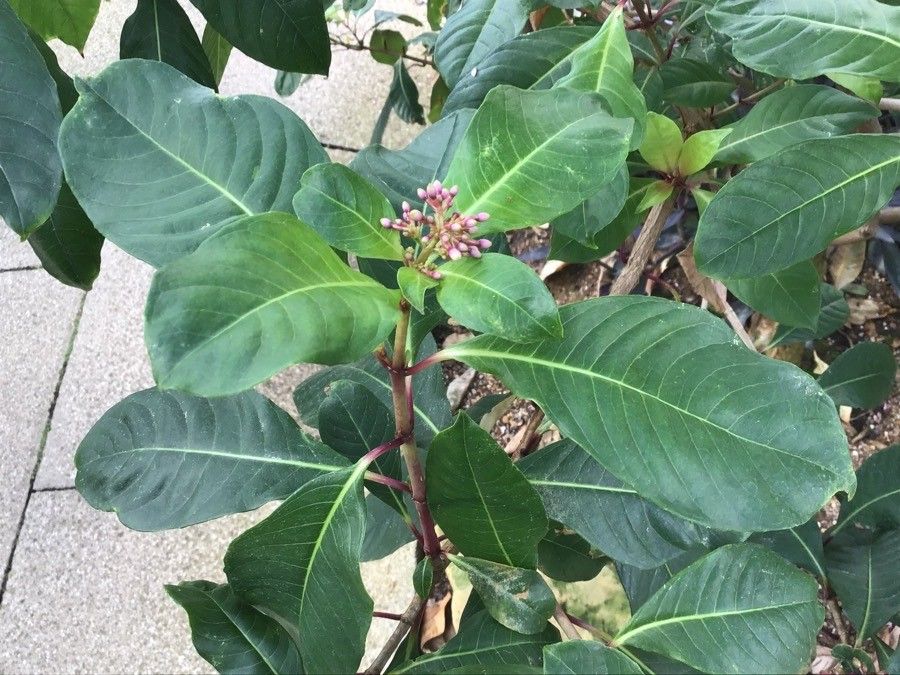
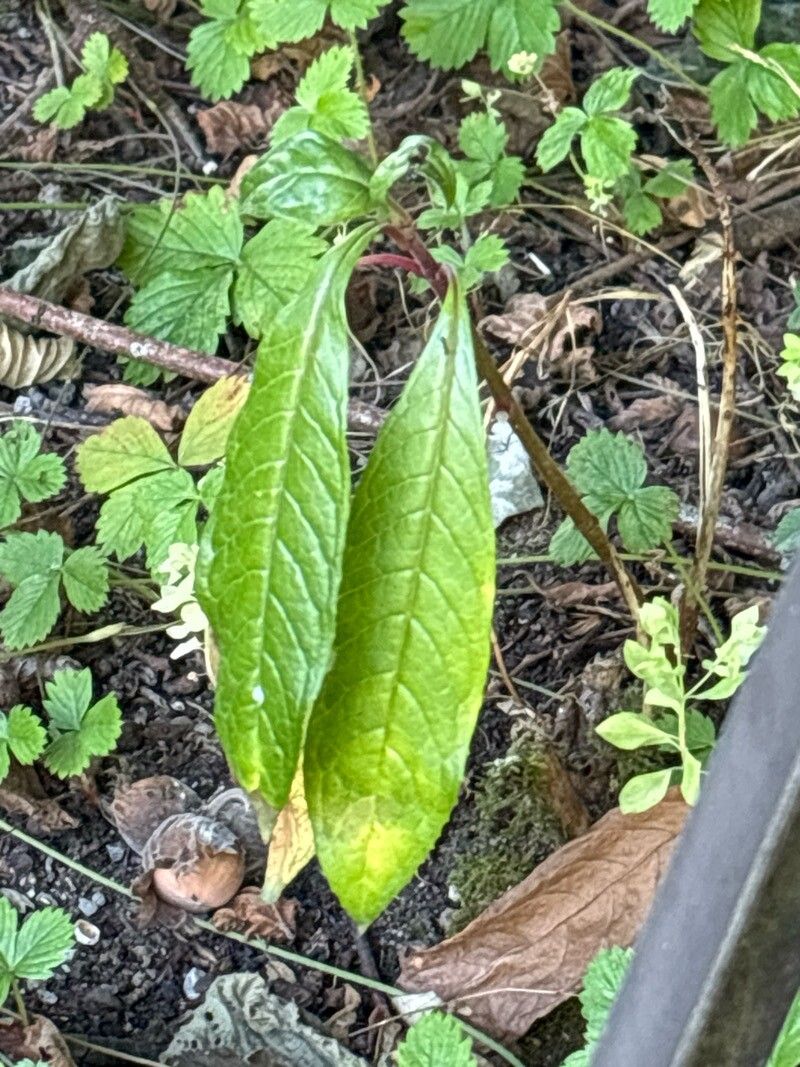
Fuchsia microphylla, also known as small leaf fuchsia and small-leaved fuchsia, is a flowering shrub in the family Onagraceae. The specific epithet (microphylla) was named for the plant's small (micro) leaves (phylla).
Small leaf fuchsia is fairly disease-resistant and is usually not susceptible to disease. With respect to care, this plant is relatively low-maintenance. Planted outdoors, it needs only light watering, and larger plants typically do not require pruning. Smaller plants, however, should be pruned after they finish blooming. Small leaf fuchsia is suitable for anyone who has an outdoor area, such as a garden or a deck, and does not demand a great deal of care experience.
How to keep Fuchsia Microphylla.
Light
Small-leaf fuchsia naturally occurs in habitats like forest understories or rocky sites, where it grows in natural shade. It prefers partial sun but can tolerate full sun or full shade, showing its adaptable and hardy nature.
Water
Small leaf fuchsia flourishes in moderate humidity and is resilient to changes in water availability. It typically requires watering every 1-2 weeks. As an evergreen plant, it keeps its foliage year-round and needs consistent moisture to maintain its lush appearance.
Temperature
Small leaf fuchsia is quite adaptable to temperature, capable of withstanding higher heat and broader temperature swings. In hot conditions, it is important to monitor watering and provide suitable shade to prevent sunburn. On the other hand, small leaf fuchsia is less tolerant of cold. It can endure a certain amount of chill, but excessively low temperatures can cause frost damage.
Fertilizer
Timing is important when fertilizing small-leaf fuchsia. Apply fertilizer in early spring and continue monthly until early summer. Fertilizer promotes lovely blooms and supplies energy during both dormant and active growth phases.
Pruning
The small leaf fuchsia is a compact plant valued for its delicate flowers. To maintain its health and appearance, prune it in early spring. Start by removing any damaged stems, thinning out dense growth, and shortening any long stems. This will enhance air circulation and encourage a bushy growth habit. Always use clean tools to prevent disease, and follow trusted horticultural guidelines for the best care.
Pot & Repot
Repot your small leaf fuchsia every 2-3 years during the spring. Choose a pot that is one size larger and fill it with well-draining soil. After repotting, place the plant in indirect light and ensure the soil remains consistently moist. Be gentle when handling your small leaf fuchsia to protect its delicate stems and leaves.
Botanical profile.
- Plant Type
- Shrub
- Life Cycle
- Perennial
- Genus
- Fuchsia
- Family
- Onagraceae
- Hardiness Zone
- 9-11
- Mature Height
- 2.13 m
- Mature Spread
- 1.22 m
- Leaf Color
- Dark Green, Forest Green
- Leaf Type
- Deciduous
- Flower Color
- Red, Purple
- Flower Size
- 1.02 cm to 2.03 cm
- Bloom Time
- All year round
- Planting Time
- Spring, Summer, Autumn
- Harvest Time
- All year round
Other names.
Reader questions.
How should I water my Small leaf fuchsia plant in the best way?
To ensure excellent root development, place a garden hose at the base of the plant. Avoid spraying the leaves directly, and keep in mind that leaves may need more water if they are outside and exposed to direct sunlight. You can also use bubblers or soaker hoses to moisten the roots, and when adding or removing plants, use soaker hoses that cover the entire garden or bed to encourage deep root growth. Make sure to drain any excess water and allow the soil to dry before watering again. Watering at ground level helps prevent diseases. On sunny days, consider spraying the entire bush with water. Whether the fuchsia is in a pot or in the ground, remember that deep watering is preferred over light sprinkling.
Why should I put fertilizer on my Small leaf fuchsia?
To ensure your Small leaf fuchsia plant is healthy and resilient, it's important to regularly fertilize it with the right nutrients. This will encourage vigorous growth and help the plant better withstand tough growing conditions, as well as improve its ability to fight diseases and pests. The foliage of the Small leaf fuchsia is particularly attractive, so it's important to maintain it properly. This involves following a regular fertilization schedule specific to your plant, which will result in deep-colored, lush leaves.
What are the sunlight requirements for Small leaf fuchsia?
Small leaf fuchsia, or Fuchsia microphylla, thrives in conditions with varying degrees of sunlight exposure. It requires 'full sun' conditions, which means it needs more than 6 hours of sunlight daily. It can also grow in 'partial sun' conditions, meaning it should receive about 3-6 hours of sunlight each day. It's important to observe the way sunlight moves through your garden to find the ideal location that offers a good balance of light and shade, ensuring the plant's well-being.
What is the common name of Fuchsia microphylla?
Fuchsia microphylla is commonly known as Small leaf fuchsia. It is named so because of its uniquely small leaves compared to other species in the Fuchsia genus.
What should I do if I give Small leaf fuchsia too much or too little water?
If you overwater a Small leaf fuchsia, its leaves may turn yellow, drop off, and wilt. The plant may also appear dull and unhealthy with mushy stems. To address these issues, adjust your watering schedule. Wilting can also indicate under watering, which causes leaves to become crispy and dry. On the other hand, overwatered leaves will be soft and wilted. If the soil is dry, watering alone may not be enough; give the plant a thorough watering. However, even with enough water, the fuchsia may still have a dry appearance and yellow leaves due to root damage. Once it returns to normal, the yellowing will stop. When growing a Small leaf fuchsia indoors, regularly check the moisture level of the pot and avoid overwatering. Look out for black spots, as they indicate overwatering. In such cases, allow the soil to dry out by withholding water for a few days. Overwatering can lead to root rot, which may necessitate transferring the plant to a different pot if the roots appear discolored and slimy. It's important to prevent root rot by avoiding overly soggy soil. When planting a Small leaf fuchsia outdoors, dig a little deeper and check the soil moisture with your fingers. If the soil is too dry, it may indicate under watering, so provide adequate water to help the plant recover.
When should I fertilize my Small leaf fuchsia?
To ensure healthy growth for your Small leaf fuchsia, it is recommended to fertilize it for the first time in late winter or early spring. This will provide all the necessary nutrients for the plant to thrive once the weather becomes warmer. If you live in a warm climate region, it can also be beneficial to fertilize your Small leaf fuchsia again in early fall. This not only adds additional nutrients for the following growing season but also improves the plant's ability to withstand winter cold and prevent foliage damage. Fertilizing earlier in the fall will give the new branches sufficient time to grow and handle the cold winter conditions.
What is a helpful tip for ensuring the happiness of my Small leaf fuchsia?
A crucial tip for keeping your Small leaf fuchsia content is to carefully watch how sunlight traverses your garden space. By doing this, you can select spots that provide the perfect blend of light and shade. This balance is essential for the plant's growth and happiness, ensuring that it receives the right amount of sunlight without being subjected to conditions that could harm its development.
What are the botanical characteristics of Small leaf fuchsia?
Small leaf fuchsia, or Fuchsia microphylla, is a species characterized by its small leaves. Unfortunately, there's no detailed information provided about its other botanical characteristics in the provided data.
How often do I need to water my Small leaf fuchsia plant?
The Small leaf fuchsia prefers deep and infrequent watering, especially when planted in pots. Soak them in a gallon of water each time to account for the limited water storage in flower pots. In cold regions, water every 3 to 5 days, preferably in the morning when the soil is dry. Check the soil inside the pot and water when the top 2-3 inches are dry. During hot days, check the soil daily as it can dry out quickly. If you have a garden, also irrigate the soil. In hot climates, water once a week when about 2 to 3 inches of soil become too dry. Consider the amount of rainfall and avoid overwatering to prevent root rot. Mulch about 3 to 4 inches deep to conserve water when the fuchsia is outdoors. Sandy soil requires more frequent watering, while clay soil needs less frequent watering to prevent root rot. Mark the watering dates on the calendar and pay attention to drooping leaves to ensure timely watering.
When is it not a good idea to put fertilizer on my Small leaf fuchsia?
There are specific times throughout the year when you should avoid fertilizing your Small leaf fuchsia. The first is in the early and mid-winter months when the plant is dormant and doesn't require any nutrients. It is also not recommended to fertilize in late spring and summer due to the hotter and drier weather conditions. Fertilizing during this time can have a harmful effect on your Small leaf fuchsia. To prevent any issues, it is best to follow a fertilization schedule that only includes feeding in early spring and early fall.
How much water does my Small leaf fuchsia need?
The Small leaf fuchsia generally needs about a gallon of water on its watering schedule. For potted plants, water them deeply until the water is dripping from the pot, then wait for the soil to dry before watering again. Use a water calculator or moisture meter to track the amount of water given to the plant each week. During the flowering period, provide plenty of water, but allow the moisture to evaporate afterwards to avoid root rot. If the Small leaf fuchsia is planted outdoors and receives adequate rainfall, additional watering may not be necessary. However, when the fuchsia is young or newly planted, ensure it receives 1-2 inches of rain per week. As the fuchsia grows, it can rely entirely on rainfall, except during hot weather or extended periods without rain. During those times, consider giving the fuchsia a thorough watering during the cooler parts of the day to prevent heat damage. Additional watering will be needed during prolonged dry spells.
What kind of fertilizer should I use for my Small leaf fuchsia plant?
In most cases, nitrogen is the most important nutrient for a Small leaf fuchsia. However, phosphorus and potassium are also important, so a balanced fertilizer like a 10-10-10 can be effective. That being said, a more nuanced ratio of nutrients, with slightly higher nitrogen content, often results in optimal growth for a Small leaf fuchsia. For instance, a ratio of 10-6-4 can work well. You can choose between using a granular fertilizer or a liquid-based one when fertilizing.