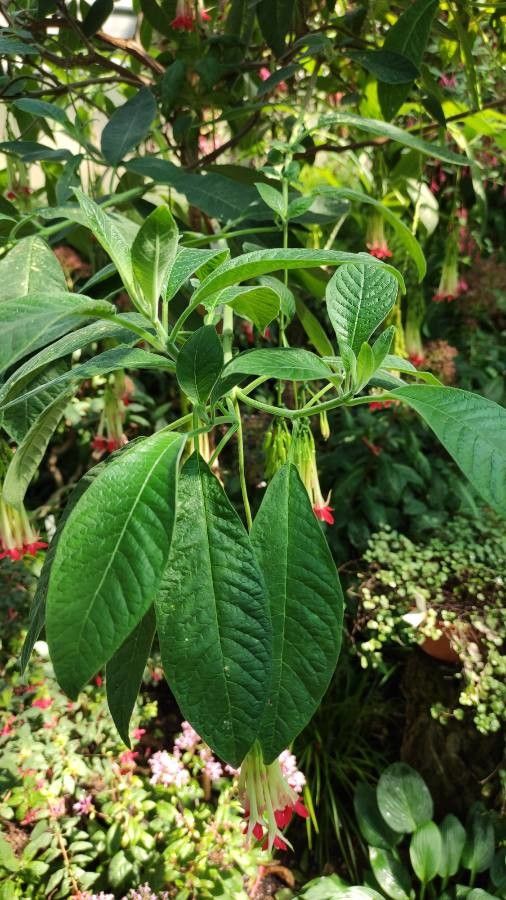
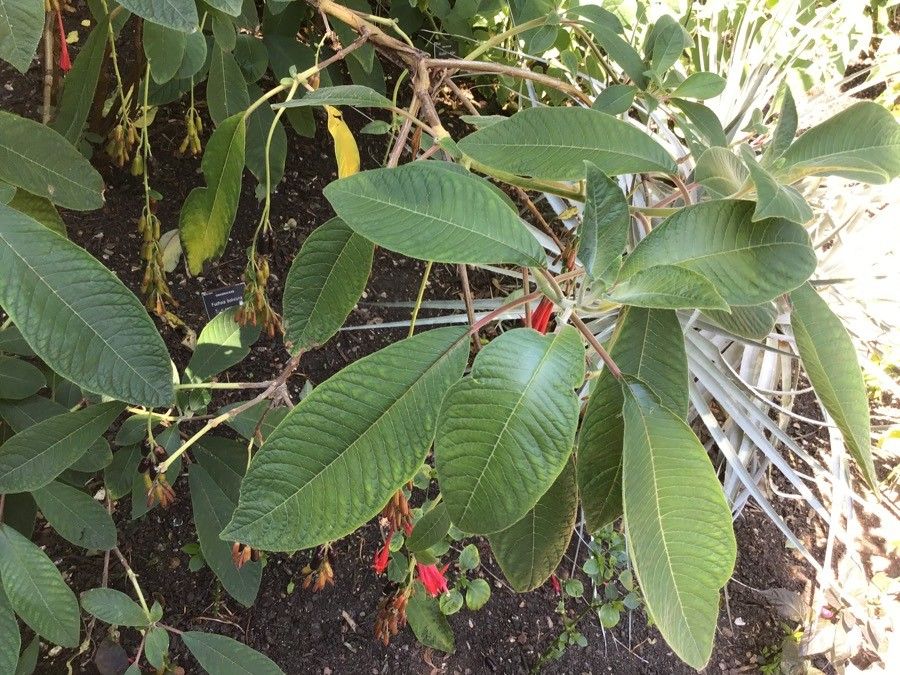
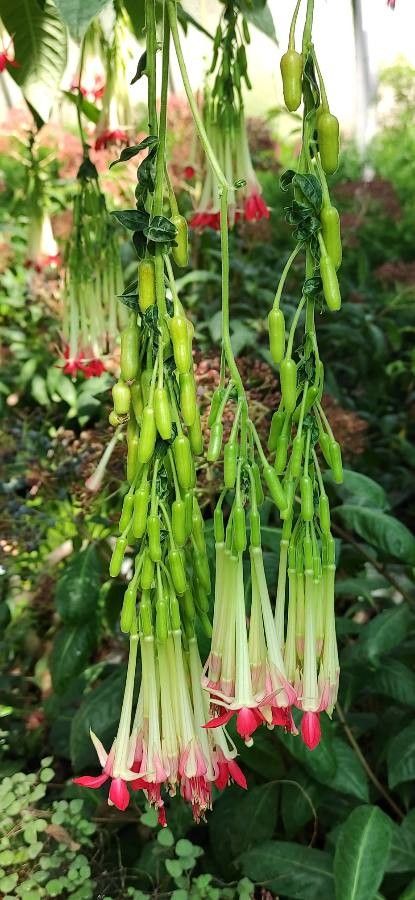
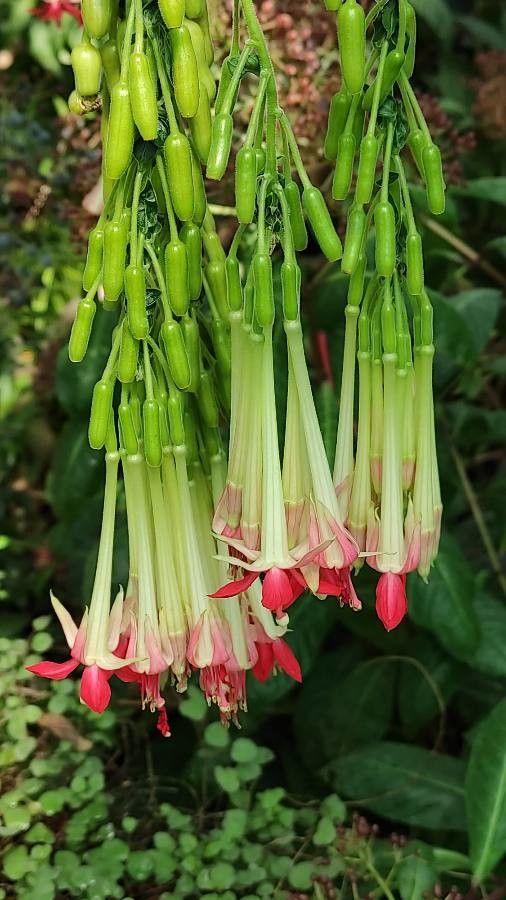
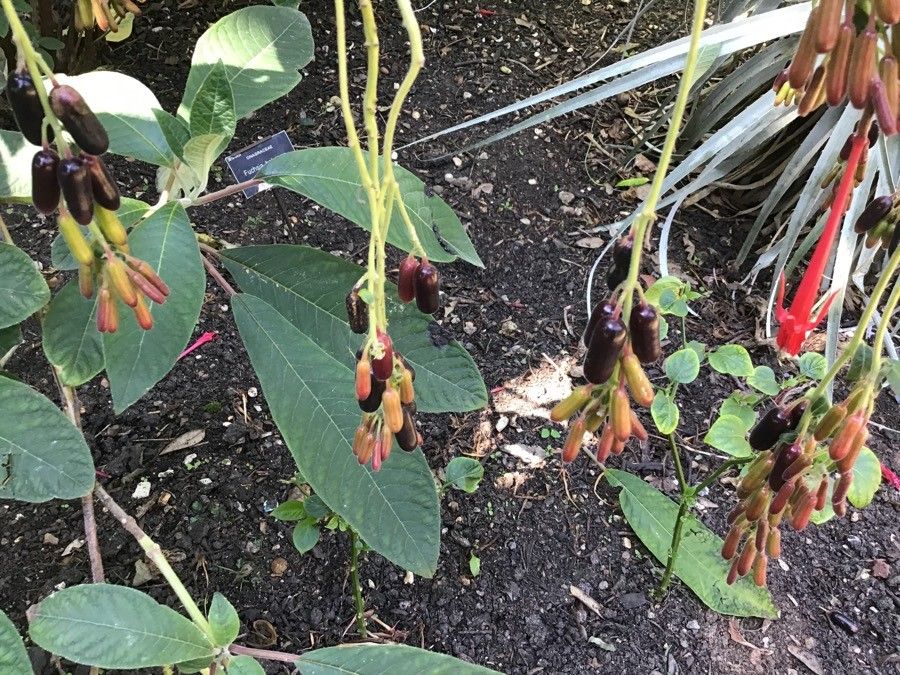
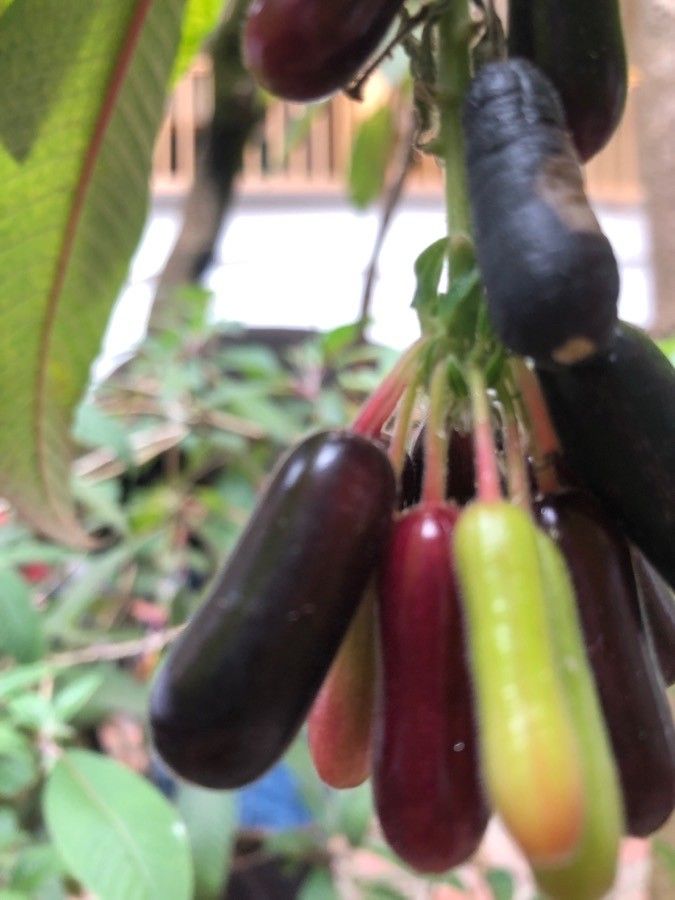
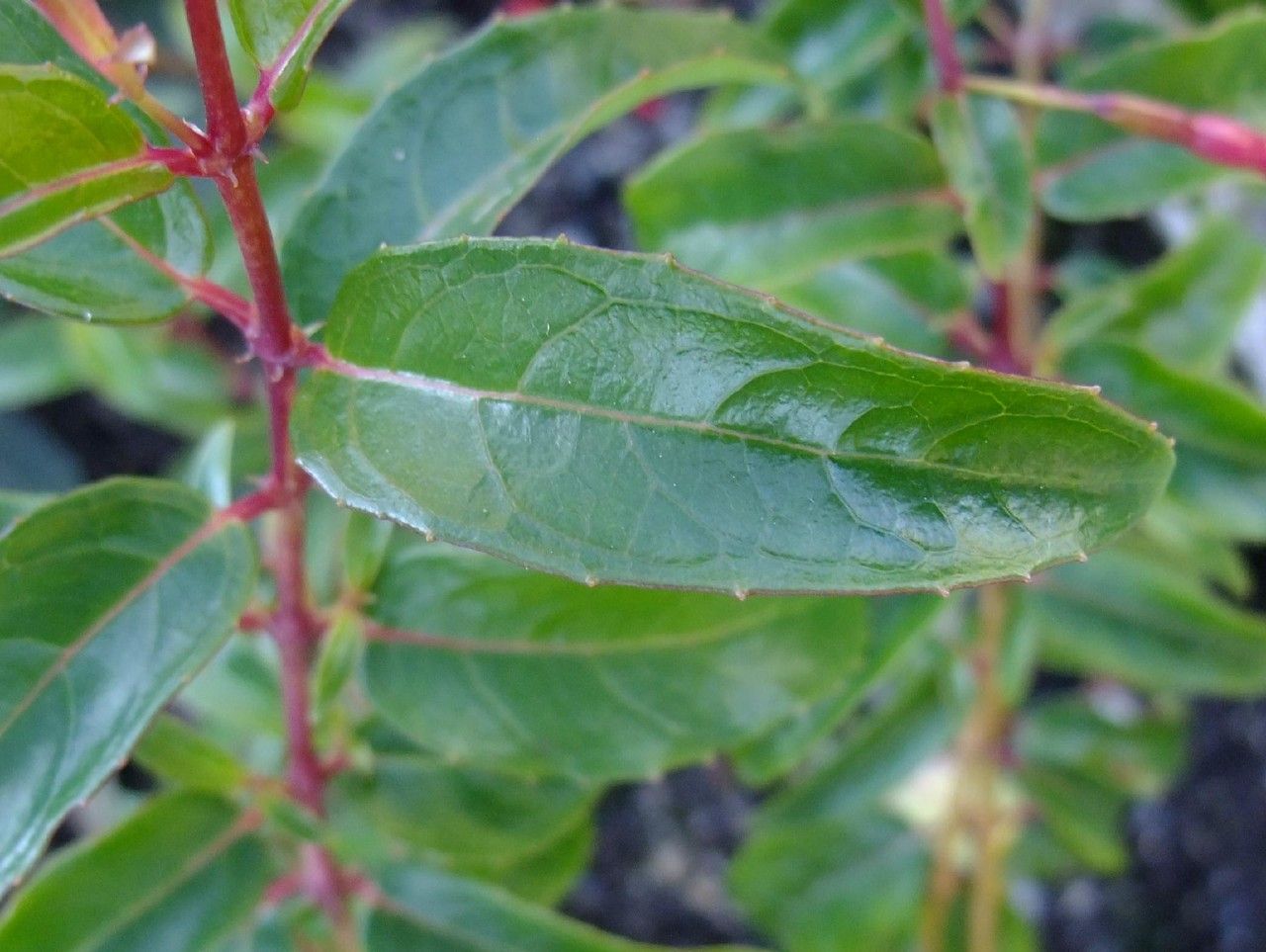
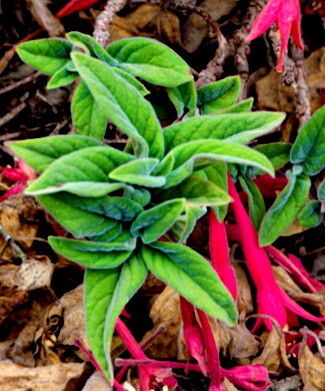
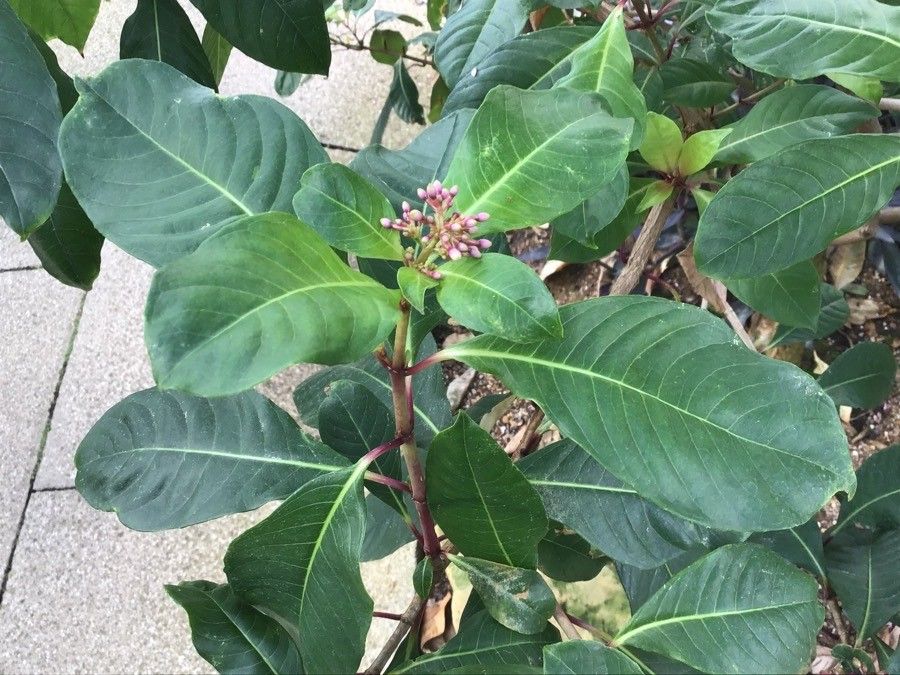
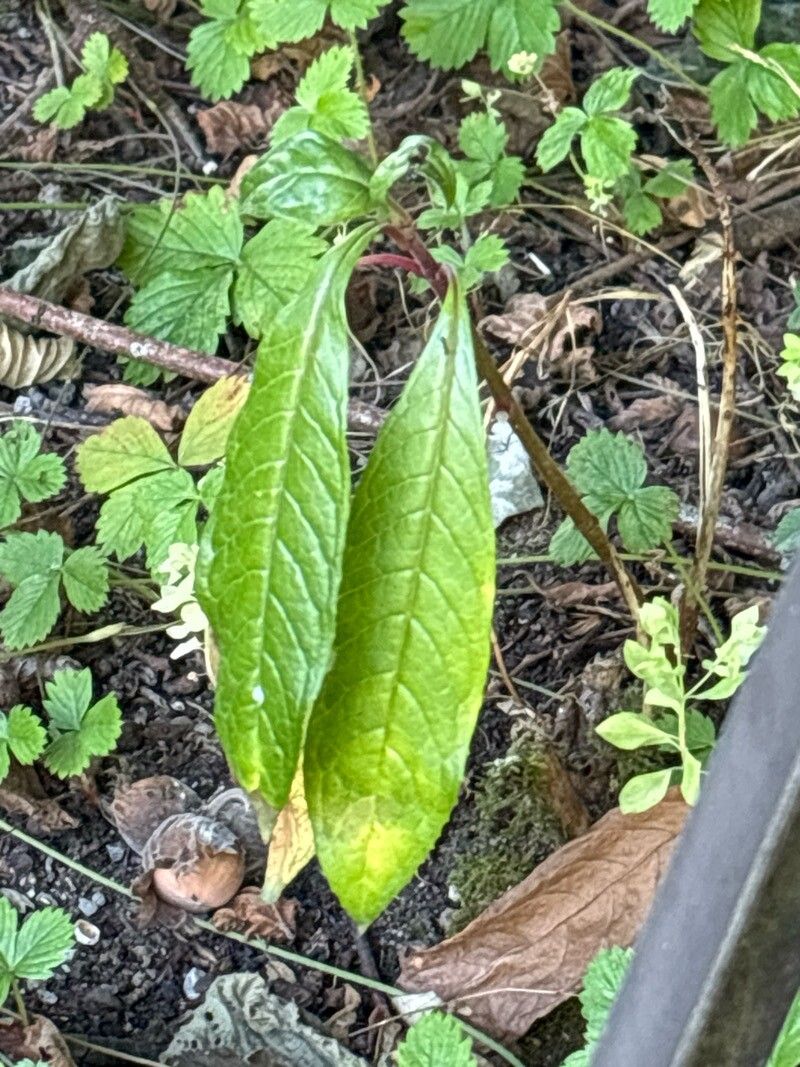
Fuchsia boliviana is a species of Fuchsia native to southern Peru, Bolivia and northern Argentina.
The Bolivian fuchsia, scientifically known as Fuchsia boliviana, is named in honor of the German biologist Leonhart Fuchs. The name "Bolivian" reflects the plant's origin in Bolivia. Despite its roots in Bolivia's cool forests, the Bolivian fuchsia is not frost hardy.
Bolivian fuchsia is resistant to disease and typically does not suffer from illnesses. Regarding care, this plant is fairly low-maintenance. When grown outdoors it needs only light watering, and larger specimens usually do not require pruning. Smaller plants, however, should be cut back after they finish blooming. Bolivian fuchsia is well suited to anyone with an outdoor area—like a garden or a deck—and does not demand a great deal of gardening experience.
How to keep Fuchsia Boliviana.
Light
Bolivian fuchsia grows best in places with ample sun but can tolerate very strong sunlight. In its native environment the plant endures a range of light conditions. Still, prolonged exposure to intense sun can cause damage. Conversely, too little light may hinder its growth.
Water
Bolivian fuchsia, a plant native to Bolivia's cloud forests, thrives in environments with high humidity and consistent moisture. To maintain its lush foliage and vibrant blooms, it is important to water it weekly, which helps prevent root rot. When grown indoors, bolivian fuchsia should be planted in well-draining soil within containers to ensure optimal moisture retention.
Humidity
This plant will thrive in moderate humidity, which is probably the level in your home. However, misting it a few times a week can be very beneficial. Make sure the room has good ventilation.
Temperature
Bolivian fuchsia originates from temperate regions and does best at temperatures of 68 to 100.4 °F (20 to 38 ℃). If seasonal temperatures move outside that range, suitable heating or cooling should be used to ensure the plant's survival.
Fertilizer
The best time to fertilize a Bolivian fuchsia is in early spring, as it breaks dormancy. This encourages overall growth and flower development. Fertilizing improves foliage, stems, and branches, and promotes flowers that are large, bright, and long-lasting. It also helps transport nutrients from the roots to the flowers and enhances the plant’s health and disease resistance.
Pruning
The Bolivian fuchsia showcases vibrant, tubular flowers and requires annual pruning in early spring to thrive. To enhance growth and maintain an attractive shape, remove any dead or crossing branches, which will also improve air circulation. Make sure to make your cuts just above the leaf nodes. By following these maintenance steps, you can encourage more blooms and promote the overall health of the plant.
Pot & Repot
Repot Bolivian fuchsia every 2-3 years in the spring to encourage growth. This plant thrives in a moderately-sized pot where its roots are slightly constrained. After repotting, ensure the plant is kept in a humid environment with indirect light to promote healthy foliage and blooms. Use well-draining soil and be careful not to overwater for the best results.
Botanical profile.
- Plant Type
- Tree, Shrub
- Life Cycle
- Perennial
- Genus
- Fuchsia
- Family
- Onagraceae
- Hardiness Zone
- 9-11
- Mature Height
- 2.13 m to 6.1 m
- Mature Spread
- 91 cm
- Leaf Color
- Green
- Leaf Type
- Deciduous
- Flower Color
- Red, Pink
- Flower Size
- 3.05 cm to 6.35 cm
- Bloom Time
- All year round
- Planting Time
- Spring
- Harvest Time
- All year round
- Native Area
- Bolivia, Peru
Other names.
Reader questions.
What's the best way to water my Bolivian fuchsia plant?
To promote excellent root development in your plants, it is recommended to place a garden hose at the base of the plant. It is important to avoid spraying water directly on the leaves, as this can be detrimental. If your plants are outdoors and exposed to direct sunlight, the leaves will require more watering. To moisten the roots, you can use bubblers that can be placed on each plant. Soaker hoses are also useful, especially when adding or removing plants, as they can cover the entire garden or bed and help the roots grow deeply. After watering, make sure to drain any excess water and wait for the soil to dry before watering again. To prevent diseases, it is best to water at ground level. On sunny days, it may be beneficial to spray the entire bush with water. Whether your plants are in pots or in the ground, it's important to remember that Bolivian fuchsias prefer deep watering rather than light sprinkling.
What are the sunlight requirements for Bolivian fuchsia?
Bolivian fuchsia requires partial sunlight, approximately 3-6 hours of sunlight per day, to thrive. However, it can also tolerate full sun conditions, which means receiving more than 6 hours of sunlight daily, especially in cooler weather. It's crucial to watch how sunlight moves through your garden to choose locations that offer a good balance of light and shade, ensuring your plants' happiness.
What is the optimal temperature range for Bolivian fuchsia?
Bolivian fuchsia, also known by its botanical name Fuchsia boliviana, thrives in temperate climate regions with optimal temperatures ranging between 68 to 100.4 °F (20 to 38 °C). To ensure the plant's survival, it is crucial to maintain temperatures within this range by implementing heating or cooling measures when temperatures fluctuate beyond these limits. The plant is extremely heat-loving, and exposure to cold temperatures can be harmful. During autumn, it is advised to move outdoor-grown Bolivian fuchsia indoors, placing it near a bright window but at a distance from heaters to avoid damage. Keeping the temperature above 20°C during winter promotes plant growth, while temperatures nearing 0°C can be detrimental.
What should I do if I give Bolivian fuchsia too much or too little water?
When a Bolivian fuchsia is overwatered, it may display yellowing, dropping leaves, and wilting. The plant may also appear dull and unhealthy, with mushy stems. Adjusting your watering schedule is recommended when these signs appear. Wilting can also occur from underwatering, characterized by crispy and dry leaves. When the soil is dry, simply watering may not be enough; it may require a thorough watering. While enough water will help the Bolivian fuchsia recover, the plant may still have dry and yellow leaves due to root damage. Once the plant returns to normal, the yellowing leaves will stop. When keeping a Bolivian fuchsia indoors, always check the moisture levels and avoid overwatering. Look for signs of black spots, and if present, allow the soil to dry out for a few days. Overwatering can lead to root rot, so transfer the plant to a different pot if you see discolored and slimy roots. Preventing root rot and avoiding overly soggy soil is crucial. When planting the Bolivian fuchsia outdoors, make sure to dig deeper and check if the soil is too dry. If so, it suggests underwatering, and sufficient watering is necessary for the plant's recovery.
Can Bolivian fuchsia handle intense sunlight?
While Bolivian fuchsia thrives best in areas with considerable sun exposure, it is not entirely adverse to zones with intense sunlight. In its natural habitat, the plant can sustain in varied light conditions. Nevertheless, prolonged exposure to very intense sunlight could potentially cause some damage to the plant.
How does Bolivian fuchsia react to low temperatures?
Bolivian fuchsia shows a strong preference for warm temperatures and does not tolerate low temperatures well. It thrives when the temperature is maintained above 20°C and requires that winter temperatures be kept above 0°C to avoid damage. Exposure to temperatures below -5°C may result in the leaves lightening in color, and after frost damage, the plant's leaves can turn brown or black with possible symptoms of wilting and drooping. To mitigate frost damage, it's recommended to trim off the frost-damaged parts and move the plant indoors to a warm environment. Placing it near a south-facing window can ensure ample sunlight, and it is important to avoid placing the plant near heaters or air conditioning vents to prevent excessive dryness in the air.
How often do I need to water my Bolivian fuchsia?
The Bolivian fuchsia prefers deep and infrequent watering, especially when planted in pots. In pots, the water storage is limited and the soil dries out quickly, so it's best to soak them in a gallon of water each time. If you live in a cold region, water every 3 to 5 days, preferably in the morning when the soil is dry. Check the soil regularly by feeling the top 2-3 inches - if it's dry, it's time to water. In hot weather, check the moisture daily as the potting soil can dry out quickly. In a garden, water once a week in hot climates, but only when the soil is 2 to 3 inches dry. Be mindful of rainwater to avoid overwatering and root rot. During spring and fall, when the fuchsia is outdoors, add a 3 to 4-inch layer of mulch to conserve water. Sandy soil drains faster, so water more frequently, while clay soil requires less watering, allowing it to dry out for 2-3 days. Keeping track of when you water and noticing drooping leaves can help you determine the watering schedule.
How can artificial lighting benefit indoor Bolivian fuchsia plants?
Indoor Bolivian fuchsia plants require adequate lighting to achieve optimal growth. When natural sunlight is insufficient, especially during winter or in less sunny spaces, artificial lighting becomes a crucial alternative. Choosing the right type of artificial light, like LED lights, can provide specific wavelengths your plants need. For proper growth under artificial light, full sun plants need 30-50W/sq ft, partial sun plants require 20-30W/sq ft, and full shade plants should have 10-20W/sq ft. The artificial light source should be placed 12-36 inches above the plant, mimicking natural sunlight, and kept on for 8-12 hours per day.
What should be done if Bolivian fuchsia experiences high temperatures?
During the summer, it is crucial to keep Bolivian fuchsia's temperature below 38°C to prevent heat stress. If the temperature exceeds 43°C, the leaves may lighten in color, indicating an increased susceptibility to sunburn. To address this issue, trim away the sunburned and dried-up parts of the plant. Moving the plant to a location that provides shade during the midday and afternoon sun can protect it from further damage. Additionally, watering the plant in the morning and evening helps keep the soil adequately moist, further mitigating the impact of high temperatures.
How many water does my Bolivian fuchsia need?
The Bolivian fuchsia has specific watering needs. For potted plants, it's best to water them deeply until the water drips out of the bottom of the pot. Then, allow the soil to dry before watering again. You can use a water calculator or moisture meter to keep track of how much you're giving your plant each week. During the flowering period, provide plenty of water, but allow the moisture to evaporate afterwards to avoid root rot. If the Bolivian fuchsia is planted outdoors and receives sufficient rainfall, you may not need to water it additionally. For young or newly planted fuchsias, aim for 1-2 inches of rain per week. As the fuchsia grows, it can rely on natural rainfall. However, during hot weather or extended dry periods, it's important to give the plant a thorough watering during the cooler part of the day to prevent heat damage. Additional watering may also be necessary during prolonged droughts.
What are some common symptoms of improper lighting for Bolivian fuchsia?
Common symptoms of light deficiency in Bolivian fuchsia include smaller new leaves, leggy or sparse growth, faster leaf drop, and slower or no new growth, indicating insufficient light exposure. Conversely, too much light can lead to chlorosis, where leaves turn yellow due to the breakdown of chlorophyll, sunscald with pale or necrotic areas on the plant, leaf curling as a defense against excessive sunlight, wilting from water loss, and leaf scorching, where leaves develop brown, dry edges.
Should I water my Bolivian fuchsia more or less depending on the time of year or the weather?
The Bolivian fuchsia prefers to be outdoors and relies on rainwater, but in dry weather, it needs to be watered. During the spring and fall, keep the soil moist but not soggy, alternating between dry and moist conditions. In the summer, hot weather causes water to evaporate quickly, so you may need to water more often. During winter, the Bolivian fuchsia needs less water as it goes dormant. Use well-draining soil mix and terracotta pots to help with evaporation. After spring, encourage growth and blooming when the temperature rises. Good drainage is crucial, especially in winter. For potted plants, ensure adequate watering and drainage to prevent cold and wet roots. Deep soaking once or twice a week is recommended, avoiding shallow sprinkles. Even during dormancy, the plant should not completely dry out in fall or winter. Avoid overwatering and provide mulch to reduce stress, conserve water, and promote healthy blooms.