Whorled fritillary has strong resistance to disease and typically does not easily contract illnesses. Still, it can be vulnerable to pests and diseases present in its environment. These infections are generally mild. Carewise, this plant needs a moderate level of maintenance. It should be pruned on a regular basis to preserve an attractive appearance and healthy growth. Applying fertilizer can also encourage more flowering. Whorled fritillary is appropriate for anyone with outdoor space, such as a garden or patio, and does not demand extensive care experience. It may need additional attention if cultivated indoors.
How to keep Fritillaria Verticillata.
Light
The whorled fritillary naturally occurs in habitats like forest understories and rocky areas, where it grows in natural shade. It prefers partial sun but can tolerate full sun or full shade, showing its adaptable and hardy character.
Water
The Whorled Fritillary thrives in environments with moderate moisture levels and needs weekly watering. It does best in well-balanced conditions, going dormant during dry spells to conserve water and survive as an outdoor bulb plant.
Temperature
Whorled fritillary can tolerate a wide range of temperatures, but its distribution may still be restricted by particular combinations of moisture and heat. It performs best in warm summer conditions with sufficient rainfall or watering. Long stretches of cloudy, rainy weather or extended high temperatures can raise the chance of Whorled fritillary dying. In winter, adequate protection from cold can increase the plant's survival rate.
Fertilizer
The best time to fertilize a Whorled fritillary is in early spring, as it is coming out of dormancy and beginning active growth. Fertilization supplies essential nutrients for healthy development. Although the Whorled fritillary has relatively low fertilizer needs, applying fertilizer annually can improve its survival and encourage better, longer-lasting flowers.
Pruning
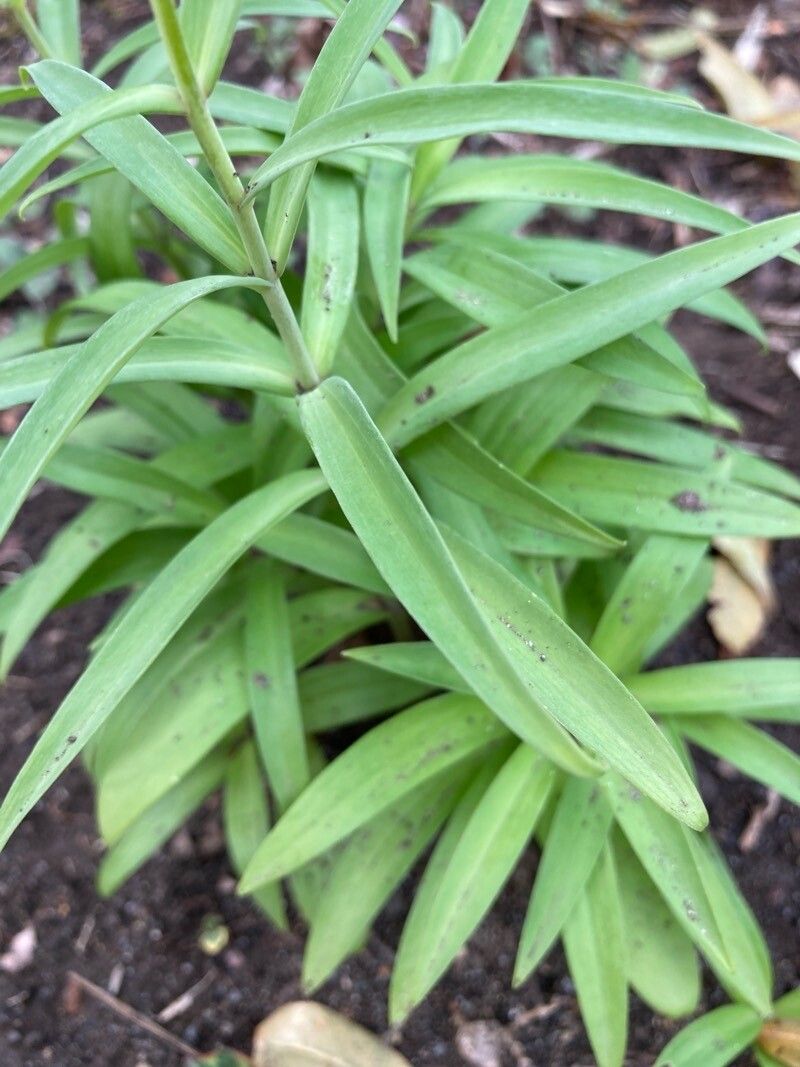
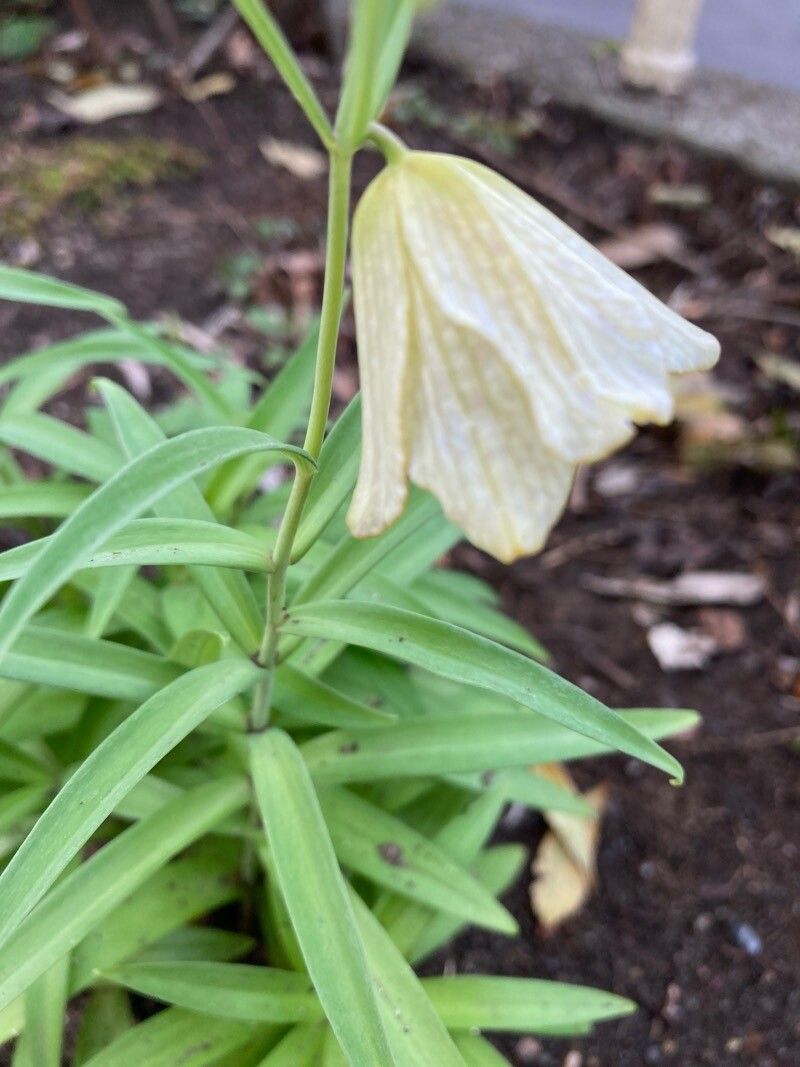
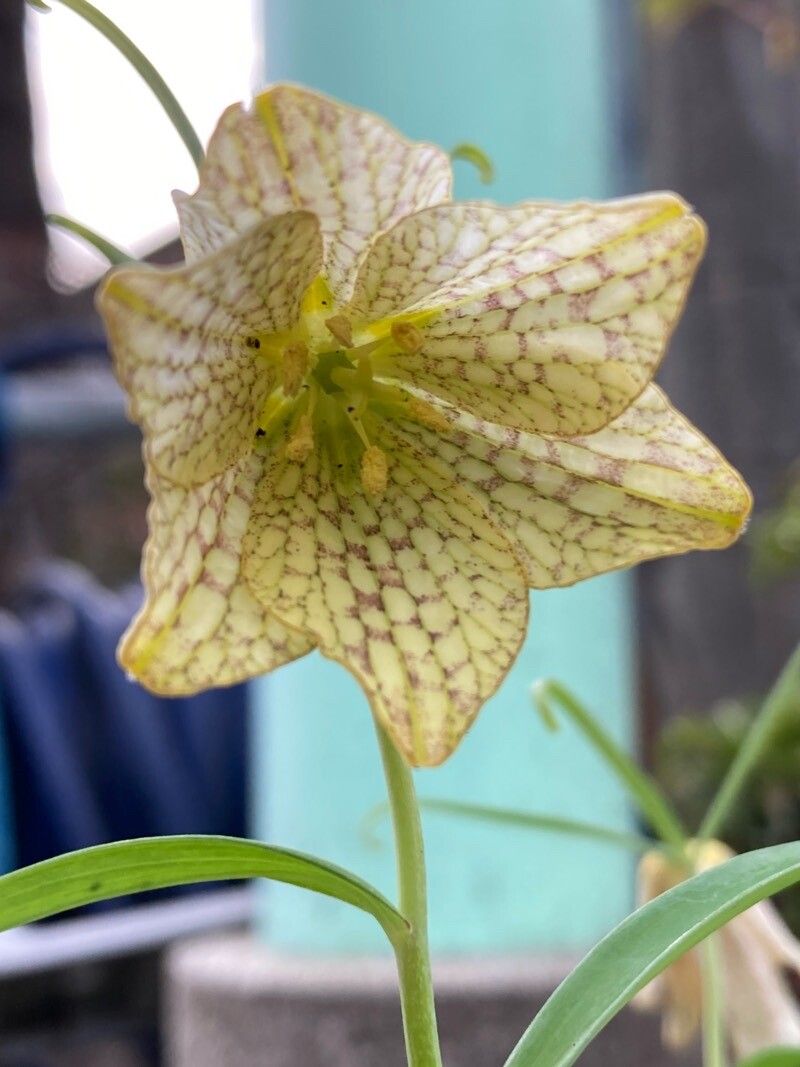
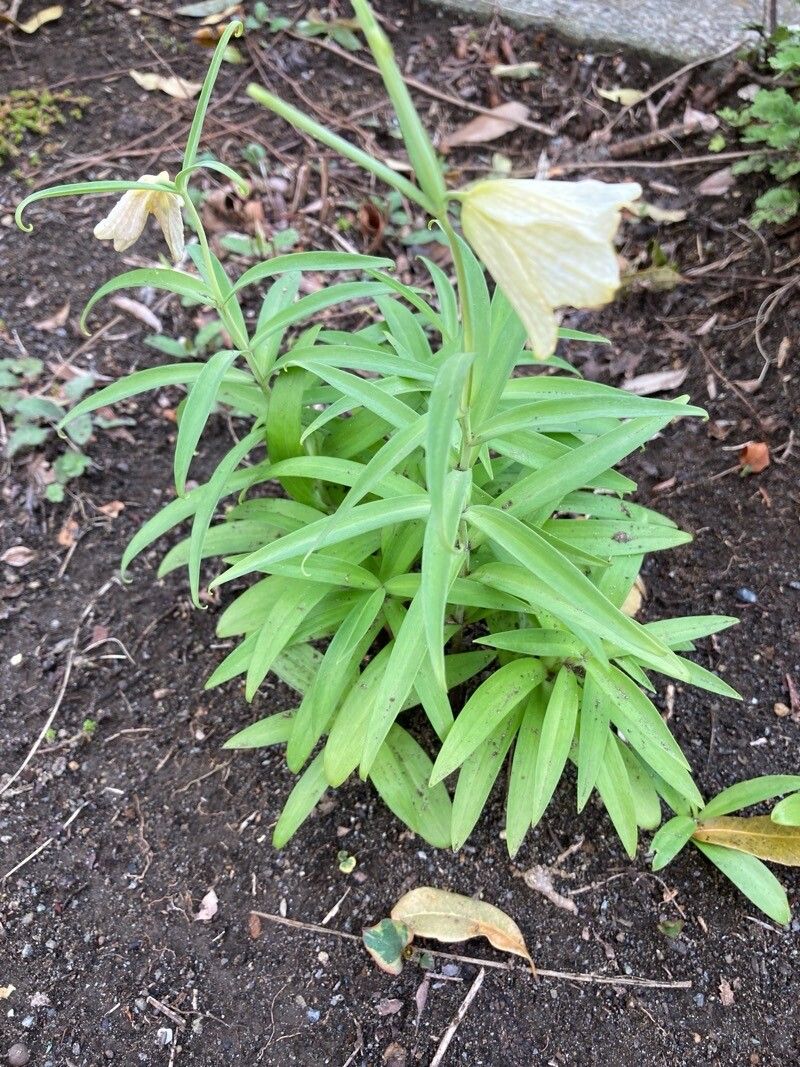
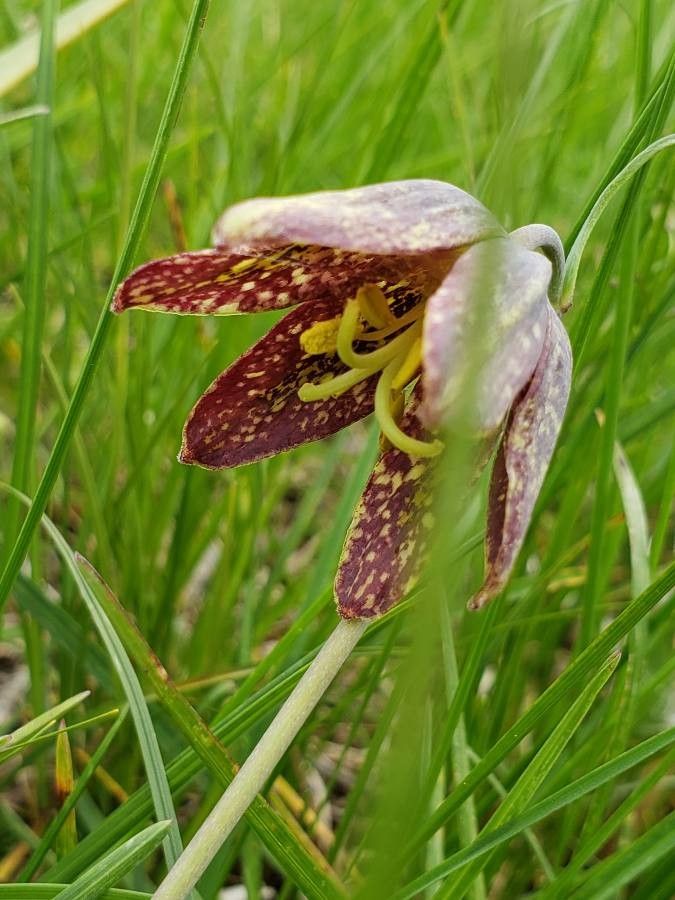
The whorled fritillary is known for its bell-shaped flowers and uniquely arranged whorled leaves. To boost its growth and increase the lifespan of its blooms, it is best to prune this plant from early to late spring. Be sure to remove any faded flowers and trim away dead stems to help rejuvenate the plant. Pruning also enhances air circulation, which reduces the risk of disease. This care ensures a vibrant and robust display in the following year.
Pot & Repot
Spring is the ideal time to repot whorled fritillary. You should do this every 2-3 years, using a moderately sized pot with good drainage and fresh soil. After repotting, keep the soil consistently moist, but be careful not to overwater. This will help the plant recover and promote healthy growth.
Botanical profile.
- Plant Type
- Herb
- Life Cycle
- Perennial
- Genus
- Fritillaria
- Family
- Liliaceae
- Hardiness Zone
- 4-8
- Mature Height
- 61 cm
- Mature Spread
- 20 cm
- Leaf Color
- Medium Sea Green
- Leaf Type
- Deciduous
- Flower Color
- White, Lavender
- Flower Size
- 4.06 cm
- Bloom Time
- Mid spring, Late spring
- Planting Time
- Spring, Summer
- Harvest Time
- Early summer, Mid summer
- Native Area
- Kazakhstan, China