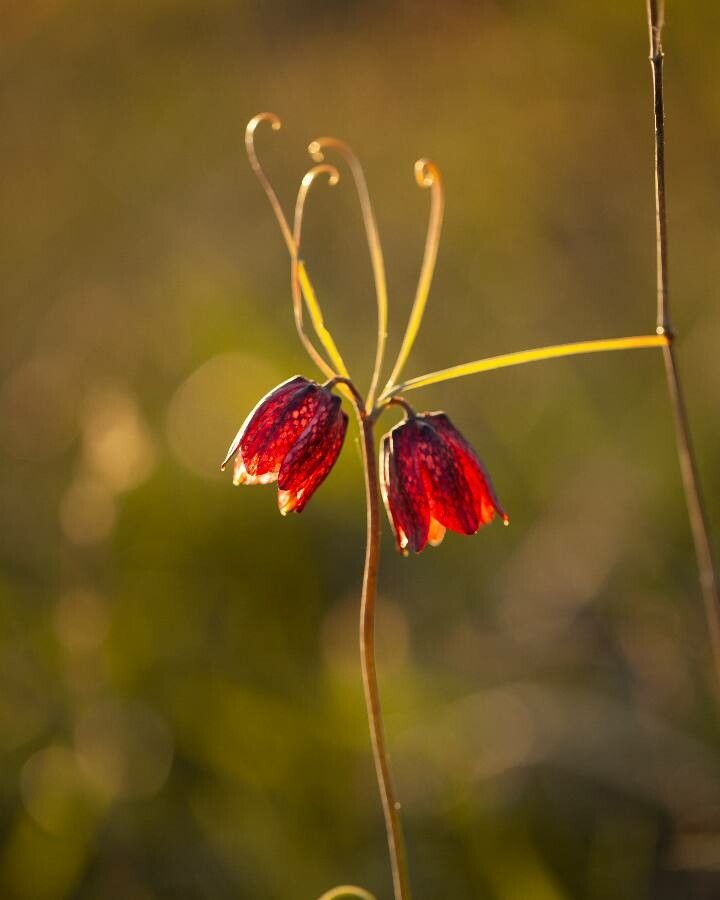
Fritillaria ruthenica is fairly disease-resistant and typically not prone to illnesses. That said, it can be affected by pests and diseases present in its environment. These problems are usually not severe. In terms of care, the plant needs moderate maintenance. Regular pruning is necessary to keep a neat appearance and support healthy growth. Fertilizing can also help encourage flowering. Fritillaria ruthenica is suitable for anyone with outdoor space, such as a garden or patio, and does not require extensive care experience. It may demand more attention if grown indoors.
How to keep Fritillaria Ruthenica.
Fertilizer
Usually, a one-time fertilizer application in the spring is enough for Fritillaria ruthenica, but to encourage maximal growth, it can be fed multiple times. Administrating feed every month to a month and a half is recommended. Fertilizing not only improves the look and functionality of the leaves, imparting rich color and robust texture, but also fosters root development and nutrient uptake, thereby contributing to the longevity and well-being of the plant.
Pruning
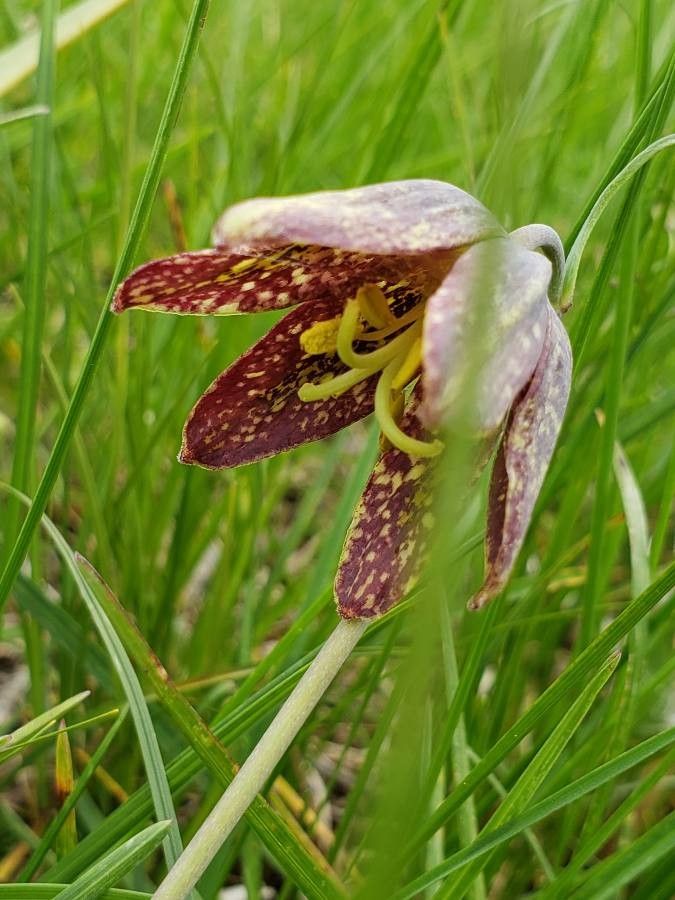
Fritillaria ruthenica is known for its distinctive bell-shaped flowers and upright growth. To maintain its health and appearance, it's best to prune in early spring. Focus on removing dead stems and thinning out overcrowded areas, rather than heavy pruning. This approach enhances both the plant's growth and its aesthetics, aligning with the natural growth cycle of Fritillaria ruthenica for optimal flowering.
Botanical profile.
- Plant Type
- Herb
- Life Cycle
- Perennial
- Genus
- Fritillaria
- Family
- Liliaceae
- Hardiness Zone
- 4-8
- Mature Height
- 49 cm
- Mature Spread
- 20 cm
- Native Area
- Russia, Kazakhstan, Bulgaria, Romania, Ukraine