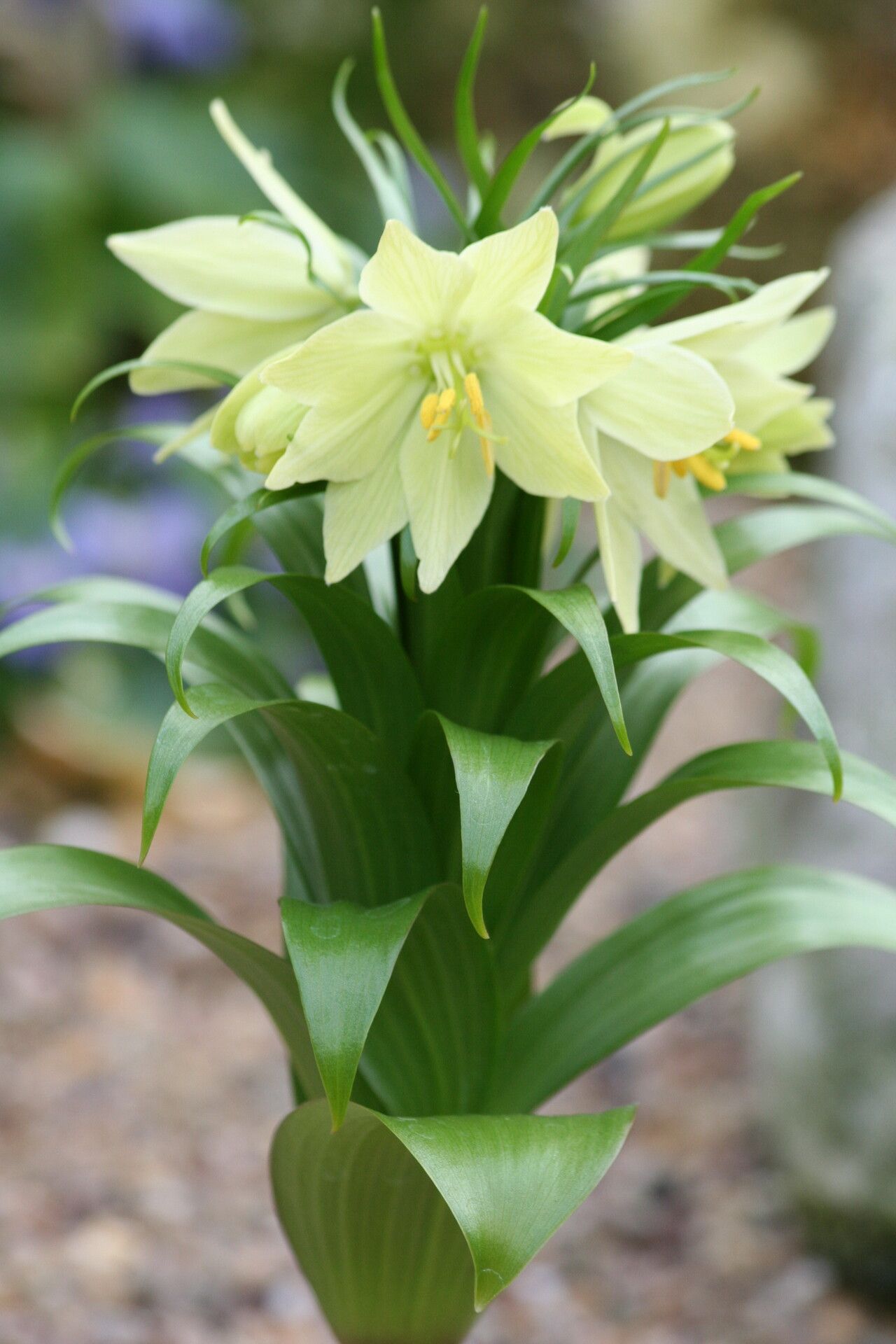
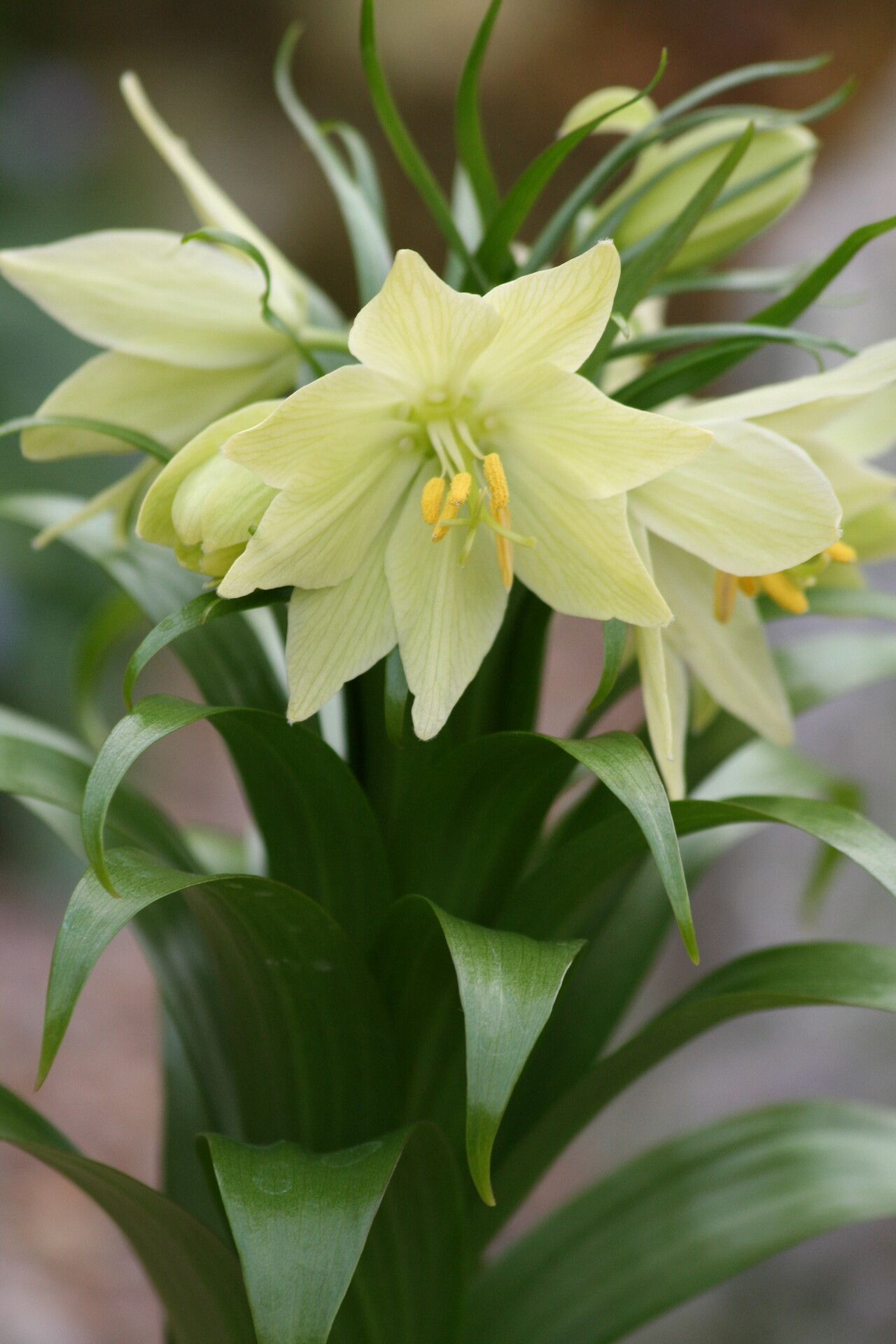
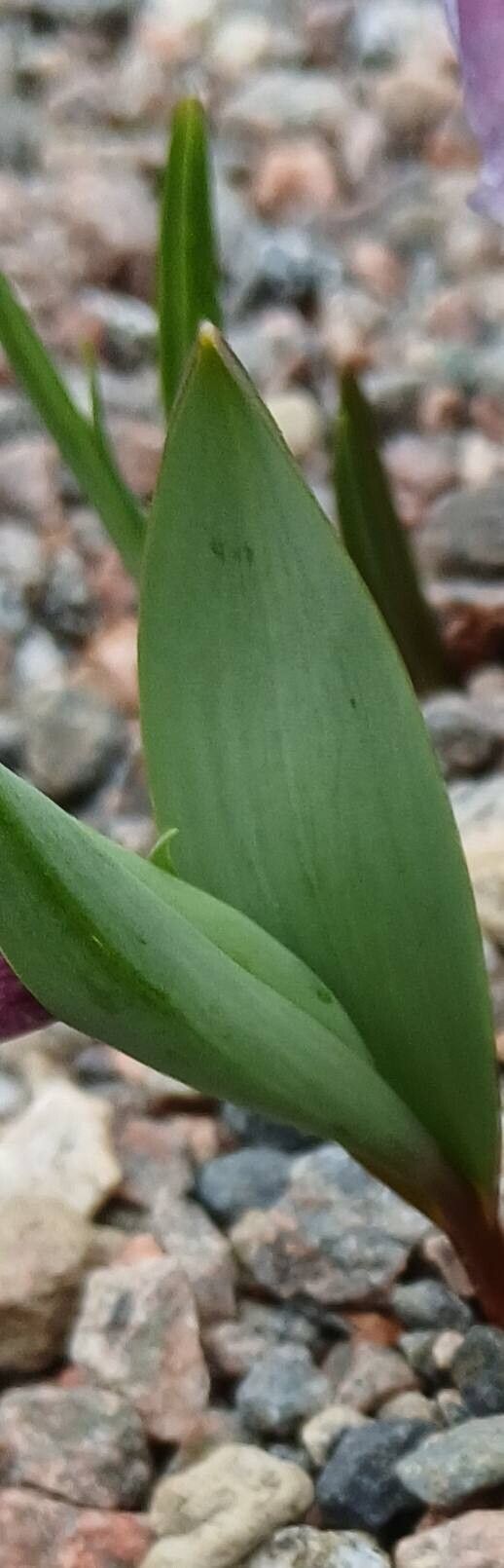
Fritillaria raddeana is a perennial herbaceous bulbous plant, distributed in Iran, Turkmenistan and Kashmir. It is a species in the genus Fritillaria, in the lily family Liliaceae. It is placed in the subgenus Petilium. Resembling Fritillaria imperialis, but shorter, it is sometimes referred to as the dwarf crown imperial.
Turkmen fritillary demonstrates strong disease resistance and is typically not prone to illnesses. However, it can be vulnerable to pests and diseases present in its environment. These infections are usually mild. In terms of care, the plant requires a moderate level of maintenance. It should be pruned regularly to preserve a neat appearance and healthy growth. Fertilizing can also encourage flowering. Turkmen fritillary is suitable for anyone with outdoor space, such as a garden or patio, and does not demand extensive gardening experience. It may need more attention when grown indoors.
How to keep Fritillaria Raddeana.
Light
Turkmen fritillary is a sun-loving, perennial herbaceous plant native to open habitats and commonly found in meadows and grasslands. It favors full sun but can also withstand partial sun.
Water
The Turkmen fritillary flourishes in mountainous regions where moisture is irregular and can withstand drought conditions, needing water only twice a week. For successful cultivation, water regularly to mimic natural rainfall patterns. It prefers well-draining soil that balances moisture retention with good drainage to prevent bulb rot.
Temperature
Turkmen fritillary can tolerate a wide range of temperatures, though its distribution may still be restricted by certain combinations of moisture and heat. It does best in warm summer conditions with sufficient rainfall or watering. Extended spells of cloudy, rainy weather, as well as prolonged high temperatures, can raise the likelihood of the Turkmen fritillary dying. In winter, proper protection from cold can increase the plant's chances of survival.
Fertilizer
For the Turkmen fritillary, the primary time to apply fertilizer is in early spring when the flowers are forming. The appropriate fertilizer promotes better blooms and helps the Turkmen fritillary produce attractive flowers. Fertilizing in early spring ensures excellent flowers throughout the season and supplies energy for dormant growth phases.
Pruning
The Turkmen fritillary, known for its pendant, bell-shaped flowers, requires pruning in early spring to remove any winter-damaged foliage. To conserve the plant's energy, it's beneficial to deadhead the flowers in late spring. Be sure to clean your pruning shears to prevent infections. Pruning not only enhances the plant's growth but also improves its appearance. For specific care instructions, consult local guidelines.
Botanical profile.
- Plant Type
- Herb
- Life Cycle
- Perennial
- Genus
- Fritillaria
- Family
- Liliaceae
- Hardiness Zone
- 5-8
- Mature Height
- 61 cm to 76 cm
- Mature Spread
- 20 cm
- Leaf Color
- Green
- Leaf Type
- Deciduous
- Flower Color
- Yellow, Green, Cream
- Flower Size
- 3.05 cm to 5.08 cm
- Bloom Time
- Early spring, Mid spring
- Planting Time
- Spring
- Harvest Time
- Late spring, Early summer
- Native Area
- Iran, Turkmenistan