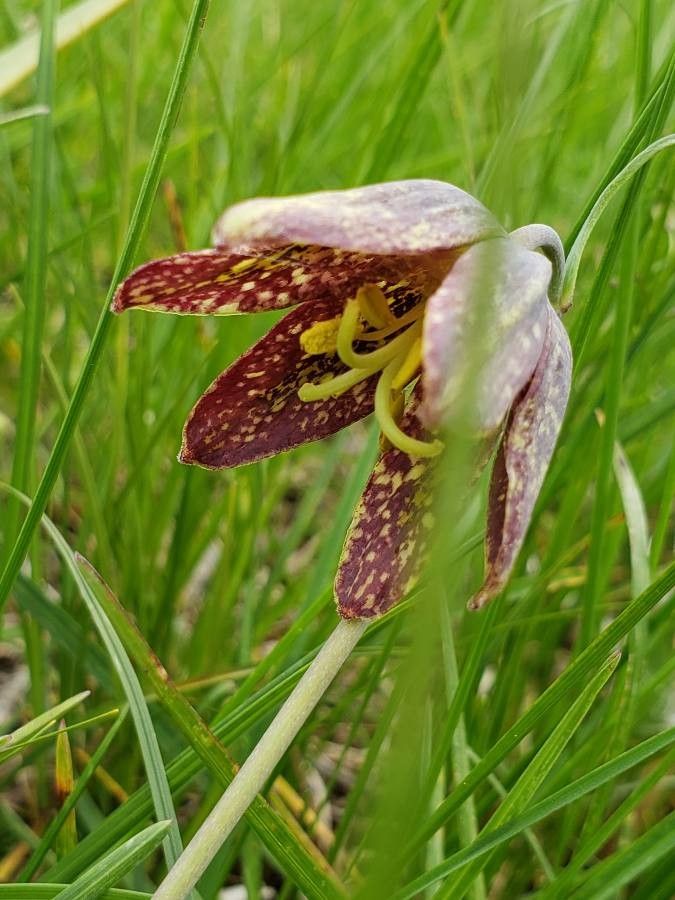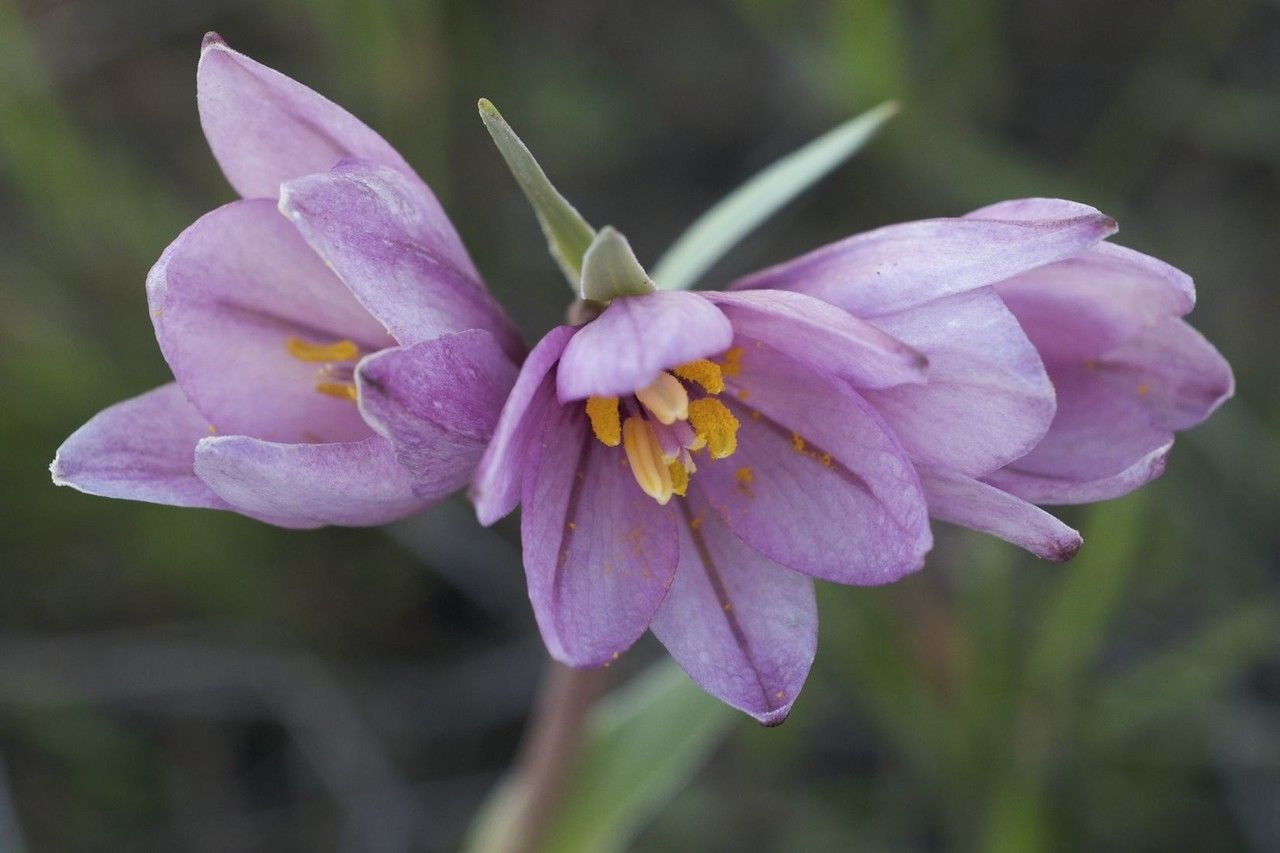
Fritillaria pluriflora, commonly known as the many-flowered fritillary, is a perennial herbaceous plant in the Liliaceae family. Native to western North America, it thrives in a variety of habitats, including meadows, grasslands, and open forests.
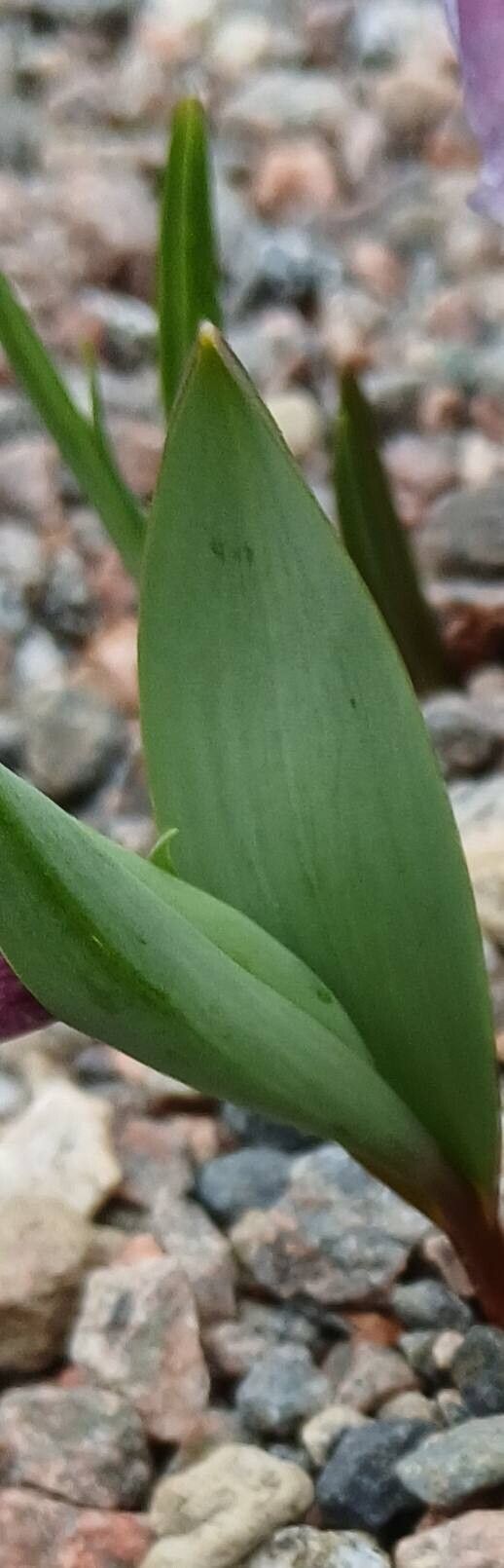
This plant can grow up to 30 cm tall, featuring a single stem adorned with several narrow leaves arranged in whorls. Its bell-shaped flowers, which bloom from April to June, typically have six petals and come in shades of reddish-purple or yellowish-green.
Historically, Native American tribes have utilized Fritillaria pluriflora for medicinal purposes. The plant contains alkaloids with anti-inflammatory properties, making it potentially beneficial for treating respiratory ailments like asthma.
In addition to its medicinal uses, the many-flowered fritillary serves as a crucial food source for pollinators such as bees and butterflies. However, habitat loss due to human activities like agriculture and urbanization has rendered the species threatened in certain areas.
Conservation efforts are in progress to protect Fritillaria pluriflora populations. These efforts include preserving natural habitats through land management practices such as controlled burns and grazing management plans.
Adobe lily has strong disease resistance and is generally not susceptible to illnesses. Still, it can be affected by pests and diseases present in its surroundings. These problems are usually not serious. For care, the plant requires a moderate level of maintenance. It should be pruned regularly to keep a neat appearance and encourage healthy growth. Fertilizing can also help stimulate flowering. Adobe lily is well suited for anyone with an outdoor area, such as a garden or patio, and does not demand extensive gardening experience. It may need more attention if kept indoors.
How to keep Fritillaria Pluriflora.
Fertilizer
Usually one fertilizer application in spring is enough for the Adobe lily, although several feedings can boost growth to its fullest. Fertilize roughly every month to a month and a half. Feeding improves the leaves’ appearance and functioning, maintaining even color and a healthy texture. It also promotes root development and nutrient uptake, supporting the plant’s long-term health.
Pruning
The adobe lily is a remarkable plant known for its striking bell-shaped flowers and requires minimal pruning. The best time to remove dead leaves is in early spring, which supports natural growth. By avoiding heavy pruning, you can maintain the plant's health and aesthetics, ensuring a vibrant blooming season.
Botanical profile.
- Plant Type
- Herb
- Life Cycle
- Perennial
- Genus
- Fritillaria
- Family
- Liliaceae
- Hardiness Zone
- 4-8
Other names.
Reader questions.
What are the sunlight requirements for Adobe Lily (Fritillaria pluriflora)?
Adobe Lily, also known by its botanical name Fritillaria pluriflora, thrives best under specific sunlight conditions to ensure its growth and happiness. It requires 'full sun' exposure, which means the plant should receive above 6 hours of sunlight daily. Alternatively, it can also grow well under 'partial sun' conditions, where it would get about 3-6 hours of sunlight each day. It's beneficial to observe how sunlight travels through your garden throughout the day. This observation can help you pinpoint the optimal spots that offer a harmonious balance of light and shade, ideally suiting the needs of your Adobe Lily.