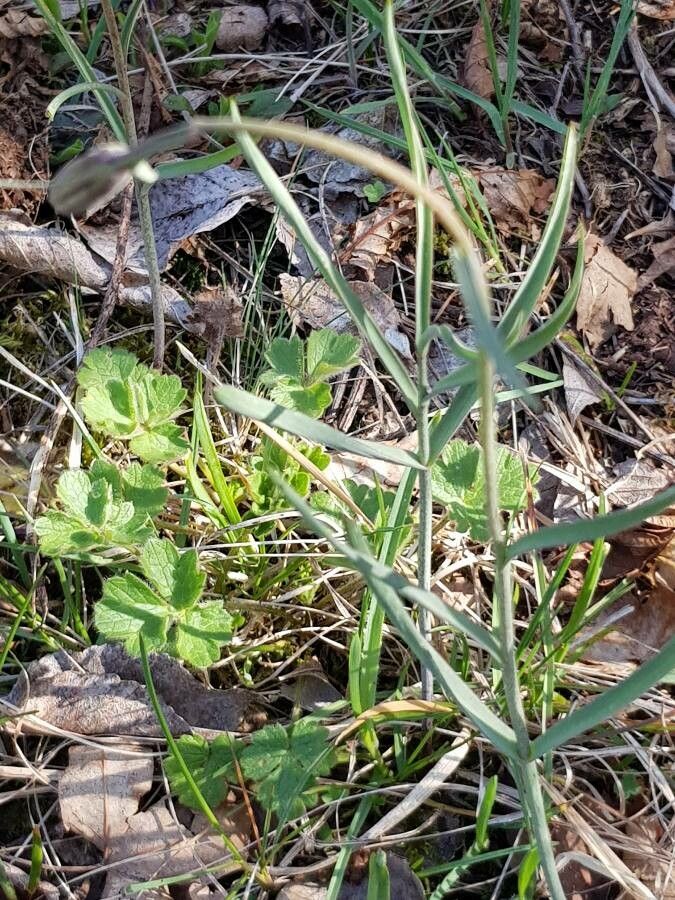
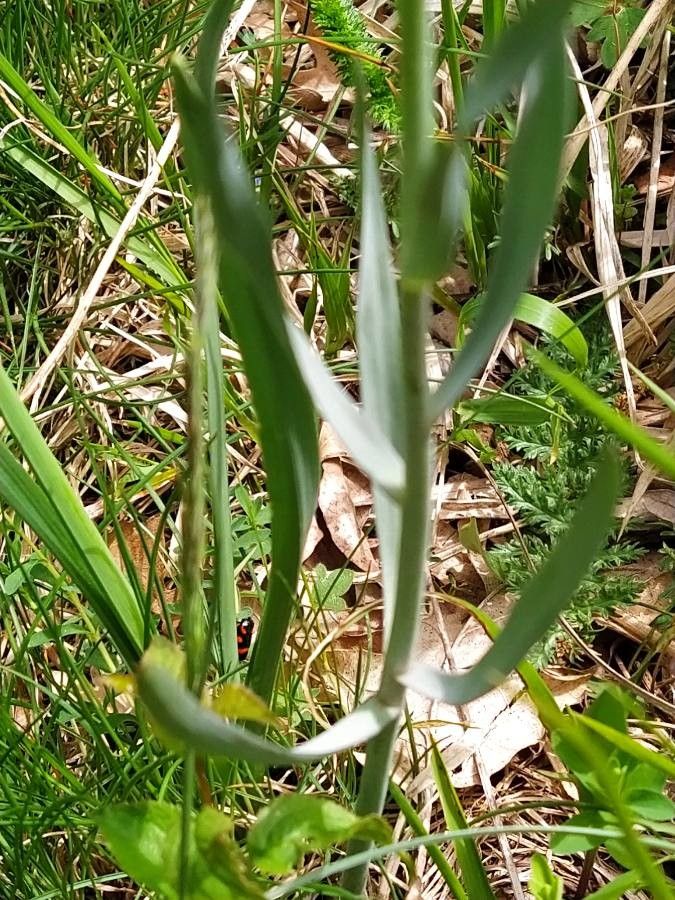
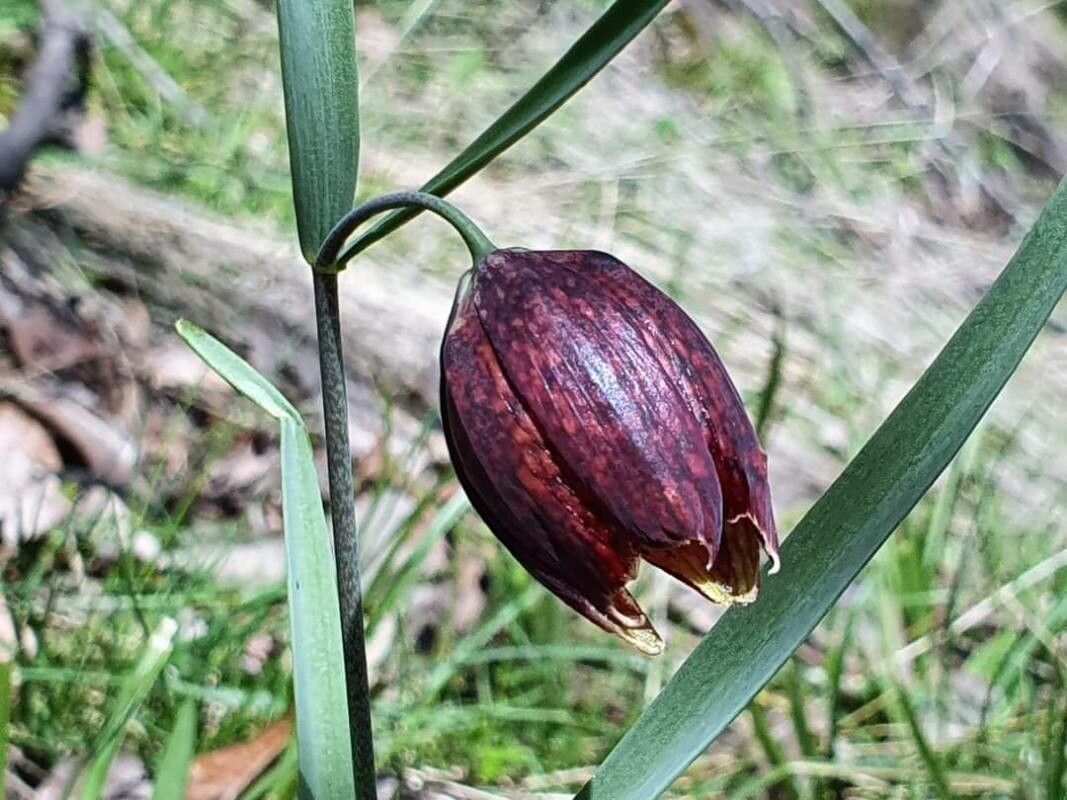
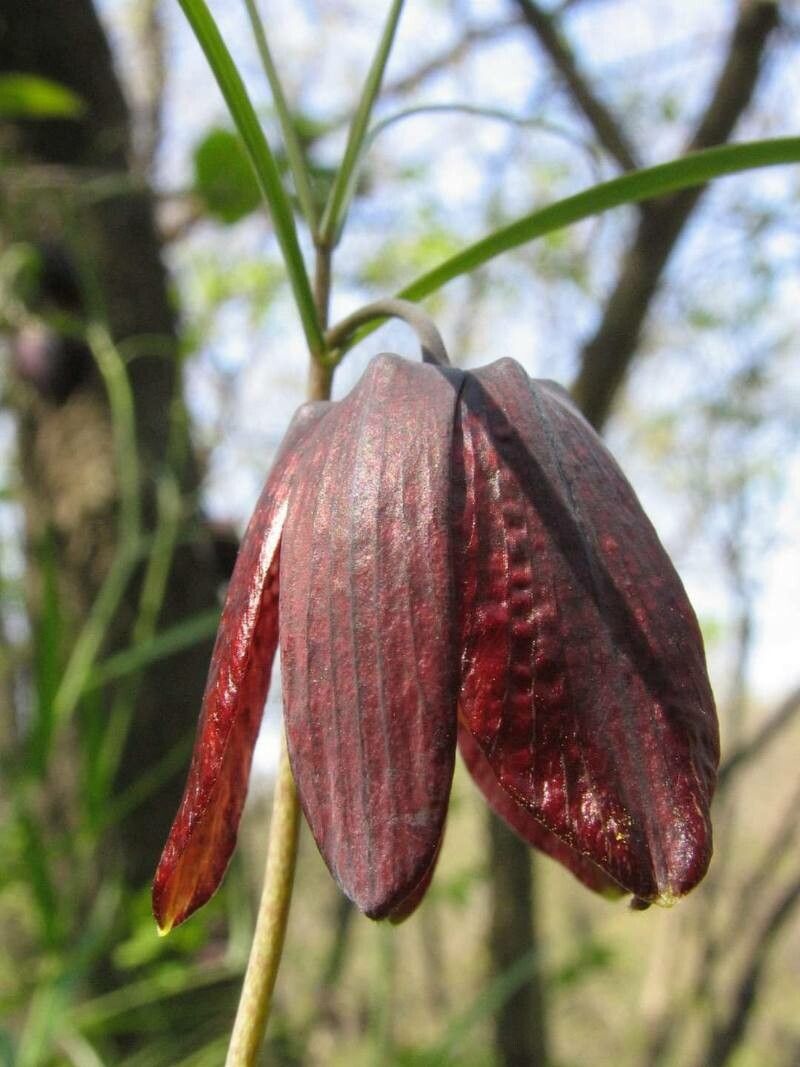
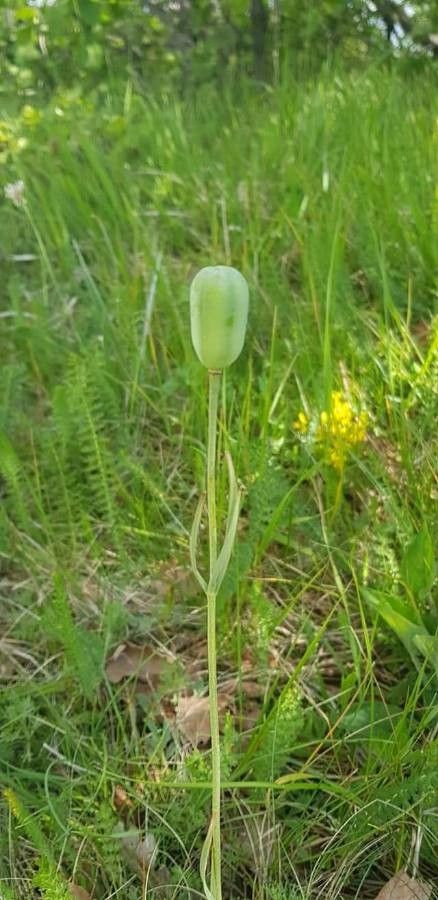
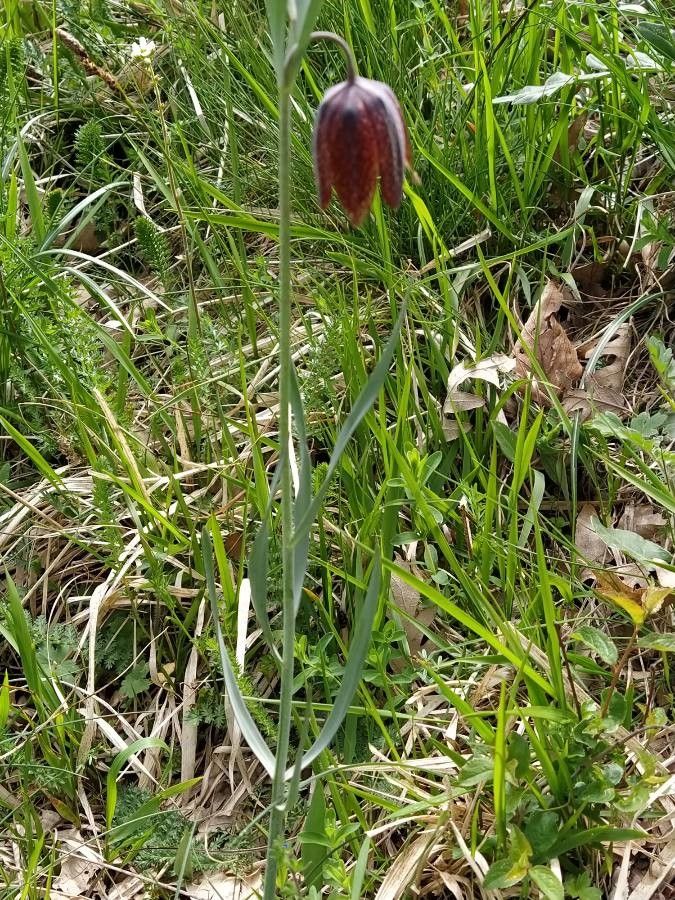
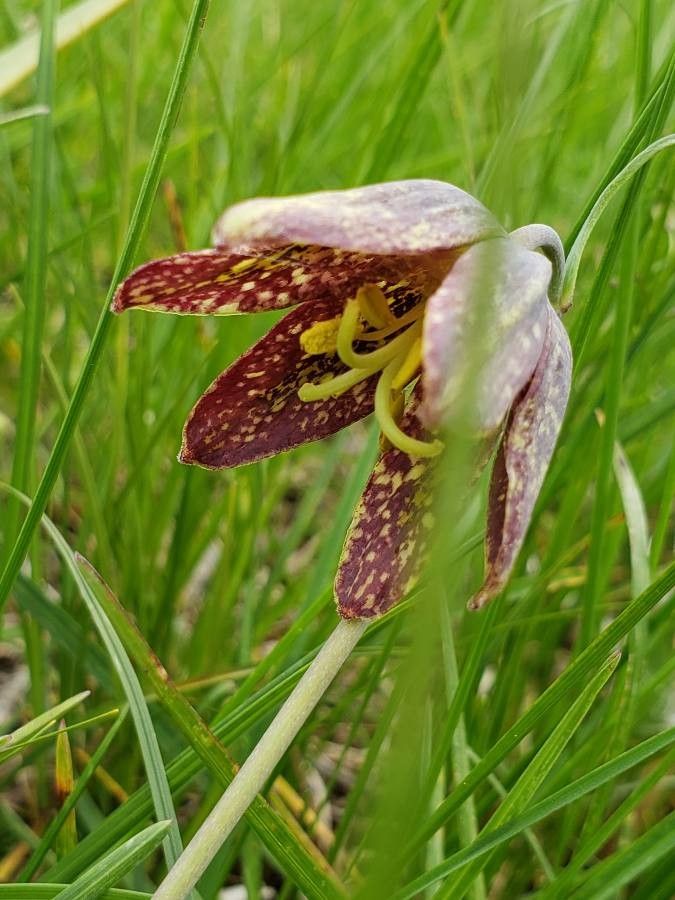
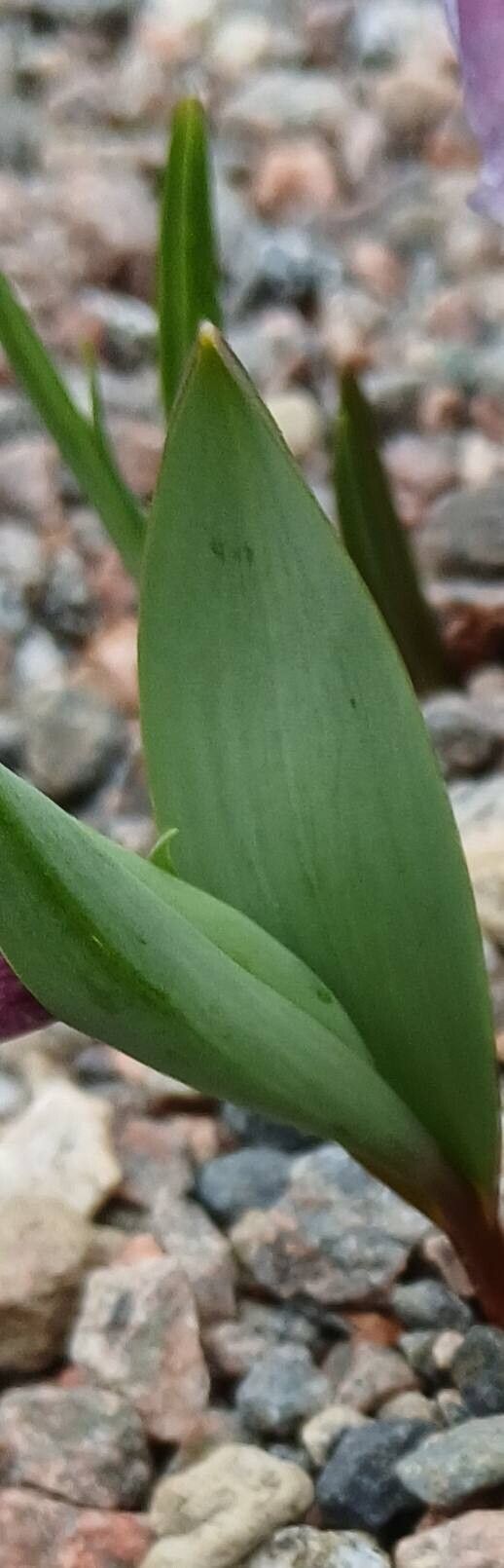
Fritillaria montana is a European species of flowering plant in the lily family Liliaceae, native to southern and eastern Europe: France, Italy, Greece, Austria, Hungary, Yugoslavia (all 7 parts), Albania, Bulgaria, Romania, Ukraine, European Russia.
Chequered daffodil has strong disease resistance and is generally not susceptible to illnesses. However, it can be affected by pests and diseases present in its environment. These infections are typically not serious. Regarding care, this plant requires moderate maintenance. It should be pruned regularly to retain a tidy appearance and encourage healthy growth. Applying fertilizer can also help stimulate flowering. Chequered daffodil is appropriate for anyone with outdoor space, such as a garden or patio, and does not demand extensive care experience. It may need more attention when grown indoors.
How to keep Fritillaria Montana.
Light
The chequered daffodil performs best in abundant sunlight, though it can still do well with some shade. Native to areas that get plenty of daytime sun, it prefers similar conditions. Both too much and too little light can cause problems like weakened growth or fading of color.
Water
The mountain fritillary thrives in rocky, well-drained soil and prefers moderate moisture levels. It is also resistant to short periods of drought. To keep it healthy, water the plant once a week, mimicking the variable water availability of its natural habitat. To promote healthy bulb development, ensure the soil is not waterlogged, as this plant benefits from good drainage.
Temperature
The chequered daffodil is native to habitats with temperatures between 68 and 100.4°F (20 to 38°C). The plant prefers a warmer climate but can adjust to seasonal fluctuations. In colder months, raise the ambient temperature to maintain growth.
Fertilizer
Proper fertilization is vital for the Chequered daffodil's health and appearance. Fertilize the Chequered daffodil during summer, repeating the application monthly throughout the season. Nutrients fuel growth and help maintain the plant's components. Fertilization improves the Chequered daffodil's flower display, ensuring the best blooms.
Pruning
The Mountain fritillary has bell-shaped flowers and lance-shaped leaves. Lightly prune the plant from early to late spring to remove dead growth and encourage more blooms. Pruning after flowering helps rejuvenate the plant and improves airflow, which reduces the risk of disease. When pruning, cut back to just above a healthy bud or leaf set.
Botanical profile.
- Plant Type
- Herb
- Life Cycle
- Perennial
- Genus
- Fritillaria
- Family
- Liliaceae
- Hardiness Zone
- 10-11
- Mature Height
- 20 cm to 30 cm
- Mature Spread
- 15 cm to 23 cm
- Leaf Color
- Green
- Leaf Type
- Deciduous
- Flower Color
- Purple, White
- Flower Size
- 2.54 cm to 7.62 cm
- Bloom Time
- Mid spring, Late spring
- Planting Time
- Autumn
- Harvest Time
- Early summer, Mid summer
Other names.
Reader questions.
What are the sunlight requirements for Mountain Fritillary?
Mountain Fritillary (Fritillaria montana) thrives in different sunlight conditions. For full sun exposure, it requires above 6 hours of sunlight daily. If you are aiming for partial sun conditions, it should receive about 3-6 hours of sunlight. It's essential to monitor the way sunlight moves through your garden, selecting locations that offer a harmonious balance of light and shade, ensuring the best environment for your plants' growth and well-being.
What is Mountain fritillary?
Mountain fritillary, known botanically as Fritillaria montana, refers to a specific species within the Fritillaria genus. This plant is recognized for its unique characteristics which differentiate it from other members within its family.
What caution should be taken regarding sunlight for Mountain Fritillary?
When caring for Mountain Fritillary (Fritillaria montana), it's crucial to observe how sunlight transitions across your garden. The aim is to identify areas that provide an ideal mix of light and shadow. This careful selection helps ensure that your plants remain joyful and healthy by receiving the right amount of sunlight they need to thrive without being overexposed or shaded too much.