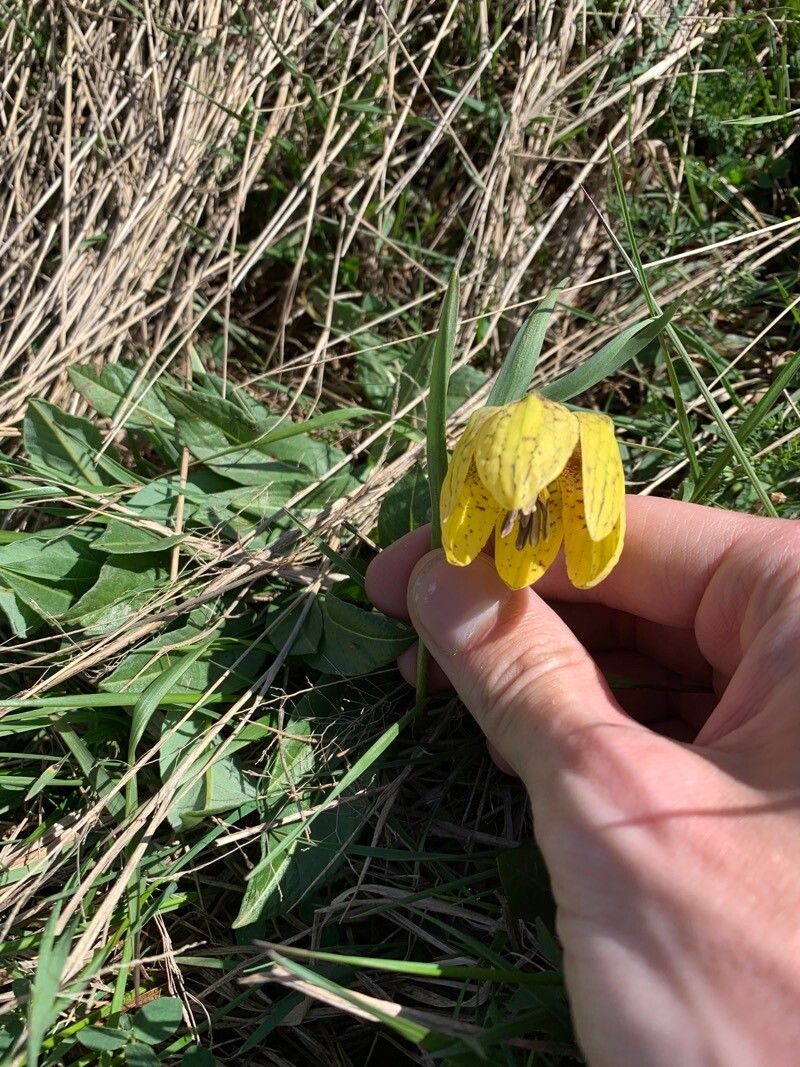
Yellow fritillary has strong disease resistance and is generally not vulnerable to illnesses. However, it can be affected by pests and diseases present in its environment. These issues are usually mild. In terms of care, the plant is moderately demanding. It requires regular pruning to maintain a neat appearance and healthy growth. Fertilizing can also help encourage flowering. Yellow fritillary is suitable for anyone with outdoor space, such as a garden or patio, and does not need extensive plant-care experience. When grown indoors, it may require more attention.
How to keep Fritillaria Collina.
Light
Yellow fritillary naturally occurs in habitats like forest understories or rocky areas where it experiences natural shade. It prefers partial sun but can tolerate full sun or full shade, showing its versatility and hardiness.
Temperature
Yellow fritillary can adjust to a broad range of temperatures, but its range may still be limited by different combinations of water availability and heat. It grows best in warm summer climates with sufficient rainfall or irrigation. Extended periods of cloudy, rainy weather or prolonged high temperatures can raise the chances of the Yellow fritillary dying. In winter, protecting it from the cold can increase its survival rate.
Fertilizer
A single application of fertilizer in spring is typically adequate for Yellow fritillary, though multiple feedings can maximize growth. Feed once every month to a month and a half. Fertilization improves leaf appearance and function, helping maintain consistent color and a healthy texture. It also stimulates root growth and nutrient absorption to support long-term plant health.
Pruning
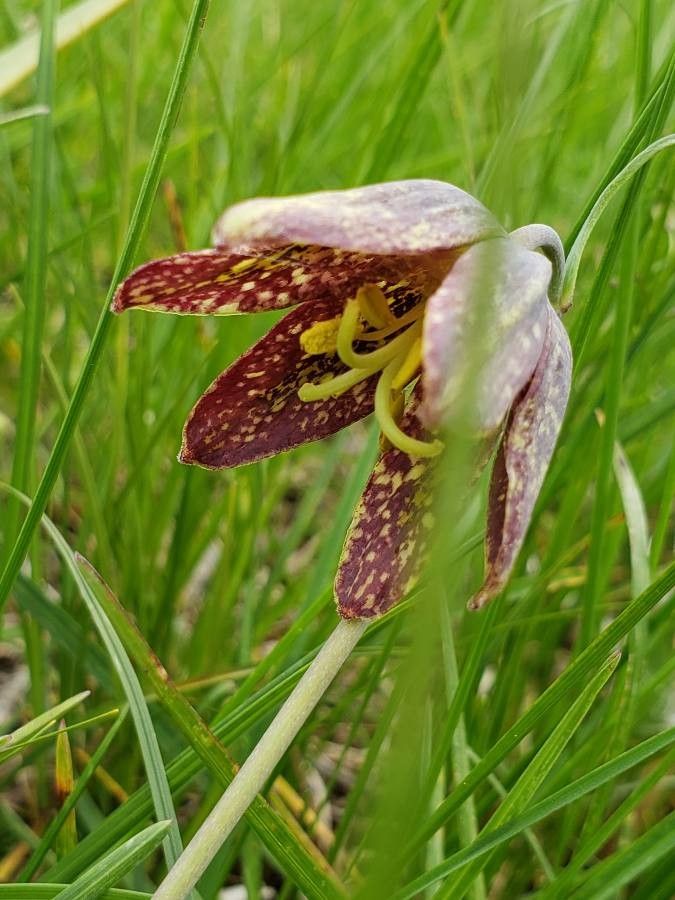
The Yellow Fritillary features vibrant, bell-shaped yellow flowers and thrives in well-drained soil. For best results, prune early in the spring and again after the flowering period, removing any dead or diseased stems. This practice helps increase airflow, reduce the risk of disease, and promote robust growth. Be sure to use sharp, clean tools to ensure optimal care.
Botanical profile.
- Plant Type
- Herb
- Life Cycle
- Perennial
- Genus
- Fritillaria
- Family
- Liliaceae
- Hardiness Zone
- 4-8
- Mature Height
- 20 cm to 30 cm
- Mature Spread
- 10 cm to 15 cm
- Leaf Color
- Light Green
- Leaf Type
- Deciduous
- Flower Size
- 2.03 cm to 3.05 cm
- Bloom Time
- Early spring, Mid spring
- Planting Time
- Spring, Summer
- Harvest Time
- Late spring, Early summer
- Native Area
- Russia, Armenia, Azerbaijan
Other names.
Reader questions.
What are the sunlight requirements for Yellow Fritillary (Fritillaria collina)?
Yellow Fritillary (Fritillaria collina) requires full sun exposure, which means it needs above 6 hours of sunlight daily. It can also tolerate partial sun conditions, getting about 3-6 hours of sunlight each day. It is important to observe how sunlight moves through your garden throughout the day to find spots that offer the right balance of light and shade. Choosing the correct location is crucial for ensuring the happiness and health of your plants.
What is the name of the plant?
The name of the plant is Yellow fritillary.
What is the botanical name of Yellow fritillary?
The botanical name of Yellow fritillary is Fritillaria collina.