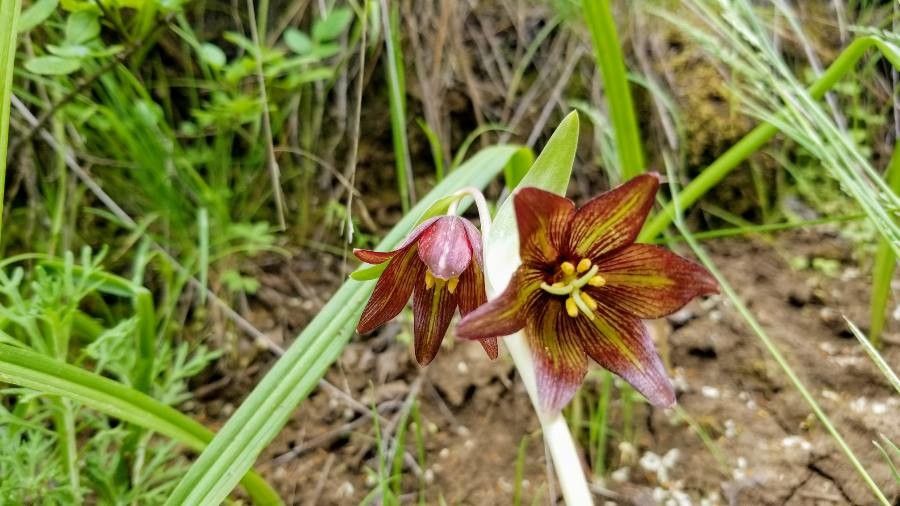
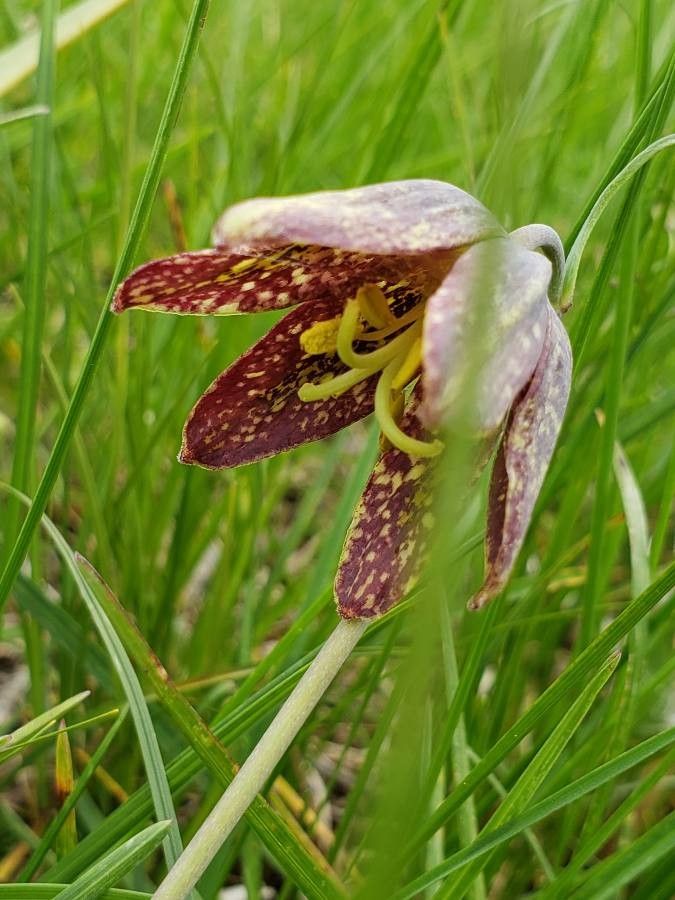
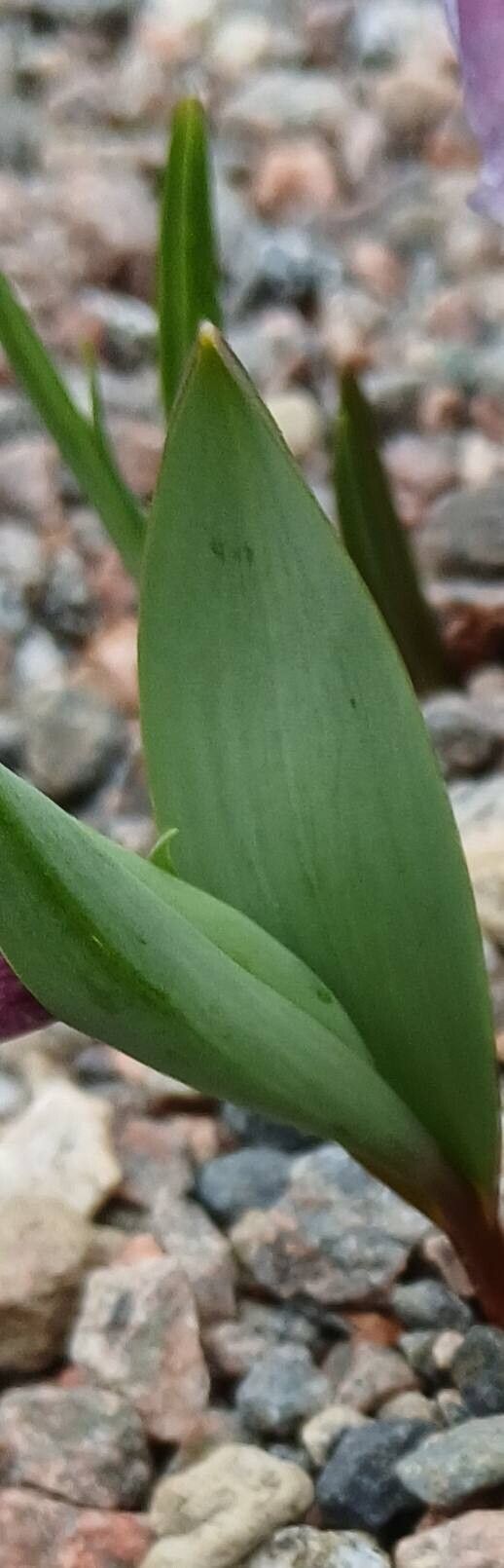
Fritillaria biflora, commonly known as the chocolate lily or mission bells, is a perennial herbaceous plant native to western North America. Belonging to the lily family, this plant typically reaches a height of 20-60 cm. It produces one or two nodding, bell-shaped flowers that vary in color from greenish-yellow to reddish-brown. These flowers are often said to have a chocolate-like fragrance, which gives rise to the common name "chocolate lily."
Fritillaria biflora thrives in moist soils found in shaded areas such as woodlands and meadows. Indigenous peoples have used it for medicinal purposes, particularly for its anti-inflammatory properties, and it has also been employed in traditional Chinese medicine for its expectorant qualities. However, it is important to note that some parts of the plant can be toxic if consumed in large quantities.
The chocolate lily is popular among gardeners due to its unique appearance and fragrance. However, it can be challenging to cultivate outside its natural habitat because of its specific soil requirements.
Chocolate lily is fairly resistant to disease and generally does not easily contract illnesses. Still, it can be affected by pests and diseases present in its environment. These issues are generally minor. In terms of care, the plant needs a moderate level of attention. It should be pruned regularly to keep a tidy appearance and encourage healthy growth. Fertilizing can also aid in boosting flowering. Chocolate lily is well suited for anyone with outdoor space, such as a garden or patio, and does not require extensive experience in plant care. It may need more care if cultivated indoors.
How to keep Fritillaria Biflora.
Light
Chocolate lily thrives in places with abundant sunlight but can also adapt to areas that receive only partial light. Native to sunlit habitats, its growth is greatly affected by light levels. Uneven sunlight exposure can harm its development and overall health.
Water
The chocolate lily thrives in dry, arid environments and prefers drier conditions. While it benefits from weekly watering to mimic infrequent rainfall, it is sensitive to overwatering. This plant is best suited for outdoor cultivation, where it can take advantage of natural precipitation and temperature variations to meet its watering needs.
Temperature
The chocolate lily originates in mild climates that favor temperatures from 59 to 95 °F (15 to 35 °C). Keeping temperatures within this range year-round promotes optimal growth. In colder or hotter seasons, adjustments may be necessary to maintain optimal plant health.
Fertilizer
For Chocolate lily, the primary time to fertilize is in early spring when the flowers are developing. The proper fertilizer promotes improved blooms and helps the Chocolate lily produce attractive flowers. Fertilizing in early spring ensures strong flowering during the season and supplies energy for dormant growth phases.
Pruning
The chocolate lily, known for its chocolate-colored blooms, requires minimal pruning. To boost the plant's growth and bulb energy, prune it after it has finished flowering in early to late spring. Refrain from cutting the green leaves early in the season, and regularly remove any damaged parts to promote overall health and encourage flowering.
Botanical profile.
- Plant Type
- Herb
- Life Cycle
- Perennial
- Genus
- Fritillaria
- Family
- Liliaceae
- Hardiness Zone
- 7-9
- Mature Height
- 61 cm
- Mature Spread
- 3 cm to 5 cm
- Leaf Color
- Green
- Leaf Type
- Deciduous
- Flower Color
- Brown
- Flower Size
- 2.03 cm to 3.05 cm
- Bloom Time
- Late winter, Early spring, Mid spring
- Planting Time
- Spring
- Harvest Time
- Late spring, Early summer, Mid summer
Other names.
Reader questions.
What are the sunlight requirements for Chocolate Lily?
Chocolate Lily thrives best in areas with generous sunlight but can also adjust to locations with minimal sunlight. It requires at least 6 hours of direct sunlight (full sun) or about 3-6 hours of sunlight (partial sun) for optimal growth. The plant's growth and health are significantly influenced by the balance of light and shade, as it originates from environments that are frequently exposed to the sun. Insufficient or imbalanced sun exposure can disrupt its development.
What is the native climate for Chocolate lily?
The Chocolate lily, scientifically known as Fritillaria biflora, thrives in modest climates, preferring temperatures that range between 59 to 95 °F (15 to 35 °C). To ensure the plant's prime growth, it's crucial to maintain these temperature conditions throughout the year. Adjustments might be required during colder or hotter seasons to keep the plant healthy. Despite its strong cold resistance, meaning special frost protection measures aren't usually necessary, precautions should be taken if winter temperatures are expected to drop below -15°C.
How can artificial lighting be used for Chocolate Lily indoors?
For Chocolate Lily plants grown indoors, artificial lighting can substitute natural sunlight, especially during winter or in less sunny spaces, to promote faster, healthier growth. LED lights are recommended because they can provide specific wavelengths needed by the plants. Full sun plants need 30-50W/sq ft, partial sun plants need 20-30W/sq ft, and full shade plants require 10-20W/sq ft of artificial light. The light source should be placed 12-36 inches above the plant, and most plants benefit from 8-12 hours of light per day to mimic natural daylight hours.
How should I protect my Chocolate lily in very cold temperatures?
Chocolate lily has a robust cold resistance; however, if temperatures are anticipated to fall below -15°C, it's important to provide cold protection. This can be achieved by covering the plant with insulating materials such as soil or straw before the arrival of the first freeze in autumn. Additionally, watering the plant abundantly before winter sets in is recommended to keep the soil moist. This practice helps in preventing drought and ensures that the plant has access to water during winter and early spring, contributing to its health and resilience.
What are the symptoms of insufficient sunlight for Chocolate Lily?
Symptoms of insufficient sunlight in Chocolate Lily include small or pale new leaves, leggy or sparse growth, faster leaf drop, and slower or no new growth. These symptoms indicate the plant is struggling due to inadequate lighting, entering a survival mode that halts or limits its growth. Other symptoms like chlorosis (yellowing leaves), sunscald, leaf curling, wilting, and leaf scorching might occur due to excessive sunlight, showcasing the importance of balanced exposure.
What should I do if the Chocolate lily does not sprout in spring or shows damage from low temperatures?
Chocolate lilies are known for their cold tolerance, usually thriving in temperatures above 15°C. However, during winter, it's crucial to ensure that the temperature remains above -10°C. Exposure to temperatures below -15°C might not immediately show visible changes, but it could result in reduced sprouting or even fail to sprout by springtime. If you encounter such an issue, the appropriate solution would be to remove any parts of the Chocolate lily that have failed to sprout in the spring, allowing the plant to focus its energy on new growth and recovery.
What solutions are recommended for Chocolate Lily experiencing insufficient sunlight?
To address insufficient sunlight for Chocolate Lily, gradually move the plant to a sunnier location each week until it receives at least 6 hours of direct sunlight. For indoor plants, using a south-facing window or artificial light can help. Outdoors, ensure the plant is gradually adapted to sunnier spots to prevent sunburn. Remove obstructions that block sunlight, like pruning trees, and consider transplanting smaller plants during their dormant period to a location with ample sunlight and good drainage for optimal growth. Remember, parts of the plant affected by low light may not recover, but new growth will be healthy with improved light exposure.
How do I care for Chocolate lily during high temperatures?
During the summer months, it is essential to maintain the Chocolate lily's environment below 35°C to prevent stress on the plant. Exposure to temperatures exceeding 38°C can lead to the leaves becoming lighter in color, curling, becoming more prone to sunburn, and in severe cases, causing the entire plant to wilt and dry out. To mitigate these effects, sunburned and dried-up parts of the plant should be trimmed away. Moving the plant to a shaded location or using a shade cloth to protect it from the midday and afternoon sun can also be beneficial. Additionally, watering the plant in the morning and evening can help keep the soil moist and support the plant's health during high temperatures.