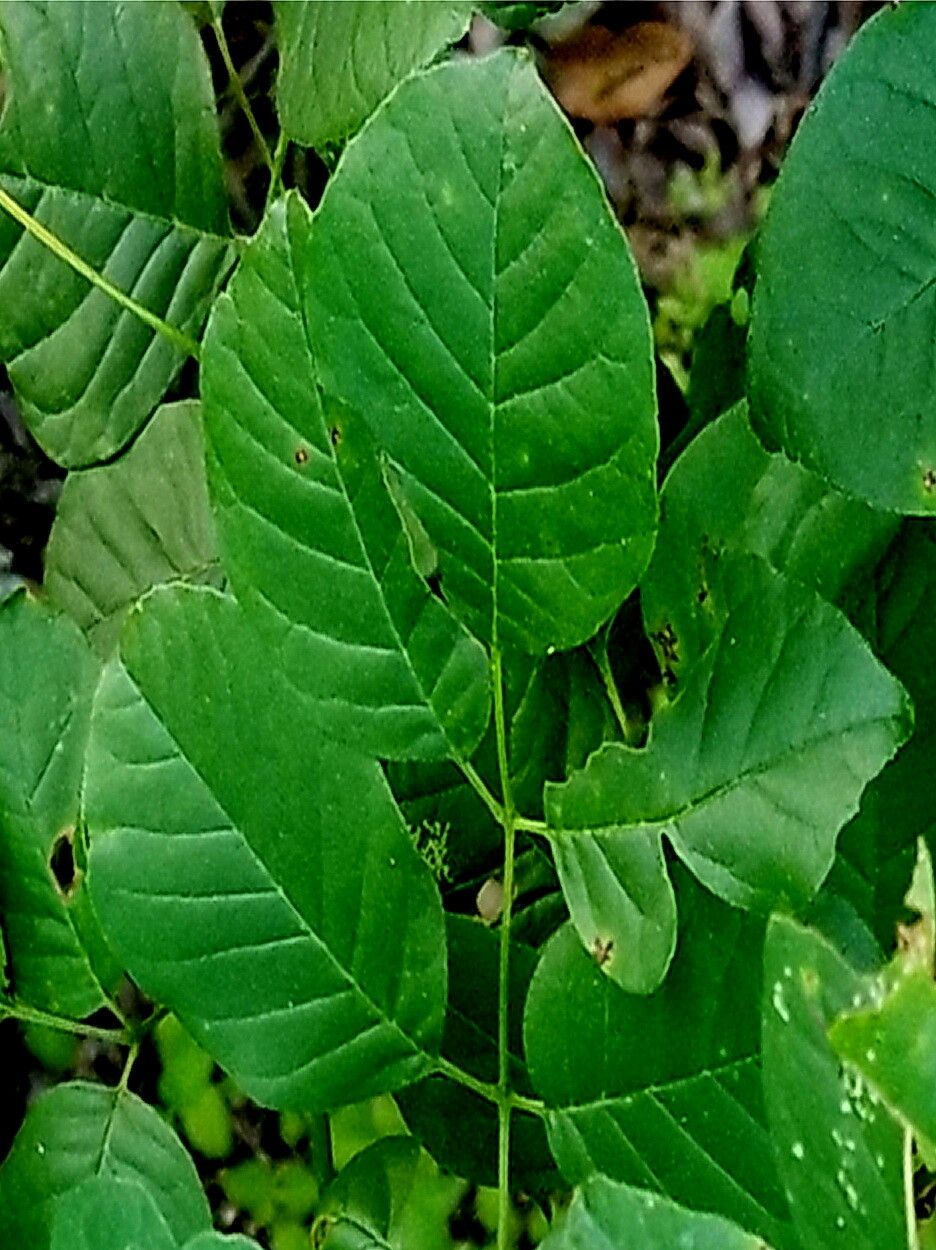
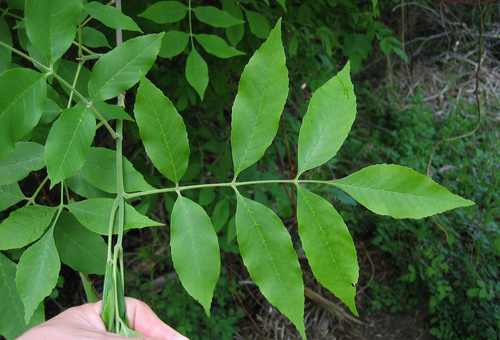
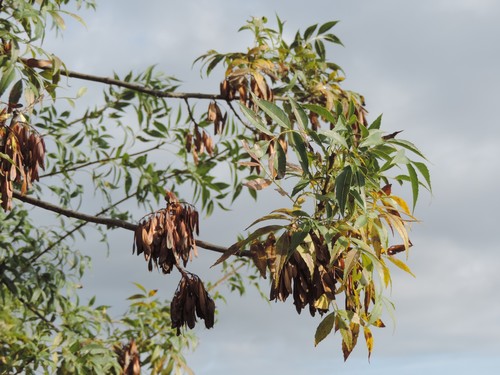
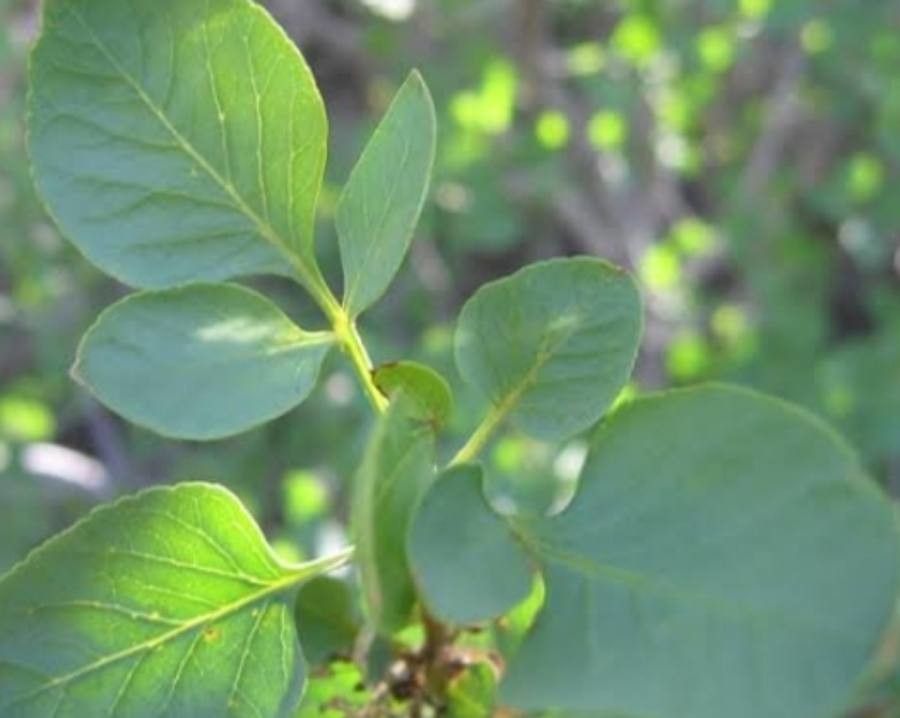
Fraxinus ornus, the manna ash or South European flowering ash, is a species of Fraxinus native to southern Europe and southwestern Asia, from Spain and Italy north to Austria and the Czech Republic, and east through the Balkans, Turkey, and western Syria to Lebanon and Armenia.
The manna ash tree, scientifically known as Fraxinus ornus, produces a sap that can be processed into a sugary extract. This sweet extract was historically likened to the biblical manna, which is how the tree got its common name. Mannose and mannitol, both sugar compounds, derive their names from this type of sap.
Manna ash has strong resistance to disease and is generally not prone to illnesses. Regarding care, this plant is fairly low-maintenance. When grown outdoors it needs only minimal watering, and larger plants typically do not require pruning. However, smaller plants should be pruned after they have finished blooming. Manna ash is suitable for anyone with an outdoor space, such as a garden or deck, and does not demand much gardening experience.
How to keep Fraxinus Ornus.
Light
Manna ash does best when it gets ample sunlight each day. It can tolerate some partial shade, but that may impair its optimal health and growth. Both too much and too little sunlight can damage the plant, showing the delicate balance that must be maintained. These light requirements reflect its origin in habitats where sunlight is abundant.
Water
Manna ash thrives in environments similar to the Mediterranean, where summers are dry and winters are moist. It prefers moderate humidity. Once established, it becomes quite drought-tolerant and only needs to be watered every two weeks. Its ability to adapt to various soil types helps it remain resilient during rainy seasons, ensuring stable growth.
Temperature
Manna ash is native to habitats where temperatures range from 32 to 77 °F (0 to 25 ℃). The plant performs best in these conditions, showing optimal growth. If temperatures fall below 32 °F (0 ℃) or exceed 77 °F (25 ℃), seasonal adjustments may be necessary.
Fertilizer
Proper timing is essential for fertilizing Manna ash. Apply fertilizer in early spring and continue monthly through early summer. Fertilizer promotes attractive blooms and supplies energy during both dormant and active growth periods.
Pruning
The Manna ash tree is known for its attractive flowers and wide canopy. To enhance its structure and improve air circulation, it's best to prune in early spring. During this time, remove any deadwood or weak branches. Light pruning is recommended to maintain the tree's health and aesthetic appeal. Avoid heavy pruning, as it can cause stress and increase the risk of spreading pathogens.
Toxicity
Plant's consumption may cause allergic reaction and skin irritation.
Further reading →
The toxicity and danger assessments provided are for reference only. We do not assure their accuracy, so it's crucial not to depend on them. Seek professional advice when necessary for accurate guidance.
Botanical profile.
- Plant Type
- Tree
- Life Cycle
- Perennial
- Genus
- Fraxinus
- Family
- Oleaceae
- Hardiness Zone
- 2-5
- Mature Height
- 14.94 m to 24.99 m
- Mature Spread
- 11.89 m to 14.94 m
- Leaf Color
- Green, Purple
- Leaf Type
- Deciduous
- Flower Color
- White
- Flower Size
- 2.54 cm
- Bloom Time
- Late spring, Early summer
- Planting Time
- Spring, Autumn
- Harvest Time
- Mid summer
Other names.
Reader questions.
What is the most effective way to water my Manna ash tree?
To ensure excellent root development, it is recommended to place a garden hose at the base of the plant. Avoid spraying water directly on the leaves. If the plant is outdoors and exposed to direct sunlight, the leaves will require more watering. You can use bubblers or soaker hoses to moisten the roots. Soaker hoses can cover the entire garden or bed when adding or removing plants to ensure deep root penetration. After watering, make sure to drain any excess water and wait for the soil to dry before watering again. To prevent diseases, water at ground level rather than spraying the foliage. On a sunny day, it may be beneficial to spray the entire bush with water. Whether the plant is potted or in-ground, it is important to remember that Manna ash prefers deep watering instead of light sprinkling.
Why should I add fertilizer to my Manna ash plant?
There are several reasons to fertilize a Manna ash. Firstly, it helps the tree produce beautiful blooms. Fertilizing in early spring is especially effective for this. Additionally, fertilizer provides the tree with energy that it can store during dormant growth phases. Giving extra nutrients during fall or late spring planting helps the tree hold more energy for active growth.
What are the sunlight requirements for Manna ash?
Manna ash requires conditions where it is exposed to abundant sunlight each day for optimal health and growth, with a preference for full sun, meaning it thrives in more than 6 hours of sunlight daily. Partial shade, about 3-6 hours of sunlight, is mildly tolerable but may impact the plant's health. Balancing the amount of light and shade is crucial, as both excessive or insufficient sunlight can harm the plant. This reflects the Manna ash's origin in environments with plentiful sunlight.
What is the ideal temperature range for Manna ash?
Manna ash is indigenous to environments that maintain a temperature range between 32 to 77 °F (0 to 25 °C). It displays optimal growth within these climatic conditions. If the temperature drops below 32 °F (0 °C) or rises above 77 °F (25 °C), seasonal adjustments may be necessary to maintain the plant's health.
What should I do if I give Manna ash too much or too little water?
When a Manna ash is overwatered, it can exhibit several signs of distress. The leaves may turn yellow, drop off, and wilt, giving the plant an overall dull and unhealthy appearance. Mushy stems may also be present. If these symptoms start to appear, it's best to adjust your watering schedule accordingly. However, it's important to note that wilting can also be a sign of under watering. In this case, the leaves may become crispy and dry, in contrast to the soft, wilted leaves of an overwatered plant. To determine if watering is necessary, check the dryness of the soil. If watering alone is insufficient, a thorough watering is recommended. This should help the Manna ash recover, although the plant may still show dryness and yellowing leaves for a few days due to root damage. Once the plant returns to normal, the yellowing of leaves will cease. When caring for a Manna ash indoors, always check the moisture levels in the pot. Avoid overwatering, and be on the lookout for signs of black spots, indicating potential issues. If black spots are present, allow the soil to dry by withholding watering for a few days. Overwatering can lead to root rot, so in cases where this is evident, transferring the plant to a different pot is advisable, particularly if the roots appear discolored and slimy. It is essential to prevent root rot by avoiding excessively soggy soil. When planting a Manna ash outdoors, dig a little deeper and assess the dryness of the soil with your fingers. If the soil is excessively dry, it may indicate underwatering, in which case adequate watering is necessary for the plant's recovery.
What is the best time to fertilize my Manna ash tree?
To effectively fertilize Manna ash, timing is crucial. Applying fertilizer too early, while the tree is still dormant, results in ineffective use as it gets washed away by rainwater, leading to waste and pollution. It is recommended to first apply fertilizer in the early spring, and continue monthly applications until early summer.
How can artificial lighting be used for Manna ash indoor care?
Artificial lighting can be vital for Manna ash's growth indoors, especially when natural sunlight is insufficient. For optimal growth under artificial lights: 1. Choose the right type of light - LED lights are recommended as they can be customized for the plant's needs. Full sun plants need 30-50W/sq ft, partial sun plants 20-30W/sq ft, and full shade plants 10-20W/sq ft. 2. Place lights 12-36 inches above the plant to mimic natural sunlight. 3. Ensure the plants receive 8-12 hours of light per day, mimicking natural daylight hours.
Does Manna ash require any special care during winter?
Manna ash is highly cold-tolerant and does not require specific frost protection measures during the winter months. However, it is recommended to water the plant generously before the first freeze of autumn to ensure the soil remains moist. This pre-freeze watering helps to prevent winter and early spring drought and water scarcity, allowing the soil to enter a frozen state adequately hydrated.
How frequently should I water my Manna ash tree?
The Manna ash prefers deep and infrequent watering, especially when planted in pots. Since the water storage in pots is limited and the soil dries out faster, it is recommended to soak them with a gallon of water each time. In cold regions, watering every 3 to 5 days is necessary. The best time to water is in the early morning when the soil is dry, both indoors and outdoors. Checking the soil moisture will also help determine when watering is needed - if the top 2-3 inches of soil are dry, it's time for a full watering. During hot days, it may be necessary to check the moisture daily as heat quickly dries out the soil in pots. For garden irrigation, hot climate areas may require watering once a week. It is important to water only when the soil becomes too dry (about 2 to 3 inches) and to consider the amount of rainfall. Avoid overwatering to prevent root rot. In spring and fall, when Manna ash is outdoors, adding mulch about 3 to 4 inches deep helps conserve water. Different types of soil also require different watering frequencies. Sandy soil drains faster, so it needs to be watered more frequently. On the other hand, clay soil retains moisture better, so it can go without water for 2-3 days to allow the plant to dry without developing root rot. To keep track of watering, you can mark the date on a calendar and pay attention to drooping leaves as an indication that watering may be needed.
When is the best time to not put fertilizer on my Manna ash tree?
When fertilizing Manna ash, it is important to avoid using a fertilizer high in nitrogen. Too much nitrogen can cause an abundance of leaves but few blooms. Instead, choose a fertilizer with a lower nitrogen content compared to other nutrients. It is also crucial to refrain from fertilizing Manna ash after early autumn, as this can lead to excessive growth right before winter. Additionally, avoid fertilizing the tree during hot and dry periods, as dry soil is less effective at delivering nutrients. Fertilizing at this time can also stimulate growth that requires increased water, which may not be readily available. Ideally, fertilize Manna ash earlier in the season when temperatures are cooler. Lastly, keep in mind that Manna ash can absorb fertilizer applied to nearby plants or lawns, so take care to avoid accidentally providing the tree with a double dose of fertilizer.
What are the symptoms of inadequate sunlight in Manna ash?
Manna ash may show several symptoms when exposed to suboptimal lighting, including small new leaves, leggy or sparse growth, faster leaf drop, slower or no new growth, lighter-colored new leaves, chlorosis, sunscald, leaf curling, wilting, and leaf scorching. These symptoms highlight the plant's need for adequate sunlight to maintain its health and structural integrity.
What should be done if the temperature drops below -40°C?
Though Manna ash is extremely cold-tolerant, winter temperatures should ideally remain above -40°C. If temperatures dip below this threshold, the branches may become brittle and dry by springtime, failing to produce new shoots. The recommended solution for this issue is to prune away any dead branches that have not produced new leaves come spring.