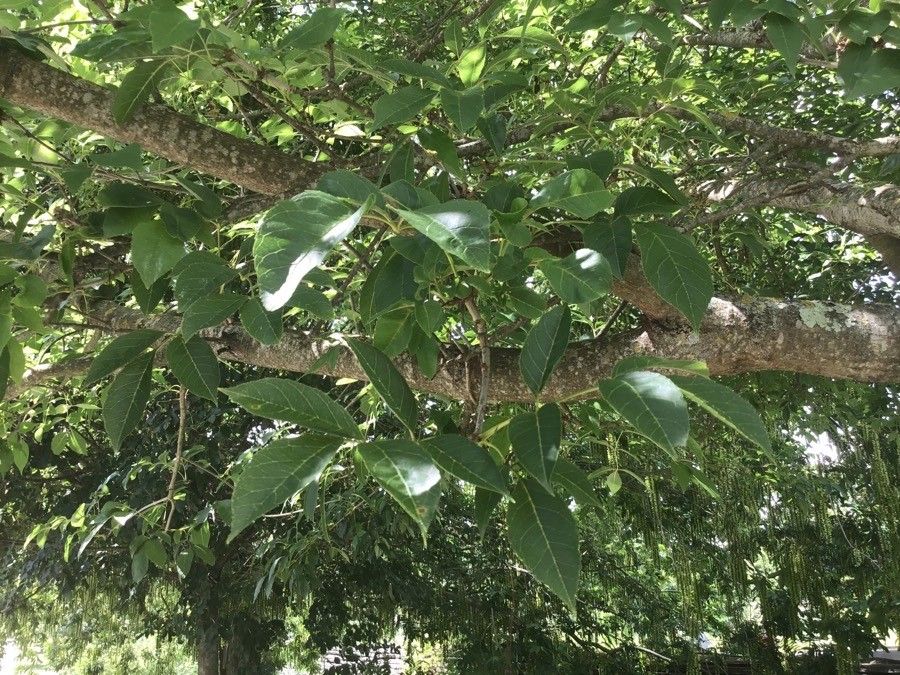
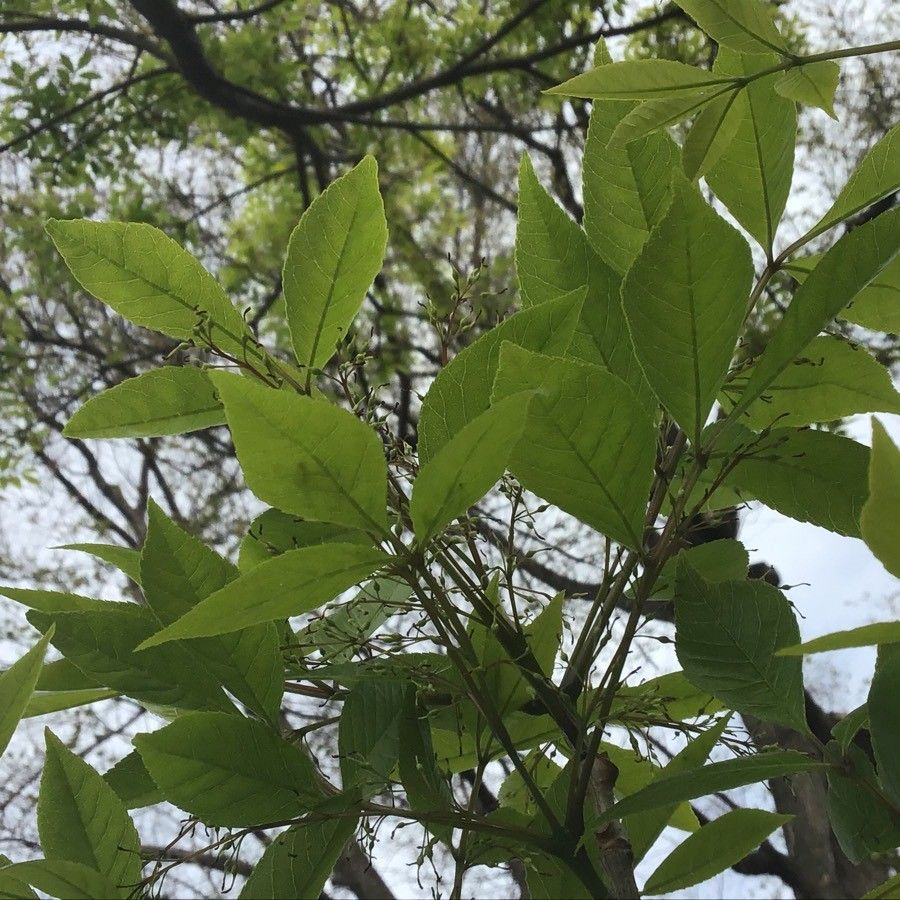
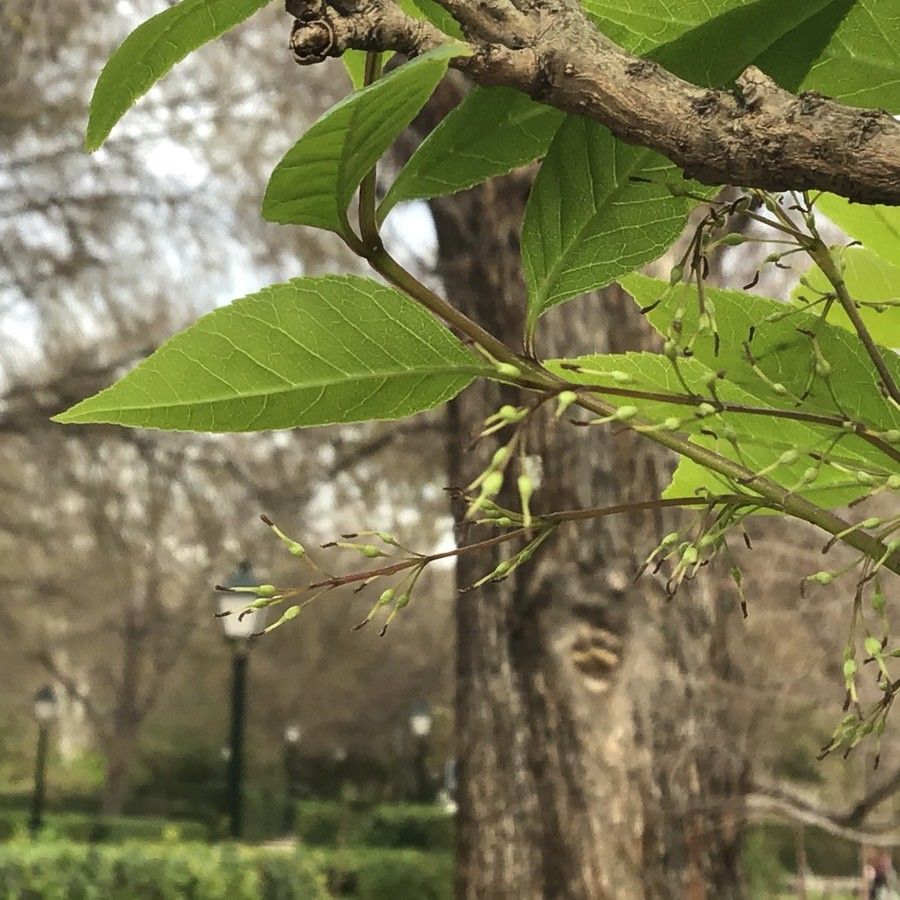
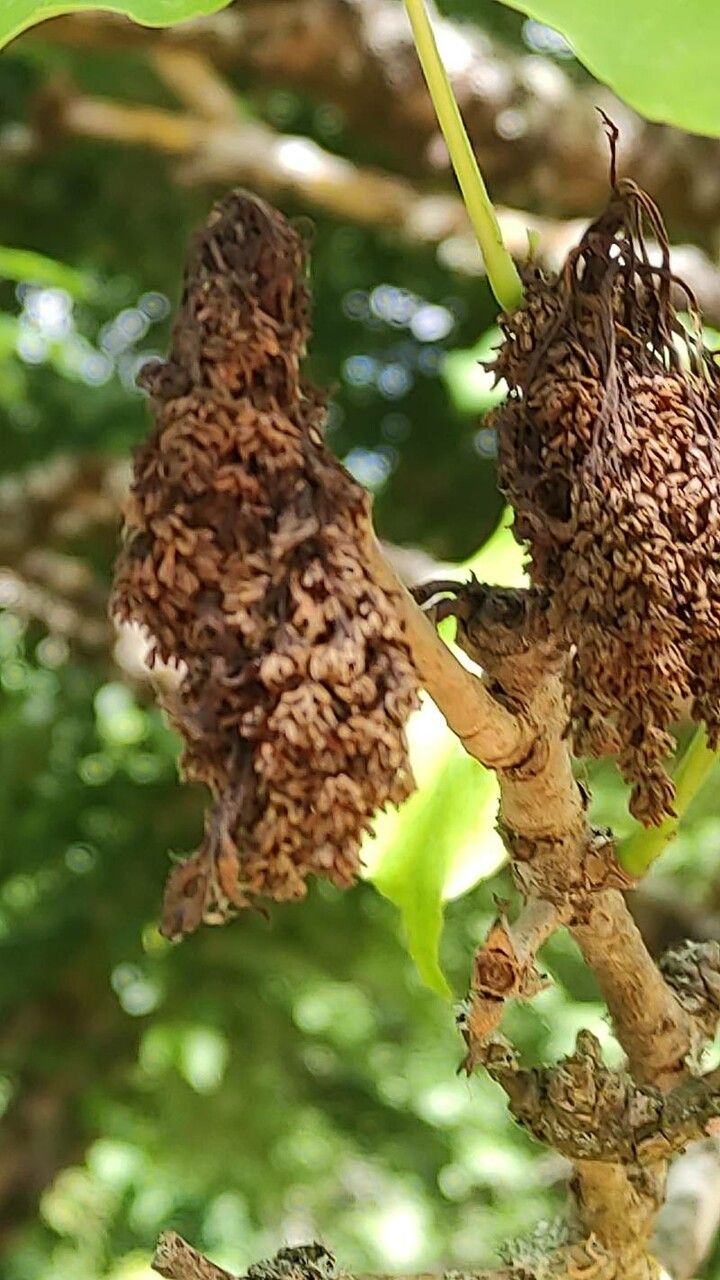
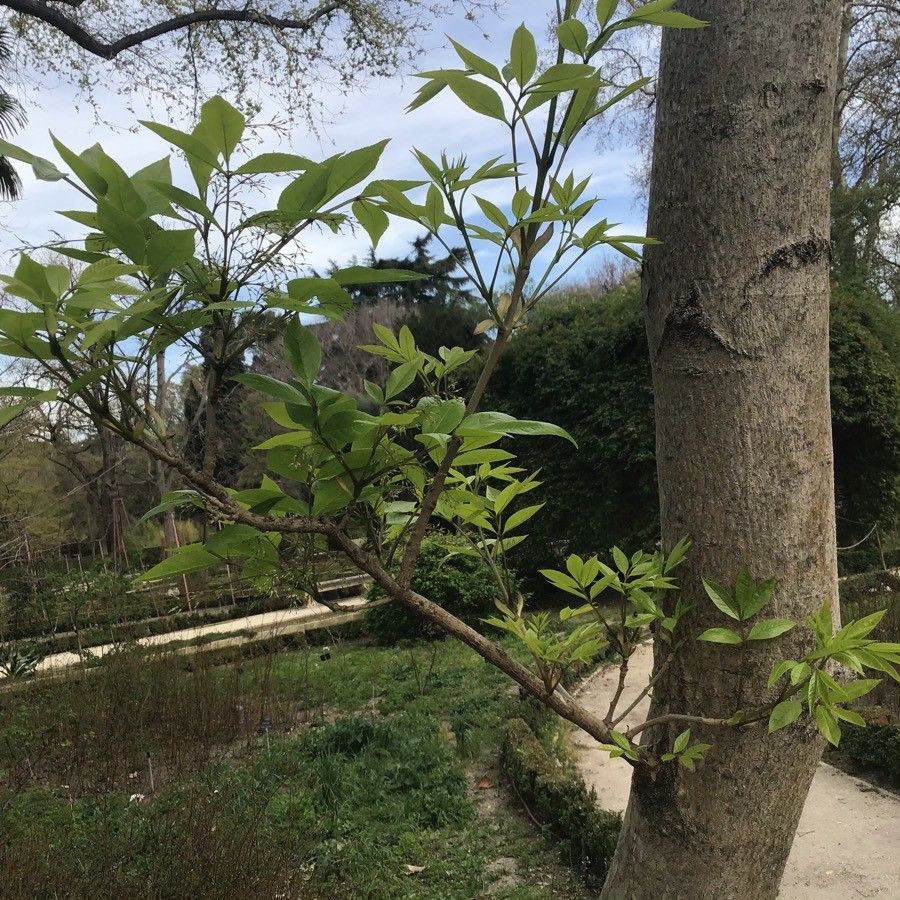
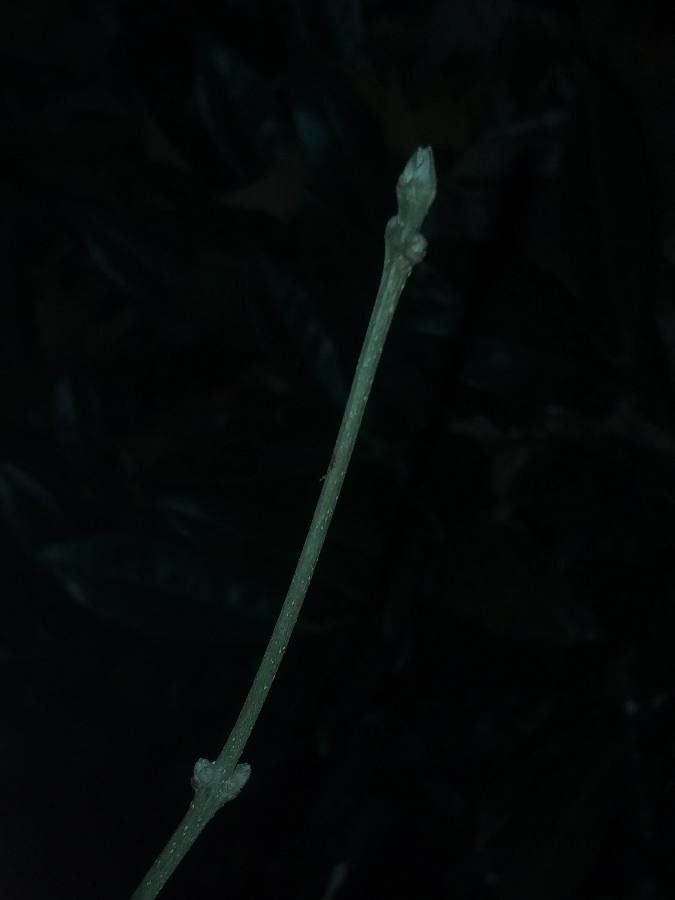
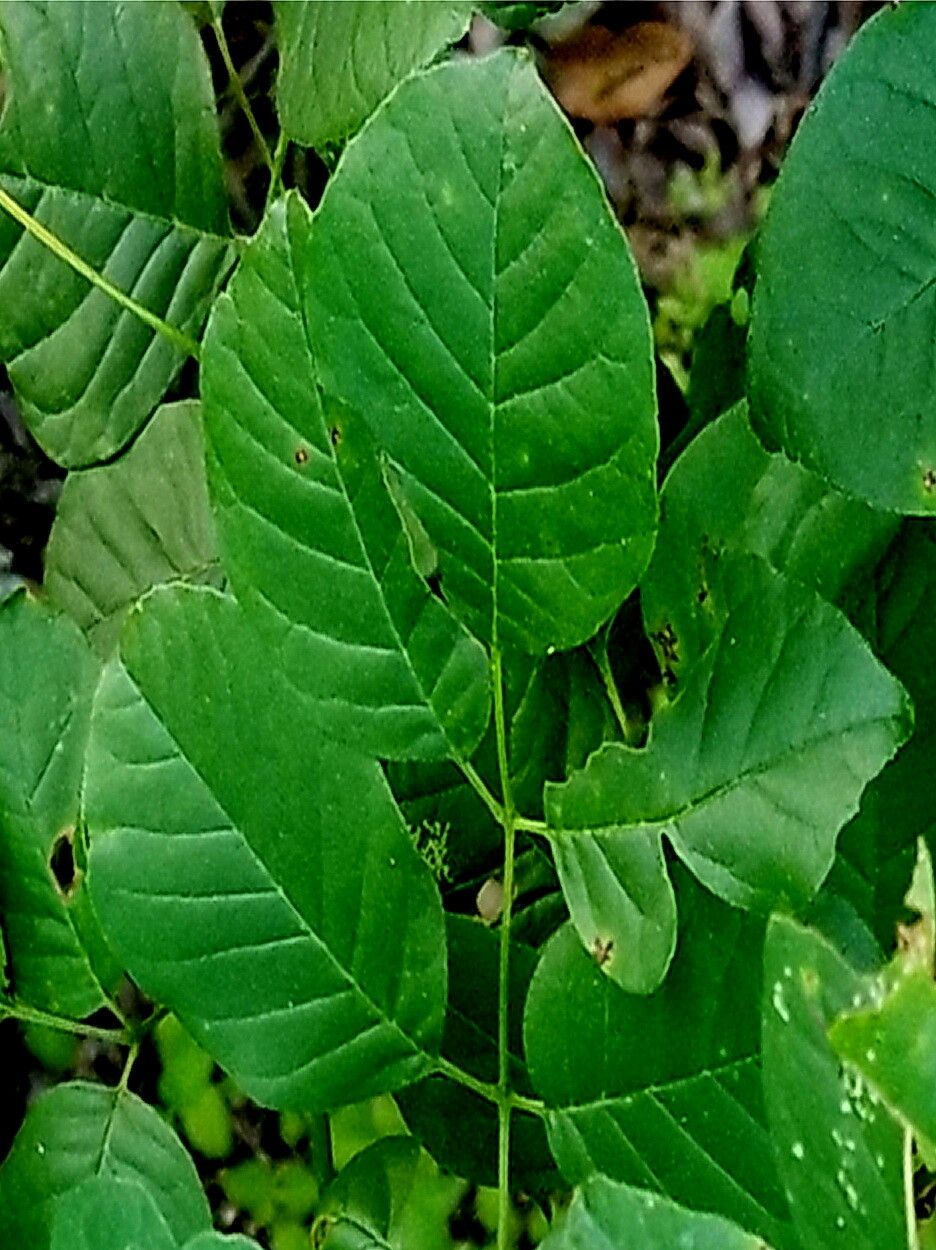
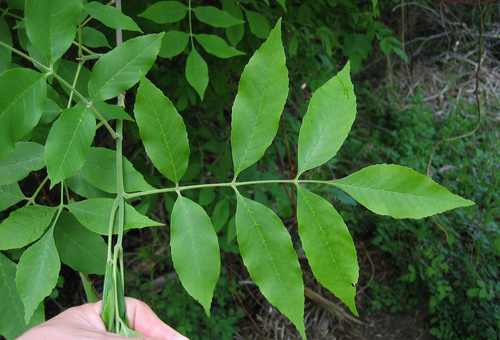
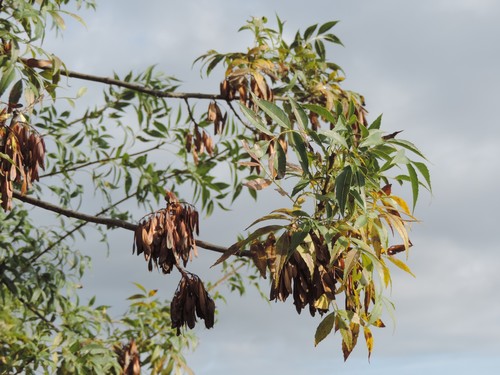
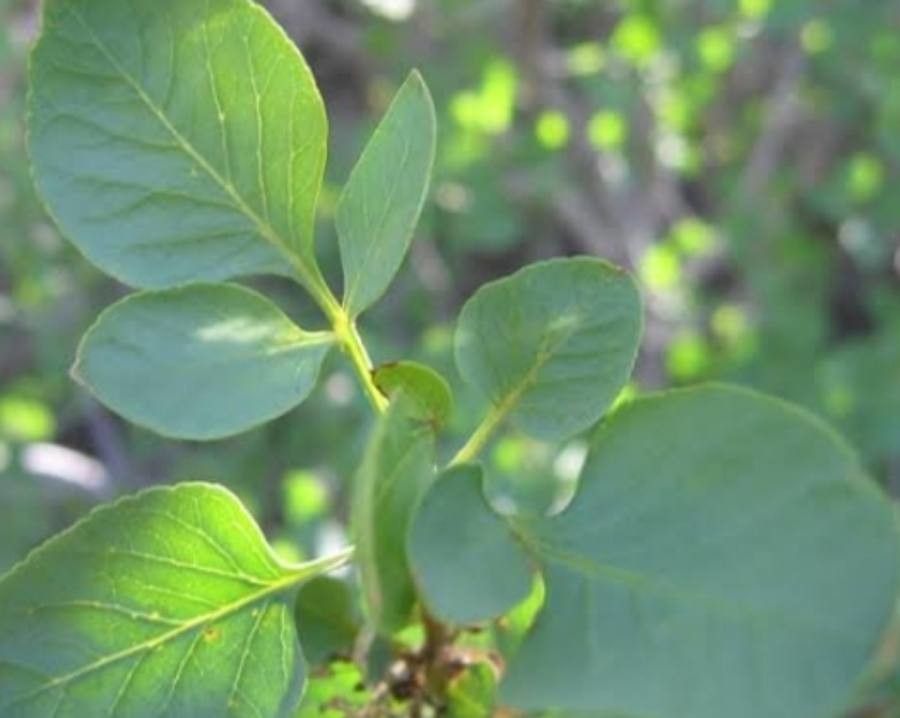
Fraxinus chinensis, the Chinese ash, is a species of flowering trees. Its leaves are used in traditional Chinese medicine for dysentery disorders. Fraxinus chinensis is dioecious, with male and female flowers produced on separate individuals.
Chinese ash is quite disease-resistant and usually does not develop many illnesses. In terms of upkeep, this plant is relatively easy to care for. When planted outside, it needs only occasional watering, and larger specimens typically do not require pruning. However, smaller plants should be pruned after they have finished blooming. Chinese asht is well suited for anyone with an outdoor area, such as a garden or deck, and does not demand much gardening experience.
How to keep Fraxinus Chinensis.
Light
Chinese ash performs best in locations that get ample sunlight throughout the day, though it can also tolerate areas with moderate light. Coming from environments with plentiful sun, its growth may be limited by insufficient light, while excessive light can cause stress.
Temperature
Chinese ash grows best in its native habitat under moderate temperatures, typically favoring 50 to 95 °F (10 to 35 °C). Seasonal adjustments to temperature may be necessary to reproduce those conditions.
Fertilizer
Fertilize your Chinese ash in early spring to encourage healthy development. Regular feeding improves overall vigor, leading to strong growth, better tolerance of harsh conditions, and increased resistance to pests and diseases. Stick to a set fertilization schedule for your Chinese ash to keep the foliage bright, deeply colored, and lush in appearance.
Pruning
The Chinese ash is a fast-growing deciduous tree with glossy, pinnate leaves. To maintain its health, prune the tree in early spring. Focus on removing any dead or crossing branches to promote a strong central leader and a balanced canopy. Regular pruning improves air circulation and sunlight exposure, making the Chinese ash an excellent choice for urban landscapes.
Botanical profile.
- Plant Type
- Tree
- Life Cycle
- Perennial
- Genus
- Fraxinus
- Family
- Oleaceae
- Hardiness Zone
- 6-10
- Mature Height
- 10.06 m to 11.89 m
- Mature Spread
- 10.06 m to 14.94 m
- Leaf Color
- Green, Dark Green
- Leaf Type
- Deciduous
- Flower Color
- Yellow, Green
- Flower Size
- 0.20 cm to 0.25 cm
- Bloom Time
- Mid spring, Late spring
- Planting Time
- Spring, Summer
- Harvest Time
- Late summer, Early fall, Mid fall
Other names.
Reader questions.
What are the sunlight requirements for Chinese ash?
Chinese ash, or Fraxinus chinensis, requires full sun, which means it thrives in areas receiving more than 6 hours of sunlight daily. It can also adapt to partial sun conditions, receiving about 3-6 hours of sunlight. The plant originates from habitats with abundant sunshine, and its growth can be stunted in less light, while too much light may cause stress. It's essential to watch how sunlight moves through your garden to find spots that provide a perfect balance of light and shade, ensuring the plant's happiness.
What are the ideal growth conditions for Chinese ash?
Chinese ash, known botanically as Fraxinus chinensis, thrives best in its native environment with moderate temperatures, typically between 50 to 95°F (10 to 35°C). It is well adapted to withstand cold and has strong cold resistance, meaning special frost protection measures are not generally necessary. However, in areas where winter temperatures are expected to drop below -25°C, it's important to protect the tree by wrapping its trunk and branches with insulating materials like non-woven fabric or cloth. Additionally, watering the plant abundantly before the first freeze in autumn to ensure the soil is moist can help prevent drought and water scarcity during the winter and early spring.
How does artificial lighting benefit indoor Chinese ash plants?
Indoor Chinese ash plants require adequate lighting for optimal growth, especially when natural sunlight is insufficient, such as in winter or less sunny spaces. Artificial lights, particularly LEDs, offer a vital solution by providing specific wavelengths of light needed by the plants. Full sun plants need 30-50W/sq ft of artificial light, partial sun plants need 20-30W/sq ft, and full shade plants need 10-20W/sq ft. The light source should be placed 12-36 inches above the plant, mimicking natural sunlight for most plants that need 8-12 hours of light per day.
How does low temperature affect Chinese ash and what solutions are recommended?
Chinese ash is capable of tolerating cold weather well, thriving in temperatures above 10°C and should ideally be kept above -15°C during winter. However, if temperatures fall below -25°C, though the tree might not show immediate damage in winter, its branches can become brittle and dry by spring, potentially resulting in no new shoots emerging. To mitigate these effects, it is advised to prune away any dead branches in the spring that have failed to produce new leaves.
What are the common symptoms of light deficiency or excess in Chinese ash?
Chinese ash shows various symptoms when exposed to suboptimal lighting. Light deficiency symptoms include smaller new leaves, leggy or sparse growth, faster leaf drop, slower or no new growth, and lighter-colored new leaves. Excessive sunlight can cause chlorosis, where leaves lose their green color, sunscald with pale or necrotic areas on the plant tissue, leaf curling as a defense mechanism, wilting due to loss of turgor pressure, and leaf scorching characterized by brown, dry, and crispy leaf edges.
How does high temperature affect Chinese ash and what are the suggested remedies?
During the summer, it's important for the Chinese ash to be kept in conditions below 35°C to avoid heat stress. If temperatures soar above 41°C, the plant's leaves might lighten in color and the tips could become dry and withered, making the plant more prone to sunburn. To address this, any sunburned and dried-up parts of the plant should be trimmed away. Moving the plant to a location that offers shade during the midday and afternoon sun or employing a shade cloth for protection is advisable. Watering the plant in the morning and evening to maintain moist soil conditions can also help mitigate heat stress.
What are the solutions for addressing light-related issues in Chinese ash?
To address light-related issues in Chinese ash, for indoor plants, gradually move them to sunnier locations to receive at least 6 hours of direct sunlight or use artificial lights for at least 8 hours daily. For outdoor plants, move them gradually to avoid sunburn, ensuring they adapt to the sunlight properly. Minimize obstructions such as trees by pruning to allow sunlight to reach the plants. For smaller plants, consider transplanting during their dormant period to a location with ample sunlight and good drainage. Note that parts of the plant affected by insufficient sunlight may not recover, but new growth will be healthy after increasing light exposure.