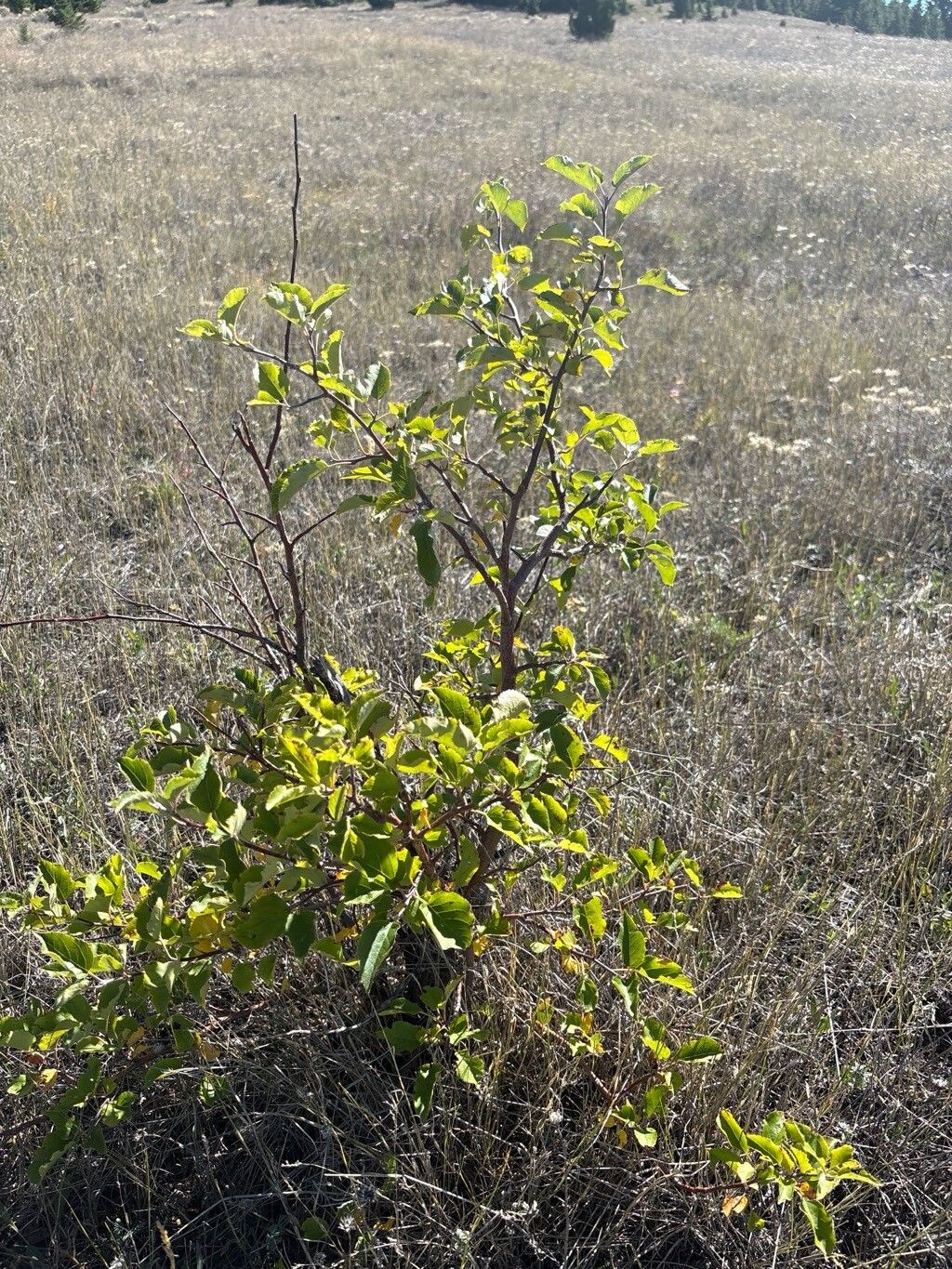
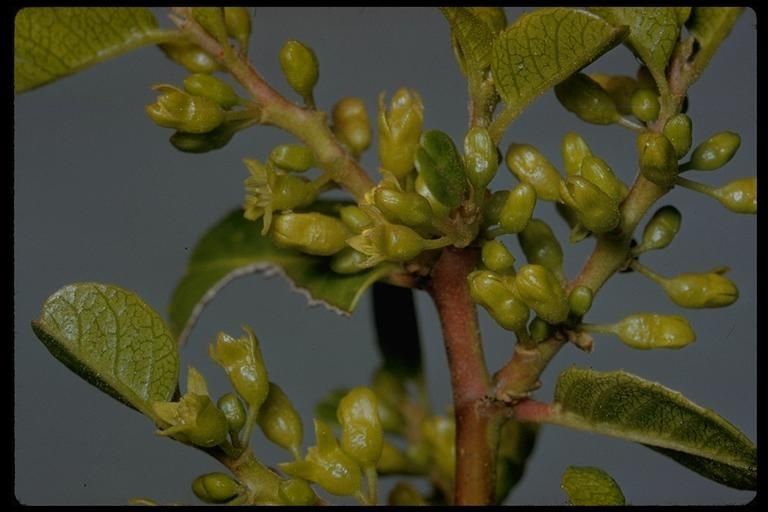
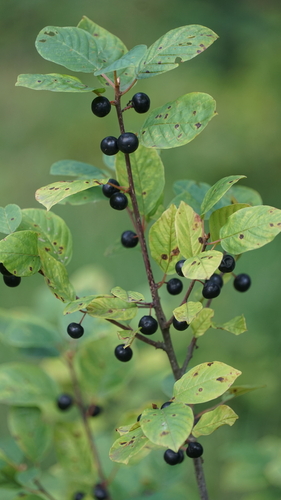
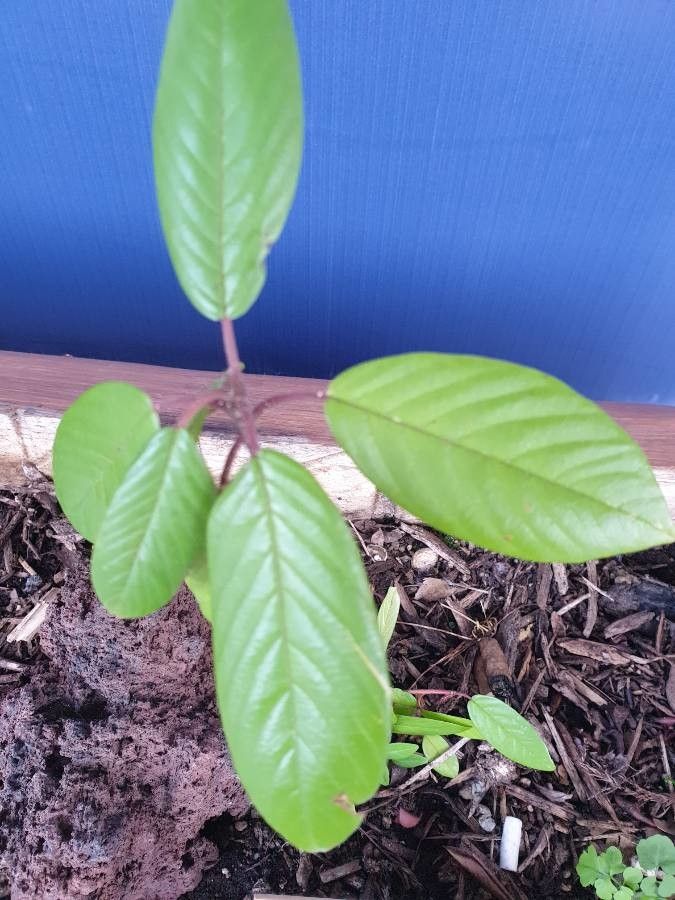
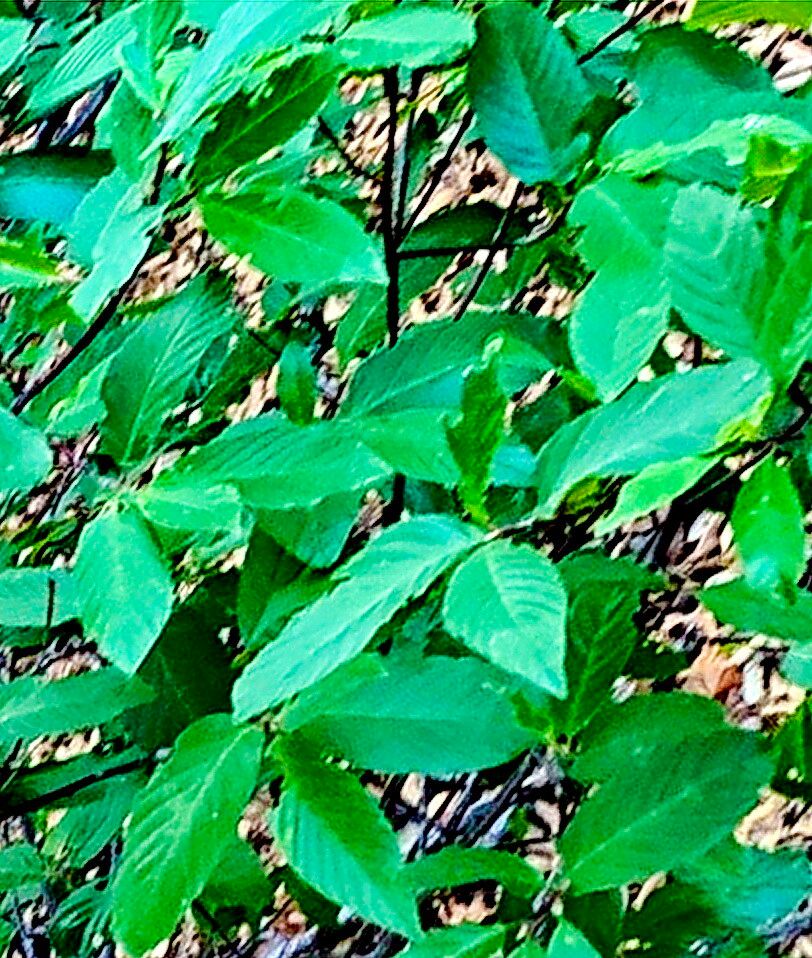
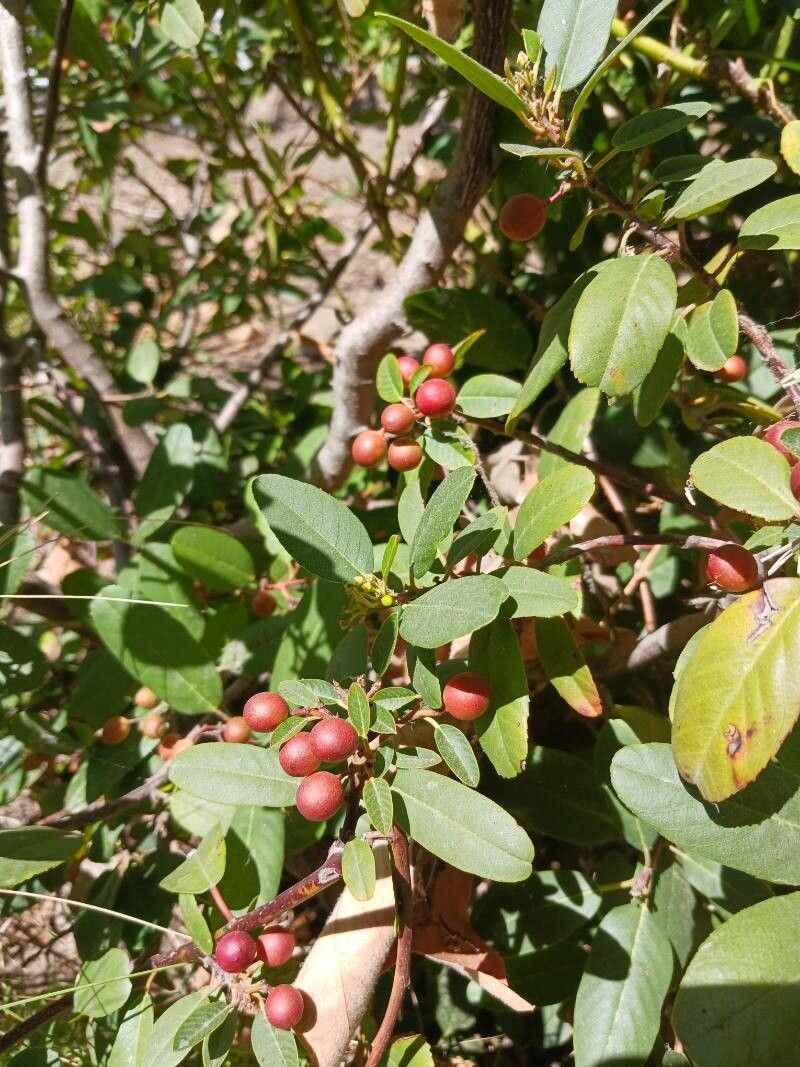
Frangula rubra is a species of flowering plant in the buckthorn family known by the common names red buckthorn and Sierra coffeeberry.
Yosemite buckthorn shows strong resistance to disease and is generally not susceptible to illnesses. As for maintenance, this plant is fairly low-maintenance. Planted outdoors it needs only minimal watering, and larger specimens typically do not require pruning; however, smaller plants should be pruned after they finish blooming. Yosemite buckthornt is appropriate for anyone with an outdoor area, such as a garden or deck, and does not demand a great deal of care experience.
How to keep Frangula Rubra.
Light
Yosemite buckthorn is indigenous to habitats like forest underlayers or stony locations, where it is naturally shaded. It thrives in partial sunlight, yet it is adaptable to both full sunlight and full shade, showcasing its robust and flexible characteristics.
Temperature
The Yosemite buckthorn shows substantial resilience to a wide range of weather conditions, from blistering heat in the summer to frigid cold in the winter. Nevertheless, there is a preferred temperature spectrum for its growth. If the climate becomes overly hot, the plant is susceptible to stress from heat and moisture, potentially leading to its death. In locales where temperatures approach the limits of its tolerance to cold, it is crucial to put in place insulatory steps to safeguard the plant.
Fertilizer
For the robust development of your Yosemite buckthorn, apply fertilizer in the beginning of spring. Consistent fertilization boosts its general health, leading to dynamic growth, toughness against harsh conditions, and better resistance against illness and infestations. Keep up with a dedicated fertilization routine for your Yosemite buckthorn to guarantee lively leaves with rich color and a dense look.
Pruning
Yosemite buckthorn benefits from early spring pruning, which removes dead or damaged branches and promotes healthy growth and better airflow. By selectively pruning, you can maintain the plant's shape, control its size, and encourage new shoots to grow from older stems. Regular pruning is essential for keeping the plant well-managed and vibrant.
Botanical profile.
- Plant Type
- Shrub
- Life Cycle
- Perennial
- Genus
- Frangula
- Family
- Rhamnaceae
- Hardiness Zone
- 4-9
- Mature Height
- 2.13 m to 3.96 m
- Mature Spread
- 2.13 m to 3.05 m
- Leaf Color
- Green, Dark Green
- Leaf Type
- Deciduous
- Flower Color
- Yellow
- Flower Size
- 0.25 cm to 0.51 cm
- Bloom Time
- Late spring, Early summer
- Planting Time
- Spring, Summer, Autumn
- Harvest Time
- Late summer, Early fall, Mid fall
Other names.