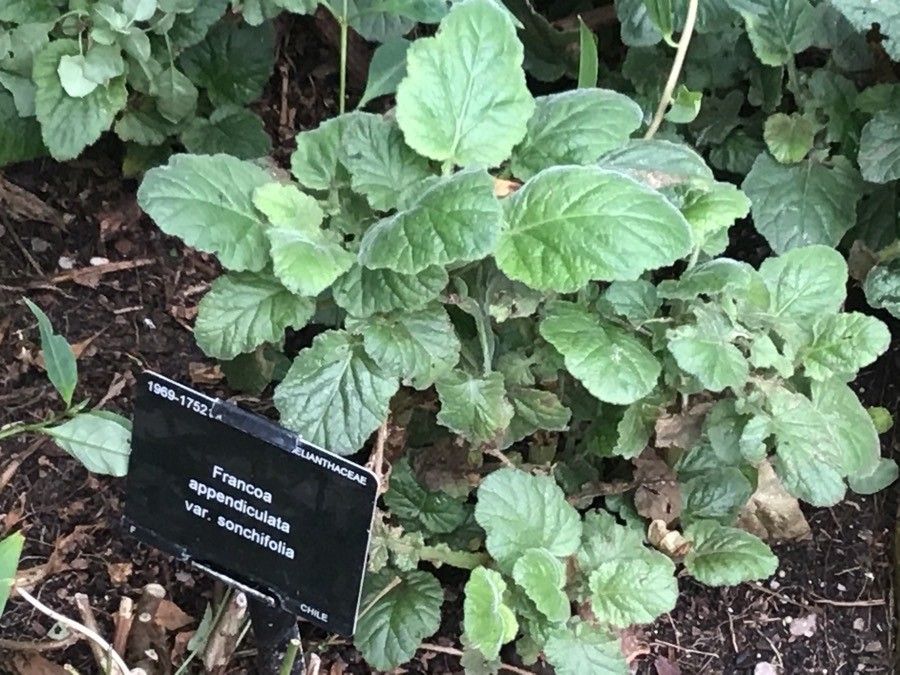
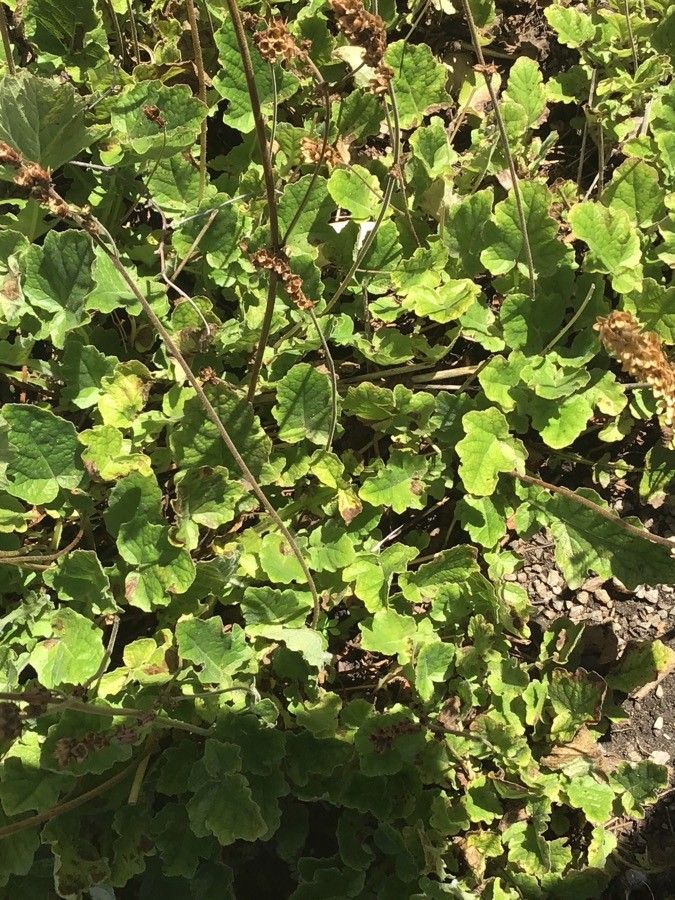
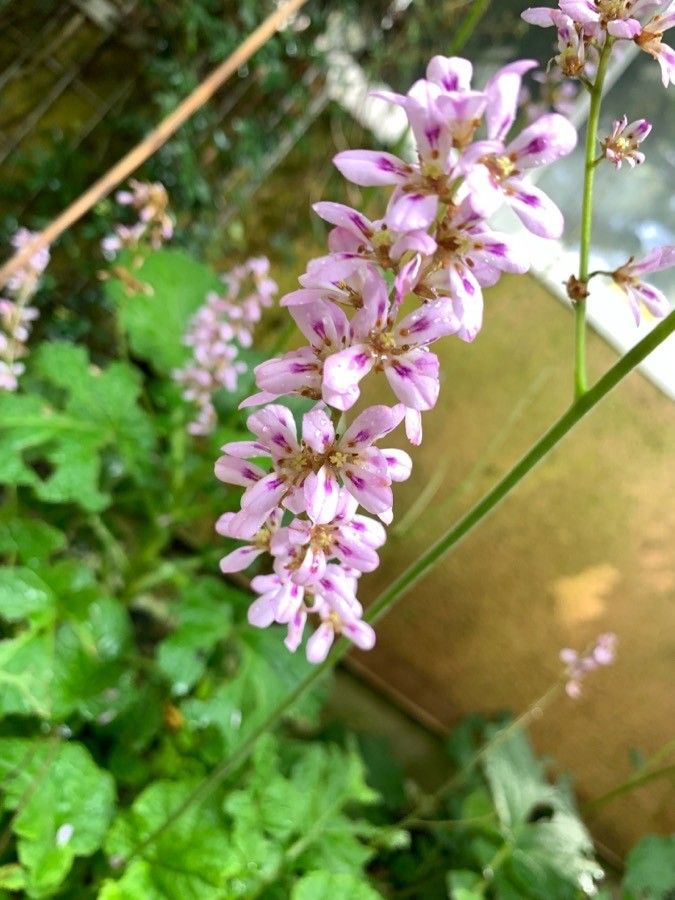
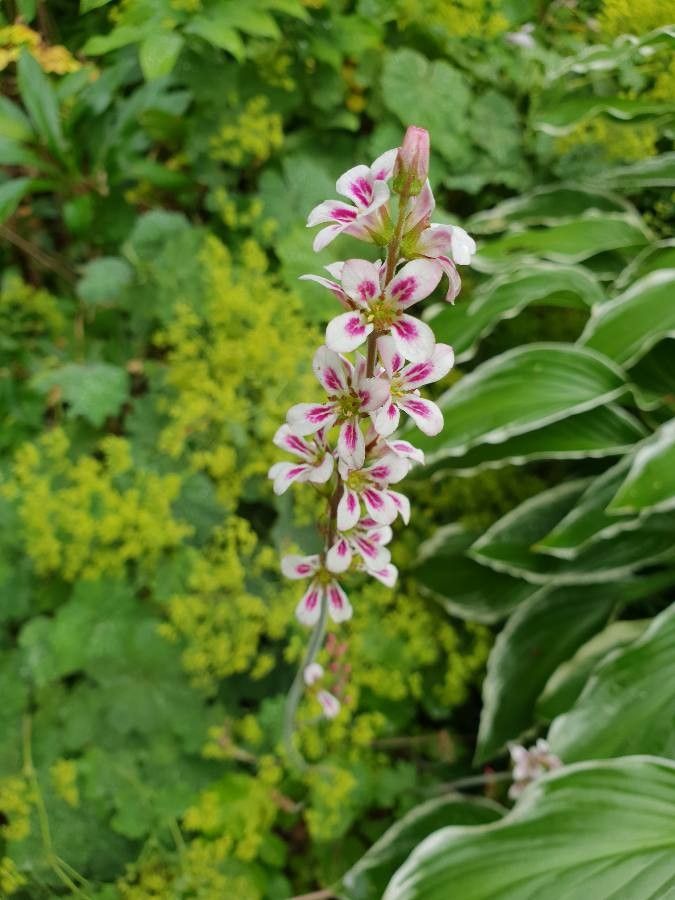
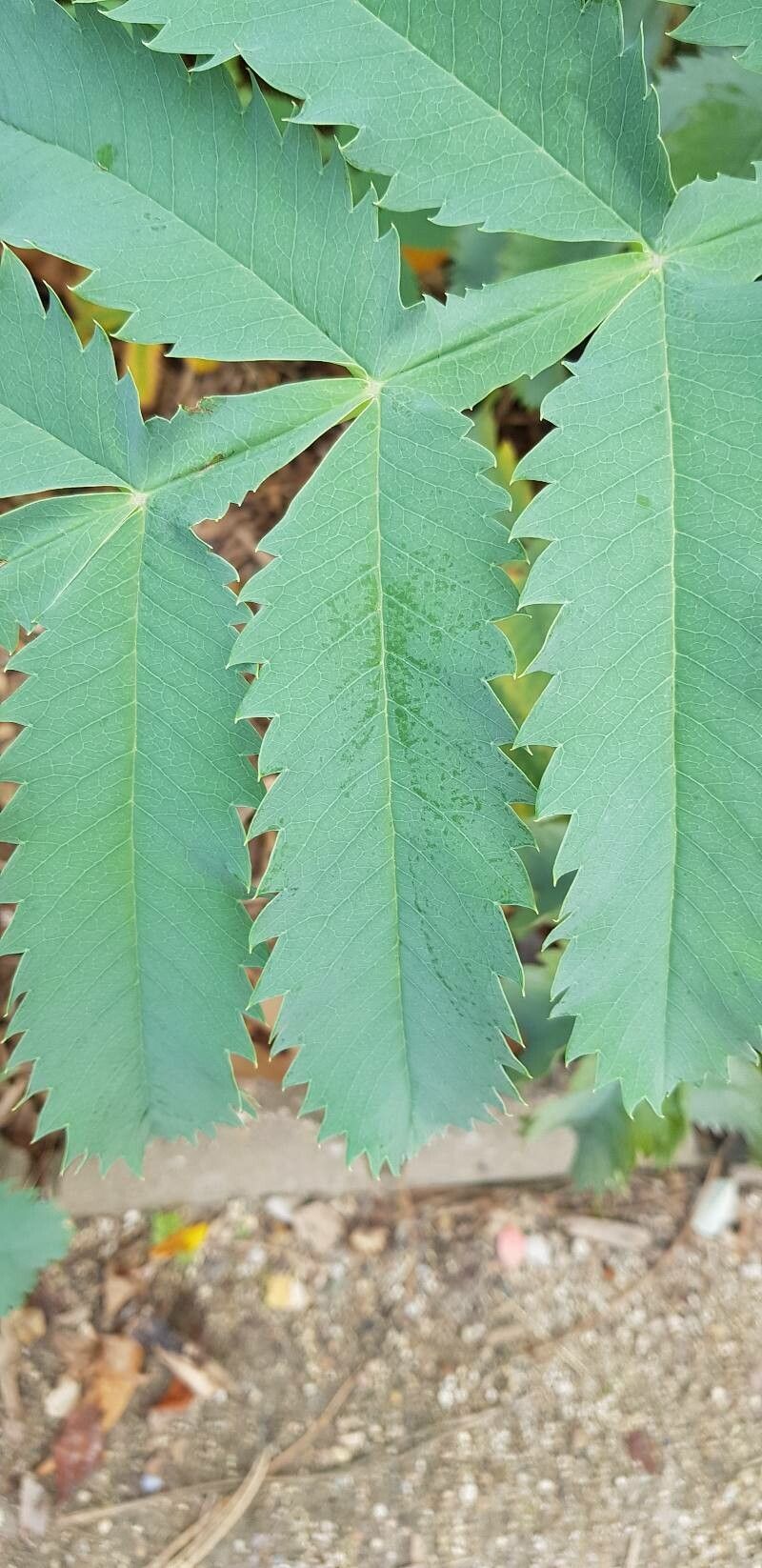
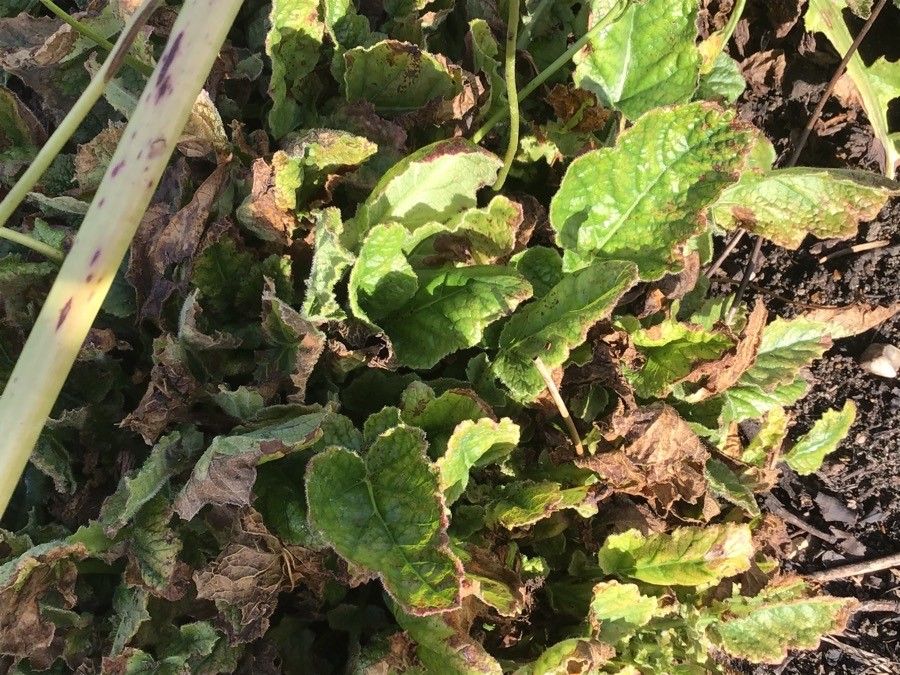
Francoa appendiculata is a species of the Francoaceae family which consists of herbs endemic to Chile. Plants may grow up to one metre high and produce basal clumps of round, deeply lobed, dark green, fuzzy leaves with winged leafstalks. Compact racemes of small, cup-shaped flowers, which are pink with red markings, appear in summer and early fall.
Llaupangue is well resistant to diseases and generally not easily affected by them. However, it can be vulnerable to pests and diseases present in its surroundings. Such infections are typically mild. Regarding care, the plant needs moderate maintenance. Regular pruning is necessary to preserve a neat appearance and healthy growth. Fertilizing can also encourage flowering. Llaupangue is suitable for anyone with outdoor space, such as a garden or patio, and does not require a lot of care experience. It may need more attention when grown indoors.
How to keep Francoa Appendiculata.
Light
Llaupangue occurs naturally in places like forest understories and rocky areas, where it receives natural shade. It prefers partial sun but can tolerate full sun or full shade, illustrating its adaptable and hardy nature.
Water
Llaupangue thrives in humid environments where it receives consistent moisture, needing to be watered weekly to flourish. However, it does not like being waterlogged, and it has a moderate tolerance for drought conditions. Applying mulch around llaupangue can be very beneficial, as it helps retain soil moisture and regulate root temperature. This practice aids its growth when planted in outdoor garden borders.
Temperature
Llaupangue can tolerate a broad spectrum of temperatures, but its range may still be restricted by different combinations of moisture and heat. It performs best in warm summer climates with adequate rainfall or irrigation. Extended periods of cloudy, rainy weather or sustained high temperatures can increase the chance of Llaupangue dying. In winter, suitable protection from cold can boost the plant's likelihood of survival.
Fertilizer
The best time to fertilize a Llaupangue is in early spring, when it is coming out of dormancy and starting active growth. Fertilization supplies essential nutrients for healthy development. Although Llaupangue has fairly low fertilizer requirements, an annual application can boost its survival and encourage better, longer-lasting flowers.
Pruning
Llaupangue showcases lush foliage and delicate flowers. For optimal growth, prune between early and late spring. Avoid heavy pruning to preserve the blooms. Remove spent flowers regularly to encourage continuous flowering. Use sterilized tools to prevent disease, ensuring the plant remains healthy with abundant blooms.
Botanical profile.
- Plant Type
- Herb
- Life Cycle
- Perennial
- Genus
- Francoa
- Family
- Francoaceae
- Hardiness Zone
- 7-10
- Mature Height
- 61 cm to 91 cm
- Mature Spread
- 30 cm to 46 cm
- Leaf Color
- Dark Green
- Leaf Type
- Evergreen
- Flower Color
- White, Pink
- Flower Size
- 2.03 cm to 3.05 cm
- Bloom Time
- Early summer, Mid summer
- Planting Time
- Spring, Summer
- Harvest Time
- Late summer, Early fall
Other names.
Reader questions.
What are the sunlight requirements for Llaupangue?
Llaupangue thrives with about 3-6 hours of sunlight daily, a condition described as partial sun. It's essential to observe your garden's light patterns to ensure that you place your plants in locations that offer the right balance of light and shade, catering to their needs. Llaupangue is native to environments like forest understories or rocky areas, suggesting it adapts well to partial sun or full shade, positioning it as a versatile plant for various garden spots.
How can artificial lighting be used for Llaupangue indoors?
When natural sunlight is insufficient for Llaupangue, especially indoors, artificial lighting becomes crucial for maintaining optimal growth. LED lights are recommended due to their ability to mimic specific sunlight wavelengths needed by plants. For correct usage, the light's intensity should suit the plant's requirements (30-50W/sq ft for full sun, 20-30W/sq ft for partial sun, and 10-20W/sq ft for full shade), be placed 12-36 inches above the plant to emulate natural light, and be left on for 8-12 hours daily to simulate natural daylight hours.
What are some common symptoms of insufficient light in Llaupangue?
Llaupangue may exhibit several symptoms if it's not receiving adequate light, including smaller new leaves, leggy or sparse growth, accelerated leaf drop, halted new growth, leaves with paler colors or irregular patterns indicating a lack of chlorophyll, chlorosis (yellowing leaves due to chlorophyll breakdown), sunscald (damage from intense light exposure), leaf curling, wilting from excessive water loss, and leaf scorching. These symptoms suggest the plant is not in an optimally lit environment.
What solutions can be applied to address Llaupangue's light deficiencies?
To optimize Llaupangue's growth when facing light deficiencies, indoor plants can be gradually shifted to sunnier spots weekly until they receive 3-6 hours of direct sunlight, or utilize artificial lighting like desk or ceiling lamps for at least 8 hours daily. Outdoor plants should also be gradually moved to sunnier areas to prevent sunburn from abrupt exposure changes. Minimizing obstructions, such as pruning nearby trees, and contemplating transplanting during the plant's dormant period to a location with sufficient sunlight and good drainage are effective strategies for ground-planted Llaupangue. Note that parts of the plant damaged by insufficient light might not recover, but new growth will be healthy following these adjustments.