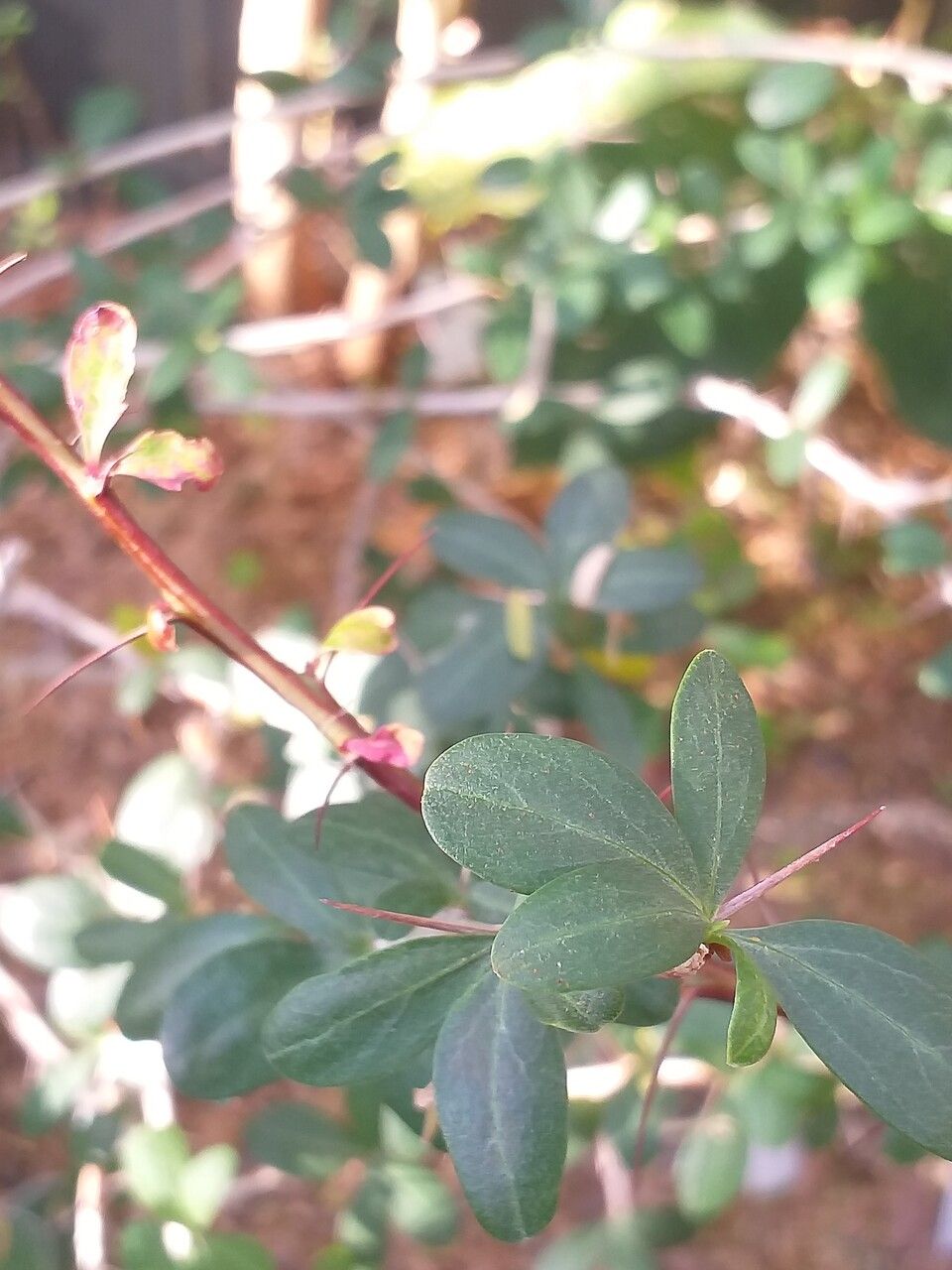
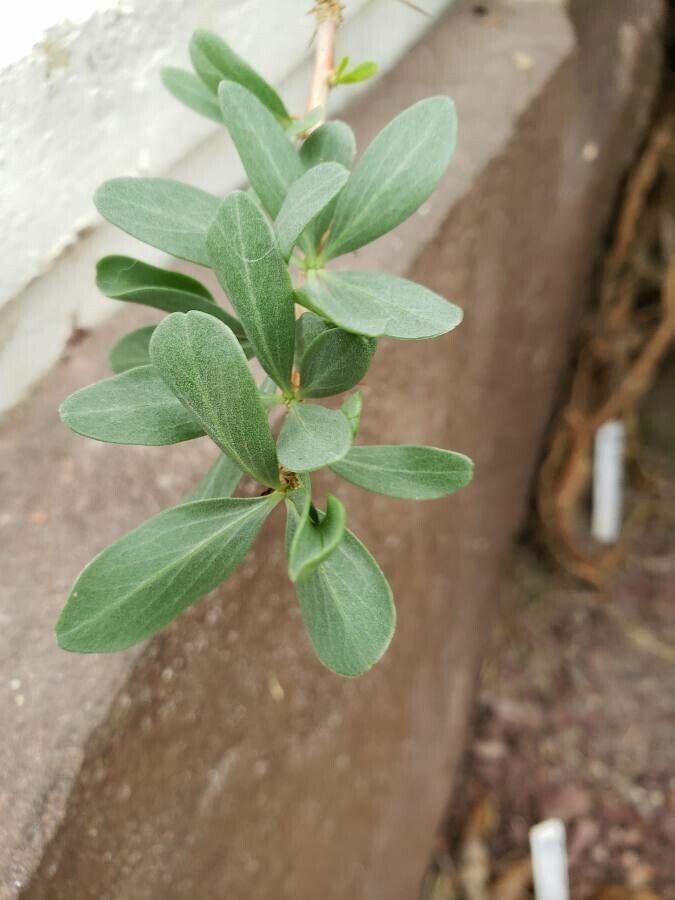
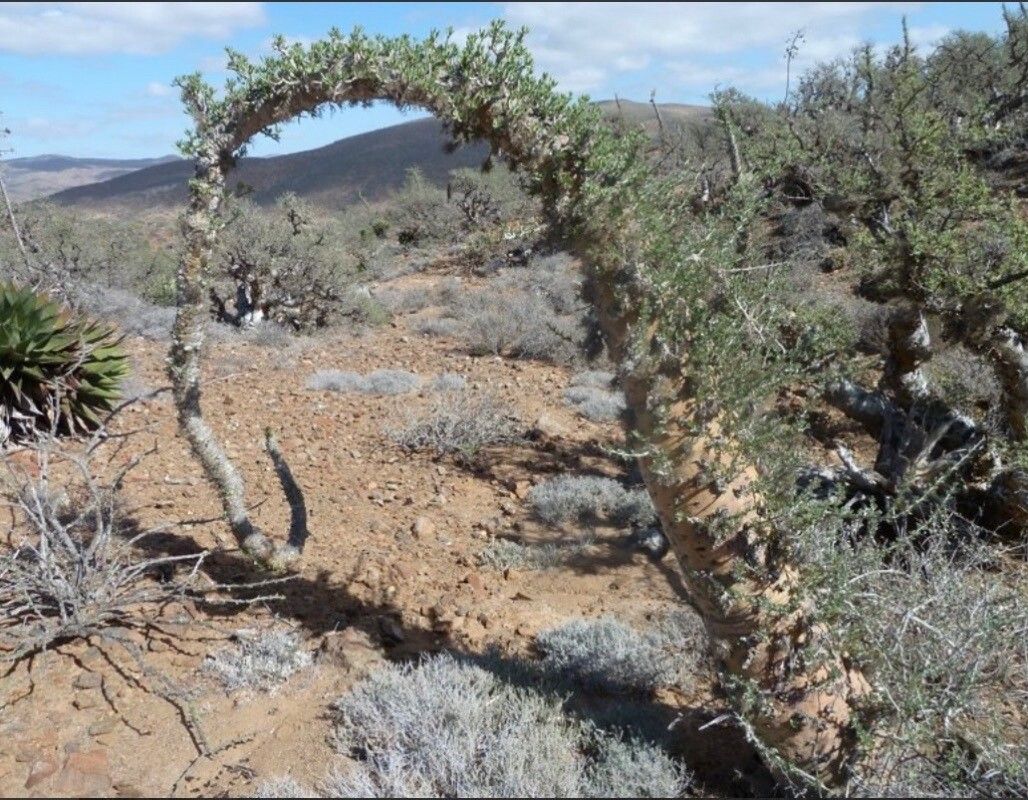
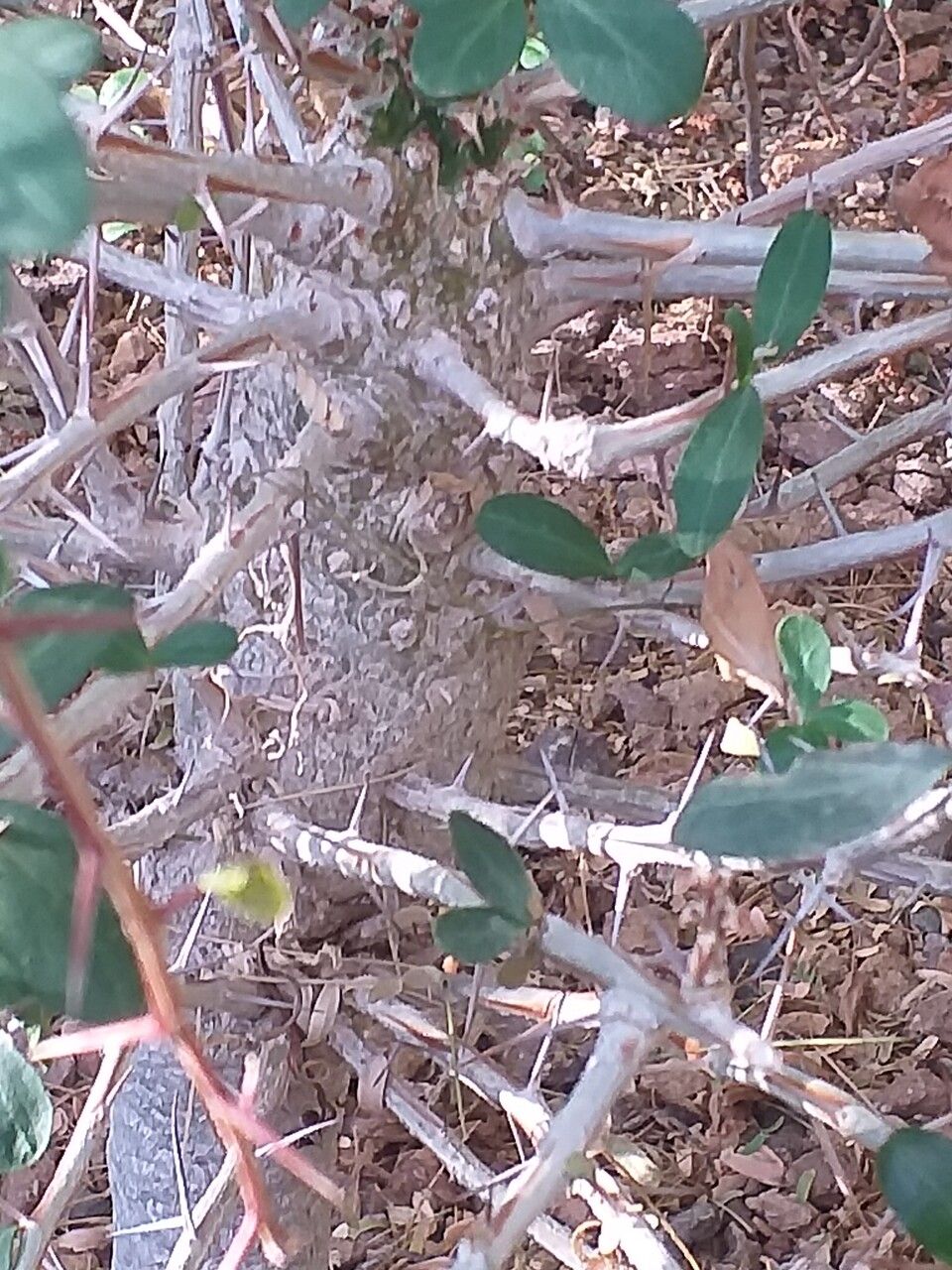
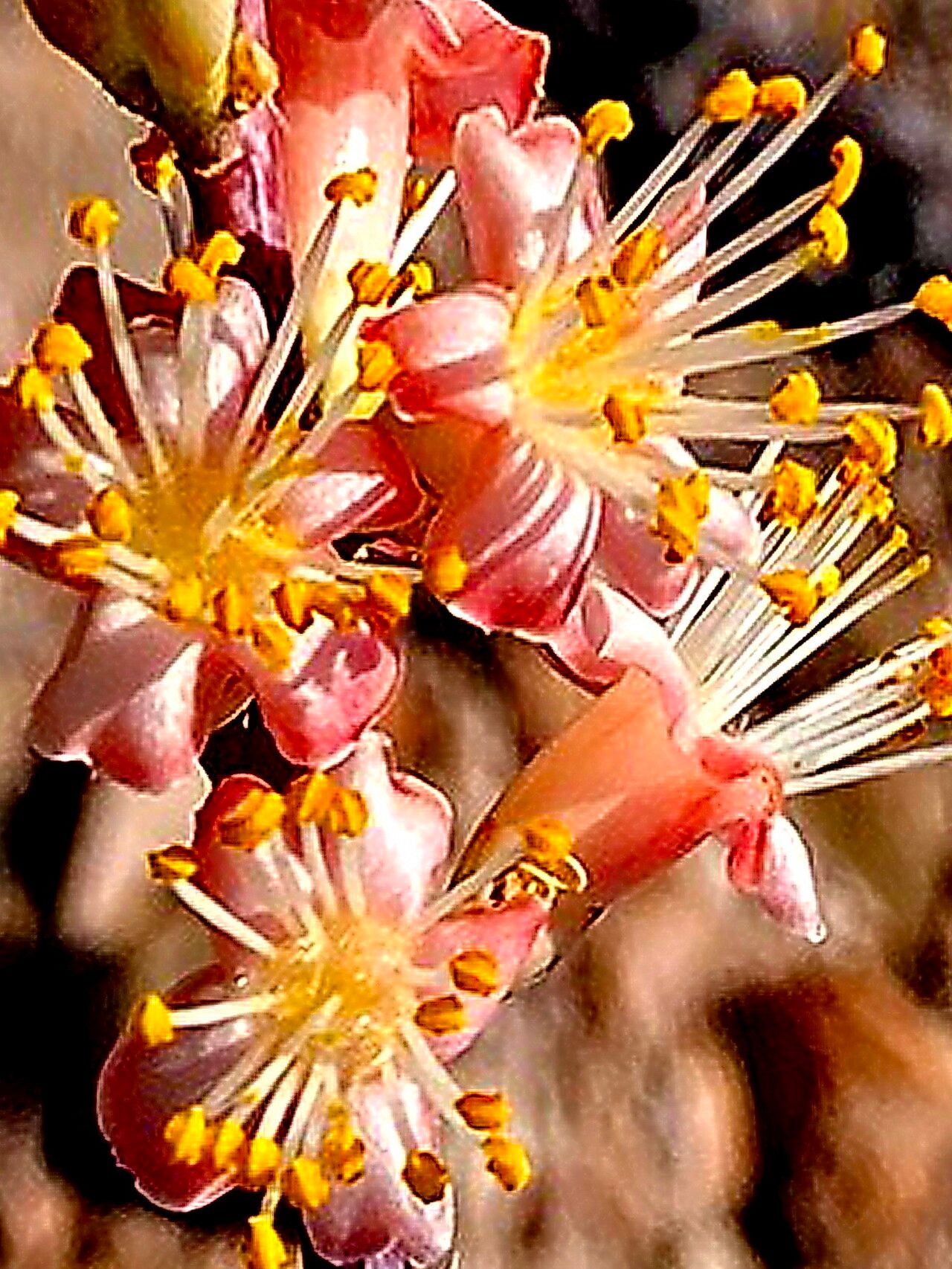
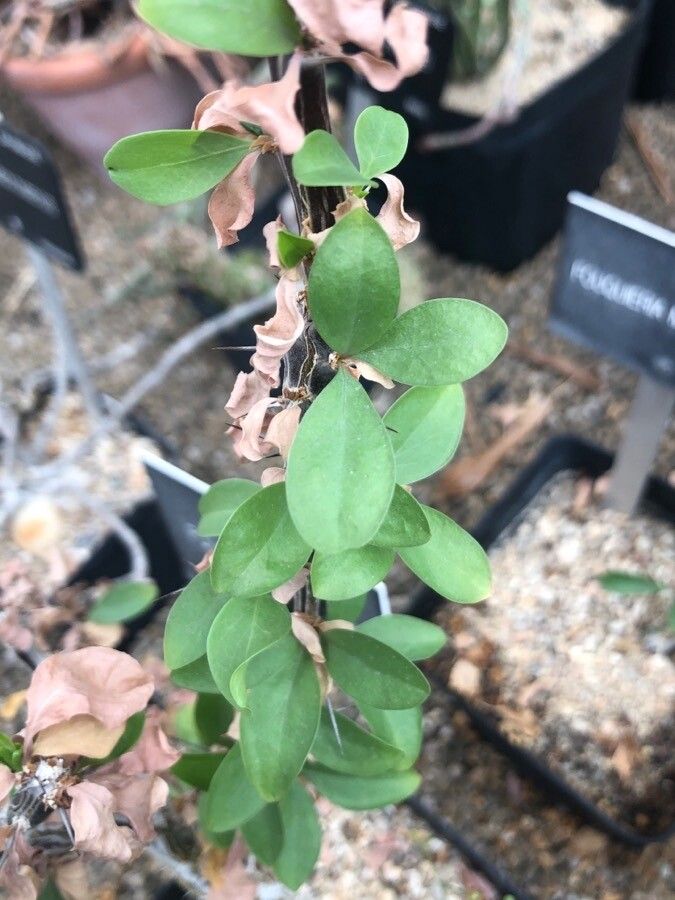
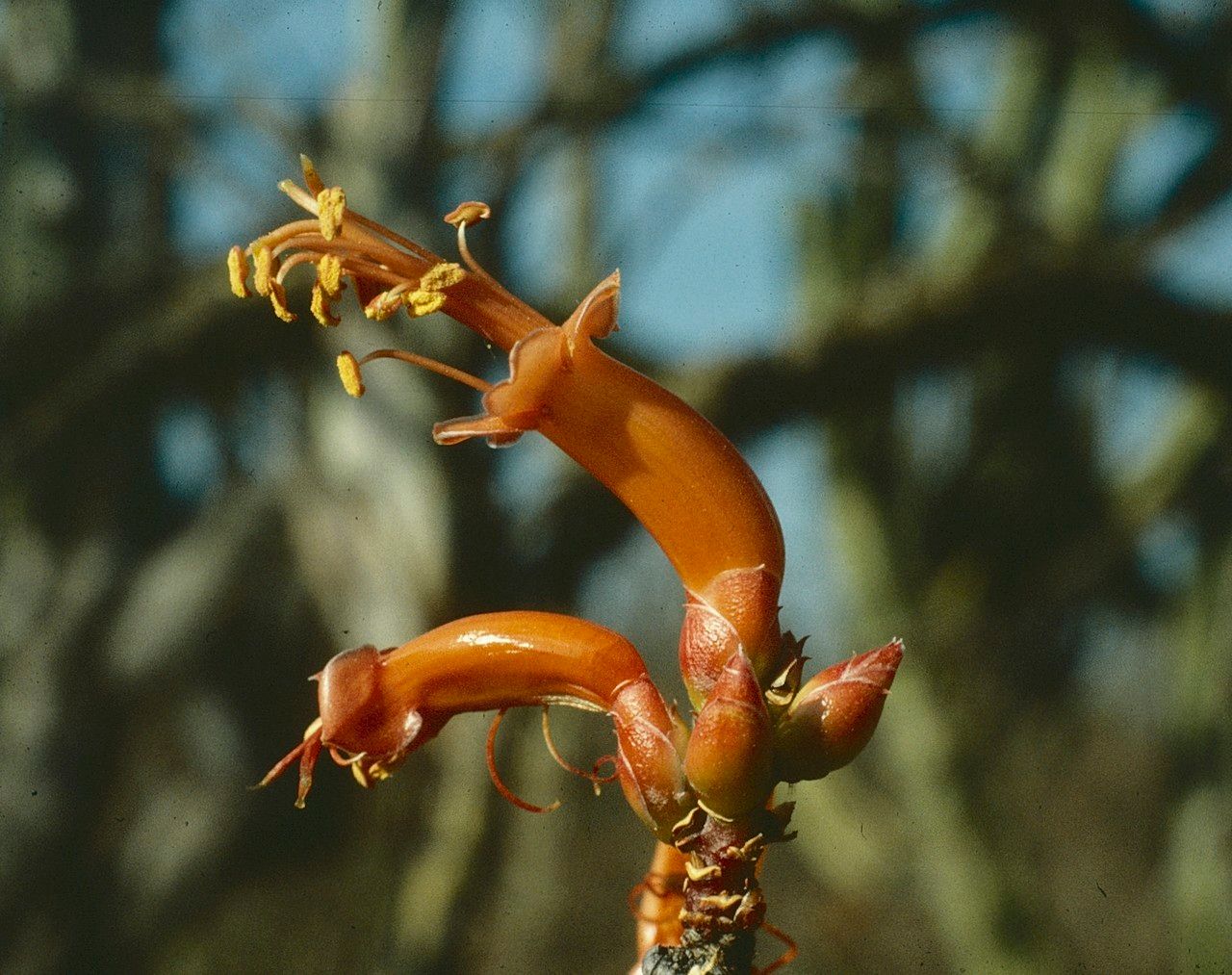
Fouquieria columnaris, commonly known as the Boojum tree, is a unique and fascinating plant native to the Baja California peninsula in Mexico. This slow-growing species can attain heights of up to 60 feet and is characterized by a thick trunk that tapers toward the top, where it branches into slender arms adorned with small leaves. Adapted to its arid environment, the Boojum tree can endure prolonged droughts by storing water in its trunk. It has an intriguing reproductive strategy, producing small white flowers at the tips of its branches that are pollinated by bats at night.
The Boojum tree is considered an important species for conservation due to habitat loss from human activities such as agriculture and urbanization, as well as the impacts of climate change, including increased temperatures and decreased rainfall patterns.
The Boojum tree has moderate resistance to disease but is more sensitive to humidity and excess watering. It becomes especially prone to illness if it is deprived of light and also overwatered. Regarding care, the Boojum tree is drought-tolerant and can withstand extended periods without water. It requires little fertilizer and only occasional pruning. These traits make it appropriate for people at any experience level, particularly those who prefer to spend less time on plant care or who may occasionally be away from home for long stretches. It is a suitable option for anyone who does not want to devote much time to maintenance but still wants an easy-to-care-for plant.
How to keep Fouquieria Columnaris.
Light
Originating in arid regions, the Boojum tree flourishes in full sun, as its native habitat is marked by intense sunlight and minimal shade. It will also tolerate partial sun, providing some flexibility in its growth.
Temperature
The boojum tree does best in warm conditions and needs higher temperatures during the growing season to support growth and metabolic activity. It prefers abundant sunlight, appropriate moisture, and good air circulation. However, it can be damaged by excessively low temperatures and by overwatering. It is important to maintain balance and avoid temperatures that are too high or conditions that are too dry.
Fertilizer
For the Boojum tree, light applications of fertilizer once or twice a year during the growing season are adequate. Do not fertilize in winter and summer while it is dormant. Use less fertilizer for repotted plants and postpone feeding for a couple of months after repotting. Fertilizing promotes healthy growth and encourages blooms.
Pruning
The Boojum tree is known for its tall, slender structure. To encourage healthy growth and proper airflow, prune the tree in early spring, removing any dead or damaged branches. Be careful not to over-prune, as this can stress the tree. For the best results, use clean and sharp tools.
Botanical profile.
- Plant Type
- Succulent
- Life Cycle
- Perennial
- Genus
- Fouquieria
- Family
- Fouquieriaceae
- Hardiness Zone
- 9
- Mature Height
- 6.1 m
- Mature Spread
- 46 cm
- Leaf Color
- Green
- Leaf Type
- Deciduous
- Flower Color
- Cream, Yellow
- Flower Size
- 1.02 cm to 1.52 cm
- Bloom Time
- Early summer, Mid summer
- Planting Time
- Spring, Summer, Autumn
- Harvest Time
- Late summer, Early fall
- Native Area
- Mexico
Other names.
Reader questions.
What are the sunlight requirements for a Boojum tree?
The Boojum tree, or Fouquieria columnaris, thrives in areas that receive full sun, defined as locations with more than 6 hours of sunlight daily. It's important to observe the movement of sunlight through your garden carefully, selecting spots that offer the right balance of light and shade. This ensures the plants remain happy and healthy, taking into account the warning to watch for the optimal light conditions to match the Boojum tree's needs.
What is the Boojum tree?
The Boojum tree, known botanically as Fouquieria columnaris, is a distinctive and unique plant species. Although specific details about its characteristics, native habitat, or other interesting facts were not provided, its unique name and botanical classification suggest it is part of the Fouquieria family, which is known for its fascinating adaptations and appearances.