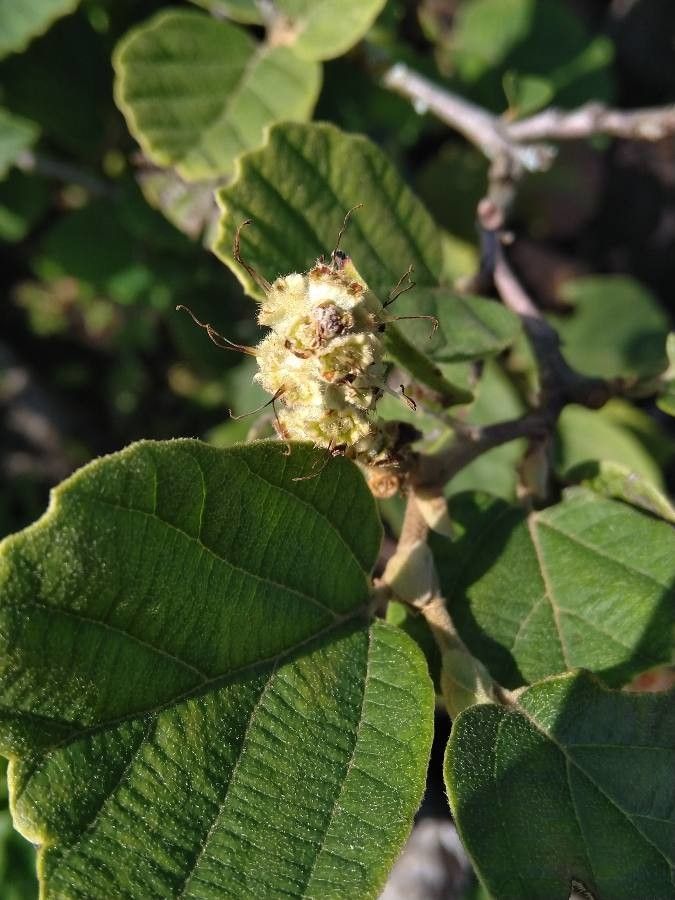
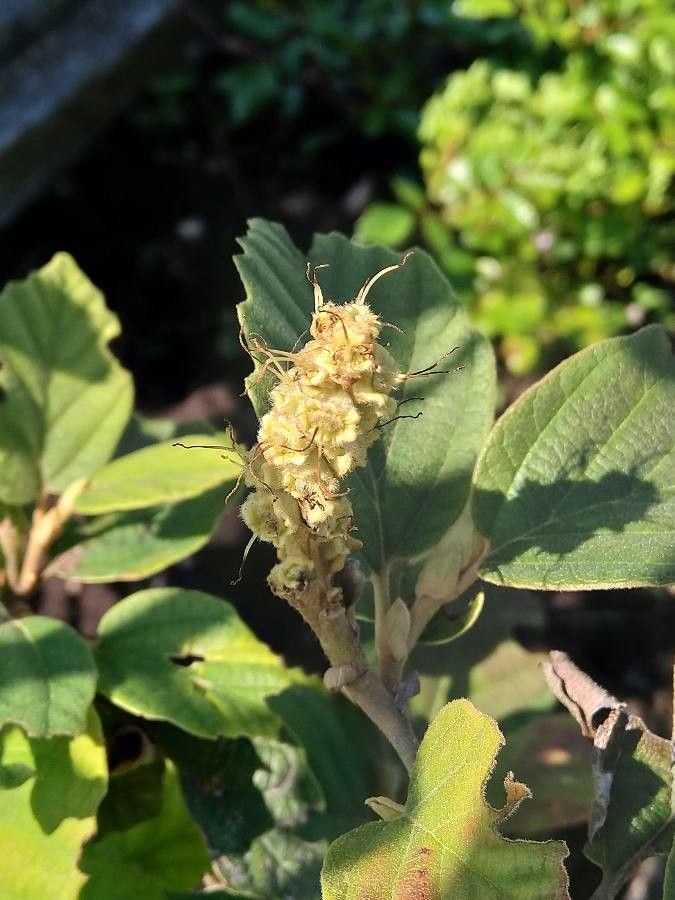
Fothergilla gardenii, commonly known as Dwarf Fothergilla or Coastal Fothergilla, is a deciduous shrub belonging to the Hamamelidaceae family. Native to the southeastern United States, it thrives in wetlands, swamps, and along stream banks.
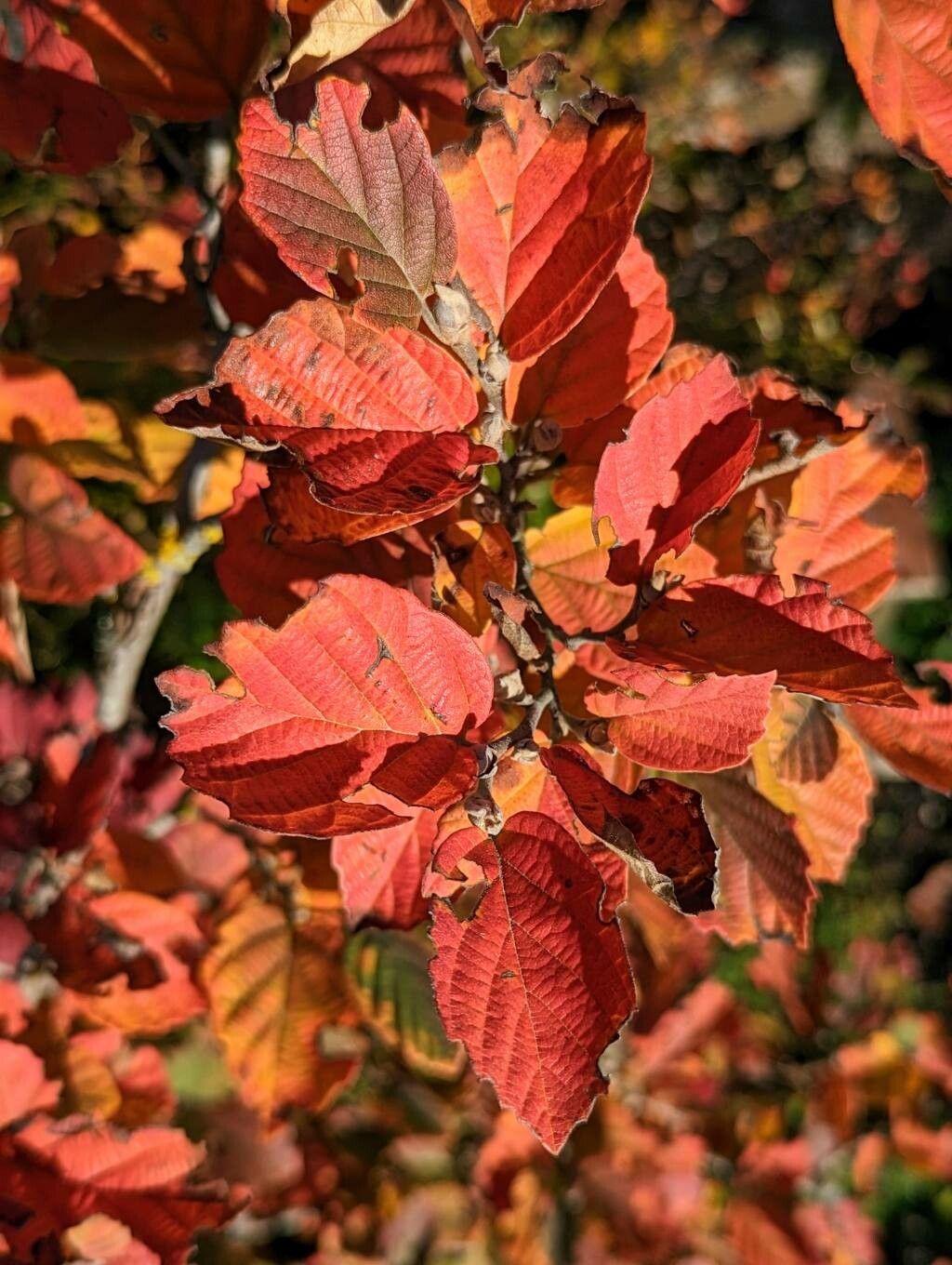
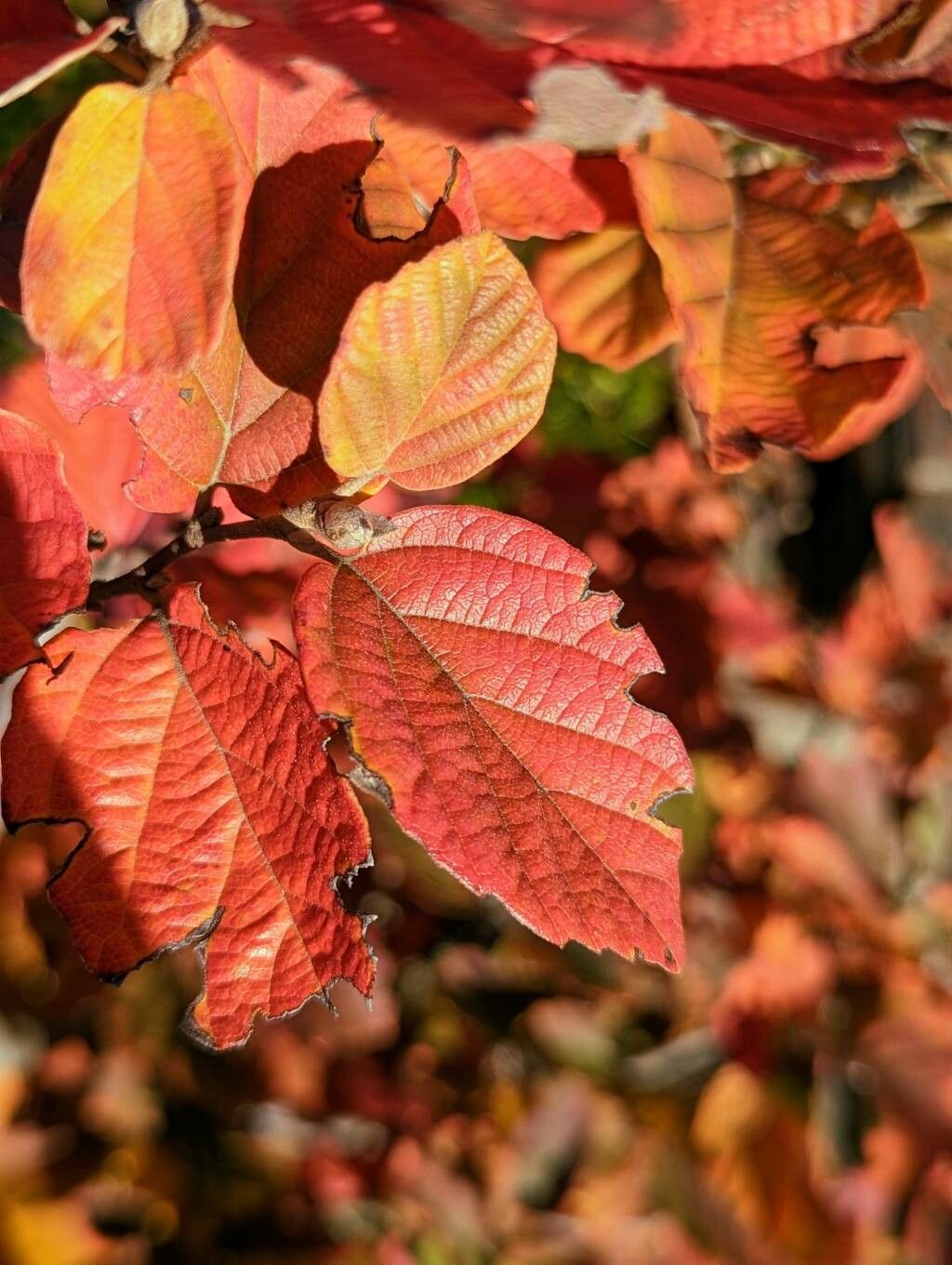
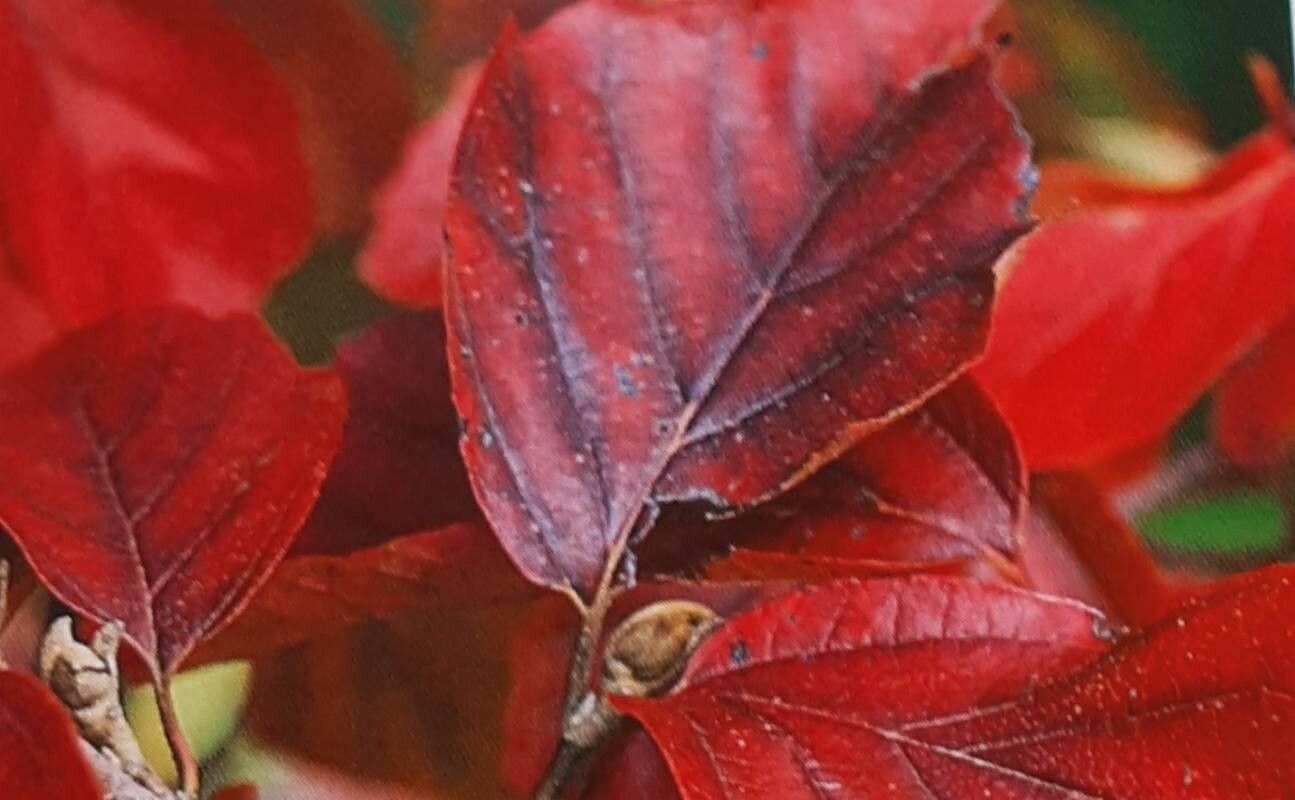
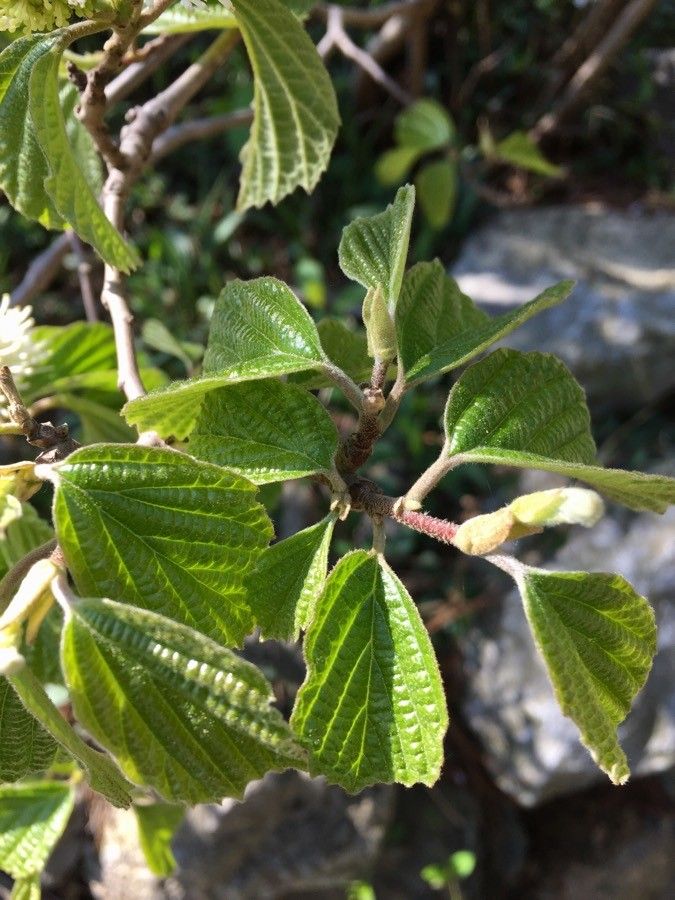
Typically, this plant grows up to 3 feet tall and wide, showcasing a dense, rounded habit. Its attractive blue-green foliage transforms into vibrant shades of yellow, orange, and red in the fall. The leaves are oval-shaped with serrated edges.
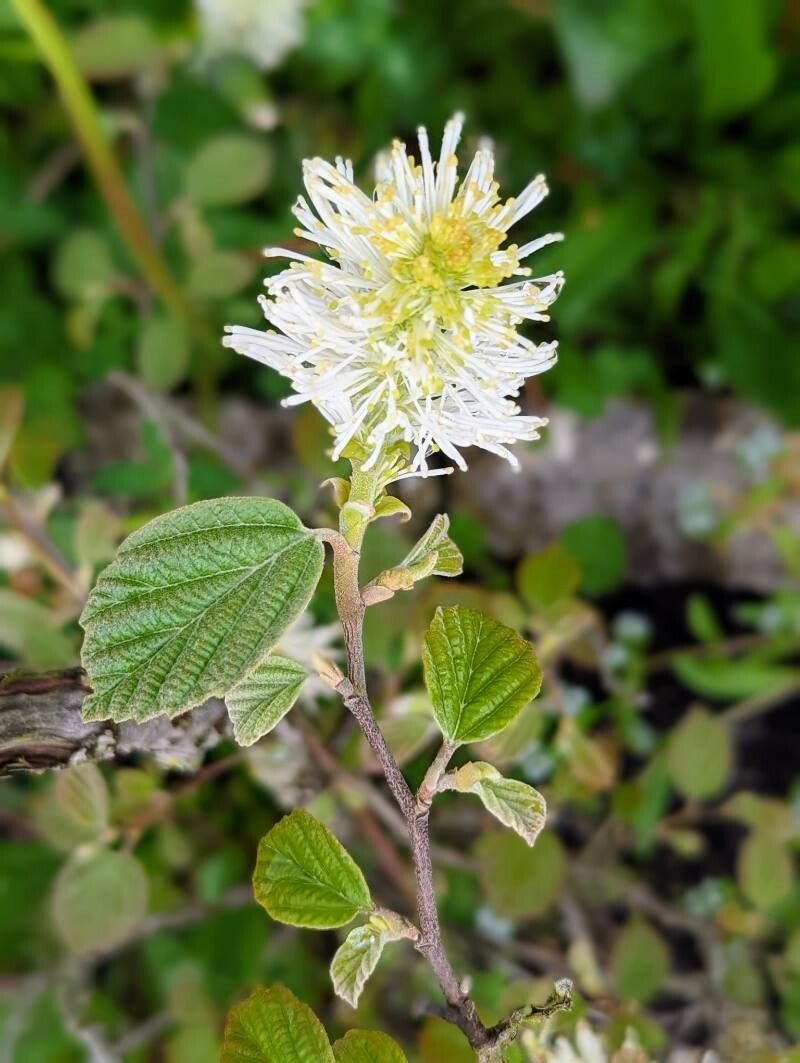
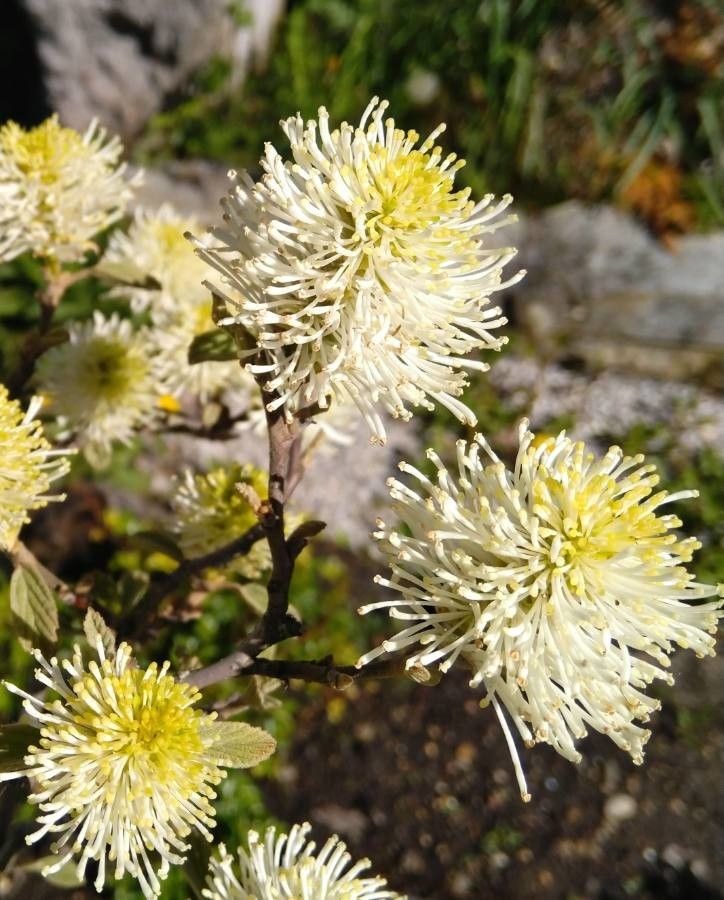
In the spring (April-May), Dwarf Fothergilla produces fragrant, white, bottlebrush-like flowers, 1-2 inches long, at the tips of its branches before the leaves emerge.
While this plant prefers moist soil conditions, it can tolerate some drought once established. It grows best in full sun or partial shade, though it can also thrive in full shade.
Dwarf Fothergilla is an excellent choice for gardeners seeking an attractive, low-maintenance shrub with year-round interest. Its beautiful foliage color changes through the seasons and fragrant spring flowers add to its appeal.
Dwarf witchalder is resistant to disease and is usually not susceptible to illnesses. Regarding care, the plant is fairly low-maintenance. When grown outdoors it needs only minimal watering, and larger plants typically do not require pruning. Smaller plants, however, should be pruned after they have finished blooming. Dwarf witchaldert is appropriate for anyone with an outdoor area, such as a garden or deck, and does not demand much experience in plant care.
How to keep Fothergilla Gardenii.
Light
Dwarf witchalder occurs naturally in habitats like forest understories and rocky areas, where it lives in natural shade. It prefers partial sun but can tolerate full sun or full shade, demonstrating its versatility and hardiness.
Water
Dwarf witchalder grows best in areas with moderate rainfall, where there is a balanced level of moisture without experiencing extreme drought or high humidity. It's best to water the plant once every 1 to 2 weeks. As a deciduous shrub, dwarf witchalder goes dormant during the colder months, meaning it requires significantly less water at that time.
Temperature
Dwarf witchalder is highly adaptable to a wide variety of climate conditions, from blazing summers to freezing winters. It does, however, have a preferred temperature range for healthy growth. If temperatures become excessively high, the plant is vulnerable to heat and humidity stress, which can lead to its death. In locations where temperatures near the lower limit of its cold tolerance, it is necessary to use insulating measures to protect the plant.
Fertilizer
Proper timing is essential for fertilizing Dwarf witchalder. Begin feeding in early spring and continue once a month until early summer. Fertilizer promotes attractive blooms and supplies energy during both dormant and active growth periods.
Pruning
To ensure healthy growth and blooming, dwarf witchalder should be pruned in early spring. Start by removing any dead branches. Then, thin out crowded areas to improve air circulation, and shape the plant as desired. Using clean tools is important to prevent disease and keep your dwarf witchalder vibrant and well-shaped.
Botanical profile.
- Plant Type
- Shrub
- Life Cycle
- Perennial
- Genus
- Fothergilla
- Family
- Hamamelidaceae
- Hardiness Zone
- 5-8
- Mature Height
- 0.91 m to 1.83 m
- Mature Spread
- 1.22 m to 1.83 m
- Leaf Color
- Red, Blue, Green, Orange
- Leaf Type
- Deciduous
- Flower Color
- White
- Flower Size
- 2.54 cm to 7.62 cm
- Bloom Time
- Early spring, Mid spring
- Planting Time
- Spring, Autumn
- Harvest Time
- Mid summer, Late summer, Early fall
Other names.