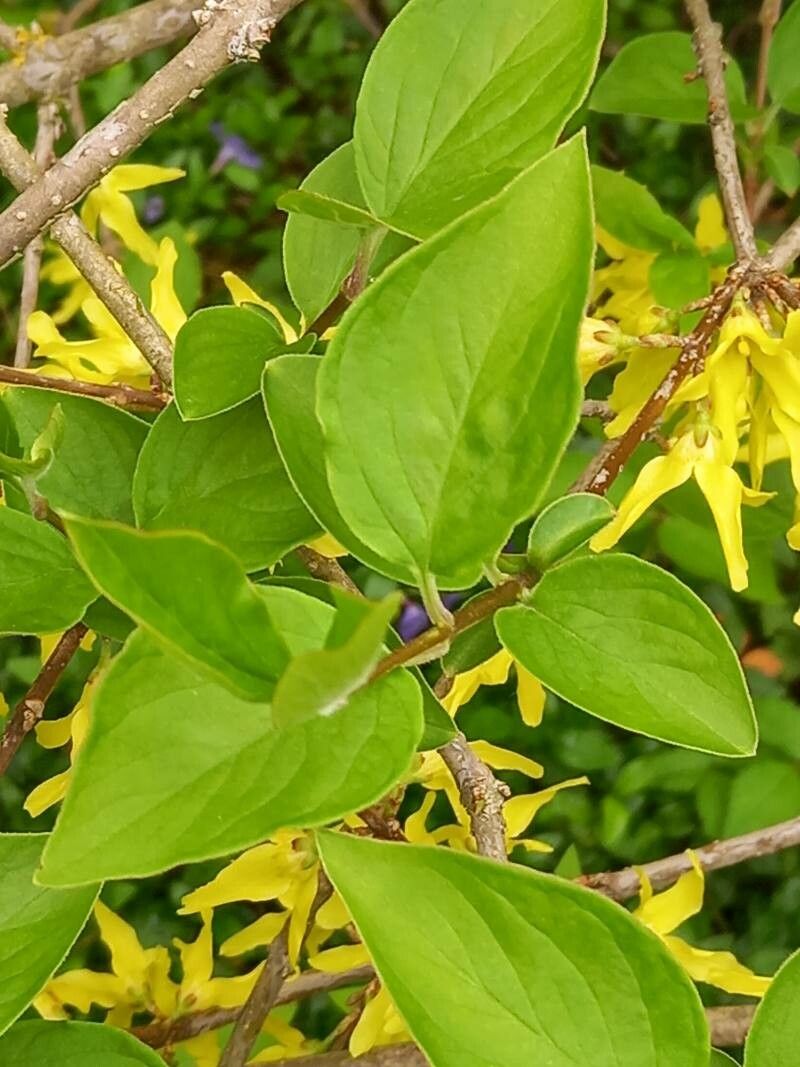
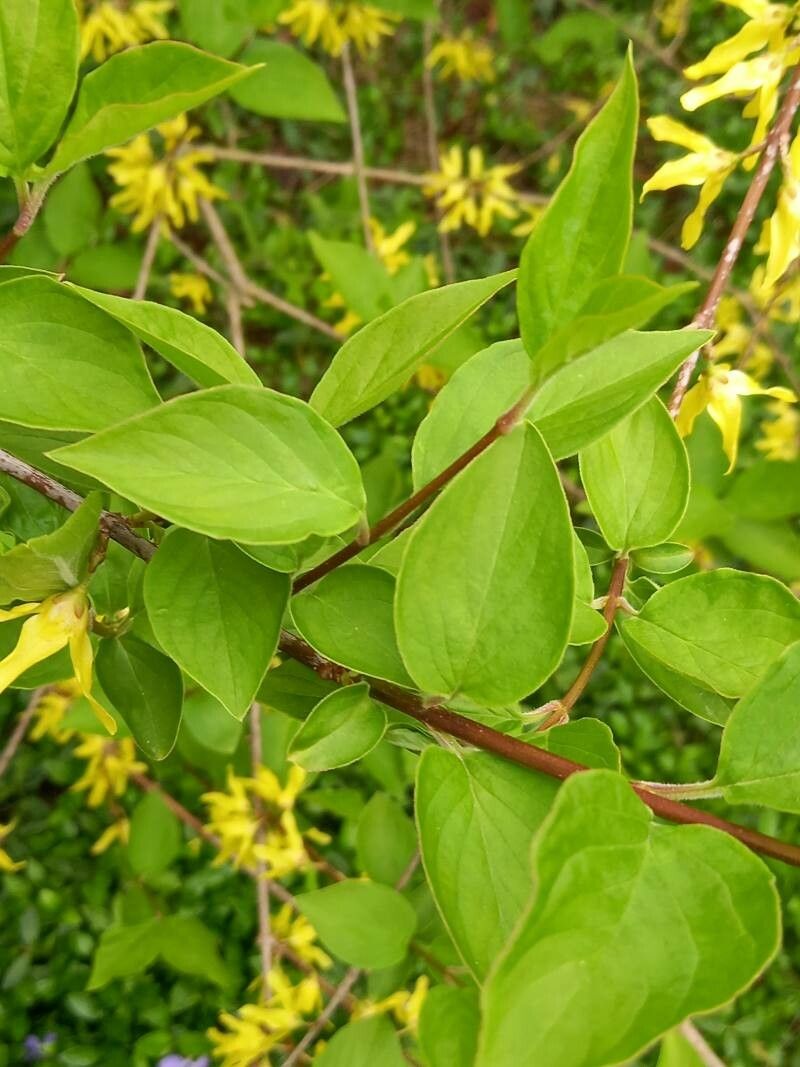
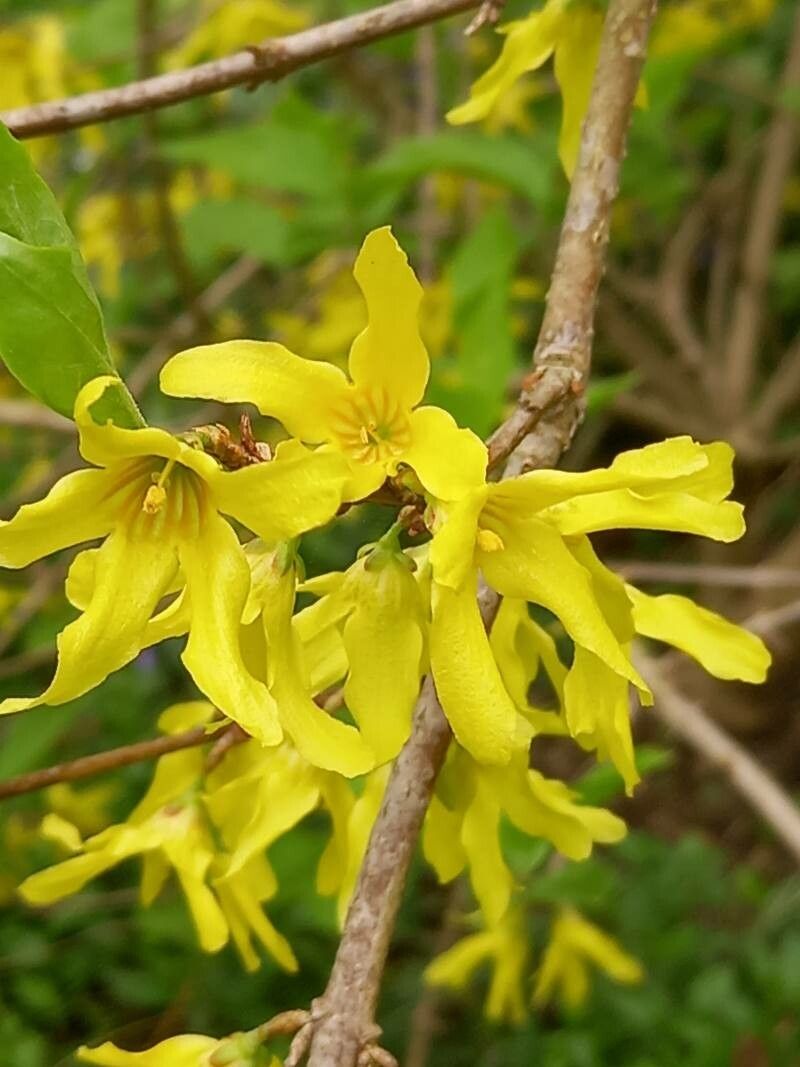
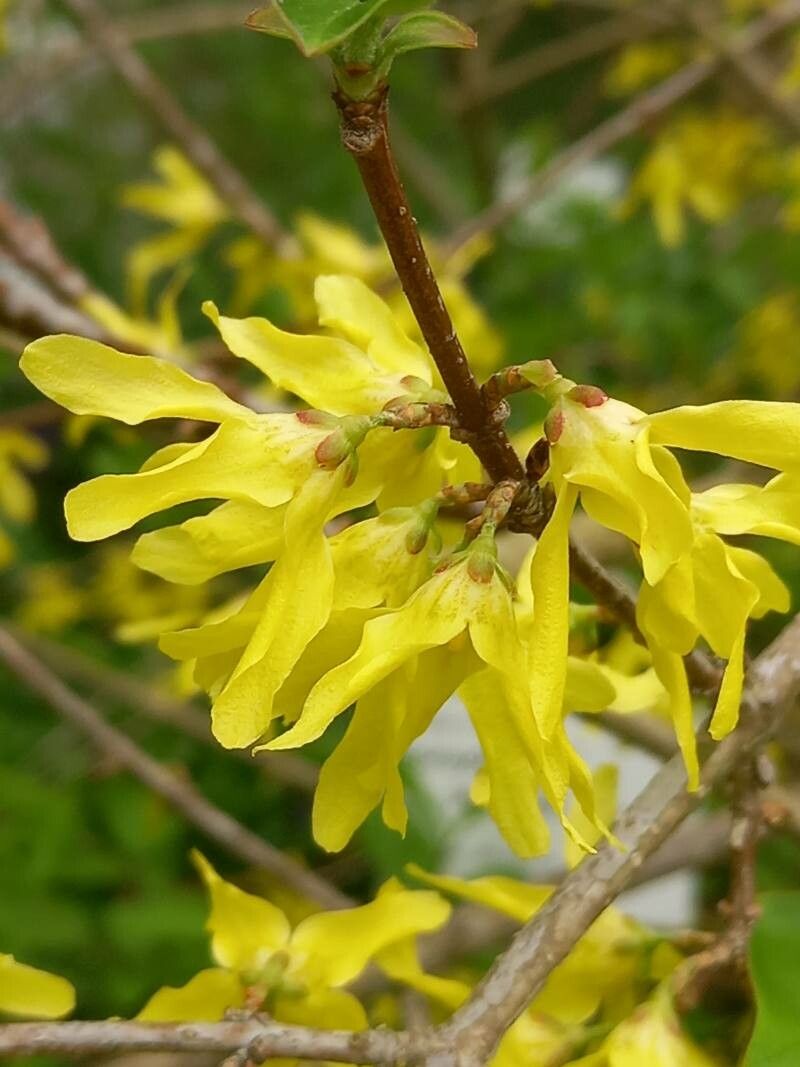
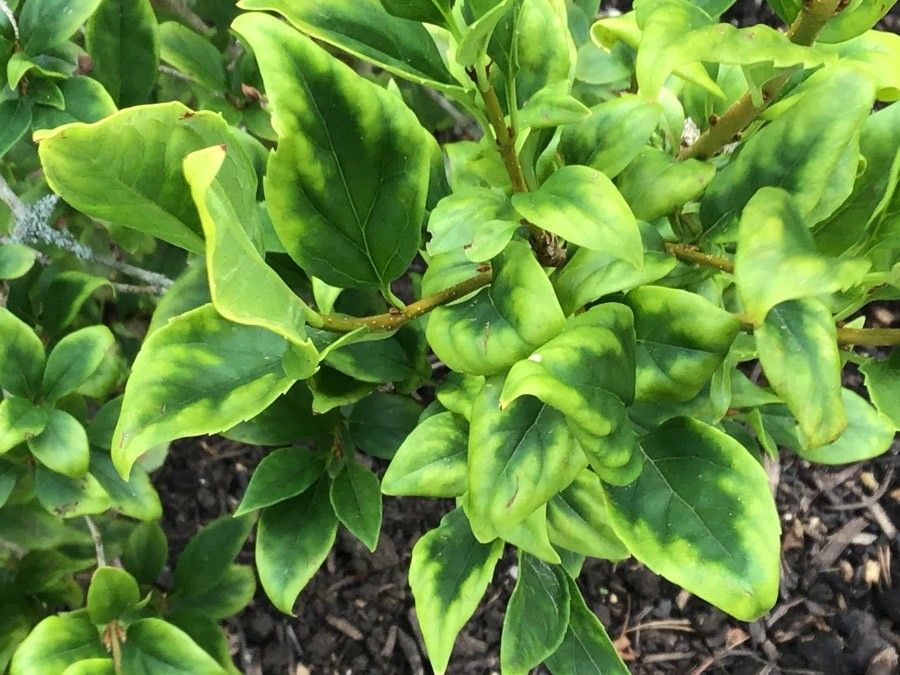
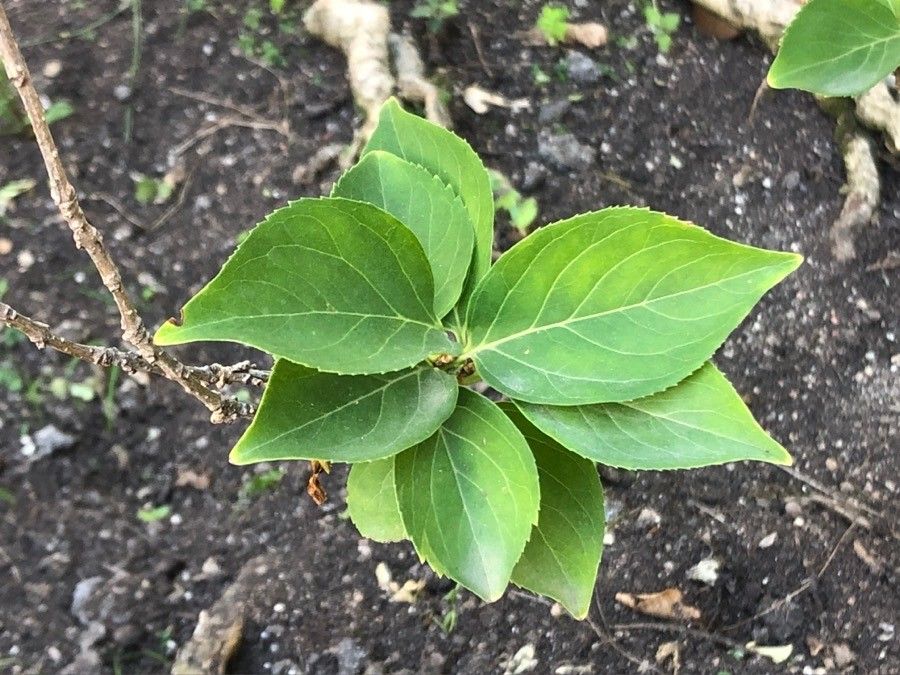
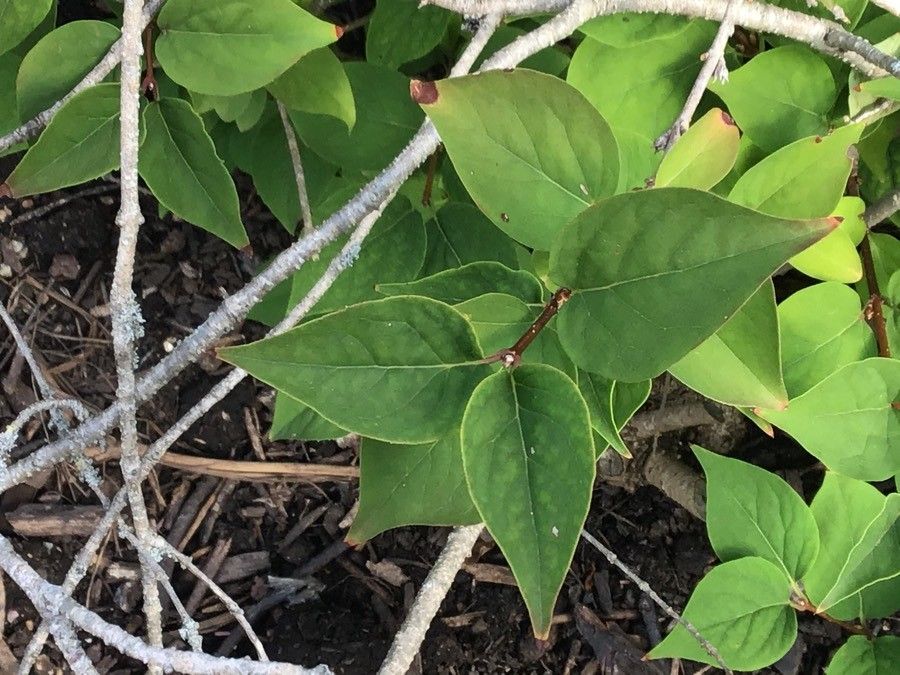
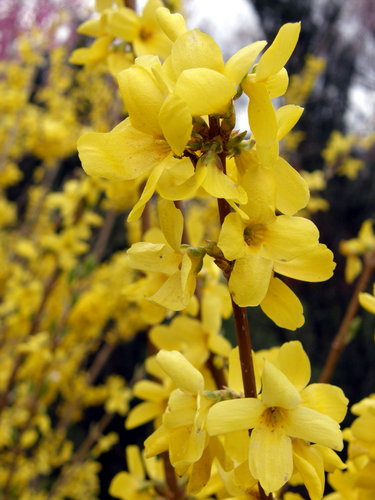
Forsythia japonica shows good resistance to disease and is generally not susceptible to illnesses. In terms of maintenance, this plant is fairly low-maintenance. Planted outdoors, it needs only occasional watering, and larger specimens usually do not require pruning. Smaller plants, however, should be pruned after they have finished flowering. Forsythia japonica is appropriate for anyone with an outdoor area, such as a garden or a deck, and does not demand extensive care experience.
How to keep Forsythia Japonica.
Light
Forsythia japonica comes from open habitats, such as sunlit meadows and forest margins, where light is plentiful. It performs best in Full Sun but can tolerate Partial Sun, accommodating a variety of light conditions.
Water
Water the Forsythia japonica thoroughly when new leaves appear after it has finished flowering. In the summer and fall, water the plant once or twice, adjusting the frequency based on the temperature and rain conditions.
Temperature
Forsythia japonica is highly adaptable to a range of climatic conditions, from very hot summers to cold winters. That said, it does have an optimal temperature range for growth. If temperatures become too high, the plant can suffer from heat and humidity stress, which may lead to its death. In areas where temperatures approach the lower limit of its cold tolerance, it is necessary to provide insulation to protect the plant.
Fertilizer
The timing of fertilizing Forsythia japonica is important. Apply fertilizer in early spring and then once a month until early summer. Fertilizer encourages attractive blooms and supplies energy during both dormant and active growth phases.
Pruning
Forsythia japonica is a deciduous shrub known for its vibrant yellow blooms. To encourage growth and enhance blooming, prune it in early spring after it has finished flowering. Remove any dead wood and thin out the branches. Trim back about one-third of the plant each year to maintain its shape and health. This also helps promote air circulation and prevent disease.
Botanical profile.
- Plant Type
- Shrub
- Life Cycle
- Perennial
- Genus
- Forsythia
- Family
- Oleaceae
- Hardiness Zone
- 5-8
- Mature Height
- 1.52 m to 3.05 m
- Mature Spread
- 1.52 m to 2.44 m
- Leaf Color
- Green, Dark Green
- Leaf Type
- Deciduous
- Flower Size
- 2.03 cm to 3.05 cm
- Bloom Time
- Late winter, Early spring
- Planting Time
- Spring, Summer
- Harvest Time
- Late spring, Early summer, Mid summer
- Native Area
- Koppen, Japan, South Korea
Reader questions.
What are the sunlight requirements for Forsythia japonica?
Forsythia japonica requires full sun, which means it needs more than 6 hours of sunlight daily, or partial sun, which means about 3-6 hours of sunlight. It's important to observe the way sunlight moves through your garden to find the perfect spot that provides the right balance of light and shade, ensuring the plants remain happy and healthy.
What is Forsythia japonica's botanical name?
The botanical name for Forsythia japonica is Forsythia japonica.