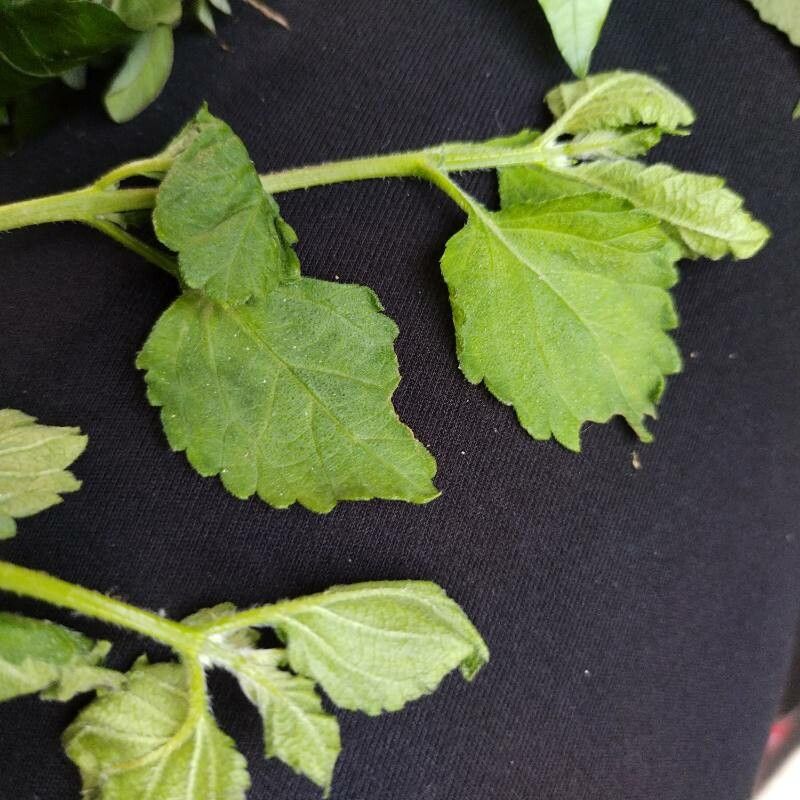
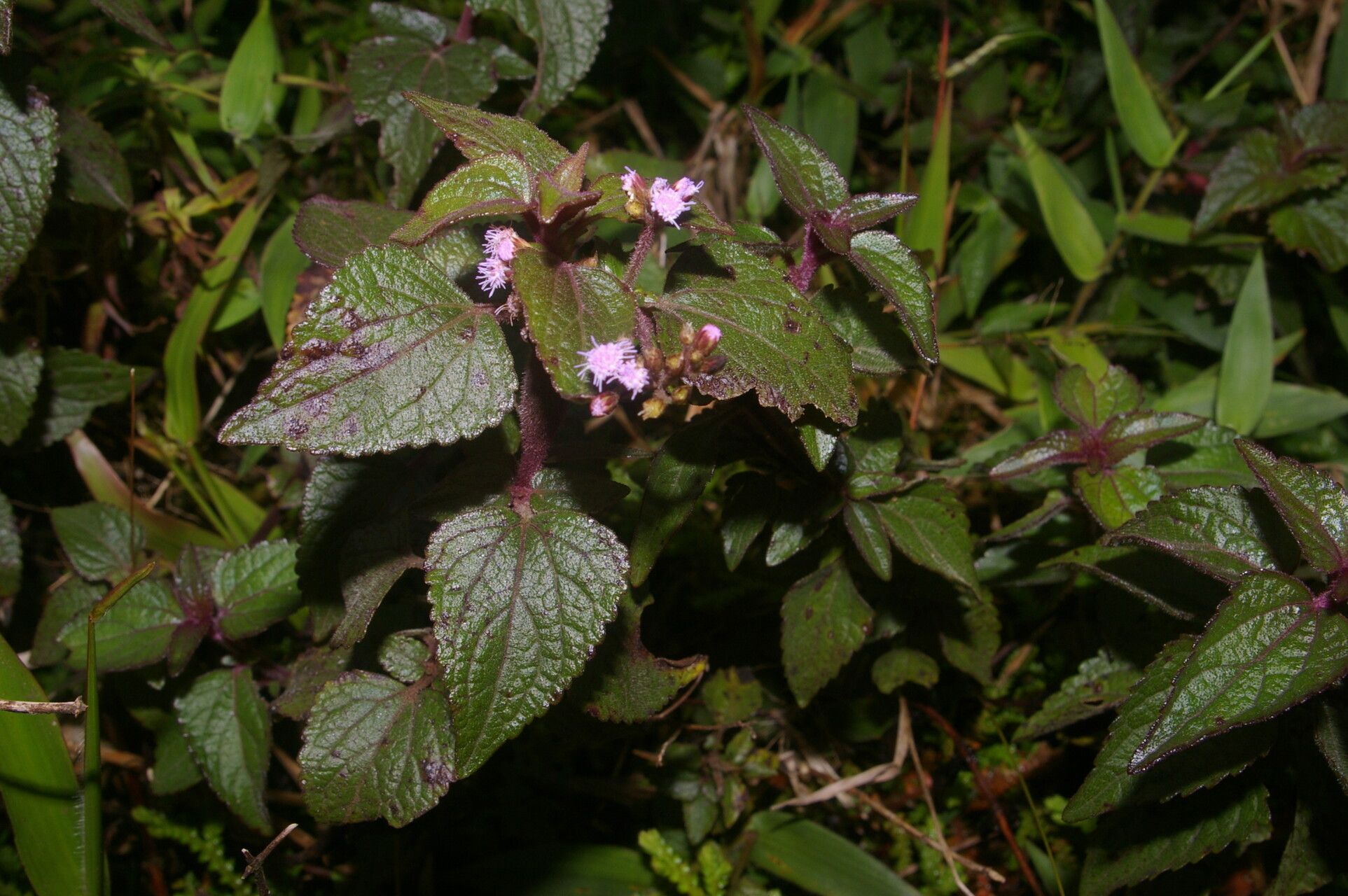
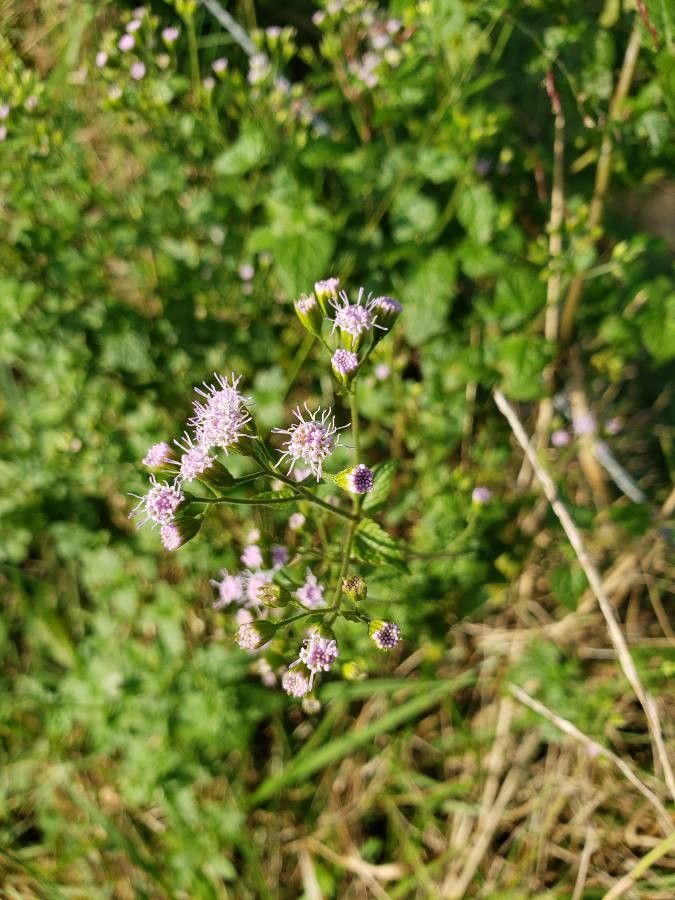
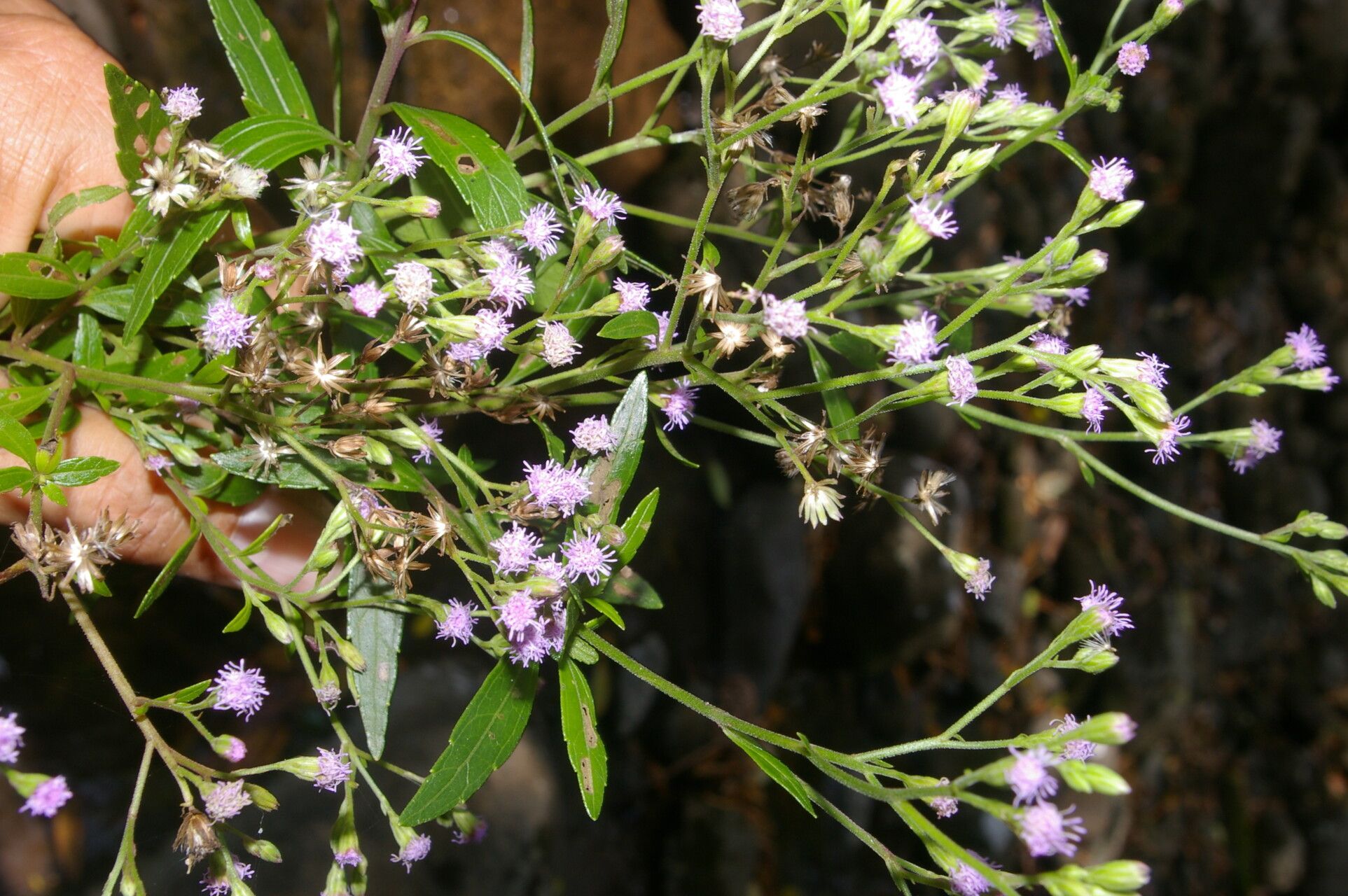
Fleischmannia incarnata, the pink slender-thoroughwort or pink thoroughwort, is a North American species of flowering plant in the family Asteraceae. It is native to the United States from Florida north as far as Virginia, Ohio, and Illinois, and west to Texas and Oklahoma. It is also found in northeastern Mexico (Veracruz, Tamaulipas, Nuevo León).Fleischmannia incarnata grows in moist woodlands, thickets, marshes, and along streambanks. It is a perennial herb up to 200 cm (79 in) or 6 2/3 feet) tall. It produces numerous flower heads in a flat-topped array at the ends of the stems, each head with about 20 pink, purple, or whitish disc flowers per head but no ray flowers. The plant attracts butterflies.
Pink slender-thoroughwort shows good resistance to disease and is generally not prone to problems. Nevertheless, it can be vulnerable to pests and diseases that occur in its surroundings. These infections are usually mild. For care, the plant requires a moderate level of maintenance. It should be pruned regularly to keep a neat appearance and support healthy growth. Fertilizing can also help encourage flowering. Pink slender-thoroughwort is suitable for anyone with outdoor space, such as a garden or patio, and does not demand extensive plant-care experience. It may need more attention when grown indoors.
How to keep Fleischmannia Incarnata.
Light
Pink slender-thoroughwort is a sun-loving herbaceous perennial that originates in open habitats and is commonly found in meadows and grasslands. It prefers full sun but can also tolerate partial sun.
Temperature
Pink slender-thoroughwort comes from tropical areas, where the climate is usually warm and humid. Consequently, it is well suited to high temperatures and moisture. It does not tolerate sudden temperature shifts and prefers a stable thermal environment, so avoiding indoor temperature fluctuations is important. It typically cannot withstand cold and requires relatively warm conditions to grow. If the surrounding temperature falls too low, the plant may stop growing or even die.
Fertilizer
Appropriate fertilization is essential for Pink slender-thoroughwort’s health and appearance. Fertilize Pink slender-thoroughwort during summer, repeating the application every month throughout the season. Nutrients provide the energy for growth and help maintain the plant’s tissues. Feeding the plant improves Pink slender-thoroughwort’s flower display, ensuring the best blooms.
Pruning
Prune pink slender thoroughwort from early to late spring to encourage bushier growth and remove dead stems. Thinning helps improve air circulation, which can prevent disease. Regular pruning not only promotes vigorous blooms but also helps maintain the plant's shape. Make sure to use clean, sharp tools for precise cuts to avoid damaging the stems.
Botanical profile.
- Plant Type
- Herb
- Life Cycle
- Perennial
- Genus
- Fleischmannia
- Family
- Asteraceae
- Hardiness Zone
- 8-11
- Mature Height
- 2.13 m
- Mature Spread
- 30 cm to 46 cm
- Leaf Color
- Green
- Leaf Type
- Deciduous
- Flower Color
- Pink
- Flower Size
- 0.15 cm
- Bloom Time
- Late summer, Early fall, Mid fall
- Planting Time
- Spring, Autumn
- Harvest Time
- Mid fall, Late fall, Early winter
- Native Area
- Mexico
Other names.
Reader questions.
What are the sunlight requirements for Pink slender-thoroughwort?
Pink slender-thoroughwort requires full sun, meaning it needs above 6 hours of sunlight, but it can also thrive in partial sun conditions, which is about 3-6 hours of sunlight daily. It's important to monitor how sunlight moves through your garden and select locations that offer a suitable mix of light and shade, ensuring the plant's growth and happiness.
What are the essentials for growing Pink slender-thoroughwort?
Pink slender-thoroughwort is a sun-loving perennial herb that originates from open habitats like meadows and grasslands. It prefers full sun but can tolerate partial sun. For indoor plants that can't get enough natural light, especially in winter or less sunny locations, artificial lighting is a crucial substitute. LED lights are recommended since they can provide specific light wavelengths ideal for plant growth. Full sun plants require 30-50W per square foot of artificial light, partial sun plants need 20-30W per square foot, and the distance of the light source should be 12-36 inches above the plant. The duration of artificial light exposure should mimic natural daylight hours, generally 8-12 hours per day.
What are the symptoms of insufficient light in Pink slender-thoroughwort?
When Pink slender-thoroughwort receives inadequate light, several symptoms can appear. These include small or new leaves growing smaller than previous ones, leggy or sparse growth, accelerated leaf drop, halted new growth, paler new leaves, chlorosis (leaves turning yellow), sunscald, leaf curling, wilting, and leaf scorching. Such symptoms indicate either too little or too much light, pointing towards the need for better light management to ensure the plant's health.
How can I address light-related issues in Pink slender-thoroughwort?
To optimize Pink slender-thoroughwort's growth in response to light-related issues, implement the following solutions based on your setting. Indoor: Gradually move the plant to a sunnier spot to achieve at least 6 hours of direct sunlight daily, using a south-facing window for maximum exposure. Consider artificial lighting, like desk or ceiling lamps for 8 hours daily, or invest in grow lights if the plant is large or not easily movable. Outdoor and Ground: Gradually adjust the plant to more sunlight by repositioning it weekly to avoid sunburn. If light is blocked by obstacles like trees, prune to improve sunlight access. For smaller plants, consider transplanting during dormant periods (late winter or early spring) to a location with better light and drainage. Keep in mind, damaged parts of the plant might not recover fully, but new growth should be healthy with improved light conditions.